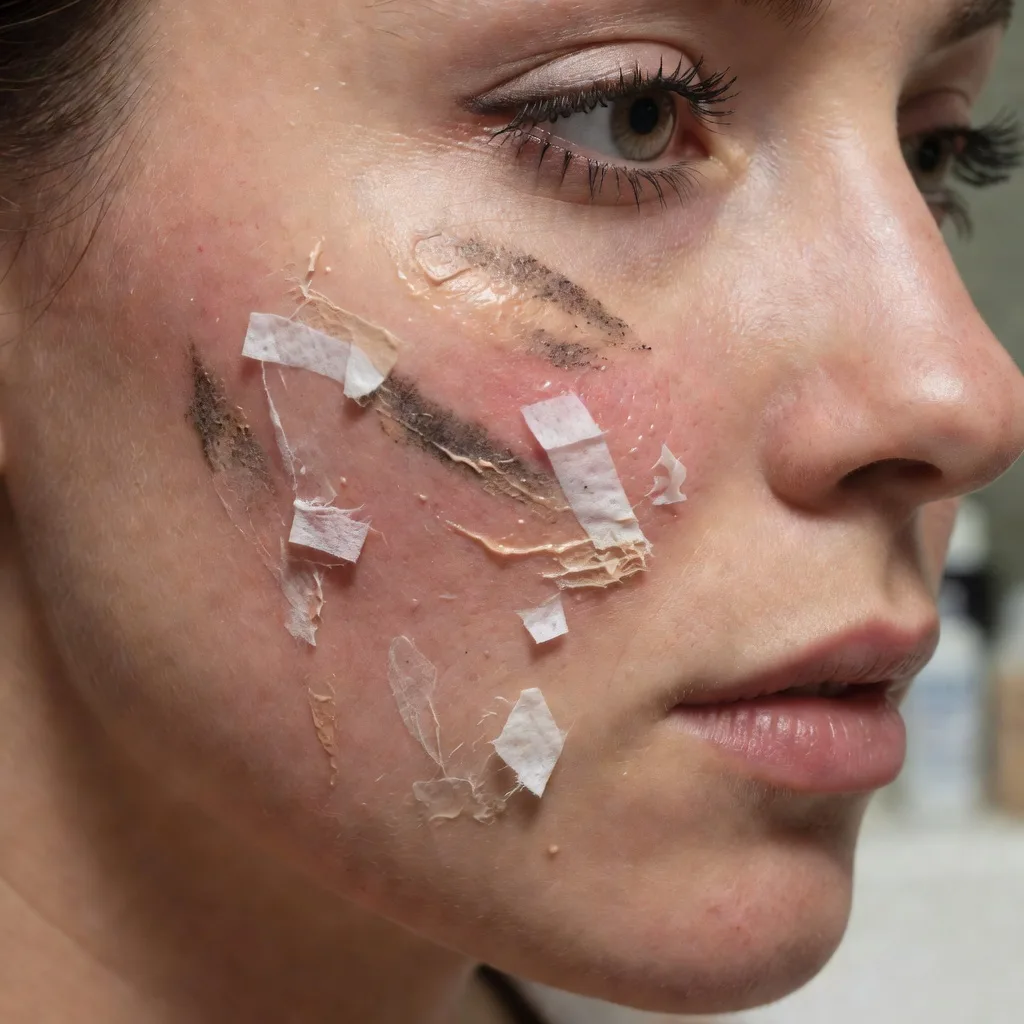
Are Makeup Wipes Bad for Your Face? What to Use Instead
Makeup wipes are one of the most convenient beauty products ever invented. After a long day or a late night, it is tempting to swipe off your makeup and fall into bed. Many people rely on them every single night. They are quick, portable, and feel like a reasonable shortcut.
Part of our guide to makeup how-to. Start with: Best Way to Use Makeup Remover: Micellar Water, Balms, Oils and Eye Removers
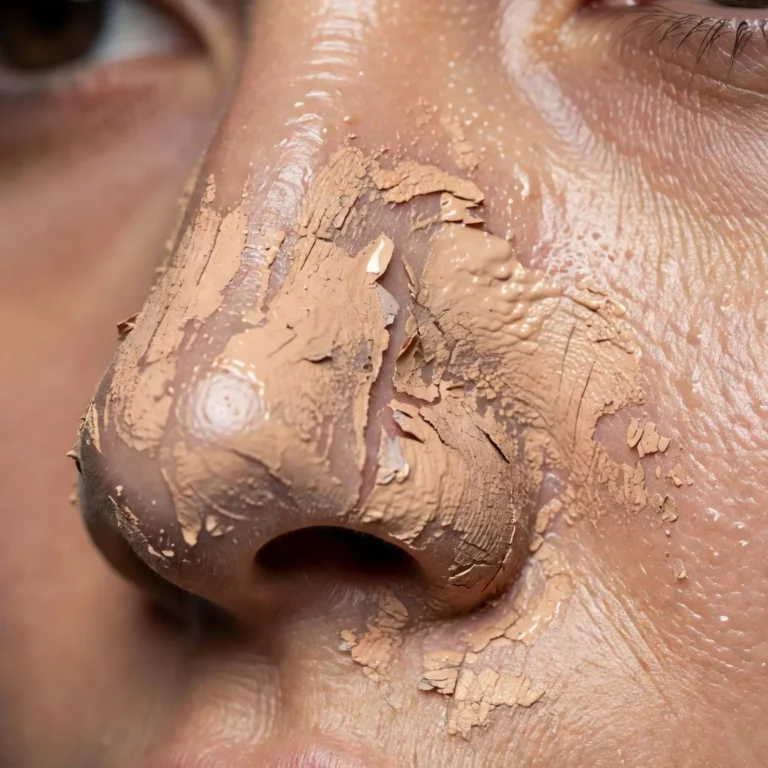
Makeup wipes are not harmful when used occasionally, but relying on them as your only cleanser can cause problems. Wiping tends to drag across the skin, often leaves residue of makeup and cleansing ingredients behind, and some wipes contain fragrance or preservatives that irritate sensitive skin.
Preservatives in wipes have caused real problems in the past. Methylisothiazolinone, a preservative once widely used in wet wipes, caused so many allergic reactions that the American Contact Dermatitis Society named it Contact Allergen of the Year in 2013. Many brands have since reformulated, but ingredients still vary widely.
Wipes also have an environmental cost. Many contain plastic fibers and do not break down, and flushed wipes are a major cause of sewer blockages. A 2017 study by Water UK found that wet wipes made up most of the material in the blockages it examined.
This guide explains when wipes are fine, what goes wrong with daily use, better ways to remove makeup, and how to use wipes more gently when you do need them. It also covers the best options for different skin types and for travel.
Shopping these picks?
Amazon Prime members get fast, free shipping on eligible items, plus Prime Video, Amazon Music and member deals. New members can start with a free trial.
Start a free Prime trialAged 18 to 24? Prime for Young Adults comes with a longer free trial and a lower price after it.
Affiliate link: we may earn a commission at no extra cost to you.
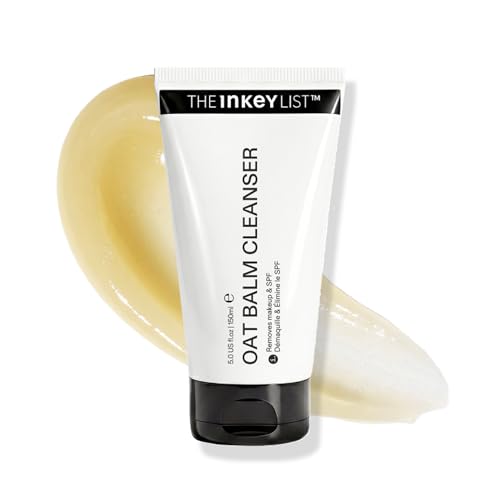
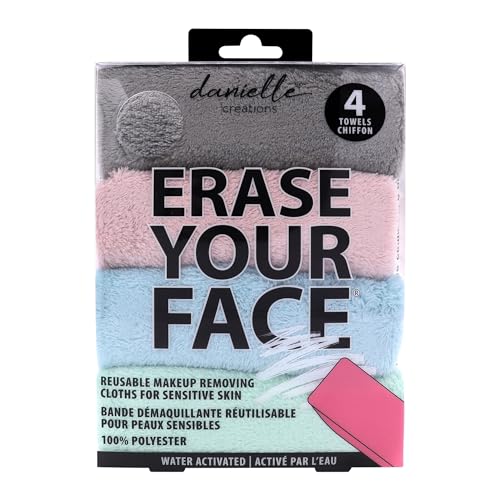
Recommended Makeup Removers and Wipe Alternatives
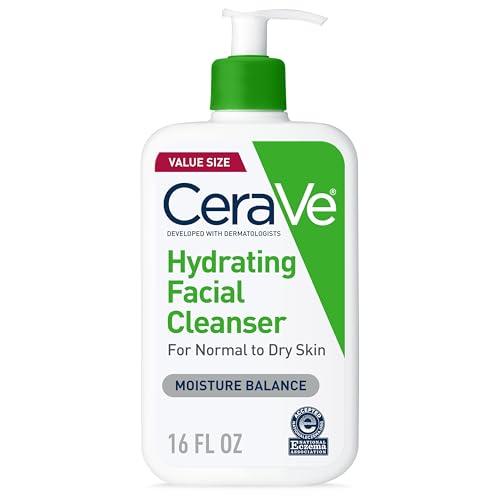
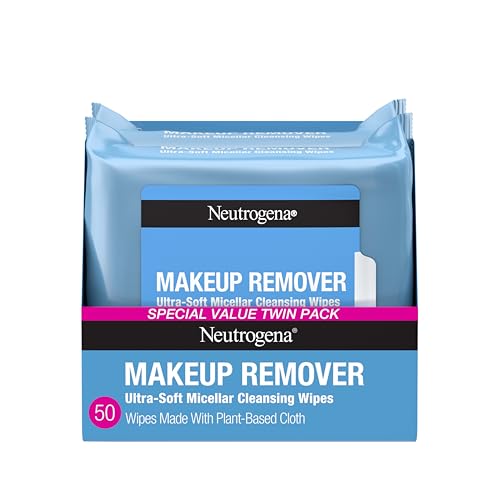

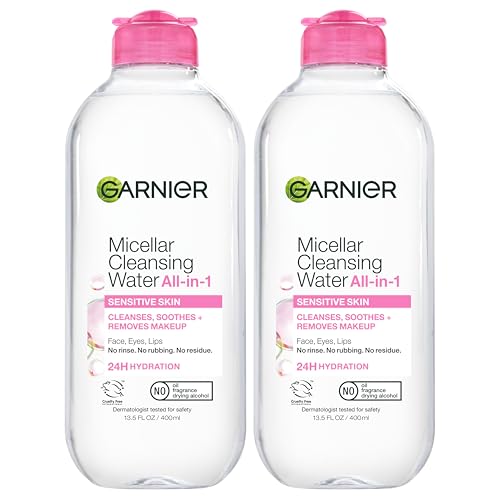

What This Covers
- What Goes Wrong With Daily Wipe Use
- Wipes and Contact Allergy
- A Better Nightly Removal Routine
- Wipes vs Other Makeup Removers
- Choosing a Gentle Makeup Remover
- Makeup Removal by Skin Type
- How to Use Wipes More Gently
- Removing Eye Makeup Safely
- Travel and On-the-Go Options
- Wipes and the Environment
- What Wipes Can and Cannot Do
- When to See a Dermatologist
- Your Questions, Answered
- The Bottom Line
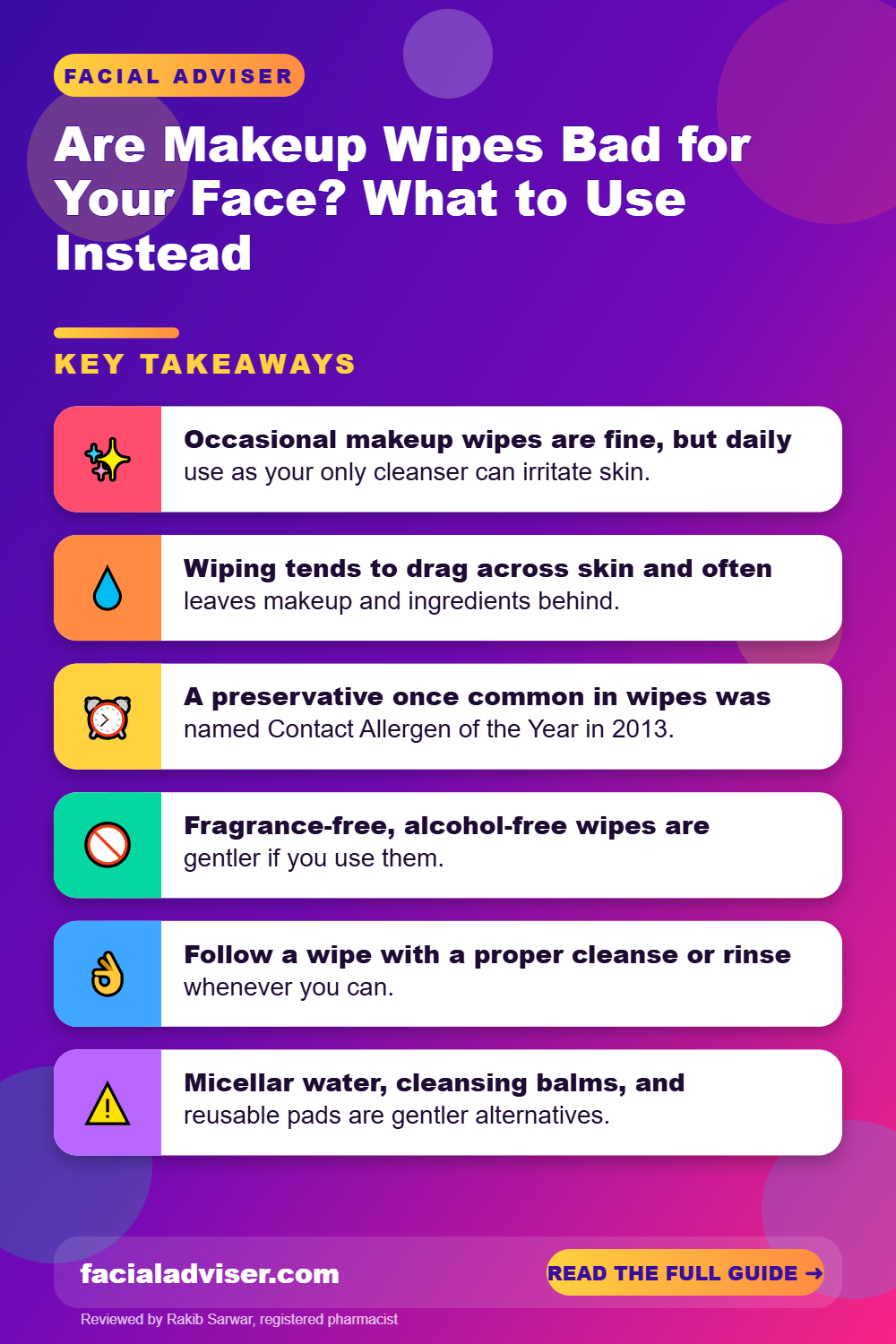
In Brief
- Occasional makeup wipes are fine, but daily use as your only cleanser can irritate skin.
- Wiping tends to drag across skin and often leaves makeup and ingredients behind.
- A preservative once common in wipes was named Contact Allergen of the Year in 2013.
- Fragrance-free, alcohol-free wipes are gentler if you use them.
- Follow a wipe with a proper cleanse or rinse whenever you can.
- Micellar water, cleansing balms, and reusable pads are gentler alternatives.
- Never flush wipes, and choose biodegradable options if you use them often.
What Goes Wrong With Daily Wipe Use
Wipes are designed for convenience, not a thorough cleanse. The main issues come from how they are used and what they contain.
- Friction: rubbing a cloth across the face, especially around the eyes, can irritate skin and, over time, contribute to redness and sensitivity.
- Residue: wipes often move makeup around rather than lifting all of it, and cleansing ingredients can be left on the skin without rinsing.
- Irritants: some wipes contain fragrance, alcohol, or preservatives that can sting or trigger allergies.
- Incomplete removal: long-wear foundation, waterproof mascara, and sunscreen are hard to remove fully with a wipe alone.
- Clogged pores: leftover makeup and oil can contribute to breakouts in acne-prone skin.
None of this means one wipe will damage your skin. The problem is using them every day as a substitute for cleansing.
If you notice redness, dryness, or new breakouts and you use wipes nightly, they may be part of the cause.
Wipes can also dry out as a pack is used, so the last few wipes in a pack often contain less liquid and drag even more. Keeping the pack tightly sealed helps.
Wipes and Contact Allergy
Wet wipes need strong preservatives to prevent bacteria and mold, because they are moist and stored for long periods. In the early 2010s, a preservative called methylisothiazolinone became widely used in wipes and other products, and cases of allergic contact dermatitis rose sharply.
The American Contact Dermatitis Society named methylisothiazolinone its Contact Allergen of the Year in 2013. Regulators in some regions later restricted its use in leave-on and certain rinse-off products, and many brands reformulated.
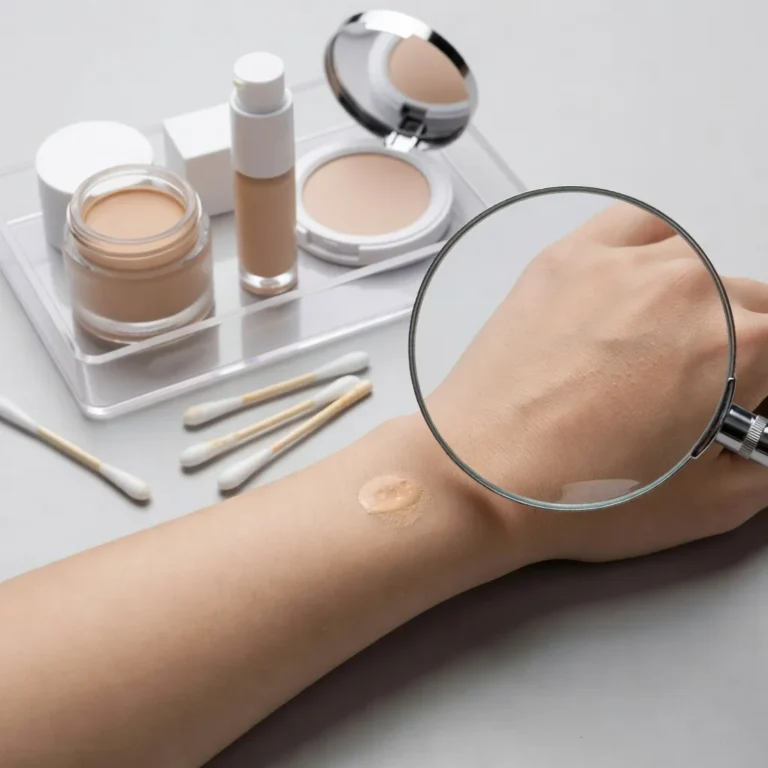
Fragrance is another common trigger. If you notice itching, redness, or a rash around your eyes, cheeks, or mouth after using wipes, check the ingredient list for fragrance and preservatives, and consider seeing a dermatologist for patch testing.
Eyelid skin is especially sensitive. It is often the first place to react to ingredients in wipes and removers.
Patch testing can identify whether a preservative, fragrance, or other ingredient is the cause, which makes choosing future products much easier.
A Better Nightly Removal Routine
This routine removes makeup thoroughly while being gentle on skin.
Loosen eye makeup
Soak a cotton pad or reusable pad with micellar water or eye makeup remover, hold it on closed lids for 10 to 20 seconds, then wipe gently downward.
Dissolve face makeup
Massage a cleansing balm or oil onto dry skin, or sweep micellar water over the face with a pad.
Cleanse
Follow with a gentle cleanser and lukewarm water to remove the remaining makeup and remover.
Pat dry
Use a clean towel and pat rather than rub.
Moisturize
Apply your night moisturizer or treatment to clean skin.
Keep micellar water and cotton pads by your bed for nights when you are too tired to go to the bathroom. It is gentler than a wipe and takes only a minute.
Wipes vs Other Makeup Removers
| Method | Gentleness | Removes long-wear makeup? | Best for |
|---|---|---|---|
| Makeup wipes | Moderate; friction and residue | Partly | Travel, occasional use |
| Micellar water with pads | Gentle | Mostly, especially with soaking | Everyday use, sensitive skin |
| Cleansing balm or oil | Gentle | Yes, including waterproof | Heavy makeup, sunscreen |
| Cleanser alone | Gentle | Light makeup only | Minimal makeup days |
| Reusable cloth with water | Gentle to moderate | Light makeup | Low-waste routines |
Many people find that a cleansing balm followed by a gentle cleanser, often called double cleansing, is the most thorough and comfortable option.
Whichever method you choose, removing makeup every night matters more than the exact product. Sleeping in makeup is harder on skin than an occasional wipe.
Choosing a Gentle Makeup Remover
If you are moving away from wipes, the right remover depends on your makeup and skin.
- Micellar water contains tiny clusters of cleansing molecules that attract makeup and oil. It is gentle, needs no rinsing for many people, and works well for light to medium makeup.
- Cleansing balms and oils melt makeup, including waterproof mascara and long-wear foundation. Emulsify with a little water and rinse, then follow with a regular cleanser.
- Bi-phase eye makeup removers combine oil and water layers you shake together, designed specifically for waterproof eye makeup.
- Gentle cream cleansers can remove light makeup on their own and suit dry or sensitive skin.
Choose fragrance-free options if your skin is sensitive, and pair your remover with a soft reusable pad or cotton round.
Makeup Removal by Skin Type
Different skin types benefit from slightly different approaches.
For dry or sensitive skin, a cleansing balm or micellar water followed by a creamy cleanser is usually more comfortable than wipes, which can feel tight and dry.
For oily or acne-prone skin, a double cleanse helps remove makeup and excess oil fully. If you use an oil or balm, follow with a gentle foaming or gel cleanser. Our guide on hydrating vs foaming cleansers can help you choose.
For mature skin, gentle removal with minimal rubbing helps protect thinner, more delicate skin, especially around the eyes.
How to Use Wipes More Gently
Wipes still have a place, especially for travel, camping, and late nights. If you use them, a few habits reduce the downsides.
Worth Doing
- Choose fragrance-free, alcohol-free wipes.
- Hold the wipe on eye makeup for a few seconds before wiping.
- Use a fresh section of the wipe for each area.
- Rinse or cleanse afterward when you can.
- Moisturize after using a wipe.
Skip It
- Scrub back and forth across your face.
- Use one wipe for the whole face and eyes.
- Rely on wipes every night.
- Flush wipes down the toilet.
- Use wipes on broken or irritated skin.
If your skin feels tight, stingy, or looks red after using a wipe, that is a sign the product or technique is too harsh for you. Try a different, gentler formula or switch to micellar water.
Removing Eye Makeup Safely
The skin around the eyes is thin and delicate, and rubbing it repeatedly can cause irritation. Waterproof mascara in particular needs a remover that breaks it down rather than force.
Use a dedicated eye makeup remover or micellar water, soak a pad, and hold it against closed lids before wiping gently downward. Use a cotton swab for the lash line.
If you wear eyeliner on your waterline, remove it carefully. Our guide on waterline makeup explains why this area needs extra care.
Replace cotton swabs and pads with fresh ones for each eye, especially if one eye is irritated, to avoid spreading bacteria.
Travel and On-the-Go Options
Wipes are genuinely useful when you have no sink, such as on flights, camping trips, or at festivals. In those situations, a gentle wipe is better than sleeping in makeup.
Good alternatives for travel include a small bottle of micellar water with a few reusable pads, a solid cleansing balm in a small tin, or single-use cleansing cloths designed to be used with water.
When you get the chance, follow a wipe with a proper cleanse to remove any residue, and moisturize afterward.
Pack a small moisturizer too, since travel and dry cabin air can leave skin tight after cleansing.
Wipes and the Environment
Many wipes are made with plastic-based fibers such as polyester, which do not break down easily. When flushed, they can combine with fats and oils in sewers to form large blockages.
A 2017 study by Water UK examined sewer blockages and found wet wipes made up most of the material. Even wipes labeled flushable may not break down quickly enough.
If you use wipes, throw them in the bin rather than flushing them, and consider biodegradable plant-fiber wipes. Reusable pads or cloths washed regularly are a lower-waste alternative.
Reusable pads can be washed in a mesh laundry bag with your regular laundry, making them an easy swap.
What Wipes Can and Cannot Do
| Belief | Reality |
|---|---|
| Wipes clean as well as washing | They often leave makeup and residue behind |
| All wipes are gentle | Ingredients vary; some contain fragrance and alcohol |
| Flushable wipes are fine to flush | Many do not break down quickly enough |
| One wipe is enough for a full face | Using fresh sections works better |
| Wipes cause acne | They may contribute if residue is left, but are not the only cause |
For more on how removal habits affect your skin, see our guide on whether makeup messes up your skin.
Used thoughtfully, wipes can still be part of a healthy routine.
When to See a Dermatologist
See a dermatologist if you notice:
- Itchy, red, or scaly patches around the eyes or mouth.
- A rash that appears after using wipes or removers.
- Swelling of the eyelids.
- Persistent dryness or stinging.
- Breakouts that do not improve after changing your removal routine.
- Eye redness, discharge, or pain.
Stop using a product that causes swelling or a spreading rash, and seek urgent care if you have trouble breathing.
Medical disclaimer: This article is for general information and is not a substitute for professional medical advice. See a healthcare provider about skin reactions.
Your Questions, Answered
Are makeup wipes bad for your face?
Not occasionally, but relying on them daily can irritate skin and leave residue.
Do makeup wipes cause acne?
They may contribute if makeup and residue are left behind, especially on acne-prone skin.
What is better than makeup wipes?
Micellar water, cleansing balms, and a gentle cleanser are gentler and more thorough.
Can I use wipes to remove eye makeup?
Occasionally, but a dedicated eye makeup remover on a soaked pad is gentler.
Should I wash my face after using a wipe?
Yes, whenever possible, to remove residue.
Are fragrance-free wipes better?
They are usually less likely to irritate sensitive skin.
Can I flush makeup wipes?
No. Throw them in the bin to avoid sewer blockages.
Are biodegradable wipes better?
They are better for the environment, but still best used occasionally.
What is double cleansing?
Using an oil or balm cleanser first to dissolve makeup, then a regular cleanser.
When should I see a dermatologist?
If you have rashes, itching, swelling, or persistent irritation around the eyes or face.
The Bottom Line
Makeup wipes are fine for occasional use, such as travel or very late nights, but using them as your only cleanser can irritate skin, leave residue behind, and expose skin to fragrance and preservatives. Some past preservatives in wipes caused widespread allergies.
For everyday use, micellar water, a cleansing balm, and a gentle cleanser remove makeup more thoroughly and gently. If you use wipes, choose fragrance-free ones, use them gently, rinse afterward, and never flush them.

Written by
Registered pharmacist and founder of Facial Adviser. Rakib's pharmacy training covers how skincare actives work and interact; a later course in cosmetology turned that into a focus on facial treatments and skincare products. He plans, researches and edits every guide on the site and checks health claims against sources such as the American Academy of Dermatology, the FDA and the NIH. He is not a dermatologist; see the Editorial Policy and Medical Disclaimer.
About · Editorial policy · How we choose products · Medical disclaimer · Contact
Keep reading: Makeup removal and hygiene
- Best Way to Use Makeup Remover: Micellar Water, Balms, Oils and Eye Removers
- Should You Keep Cosmetics in the Fridge?
- Pre-Cleanse Oils vs Micellar Water: When to Use Each
- How to Remove Waterproof Makeup Gently Without Tugging Your Skin
- How to Get Makeup Off Without Makeup Remover
- Can Makeup Expire? The Real Shelf-Life Rules
- How to Choose the Right Eye Makeup Color for Your Eyes and Skin
- What Can You Use to Make Your Makeup Stay On All Day? 9 Products and Tricks