How to Revive Dried Mascara Safely (and When to Throw It Out)
Mascara often starts drying out long before the tube is empty. The formula gets thick and tacky, clumps on the lashes and flakes onto the cheeks during the day. Online tips suggest everything from adding water or eye drops to pumping the wand or even adding saliva, and it is hard to know which of these are safe or effective.
Part of our guide to makeup how-to. Start with: How to Choose the Right Eye Makeup Color for Your Eyes and Skin
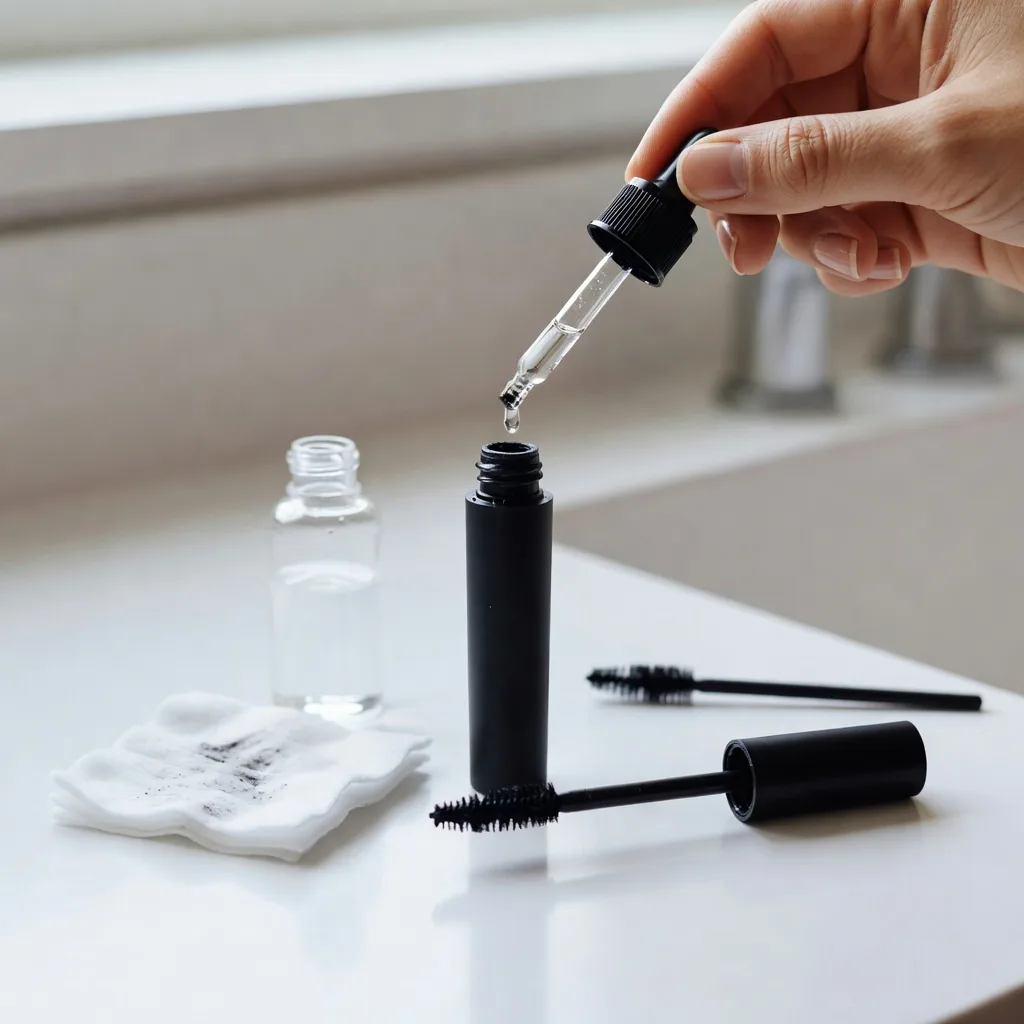
You can revive a mascara that is only slightly dry and still within a few months of opening by sealing the tube tightly and placing it in a cup of warm, not hot, water for a few minutes to soften the formula, then rolling it between your palms. Wipe excess product off the wand and use a clean spoolie to separate lashes. Do not add water, saliva, eye drops or oil to the tube, because they can introduce bacteria or change the formula. If the mascara is older than about three months, smells unusual or has been used during an eye infection, throw it away.
The honest answer is that mascara has a short life once opened. Warming can make a slightly thick formula usable for a little longer, but it cannot make an old mascara safe. The eye area is sensitive to bacteria, so safety matters more than getting the last few uses out of a tube.
The FDA advises against adding water or saliva to eye cosmetics and recommends throwing away eye products if they are contaminated or have been used during an eye infection. Many experts suggest replacing mascara about every three months.
This guide explains why mascara dries out, which revival methods are safe and which are not, a step-by-step method, how to prevent mascara drying out in the first place and when it is time to replace it.
Shopping these picks?
Amazon Prime members get fast, free shipping on eligible items, plus Prime Video, Amazon Music and member deals. New members can start with a free trial.
Start a free Prime trialAged 18 to 24? Prime for Young Adults comes with a longer free trial and a lower price after it.
Affiliate link: we may earn a commission at no extra cost to you.
Recommended Products for Fresh, Clump-Free Lashes




At a Glance
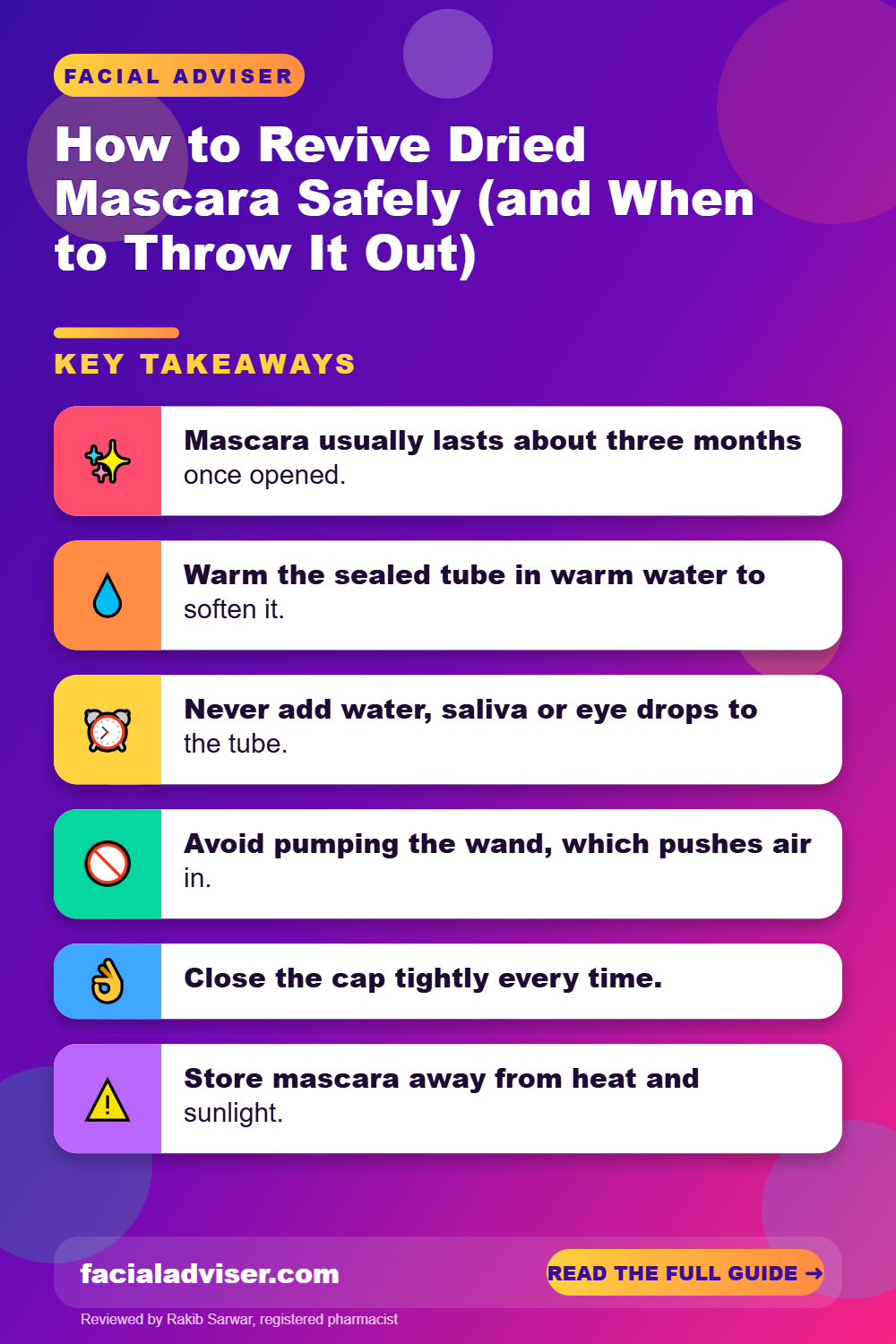
- Mascara usually lasts about three months once opened.
- Warm the sealed tube in warm water to soften it.
- Never add water, saliva or eye drops to the tube.
- Avoid pumping the wand, which pushes air in.
- Close the cap tightly every time.
- Store mascara away from heat and sunlight.
- Throw it out after an eye infection.
What This Covers
- Why Mascara Dries Out
- Which Revival Methods Are Safe
- How to Revive Dried Mascara Safely
- How to Stop Mascara Drying Out
- When to Throw Mascara Away
- Getting Better Results From Older Mascara
- How Different Mascara Types Age
- Common Mistakes With Mascara
- Dos and Don’ts
- Honest Limits
- When to See a Doctor
- Questions People Ask
- The Bottom Line
Why Mascara Dries Out
Most mascaras contain water, waxes, pigments and film-forming ingredients. As soon as a tube is opened, air enters and some of the liquid starts to evaporate. Each time you pull out the wand and put it back, a little more air gets in. Over weeks, the formula becomes thicker and stickier, and eventually it clumps or flakes.
| Cause | Effect | Prevention |
|---|---|---|
| Pumping the wand | Pushes air into the tube | Twist the wand gently instead |
| Loose cap | Formula dries between uses | Close tightly after every use |
| Heat and sunlight | Speeds evaporation and breaks down the formula | Store in a cool, dry place |
| Age | Formula thickens and preservatives weaken | Replace about every three months |
| Waterproof formulas | Volatile ingredients evaporate faster | Expect a slightly shorter usable life |
| Storing in hot cars or bathrooms | Formula separates or dries | Keep in a drawer away from steam |
Waterproof mascaras often dry out faster because they contain volatile ingredients that evaporate quickly. Tubing mascaras can also thicken over time, though they tend to flake less while wearing.
Which Revival Methods Are Safe
Not every popular tip is a good idea. Some methods change the formula in ways that make it less effective, and others introduce bacteria straight into a product that goes on your eyes.
| Method | Safe? | Why |
|---|---|---|
| Warm water bath (sealed tube) | Yes, for slightly dry mascara | Softens the formula without adding anything |
| Rolling the tube between palms | Yes | Warms and mixes the formula gently |
| Wiping and cleaning the wand | Yes | Removes dried clumps |
| Adding tap water | No | Can introduce bacteria and dilute preservatives |
| Adding saliva | No | Introduces bacteria from the mouth |
| Adding eye drops or saline | Not recommended | Dilutes the formula and preservatives |
| Adding oil | No | Changes the formula and can cause smudging |
| Microwaving | No | Can damage the tube and overheat the product |
The FDA explains in its guidance on eye cosmetic safety that adding water or saliva to eye cosmetics can introduce bacteria, and that products should be discarded if they are used during an eye infection. Anything added to the tube also weakens the preservative system, which is designed for the original formula.
Never use saliva to moisten mascara or a wand. The mouth contains bacteria that can cause eye infections when transferred to the eye area.
How to Revive Dried Mascara Safely
Check the date
If you opened it more than about three months ago, replace it instead.
Close the cap tightly
Make sure the tube is fully sealed before warming.
Warm the tube
Place the sealed tube in a cup of warm tap water for three to five minutes.
Roll between palms
Roll the tube gently between your hands to mix the softened formula.
Clean the wand
Wipe excess product and dried clumps off the wand with a tissue.
Apply thin coats
Apply a thin coat, then comb through with a clean spoolie.
Reassess
If it is still dry, flaky or smells odd, throw it away.
Use warm water from the tap rather than boiling water. Very hot water can damage the tube, warp the wand or change the texture of the formula.
Warming works because many mascara ingredients, especially waxes, soften with heat. The effect is temporary, so you may need to repeat it each time you use the mascara. If a mascara needs warming every time, it is close to the end of its life. Keep the tube upright in the cup so water does not seep under the cap, and dry the outside well before opening it. Our guide on what causes mascara clumping explains other reasons your lashes may look clumpy.
How to Stop Mascara Drying Out
Preventing mascara from drying is much easier than reviving it. A few habits can keep the formula smooth for its full usable life.
- Close the cap tightly straight after use.
- Twist the wand as you remove it rather than pumping it in and out.
- Store mascara upright, at room temperature, away from sunlight.
- Avoid keeping it in steamy bathrooms or hot cars.
- Wipe the neck of the tube occasionally so the cap seals properly.
Storage makes a real difference. Heat speeds up evaporation and can break down the formula, while humid bathrooms can affect the seal. Our guide on makeup storage temperature tips explains where to keep your products. The FDA also discusses how storage affects cosmetic shelf life.
Write the date you open a new mascara on the tube with a marker. It makes it easy to know when it is time to replace it.
When to Throw Mascara Away
Mascara has one of the shortest recommended lifespans of any makeup product. The wand goes back and forth between your eyes and the tube, carrying bacteria with it, and the warm, dark tube can allow them to grow.
- It has been open for about three months or longer.
- It smells sour, chemical or different from when it was new.
- The texture has changed, separated or become very clumpy.
- You have had an eye infection while using it.
- It stings, burns or makes your eyes red or watery.
If you have had conjunctivitis or another eye infection, replace your mascara and any other eye products you used during that time. Our guide on when you can wear makeup after pink eye explains what to replace and when.
Getting Better Results From Older Mascara
Even within its safe lifespan, mascara becomes thicker over time. You can still get good results with a few adjustments.
Wipe the wand on the edge of the tube or a tissue before applying, so you start with less product. Apply one thin coat, then comb through with a clean lash comb or spoolie to separate the lashes before the mascara dries. Curling your lashes before mascara, rather than after, gives more lift and reduces the need for heavy layers. If your mascara smudges or flakes during the day, our guide on why some mascaras smudge explains common causes.
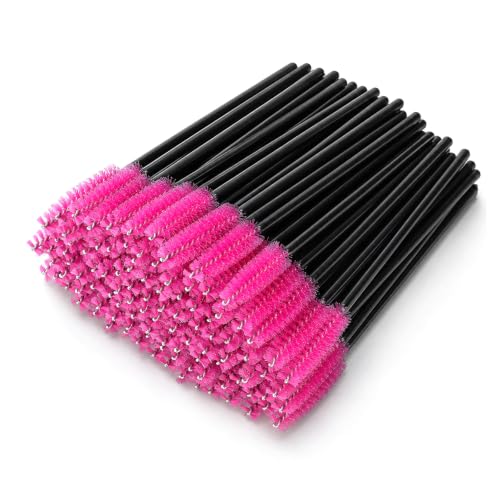
Using a disposable wand to scoop product is another option for people who want to keep the main wand cleaner, though it does not stop the formula from drying out.
How Different Mascara Types Age
Not all mascaras dry out in the same way, and the type you use affects how much a revival method can help.
- Regular washable mascara: thickens gradually and often responds well to gentle warming.
- Waterproof mascara: dries faster and becomes stiff; warming helps only briefly.
- Tubing mascara: forms tubes around lashes and can become gritty or flaky with age.
- Fibre or lengthening mascara: fibres can clump together as the base dries.
- Clear or brow mascara: gel formulas can turn tacky and stringy over time.
If you find that one type always dries out before three months, a smaller tube can be a better choice, since you are more likely to finish it while it is fresh. Rotating between two mascaras is not a good way to extend their life, because both tubes still age from the day they are opened.
Mascara that has separated, with liquid pooling at the top or a strange grainy texture, has usually broken down rather than simply dried. That kind of change is a sign to replace it rather than try to revive it.
Common Mistakes With Mascara
Many habits that seem harmless make mascara dry out faster or increase the risk of irritation.
- Pumping the wand to get more product on it.
- Leaving the cap loose or off while doing the rest of your makeup.
- Sharing mascara with friends or using testers in stores on your eyes.
- Sleeping in mascara, which can transfer bacteria back into the tube the next day.
- Applying mascara in a moving car or while rushing, which risks scratching the eye.
Sharing is one of the most important habits to avoid. Even with people you know well, sharing mascara can spread bacteria and eye infections. If you want to try a shade or formula, use a clean disposable wand and never put it back into the tube after touching your lashes.
Dos and Don’ts
Good Habits
- Warm the sealed tube in warm water
- Roll the tube between your palms
- Wipe excess off the wand
- Close the cap tightly every time
- Replace mascara about every three months
Common Mistakes
- Add water, saliva or eye drops
- Pump the wand in and out
- Microwave or boil the tube
- Share mascara with others
- Keep using mascara after an eye infection
Honest Limits
Reviving mascara only works for formulas that are slightly thick, not for mascara that is old, dried solid or contaminated. It is a short-term fix, and the mascara will usually dry out again quickly.
There is no reliable way to test at home whether a mascara has become contaminated. When in doubt, especially if it is several months old, replacing it is the safer choice.
Recommended replacement times are general guidance rather than exact expiry dates. Individual products vary, so follow the period-after-opening symbol on the packaging where there is one.
When to See a Doctor
- Your eyes become red, painful, swollen or sticky after using mascara.
- You have discharge from the eye or crusting on the lashes.
- You notice a bump or stye along the lash line.
- Your vision changes or your eyes become very sensitive to light.
This article is for general information and does not replace professional medical advice. Stop using eye makeup and see a doctor or eye care professional if you have signs of an eye infection or irritation.
Questions People Ask
Can I add water to dried mascara?
No, it can introduce bacteria and dilute the preservatives.
How do I make old mascara wet again?
Warm the sealed tube in warm water and roll it between your palms.
Is it safe to put eye drops in mascara?
It is not recommended, as it dilutes the formula and preservatives.
How long does mascara last after opening?
About three months is a common guideline.
Why does my mascara dry out so fast?
Pumping the wand, a loose cap and heat all speed drying.
Can dried mascara cause an eye infection?
Old mascara can carry bacteria; replace it regularly.
Should I throw away mascara after pink eye?
Yes, replace it and other eye products used during the infection.
Does waterproof mascara dry out faster?
Often, because it contains more volatile ingredients.
Can I microwave mascara to revive it?
No, it can damage the tube and overheat the formula.
How do I stop mascara clumping?
Wipe the wand, apply thin coats and comb through lashes.
The Bottom Line
You can revive slightly dry mascara by warming the sealed tube in warm water and rolling it between your palms, but do not add water, saliva, eye drops or oil. These can introduce bacteria and change the formula.
Prevent drying by closing the cap tightly, twisting instead of pumping and storing mascara in a cool place. Replace it about every three months, and straight away after an eye infection, to keep your eyes healthy.

Written by
Registered pharmacist and founder of Facial Adviser. Rakib's pharmacy training covers how skincare actives work and interact; a later course in cosmetology turned that into a focus on facial treatments and skincare products. He plans, researches and edits every guide on the site and checks health claims against sources such as the American Academy of Dermatology, the FDA and the NIH. He is not a dermatologist; see the Editorial Policy and Medical Disclaimer.
About · Editorial policy · How we choose products · Medical disclaimer · Contact
Keep reading: Eye makeup
- How to Choose the Right Eye Makeup Color for Your Eyes and Skin
- Eyeshadow Looks for Small Eyes: Placement Tricks That Open Them Up
- Under Eye Skin Pinch Test: What It Reveals
- How to Avoid Makeup Creasing Under Your Eyes
- Is It Safe to Put Makeup on Your Waterline?
- Best Way to Do Makeup for Hooded Eyes: Shadow, Liner and Lash Tips
- How to Properly Put On Face Makeup: The Right Order, Step by Step
- How to Choose Lipstick Shade: Undertone, Skin Tone and Testing Tips