Makeup Fixer vs Setting Spray: What Is the Difference and Which Do You Need?
Walk down any makeup aisle and you will see fixers, setting sprays, finishing sprays and makeup mists, all promising to keep your face in place. The names overlap so much that many people buy one when they actually wanted the other, then wonder why their makeup still slides off by lunch.
Part of our guide to makeup how-to. Start with: What Can You Use to Make Your Makeup Stay On All Day? 9 Products and Tricks
The difference between a makeup fixer and a setting spray is mostly about hold. A makeup fixer is usually a long-wear spray made with film-forming ingredients that create a flexible layer over makeup to lock it in place and resist sweat, oil and transfer. Setting spray is a broader term: it includes those long-wear fixers, but also lighter hydrating or finishing mists that melt powder into skin and add a matte or dewy finish without much extra staying power. In many countries, especially in South Asia, the two names are used for the same product, so always check what the label promises rather than the name alone.
In short: choose a fixer or long-wear setting spray for hold, and a hydrating or finishing mist for a skin-like finish.
Both types are sprayed onto the face, so it is worth checking the formula. Some contain a lot of alcohol, which dries quickly but can irritate dry or sensitive skin, and all should be kept away from open eyes.
This guide compares fixers and setting sprays side by side, explains how they work, who needs which and how to apply them so your makeup actually lasts.
Shopping these picks?
Amazon Prime members get fast, free shipping on eligible items, plus Prime Video, Amazon Music and member deals. New members can start with a free trial.
Start a free Prime trialAged 18 to 24? Prime for Young Adults comes with a longer free trial and a lower price after it.
Affiliate link: we may earn a commission at no extra cost to you.
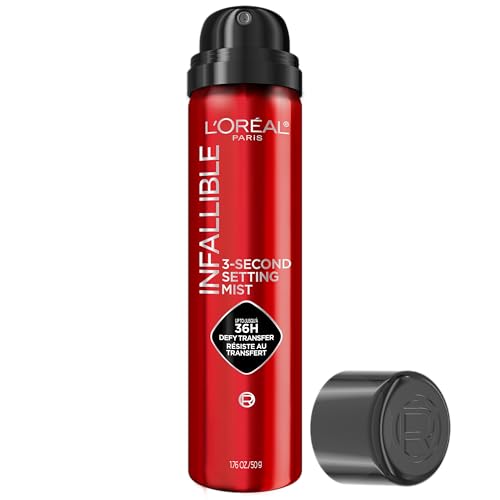
Recommended Makeup Fixers and Setting Sprays




At a Glance
- Fixers focus on long-lasting hold and transfer resistance.
- Setting spray covers both long-wear and finishing or hydrating mists.
- In many markets, fixer and setting spray mean the same thing.
- Read the label for claims like long-wear, matte, dewy or hydrating.
- Oily skin usually benefits from a matte, long-wear formula.
- Dry skin often prefers a hydrating or dewy mist.
- Spray with eyes closed and hold the bottle at arm’s length.
Jump to a Section
- Makeup Fixer vs Setting Spray at a Glance
- How Fixers and Setting Sprays Work
- Types of Setting Spray and Who They Suit
- Which One Do You Need?
- How to Use a Makeup Fixer or Setting Spray
- Common Mistakes With Setting Sprays
- Are Setting Sprays Safe for Skin?
- Alternatives if You Do Not Want a Spray
- Fixers for Heat, Humidity and Long Events
- Dos and Don’ts
- Honest Limits
- When to See a Dermatologist
- Frequently Asked Questions
- The Bottom Line
Makeup Fixer vs Setting Spray at a Glance
This table shows how the two are usually described. Because brands use the terms loosely, treat it as a guide rather than a strict rule.
| Feature | Makeup fixer | Setting spray |
|---|---|---|
| Main job | Lock makeup in place for long wear | Set, blend or refresh makeup |
| Typical ingredients | Film-forming polymers, alcohol, humectants | Ranges from water and glycerin to film-formers |
| Hold | Strong, long-lasting | Light to strong depending on formula |
| Finish | Often natural or matte | Matte, natural or dewy |
| Transfer and sweat resistance | Usually high | Varies; finishing mists offer little |
| Best for | Long days, heat, events, oily skin | Everyday wear, powdery makeup, dry skin |
If a product is labelled setting spray and promises 16-hour or longer wear, it is effectively a fixer. If it talks mainly about hydration, glow or melting powder, it is a finishing mist. Some products try to do both, offering moderate hold with a hydrating finish, which can suit normal and combination skin that wants a bit of both.
How Fixers and Setting Sprays Work
Long-wear fixers and setting sprays usually contain film-forming polymers. When the spray dries, these form a thin, flexible layer over your makeup that helps it resist rubbing, sweat and oil.
- Film-formers: create the flexible layer that holds makeup in place.
- Alcohol: helps the spray dry quickly and can add a matte effect.
- Humectants such as glycerin: add moisture and help powders look less dry.
- Water and soothing extracts: give a fine mist and a refreshing feel.
- Oil-absorbing powders: sometimes added to matte formulas to control shine.
Finishing or hydrating mists rely mostly on water and humectants. They make powder look less cakey and more like skin, but they do not create much of a holding film, so they will not greatly extend wear on their own. The fineness of the mist also matters: a very fine, even spray settles lightly without disturbing makeup, while a coarse or spitting spray can leave droplets that lift foundation and create spots.
Types of Setting Spray and Who They Suit
Choose a formula based on your skin type and the finish you want. If you are unsure, a natural-finish long-wear spray is the safest starting point for most people.
| Type | Finish | Best for |
|---|---|---|
| Matte long-wear | Shine-free | Oily and combination skin, hot weather |
| Natural long-wear | Skin-like | Most skin types, everyday wear |
| Dewy or hydrating | Glowy | Dry or mature skin, powder-heavy looks |
| Alcohol-free | Varies | Sensitive or dry skin |
| Prep and set mists | Fresh | Wetting brushes and sponges, refreshing midday |
Many people use two: a hydrating mist to prep skin or wet a sponge, and a long-wear fixer as the final step. Our guide on makeup hacks for an oily T-zone explains how to control shine where it builds up first.
Which One Do You Need?
Ask yourself what goes wrong with your makeup during the day. The answer usually points straight to the right formula, and it saves buying several sprays that do not solve your actual problem.
- Makeup fades, slides or transfers onto masks and phones: choose a fixer or long-wear setting spray.
- Makeup looks powdery, dry or cakey: choose a hydrating or dewy setting mist.
- Face gets shiny by midday: choose a matte long-wear spray and blot during the day.
- Skin feels tight or stings with sprays: choose an alcohol-free formula.
- You wear light makeup only: you may not need either.
For weddings, long workdays and humid weather, a fixer usually gives the most noticeable difference. For everyday light makeup, a finishing mist can make powder look more natural without changing how long it lasts. If you wear makeup only occasionally, one versatile natural-finish spray is usually enough, rather than a collection of different mists.
How to Use a Makeup Fixer or Setting Spray
Good technique makes as much difference as the product.
Finish your makeup
Apply foundation, concealer, powder and colour as usual.
Shake the bottle
Mix the formula so the mist sprays evenly.
Hold at arm’s length
Keep the bottle about 20 to 30 centimetres from your face.
Close your eyes and mouth
Protect your eyes from the mist.
Spray in an X and T pattern
Two to four sprays are usually enough for the whole face.
Let it dry naturally
Do not touch or fan your face for about a minute.
Refresh if needed
Blot first, then mist lightly later in the day if your formula allows.
For extra hold, mist a sponge with setting spray before pressing on foundation, then finish with a final spray on top. This sandwich method helps makeup look more skin-like and last longer.
Common Mistakes With Setting Sprays
Most complaints about setting sprays come from how they are used rather than the product itself. A few small changes in technique can make an inexpensive spray perform far better.
- Spraying too close, which leaves wet patches that can move makeup.
- Using too much, which can make foundation streak or separate.
- Rubbing the face before it dries.
- Using a matte spray on very dry skin, which can look flat.
- Expecting a spray to fix a base that is not suited to your skin type.
If makeup still separates, the problem is often the layers underneath, such as a heavy moisturiser, too much primer or products with bases that do not work well together. Our guide on why foundation separates by midday explains what else to check, and our guide on the purpose of makeup primer explains how primer works alongside setting products.
Are Setting Sprays Safe for Skin?
Setting sprays are generally safe for most people when used as directed. The main issues are irritation from alcohol or fragrance and accidental spray into the eyes.
Always close your eyes and mouth when spraying, and do not inhale the mist directly. If spray gets into your eyes, rinse them with clean water. The FDA advises caution with any product used around the eyes; see its guidance on eye cosmetic safety.
If you have acne-prone or sensitive skin, look for fragrance-free or alcohol-free formulas and remove all makeup thoroughly at night. The American Academy of Dermatology advises avoiding products that irritate the skin in its tips for managing acne.
Alternatives if You Do Not Want a Spray
Setting sprays are not the only way to make makeup last. If you dislike the feel of a spray, or your skin reacts to them, these options can give similar results.
- Setting powder: pressed or loose powder on oily areas controls shine and adds hold.
- Primer: a gripping or mattifying primer helps foundation stay put from the start.
- Long-wear foundation: formulas designed for all-day wear need less help.
- Blotting papers: remove oil during the day without adding more product.
- Thin layers: several thin layers last longer than one thick one.
Our guide on making pressed powder last longer covers powder techniques in more detail.
Some people use a light hairspray on their face as a cheap fixer. This is not recommended: hairsprays are not designed for facial skin and can contain ingredients that irritate skin and eyes.
Fixers for Heat, Humidity and Long Events
Hot, humid weather and long events are where a proper fixer earns its place. Sweat and oil break down makeup from underneath, and humidity makes powders clump and slide.
- Prep with a lightweight, oil-free moisturiser and let it absorb fully.
- Use a mattifying primer on the T-zone only.
- Apply foundation in thin layers and set oily areas with a little powder.
- Finish with a long-wear or matte fixer, holding the bottle at arm’s length.
- Carry blotting papers and blot rather than adding more powder during the day.
For weddings and photos, test your full routine on an ordinary day first, including how it looks after several hours. Our guide on skincare for humid climates explains how to adjust the layers underneath for heat and humidity.
Dos and Don’ts
Try This
- Choose a spray based on your skin type
- Hold the bottle at arm’s length
- Close your eyes and mouth when spraying
- Let the spray dry without touching
- Remove all makeup at night
Avoid This
- Spray too close or too much
- Use hairspray on your face
- Rub your face before it dries
- Use alcohol-heavy sprays on irritated skin
- Expect a mist to fix a poor base
Honest Limits
There is very little independent research comparing makeup fixers and setting sprays, and most wear-time claims come from brand testing under specific conditions. Real results depend on your skin, the weather and the products underneath.
No spray makes makeup completely sweat-proof or rub-proof. A fixer can add hours of wear, but touching your face, masks and very hot, humid conditions will still wear makeup down over time. It is also worth remembering that the most expensive spray is not always the best; many affordable drugstore formulas perform well, and the right match for your skin type matters far more than the price. If one formula does not suit you, try a different finish before giving up on setting sprays altogether.
When to See a Dermatologist
- A setting spray causes stinging, redness, itching or a rash.
- You get breakouts where you spray and they do not settle after stopping.
- Your eyes become red or sore after using sprays.
- You react to many makeup products and want patch testing.
This article is for general information and does not replace professional medical advice. See a board-certified dermatologist for skin reactions and a doctor for eye symptoms.
Frequently Asked Questions
Is makeup fixer the same as setting spray?
Often yes; fixer usually refers to a long-wear setting spray.
Which lasts longer, fixer or setting spray?
A long-wear fixer usually lasts longer than a hydrating mist.
Do I need both primer and setting spray?
Not always; oily skin or long days benefit most from both.
Can I use setting spray before makeup?
Yes, some sprays can prep skin or dampen a sponge.
Is setting spray bad for acne?
Not usually, but choose fragrance-free formulas and cleanse well.
How many sprays should I use?
Two to four sprays are usually enough.
Can I use hairspray as setting spray?
No, it can irritate skin and eyes.
Does setting spray work without powder?
Yes, especially dewy or long-wear formulas.
Which setting spray is best for oily skin?
A matte, long-wear formula.
Which setting spray is best for dry skin?
A hydrating or dewy mist.
The Bottom Line
A makeup fixer is usually a long-wear setting spray that locks makeup in place, while setting spray also includes lighter mists that improve finish more than hold. Check the label for long-wear, matte, dewy or hydrating claims.
Choose by skin type and the problem you want to solve, spray at arm’s length with eyes closed and let it dry untouched.

Written by
Registered pharmacist and founder of Facial Adviser. Rakib's pharmacy training covers how skincare actives work and interact; a later course in cosmetology turned that into a focus on facial treatments and skincare products. He plans, researches and edits every guide on the site and checks health claims against sources such as the American Academy of Dermatology, the FDA and the NIH. He is not a dermatologist; see the Editorial Policy and Medical Disclaimer.
About · Editorial policy · How we choose products · Medical disclaimer · Contact
Keep reading: Making makeup last
- Why Does Makeup Separate on My Nose? Causes and Fixes That Work
- Best Way to Wear Makeup in Hot Weather: Light Layers That Last
- What Can You Use to Make Your Makeup Stay On All Day? 9 Products and Tricks
- Why Doesn't Makeup Stay on My Upper Lip? Causes and Fixes That Work
- Why Indoor Heating Dries Out Your Face (and How to Fix It)
- Best Way to Use Makeup Remover: Micellar Water, Balms, Oils and Eye Removers
- How to Properly Put On Face Makeup: The Right Order, Step by Step