Why Doesn’t Makeup Stay on My Upper Lip? Causes and Fixes That Work
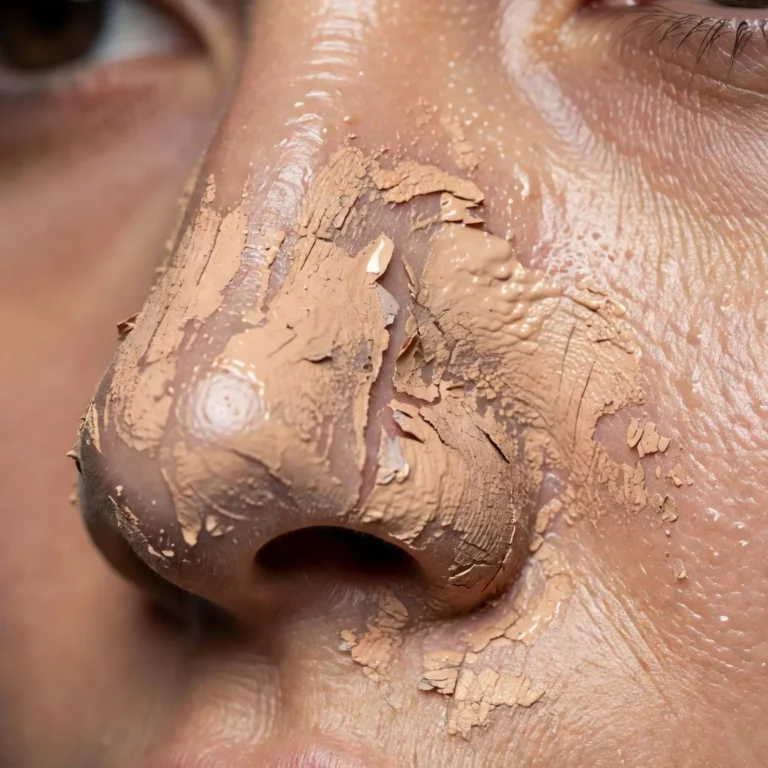
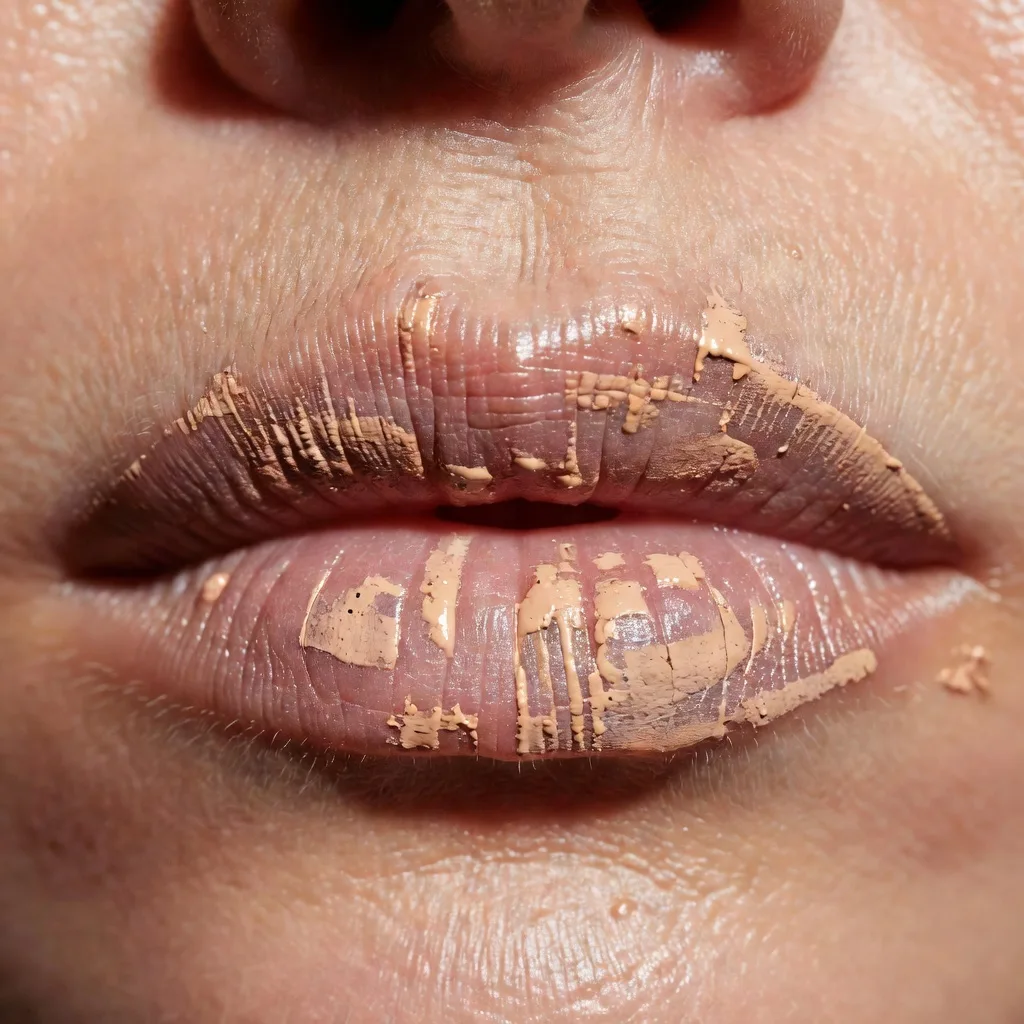
You check your makeup at lunchtime and everything looks fine except one spot: the area above your lip, where foundation has faded, gathered in lines or disappeared entirely. It is one of the most common trouble zones on the face, and it is not your imagination.
Part of our guide to makeup how-to. Start with: What Can You Use to Make Your Makeup Stay On All Day? 9 Products and Tricks
Makeup does not stay on the upper lip because this small area deals with more movement, moisture and friction than almost anywhere else on the face. Every time you talk, eat, drink or smile, the skin stretches and folds. Many people also sweat or get oily there first, the skin can be dry or flaky around the mouth, and fine vellus hair gives foundation something to cling to and lift off. Wiping your mouth after drinking or eating removes makeup too. The fix is to prep the area properly, use a thin layer of long-wear product, set it with a little powder and a setting spray, and blot rather than wipe during the day.
In short: less product, better prep, set well and blot instead of rubbing.
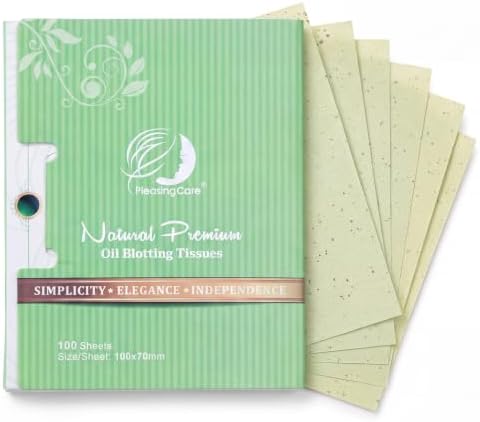
The American Academy of Dermatology recommends pressing blotting papers against oily skin rather than rubbing, and choosing oil-free, noncomedogenic, matte makeup. Both tips apply directly to the upper lip.
The good news is that a few changes to how you prep and set the area usually make a big difference.
Shopping these picks?
Amazon Prime members get fast, free shipping on eligible items, plus Prime Video, Amazon Music and member deals. New members can start with a free trial.
Start a free Prime trialAged 18 to 24? Prime for Young Adults comes with a longer free trial and a lower price after it.
Affiliate link: we may earn a commission at no extra cost to you.
This guide explains the causes, step-by-step fixes, what to do about upper lip hair and sweat, and when redness or bumps around the mouth need a doctor’s advice.
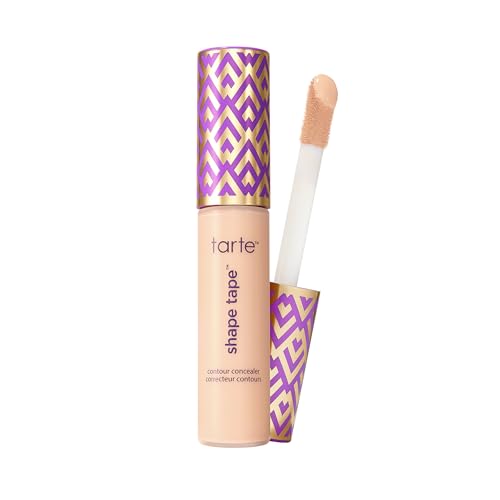
Recommended Products to Keep Makeup on Your Upper Lip





In This Guide
- Why Makeup Wears Off Your Upper Lip
- Upper Lip Sweat and Oil
- Dry or Flaky Skin Around the Mouth
- Upper Lip Hair and Makeup
- How to Make Makeup Stay on Your Upper Lip
- Common Mistakes That Make It Worse
- When Foundation Settles Into Lines Above the Lip
- Could It Be a Skin Condition?
- Quick Fixes When Makeup Fades Midday
- Dos and Don’ts
- Honest Limits
- When to See a Dermatologist
- Common Questions
- The Takeaway
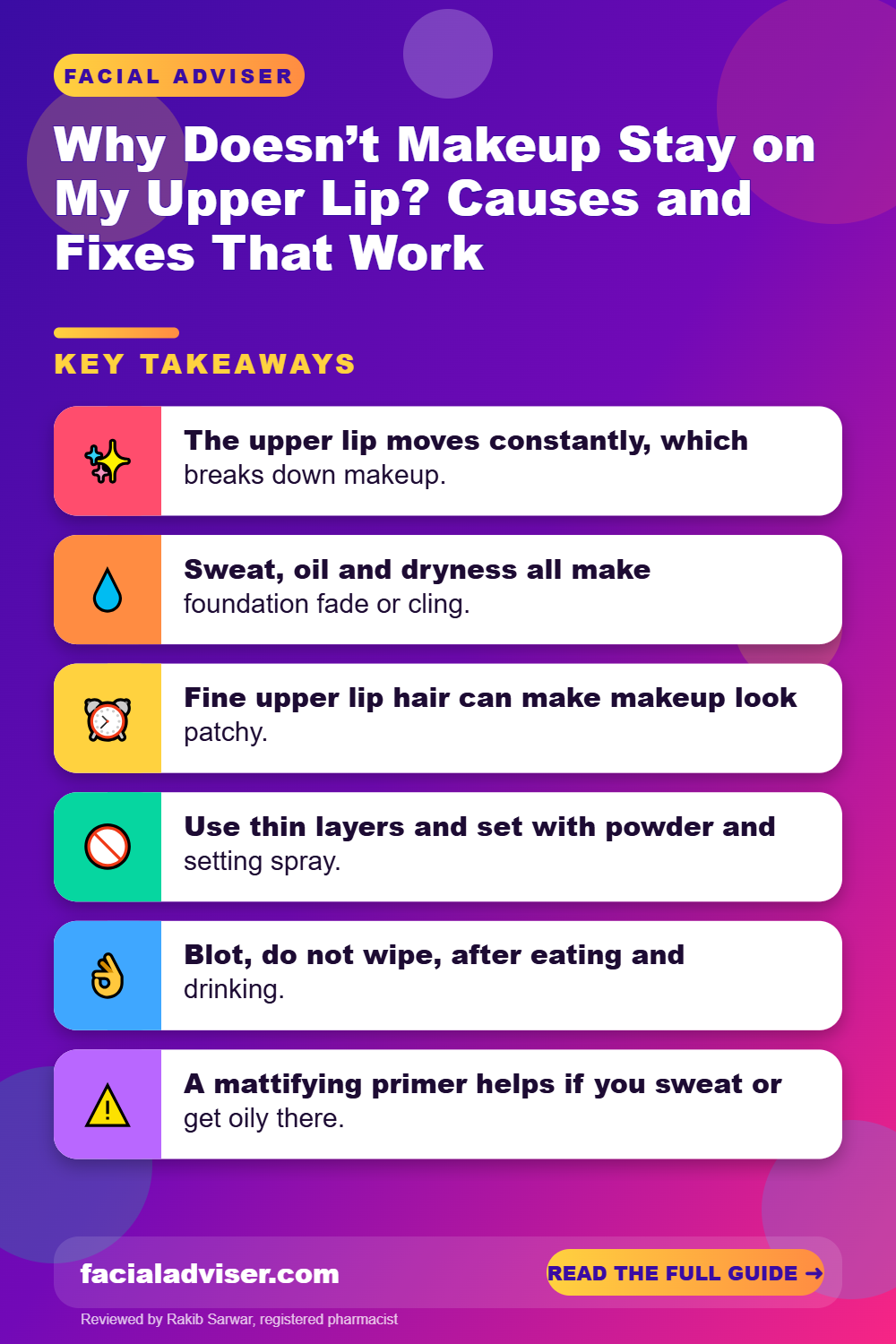
In Brief
- The upper lip moves constantly, which breaks down makeup.
- Sweat, oil and dryness all make foundation fade or cling.
- Fine upper lip hair can make makeup look patchy.
- Use thin layers and set with powder and setting spray.
- Blot, do not wipe, after eating and drinking.
- A mattifying primer helps if you sweat or get oily there.
- A red, bumpy rash around the mouth may need medical advice.
Why Makeup Wears Off Your Upper Lip
Several things work together to break down makeup in this one small area. The skin above the lip is also thinner and more mobile than the cheeks, so products that sit well elsewhere on your face may not hold up there.
| Cause | What happens | Main fix |
|---|---|---|
| Movement | Talking, eating and smiling crease and stretch makeup | Thin layers, flexible long-wear formulas |
| Sweat | Upper lip sweat lifts foundation | Mattifying primer, powder, blotting |
| Oil | Sebum mixes with makeup and makes it slide | Oil-free products, blotting papers |
| Dryness | Makeup clings to flakes and looks patchy | Gentle exfoliation, light moisturiser |
| Fine hair | Foundation catches on hair and lifts | Thin layers or hair removal |
| Friction | Napkins, cups, masks and hands rub makeup off | Blot rather than wipe |
Most people have two or three of these at once. Working out which ones apply to you makes it easier to choose the right fix instead of adding more product. For example, someone who sweats above the lip needs oil control, while someone with flaky skin there needs hydration, and using the wrong fix can make the problem worse.
Upper Lip Sweat and Oil
The upper lip is one of the first places many people sweat, especially in heat, during exercise, after hot drinks or spicy food, or when stressed. Sweat loosens foundation from underneath and can leave it looking streaky or patchy.
- Use a mattifying or oil-control primer on the upper lip only.
- Choose long-wear, oil-free foundation or skip foundation on the area.
- Press a thin layer of loose powder onto the upper lip.
- Finish with a matte setting spray.
- Blot sweat gently with a tissue or blotting paper instead of wiping.
The American Academy of Dermatology suggests oil-free, matte makeup and blotting papers for oily skin in its tips on how to control oily skin. Our guide on makeup hacks for an oily T-zone has more ideas that work above the lip too.
Dry or Flaky Skin Around the Mouth
Dry skin around the mouth is common, especially in winter or if you lick your lips. Makeup clings to flakes and can look cakey or crack when you talk.
- Exfoliate gently once or twice a week with a soft cloth or mild chemical exfoliant.
- Apply a light, hydrating moisturiser and let it absorb fully.
- Use a hydrating primer rather than a mattifying one.
- Skip heavy powder; use a very light dusting or a hydrating setting spray instead.
Our guide on patchy dry skin around the mouth explains the common causes and how to calm them. Keeping lips moisturised with a balm applied carefully inside the lip line also helps, because constantly licking dry lips spreads saliva onto the skin above and makes the area drier.
Upper Lip Hair and Makeup
Fine vellus hair, sometimes called peach fuzz, is normal on the upper lip. Foundation and powder can catch on these hairs, making them more visible and causing makeup to lift and patch.
- Use less foundation on the area, or just a light concealer where needed.
- Apply foundation with a damp sponge in a pressing motion, not a brush that pushes product into hair.
- Consider removing the hair with dermaplaning, threading, waxing or laser if it bothers you.
- Avoid heavy powder, which highlights hair.
If you choose to remove hair, our comparison of facial waxing and dermaplaning explains the pros and cons of each.
Sudden or increased growth of coarse facial hair can sometimes be linked to hormonal conditions. If you notice a change, it is worth mentioning to your doctor.
How to Make Makeup Stay on Your Upper Lip
This routine works for most skin types. Adjust the primer and powder to whether your upper lip is oily or dry, and use the smallest amount of each product that does the job.
Prep the skin
Cleanse, exfoliate gently if flaky, and apply a light moisturiser.
Let it absorb
Wait a few minutes so skincare is not wet or slippery.
Prime the area
Use a small amount of mattifying primer if oily, or hydrating primer if dry.
Apply a thin layer
Press on a very small amount of long-wear foundation or concealer with a damp sponge.
Set with powder
Press a light layer of loose powder onto the area with a puff.
Lock it in
Mist with setting spray and let it dry without touching.
Blot during the day
Press blotting paper or tissue on the area instead of wiping.
Keep your mouth relaxed and slightly open while applying and setting makeup on the upper lip. This lets product settle into the skin the way it sits when you talk and smile, so it creases less later.
Common Mistakes That Make It Worse
A few habits make upper lip makeup fade faster, and most of them are easy to change once you notice them.
- Applying too much foundation, which creases and slides.
- Using a rich moisturiser or lip balm that spreads above the lip line.
- Wiping your mouth with a napkin after eating instead of blotting.
- Touching your mouth or resting your chin on your hand.
- Using heavy powder that sits in fine hair and lines.
Lip products can also move into the upper lip area, especially glossy or balm-like formulas that stay slippery. Using a lip liner and keeping balm within your lip line stops oils from travelling up and breaking down foundation. Applying lip balm first and letting it sink in while you do the rest of your makeup, then blotting any excess, gives foundation a clean edge to sit against.
When Foundation Settles Into Lines Above the Lip
Fine vertical lines above the lip are common with age, sun exposure and habits like smoking or using straws. Makeup settles into these lines and makes them more visible.
- Use a hydrating, smoothing primer rather than a heavy filling one.
- Apply the thinnest possible layer of foundation.
- Skip powder or use a very fine, light one.
- Blot any creasing gently with a fingertip before it sets.
Our guide on preventing fine lines around the mouth explains how sunscreen and gentle care help in the long term. Retinoids, used as directed and introduced slowly, may also help soften fine lines over months, but they can irritate the thin skin around the mouth, so start gently.
Could It Be a Skin Condition?
Sometimes makeup will not sit well on the upper lip because the skin itself is irritated. Perioral dermatitis is a common rash around the mouth that can look like small red or skin-coloured bumps with dry, flaky skin, and may itch or burn.
If you have a persistent rash of small bumps and flaking around your mouth, do not cover it with heavy makeup or treat it with hydrocortisone cream on your own. Steroid creams can make perioral dermatitis worse. See a dermatologist for diagnosis and treatment.
The American Academy of Dermatology explains the signs and causes of perioral dermatitis, including irritating skin care products and long-term corticosteroid use.
Quick Fixes When Makeup Fades Midday
Even with a good routine, the upper lip often needs a quick touch-up by the afternoon. The aim is to repair the area without building up heavy layers.
| Problem | Quick fix |
|---|---|
| Shine or sweat | Press a blotting paper or clean tissue on the area to lift sweat and oil |
| Creased product | Gently tap with a clean fingertip to soften lines of settled product |
| Patchy colour | Dab a tiny amount of concealer only where colour has worn away, then press to blend |
| Needs setting again | Press a small amount of powder with a puff, or mist lightly with setting spray |
| Faded lip colour | Line first, then reapply lipstick so it does not travel upward |
A small touch-up kit with blotting papers, a mini powder and a lip liner covers most situations and takes less than a minute to use.
Dos and Don’ts
Worth Doing
- Use a thin layer of product
- Prime according to whether the area is oily or dry
- Set with powder and setting spray
- Blot after eating and drinking
- Keep lip balm inside your lip line
Skip It
- Pile on foundation to hide fading
- Wipe your mouth with a napkin
- Use heavy powder over fine hair
- Rub creased makeup
- Treat a rash around the mouth with steroid cream on your own
Honest Limits
No product will keep makeup perfectly in place on an area that moves as much as the upper lip. Eating, drinking and talking will always wear it down a little, so expect to blot or touch up during a long day.
There is very little research specifically on upper lip makeup wear. The advice here is based on how oil, sweat, dryness and friction affect makeup in general, and on dermatologist guidance for oily and irritated skin.
When to See a Dermatologist
- You have a red, bumpy or flaky rash around your mouth that does not go away.
- Makeup or skincare stings or burns around the mouth.
- You sweat heavily on the face even when cool and calm.
- You notice a sudden increase in coarse facial hair.
This article is for general information and does not replace professional medical advice. See a board-certified dermatologist for persistent rashes, irritation or unusual hair growth.
Common Questions
Why does my foundation disappear above my lip?
Movement, sweat, oil and wiping your mouth all remove it.
How do I stop sweating on my upper lip under makeup?
Use a mattifying primer, set with powder and blot during the day.
Should I put foundation on my upper lip?
Only a very thin layer, or concealer where needed.
Does upper lip hair affect makeup?
Yes, fine hair can make foundation cling and lift.
Why is makeup cakey above my lip?
Usually dryness or too much product.
Can I use setting spray on my upper lip?
Yes, it helps lock makeup in place there.
Is dermaplaning the upper lip safe?
Generally yes if done gently on healthy skin.
Why does my lip balm ruin my foundation?
Oils in balm spread above the lip line and break down makeup.
What is the red rash around my mouth?
It could be perioral dermatitis; see a dermatologist.
Should I powder my upper lip?
A light layer helps if you are oily; skip it if you are dry.
The Takeaway
Makeup wears off the upper lip because the area moves constantly and often gets sweaty, oily, dry or fuzzy. The best fix is a thin layer of long-wear product on well-prepped skin, set with a little powder and setting spray.
Blot instead of wiping, keep lip balm inside your lip line and see a dermatologist if the skin around your mouth is red, bumpy or flaky.

Written by
Registered pharmacist and founder of Facial Adviser. Rakib's pharmacy training covers how skincare actives work and interact; a later course in cosmetology turned that into a focus on facial treatments and skincare products. He plans, researches and edits every guide on the site and checks health claims against sources such as the American Academy of Dermatology, the FDA and the NIH. He is not a dermatologist; see the Editorial Policy and Medical Disclaimer.
About · Editorial policy · How we choose products · Medical disclaimer · Contact
Keep reading: Making makeup last
- What Can You Use to Make Your Makeup Stay On All Day? 9 Products and Tricks
- Why Indoor Heating Dries Out Your Face (and How to Fix It)
- Oily T-Zone but Dry Cheeks? How to Fix Combination Skin
- Why Do I Get a Rash on My Face When Sweating? Causes and What Helps
- Heat Rash on Face: How to Treat It Naturally, and How to Tell If It Is Something Else
- How to Stop Skincare Pilling When Layering Products
- How to Choose Lipstick Shade: Undertone, Skin Tone and Testing Tips
- How to Find the Right Shade of Makeup: Undertone, Depth and Testing