Oily T-Zone but Dry Cheeks? How to Fix Combination Skin
By mid-morning your forehead and nose are shiny, yet your cheeks feel tight and look slightly flaky. Products that control the oil leave your cheeks parched, and creams rich enough for your cheeks leave your nose greasy. If this sounds familiar, you have combination skin, and you are far from alone.
Part of our guide to makeup how-to. Start with: What Can You Use to Make Your Makeup Stay On All Day? 9 Products and Tricks
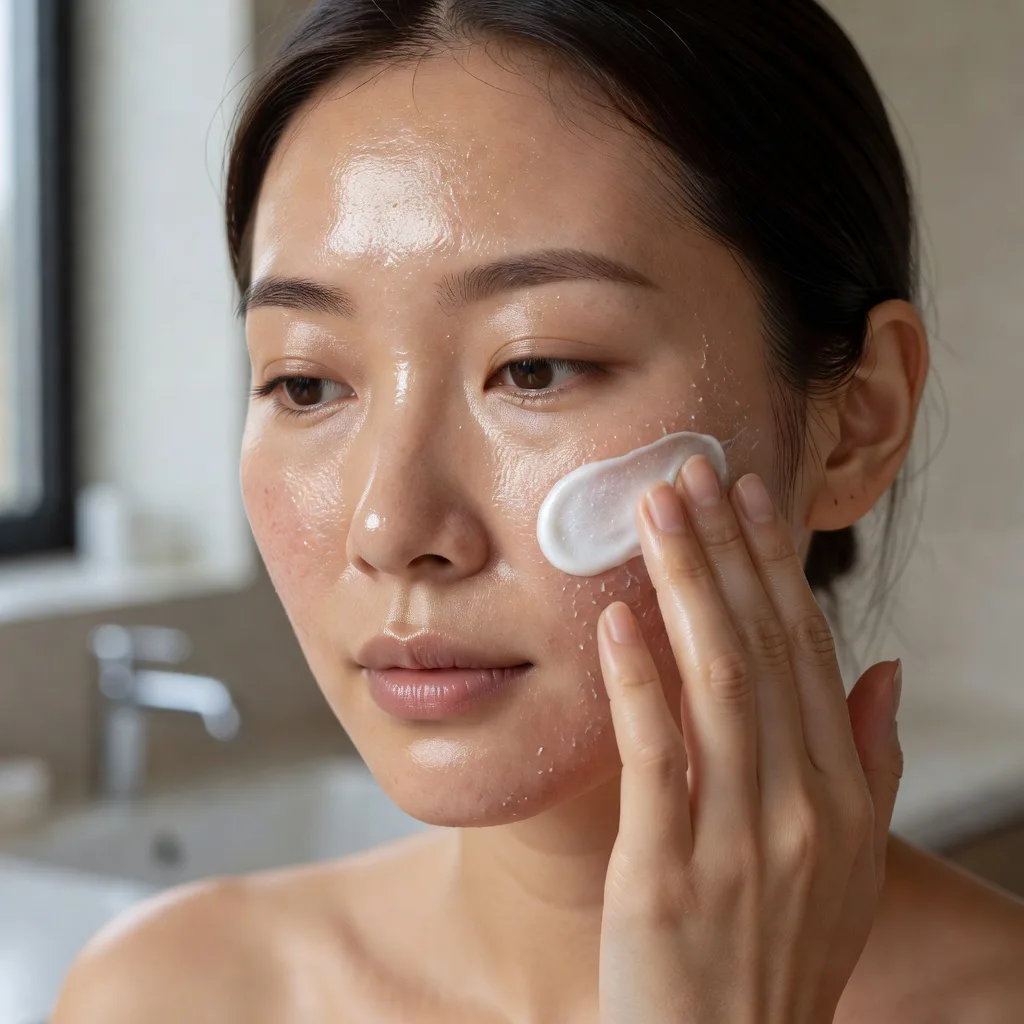
An oily T-zone with dry cheeks happens because the forehead, nose and chin have many more and larger oil glands than the cheeks. The fix is not to find one perfect product but to treat the zones differently: use a gentle cleanser everywhere, a light moisturiser across the face, a richer layer only on dry cheeks, and targeted oil control such as salicylic acid only on the T-zone. Harsh cleansers make both problems worse.
Combination skin is often made worse by the very products people use to fix it. Strong foaming washes and alcohol toners strip the dry areas and irritate the oily ones, while heavy creams applied everywhere clog pores in the T-zone.
The American Academy of Dermatology’s advice on picking a moisturiser even includes the idea that some people do not need moisturiser on the centre of the face at all, only on the drier areas. That kind of zone-by-zone thinking is at the heart of looking after combination skin.
This guide explains why combination skin happens, how to confirm your skin type, a practical routine for both zones, which ingredients to use where, and when a dermatologist can help.
Shopping these picks?
Amazon Prime members get fast, free shipping on eligible items, plus Prime Video, Amazon Music and member deals. New members can start with a free trial.
Start a free Prime trialAged 18 to 24? Prime for Young Adults comes with a longer free trial and a lower price after it.
Affiliate link: we may earn a commission at no extra cost to you.
Recommended Products for Combination Skin
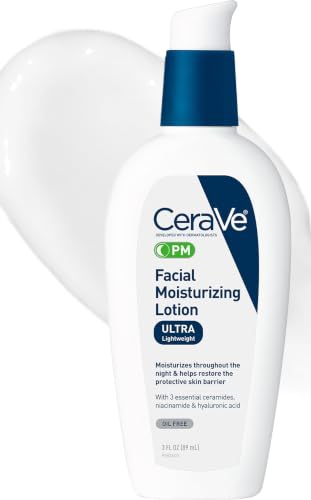
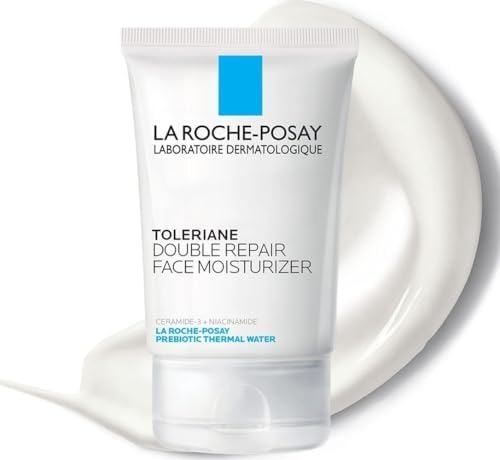


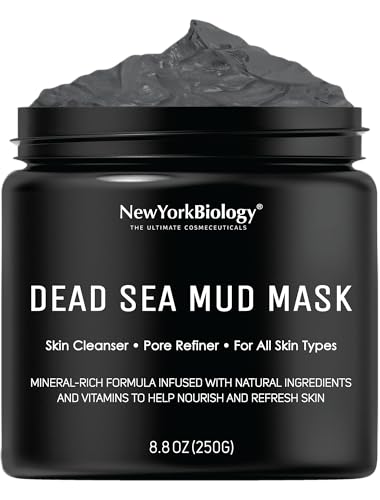
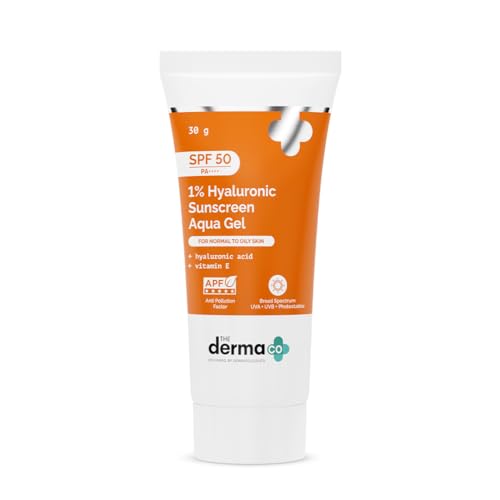
At a Glance
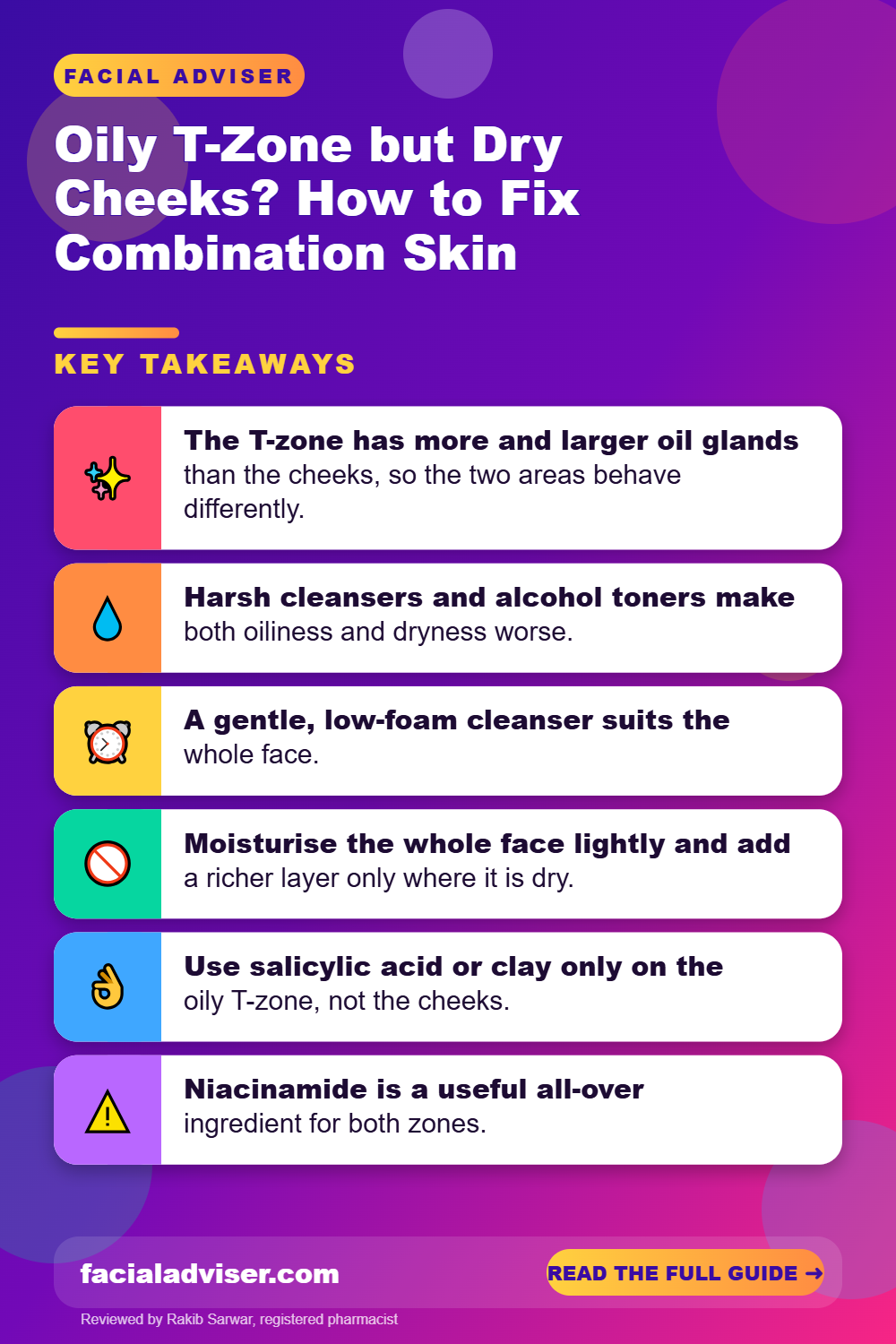
- The T-zone has more and larger oil glands than the cheeks, so the two areas behave differently.
- Harsh cleansers and alcohol toners make both oiliness and dryness worse.
- A gentle, low-foam cleanser suits the whole face.
- Moisturise the whole face lightly and add a richer layer only where it is dry.
- Use salicylic acid or clay only on the oily T-zone, not the cheeks.
- Niacinamide is a useful all-over ingredient for both zones.
- Hormones, climate and age can shift the balance, so adjust your routine seasonally.
In This Guide
- Why the T-Zone and Cheeks Behave Differently
- Is It Really Combination Skin?
- Common Mistakes That Make It Worse
- Makeup Tips for Combination Skin
- Quick Check: What Your Skin Is Telling You
- How to Care for an Oily T-Zone and Dry Cheeks
- Which Ingredients Go Where
- How the Balance Shifts
- Dos and Don’ts
- Honest Limits
- When to See a Dermatologist
- Your Questions, Answered
- Summing Up
Why the T-Zone and Cheeks Behave Differently
Oil glands are not spread evenly across the face. The forehead, nose and central chin have a much higher density of sebaceous glands, and those glands tend to be larger and more active. The cheeks have fewer, smaller glands and a thinner layer of surface oil.
That means the same skin can produce plenty of oil in the centre while the sides struggle to hold on to moisture. Anything that reduces oil, such as strong cleansers, removes the little protection the cheeks have, while anything rich enough for the cheeks may be too heavy for the T-zone.
Genetics largely decide your baseline, which is why combination skin often runs in families. Pore size follows the same pattern: the larger, busier oil glands in the T-zone stretch the pore openings, so pores on the nose and inner cheeks tend to look bigger than those on the outer cheeks. This is normal and does not mean your skin is unhealthy.
| Area | Oil glands | Typical issues | What it needs |
|---|---|---|---|
| Forehead | Many, large | Shine, blackheads, breakouts | Light hydration, oil control |
| Nose | Very many, large | Shine, enlarged-looking pores, blackheads | Salicylic acid, no heavy creams |
| Chin | Many | Hormonal breakouts, blackheads | Oil control, gentle care |
| Cheeks | Fewer, smaller | Tightness, flaking, redness, sensitivity | Barrier support, richer moisturiser |
| Around the eyes and mouth | Few | Dryness, fine lines | Gentle, fragrance-free moisture |
Is It Really Combination Skin?
Some people who think they have combination skin actually have dehydrated oily skin, or dry skin with a temporary oily patch. A simple blotting test can help, and it takes only an hour.
- Wash your face with a gentle cleanser and pat dry. Apply nothing.
- Wait about an hour.
- Press a clean blotting paper on your forehead, nose, chin and each cheek separately.
- Hold each sheet up to the light.
| Result | What it suggests |
|---|---|
| Oil on T-zone sheets, little or none on cheeks | Combination skin |
| Oil on all sheets | Oily skin |
| No oil anywhere, skin feels tight | Dry skin |
| Oil on T-zone but cheeks tight and flaky | Combination skin with a compromised barrier on the cheeks |
| Little oil, but skin feels comfortable | Normal skin |
If your cheeks sting with most products and look red, sensitivity may be part of the picture. Dehydrated oily skin, on the other hand, can feel tight everywhere yet still look shiny, and usually improves across the whole face once harsh products are removed. Our guide to facial nerve sensitivity covers how to calm reactive skin.
Common Mistakes That Make It Worse
- Using a harsh foaming or ‘oil-control’ cleanser on the whole face: strips the cheeks and can make the T-zone look greasier as irritation increases.
- Alcohol-heavy toners: dry and irritate both zones.
- Skipping moisturiser to avoid shine: leaves cheeks dry and can make the whole face feel uncomfortable.
- One rich cream everywhere: clogs pores on the nose and forehead.
- Exfoliating the whole face with strong acids or scrubs: damages the cheek barrier.
- Clay masks all over: clay is helpful on the T-zone but over-dries the cheeks.
The American Academy of Dermatology advises choosing a gentle face wash, avoiding scrubbing and looking for products labelled oil-free and non-comedogenic for oily areas (AAD).
Makeup Tips for Combination Skin
Makeup often exposes the contrast between zones: foundation slides off a shiny nose while clinging to flakes on the cheeks. A few adjustments help.
- Prepare skin properly: a light moisturiser everywhere and a little extra on dry cheeks, left to sink in for a few minutes before makeup.
- Use a mattifying primer only on the T-zone and a hydrating primer on the cheeks.
- Choose a foundation with a natural or satin finish rather than very matte or very dewy.
- Apply thin layers with a damp sponge, which blends more evenly over dry patches.
- Set only the T-zone with a light dusting of translucent powder, leaving the cheeks unpowdered.
- Blot rather than powder through the day, so you do not build up cakey layers.
Remove makeup thoroughly every evening. Leftover makeup in the T-zone contributes to blackheads, while harsh removers aggravate dry cheeks, so a gentle micellar water or cleansing balm followed by your usual cleanser works well.
Quick Check: What Your Skin Is Telling You
- Your nose and forehead are shiny by midday, but your cheeks feel tight after washing.
- Blackheads and breakouts cluster on your nose, forehead and chin.
- Your cheeks flake or feel rough, especially in winter.
- Foundation slides off your nose but clings to dry patches on your cheeks.
- A single moisturiser never feels quite right across your whole face.
If most of these apply, a zone-based routine is likely to help within two to four weeks. Give each change time before adding another, since skin needs a few weeks to show whether a product suits it, and changing everything at once makes it hard to tell what helped.
How to Care for an Oily T-Zone and Dry Cheeks
Cleanse gently, once or twice a day
Use a low-foam, fragrance-free cleanser on the whole face with lukewarm water. On dry mornings, a splash of water may be enough.
Treat the T-zone
Apply a salicylic acid (BHA) product to the forehead, nose and chin only, a few times a week at first.
Use niacinamide all over
A niacinamide serum can help regulate oil in the T-zone and support the barrier on the cheeks.
Moisturise lightly everywhere
Apply a light, oil-free lotion to the whole face.
Layer extra on the cheeks
Add a richer cream or balm only on dry areas, especially at night.
Finish with sunscreen
Use a lightweight, non-comedogenic sunscreen every morning.
Multi-masking works well for combination skin: apply a clay mask to the T-zone and a hydrating mask to the cheeks at the same time, once a week.
Which Ingredients Go Where
| Ingredient | T-zone | Cheeks | Notes |
|---|---|---|---|
| Salicylic acid (BHA) | Yes | Avoid or use rarely | Clears oil from pores |
| Niacinamide | Yes | Yes | Regulates oil, supports barrier |
| Ceramides | Light layer | Yes | Repairs dry, tight skin |
| Hyaluronic acid | Yes | Yes | Hydrates without oil; seal with moisturiser |
| Clay | Yes | No | Absorbs oil; can over-dry cheeks |
| Retinoids | Yes | Yes, gently | Start slowly; buffer cheeks with moisturiser |
| Heavy oils and butters | No | Sometimes | Can clog pores in the T-zone |
If you are going to use one active ingredient across the whole face, niacinamide is often the easiest choice for combination skin because it helps both zones.
How the Balance Shifts
Combination skin is not fixed. Many people find their T-zone is oilier in hot, humid summers and their cheeks are drier in winter, when indoor heating and cold wind weaken the barrier. Our guide to indoor heating and facial dryness covers winter care in more detail.
Hormones matter too. Oil production often rises before periods and at times of stress, while it tends to fall with age, especially after menopause. Our guide on how hormones affect sebum explains why.
Rather than buying new products every season, try adjusting quantities: a thinner layer of moisturiser in summer, a richer cheek cream and less exfoliation in winter.
Travel can shift things too. Flights, very dry hotel rooms and hot, humid holidays can all tip the balance, so packing a small tube of a richer cream for the cheeks and some blotting papers for the T-zone keeps you covered wherever you are.
Dos and Don’ts
Do
- Use a gentle cleanser on the whole face
- Treat the T-zone and cheeks differently
- Moisturise, even if your nose is oily
- Use blotting papers for midday shine
- Wear non-comedogenic sunscreen daily
Don’t
- Scrub the whole face
- Use alcohol toners
- Apply clay masks to dry cheeks
- Put heavy creams on your nose
- Try lots of new products at once
Honest Limits
You cannot change how many oil glands you have in each area, so the goal is balance and comfort rather than a uniform skin type. Some shine on the nose is normal and even protective.
Products labelled ‘for combination skin’ are not magic. What matters is the ingredients and where you apply them. Two simple products used in the right places often work better than one expensive ‘balancing’ cream, and they are easier to adjust as your skin changes through the year.
If dry cheeks are red, itchy or scaly rather than simply tight, the cause may be eczema, rosacea or seborrheic dermatitis, which need different treatment.
Do not use strong acne treatments such as benzoyl peroxide or high-strength acids on dry, irritated cheeks. They can cause burning, peeling and redness.
When to See a Dermatologist
See a dermatologist if you have:
- Persistent redness, visible vessels or bumps on the cheeks
- Red, itchy or scaly patches that do not improve with moisturiser
- Frequent breakouts in the T-zone despite good over-the-counter care
- Sudden changes in oiliness along with irregular periods or excess hair growth
- Skin that stings with almost every product
This article is for general information and does not replace professional medical advice. See a dermatologist for persistent skin problems.
Your Questions, Answered
Why is my T-zone oily but my cheeks dry?
The T-zone has more and larger oil glands than the cheeks, so it produces more sebum.
What is the best cleanser for combination skin?
A gentle, low-foam, fragrance-free cleanser suits both zones.
Should I moisturise my oily T-zone?
Yes, lightly. A thin, oil-free moisturiser keeps it balanced; skipping it can make skin feel worse.
Can I use salicylic acid on my whole face?
It is best used on the oily T-zone. On dry cheeks, it can cause irritation.
Is niacinamide good for combination skin?
Yes. It can help regulate oil and support the barrier in both zones.
Should I use two different moisturisers?
Many people do well with a light moisturiser everywhere and a richer one only on dry areas.
Does combination skin change with the seasons?
Yes. The T-zone often gets oilier in summer and the cheeks drier in winter.
Can combination skin be caused by the wrong products?
Harsh cleansers and toners can dry the cheeks and irritate the T-zone, making the contrast worse.
What is multi-masking?
Applying different masks to different areas, such as clay on the T-zone and a hydrating mask on the cheeks.
Can hormones cause combination skin?
Hormones influence oil production and can make the T-zone oilier at certain times.
Summing Up
An oily T-zone with dry cheeks is simply how the face is built for many people: the centre has more and larger oil glands than the sides. The trick is to stop treating your face as one surface and start treating the zones differently.
Use a gentle cleanser everywhere, a light moisturiser across the face with a richer layer on dry cheeks, salicylic acid or clay only on the T-zone, niacinamide if you want one all-rounder, and daily sunscreen. Adjust with the seasons, and see a dermatologist if your cheeks are red, scaly or constantly irritated.

Written by
Registered pharmacist and founder of Facial Adviser. Rakib's pharmacy training covers how skincare actives work and interact; a later course in cosmetology turned that into a focus on facial treatments and skincare products. He plans, researches and edits every guide on the site and checks health claims against sources such as the American Academy of Dermatology, the FDA and the NIH. He is not a dermatologist; see the Editorial Policy and Medical Disclaimer.
About · Editorial policy · How we choose products · Medical disclaimer · Contact
Keep reading: Making makeup last
- What Can You Use to Make Your Makeup Stay On All Day? 9 Products and Tricks
- Why Do I Get a Rash on My Face When Sweating? Causes and What Helps
- Heat Rash on Face: How to Treat It Naturally, and How to Tell If It Is Something Else
- How to Stop Skincare Pilling When Layering Products
- Which Humectants Work Best in Humid Weather?
- Skincare for Humid Climates: A Practical Routine
- How to Find the Right Shade of Makeup: Undertone, Depth and Testing
- How to Choose the Right Eye Makeup Color for Your Eyes and Skin