Why Does Chlorine Make My Hair Curly? Real Answer
Why does chlorine make my hair curly is a common question with a real chemistry answer, and it’s not the one most swimmers expect.
Part of our guide to men's grooming tools. Start with: 10 Best Hair Dryers (2026): Faster Drying With Less Heat Damage
Chlorine doesn’t chemically reshape hair the way a perm does — it oxidizes lipids and proteins and roughens the cuticle, and electron-microscopy examination of competitive swimmers has directly documented that cuticle damage. Green hair after swimming is actually caused by copper, not chlorine, though chlorine does make copper binding easier by breaking disulfide bonds.
Chemically relaxed or straightened hair is especially vulnerable, since chlorine degrades that treatment faster than it degrades untreated hair.
This guide covers the real damage mechanism, the copper-not-chlorine green-hair explanation, and prevention steps that are genuinely effective.
Recommended Clarifying Shampoos and Swim Hair Care
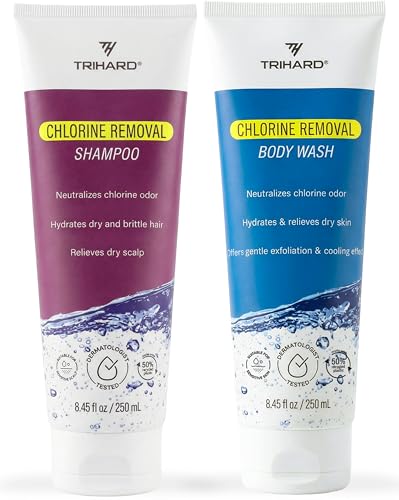

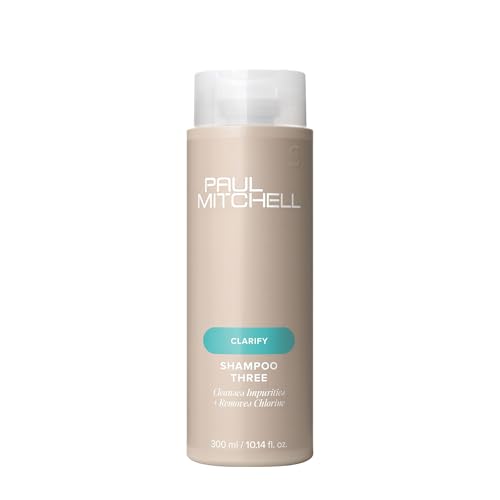
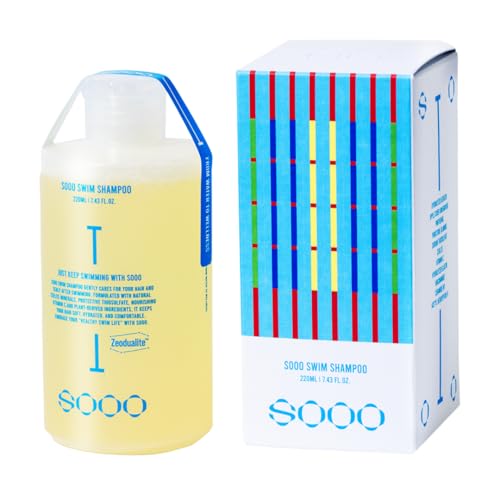
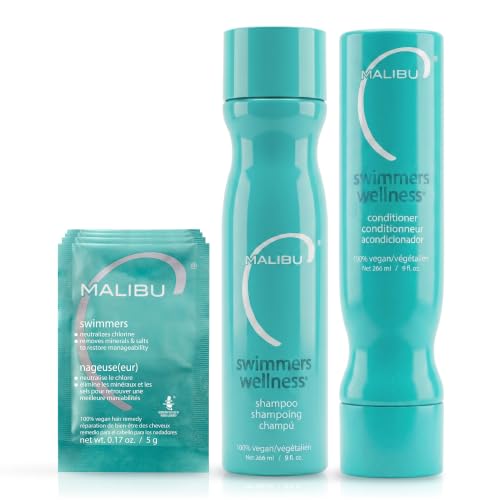
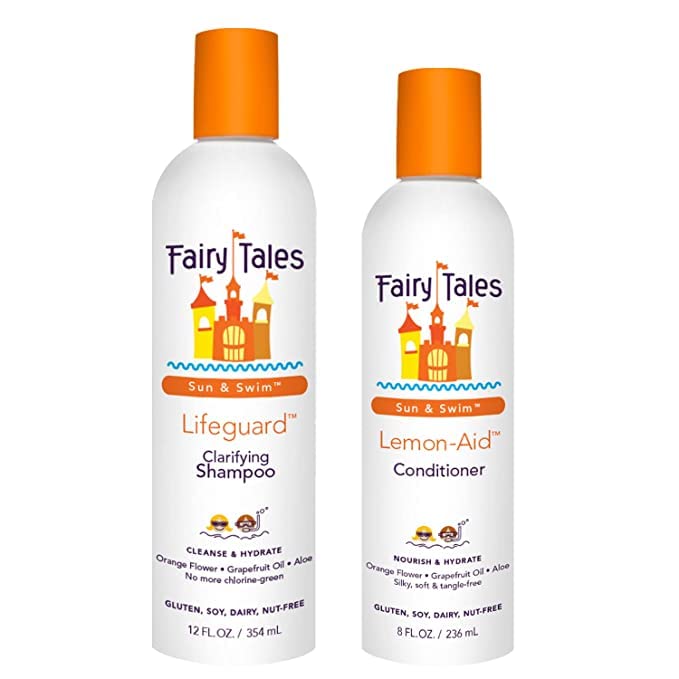
The Real Explanation: Chlorine Doesn’t “Curl” Hair
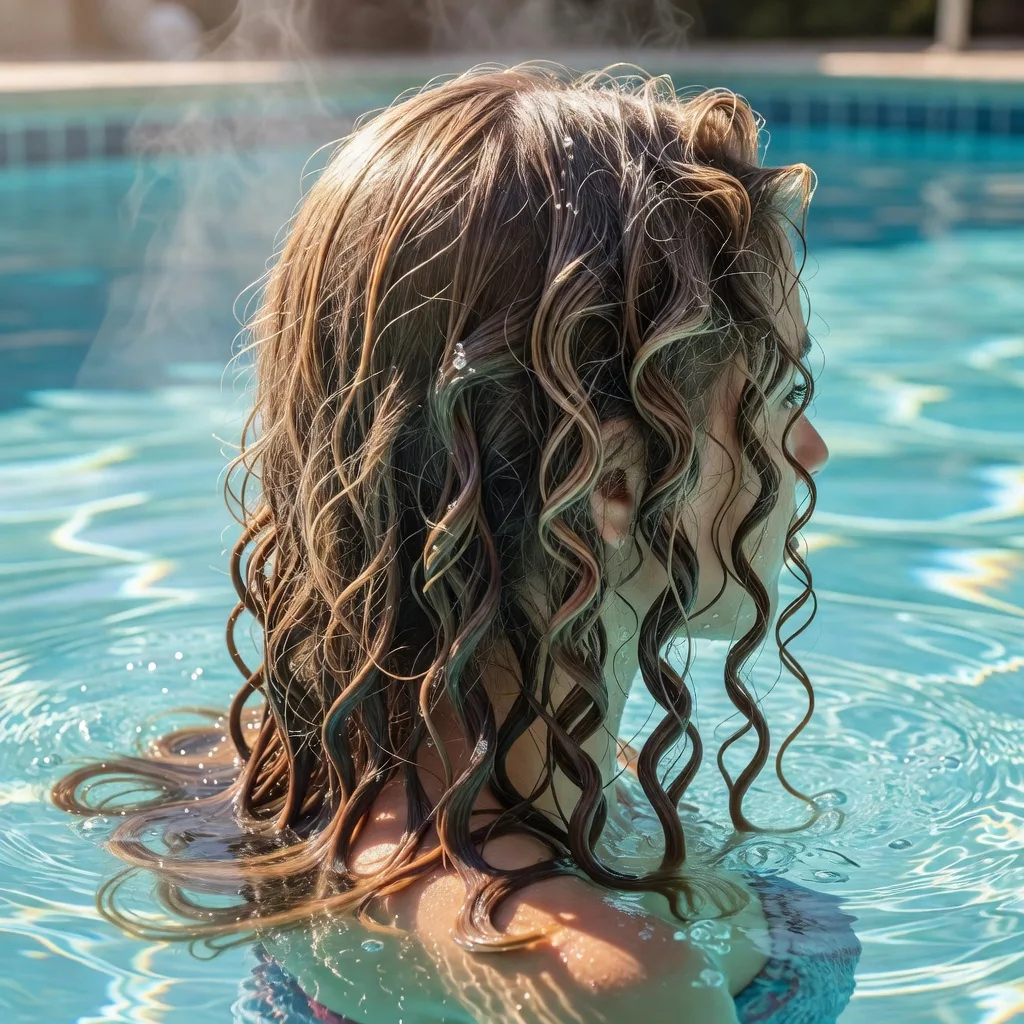
Chlorine doesn’t chemically curl hair the way a perm does. A perm works by breaking and reforming disulfide bonds within the hair shaft to physically reshape its structure — that’s a deliberate, controlled chemical process. Chlorine does something different entirely: it strips protein and lipid from the hair shaft and damages the outer cuticle layer, which changes how hair looks and behaves without changing its actual growth pattern. The result can look and feel more “textured” or frizzy, and on some hair types that reads as looking curlier — but no real curl pattern has been created.
Shopping these picks?
Amazon Prime members get fast, free shipping on eligible items, plus Prime Video, Amazon Music and member deals. New members can start with a free trial.
Start a free Prime trialAged 18 to 24? Prime for Young Adults comes with a longer free trial and a lower price after it.
Affiliate link: we may earn a commission at no extra cost to you.
Bottom Line
- Chlorine damages the hair cuticle and strips proteins and lipids — it does not chemically reshape hair the way a perm does.
- Cuticle roughening increases porosity, which makes hair frizz and exaggerates whatever natural wave or curl is already present.
- Chemically relaxed or straightened hair is especially vulnerable, since chlorine degrades that treatment faster than it would degrade untreated hair.
- Green hair from a pool is caused by copper, not chlorine — though chlorine does make copper binding easier.
- Pre-wetting hair with clean water and using a leave-in conditioner or swim cap are genuinely effective prevention steps.
- Clarifying shampoo followed by deep conditioning is the most effective way to reverse chlorine buildup after swimming.
In This Guide
- The Real Explanation: Chlorine Doesn’t “Curl” Hair
- How Chlorine Actually Damages Hair
- Cuticle Damage, Porosity, and Why Texture Looks Different
- Why This Is More Noticeable on Chemically Treated Hair
- The Real Green-Hair Culprit: Copper, Not Chlorine
- What the Research Actually Shows
- Hard Water and Mineral Buildup: A Related but Different Problem
- Prevention Steps Before and After Swimming
- Who Should Be Most Careful
- When Extra Precautions Matter Most
- When to See a Dermatologist Instead
- A One-Minute Pre-Swim Check
- Where the Evidence Runs Out
- Frequently Asked Questions
How Chlorine Actually Damages Hair
Pool water contains hypochlorite or hypochlorous acid, which oxidizes hair’s natural lipids and surface proteins. That oxidation strips away protective oils and breaks down the outer cuticle layer — the overlapping, shingle-like scales that normally lie flat and seal in moisture. Under chlorine exposure, those scales lift and roughen instead of lying smooth. A trade-literature review on pool disinfectants and hair cites electron-microscopy examination of competitive swimmers on Japan’s national swimming team, which documented visible chlorine damage to the hair cuticle along with discoloration — a specific, real-world data point on what sustained chlorine exposure does structurally.
Cuticle Damage, Porosity, and Why Texture Looks Different
A roughened, lifted cuticle can no longer seal moisture in as effectively, which raises hair’s overall porosity. Higher-porosity hair loses and absorbs moisture more erratically, leading to dryness, roughness, and frizz, and reflects less light, which is part of why chlorine-damaged hair often looks duller. That loss of a smooth, flat, light-reflecting cuticle is really what’s behind the “curlier” appearance many swimmers notice — strands catch on each other and stand away from the head instead of lying smooth, which reads visually as more texture or curl without any actual change to the hair’s underlying growth pattern. If frizz-prone texture is a recurring issue beyond just pool days, this guide to diffusing curly hair covers how drying technique affects the same cuticle-smoothness issue.
| Hair type | How chlorine exposure typically shows up |
|---|---|
| Naturally straight hair | Increased frizz, dullness, rough texture that can look subtly wavier |
| Naturally wavy or curly hair | Reduced smoothness and shine, existing curl pattern looks more frizzy-defined |
| Chemically relaxed or straightened hair | Faster reversion toward natural texture as the treatment degrades |
Why This Is More Noticeable on Chemically Treated Hair
Chemically relaxed or straightened hair is especially vulnerable to this effect. That artificial smoothness depends on a chemical treatment that’s more fragile than natural hair structure to begin with, and repeated chlorine oxidation degrades it faster than it would degrade untreated hair. In practice, that means a relaxed or straightened style can “revert” toward its natural, curlier texture noticeably faster in someone who swims regularly than in someone who doesn’t — not because chlorine created new curl, but because it accelerated the breakdown of the treatment holding the straightened structure in place.
The Real Green-Hair Culprit: Copper, Not Chlorine
Contrary to popular belief, copper — not chlorine — is the actual cause of green hair after swimming, according to an academic explainer on the chemistry involved. Copper sulfate is sometimes added to pools as an algaecide, and copper can also leach from corroded plumbing into pool water. Copper ions bond to disulfide groups within hair’s keratin structure, forming a copper-keratin complex that produces the visible green tint — a mechanism confirmed by research using scanning electron microscopy showing copper ions binding primarily to disulfide groups in already-damaged hair. Chlorine’s role here is real but indirect: it oxidizes hair proteins and breaks disulfide bonds, which makes it easier for copper ions to attach. A classic study demonstrated this distinction directly — hair exposed to copper alone, with no chlorine, still turned green, while hair exposed to chlorine alone, with no copper, did not turn green at all.
What the Research Actually Shows
The core damage mechanism — oxidative stripping of lipids and proteins, cuticle disruption, increased porosity — is well-accepted across dermatology and cosmetic-science sources, and the Japanese swim-team electron-microscopy data is a specific, citable real-world example. What’s less firmly quantified is an exact number for how much protein chlorine strips per exposure; no single landmark study puts a precise percentage on that, so it’s more accurate to describe this as well-documented oxidative damage rather than a specific measured figure. The copper-versus-chlorine green-hair mechanism, by contrast, is more precisely demonstrated, including the classic experiment isolating copper as the causal agent.
Hard Water and Mineral Buildup: A Related but Different Problem
Chlorine damage is often confused with a separate but related issue: mineral buildup from hard water, which can happen whether you swim or not. Hard water contains dissolved calcium and magnesium that coat the hair shaft over repeated washing, leaving hair feeling stiff, dull, and harder to lather or rinse clean, distinct from the oxidative cuticle stripping chlorine causes. Pool water frequently combines both problems at once, since pools are filled with tap or well water that may already be hard, then treated with chlorine on top of that. The practical distinction matters for aftercare: mineral buildup responds well to a chelating clarifying shampoo formulated to bind and remove metal ions, while chlorine’s oxidative damage responds better to deep conditioning and protein-moisture balance treatments. Many swimmers benefit from addressing both, since a single generic shampoo often isn’t formulated to tackle both problems equally well.
| Prevention step | How it works |
|---|---|
| Pre-wet with clean water | Saturates hair so it absorbs less chlorinated pool water |
| Leave-in conditioner or oil | Coats the hair shaft, reducing direct chlorine-cuticle contact |
| Swim cap | Direct mechanical barrier, though rarely fully waterproof |
| Chelating clarifying shampoo | Binds and removes chlorine, copper, and mineral residue after swimming |
Prevention Steps Before and After Swimming
Pre-wet with clean water
Saturate hair with clean tap or shower water before getting in the pool, since already-wet hair absorbs less chlorinated water.Apply a leave-in conditioner or oil
A light coating on the hair shaft before swimming reduces direct cuticle contact with chlorine.Wear a swim cap
The most direct mechanical barrier, though it won’t be fully waterproof for most swimmers.Clarifying shampoo and deep condition afterward
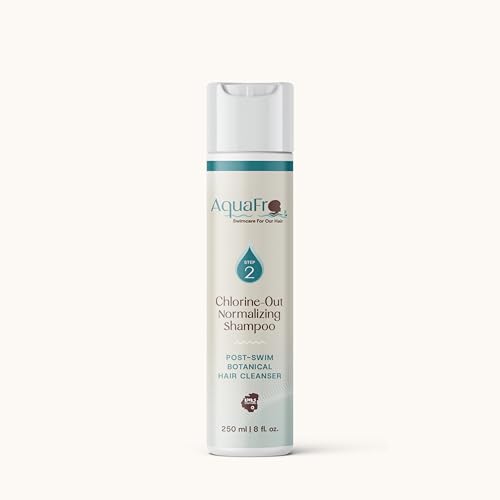
Wash out chlorine and bound mineral residue, then follow with a deep conditioning treatment to help restore lipids and reduce porosity-related frizz. If you also color or dye your hair, this guide to shampooing after dyeing hair is worth reading, since timing matters for both color retention and chlorine cleanup.
Who Should Be Most Careful
Frequent or competitive swimmers, and anyone with chemically relaxed, straightened, color-treated, or naturally curly hair, have the most reason to take prevention seriously. These hair types either show damage more visibly or degrade faster under repeated chlorine exposure than untreated, straight hair does.
Do
- Pre-wet hair with clean water before swimming
- Use a leave-in conditioner, oil barrier, or swim cap
- Follow swimming with a clarifying shampoo and deep conditioner
Don’t
- Assume chlorine is chemically curling your hair the way a perm would
- Blame chlorine alone for green tint — copper is the actual pigment source
- Skip aftercare if you have relaxed, straightened, or color-treated hair
When Extra Precautions Matter Most
Extra precautions matter most for competitive or daily swimmers, anyone with a recent chemical relaxer, straightening treatment, or hair color service, and anyone swimming in a pool with known copper-based algaecide use or older, corroded plumbing, where green-tint risk is higher.
When to See a Dermatologist Instead
Hair texture changes from chlorine are a cosmetic and hair-care concern, not usually a medical one. See a dermatologist if you notice unusual scalp irritation, significant hair breakage or loss beyond ordinary dryness, or a persistent scalp reaction that doesn’t improve with standard aftercare, since these can indicate something beyond routine chlorine exposure.
A One-Minute Pre-Swim Check
Before you get in the pool, ask: is your hair dry right now, meaning it will absorb more chlorinated water than pre-wet hair would? Do you have relaxed, straightened, or recently colored hair that’s more vulnerable to faster damage? Do you have a leave-in conditioner, oil, or swim cap available? A “no” to prevention steps and a “yes” to chemically treated hair is worth addressing before you swim, not after.
Where the Evidence Runs Out
Be precise about what’s established: chlorine’s oxidative damage to hair lipids, proteins, and cuticle structure is well-documented, including the Japanese swim-team electron-microscopy data, and the copper-not-chlorine green-hair mechanism is specifically and directly demonstrated by dedicated research. What isn’t precisely quantified is an exact protein-loss percentage per chlorine exposure — that part is accurately described as documented oxidative damage, not a hard measured number.
Frequently Asked Questions
Does chlorine actually make hair curlier?
Not chemically — it damages the cuticle and strips lipids, which can make hair look more textured or frizzy without creating any real curl pattern.
What does chlorine actually do to hair?
It oxidizes natural lipids and proteins and roughens the outer cuticle layer, increasing porosity and reducing shine.
Does chlorine turn hair green?
No — copper, often from algaecide or corroded plumbing, is the actual cause; chlorine just makes copper binding to damaged hair easier.
Is chlorine worse for relaxed or straightened hair?
Yes — it degrades that chemical treatment faster, causing noticeably quicker reversion toward natural texture.
How can I protect my hair before swimming?
Pre-wet it with clean water and apply a leave-in conditioner, oil, or swim cap to reduce direct chlorine contact.
What should I do for my hair after swimming?
Use a clarifying shampoo to remove chlorine and mineral residue, then follow with a deep conditioning treatment.
Why does pre-wetting hair with clean water help?
Hair is porous and absorbent; pre-saturating it with clean water reduces how much chlorinated pool water it can soak up.
Is a swim cap enough to prevent chlorine damage?
It’s the most direct mechanical barrier, but most swim caps aren’t fully waterproof, so pairing it with other steps helps.
Does chlorine damage curly hair more than straight hair?
Curly hair can show reduced smoothness and shine more visibly, since cuticle roughening exaggerates the existing curl pattern.
Is chlorine hair damage permanent?
Not inherently — consistent clarifying and deep-conditioning aftercare can restore much of the lost moisture and smoothness over time.

Written by
Registered pharmacist and founder of Facial Adviser. Rakib's pharmacy training covers how skincare actives work and interact; a later course in cosmetology turned that into a focus on facial treatments and skincare products. He plans, researches and edits every guide on the site and checks health claims against sources such as the American Academy of Dermatology, the FDA and the NIH. He is not a dermatologist; see the Editorial Policy and Medical Disclaimer.
About · Editorial policy · How we choose products · Medical disclaimer · Contact
Keep reading: Hair tools
- 10 Best Hair Dryers (2026): Faster Drying With Less Heat Damage
- How Long Does a Hair Replacement System Last?
- Can You Shampoo After Dying Hair?
- Can I Bleach My Hair 2 Days in a Row?
- Why Use a Diffuser for Curly Hair? How It Works, Frizz and Heat Protection
- Drybar The Double Shot Oval Blow-Dryer Brush: Smooth, Frizz-Free Volume?
- 10 Best Beard Trimmers (2026): Even Lengths, Clean Edges
- 10 Best Safety Razors (2026): Closer, Calmer Shaves for Every Level