Which Fruit Facial Is Good for Oily and Pimple-Prone Skin?
Oily and breakout-prone skin gets pointed toward citrus, tomato, and papaya constantly, but which fruit facial is good for oily and pimple-prone skin, and can any surface-level mask actually reach where acne itself forms?
Part of our guide to facial treatments. Start with: Fruit Facial at Home: Does It Actually Work?
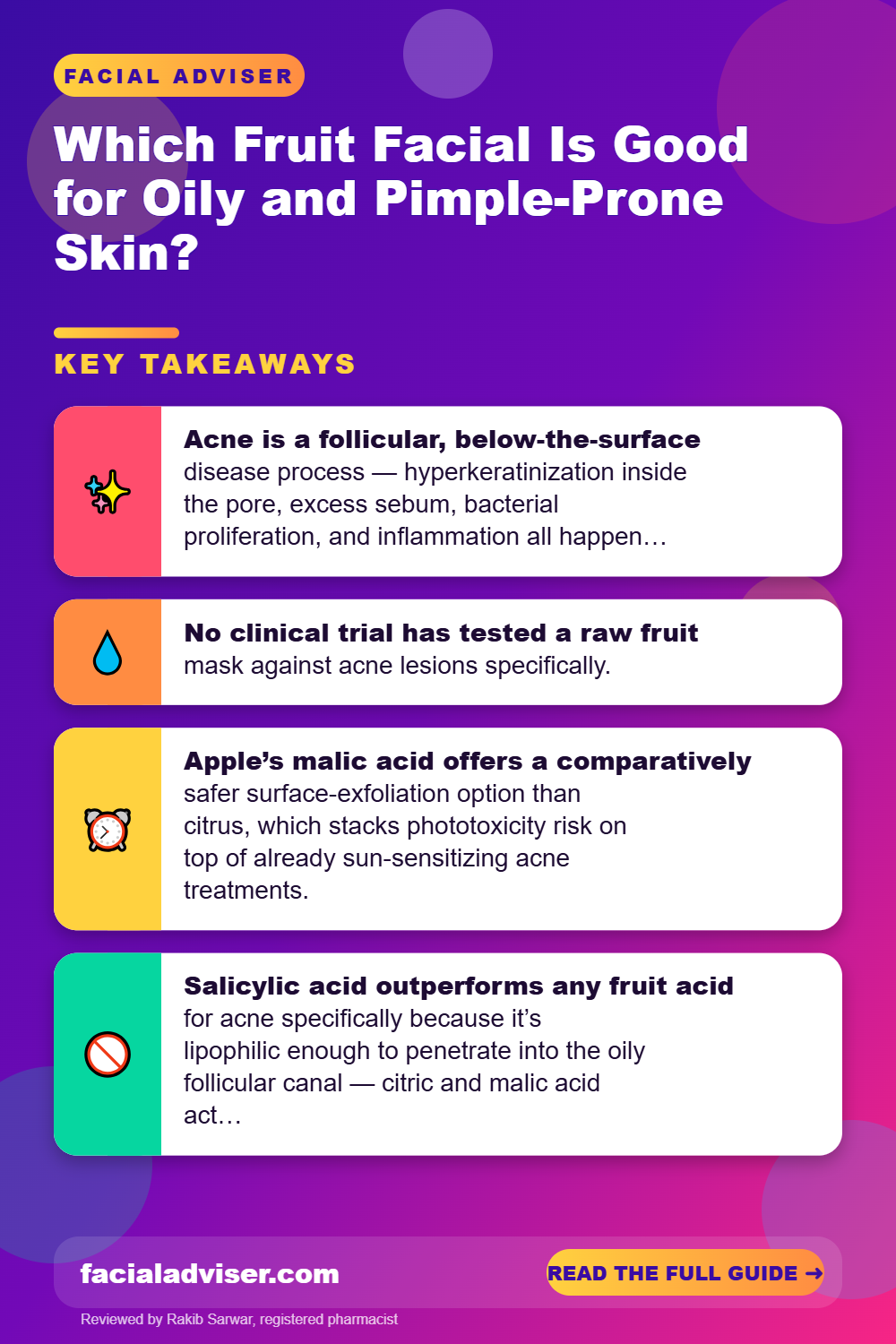
Acne is a follicular, below-the-surface disease process, and no fruit mask reaches that depth. Apple’s malic acid offers a comparatively safer surface-exfoliation option than citrus, which stacks a real phototoxicity risk on top of already sun-sensitizing acne treatments like retinoids or benzoyl peroxide. Salicylic acid, not a fruit acid at all, remains the more genuinely targeted option because its lipophilicity lets it penetrate into the oily follicular canal where fruit acids simply can’t reach.
A popular claim gap worth naming directly: tomato’s lycopene content gets credited with fighting acne constantly, but a search of the acne-specific literature turns up no controlled trial supporting that claim.
This guide compares the real mechanism behind each popular oily-skin fruit, contrasts fruit acids against salicylic acid directly, and covers how to use a fruit mask safely without compounding irritation on already-inflamed skin.
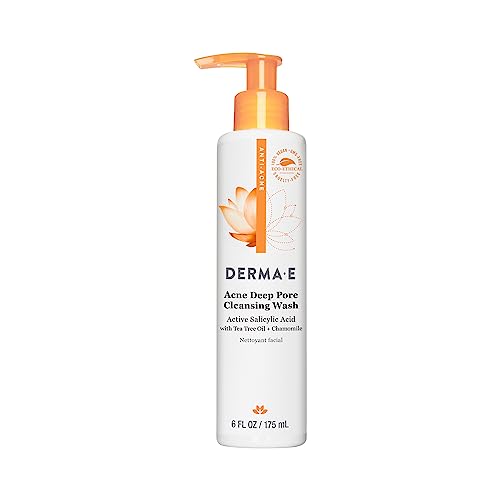
Recommended Products for Oily and Acne-Prone Skin
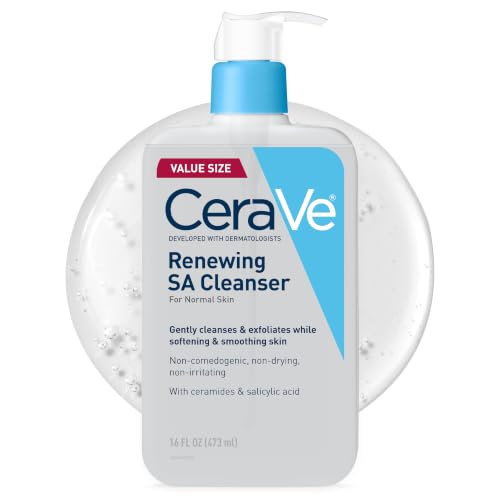
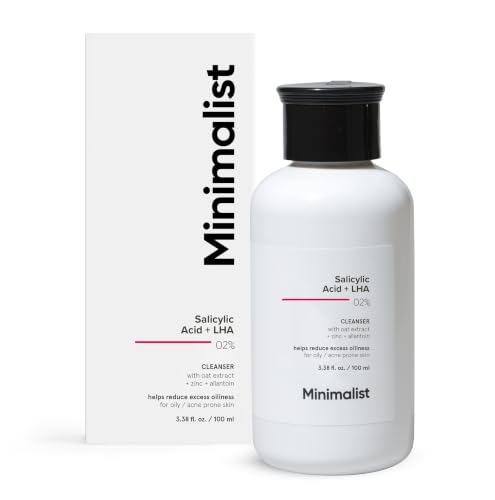

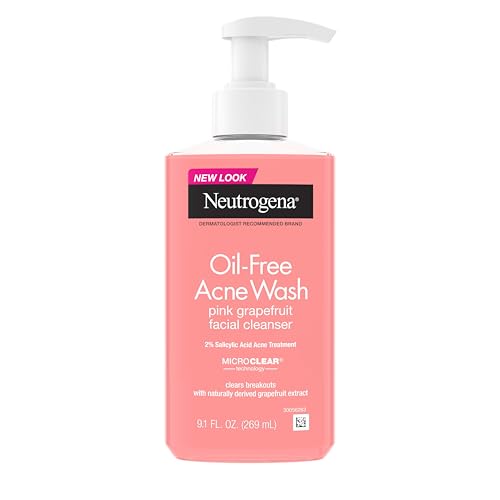


Key Facts
- Acne is a follicular, below-the-surface disease process — hyperkeratinization inside the pore, excess sebum, bacterial proliferation, and inflammation all happen deeper than a 10-15 minute surface mask can reach.
- No clinical trial has tested a raw fruit mask against acne lesions specifically.
- Apple’s malic acid offers a comparatively safer surface-exfoliation option than citrus, which stacks phototoxicity risk on top of already sun-sensitizing acne treatments.
- Salicylic acid outperforms any fruit acid for acne specifically because it’s lipophilic enough to penetrate into the oily follicular canal — citric and malic acid act on the surface only.
What’s Inside
- Why Acne Happens Below Where a Mask Can Reach
- Lemon and Citrus: Real Astringent Chemistry, Real Downsides
- Apple: The Safer Acid-Fruit Option
- Papaya: Surface Decongestion With a Catch
- Tomato: A Popular Claim With a Real Evidence Gap
- Comparing Fruit Options for Oily Skin
- Why Salicylic Acid Beats Any Fruit Acid for Acne
- How to Use a Fruit Mask Safely on Oily, Breakout-Prone Skin
- Do This, Not That
- When Fruit Masks Aren’t Enough
- Frequently Asked Questions
- The Bottom Line
Why Acne Happens Below Where a Mask Can Reach
Comedonal and inflammatory acne is a follicular, pore-level disease process. Hyperkeratinization of the follicular lining, excess sebum production driven by hormonal signaling, proliferation of C. acnes bacteria, and the resulting inflammation all occur inside and immediately around the hair follicle — well below the skin’s surface, where a topical mask actually acts. A 10 to 15 minute application of fruit pulp or juice sits on the stratum corneum; it does not reach, and cannot structurally modify, what’s happening inside the follicle itself.
Shopping these picks?
Amazon Prime members get fast, free shipping on eligible items, plus Prime Video, Amazon Music and member deals. New members can start with a free trial.
Start a free Prime trialAged 18 to 24? Prime for Young Adults comes with a longer free trial and a lower price after it.
Affiliate link: we may earn a commission at no extra cost to you.
That’s not a reason to dismiss fruit masks entirely for oily or acne-prone skin — surface exfoliants and mild astringents can produce a real, if modest, reduction in visible surface oil and dead-cell buildup. But it is the honest ceiling on what any fruit-based mask can plausibly do for actual acne lesions, and it’s worth understanding before expecting a kitchen-ingredient mask to substitute for a targeted treatment.
It’s also worth separating two things that get conflated constantly in DIY skincare content: “oily” and “acne-prone” are related but distinct. Oily skin describes sebum output; acne-prone describes a follicular tendency toward comedones and inflammatory lesions. Plenty of people have genuinely oily skin with minimal breakouts, and plenty of people with drier, more sensitive surface skin still deal with persistent acne, because the follicular process driving acne isn’t the same thing as total oil volume. A related, commonly overlooked complication is dehydrated-but-oily skin: when the skin’s water content is low, some skin types compensate by increasing oil production, so an aggressive, stripping fruit acid mask can occasionally make surface oiliness worse over time by triggering that same compensatory response, even though it feels drying and “controlling” in the moment.
Lemon and Citrus: Real Astringent Chemistry, Real Downsides
Citric acid is a genuine alpha-hydroxy acid, and lemon or other citrus juice does have a real, legitimate surface-exfoliation and mild astringent effect — this part of the popular reputation isn’t invented. The problem for acne-prone skin specifically is compounding risk: citrus carries the FDA-documented increase in UV sensitivity that comes with regular AHA use, plus the separate phytophotodermatitis risk from furocoumarins in citrus peel and juice. Acne-prone skin is very often already using retinoids or benzoyl peroxide, both of which are independently photosensitizing — stacking a third sun-sensitizing exposure on top of an already photosensitized routine is a worse risk-to-benefit trade than the same acid would be on skin with no other active treatment.
Apple: The Safer Acid-Fruit Option
Apple’s malic acid provides the same general AHA exfoliation logic as citric acid, without citrus’s phototoxic furocoumarin content. That makes apple a comparatively safer “acid fruit” choice for oily or breakout-prone skin that still wants a mild exfoliating mask. No dedicated clinical trial has isolated a raw-apple-mask’s effect on acne specifically, so this is a mechanistic, lower-risk-relative-to-citrus recommendation rather than a proven-effective one.
Papaya: Surface Decongestion With a Catch
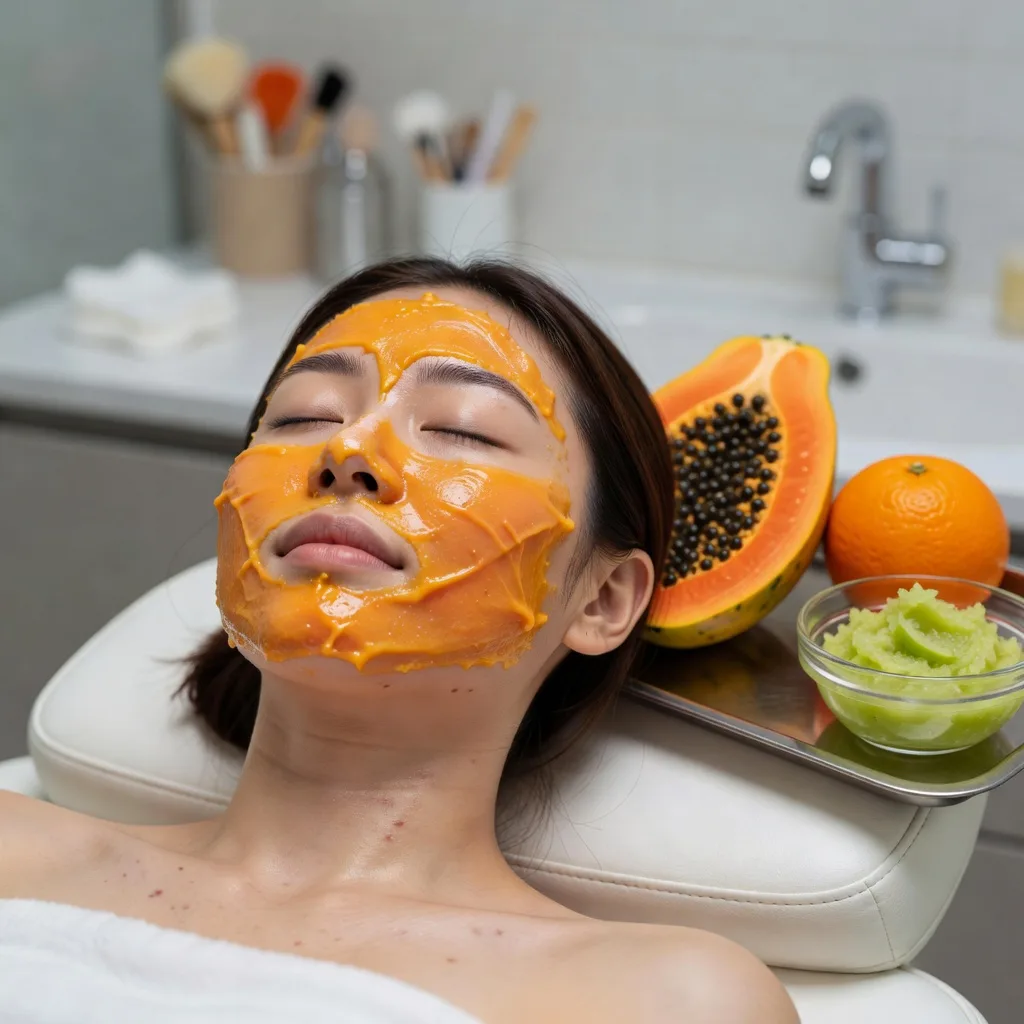
Papain, papaya’s proteolytic enzyme, has a real rationale for surface decongestion — breaking down the dead-cell buildup that can make oily skin look dull or contribute to visible surface congestion. But papain’s protein-digesting activity is the same mechanism that activates a documented itch-and-inflammation receptor pathway on skin nerve fibers. On already-inflamed, actively breaking-out skin, that irritation potential can be counterproductive, potentially aggravating inflammatory lesions rather than helping them.
Tomato: A Popular Claim With a Real Evidence Gap
Tomato is botanically a fruit, and it’s a common ingredient in DIY oily-skin and “pore-shrinking” mask recipes, usually citing its lycopene content. Lycopene is a genuine antioxidant carotenoid, and literature does exist on lycopene in cosmetic emulsion formulations for general anti-aging purposes — but a search of the acne-specific literature turns up no controlled trial of lycopene, tomato extract, or a raw tomato mask against acne lesions specifically. That’s a genuine claim gap worth naming directly rather than repeating the “tomato fights acne” claim as though it were established. Tomato juice is mildly acidic, which gives a modest, generic surface-exfoliation rationale — just not one that’s acne-specific or validated.
Comparing Fruit Options for Oily Skin
Set next to each other, the four fruits most commonly recommended for oily or acne-prone skin have a fairly consistent pattern: a real surface-level mechanism, and no evidence that reaches the actual acne process.
| Fruit | Real mechanism | Verdict for oily/acne-prone skin |
|---|---|---|
| Lemon / citrus | Citric acid AHA exfoliation, astringent effect | Real surface effect, but photosensitivity risk stacks with common acne treatments |
| Apple | Malic acid AHA exfoliation | Comparatively safer acid-fruit option, no dedicated acne trial |
| Papaya | Papain enzymatic surface decongestion | Real rationale, but irritation risk may aggravate active inflammation |
| Tomato | Lycopene antioxidant, mild acidity | Popular claim, no acne-specific evidence found |
Why Salicylic Acid Beats Any Fruit Acid for Acne
Salicylic acid is a beta-hydroxy acid, not a fruit-derived compound, and it’s more genuinely relevant to acne than any fruit AHA for a specific structural reason: its lipophilicity (fat-solubility) lets it penetrate into the oilier, lipid-rich follicular canal itself, rather than acting only on the skin’s surface the way citric or malic acid does. That single difference in penetration depth explains why fruit acids, despite sharing the general “acid exfoliant” branding with salicylic acid, fall short as a targeted acne treatment.
| Property | Fruit AHAs (citric, malic acid) | Salicylic acid (BHA) |
|---|---|---|
| Solubility | Water-soluble | Lipid-soluble (lipophilic) |
| Penetration depth | Surface/stratum corneum only | Penetrates into the oily follicular canal |
| Relevance to comedonal acne | Indirect, surface dead-cell removal only | Direct, reaches the follicle where acne forms |
| Concentration control | Unknown and uncontrolled in raw fruit | Formulated to a specific, tested percentage |
How to Use a Fruit Mask Safely on Oily, Breakout-Prone Skin
Patch test first
Even mild fruit acids can irritate already-inflamed skin; test on the inner forearm for several days before applying near active breakouts.
Choose apple over citrus if you use retinoids or benzoyl peroxide
This avoids stacking a third photosensitizing exposure on top of treatments that already increase sun sensitivity.
Avoid active breakouts directly
Apply around, not directly onto, actively inflamed pimples or cysts, since acids and enzymes can increase irritation on already-compromised skin.
Keep contact time to 10 minutes
Shorter than the general 10 to 15 minute range, since oily/acne-prone skin has more active inflammation to aggravate.
Follow with a lightweight, non-comedogenic moisturizer and SPF the next day
Never skip moisturizer even on oily skin — over-stripping surface oil can trigger compensatory oil production.
Do This, Not That
Do
- Choose apple over citrus if you use other photosensitizing acne treatments
- Keep contact time short and avoid actively inflamed lesions
- Treat a fruit mask as a mild adjunct, not a replacement for evidence-based acne treatment
Don’t
- Expect a fruit mask to reach the follicular mechanism that drives acne
- Layer citrus fruit masks with retinoids or benzoyl peroxide the same day
- Apply enzyme-active fruit like papaya directly onto open or inflamed lesions
When Fruit Masks Aren’t Enough
Anyone with persistent inflammatory acne, cystic lesions, or acne that’s leaving scarring or lasting discoloration is better served by evidence-based treatment — topical retinoids, benzoyl peroxide, salicylic acid, or prescription therapy — than by a fruit mask, which cannot reach the follicular process driving those lesions. A dermatologist can also help sort out whether stacking a fruit mask with an existing treatment regimen adds meaningful benefit or just meaningful irritation risk for your specific skin.
Frequently Asked Questions
Does a fruit facial actually help acne?
It may offer a mild, surface-level reduction in visible oil and dead-cell buildup, but acne itself is a follicular process that a surface mask cannot structurally reach or treat.
Which fruit is best for oily skin?
Apple offers the safer acid-fruit exfoliation option; citrus has real astringent chemistry but carries stacking photosensitivity risk with common acne treatments.
Is lemon good for acne?
Lemon has genuine astringent and mild exfoliating chemistry, but its phototoxicity risk compounds with retinoids or benzoyl peroxide, making it a worse trade-off for many acne-prone routines.
Does tomato help with acne or shrinking pores?
Tomato’s lycopene is a real antioxidant, but no controlled trial has tested tomato or lycopene against acne lesions specifically — the common claim outruns the evidence.
Why doesn’t a fruit mask work as well as salicylic acid for acne?
Salicylic acid is lipid-soluble and penetrates into the oily follicular canal where acne forms; fruit acids are water-soluble and act on the surface only.
Is papaya good for oily or acne-prone skin?
It has a real surface-decongestion rationale through papain, but its enzyme activity can irritate already-inflamed skin, so it’s best kept away from active breakouts.
Can I use a fruit mask alongside my acne treatment?
Possibly, but space it away from retinoid or benzoyl peroxide application days to avoid stacking sun-sensitivity and irritation.
How often should oily skin use a fruit facial?
Once weekly is a reasonable frequency; more often increases irritation risk without a clear added benefit.
Should I put fruit masks directly on pimples?
No — apply around active lesions rather than directly on them, since acids and enzymes can increase irritation on already-inflamed skin.
When should I stop relying on fruit masks and see a dermatologist?
If you have persistent inflammatory or cystic acne, or acne that’s scarring or discoloring skin, since a fruit mask cannot reach the mechanism driving those lesions.
The Bottom Line
Fruit masks can offer a real, modest, short-lived surface degreasing and dead-cell-removal effect for oily skin, but no fruit mask reaches the follicular mechanism that actually drives comedonal or inflammatory acne. Apple is the comparatively safer acid-fruit choice; citrus’s stacking photosensitivity risk makes it a worse fit for most acne-prone routines. Anyone with active, persistent acne is better served by evidence-based topical treatment than by substituting a kitchen-ingredient mask for it.

Written by
Registered pharmacist and founder of Facial Adviser. Rakib's pharmacy training covers how skincare actives work and interact; a later course in cosmetology turned that into a focus on facial treatments and skincare products. He plans, researches and edits every guide on the site and checks health claims against sources such as the American Academy of Dermatology, the FDA and the NIH. He is not a dermatologist; see the Editorial Policy and Medical Disclaimer.
About · Editorial policy · How we choose products · Medical disclaimer · Contact
Keep reading: DIY and ingredient facials
- Fruit Facial at Home: Does It Actually Work?
- Which Fruit Facial Is Best for Glowing Skin?
- How to Do a Fresh Fruit Facial at Home
- Which Fruit Facial Is Good for Sensitive Skin?
- Why Does Fruit Make My Face Break Out?
- Fruit Facial Types: A Complete Guide
- What Is the Best Anti-Aging Facial Treatment? Options Compared by Goal
- What Is a Spa Facial?