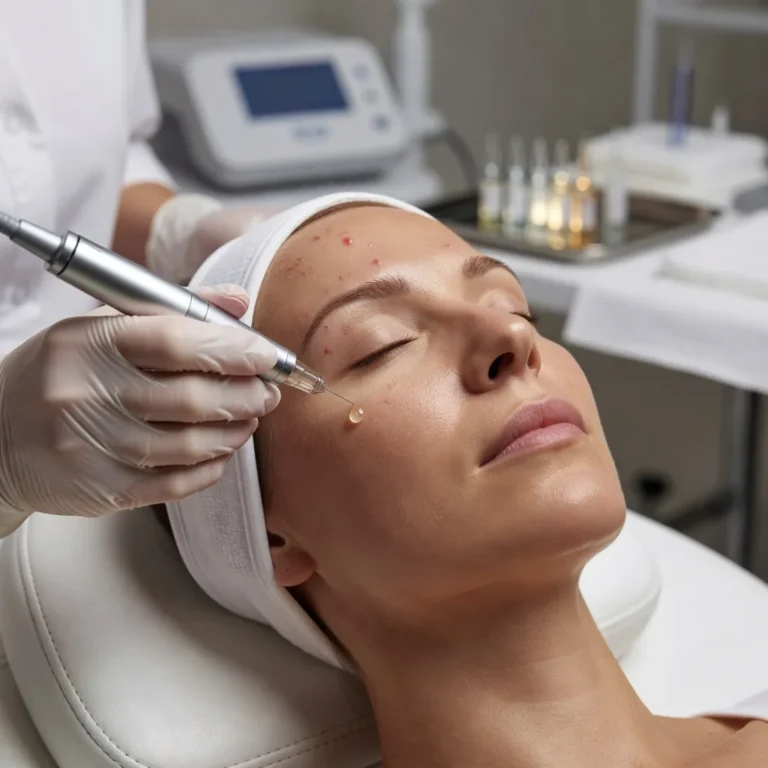
How to Do a Fresh Fruit Facial at Home
A fresh fruit facial at home promises real, kitchen-ingredient skincare without buying another bottle — but does rubbing citrus, papaya, or apple on your face actually deliver something worthwhile, or just a sticky mess with a placebo effect?
Part of our guide to facial treatments. Start with: Fruit Facial at Home: Does It Actually Work?
The individual active compounds are genuinely real, but no clinical trial has tested a raw, mashed-fruit mask itself. Vitamin C, papain, bromelain, and fruit acids all have real supporting research — almost entirely on purified, stabilized, concentration-controlled formulations, not on fruit pulp applied to skin for ten minutes. That mechanism gap, not the specific fruit you pick, is the central honesty point behind any fresh fruit facial at home.
The single highest-stakes mistake documented in the dermatology literature isn’t about which fruit to choose at all — it’s about timing citrus around sun exposure, a genuine phototoxic reaction with real, named case reports behind it.
This guide covers the real mechanism gap behind each popular ingredient, a full step-by-step technique for doing this safely, contact-time and frequency guidance by fruit type, and exactly who should skip it entirely.
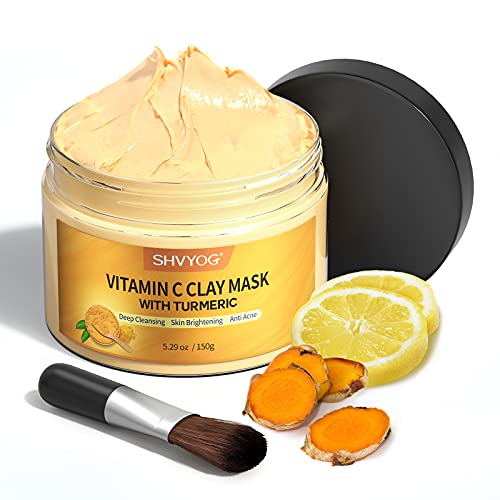
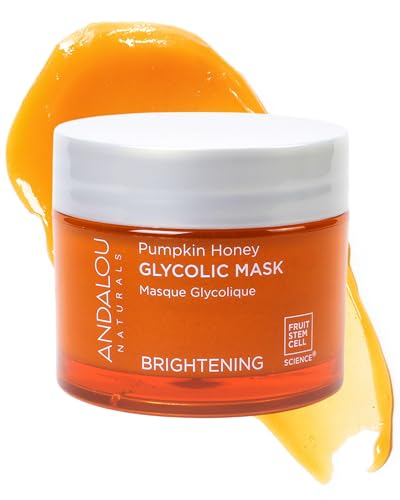
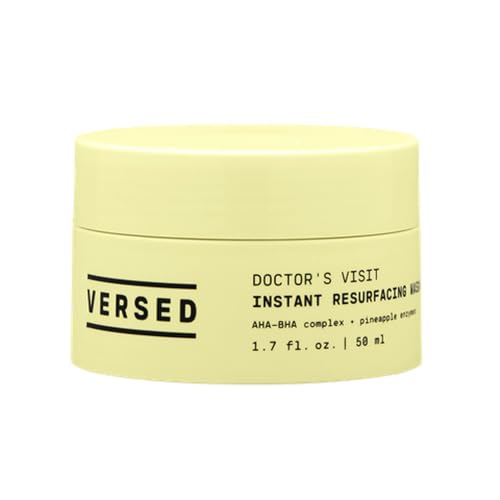
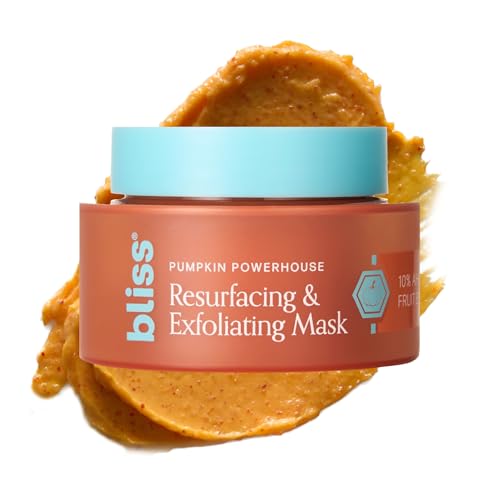
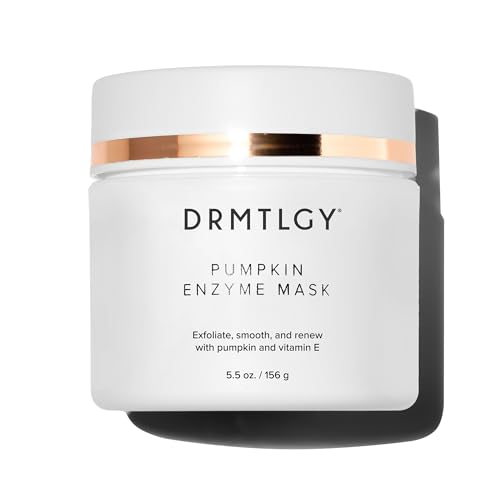
Recommended Products for a Safer At-Home Fruit Facial

Quick Take
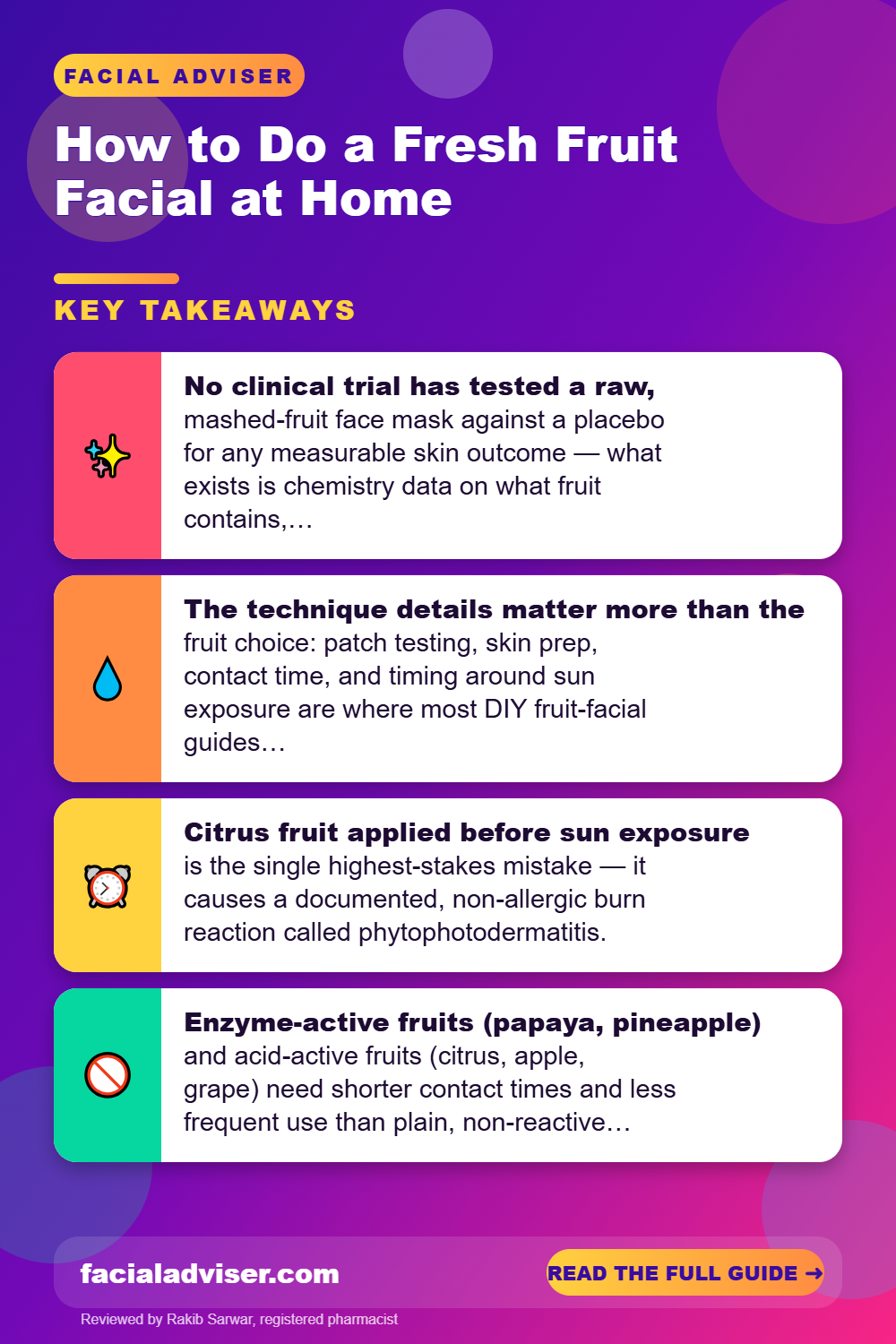
- No clinical trial has tested a raw, mashed-fruit face mask against a placebo for any measurable skin outcome — what exists is chemistry data on what fruit contains, and trial data on purified, standardized versions of those same compounds.
- The technique details matter more than the fruit choice: patch testing, skin prep, contact time, and timing around sun exposure are where most DIY fruit-facial guides fall short.
- Citrus fruit applied before sun exposure is the single highest-stakes mistake — it causes a documented, non-allergic burn reaction called phytophotodermatitis.
- Enzyme-active fruits (papaya, pineapple) and acid-active fruits (citrus, apple, grape) need shorter contact times and less frequent use than plain, non-reactive fruits like banana.
Jump to a Section
- The Mechanism Gap: Fresh Fruit vs. Formulated Actives
- Why Raw Vitamin C Doesn’t Behave Like a Serum
- Papain and Bromelain: Real Exfoliants With a Real Irritation Risk
- Citrus, Apple, and Grape: Uncontrolled-Strength Acids
- Raw Fruit vs. Formulated Product, Side by Side
- Step-by-Step: How to Actually Do This Safely
- Contact Time and Frequency, by Fruit Type
- The One Rule That Matters Most: Citrus and Sun
- Aftercare
- Do This, Not That
- Who Should Skip This Entirely
- Frequently Asked Questions
- The Bottom Line
The Mechanism Gap: Fresh Fruit vs. Formulated Actives
Every real active compound behind a fresh fruit facial — vitamin C, proteolytic enzymes, alpha-hydroxy acids — has genuine supporting research. Almost none of that research was done on a mashed-up piece of fruit applied to skin for ten minutes. It was done on purified, concentration-controlled, pH-adjusted formulations built specifically to deliver a known, stable dose. That gap between “this fruit contains an active ingredient” and “this fruit, applied as a mask, delivers a measurable amount of that ingredient to your skin” is the honest starting point for any technique guide, and it’s the thing most DIY beauty content skips over entirely.
Shopping these picks?
Amazon Prime members get fast, free shipping on eligible items, plus Prime Video, Amazon Music and member deals. New members can start with a free trial.
Start a free Prime trialAged 18 to 24? Prime for Young Adults comes with a longer free trial and a lower price after it.
Affiliate link: we may earn a commission at no extra cost to you.
None of this means a fresh fruit facial is worthless. It means the technique — how you prepare it, how long you leave it on, and what you do around sun exposure — carries more of the real risk-and-benefit weight than which specific fruit you pick, since you can’t control concentration the way a lab-formulated product can.
Why Raw Vitamin C Doesn’t Behave Like a Serum
Citrus, strawberries, and kiwi genuinely contain vitamin C (ascorbic acid), and topical vitamin C has real, well-documented evidence for improving skin brightness and photoaging markers. The problem is stability: L-ascorbic acid oxidizes rapidly on exposure to light, air, and neutral or high pH, losing effectiveness within hours to days once exposed. Stable topical vitamin C products are formulated at a low pH, around 3.5, with antioxidant stabilizers and light-blocking packaging specifically to get a usable dose through the stratum corneum before it degrades.
Fresh-squeezed citrus juice on skin is the opposite of that controlled environment — an unbuffered, chemically unstable exposure with an unknown effective concentration, applied for a few minutes before rinsing off. The vitamin C is real. Whether a meaningful, stable dose of it actually reaches your skin cells in that window is not something any study has confirmed.
Papain and Bromelain: Real Exfoliants With a Real Irritation Risk
Papaya’s papain and pineapple’s bromelain are proteolytic enzymes — they work by breaking down protein bonds, which is exactly what makes them genuine enzymatic exfoliants on the skin’s surface. That’s not marketing spin; it’s real biochemistry, and it’s a legitimately different exfoliation mechanism from an acid.
The same protease activity that exfoliates is also documented to trigger irritation and itch directly: plant cysteine proteases like papain activate a specific receptor on skin nerve fibers and immune cells called protease-activated receptor 2 (PAR2), a mechanism identified in peer-reviewed itch and inflammation research. Commercial enzyme peels manage this with a calibrated concentration and a short, monitored contact time. A papaya you bought at the grocery store has enzyme activity that varies by ripeness in a way you have no way to measure or standardize — which is exactly why the technique section below treats papaya and pineapple more cautiously than banana.
Citrus, Apple, and Grape: Uncontrolled-Strength Acids
Citric acid (citrus) and malic acid (apple, grape) are genuine alpha-hydroxy acids with real exfoliation chemistry. The FDA and the Cosmetic Ingredient Review’s safety framework for AHAs in cosmetics specifies a concentration ceiling of about 10 percent and a final product pH of 3.5 or higher for safe use, alongside a mandated sun-sensitivity warning label, because regular AHA use has been shown to roughly double a user’s UV sensitivity after about four weeks of use, an effect that reverses about a week after stopping.
Raw fruit juice gives you none of that engineered safety margin. You don’t know the concentration or the pH of the lemon juice you just squeezed, which means you don’t actually know whether your mask is a mild exfoliant or a much stronger acid exposure than any regulated cosmetic product would be allowed to sell.
Raw Fruit vs. Formulated Product, Side by Side
Laid out directly, the contrast between a kitchen-fruit mask and a lab-formulated product makes the mechanism gap concrete rather than abstract.
| Factor | Raw fruit mask | Formulated product |
|---|---|---|
| Active concentration | Unknown, varies by ripeness and batch | Measured and labeled |
| pH control | None | Adjusted for safety and stability |
| Stability of actives | Degrades within hours (vitamin C especially) | Stabilized with antioxidants, packaging |
| Regulatory safety ceiling | None applies | FDA/CIR concentration and pH limits (AHAs) |
| Cost | Very low | Ranges widely |
Step-by-Step: How to Actually Do This Safely
Patch test first, every time
Apply a small amount to a quarter-sized area on the inner forearm, twice daily for 7 to 10 days, watching for redness, itching, or swelling before ever applying it to your face — the standard method dermatologists recommend for any new skin-care product, DIY or commercial.
Check your skin’s recent history
Don’t apply a fruit mask to skin that’s just been scrubbed, waxed, shaved, extracted, or treated with a retinoid or exfoliating acid in the prior 24 to 48 hours — a compromised barrier absorbs irritants and acids faster than intact skin.
Cleanse first
Wash with a gentle, non-stripping cleanser before applying the mask, so you’re not layering fruit acids or enzymes on top of leftover makeup, sunscreen, or oil.
Mash, don’t juice, when possible
A mashed or pureed texture holds contact time more evenly across your skin than a runny juice, which tends to drip and concentrate unevenly.
Time it by fruit type
Enzyme-active fruit (papaya, pineapple) gets 10 to 15 minutes maximum; acid-active fruit (citrus, apple, grape) gets a similarly short window; plain, non-reactive fruit (banana, avocado) can reasonably go 15 to 20 minutes.
Rinse with lukewarm water
Hot water increases irritation on skin that’s just been exposed to an acid or enzyme; lukewarm water rinses just as effectively without the extra barrier stress.
Moisturize and protect
Follow with a plain moisturizer, and broad-spectrum SPF the next morning regardless of which fruit you used, since any exfoliation temporarily thins the outer skin layer.
Contact Time and Frequency, by Fruit Type
Frequency matters as much as contact time. Anything acid- or enzyme-active is a once-weekly treatment, not a daily one — a guideline that mirrors the FDA’s own AHA sun-sensitivity data showing a cumulative effect builds over about four weeks of regular use. Plain, non-active fruit like banana or avocado carries essentially none of that cumulative risk and can reasonably be used more often if your skin tolerates it well.
| Fruit type | Contact time | Suggested frequency |
|---|---|---|
| Enzyme-active (papaya, pineapple) | 10–15 minutes | Once weekly |
| Acid-active (citrus, apple, grape) | 10–15 minutes | Once weekly |
| Plain, non-active (banana, avocado) | 15–20 minutes | Up to 2–3 times weekly |
The One Rule That Matters Most: Citrus and Sun
Citrus rinds and juice — lemon, lime, grapefruit, orange peel or zest — contain compounds called furocoumarins that cause a genuine, well-documented reaction called phytophotodermatitis when skin contact is followed by sun exposure. This isn’t an allergy and doesn’t require any prior sensitization; it’s a direct phototoxic burn that can cause redness, blistering, and hyperpigmentation that lasts far longer than the mask itself. Documented case reports include reactions from something as simple as squeezing limes while making a drink, sometimes nicknamed “margarita dermatitis” in the medical literature.
Aftercare
After rinsing, treat the skin the way you would after any mild exfoliation: a plain, fragrance-light moisturizer, and sun protection the next day regardless of which fruit you used. If you notice ongoing tingling that doesn’t fade within a few minutes, mild peeling over the following day or two, or any spreading redness, that’s a sign the contact time or fruit choice was more aggressive than your skin tolerates well — scale back frequency or contact time before trying again, rather than repeating the same routine.
Do This, Not That
Do
- Patch test every new fruit, even ones you eat often
- Keep citrus masks to evenings, away from sun exposure
- Match contact time to how reactive the fruit actually is
Don’t
- Apply citrus and then head outside
- Assume a “natural” ingredient can’t cause a real reaction
- Use enzyme-active fruit daily, or leave it on longer than recommended
Who Should Skip This Entirely
Anyone with active eczema, a compromised skin barrier, a known fruit allergy, or a recent professional exfoliating treatment (peel, microdermabrasion, laser) should skip a fresh fruit facial until skin has fully recovered, since the same uncontrolled-strength issue that makes these masks unpredictable for healthy skin becomes a genuine irritation risk on already-reactive skin. If you have diagnosed acne, rosacea, or another dermatologic condition, this is a cosmetic ritual, not a treatment for it — a dermatologist-directed plan should come first.
Frequently Asked Questions
Is a fresh fruit facial actually backed by research?
The individual compounds (vitamin C, enzymes, AHAs) have real research behind them, but almost entirely in purified, formulated form — not as a raw mashed-fruit mask, which hasn’t been directly tested in clinical trials.
How long should I leave a fruit facial on?
10 to 15 minutes for enzyme- or acid-active fruit like papaya, pineapple, or citrus; up to 15 to 20 minutes for plain fruit like banana or avocado.
Can I do a fruit facial every day?
Not for anything acid- or enzyme-active — once weekly is the safer frequency, mirroring the cumulative sun-sensitivity pattern seen with regular AHA use.
Why is citrus riskier than other fruit?
Citrus contains furocoumarins that cause phytophotodermatitis, a documented burn-like reaction when skin contact is followed by sun exposure, unrelated to allergy.
Should I do a fruit facial before going out in the sun?
Not with citrus. Do citrus-based masks in the evening and stay out of direct sun for at least 24 hours afterward.
Is it better to mash the fruit or use the juice?
Mashed or pureed fruit holds contact time more evenly across skin than juice, which tends to drip and concentrate unevenly.
Do I need to patch test fruit I already eat regularly?
Yes. Oral tolerance doesn’t guarantee topical tolerance, since some reactions (like phytophotodermatitis) depend on skin contact plus UV exposure rather than a food allergy pathway.
What should I do after rinsing off a fruit mask?
Moisturize, and apply broad-spectrum SPF the next morning regardless of which fruit was used, since exfoliation temporarily thins the skin’s outer layer.
Who should avoid fruit facials entirely?
Anyone with active eczema, a compromised skin barrier, a known fruit allergy, or a recent professional exfoliating treatment should wait until skin has fully recovered.
Is a fruit facial a substitute for dermatologist-strength treatment?
No. It’s a low-cost cosmetic ritual with real but unstable and uncontrolled active compounds, not a replacement for a professional peel or a treatment plan for a diagnosed skin condition.
The Bottom Line
A fresh fruit facial is genuine kitchen chemistry — real active compounds, applied at an unstable, uncontrolled strength, for a short contact time. That’s not a reason to dismiss it, but it is a reason to treat the technique details (patch testing, contact time, and above all, keeping citrus away from sun exposure) as the actual safety-and-benefit story, rather than assuming a fruit’s name alone guarantees a good outcome.

Written by
Registered pharmacist and founder of Facial Adviser. Rakib's pharmacy training covers how skincare actives work and interact; a later course in cosmetology turned that into a focus on facial treatments and skincare products. He plans, researches and edits every guide on the site and checks health claims against sources such as the American Academy of Dermatology, the FDA and the NIH. He is not a dermatologist; see the Editorial Policy and Medical Disclaimer.
About · Editorial policy · How we choose products · Medical disclaimer · Contact
Keep reading: DIY and ingredient facials
- Fruit Facial at Home: Does It Actually Work?
- Which Fruit Facial Is Good for Sensitive Skin?
- Why Does Fruit Make My Face Break Out?
- Fruit Facial Types: A Complete Guide
- Which Fruit Facial Is Best for Dry Skin?
- Fruit Facial Steps in a Parlour: What Happens at Each Stage
- Microneedling Facial: Real Results, Explained
- Is Hydrafacial a Gimmick? What Evidence Shows