IV Drip: Is It Actually Worth It?
IV drip bars promise a faster, more direct route to better skin and more energy than any pill could manage, but does the evidence behind that pitch actually hold up?
Part of our guide to lifestyle and skin. Start with: How Diet Impacts the Skin Microbiome: What the Science Actually Shows
Not for the wellness and cosmetic claims most drip bars are built around. The Merck Manual states there is insufficient scientific evidence that IV vitamin therapy has any of its claimed benefits in people without a diagnosed deficiency, and a 2025 survey of 255 IV-therapy facilities found that only 0.8 percent of health claims made in their marketing cited any supporting reference at all. The delivery mechanism is real — injecting nutrients directly into a vein does produce a higher peak blood concentration than swallowing the same dose — but no trial links that temporary spike to a lasting cosmetic or wellness benefit in someone who wasn’t deficient to begin with.
Documented safety incidents go well beyond a theoretical concern: a drug-resistant bacterial infection, a death from cardiac arrest tied to an unlicensed spa IV, and a new Texas law passed directly in response.
This guide breaks down what’s actually in the bag, what the real evidence does and doesn’t show, the documented safety incidents behind the headlines, and exactly what to ask before booking a session.
Recommended At-Home Hydration and Skin-Support Products
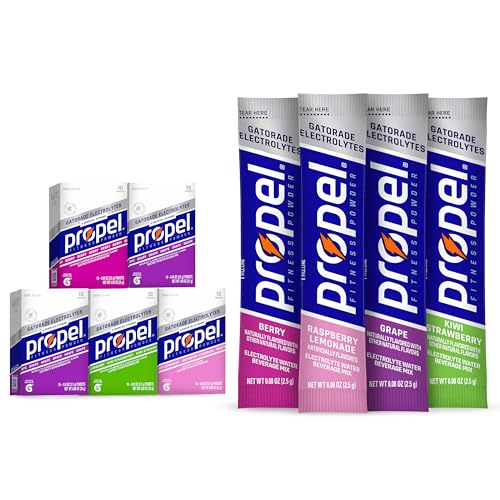

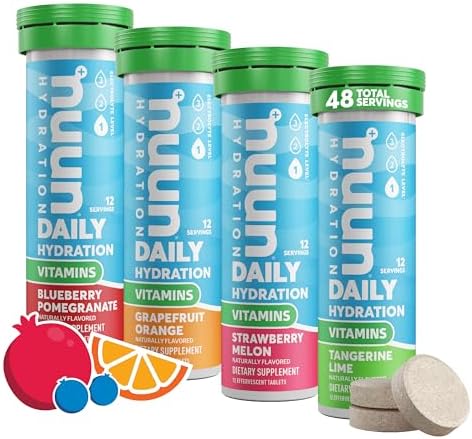
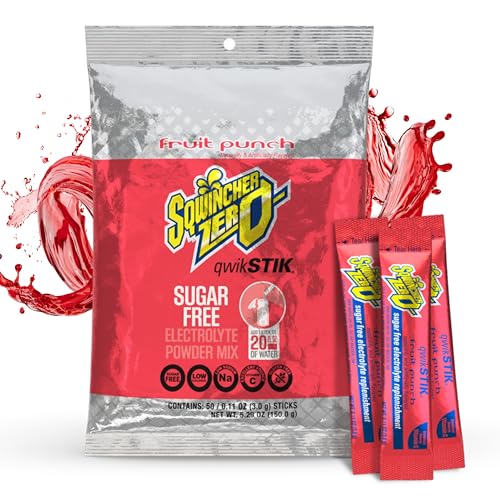

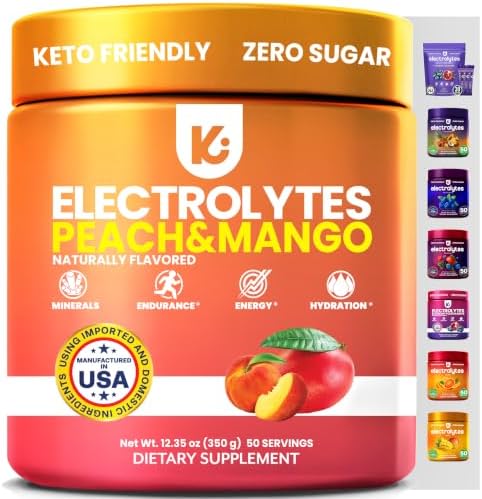

The Real Story
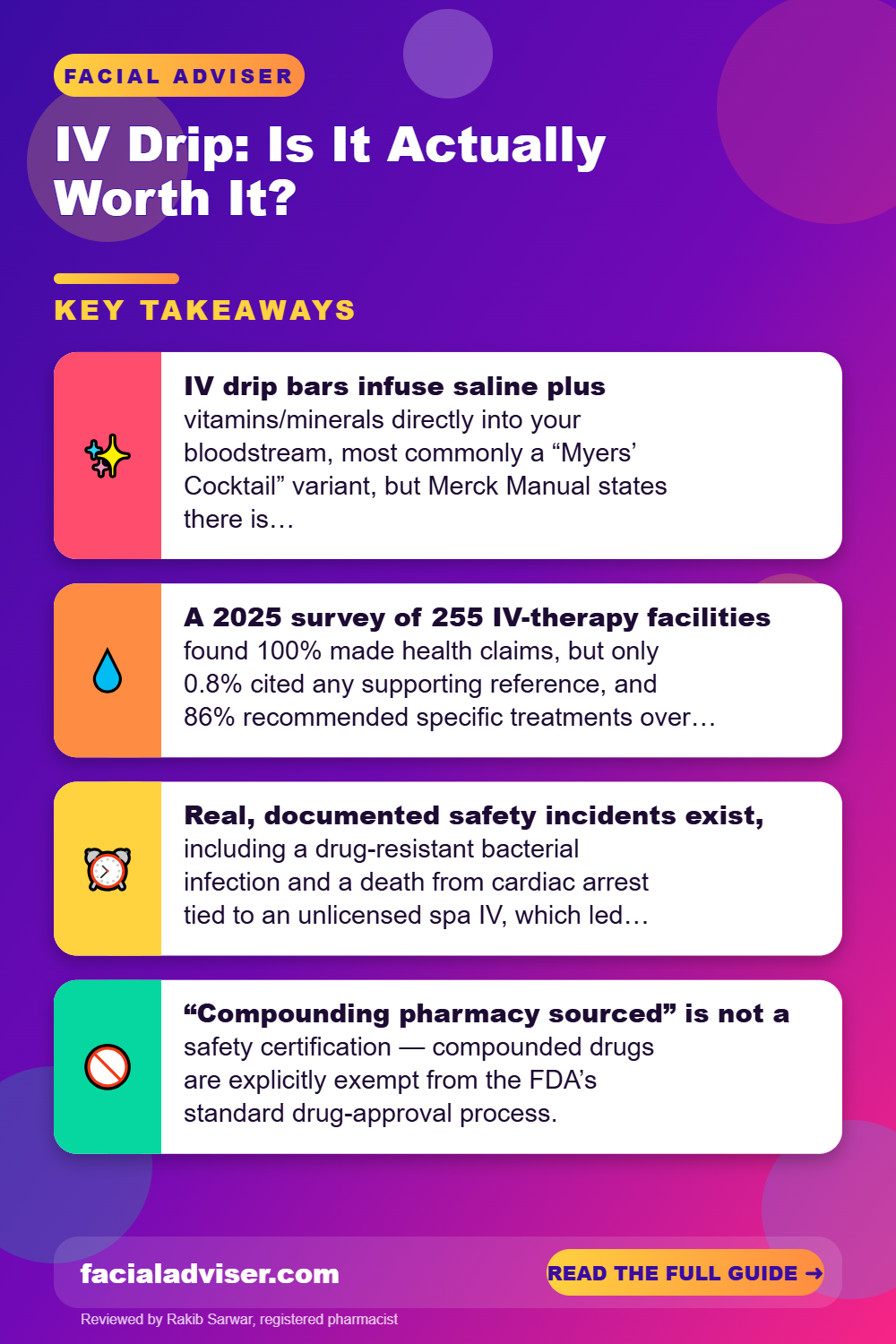
- IV drip bars infuse saline plus vitamins/minerals directly into your bloodstream, most commonly a “Myers’ Cocktail” variant, but Merck Manual states there is insufficient evidence these infusions do anything for skin or wellness in people without a diagnosed deficiency.
- A 2025 survey of 255 IV-therapy facilities found 100% made health claims, but only 0.8% cited any supporting reference, and 86% recommended specific treatments over the phone through unlicensed staff.
- Real, documented safety incidents exist, including a drug-resistant bacterial infection and a death from cardiac arrest tied to an unlicensed spa IV, which led directly to a new Texas law.
- “Compounding pharmacy sourced” is not a safety certification — compounded drugs are explicitly exempt from the FDA’s standard drug-approval process.
What’s Inside
- What an IV Drip Bar Actually Offers
- What’s Really in the Bag
- The Skin and “Glow” Claim, Tested
- Glutathione and the “Skin Brightening” Add-On
- The Absorption Argument, Fact-Checked
- IV Drip Bar vs. Medically Indicated IV Therapy
- Documented Safety Incidents
- FDA, Compounding, and the Oversight Gap
- How to Vet a Clinic Before You Book
- What It Actually Costs
- Do This, Not That
- When to Skip the Drip Bar Entirely
- Frequently Asked Questions
- The Bottom Line
What an IV Drip Bar Actually Offers
An IV drip bar delivers a mix of saline fluid, vitamins, minerals, and sometimes amino acids directly into a vein, bypassing the digestive system entirely. The most common formula is a variation on the “Myers’ Cocktail,” originally developed decades ago by a physician for chronic conditions and now repackaged for hangovers, “immunity,” energy, and skin glow. Sessions typically run 30 to 60 minutes and are offered at dedicated IV bars, medical spas, mobile services that come to a hotel room or office, and occasionally alongside other aesthetic treatments at the same facility.
Shopping these picks?
Amazon Prime members get fast, free shipping on eligible items, plus Prime Video, Amazon Music and member deals. New members can start with a free trial.
Start a free Prime trialAged 18 to 24? Prime for Young Adults comes with a longer free trial and a lower price after it.
Affiliate link: we may earn a commission at no extra cost to you.
The pitch is straightforward: skip digestion, get nutrients straight into your bloodstream, feel and look better faster than a vitamin pill could manage. What’s rarely mentioned on the menu board is that this pitch has almost nothing to do with peer-reviewed evidence for cosmetic or wellness outcomes in people who aren’t already vitamin-deficient.
What’s Really in the Bag
A standard Myers’ Cocktail-style bag combines B-complex vitamins, vitamin C, magnesium, and calcium, sometimes with zinc or glutathione added for an extra fee. Some clinics also offer amino acid blends or biotin specifically marketed for skin and hair. None of these ingredients are exotic or dangerous at the doses typically used — the concern isn’t that the ingredients themselves are harmful, it’s that the delivery method, the marketing claims built on top of them, and the oversight (or lack of it) around who’s mixing and administering the bag are where the real risk sits.
The Skin and “Glow” Claim, Tested
Vitamin C is a genuine, required cofactor in collagen hydroxylation — that part of the biochemistry is real and well established. The leap marketing makes is from “vitamin C is needed for collagen synthesis” to “an occasional IV vitamin C infusion will visibly improve your skin.” No human randomized controlled trial was found showing that IV vitamin C, delivered episodically at a spa, produces measurable cosmetic skin improvement in adults who are already vitamin-replete, which describes most people walking into a drip bar. The biochemistry is real; the specific cosmetic claim built on top of it isn’t backed by the kind of evidence the site holds other treatments to.
A 2025 survey covering 255 IV-therapy facilities, synthesized in a ConsumerLab safety review, found that 100 percent of the facilities surveyed made explicit health claims in their marketing, but only 0.8 percent cited any supporting reference for those claims. The same survey found that 86 percent of facilities recommended a specific treatment plan over the phone, through staff without a medical license, before any in-person evaluation. That’s a useful, concrete number for readers trying to judge how much confidence to place in a given clinic’s claims: the industry’s own marketing, by its own numbers, mostly doesn’t meet a basic evidentiary bar.
Glutathione and the “Skin Brightening” Add-On
Glutathione is frequently offered as a paid add-on specifically for “skin brightening” or “whitening.” The most rigorous review located on this specific question, published in Dermatology Practical & Conceptual in 2018 by Sonthalia and colleagues, concluded there is “little convincing evidence” for glutathione as a hyperpigmentation therapy. More concerning for an IV-specific product: the one IV glutathione trial the review located had flawed methodology and reported liver dysfunction in 32 percent of treated patients, plus one case of anaphylactic shock. That’s not a hypothetical caution — it’s the actual safety signal from the limited trial data that exists on this specific add-on.
The Philippines Department of Health has separately issued a public warning against IV glutathione after a documented death linked to its use in combination with unlicensed stem-cell therapy. That’s a foreign regulatory action, not a US one, but it’s a real, citable data point that at least one national health authority looked at this specific combination and warned against it.
| Claim on the menu | What the evidence actually shows |
|---|---|
| “IV vitamin C boosts collagen and gives you a glow” | Vitamin C’s role in collagen synthesis is real biochemistry; no human trial shows an occasional IV dose produces visible cosmetic change in non-deficient adults |
| “Glutathione brightens and evens your skin tone” | Reviewed as weak evidence overall; the one located IV trial reported liver dysfunction in nearly a third of patients |
| “100% absorption means it works better than pills” | True for peak blood concentration in the hours after infusion; no trial links that transient spike to durable skin benefit |
| “It’s administered by professionals, so it’s medically safe” | Documented serious incidents involved unlicensed staff and remote, largely nominal physician oversight |
The Absorption Argument, Fact-Checked
The core pharmacological claim behind IV therapy is true as far as it goes: injecting a nutrient directly into a vein does produce a higher peak blood concentration than swallowing the same dose, because it skips digestion and first-pass metabolism entirely. Where the marketing overreaches is in implying that a higher peak concentration, sustained for a few hours after one infusion, translates into a meaningful, lasting change in skin appearance or general health in someone who wasn’t deficient to begin with. Peak plasma concentration and durable physiological benefit are two different things, and only the first one is actually demonstrated by a single IV session.
For people with a genuinely diagnosed deficiency — pernicious anemia requiring B12, for instance, or severe dehydration requiring fluid replacement — IV delivery is legitimate, well-established medicine. The gap is entirely in applying that same delivery method to healthy, non-deficient people chasing a cosmetic or energy outcome the underlying research doesn’t support at that dose and frequency.
IV Drip Bar vs. Medically Indicated IV Therapy
| Medically indicated IV therapy | Wellness/cosmetic drip bar | |
|---|---|---|
| Who orders it | A physician, based on a diagnosed deficiency or acute condition | Often a nurse or unlicensed staff member, sometimes over the phone |
| Setting | Hospital, clinic, or physician’s office with monitoring | Spa, drip bar, or mobile van, monitoring varies widely |
| Evidence for benefit | Established for the specific diagnosed condition | Largely absent for cosmetic/wellness claims in non-deficient people |
| Fluid type | Matched to the diagnosed need, dosed by a physician | Standardized “cocktail,” rarely individualized by lab testing |
Documented Safety Incidents
These aren’t hypothetical worst-case scenarios; they’re reported cases. An NBC News investigation documented a 24-year-old woman who developed a drug-resistant Mycobacterium abscessus infection after more than 100 injections of vitamins and fat-dissolving compounds at an unregulated spa, requiring hospitalization and five simultaneous antibiotics, with lasting scarring. The same investigation documented a 47-year-old woman who died of cardiac arrest after receiving an IV at a Texas medical spa; the bag contained total parenteral nutrition electrolyte solution — a hospital-grade, highly concentrated formula, not standard hydration fluid — administered by an unlicensed person, and the medical director’s license was later suspended for failing to properly supervise the clinic.
That death led directly to a Texas law, informally called Jennifer’s Law after Jennifer Cleveland, who died after an unlicensed person administered a similar high-potassium IV at a med spa under the “supervision” of a physician located more than 100 miles away — a supervision arrangement in name only. The high potassium load is believed to have caused a fatal arrhythmia. The law now requires that these sessions be physician-ordered, administered only by licensed clinicians such as an RN, paramedic, PA, or MD, and supervised by a medical director who is actually present or reachable in a meaningful way, not just listed on a wall certificate.
FDA, Compounding, and the Oversight Gap
IV nutrient blends used at wellness clinics are not FDA-approved drug products for wellness indications. When a clinic sources its premixed bags from a compounding pharmacy, that phrase gets used in marketing as if it were a safety seal, but it means something narrower and less reassuring: compounded drugs, made under Sections 503A or 503B of the Food, Drug, and Cosmetic Act, are explicitly exempt from the FDA’s standard drug-approval process. Some 503B outsourcing facilities are FDA-registered and inspected; many compounders are not, and the burden of checking which kind you’re getting almost always falls on the consumer, who has no easy way to verify it in the room.
The FDA has issued direct warning letters over exactly this gap. A February 2024 warning letter to an IV-supply vendor cited the company for selling prescription-only IV fluids — including Lactated Ringer’s, normal saline, and dextrose solutions — without prescriptions, and for stripping the “Rx Only” labeling and physician dosing instructions required on those products. The FDA’s letter called this a serious risk specifically because injectable products go directly into the bloodstream, where contamination, counterfeiting, or a compounding error carries a much higher stake than the same mistake in a swallowed pill. A similar warning letter went to a different vendor the following year.
How to Vet a Clinic Before You Book
A few concrete questions do most of the useful screening work before you sit down for an infusion. Ask who is actually mixing and administering the bag — a licensed RN, PA, or physician, not just a receptionist who took a weekend certification course. Ask whether a physician has personally reviewed your specific health history, or whether the “medical director” is a name on a certificate who has never met the staff administering treatments. Ask where the compounding pharmacy is located and whether it’s a registered, inspected 503B facility, and don’t accept “it’s compounded” as an answer on its own — that phrase describes a supply chain, not a safety standard. Ask what happens if something goes wrong during your infusion: is there someone on-site trained in emergency response, and is there a plan beyond calling 911 after the fact.
Confirm who’s administering
Ask directly whether the person placing the IV is a licensed RN, paramedic, PA, or physician, not an unlicensed aesthetician or receptionist.
Ask about the medical director’s actual involvement
A medical director’s name on the wall means little if that physician has never reviewed your history or isn’t reachable during your visit.
Verify the compounding source
Ask which pharmacy supplies the bags and whether it’s a registered, FDA-inspected 503B outsourcing facility rather than an unverified local compounder.
Check your own health history against real contraindications
Kidney disease, heart conditions, and certain electrolyte imbalances change how safely your body can handle a concentrated IV load; disclose these before, not after.
Ask what the emergency plan is
A legitimate clinic should be able to describe exactly what staff would do if you had an adverse reaction during the infusion, not just “we’d call an ambulance.”
What It Actually Costs
A basic Myers’-style infusion typically runs $100 to $200 per session at most drip bars, with add-ons like glutathione, NAD+, or specialty amino acid blends pushing the total to $250 or more. Membership packages that bundle several sessions a month are common and are priced to encourage regular repeat visits regardless of whether any individual session is producing a measurable benefit. None of this is covered by insurance, since these are elective wellness services, not medically indicated treatment for a diagnosed condition.
Do This, Not That
Do
- Ask who is licensed to administer the IV and confirm it directly
- Disclose your full health history, including kidney and heart conditions
- Treat a documented deficiency with a physician-ordered, properly dosed correction
Don’t
- Assume “compounding pharmacy sourced” means FDA-reviewed or inspected
- Book a specialty add-on like glutathione based on marketing language alone
- Accept a phone-only recommendation from unlicensed staff as a substitute for an in-person medical evaluation
When to Skip the Drip Bar Entirely
People with kidney disease, heart failure, or conditions that affect electrolyte balance should not receive a wellness IV drip without their treating physician’s explicit sign-off, since a standardized bag isn’t dosed for an individual’s specific medical risk. Anyone chasing a specific symptom — persistent fatigue, hair loss, or a skin concern that isn’t improving — is better served starting with an actual diagnostic workup from a physician than with a menu-item infusion that treats the symptom as generic rather than investigating the cause. And if a clinic can’t clearly answer who is licensed to administer the treatment or where its compounded products actually come from, that’s a reasonable point to walk away rather than proceed.
Frequently Asked Questions
Do IV vitamin drips actually improve your skin?
No human clinical trial was found showing that an occasional IV vitamin infusion produces measurable cosmetic skin improvement in people who aren’t already vitamin-deficient, despite the biochemistry behind vitamin C and collagen being real.
Is IV therapy at a spa regulated the same way as a hospital IV?
No. Documented serious incidents involved unlicensed staff, remote or nominal physician supervision, and non-standard fluid formulations used outside a monitored hospital setting.
Does “compounding pharmacy sourced” mean the product is FDA approved?
No. Compounded drugs are explicitly exempt from the FDA’s standard drug-approval process, and oversight quality varies significantly between compounding pharmacies.
Is glutathione IV therapy safe for skin brightening?
The strongest available review found little convincing evidence for benefit, and the one located IV trial reported liver dysfunction in nearly a third of patients plus a case of anaphylactic shock.
Why does IV delivery feel like it should work better than pills?
IV delivery does produce a higher peak blood concentration by skipping digestion, but no trial links that temporary spike to a lasting cosmetic or wellness benefit in non-deficient people.
Has anyone actually died from a wellness IV drip?
Yes. A documented case in Texas involved a death from cardiac arrest after an unlicensed person administered a high-potassium hospital-grade IV formula, which led to a new state law tightening oversight.
What infection risk exists with IV drip bars?
The CDC has documented multiple outbreaks of drug-resistant Mycobacterium abscessus infections tied to unregulated injectable and infusion settings.
Who should avoid wellness IV drips entirely?
People with kidney disease, heart failure, or electrolyte-balance conditions should not receive a standardized wellness IV without explicit sign-off from their treating physician.
How much does an IV drip bar session cost?
A basic session typically runs $100 to $200, with specialty add-ons like glutathione or NAD+ pushing the total to $250 or more, none of it covered by insurance.
Is IV therapy ever medically legitimate?
Yes, for genuinely diagnosed deficiencies or acute conditions ordered by a physician and delivered in a monitored setting — the concern is specifically its use as an unproven wellness or cosmetic product for non-deficient people.
The Bottom Line
IV drip bars sell a real delivery mechanism — direct bloodstream infusion does raise nutrient levels faster than swallowing a pill — wrapped around cosmetic and wellness claims that the current evidence doesn’t support for people who aren’t deficient to begin with. The documented safety incidents, from drug-resistant infections to a death that prompted new legislation, trace back consistently to the same gap: unlicensed staff, nominal medical oversight, and “compounded” products that sound regulated but often aren’t. If a real deficiency is the concern, a blood panel and a physician-ordered correction is the evidence-based path. If it’s a skin or energy boost being chased, the honest answer is that the research doesn’t currently back the wellness-menu version of this treatment.

Written by
Registered pharmacist and founder of Facial Adviser. Rakib's pharmacy training covers how skincare actives work and interact; a later course in cosmetology turned that into a focus on facial treatments and skincare products. He plans, researches and edits every guide on the site and checks health claims against sources such as the American Academy of Dermatology, the FDA and the NIH. He is not a dermatologist; see the Editorial Policy and Medical Disclaimer.
About · Editorial policy · How we choose products · Medical disclaimer · Contact
Keep reading: Diet, sleep, stress and skin
- How Diet Impacts the Skin Microbiome: What the Science Actually Shows
- The Connection Between Gut Health and Acne: What Research Shows
- How Breathing Habits Affect Face Shape: Mouth vs Nose Breathing
- Does Poor Posture Cause Facial Sagging? The Real Link
- How Seasonal Allergies Affect Facial Skin and What Helps