
Does Poor Posture Cause Facial Sagging? The Real Link
Phones, laptops, and long hours at a desk have made forward head posture extremely common. At the same time, terms like tech neck have spread, with claims that looking down at screens causes a sagging jawline, double chin, and neck wrinkles. It is easy to see why people worry about their screen habits.
Part of our guide to lifestyle and skin. Start with: How Diet Impacts the Skin Microbiome: What the Science Actually Shows
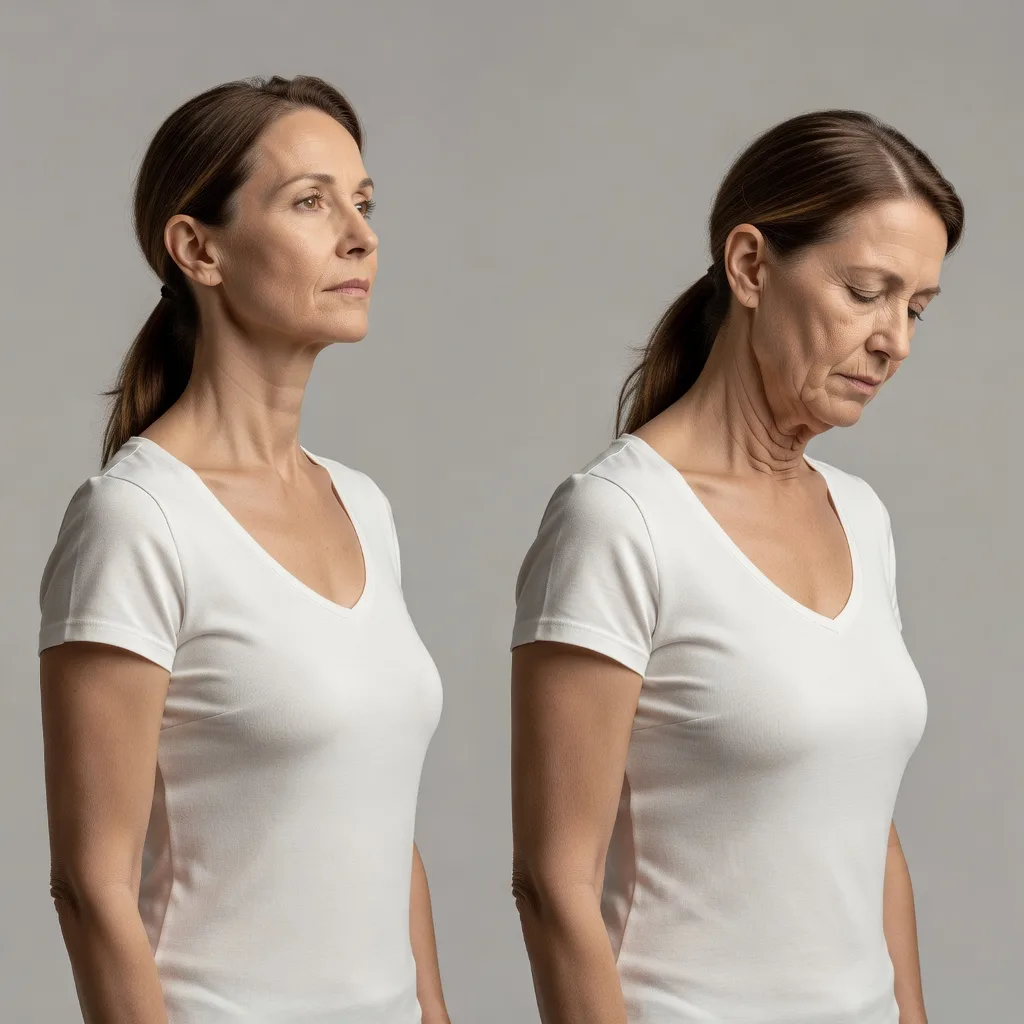
Poor posture does not directly cause facial skin to sag, but it can make the lower face and neck look less defined. Holding the head forward and down folds the skin under the chin and across the neck, which can emphasize a double chin and horizontal neck lines. True sagging is mainly caused by collagen loss, sun damage, fat changes, and aging.
Forward head posture also puts more strain on the neck. A 2014 study by Hansraj in Surgical Technology International estimated that the effective load on the cervical spine rises from about 10 to 12 pounds with the head upright to about 60 pounds when the head is bent forward 60 degrees.
Improving posture can help your jawline look sharper and reduce repeated creasing of the neck, even if it does not reverse skin aging. Combined with sun protection and good skincare, it is a simple step with benefits beyond appearance.
This guide explains how posture affects the face and neck, how to check your posture, practical ways to improve it, and what else contributes to sagging. It also includes simple exercises and camera tips.
Shopping these picks?
Amazon Prime members get fast, free shipping on eligible items, plus Prime Video, Amazon Music and member deals. New members can start with a free trial.
Start a free Prime trialAged 18 to 24? Prime for Young Adults comes with a longer free trial and a lower price after it.
Affiliate link: we may earn a commission at no extra cost to you.
Recommended Products for Better Posture and Firmer-Looking Skin





Contents
- How Posture Changes the Look of Your Face and Neck
- What Really Causes Facial Sagging
- How to Check Your Posture
- Practical Posture Improvements
- Simple Exercises for Better Posture
- Posture for Video Calls and Photos
- Everyday Habits That Protect Skin Firmness
- Caring for Neck and Jawline Skin
- Posture, Breathing, and Sleep
- What Posture Changes Cannot Do
- When to See a Doctor or Physical Therapist
- Your Questions, Answered
- Final Word
Key Takeaways
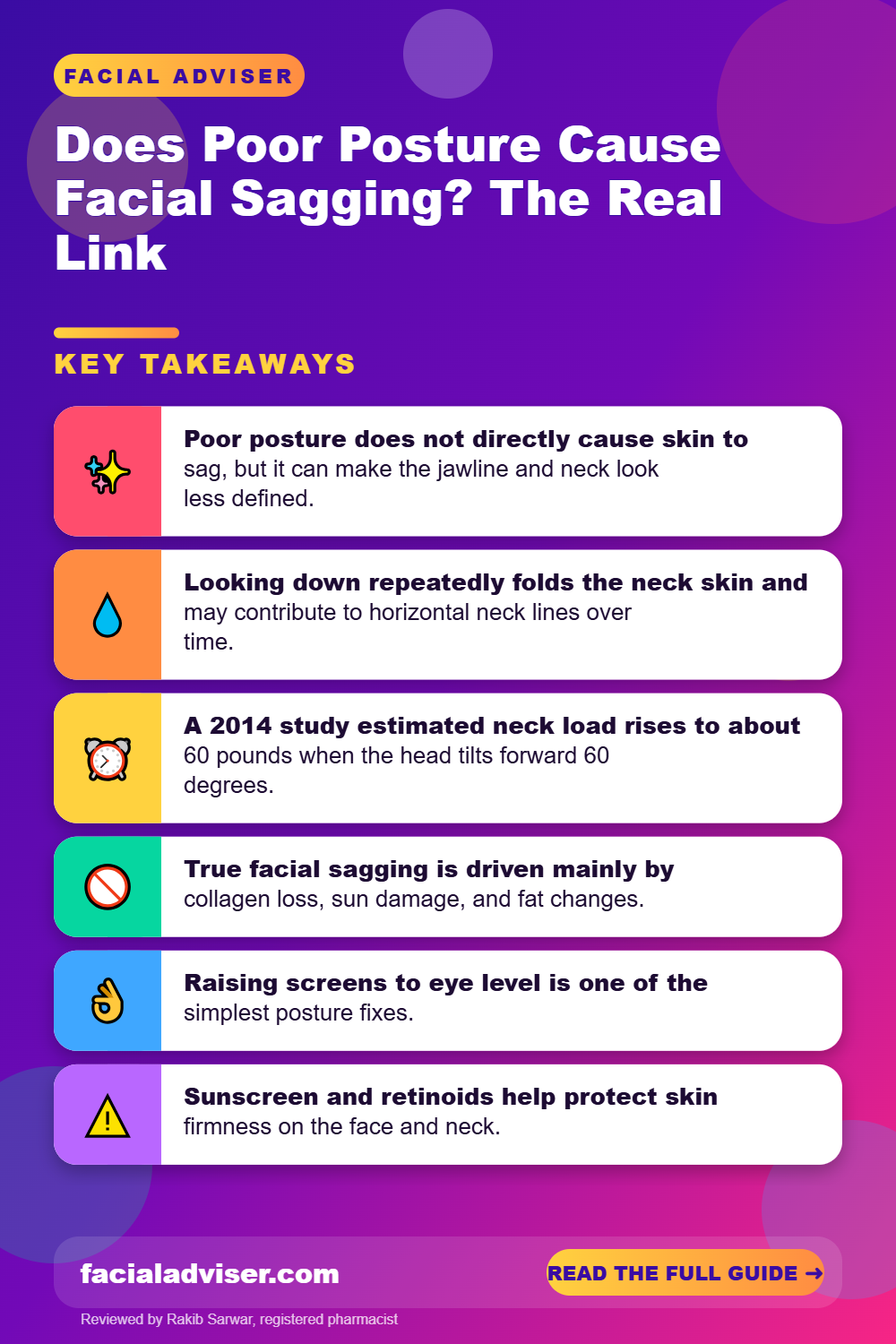
- Poor posture does not directly cause skin to sag, but it can make the jawline and neck look less defined.
- Looking down repeatedly folds the neck skin and may contribute to horizontal neck lines over time.
- A 2014 study estimated neck load rises to about 60 pounds when the head tilts forward 60 degrees.
- True facial sagging is driven mainly by collagen loss, sun damage, and fat changes.
- Raising screens to eye level is one of the simplest posture fixes.
- Sunscreen and retinoids help protect skin firmness on the face and neck.
- Neck pain, numbness, or headaches linked to posture should be checked by a professional.
How Posture Changes the Look of Your Face and Neck
When the head moves forward and down, the skin and soft tissue under the chin bunch together. This can create or emphasize a double chin, even in people with little fat in that area. It also shortens the visible neck and softens the angle between the jaw and neck.
Repeatedly bending the neck to look at a phone or laptop folds the neck skin in the same place many times a day. Over years, this may contribute to horizontal lines across the neck, sometimes called tech neck lines, similar to how repeated facial expressions create wrinkles.
Posture also affects how the face looks in photos and video calls. Cameras placed below eye level, such as laptops on a desk, capture the face from below, which emphasizes the chin and neck.
These effects are about position and folding rather than permanent structural sagging, which is why improving posture can make a visible difference quickly.
Forward head posture also changes the position of the tongue and lower jaw, which can make the area under the chin look fuller even at a healthy weight.
What Really Causes Facial Sagging
Facial sagging has several main causes, and posture is not the most important one.
| Cause | How it contributes | What helps |
|---|---|---|
| Collagen and elastin loss | Skin becomes thinner and less firm | Sunscreen, retinoids, peptides |
| Sun damage | Breaks down collagen faster | Daily broad-spectrum sunscreen |
| Fat pad changes | Fat shifts and shrinks, causing hollows and jowls | Professional treatments, such as fillers |
| Bone changes | Facial bones lose volume with age | Limited options; professional advice |
| Hormonal changes | Menopause speeds collagen loss | Skincare, medical advice |
| Posture | Folds neck skin and softens jawline appearance | Ergonomics, posture awareness |
Our guide on how hormonal changes affect collagen explains one of the biggest drivers of skin changes in midlife.
How to Check Your Posture
This quick check helps you see whether forward head posture is affecting your appearance.
Take a side photo
Stand naturally and ask someone to take a photo of you from the side, or use a timer.
Look at ear and shoulder alignment
In good posture, your ear sits roughly above your shoulder. If your ear is well in front, your head is forward.
Check your screen height
Sit at your desk and notice whether you look down at your screen. Ideally, the top of the screen is near eye level.
Watch your phone habit
Notice how often you bend your neck to look at your phone during the day.
Compare jawline in both positions
Look in a mirror with your head forward, then with your head aligned. Notice how the jawline and neck change.
Setting a reminder every hour to check your posture and roll your shoulders back can help build a new habit.
Practical Posture Improvements
Good Habits
- Raise laptops and monitors to eye level.
- Hold your phone closer to eye level.
- Keep ears aligned over shoulders when sitting.
- Take movement breaks every 30 to 60 minutes.
- Strengthen upper back and neck muscles with guidance.
Common Mistakes
- Look down at your phone for long periods.
- Slump in chairs without back support.
- Work from a laptop on your lap for hours.
- Sleep with a very high stack of pillows.
- Ignore persistent neck pain.
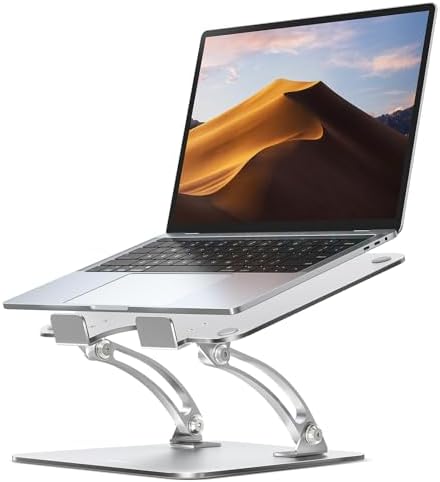
A laptop stand with a separate keyboard, or an external monitor, can make a big difference for people who work at a computer all day. For phones, propping the device up or holding it higher reduces neck bending.
Exercise helps. Strengthening the upper back and deep neck muscles, often with guidance from a physical therapist, supports better posture over time.
If you drive a lot, adjust the headrest so the back of your head is close to it, which encourages a more upright head position.
Simple Exercises for Better Posture
Gentle exercises can help counter the effects of long hours sitting and looking down. Stop any exercise that causes pain, and ask a physical therapist for a tailored program if you have neck problems.
- Chin tucks: sit tall and gently draw your chin straight back, as if making a double chin, then hold for a few seconds. Repeat several times. This strengthens deep neck muscles.
- Shoulder blade squeezes: gently squeeze your shoulder blades together and down, hold, then release. This strengthens the upper back.
- Chest stretch: stand in a doorway with forearms on the frame and gently lean forward to open the chest.
- Neck stretches: slowly tilt your ear toward your shoulder and hold, then switch sides.
Doing a few of these during work breaks can ease tension and make good posture feel more natural.
Consistency matters more than intensity, so short daily sessions work best.
Posture for Video Calls and Photos
Camera angle can make posture effects more obvious. A laptop camera below face level looks up at your chin and neck, which can exaggerate a double chin.
Raise your laptop or camera so it is at or slightly above eye level, sit tall, and lean very slightly forward from the hips rather than pushing the head forward. Soft, even lighting from the front also helps the face and neck look smoother.
For photos, a small trick used by photographers is to extend the head slightly forward and down, which stretches the skin along the jawline and defines it. Standing tall with the shoulders relaxed also helps.
These tips make an immediate difference, even before posture habits change.
Everyday Habits That Protect Skin Firmness
Posture is one piece of the puzzle. Other habits have a larger effect on how firm your skin stays over time.
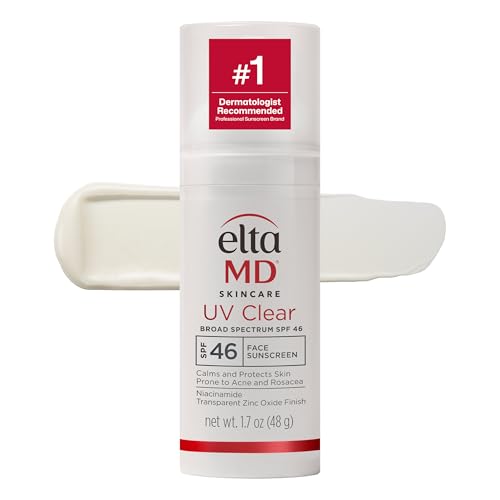
Daily broad-spectrum sunscreen on the face and neck is the most important step, since sun damage speeds collagen breakdown. Not smoking, getting enough sleep, and eating a balanced diet with enough protein also support skin health.
Maintaining a stable weight helps too, since repeated weight gain and loss can stretch the skin and change fat distribution in the face and neck.
If you notice significant sagging and want to address it, a dermatologist can explain options such as retinoids, energy-based treatments, or injectables, based on your skin and goals.
Caring for Neck and Jawline Skin
The neck is often neglected in skincare, yet it shows sun damage and aging just like the face. Extend your moisturizer and sunscreen down to the neck and chest every day.
Retinoids can help improve the look of fine lines and firmness on the neck, but neck skin can be more sensitive, so introduce them slowly. Peptide moisturizers are a gentler option.
Gentle facial massage or gua sha may temporarily reduce puffiness along the jaw. Our guide on whether chewing gum tones facial muscles explains why exercises for the jaw have limited effect.
When applying skincare to the neck, use gentle upward strokes and avoid pulling on the skin.
Posture, Breathing, and Sleep
Forward head posture often goes along with mouth breathing and poor sleep. Improving one can help the others. Our guide on how breathing habits affect face shape covers this connection.
Sleep position matters as well. A pillow that keeps the neck in a neutral line, not bent sharply forward, can help reduce neck strain and may reduce pressure creases on the face and neck.
Keeping screens out of the bedroom and avoiding long phone sessions in bed also reduces time spent with the neck bent.
What Posture Changes Cannot Do
| Belief | Reality |
|---|---|
| Better posture will lift sagging skin | It improves appearance of the jawline but does not reverse aging |
| Tech neck lines are permanent | Early lines can soften with posture changes and skincare |
| Neck exercises tighten skin | They strengthen muscles but do not tighten skin much |
| Posture is the main cause of a double chin | Genetics, weight, and aging play bigger roles |
| Only older people get tech neck | Screen habits affect all ages |
Combining good posture with sun protection and skincare gives the best overall results.
Think of posture as a quick visual improvement and a health habit, not an anti-aging treatment.
When to See a Doctor or Physical Therapist
See a healthcare professional if you have:
- Ongoing neck or upper back pain.
- Headaches that start at the base of the skull.
- Numbness, tingling, or weakness in the arms or hands.
- Reduced ability to turn or tilt your head.
- Jaw pain or clicking.
- A lump or swelling in the neck.
Seek urgent care for sudden severe neck pain with fever, or weakness in the arms or legs.
Medical disclaimer: This article is for general information and is not a substitute for professional medical advice. See a healthcare provider about neck pain or neurological symptoms.
Your Questions, Answered
Does bad posture cause a double chin?
It can make a double chin look more prominent by folding the skin under the chin, but genetics and weight matter more.
What is tech neck?
A term for neck strain and horizontal neck lines linked to looking down at screens.
Can posture cause facial sagging?
Not directly. Sagging is mainly caused by collagen loss, sun damage, and fat changes.
Can improving posture improve my jawline?
Yes, aligning your head over your shoulders can make the jawline look more defined.
Do neck lines go away with better posture?
Early lines may soften, especially with skincare, but deeper lines may remain.
How much does looking down strain the neck?
A 2014 study estimated about 60 pounds of load at a 60-degree forward tilt.
What is the best screen height?
The top of the screen should be near eye level.
Does sleeping position affect facial sagging?
It may contribute to creases; a supportive pillow helps keep the neck neutral.
Can neck creams fix tech neck?
Retinoids and moisturizers can improve texture but will not replace posture changes.
When should I see a doctor about posture?
If you have ongoing pain, headaches, numbness, or weakness.
Final Word
Poor posture does not directly make facial skin sag, but holding the head forward and down folds the neck skin, emphasizes a double chin, and makes the jawline look less defined. Over years, repeated neck bending may also contribute to horizontal neck lines.
Raising screens, holding your phone higher, strengthening your upper back, and caring for the skin on your face and neck with sunscreen and retinoids all help. See a professional if posture-related pain, headaches, or numbness develop.

Written by
Registered pharmacist and founder of Facial Adviser. Rakib's pharmacy training covers how skincare actives work and interact; a later course in cosmetology turned that into a focus on facial treatments and skincare products. He plans, researches and edits every guide on the site and checks health claims against sources such as the American Academy of Dermatology, the FDA and the NIH. He is not a dermatologist; see the Editorial Policy and Medical Disclaimer.
About · Editorial policy · How we choose products · Medical disclaimer · Contact
Keep reading: Diet, sleep, stress and skin
- How Diet Impacts the Skin Microbiome: What the Science Actually Shows
- How Seasonal Allergies Affect Facial Skin and What Helps
- Cold Therapy for Skin: What It Really Does (and What It Doesn't)
- Sinuses and Facial Pressure: Why It Happens and How to Ease It
- Can Your Sleep Position Cause Wrinkles? What the Research Shows
- Thyroid Disorders and Facial Puffiness: Signs, Causes and Next Steps



One Comment