Cold Therapy for Skin: What It Really Does (and What It Doesn’t)
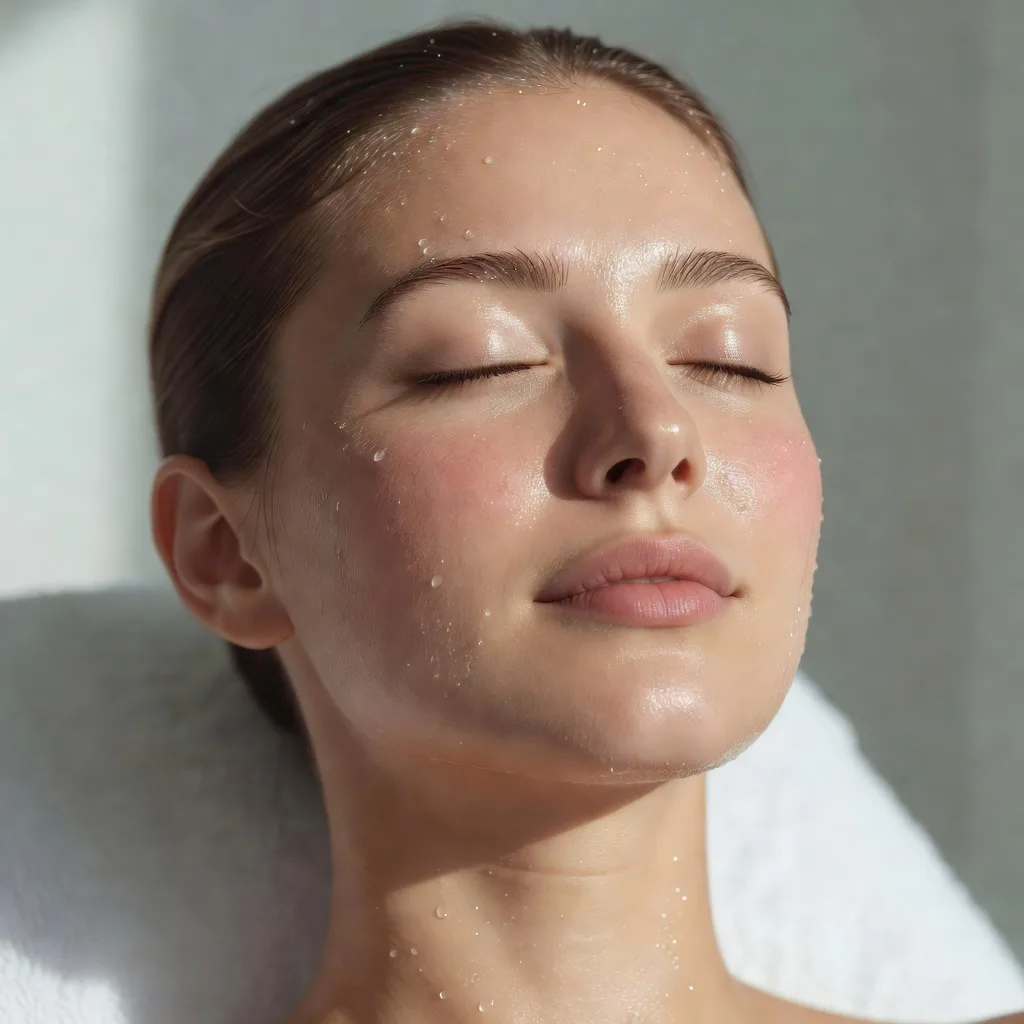
Ice rollers, frozen spoons, cryo globes and ten-second face dunks in a bowl of ice water have all had their moment online. The appeal is easy to understand. Cold feels good, it costs almost nothing, and the change in the mirror is often visible within a minute.
Part of our guide to lifestyle and skin. Start with: How Diet Impacts the Skin Microbiome: What the Science Actually Shows
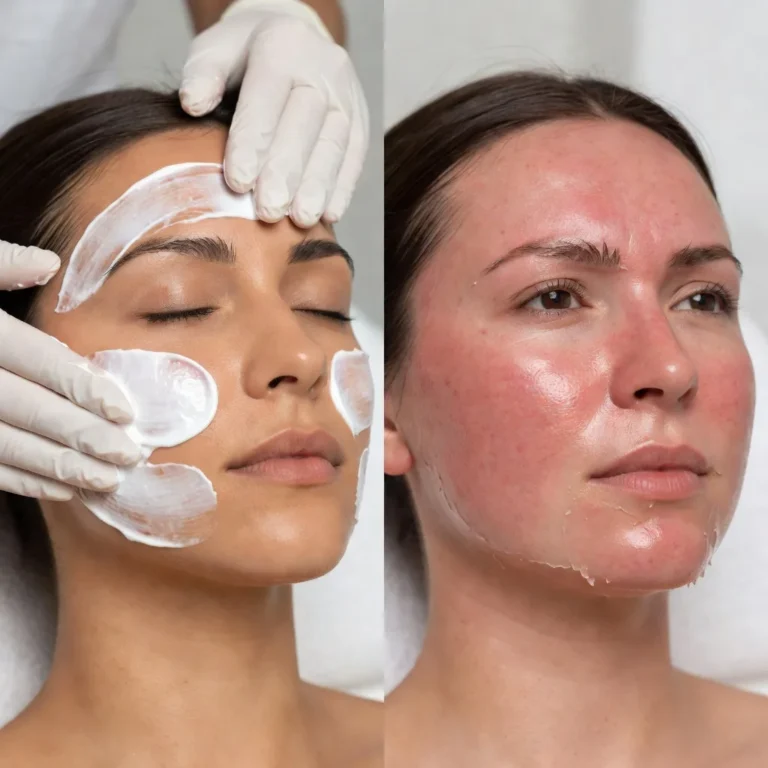
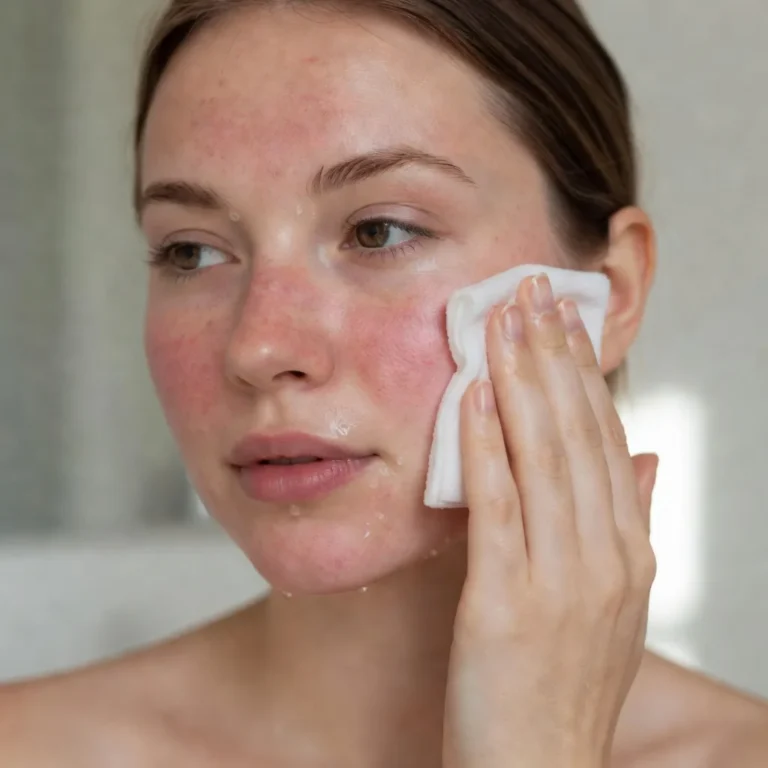
Cold therapy genuinely helps skin in a few narrow ways: it narrows surface blood vessels, which briefly reduces puffiness and flushing, and it numbs and soothes irritated or itchy skin. Those effects are real but temporary, usually fading within an hour or so. Cold does not permanently shrink pores, build collagen, cure acne or slow aging.
That gap between what cold does and what it is sold as doing is where most of the confusion comes from. A de-puffed face at 7am looks tighter and brighter, so it is tempting to assume something lasting has happened. Mostly, the skin is reacting to a temperature change and will settle back once it warms up.
None of that makes cold useless. Used well, it is one of the cheapest ways to take the edge off morning swelling, a hot flush, a fresh blemish that is sore to the touch, or the sting after a long day in the sun. Used badly, especially with bare ice held in one place, it can cause cold burns, broken capillaries and flare-ups of certain skin conditions.
Below we cover what happens in the skin when you cool it, which benefits hold up and which do not, a simple routine you can follow, the people who should skip it, and the signs that a reaction to cold needs a doctor rather than a different gadget.
Shopping these picks?
Amazon Prime members get fast, free shipping on eligible items, plus Prime Video, Amazon Music and member deals. New members can start with a free trial.
Start a free Prime trialAged 18 to 24? Prime for Young Adults comes with a longer free trial and a lower price after it.
Affiliate link: we may earn a commission at no extra cost to you.
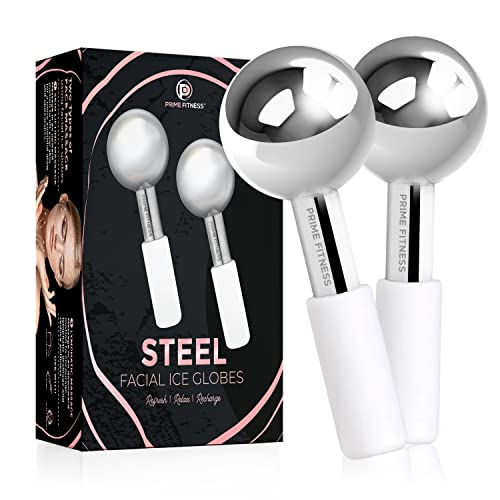
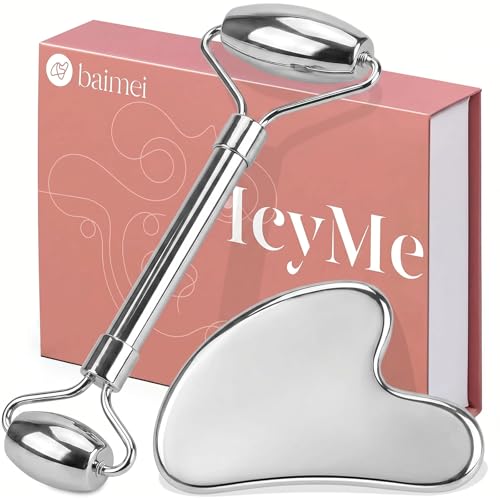
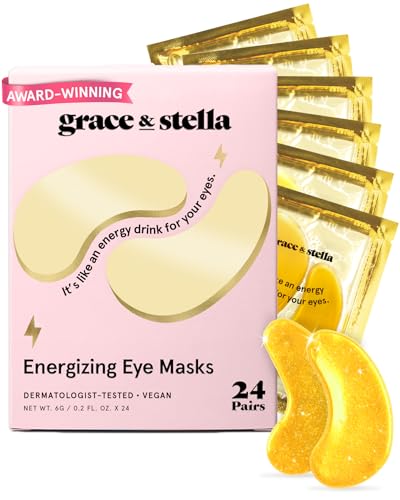
Recommended Products for At-Home Facial Cold Therapy




The Short Version
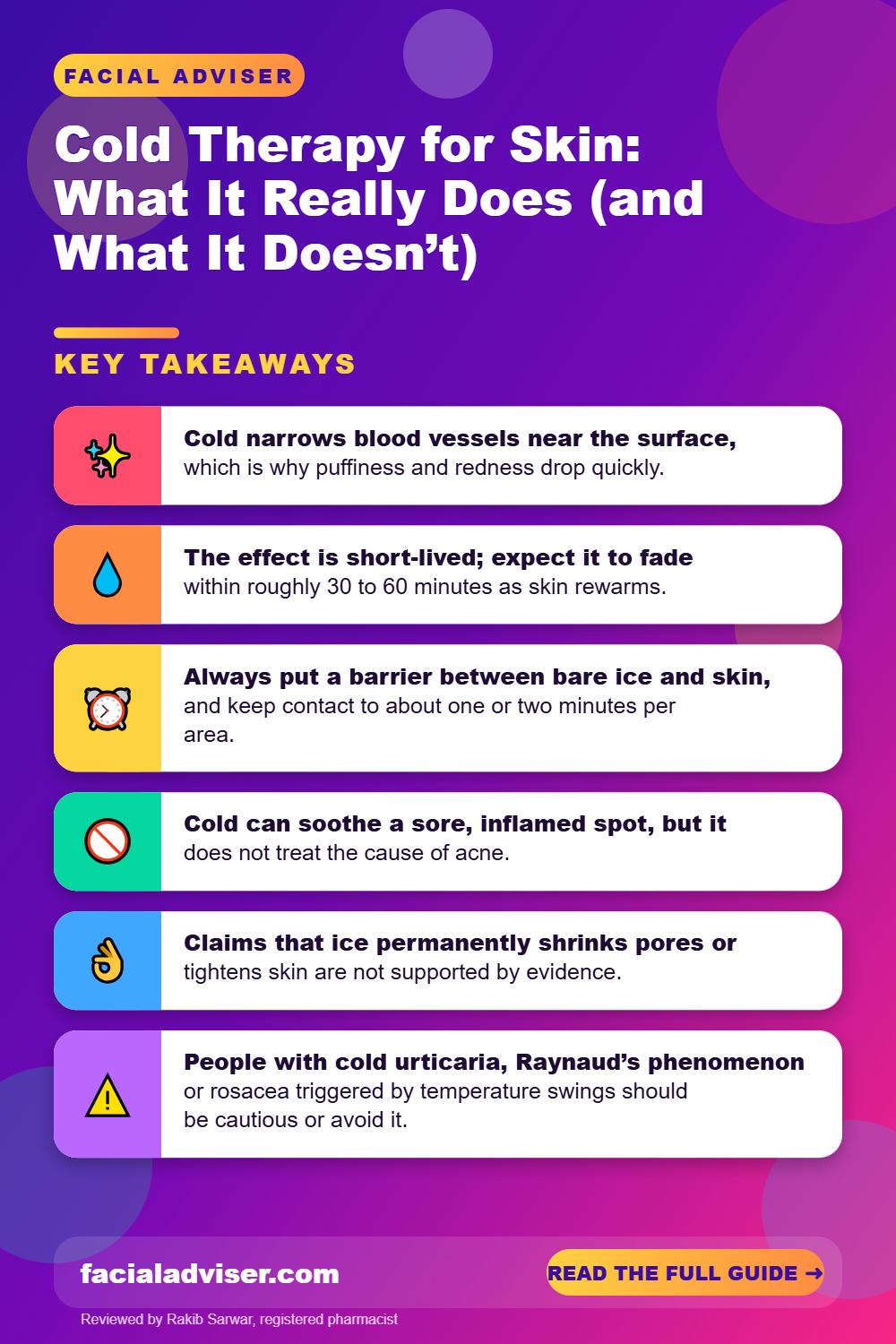
- Cold narrows blood vessels near the surface, which is why puffiness and redness drop quickly.
- The effect is short-lived; expect it to fade within roughly 30 to 60 minutes as skin rewarms.
- Always put a barrier between bare ice and skin, and keep contact to about one or two minutes per area.
- Cold can soothe a sore, inflamed spot, but it does not treat the cause of acne.
- Claims that ice permanently shrinks pores or tightens skin are not supported by evidence.
- People with cold urticaria, Raynaud’s phenomenon or rosacea triggered by temperature swings should be cautious or avoid it.
- Hives, blistering, white or numb patches after cold exposure are reasons to stop and see a doctor.
Jump to a Section
- What Cold Actually Does to Your Skin
- The Benefits That Hold Up
- Claims That Do Not Hold Up
- A Quick Check: Is Cold Worth Adding to Your Routine?
- How to Use Cold Therapy on Your Face
- Comparing the Common Cold Tools
- Dos and Don’ts
- Honest Limits and Risks
- Who Should Skip or Adapt Cold Therapy
- Red Flags: When to See a Doctor
- Frequently Asked Questions
- Where This Leaves You
What Cold Actually Does to Your Skin
When skin gets cold, the small blood vessels just beneath the surface constrict. This is a protective reflex: by pulling blood away from the surface, the body loses less heat. Less blood near the surface means the skin looks paler, feels cooler, and any fluid that has leaked into the surrounding tissue has less pressure pushing more of it out.
Cold also slows nerve signalling. That is why an ice pack numbs a bruise and why cooling an itchy patch brings quick relief. Inflammation involves a mix of chemical signals and increased blood flow, and cooling can dampen both for a while.
A study in the journal PLOS ONE tracked blood flow in skin cooled with a cryotherapy device and found that vasoconstriction persisted even after the skin temperature began to rise again (Khoshnevis et al., 2016). That lag partly explains why the de-puffed look can last a little longer than the cold itself. The same researchers noted it is also why prolonged cooling carries a risk of tissue injury, a point worth remembering before pressing ice into your cheek for ten minutes.
| Change in skin | What you see | How long it tends to last |
|---|---|---|
| Blood vessels constrict | Paler, less flushed skin | Minutes to about an hour |
| Less fluid pushed into tissue | Reduced puffiness, especially under eyes | Up to an hour or so |
| Nerve activity slows | Less itch, sting or soreness | While cold, then fades |
| Surface feels firmer | A temporary tight feeling | Until skin rewarms |
The Benefits That Hold Up
Morning puffiness
Fluid pools in the face overnight, especially after salty food, alcohol or a short night. Cold is one of the fastest ways to reduce it. A chilled roller or gel mask for a couple of minutes under the eyes is the most common use, and it does visibly help.
Flushing and heat
After exercise, a hot shower or time in the sun, a cool compress brings down surface redness quickly. It is soothing and harmless when done gently.
Sore, inflamed blemishes
A tender, swollen spot can feel less painful and look slightly smaller after brief cooling. The American Academy of Dermatology recommends icing a deep, painful pimple to ease pain and swelling, though it does not replace proper acne treatment (AAD).
Itch and minor irritation
Cooling is a standard comfort measure for itchy skin, bug bites and mild sunburn. It does not treat the underlying cause, but it breaks the itch-scratch cycle for a while.
Keep the roller or globes in the fridge rather than the freezer. Fridge-cold is enough to de-puff and much less likely to irritate or stick to skin.
Claims That Do Not Hold Up
Plenty of what is said about ice facials goes well past the evidence. The table below sorts the common claims.
| Claim | Verdict | Why |
|---|---|---|
| Ice permanently shrinks pores | No | Pore size is set by genetics, oil output and skin elasticity. Cold can make pores look slightly less obvious for a short time only. |
| Cold boosts collagen | No good evidence | No human studies show at-home cold therapy increases collagen. |
| Ice cures acne | No | It can calm a sore spot, but it does not touch oil, bacteria or clogged pores. |
| Daily icing prevents wrinkles | No | Sun protection and retinoids have the evidence here; cold does not. |
| Cold helps products absorb better | Unproven | Some claim the opposite. There is no reliable data either way. |
| Ice facials detox the skin | No | Skin does not store toxins that cold could release. |
If you want to go deeper on the pore question specifically, we covered it in does cold water close pores.
A Quick Check: Is Cold Worth Adding to Your Routine?
Answer these honestly before buying another tool.
- Do you wake up with puffiness that bothers you most mornings? Cold will likely help.
- Do you flush easily after heat, exercise or a hot drink? Gentle cooling may help.
- Are you mainly hoping to fix large pores, fine lines or acne? Cold will not deliver that on its own.
- Does cold air or cold water ever give you hives, white fingers or painful skin? Skip cold therapy and read the red flags section below.
- Does your rosacea flare with temperature swings? Try only mild, fridge-cool contact and stop if redness rebounds.
If you ticked mostly the first two, cold therapy is a cheap, low-risk addition. If your goals sit in the third line, your money is better spent on sunscreen, a retinoid or a proper acne routine.
How to Use Cold Therapy on Your Face
Start with clean skin
Wash your face or at least rinse it, so you are not rolling oil and bacteria around.
Chill, do not freeze
Use a roller, globes or gel mask from the fridge, or wrap ice in a thin clean cloth.
Keep it moving
Glide over each area rather than holding still. Around one to two minutes per zone is plenty.
Work outward and down
Move from the centre of the face out toward the ears and down the neck, which feels natural for draining puffiness.
Stop at the first sign of pain
Mild tingling is normal. Burning, aching or numbness means stop.
Follow with moisturiser
Apply your usual serum or moisturiser once skin feels normal again.
Many people find cold works best as a morning step, since that is when fluid-related puffiness is at its worst.
Comparing the Common Cold Tools
The tool matters less than how you use it, but each has quirks.
| Tool | Best for | Watch out for |
|---|---|---|
| Silicone ice roller (fill and freeze) | Quick de-puffing, portability | Can get too cold straight from the freezer |
| Steel roller or cryo globes | Even cooling, easy to clean | Need 10 to 20 minutes in the fridge first |
| Gel eye mask | Under-eye puffiness, headaches | Wipe down often; do not use if cracked |
| Ice wrapped in cloth | Free and effective | Cloth must be clean and dry-ish; drips |
| Ice-water face dip | A fast reset after heat | Brief only; not for sensitive or reactive skin |
| Cooling hydrogel patches | Targeted under-eye use | The cooling is mild; ingredients vary |
For a wider look at facial tools, see our comparison of a facial roller vs gua sha.
Dos and Don’ts
Helps
- Wrap ice in a thin cloth
- Keep contact short and moving
- Clean tools after every use
- Use fridge-cold rather than freezer-cold if you have sensitive skin
- Pair cold with sunscreen and a real skincare routine
Backfires
- Press bare ice onto skin
- Hold anything cold in one spot for minutes
- Share rollers or globes without cleaning them
- Use cold on broken, blistered or sunburned skin that is peeling
- Expect cold to replace acne or anti-aging treatment
Honest Limits and Risks
Cold therapy is low risk for most people, but it is not risk-free. Ice burns, sometimes called cold burns or frostnip, happen when skin is exposed to very low temperatures for too long. The skin turns white or grey, feels numb, and may later blister. Facial skin is thin, so it happens faster than on a thigh or back.
Repeated, intense cold can also worsen visible broken capillaries in some people, particularly on the cheeks and nose. The idea is that blood vessels are forced to constrict and then dilate sharply again as the skin rewarms. The evidence here is mostly clinical observation rather than trials, but it is a good reason to prefer gentle cooling to extreme cold.
The National Rosacea Society lists both cold weather and hot baths among common rosacea triggers, which illustrates the problem: for some people any sudden temperature change, in either direction, provokes a flush (National Rosacea Society).
Never apply dry ice, freezer packs straight from the freezer, or cryotherapy sprays to the face at home. These reach temperatures that can injure skin in seconds.
Who Should Skip or Adapt Cold Therapy
- People with cold urticaria, where cold triggers hives or swelling
- People with Raynaud’s phenomenon, where cold causes vessels to spasm
- People with cryoglobulinemia or other cold-sensitive blood conditions
- Anyone with rosacea that flares with temperature change
- Anyone with nerve damage or reduced feeling in the face, who may not notice injury
- Anyone recovering from a facial procedure unless their provider has approved cooling
Cold urticaria deserves a special mention. It can range from itchy welts to, rarely, a serious whole-body reaction after swimming in cold water. If you have ever had hives after cold exposure, talk to a doctor before trying ice facials or cold plunges.
Red Flags: When to See a Doctor
Stop cold therapy and get medical advice if you notice any of the following:
- Hives, welts or swelling that appear where cold touched the skin
- Skin that stays white, grey, waxy or numb after it should have warmed up
- Blisters appearing hours after cold exposure
- Swelling of the lips, tongue or throat, or difficulty breathing (seek emergency care)
- Puffiness that is present all day, every day, rather than easing by afternoon
- Redness that keeps spreading, feels hot or is accompanied by fever
Persistent facial swelling can have medical causes such as thyroid problems, kidney issues, allergies or medication side effects. Cold can mask it but will not fix it, so a doctor is the right next step.
This article is for general information and is not a substitute for medical advice. If you have a skin condition, a circulatory disorder, or any reaction to cold, speak to a dermatologist or your doctor before starting cold therapy.
Frequently Asked Questions
How long should I ice my face?
About one to two minutes per area, keeping the tool moving. A full face session rarely needs more than five to ten minutes in total.
Is it safe to put ice directly on my face?
It is better not to. Wrap ice in a thin cloth or use a roller or globes so bare ice is not in direct contact with skin.
Can cold therapy get rid of under-eye bags?
It reduces fluid-related puffiness for a while. Bags caused by fat shifting or loose skin with age will not change with cold.
Does ice help acne?
It can reduce the pain and swelling of an inflamed spot briefly. It does not treat the cause, so you still need acne treatment.
Should I use cold therapy morning or night?
Morning is usually more useful because puffiness tends to be worst after waking, but either time is fine.
Can I use an ice roller every day?
Yes, for most people, provided sessions are short and your skin does not react. Take a break if you notice redness that lingers.
Does cold therapy help rosacea?
Mild cooling can soothe a flush for some people, but sudden cold is a trigger for others. Test gently and stop if it rebounds.
Will ice shrink my pores?
Only in appearance and only briefly. Pore size is not permanently changed by cold.
Is a steel roller better than a stone or plastic one?
Steel holds cold evenly and is easy to clean, but any tool works if it is clean and used gently.
Can I use cold therapy after Botox or filler?
Many providers suggest gentle cooling for swelling, but follow your own provider’s aftercare instructions and avoid pressure on treated areas.
Where This Leaves You
Cold therapy is a good tool with a small job description. It takes down morning puffiness, calms a flush, and soothes sore or itchy skin, quickly and cheaply. What it does not do is change your skin’s structure, so it will not shrink pores for good, build collagen or clear acne.
If you enjoy it, keep sessions short, keep the cold gentle and keep a barrier between ice and skin. Put your real effort into sunscreen and a routine that suits your skin, and see a doctor if cold ever causes hives, lasting numbness or blisters.

Written by
Registered pharmacist and founder of Facial Adviser. Rakib's pharmacy training covers how skincare actives work and interact; a later course in cosmetology turned that into a focus on facial treatments and skincare products. He plans, researches and edits every guide on the site and checks health claims against sources such as the American Academy of Dermatology, the FDA and the NIH. He is not a dermatologist; see the Editorial Policy and Medical Disclaimer.
About · Editorial policy · How we choose products · Medical disclaimer · Contact
Keep reading: Diet, sleep, stress and skin
- How Diet Impacts the Skin Microbiome: What the Science Actually Shows
- Sinuses and Facial Pressure: Why It Happens and How to Ease It
- Can Your Sleep Position Cause Wrinkles? What the Research Shows
- Thyroid Disorders and Facial Puffiness: Signs, Causes and Next Steps
- What Dehydration Does to Your Skin, Layer by Layer
- How Smoking Affects the Tiny Blood Vessels in Your Face