What Is a Diamond Signature Laser Facial, Really?
A diamond signature laser facial isn’t one standardized treatment, the same name covers genuinely different combinations of diamond-tip exfoliation, LED, and true laser devices depending on the provider.
Part of our guide to facial treatments. Start with: Microneedling Facial: Real Results, Explained
Some “diamond laser” treatments use a real laser device with “diamond” as pure luxury branding, while others genuinely pair diamond-tip microdermabrasion with a separate, real laser or LED step. Naming alone cannot tell you which one you’re booking.
Contraindications diverge sharply depending on which modality is actually delivered, a genuine ablative laser carries real energy-device risks that a plain diamond-tip session simply doesn’t.
This guide walks through real examples of both naming patterns, where LED and LLLT genuinely fit in, and the exact questions that reveal what device you’re actually paying for.
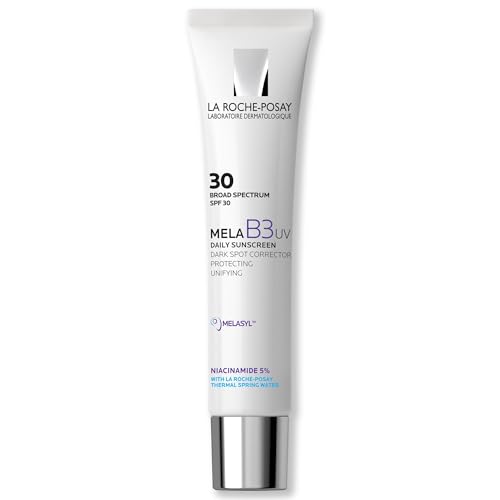
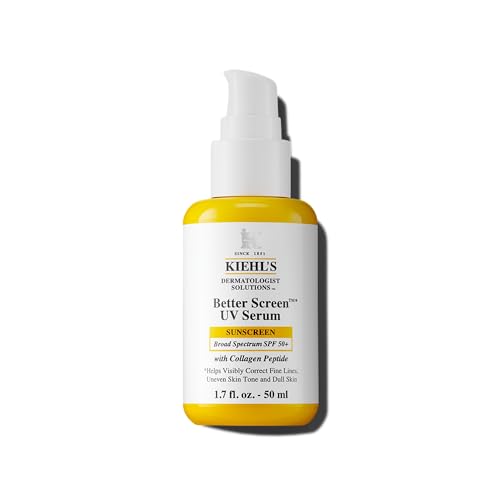
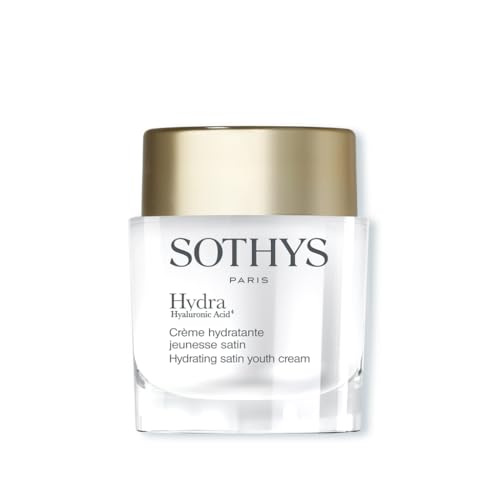
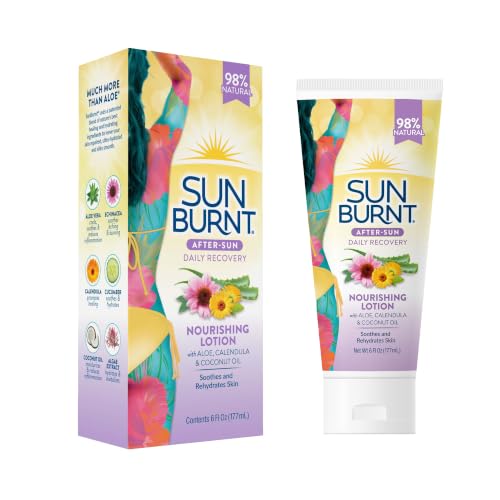
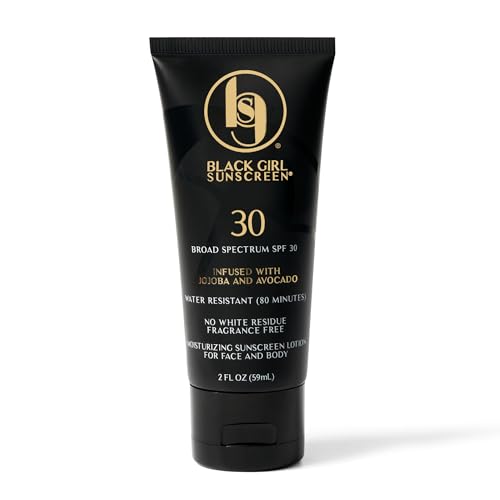
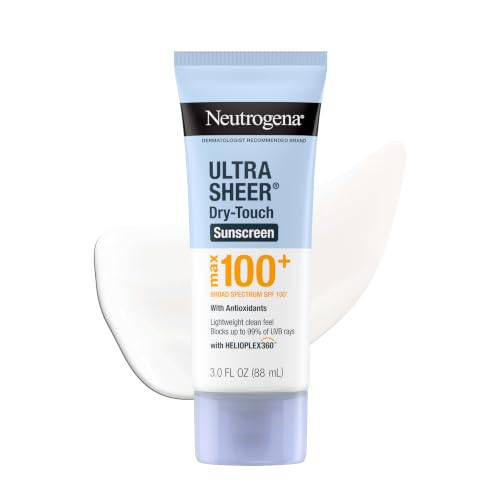
Recommended Products for Post-Treatment Sun Protection
Key Takeaways
- “Diamond signature laser facial” and similar names are used inconsistently across the spa industry; genuinely different treatments hide behind nearly identical names.
- Some “diamond laser” treatments use a real laser device with “diamond” as pure luxury branding, unconnected to diamond-tip exfoliation at all.
- Others genuinely combine diamond-tip microdermabrasion with a separate, real laser or LED device in the same session.
- LED and low-level laser therapy (LLLT) are a legitimate, distinct light-based category, real but with mixed evidence, not the same thing as an ablative laser.
- Diamond’s own contribution is the same everywhere: abrasive hardness, nothing more, regardless of what “laser” in the name is doing.
- The only reliable way to know what you’re booking is to ask the provider to name the specific device and confirm its FDA clearance for the stated purpose.
Table of Contents
- What Does “Diamond Signature Laser Facial” Actually Mean?
- Example One: When “Diamond” Is Pure Branding
- Example Two: A Real Combination Protocol
- Where LED and LLLT Fit In
- Comparing the Naming Patterns
- Why Contraindications Depend on the Real Device
- How to Find Out What You’re Actually Booking
- Do This, Not That
- When to See a Dermatologist
- Frequently Asked Questions
- The Bottom Line
What Does “Diamond Signature Laser Facial” Actually Mean?
There is no single, standardized treatment behind the name “diamond signature laser facial” or its many close variants, different spas and clinics use nearly identical names for genuinely different treatments. The single most defensible claim in this whole category is simply that naming alone cannot tell a consumer which treatment they’re actually booking.
Shopping these picks?
Amazon Prime members get fast, free shipping on eligible items, plus Prime Video, Amazon Music and member deals. New members can start with a free trial.
Start a free Prime trialAged 18 to 24? Prime for Young Adults comes with a longer free trial and a lower price after it.
Affiliate link: we may earn a commission at no extra cost to you.
That inconsistency isn’t a minor labeling quirk. In some cases “laser” describes a real energy-based device with its own risks and FDA clearance requirements. In others, “laser” is unsupported marketing language attached to what is, underneath the branding, just a diamond-tip microdermabrasion session or an LED add-on. Knowing which one you’re booking matters for both the results you should expect and the safety screening you should ask for.
Example One: When “Diamond” Is Pure Branding
One real-world example: a med-spa’s “Black Diamond Laser Facial” is, underneath the name, a carbon-laser facial, sometimes also called a “Hollywood peel” elsewhere in the industry. The treatment applies a layer of active carbon to the skin, then passes a real laser device over it. The laser vaporizes the carbon along with trapped debris, and the laser energy is also credited with heating the dermis to stimulate collagen production.
Here, “diamond” is doing pure premium-branding work. There is no diamond-tip exfoliation involved at all, but a genuine laser device is genuinely part of the treatment. This is the pattern most likely to confuse someone searching for a diamond-tip facial: the name promises “diamond,” but the actual mechanism is a carbon-and-laser treatment that has nothing to do with diamond abrasion.
Example Two: A Real Combination Protocol
A different real example shows the opposite pattern: a spa’s “Diamond Laser Facial” combines massage, comedo extraction, an actual diamond peel step (diamond-tip microdermabrasion, covered in our diamond peel guide), and a separately named “Rejuve Laser” step. Here, genuine diamond-tip exfoliation is paired with a distinct, separately identified laser device in the same appointment, not one device pretending to be two different things.
This pattern is the more literal reading of a name like “diamond laser facial”: real diamond-tip abrasion plus a real, separately named laser or light step. The practical difference from the branding-only example above is that here, both halves of the name correspond to something actually happening during the treatment.
Where LED and LLLT Fit In
Note: Low-level laser therapy (LLLT) and LED treatments are a real, distinct light-based category, using specific wavelengths, red or near-infrared light for collagen stimulation, blue light for acne-related bacteria, rather than any abrasive or ablative mechanism. They’re commonly bolted onto a microdermabrasion or diamond-peel session as a normal, clearly labeled add-on package at many spas. Evidence for LLLT’s benefits is real but genuinely mixed, an established adjunct category rather than a scam, but still a distinct modality from mechanical exfoliation or true ablative lasers.
When a “diamond laser facial” turns out to include an LED or LLLT panel rather than a true laser, that’s not automatically a red flag on its own, it’s a legitimate, low-risk add-on. The issue is purely one of accurate naming: calling an LED panel a “laser” blurs a real distinction that matters for expectations and, in some cases, for safety screening.
Comparing the Naming Patterns
| What’s actually happening | Is “diamond” real? | Is “laser” real? |
|---|---|---|
| Carbon-laser facial branded “Black Diamond” | No, branding only | Yes, genuine ablative-adjacent laser device |
| Diamond peel + separately named laser step | Yes, genuine diamond-tip exfoliation | Yes, a distinct real laser device |
| Diamond peel + LED/LLLT add-on called “laser” | Yes, genuine diamond-tip exfoliation | No, LED/LLLT is a different modality than laser, though still real light therapy |
| Plain diamond-tip device marketed as a “laser facial” | Yes, genuine diamond-tip exfoliation | No, “laser” is unsupported marketing language |
| Modality actually delivered | Real risk profile |
|---|---|
| Genuine ablative or carbon laser | True energy-device risks: burns, pigment changes especially in darker skin tones, requires proper device clearance and operator training |
| Diamond-tip microdermabrasion alone | Standard microdermabrasion contraindications only, no laser-specific risk |
| LED or LLLT add-on | Low risk, standard light-therapy precautions, distinct from laser or abrasion risk |
Why Contraindications Depend on the Real Device
Warning: A genuine ablative or carbon laser carries real energy-device risks, including burns and pigment changes that are a particular concern for darker skin tones, and it requires a device that is properly FDA-cleared with an appropriately trained operator. A treatment where “laser” is used loosely for microdermabrasion or an LED add-on carries only the standard microdermabrasion contraindication list, active acne, active infection, and suspicious lesions, with no genuine laser-specific risk despite the name on the menu.
This is exactly why the naming confusion in this category isn’t just a marketing nuisance, it directly affects which safety questions are actually relevant to your session. Someone with darker skin considering a genuine ablative laser needs a different risk conversation than someone booking what turns out to be a diamond-tip-only treatment with “laser” in the name for marketing effect.
Sessions and expected downtime follow the same split. A genuine ablative or carbon laser typically involves more noticeable downtime, ranging from a day of redness to a week or more of peeling depending on the device’s intensity, and results from a real energy-based device tend to build gradually across a course of sessions with visible collagen-related changes over weeks to months. A plain diamond-tip session marketed under a “laser” name carries the same minimal downtime as any other microdermabrasion treatment, brief redness resolving within a day or two, because no actual energy device is doing anything to the deeper skin layers. Because this article covers a naming category rather than one fixed treatment, it’s a genuine limitation that no single number of sessions or downtime estimate can honestly apply to all of them, that number depends entirely on which real modality your specific provider is using.
How to Find Out What You’re Actually Booking
Ask the provider to name the specific device
Request the exact device brand and model rather than accepting “laser” as a full answer.
Ask what wavelength or energy type it uses
A legitimate laser or LED device has a specific, statable wavelength; vague answers are a signal to dig further.
Confirm FDA clearance for the stated purpose
Ask whether the named device is FDA-cleared for the specific use being marketed to you.
Tip: A provider who answers “it’s the diamond wand” or can’t name a device at all has effectively told you that “laser” in the treatment name is unsupported marketing language, not a genuine energy-based step.
Ask whether diamond-tip exfoliation is actually included
Some “diamond laser” names include no diamond-tip step at all, confirm what’s physically happening to your skin.
Match the risk conversation to the real modality
Once you know the actual device, ask about the contraindications that apply to that specific modality, not the name on the menu.
Do This, Not That
Do
- Ask for the specific device brand, model, and wavelength before booking
- Confirm FDA clearance for the treatment’s stated purpose
- Ask directly whether diamond-tip exfoliation is actually part of the session
- Treat LED/LLLT add-ons as a real but distinct category from true lasers
- Ask about darker-skin-tone precautions specifically if a genuine ablative laser is involved
Don’t
- Assume “laser” in the name means a true energy-based device is involved
- Assume “diamond” in the name means diamond-tip exfoliation is included
- Accept “it’s the diamond wand” as an answer to what laser is being used
- Book a genuine ablative laser without asking about pigment-change risk for your skin tone
- Treat spa menu names as a reliable description of the actual mechanism
When to See a Dermatologist
See a dermatologist or skin specialist before booking any treatment described as a “laser facial” if you have darker skin, a history of pigment changes after procedures, or an active skin condition. If you want to understand the diamond-tip side of these combination names on its own, our diamond peel guide covers exactly what that mechanical exfoliation step does and doesn’t do.
Frequently Asked Questions
What is a diamond signature laser facial?
There’s no single standard treatment behind that name; different spas use it for genuinely different combinations of diamond-tip exfoliation, LED, and true laser devices.
Does “diamond” always mean diamond-tip exfoliation is included?
No, in some treatments “diamond” is purely a brand name with no diamond-tip step at all.
Does “laser” always mean a true laser device is used?
No, “laser” is sometimes used loosely for what’s actually just a diamond-tip device or an LED add-on.
Are LED and LLLT the same as a true laser?
No, they’re a distinct, real light-based category using specific wavelengths, different from an ablative or true energy laser.
What’s the safest way to know what I’m booking?
Ask the provider to name the specific device, its wavelength, and confirm its FDA clearance for the stated purpose.
Are genuine lasers riskier than diamond-tip exfoliation?
Genuine ablative or carbon lasers carry real risks like burns and pigment changes, especially in darker skin tones, that diamond-tip exfoliation alone doesn’t carry.
What does diamond material actually contribute in these treatments?
The same thing everywhere: abrasive hardness, nothing more, regardless of what “laser” in the name is doing.
Is an LED add-on to a diamond facial a scam?
No, it’s a legitimate, low-risk category with real, if mixed, supporting evidence, just distinct from a true laser.
How many sessions does a diamond laser facial take?
It depends entirely on which real modality is delivered, so this can’t be answered with one figure without knowing the actual device involved.
What should I do if a provider can’t name their device?
Treat that as a signal that “laser” in the treatment name is likely unsupported marketing language rather than a real energy-based step.
The Bottom Line
“Diamond signature laser facial” and its many close variants don’t describe one standardized treatment, the same name covers a true laser branded with “diamond,” a genuine diamond-tip-plus-laser combination, and a plain diamond-tip session with “laser” used as pure marketing language. Diamond’s actual contribution never changes: it’s an abrasive, nothing more.
The only reliable way through the naming confusion is to ask directly: what specific device, what wavelength, and is it FDA-cleared for what’s being promised. A provider who can answer plainly, and who can explain whether diamond-tip exfoliation is actually included, is telling you far more than the name on the menu ever will.

Written by
Registered pharmacist and founder of Facial Adviser. Rakib's pharmacy training covers how skincare actives work and interact; a later course in cosmetology turned that into a focus on facial treatments and skincare products. He plans, researches and edits every guide on the site and checks health claims against sources such as the American Academy of Dermatology, the FDA and the NIH. He is not a dermatologist; see the Editorial Policy and Medical Disclaimer.
About · Editorial policy · How we choose products · Medical disclaimer · Contact
Keep reading: Microneedling, PRP and lasers
- Microneedling Facial: Real Results, Explained
- Best Microneedling Pens: Derma Pen Needle Depth and Safety Guide
- Microneedling With PRP: Steps, Benefits, Cost
- Laser Lipo vs Cavi Lipo: Real Differences
- Before and After Microneedling: What to Expect
- Will Microneedling Reduce Pore Size?
- What Is the Best Anti-Aging Facial Treatment? Options Compared by Goal
- What Is a Spa Facial?