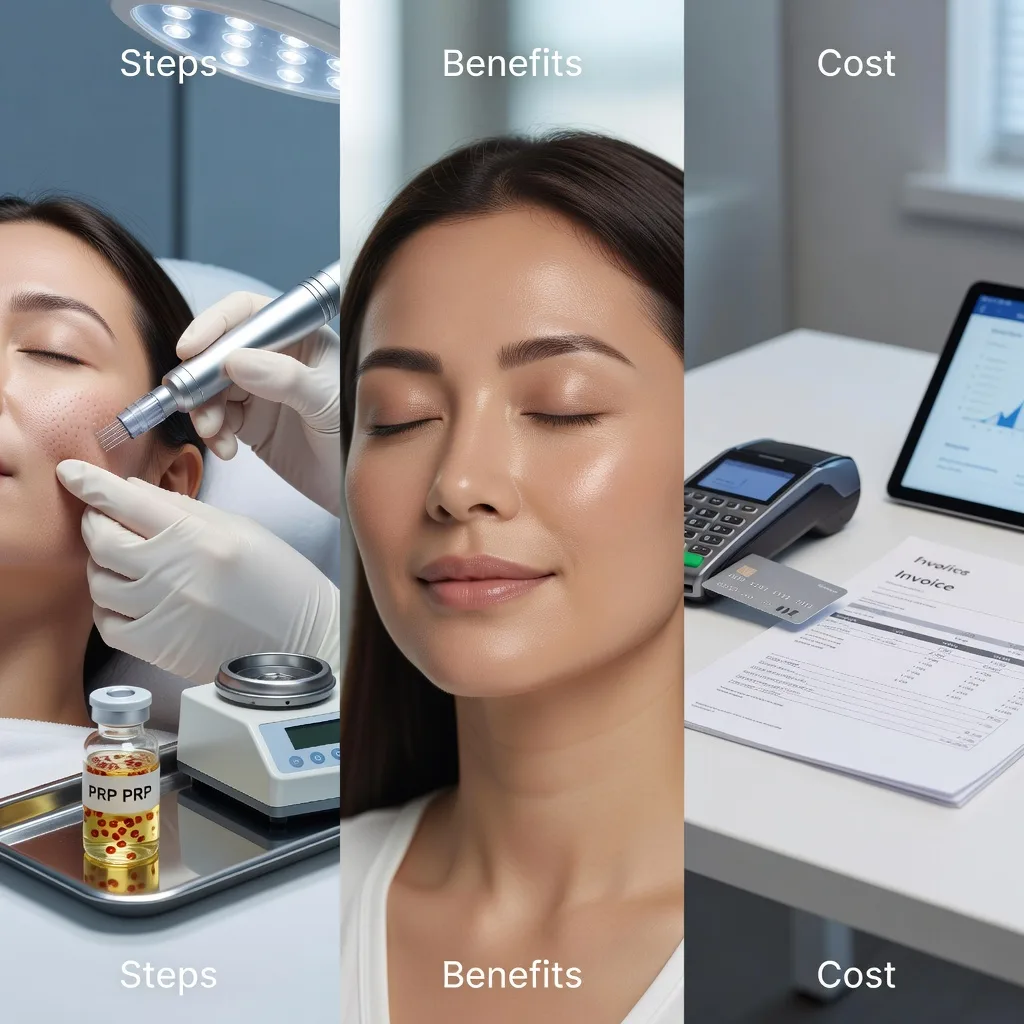
Microneedling With PRP: Steps, Benefits, Cost
Microneedling with PRP, often marketed as a “vampire facial,” combines a well-understood collagen-induction technique with a patient’s own concentrated blood plasma, and the honest evidence picture behind that combination is more mixed than most marketing suggests.
Part of our guide to facial treatments. Start with: Microneedling Facial: Real Results, Explained
A 2026 systematic review pooling 17 studies and over 1,100 patients found combination therapy significantly outperformed microneedling alone for acne scars, with “excellent” outcomes roughly three times more likely, yet a separate, well-conducted split-face trial of 35 patients found no statistically significant difference between the two approaches at all. That’s a genuine, worth-stating inconsistency in the literature, not a settled question.
What is settled, unfortunately, is a real documented safety failure: the CDC traced a cluster of HIV transmissions directly to unsafe, unlicensed PRP microneedling practice, a stark reminder that provider hygiene and licensing, not the treatment concept itself, is where the real risk concentrates.
This guide covers the actual mechanism, where the trial evidence agrees and disagrees, the FDA’s real regulatory role, the documented safety case everyone considering this treatment should know, and the specific questions worth asking before booking.
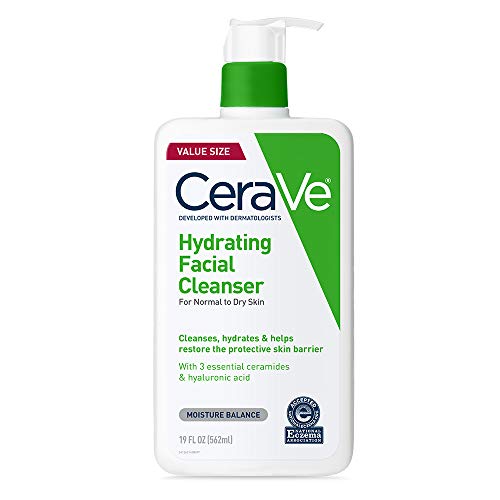
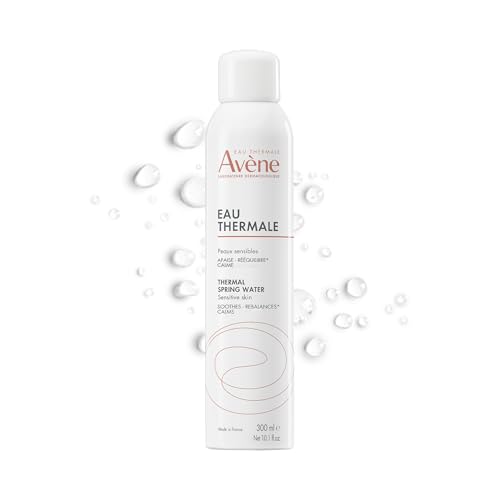
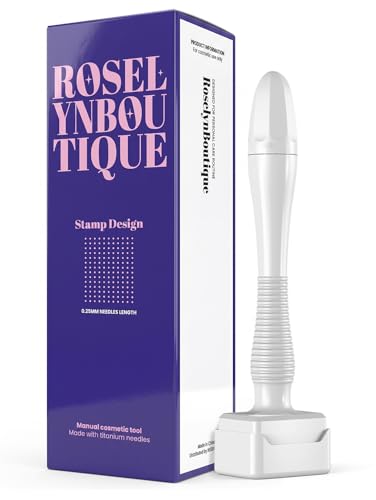
Recommended At-Home Microneedling Tools and Recovery Products
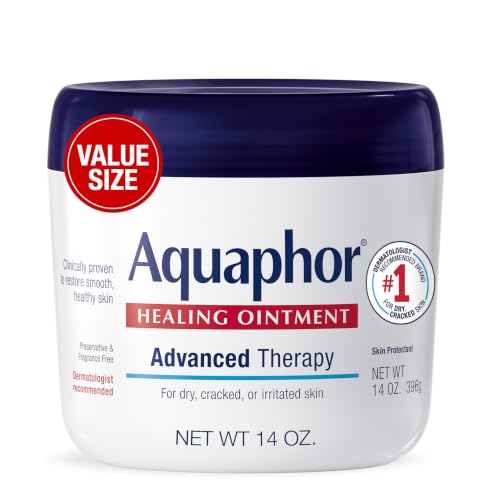
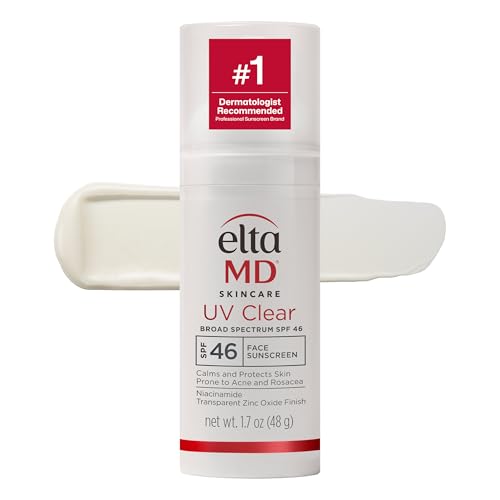
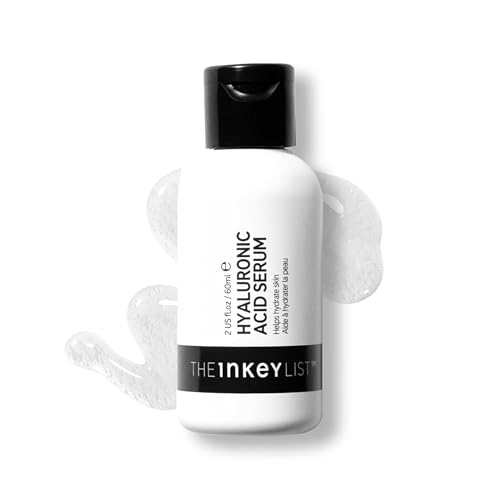

The Essentials
- Microneedling triggers a controlled wound-healing cascade; PRP (platelet-rich plasma) adds concentrated growth factors theorized to amplify that same fibroblast-driven collagen response.
- A 2026 systematic review pooling 17 studies and 1,111 patients found combined microneedling+PRP significantly outperformed microneedling alone for acne scars, with “excellent” outcomes roughly three times more likely.
- A separate, well-conducted split-face trial of 35 patients found no statistically significant difference between the two sides, a genuine inconsistency in the literature worth stating plainly rather than smoothing over.
- The CDC documented an actual HIV transmission cluster tied to unsafe PRP microneedling practices at an unlicensed spa, real evidence that provider hygiene and licensing matter enormously for this specific treatment.
- Microneedling devices for aesthetic use are FDA Class II, requiring 510(k) clearance; PRP separation kits are cleared separately, and neither clearance is an efficacy guarantee for any specific claim.
- A typical course runs 3 to 6 sessions spaced weeks apart, with PRP add-on cost roughly doubling the price of microneedling alone.
What’s Ahead
- How Microneedling and PRP Work Together
- What the Strongest Study Actually Found
- Where the Literature Disagrees With Itself
- FDA Status of the Device and the PRP Kit
- The Real Safety Story: A Documented HIV Cluster
- Microneedling With PRP vs. Microneedling Alone
- Do This, Not That
- What a Session Actually Involves
- One-Minute Check Before You Book
- Cost and Session Guidance
- Who Should Skip It
- Choosing a Provider: Beyond Just Checking a License
- When to See a Dermatologist
- Frequently Asked Questions
- The Bottom Line
How Microneedling and PRP Work Together
Microneedling creates thousands of controlled micro-injuries through the epidermis into the papillary dermis, setting off the wound-healing cascade: platelet activation, an inflammatory phase, fibroblast-driven proliferation, and remodeling as Type III collagen gradually converts to sturdier Type I collagen over months.
Shopping these picks?
Amazon Prime members get fast, free shipping on eligible items, plus Prime Video, Amazon Music and member deals. New members can start with a free trial.
Start a free Prime trialAged 18 to 24? Prime for Young Adults comes with a longer free trial and a lower price after it.
Affiliate link: we may earn a commission at no extra cost to you.
PRP is a patient’s own blood, centrifuged to concentrate platelets to several times baseline levels. Those concentrated platelets release growth factors, including PDGF, TGF-β, VEGF, and EGF, which are theorized to amplify the same fibroblast-stimulation pathway microneedling already triggers, when applied topically or intradermally through the fresh micro-channels.
What the Strongest Study Actually Found
A 2026 systematic review, meta-analysis, and trial sequential analysis published in Archives of Dermatological Research pooled 17 studies and 1,111 participants comparing combined microneedling-plus-PRP against microneedling alone for atrophic acne scars.
The combination therapy produced significantly greater improvement on the Goodman & Baron Quantitative Score (mean difference −2.91). Patients achieving an “excellent” outcome, a two-grade or greater improvement, were roughly three times more likely with combination therapy, and patients achieving more than 75% photographic improvement were about 2.4 times more likely. Adverse events, erythema, edema, pain, and hyperpigmentation, showed no significant difference between groups, meaning PRP didn’t add measurable extra risk in these pooled trials.
Where the Literature Disagrees With Itself
Evidence note: a separate, well-conducted split-face randomized controlled trial of 35 patients, using the same Goodman & Baron scale with blinded dermatologist assessment across four sessions, found both sides of the face improved significantly from baseline, but the difference between the microneedling-alone side and the microneedling-plus-PRP side was not statistically significant.
That’s a genuine, worth-stating inconsistency: the pooled meta-analytic data leans toward PRP adding real benefit, while at least one individually well-designed trial found none. The review authors themselves call for larger trials with standardized protocols, since PRP concentration, centrifuge speed, and activation method vary widely between studies, enough that pooling results across them may be overstating how settled this question actually is.
FDA Status of the Device and the PRP Kit
Microneedling devices intended for aesthetic use are regulated as Class II devices requiring 510(k) clearance, with the FDA drawing a claims-based line: devices penetrating living skin layers and making claims like “stimulates collagen” or “treats scars” require clearance, while blunt-needle products limited to the dead outer skin layer with purely cosmetic claims can avoid device classification.
PRP preparation kits, the centrifuge tube and separator systems used to concentrate platelets, are separately cleared as Class II devices. That clearance confirms the separation kit is substantially equivalent to an existing predicate device for producing PRP from a patient’s own blood. It is not FDA approval of PRP as an effective treatment for any specific skin condition; PRP itself, as an autologous blood product rather than a drug, sits in a distinct regulatory category focused on manufacturing and processing standards rather than efficacy claims.
The Real Safety Story: A Documented HIV Cluster
Safety flag: the CDC’s own surveillance report documented the first confirmed cluster of HIV transmission via a cosmetic procedure, through PRP microneedling (“vampire facials”) at an unlicensed spa. Five people were diagnosed with HIV over several years, with genetically near-identical viral strains confirming a common source.
The investigation into that facility found blood samples and injectable materials stored in a kitchen refrigerator alongside food, unwrapped syringes left in drawers, no autoclave for sterilization, and disposable tips reused after only alcohol immersion. This isn’t a hypothetical risk; it’s a documented, checkable outbreak that maps directly onto specific, avoidable failures: unlicensed practice, no sterile single-use protocol, and no client records for later tracing. Separately, published case reports document eczema herpeticum and granulomatous skin reactions following microneedling-plus-PRP treatment, additional real, if less severe, complications tied to the procedure.
Microneedling With PRP vs. Microneedling Alone
| Factor | Microneedling Alone | Microneedling + PRP |
|---|---|---|
| Mechanism | Wound-healing cascade from micro-injury | Same cascade, theoretically amplified by concentrated growth factors |
| Pooled trial evidence | Baseline improvement documented across studies | Meta-analytic pooled data favors added benefit; one split-face RCT found no difference |
| Additional cost/risk | Lower cost, no blood draw | Roughly double the cost; blood draw and processing add procedural steps |
The honest summary: PRP’s added benefit is plausible and supported by pooled data, but not settled by every individual trial, while its cost and procedural complexity are unambiguous. Whether the added expense is worthwhile is a judgment call the current evidence doesn’t fully resolve either way.
Do This, Not That
Do
- Confirm the provider is a licensed medical professional in a state that permits the procedure
- Ask to see the sealed, single-use needle cartridge opened in front of you
- Book a course of several sessions rather than expecting one treatment to resolve scarring
Don’t
- Book with an unlicensed provider or one who can’t explain their sterilization protocol
- Assume PRP guarantees a better result than microneedling alone; the trial evidence is mixed
- Skip asking whether your blood is processed in a closed, single-patient-use kit
What a Session Actually Involves
Blood draw and processing
A small blood sample is drawn and centrifuged in a sealed, single-patient kit to separate and concentrate the platelets.Numbing and cleansing
Topical anesthetic is applied to the treatment area, followed by a thorough skin cleanse.Microneedling pass
A sterile, single-use needle cartridge creates controlled micro-channels across the treatment area.PRP application
The concentrated plasma is applied topically or infused through the fresh micro-channels, followed by a calming post-treatment product.
One-Minute Check Before You Book
Helpful tip: ask the provider three direct questions before booking: are they a licensed medical professional in a state that permits this procedure, will they open a sealed single-use needle cartridge in front of you, and is your blood processed in a closed, single-patient kit rather than shared equipment. Any unclear or evasive answer is a real, documented reason to walk away, not an overcautious formality.
Cost and Session Guidance
Professional microneedling-plus-PRP sessions typically run several hundred dollars each, with the PRP add-on priced separately from base microneedling due to the blood draw, processing kit, and additional clinical time involved. Most practitioners recommend a course of 3 to 6 sessions spaced 4 to 6 weeks apart for acne scarring, consistent with the intervals used in the clinical trials described above.
Who Should Skip It
Active acne breakouts, active cold sores, keloid-prone skin, blood-clotting disorders, and current use of blood thinners are all reasons to discuss timing or skip the procedure entirely with a licensed provider. Anyone unable to verify a provider’s licensing or sterilization practices should treat that alone as sufficient reason to look elsewhere, regardless of price or convenience.
Choosing a Provider: Beyond Just Checking a License
The documented HIV cluster above wasn’t just a licensing failure; it was also a record-keeping failure. The facility kept no client records, which made contact tracing for at-risk clients extremely difficult after the fact. A provider who keeps thorough intake records, documents which lot of needle cartridges and PRP kit was used per client, and can show you before-and-after photos with informed consent from previous clients is demonstrating the same diligence that protects you if anything ever needs to be traced back later.
It’s also reasonable to ask how long the practice has specifically offered combined microneedling-and-PRP treatment, separate from standard microneedling alone, since the added blood-handling step introduces its own equipment, training, and protocol requirements beyond what a microneedling-only practice needs to have in place.
When to See a Dermatologist
A dermatologist or skin specialist can evaluate whether your specific scar type is a good candidate for microneedling and PRP at all, since some scar shapes respond better to other techniques entirely. Anyone considering the related, closely-covered procedure should also read about how it compares to a standard vampire facial versus microneedling before booking either.
Frequently Asked Questions
What is microneedling with PRP?
A treatment combining controlled micro-injury (microneedling) with a patient’s own concentrated platelet-rich plasma, intended to amplify the natural collagen-building wound-healing response.
Does PRP actually make microneedling more effective?
Pooled meta-analytic data across 17 studies favors added benefit for acne scars, but at least one well-conducted split-face trial found no significant difference, a genuine inconsistency in the literature.
Is microneedling with PRP FDA-approved?
The microneedling device and the PRP separation kit each hold FDA 510(k) clearance as Class II devices, which confirms safety-equivalence review, not an efficacy guarantee for any specific claim.
Is microneedling with PRP safe?
It can be, but the CDC documented a real HIV transmission cluster tied to unsafe practices at an unlicensed spa, making provider licensing and sterile protocol the central safety factor.
How much does microneedling with PRP cost?
Typically several hundred dollars per session, roughly double the cost of microneedling alone, due to the blood draw and processing kit involved.
How many sessions are needed?
Most practitioners recommend a course of 3 to 6 sessions spaced 4 to 6 weeks apart for acne scarring.
What questions should I ask before booking?
Confirm the provider’s license, ask to see a sealed single-use needle cartridge opened in front of you, and confirm your blood is processed in a closed, single-patient kit.
Who should avoid this treatment?
Anyone with active acne, active cold sores, keloid-prone skin, a clotting disorder, or current blood thinner use should discuss timing with a licensed provider first.
Is this the same as a vampire facial?
“Vampire facial” is a common name for microneedling with PRP; the underlying procedure and safety considerations are the same.
Can this be done at home?
No; it requires a blood draw, centrifuge processing, and a sterile needling device, all of which require a licensed medical setting, not an at-home kit.
The Bottom Line
Microneedling with PRP has a real, plausible mechanism and pooled trial evidence favoring some added benefit over microneedling alone for acne scars, alongside at least one well-designed trial finding no significant difference, a genuine open question in the literature rather than a settled fact.
What isn’t an open question is safety practice: a documented HIV transmission cluster ties directly back to unlicensed, unsterile practice, not to the treatment concept itself. Choosing a licensed provider with visible, verifiable sterile protocol is the single most important decision in this entire category.

Written by
Registered pharmacist and founder of Facial Adviser. Rakib's pharmacy training covers how skincare actives work and interact; a later course in cosmetology turned that into a focus on facial treatments and skincare products. He plans, researches and edits every guide on the site and checks health claims against sources such as the American Academy of Dermatology, the FDA and the NIH. He is not a dermatologist; see the Editorial Policy and Medical Disclaimer.
About · Editorial policy · How we choose products · Medical disclaimer · Contact
Keep reading: Microneedling, PRP and lasers
- Microneedling Facial: Real Results, Explained
- Laser Lipo vs Cavi Lipo: Real Differences
- Before and After Microneedling: What to Expect
- Will Microneedling Reduce Pore Size?
- Can Microneedling Damage Hair Follicles?
- Can Microneedling Cause Hair Loss? The Real Answer
- Ultimate Guide Microdermabrasion: What to Know
- Facial vs Chemical Peel: Differences, Results and Which to Choose