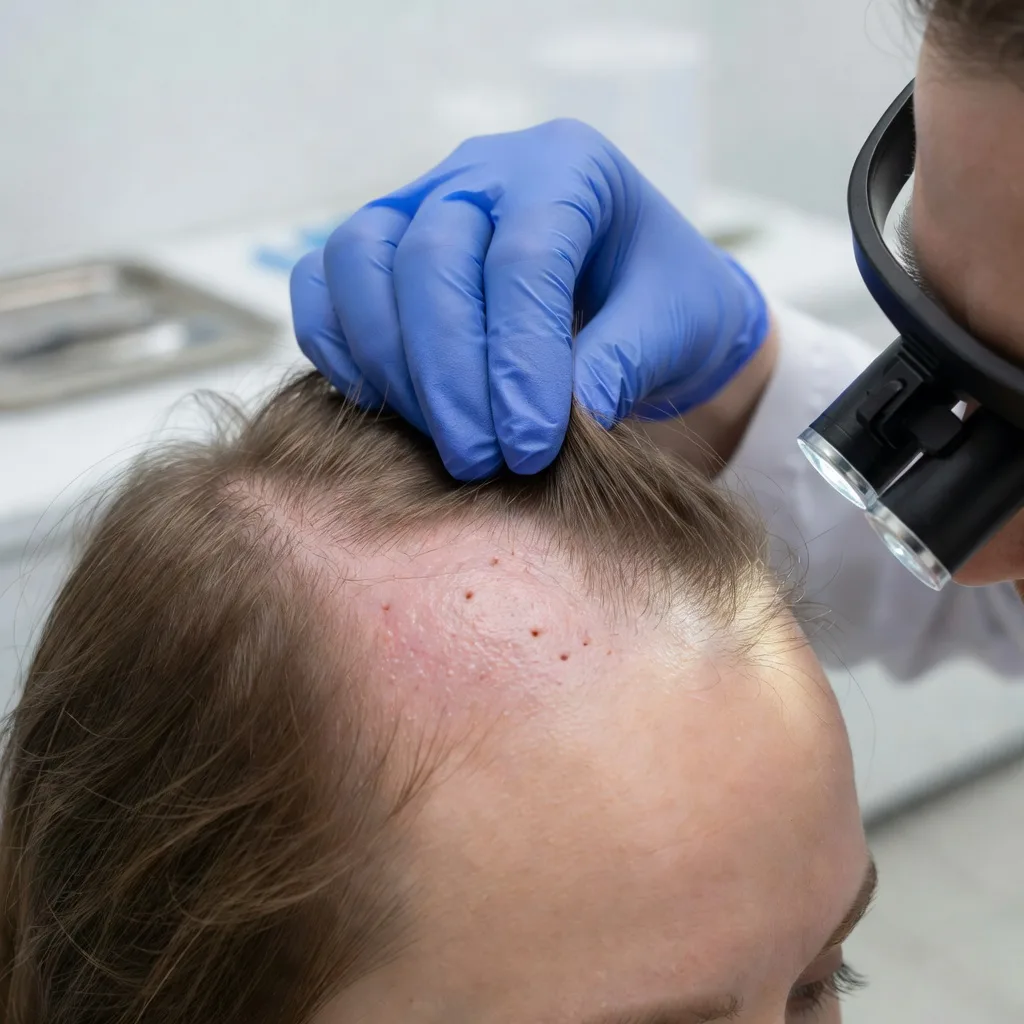
Can Microneedling Cause Hair Loss? The Real Answer
Can microneedling cause hair loss, or is it the treatment people turn to when they’re already losing hair? The honest answer runs mostly in one direction.
Part of our guide to facial treatments. Start with: Microneedling Facial: Real Results, Explained
The weight of the evidence supports microneedling as a hair-loss treatment, not a cause, and the popular claim that it triggers telogen effluvium overstates the case — the core clinical reference on that condition doesn’t list localized scalp trauma among its established triggers. The real, better-documented risk pathway is infection from poor technique, not the needling mechanism itself.
It’s also genuinely easy to misattribute an already-active hair-loss condition’s natural progression to a treatment someone just started.
This guide covers the telogen effluvium claim in detail, the real and theoretical risks worth respecting, and how to tell coincidence from an actual problem.
Recommended Scalp Microneedling Tools and Hair Growth Products
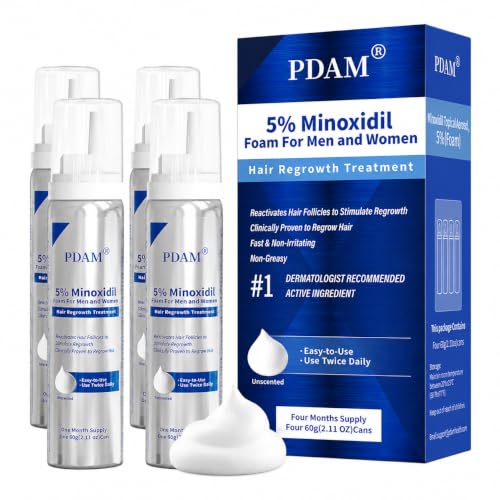
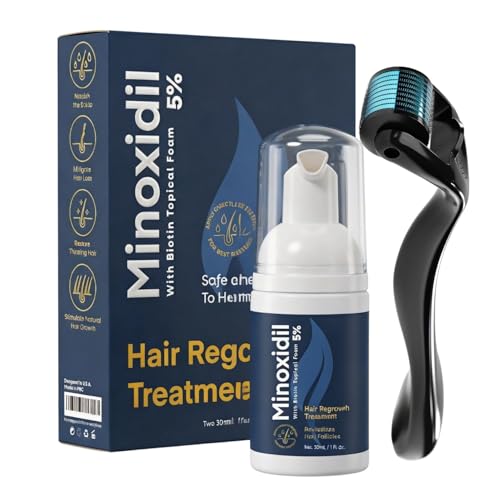
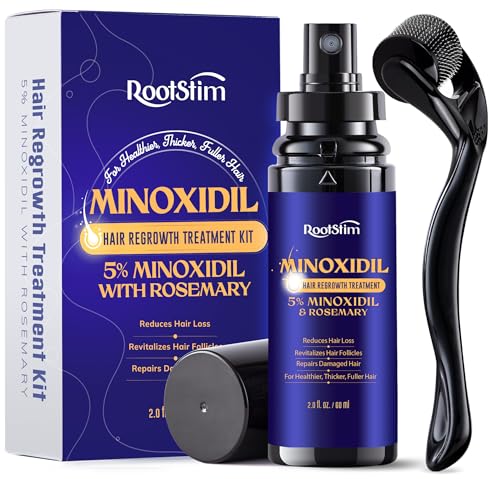
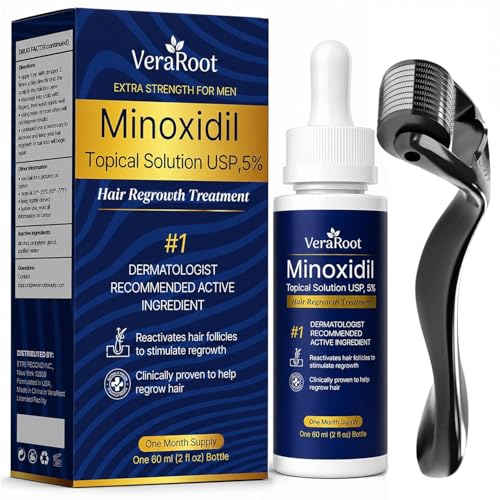


Microneedling Is a Hair-Loss Treatment, Not a Known Cause
The weight of the evidence points the opposite direction from the question in this post’s title: microneedling is studied and used as a hair-loss treatment, most notably in combination with minoxidil for androgenetic alopecia, not as something that causes hair loss. But intellectual honesty means taking the “could this backfire” question seriously too — so this guide covers the real mechanistic and case-based picture, including an important correction to how the “telogen effluvium” explanation is often used online.
Shopping these picks?
Amazon Prime members get fast, free shipping on eligible items, plus Prime Video, Amazon Music and member deals. New members can start with a free trial.
Start a free Prime trialAged 18 to 24? Prime for Young Adults comes with a longer free trial and a lower price after it.
Affiliate link: we may earn a commission at no extra cost to you.
The Real Answer
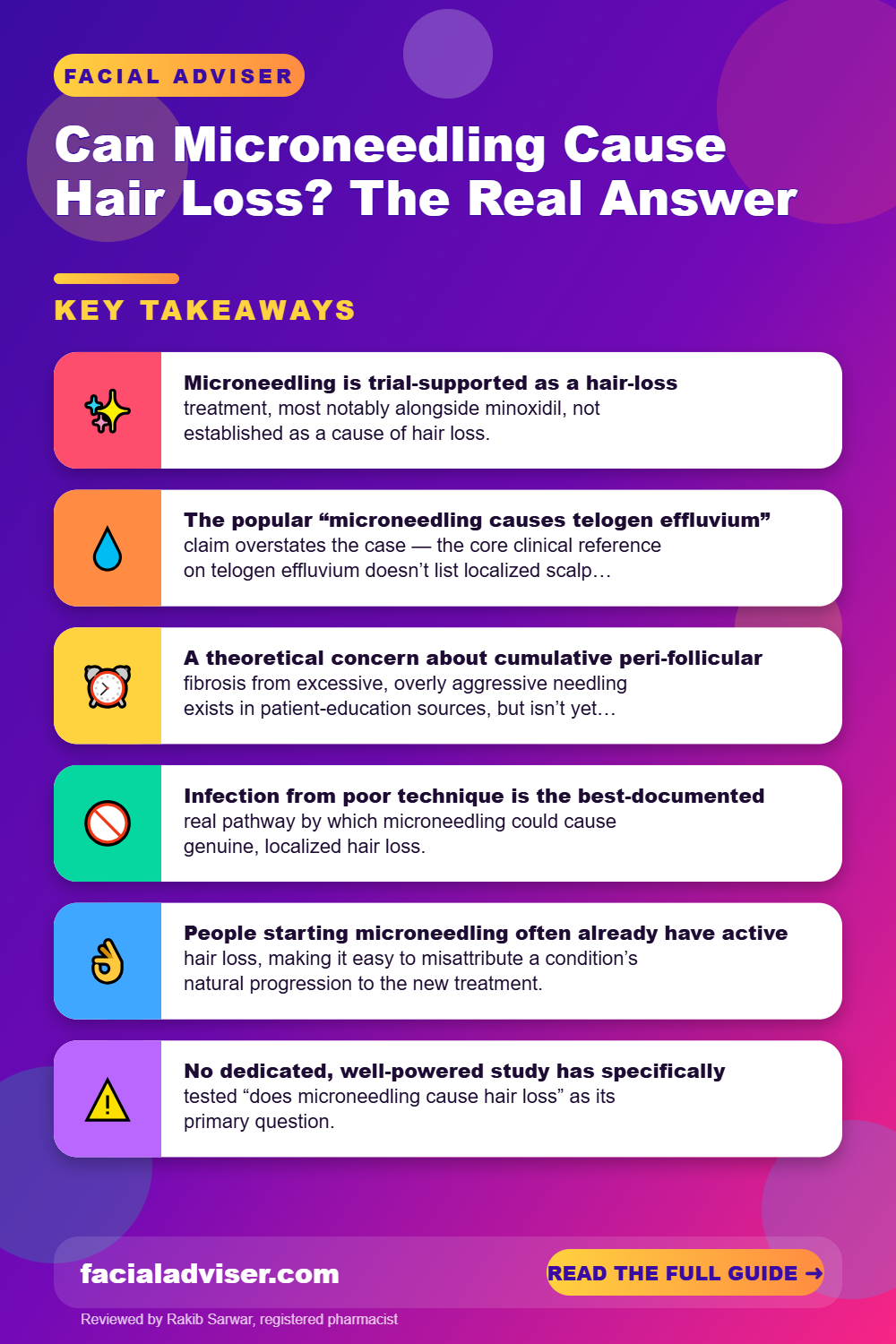
- Microneedling is trial-supported as a hair-loss treatment, most notably alongside minoxidil, not established as a cause of hair loss.
- The popular “microneedling causes telogen effluvium” claim overstates the case — the core clinical reference on telogen effluvium doesn’t list localized scalp micro-trauma among its established triggers.
- A theoretical concern about cumulative peri-follicular fibrosis from excessive, overly aggressive needling exists in patient-education sources, but isn’t yet confirmed by peer-reviewed trial or case-series evidence.
- Infection from poor technique is the best-documented real pathway by which microneedling could cause genuine, localized hair loss.
- People starting microneedling often already have active hair loss, making it easy to misattribute a condition’s natural progression to the new treatment.
- No dedicated, well-powered study has specifically tested “does microneedling cause hair loss” as its primary question.
What’s In This Guide
- Microneedling Is a Hair-Loss Treatment, Not a Known Cause
- The Telogen Effluvium Claim, Corrected
- The Theoretical Concern: Overdoing It
- Infection: The Real, Documented Risk Pathway
- Why It’s Easy to Misattribute Existing Hair Loss
- How to Microneedle Without Adding Unnecessary Risk
- Who This Guidance Is Most Relevant To
- When to Pause Microneedling for Hair
- When to See a Dermatologist Instead
- There’s No Home Test for This — Here’s a Practical Substitute
- Where the Evidence Runs Out
- Frequently Asked Questions
The Telogen Effluvium Claim, Corrected
Per StatPearls, the standard clinical reference on telogen effluvium, the documented mechanism is that “physiologic stress causes a large number of hairs in the growing phase (anagen) of the hair cycle to abruptly enter the resting phase (telogen),” with visible shedding typically starting one to six months after the trigger, averaging around three months. The well-documented trigger categories listed in this reference are systemic: crash dieting, infections, hormonal shifts like the postpartum period, systemic illness, certain medications including retinoids and beta-blockers, and nutritional deficiencies in iron, zinc, or vitamin D. Major surgery and severe systemic trauma are included as triggers — but localized scalp micro-trauma from needling is not identified in this core reference as a recognized, established telogen-effluvium trigger.
This is the genuinely important correction here: the popular framing that “microneedling can cause telogen effluvium” overstates the mechanistic case by analogy to unrelated systemic-stress triggers. If shedding does occur after microneedling, the better-supported explanations are a normal, transient, localized inflammatory shedding response distinct from classic systemic telogen effluvium, a secondary reaction to infection (see below) genuinely triggering a stress response, or simple coincidence — people starting microneedling often already have active hair loss. Clean, well-documented case reports specifically proving that microneedling itself causes classic telogen effluvium are thin to essentially absent in the peer-reviewed literature, and that’s a real evidence gap worth stating plainly rather than asserting a mechanism the core clinical reference doesn’t actually support.
The Theoretical Concern: Overdoing It
Patient-facing hair-loss resources, including the American Hair Loss Association’s page on microneedling and dedicated telogen-effluvium patient-education content, raise a biologically plausible but not yet rigorously trial-confirmed concern: that repeated, aggressive, or overly frequent microneedling could theoretically cause cumulative low-grade inflammation and peri-follicular fibrosis — scarring around the follicle — that, over time, could impede rather than help hair growth. That would essentially be the opposite of the collagen-induction benefit, occurring at excessive frequency or intensity rather than at standard treatment protocols.
Infection: The Real, Documented Risk Pathway
As covered in more depth in our companion guide on whether microneedling can damage hair follicles, documented infections following microneedling — bacterial, herpes simplex reactivation, non-tuberculous mycobacteria including a Mycobacterium abscessus case traced to tap-water device cleaning, candidal infection, and facial varicella autoinoculation — are real, peer-reviewed-documented complications. A sufficiently severe local infection absolutely can damage or destroy follicles in the affected area, which makes infection the most evidence-grounded mechanism by which microneedling could cause genuine, localized hair loss. It also maps directly onto modifiable risk factors — device sterility, professional versus unregulated at-home use, proper aftercare — rather than being an inherent property of needling itself.
| Proposed mechanism | Evidence quality | Practical takeaway |
|---|---|---|
| Infection from unsterile technique | Well-documented case reports and reviews | Modifiable through proper sterilization and aftercare |
| Cumulative peri-follicular fibrosis from overuse | Theoretical, patient-education sources only | Avoid excessive frequency/intensity as a precaution |
| Classic systemic telogen effluvium from needling | Not supported by core clinical reference | Localized trauma isn’t a documented systemic trigger |
Why It’s Easy to Misattribute Existing Hair Loss
A practical, underdiscussed point: people who start microneedling for hair loss usually do so because they already have active, progressing hair loss. Androgenetic alopecia and other hair-loss conditions can fluctuate or continue progressing regardless of treatment, which makes it genuinely easy to notice ongoing shedding after starting microneedling and misattribute the underlying condition’s natural course to the new intervention, rather than recognizing that the condition was already in progress before treatment began.
| What you might notice | More likely explanation | What to actually check |
|---|---|---|
| Shedding within days of a session | Normal transient local response, or coincidence with an already-active condition | Compare against your documented baseline |
| Redness, warmth, or discharge at the treatment site | Possible infection, the best-documented real risk | See a dermatologist promptly rather than waiting |
| Gradual worsening over months despite treatment | Underlying condition progressing independently of microneedling | Get a proper diagnosis and reassess the treatment plan |
How to Microneedle Without Adding Unnecessary Risk
Get a baseline assessment
Document your starting hair density and pattern before beginning, so any later change can be evaluated against a real reference point.Use properly sterilized equipment
Single-use professional cartridges or a correctly disinfected device, never one cleaned with plain tap water.Follow standard session spacing
Weekly to monthly depending on depth, matching the protocols used in trial evidence, rather than increasing frequency to try to speed results.Track objectively over time
Consistent photos or professional reassessment every few months distinguish real treatment response from normal condition progression.
Who This Guidance Is Most Relevant To
Anyone already using or considering scalp microneedling for hair loss, and anyone who’s noticed shedding after starting the treatment and is trying to work out whether it’s the treatment or their underlying condition, benefits most from this distinction. The honest starting assumption, backed by trial evidence, is that microneedling is more likely helping than hurting — but that assumption should be paired with proper technique and a real baseline to check it against.
Do
- Document a real baseline before starting treatment
- Use properly sterilized equipment every session
- Follow standard, evidence-matched session spacing
Don’t
- Assume any shedding after starting means the treatment is the cause
- Increase frequency or aggression hoping for faster results
- Skip sterilization steps to save time
When to Pause Microneedling for Hair
Pause if you notice signs of infection — unusual redness, warmth, or discharge — or if shedding accelerates noticeably and doesn’t stabilize within the shedding window typical of your baseline. Also pause if you’re between other systemic health changes (illness, medication changes, major stress) that could independently cause telogen effluvium, since that makes it much harder to isolate what’s actually driving any change you observe.
When to See a Dermatologist Instead
See a dermatologist rather than continuing to self-manage if shedding is accelerating, if you notice signs of infection, or if you’re not confident your hair-loss pattern is actually one microneedling is evidenced to help — a proper diagnosis distinguishing androgenetic alopecia from other causes matters before attributing any change, positive or negative, to the treatment itself.
There’s No Home Test for This — Here’s a Practical Substitute
There’s no valid at-home test that definitively separates treatment-caused shedding from your underlying condition’s natural progression, but a practical substitute exists: a documented baseline photo or phototrichogram before starting, repeated at consistent intervals. Without that reference point, distinguishing signal from normal fluctuation is genuinely difficult — with it, a real trend becomes much easier to see.
Where the Evidence Runs Out
Be precise about what’s established here: microneedling’s benefit for androgenetic alopecia has real, if pilot-scale, trial support, and documented infection complications are a genuine, evidence-grounded risk pathway. What’s missing is any dedicated, well-powered study specifically designed to test “does microneedling cause hair loss” as its primary question — most of what informs this topic is inferred from general dermatologic-procedure complication literature plus theoretical extrapolation from telogen effluvium’s known systemic triggers, rather than from a dedicated causal study of local scalp micro-trauma. That’s a real, honest gap worth stating directly rather than papering over with borrowed “telogen effluvium” language that the core clinical literature doesn’t actually support for this specific scenario.
Frequently Asked Questions
Can microneedling cause hair loss?
The weight of evidence supports microneedling as a hair-loss treatment, not a cause; documented risk comes mainly from infection due to poor technique.
Does microneedling cause telogen effluvium?
The core clinical reference on telogen effluvium doesn’t list localized scalp trauma among its established triggers, so this popular claim overstates the case.
Why did I notice shedding after starting microneedling?
It’s often coincidental, since people who start microneedling frequently already have active hair loss in progress.
Can overusing microneedling cause damage?
A theoretical concern about cumulative fibrosis from excessive frequency exists in patient-education sources, though it isn’t yet confirmed by peer-reviewed trial evidence.
What’s the real risk of microneedling for hair?
Infection from improperly sterilized equipment is the best-documented pathway by which it could genuinely cause localized hair loss.
How can I tell if microneedling is helping or hurting?
A documented baseline photo or professional assessment before starting, checked against consistent follow-up tracking, is the most reliable way to tell.
Is microneedling proven to regrow hair?
A randomized pilot trial found it significantly boosted minoxidil’s effectiveness for androgenetic alopecia, though larger confirmatory trials are still limited.
Should I stop microneedling if I notice more shedding?
Consider pausing and consulting a dermatologist, especially if shedding accelerates or doesn’t stabilize within your usual baseline pattern.
Can an at-home derma-roller cause an infection?
Yes, particularly if not properly sterilized — documented infection cases have been traced to poor cleaning practice.
Is there a study that directly tests whether microneedling causes hair loss?
No dedicated, well-powered study has tested this as its primary question; most available evidence is inferred from complication literature and theoretical extrapolation.

Written by
Registered pharmacist and founder of Facial Adviser. Rakib's pharmacy training covers how skincare actives work and interact; a later course in cosmetology turned that into a focus on facial treatments and skincare products. He plans, researches and edits every guide on the site and checks health claims against sources such as the American Academy of Dermatology, the FDA and the NIH. He is not a dermatologist; see the Editorial Policy and Medical Disclaimer.
About · Editorial policy · How we choose products · Medical disclaimer · Contact
Keep reading: Microneedling, PRP and lasers
- Microneedling Facial: Real Results, Explained
- Microneedling With Minoxidil: Does It Boost Hair Regrowth and Is It Safe?
- Microneedling Without Serum: Is It Risky?
- Dr. Pen Ultima A6S and A6: Features, Safety and Who Should Use It
- Does Needle Count Matter for Microneedling?
- Carbon Peel Laser Benefits: What the Evidence Shows
- Facial Types: A Guide to 11 Popular Facials and How to Choose One
- Is Hydrafacial a Gimmick? What Evidence Shows