Does Hyaluronic Acid Cause Purging?
Does hyaluronic acid cause purging, or is something else going on after you started that new serum?
Part of our guide to skincare products. Start with: 10 Best Facial Serums for Aging Skin (2026): Picks by Concern
Purging has a specific dermatological definition — an ingredient accelerating skin cell turnover to speed existing microcomedones to the surface — and hyaluronic acid, a plain humectant, has no mechanism that fits it. The real culprits are usually elsewhere.
When a breakout does follow a new HA product, the more likely explanation is a co-ingredient like fragrance, a heavy occlusive base, or a coincidentally-timed new retinoid or exfoliant getting the blame instead.
This guide walks through the real purging timeline, how to tell purging apart from a genuine reaction, and what’s actually happening when hyaluronic acid seems to be the cause.
Recommended Gentle, Fragrance-Free HA Serums
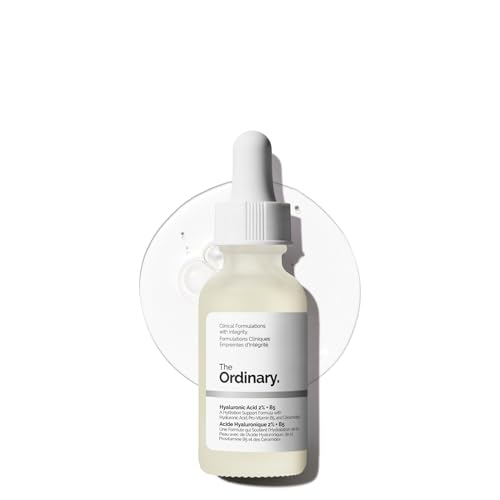

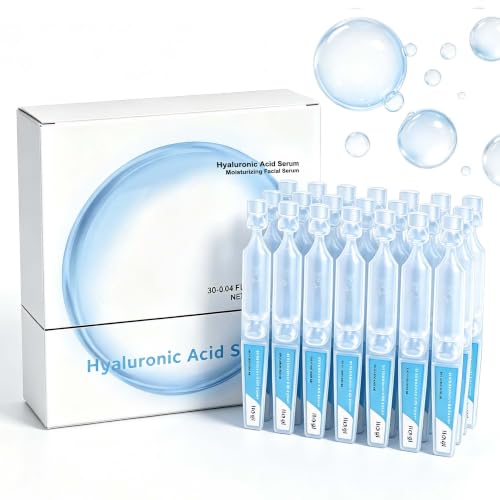

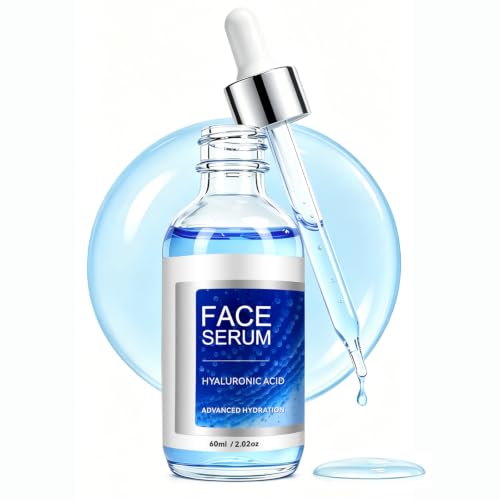
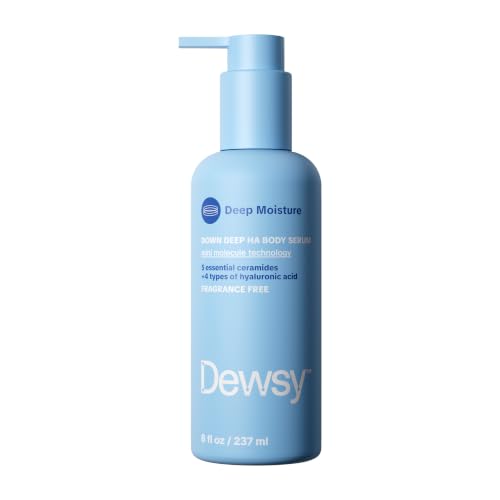

What You Need to Know
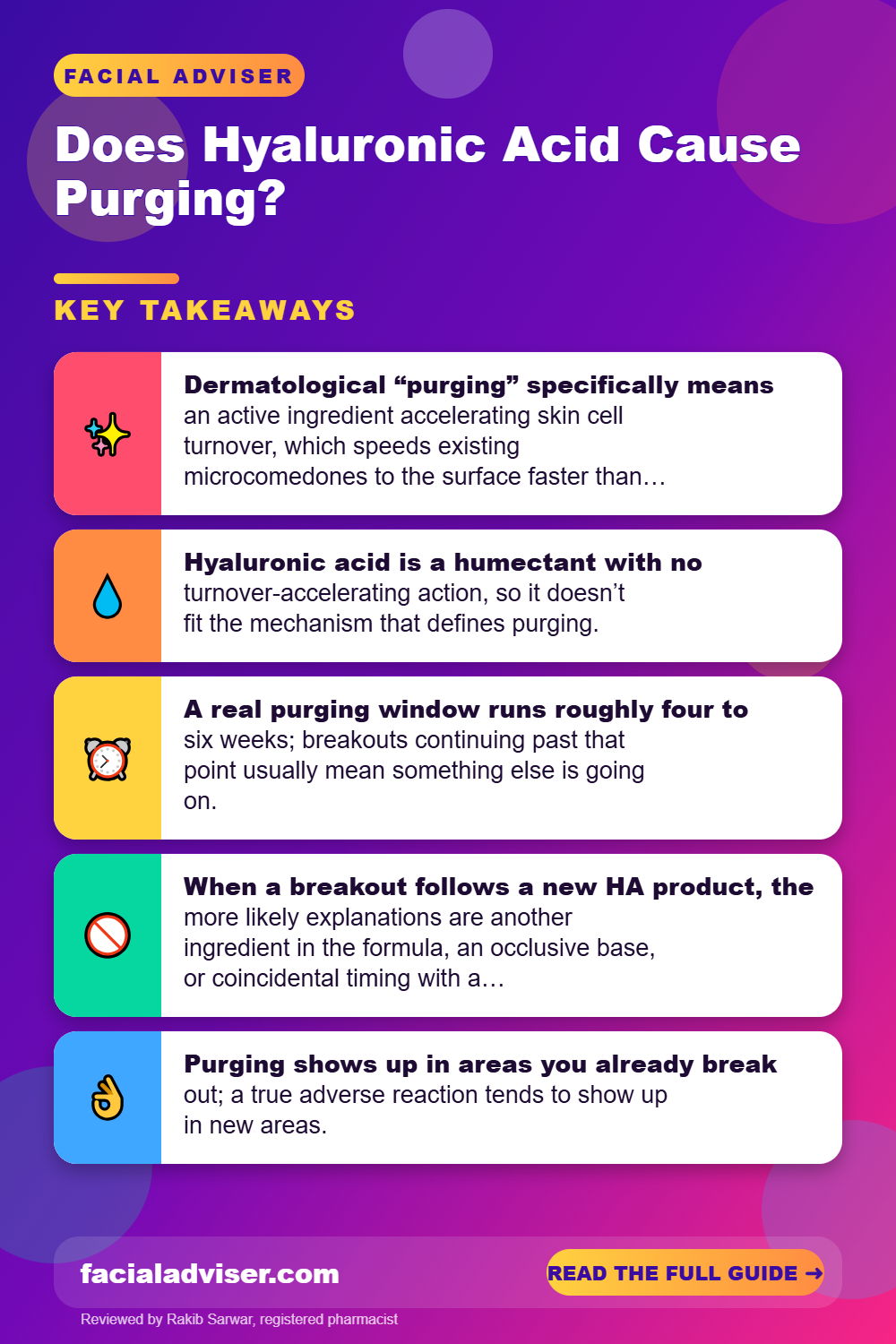
- Dermatological “purging” specifically means an active ingredient accelerating skin cell turnover, which speeds existing microcomedones to the surface faster than they’d otherwise emerge.
- Hyaluronic acid is a humectant with no turnover-accelerating action, so it doesn’t fit the mechanism that defines purging.
- A real purging window runs roughly four to six weeks; breakouts continuing past that point usually mean something else is going on.
- When a breakout follows a new HA product, the more likely explanations are another ingredient in the formula, an occlusive base, or coincidental timing with a different new active.
- Purging shows up in areas you already break out; a true adverse reaction tends to show up in new areas.
Jump To a Section
- What Purging Actually Means, Dermatologically
- The Real Purging Timeline
- Purging vs. a New Breakout
- Why HA Doesn’t Fit the Purging Mechanism
- The Real Culprit: Other Ingredients in the Formula
- The Real Culprit: Occlusion and Heavy Bases
- The Real Culprit: Coincidental Timing
- Do’s and Don’ts When You Suspect Purging
- How to Tell What’s Actually Happening
- Which Ingredients Actually Cause Purging
- When to Actually Stop a Product
- The Honest Limits of What We Know
- Frequently Asked Questions
What Purging Actually Means, Dermatologically
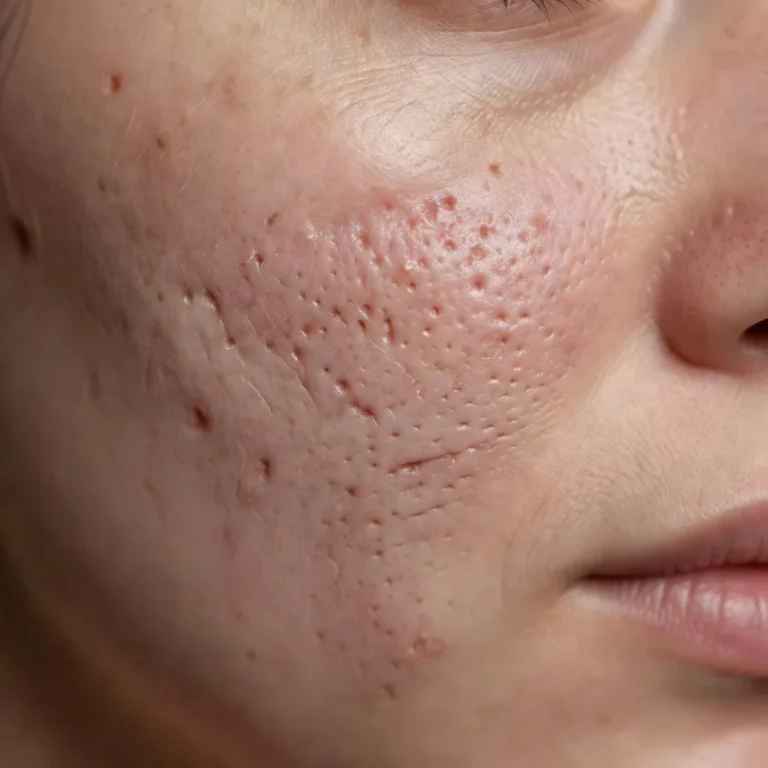
“Purging” gets used loosely online to describe almost any breakout that follows a new skincare product, but dermatologists use it more narrowly. Board-certified dermatologist Dr. Deanne Mraz Robinson describes purging as “a reaction to an active ingredient that is increasing skin cell turnover rate.” That’s the entire mechanism: an ingredient speeds up how fast dead surface cells shed and how fast microcomedones — comedones already forming beneath the skin, invisible to you — get pushed up and out.
Shopping these picks?
Amazon Prime members get fast, free shipping on eligible items, plus Prime Video, Amazon Music and member deals. New members can start with a free trial.
Start a free Prime trialAged 18 to 24? Prime for Young Adults comes with a longer free trial and a lower price after it.
Affiliate link: we may earn a commission at no extra cost to you.
Purging isn’t your skin getting worse from a new product. It’s existing, pre-formed congestion arriving at the surface sooner than it would have on its own. That distinction is the whole reason the term exists separately from “breakout,” and it’s also why the term gets misapplied so often: any temporary flare-up after a routine change gets labeled “purging” in online skincare communities, whether or not the new product actually has a turnover-accelerating mechanism.
Our companion piece on whether hyaluronic acid actually helps acne covers the related question of what HA can and can’t realistically do in an acne-prone routine, which is worth reading alongside this one since the two questions get confused for similar reasons.
The Real Purging Timeline
Dermatologist-cited guidance puts the purging window at roughly four to six weeks — approximately one full skin cell turnover cycle. That’s a genuinely useful, checkable number: if breakouts from a new product are still going strong well past six weeks, that’s a real signal it isn’t purging anymore, and continuing to wait it out isn’t the right call.
This is different from expecting instant clear skin. A product that’s genuinely purging you should show a downward trend by the end of that window, not a flat or worsening one.
Purging vs. a New Breakout
| Signal | Purging | New breakout or reaction |
|---|---|---|
| Location | Areas you already tend to break out | New areas you don’t normally have issues |
| Timeline | Resolves faster than a typical pimple’s lifecycle | Follows the normal 8-10 day pimple maturation |
| Overall trend by week 6 | Improving | Flat or worsening |
| Underlying cause | Existing microcomedones surfacing faster | New irritation, allergy, or occlusion |
Why HA Doesn’t Fit the Purging Mechanism
This is the core, mechanism-based point: hyaluronic acid is a humectant. It binds water; it doesn’t increase keratinocyte turnover, and it has no exfoliating or keratolytic action. Purging is specifically caused by ingredients that accelerate cell turnover — retinoids (the most common cause), AHAs, BHAs, and chemical peels. HA simply doesn’t belong to that category.
No one has run a clinical trial specifically titled “does hyaluronic acid cause purging,” because that’s not really a testable hypothesis worth a dedicated study — the underlying skin biology already answers the question. This is a mechanistic inference rather than a proven negative result, and it’s worth being upfront about that distinction rather than implying a trial has definitively ruled it out.
The Real Culprit: Other Ingredients in the Formula
Checking the full ingredient list — not just the front-of-bottle HA claim — is the most direct way to rule this in or out.
The Real Culprit: Occlusion and Heavy Bases
If the HA you’re using is delivered in a rich, heavy cream base rather than a lightweight gel, some of that base’s other ingredients — certain oils, waxes, or fatty alcohols — can genuinely contribute to clogged pores on acne-prone skin. It’s the base doing that work, not the HA molecule, but the end result on your skin looks identical either way.
A related, subtler version of this is layering an HA serum underneath a heavy occlusive moisturizer or balm in humid conditions, which can trap sweat and sebum against the skin. It’s a plausible contributing mechanism rather than something with its own dedicated clinical trial, but it’s a real, formulation-level explanation worth ruling out before blaming the HA itself.
The Real Culprit: Coincidental Timing
One of the most common real-world explanations is simply timing. People often introduce a new HA serum at the same time they start a new cleanser, a new retinoid, or a new exfoliating toner — and if the retinoid is what’s actually purging them, it’s easy to misattribute that to whichever product feels newest or most unfamiliar, which is frequently the HA serum.
This misattribution pattern shows up constantly in online skincare discussion threads: someone starts a “hydration-focused routine refresh” that quietly includes a new retinoid alongside a new HA serum, breaks out over the following weeks, and credits the HA specifically because it’s the ingredient they were most excited and attentive to. The retinoid, doing exactly what retinoids are expected to do during an adjustment period, gets overlooked because it wasn’t the product driving the purchase decision.
Do’s and Don’ts When You Suspect Purging
Do
- Introduce one new product at a time so you can actually isolate the cause
- Check whether you’re also using a retinoid, AHA, or BHA that could be the real source
- Give a genuinely purging-capable active the full four-to-six-week window before judging it
Don’t
- Assume any breakout after a new HA serum is automatically “purging”
- Keep using a product past six weeks if breakouts are flat or worsening
- Ignore fragrance or preservative ingredients as a possible cause
How to Tell What’s Actually Happening
Check your other products first
List everything currently in your routine and flag anything that’s a retinoid, AHA, BHA, or peel — those are the real purging candidates.Note the location of new blemishes
If they’re appearing in your usual trouble spots, that’s more consistent with purging; new locations point elsewhere.Track the trend, not just the presence, of breakouts
Week-over-week improvement suggests purging running its course; a flat or worsening trend suggests it isn’t.Isolate the HA product for a week
Temporarily drop every other new product and keep only the HA serum to see whether breakouts continue on their own.Reassess at six weeks
If there’s no improving trend by then, stop treating it as purging and treat it as a genuine reaction instead.
Which Ingredients Actually Cause Purging
| Ingredient category | Turnover-accelerating action? | Purging risk |
|---|---|---|
| Retinoids (retinol, tretinoin) | Yes — the most common cause | High, especially in first weeks |
| AHAs (glycolic, lactic acid) | Yes — exfoliates stratum corneum | Moderate |
| BHAs (salicylic acid) | Yes — penetrates and clears follicles | Moderate |
| Hyaluronic acid | No — humectant only | None by mechanism |
When to Actually Stop a Product
This is also the point where checking in with a dermatologist is more useful than continuing to guess from ingredient lists on your own.
The Honest Limits of What We Know
There’s no dedicated study that set out to test “does hyaluronic acid cause purging” as its own research question, and there likely never will be, since the underlying mechanism argument is strong enough that it isn’t really an open question in dermatology. What this article can’t tell you is whether a specific breakout you’re experiencing right now is purging, an allergic reaction, or ordinary acne running its own course — that requires actually tracking your own skin over a few weeks, not applying a general rule to your specific case.
Frequently Asked Questions
Can hyaluronic acid cause purging?
No — purging requires an ingredient that accelerates skin cell turnover, and hyaluronic acid is a humectant with no such mechanism.
How long does purging usually last?
Dermatologist-cited guidance puts the typical window at four to six weeks, roughly one skin cell turnover cycle.
What ingredients actually cause purging?
Retinoids are the most common cause, along with AHAs, BHAs, and chemical peels — all ingredients that increase cell turnover.
Why did I break out after starting a hyaluronic acid serum?
It’s more likely tied to another ingredient in the formula, an occlusive base, or a coincidentally-timed new active than to the hyaluronic acid itself.
How can I tell purging from a new breakout?
Purging tends to appear in your usual trouble spots and improve within a few weeks; a new breakout or reaction tends to appear in new areas and follow a normal pimple lifecycle.
Should I keep using a product if I think it’s purging?
It’s reasonable to continue for up to about six weeks if the trend is improving, but stop if breakouts are flat, worsening, or spreading to new areas.
Does sodium hyaluronate purge skin differently than hyaluronic acid?
No — both are humectants without turnover-accelerating action, so neither fits the mechanism behind purging.
Can fragrance in a hyaluronic acid serum cause breakouts?
Yes — fragrance is a common trigger for irritant or allergic contact dermatitis, and a reaction to it can look like a breakout unrelated to the hyaluronic acid.
Is it normal for skin to look worse before it looks better with a new active?
For genuinely turnover-accelerating actives like retinoids, yes, temporarily — but that pattern doesn’t apply to hyaluronic acid, which has no such mechanism.
Should I see a dermatologist if I’m not sure whether it’s purging?
Yes, especially if breakouts are painful, cystic, or not improving after six weeks — a dermatologist can distinguish purging, irritation, and ordinary acne more reliably than guesswork.

Written by
Registered pharmacist and founder of Facial Adviser. Rakib's pharmacy training covers how skincare actives work and interact; a later course in cosmetology turned that into a focus on facial treatments and skincare products. He plans, researches and edits every guide on the site and checks health claims against sources such as the American Academy of Dermatology, the FDA and the NIH. He is not a dermatologist; see the Editorial Policy and Medical Disclaimer.
About · Editorial policy · How we choose products · Medical disclaimer · Contact
Keep reading: Serums and actives
- 10 Best Facial Serums for Aging Skin (2026): Picks by Concern
- Collagen vs Hyaluronic Acid: What's the Difference?
- Glycolic Acid vs Hyaluronic Acid: Real Differences
- Do Collagen Pills Really Work?
- Does Drinking Collagen Help Your Skin?
- At What Age Should You Start Using Anti-Aging Serum? A Decade-by-Decade Guide
- 10 Best Face Masks for Every Skin Type (2026): Clay, Gel and Sheet
- What Does a Facial Toner Do? The Real Answer