Is Hyaluronic Acid Good for Acne?
Is hyaluronic acid good for acne, or is that actually the wrong question to be asking about this ingredient?
Part of our guide to skincare products. Start with: 10 Best Facial Serums for Aging Skin (2026): Picks by Concern
Hyaluronic acid is a humectant with no antibacterial, anti-inflammatory, or sebum-regulating action — it doesn’t treat any of acne’s real causes. What it can genuinely do is support the skin barrier while you use treatments that actually work.
The strongest, most defensible case for adding it to an acne routine is about staying on treatment, not clearing skin directly: retinoids and benzoyl peroxide are drying by design, and dryness is one of the most common reasons people quit an effective regimen too early.
This guide covers what the evidence actually shows, where HA fits into an acne routine, and why a breakout after starting a new HA product is almost never caused by the HA itself.
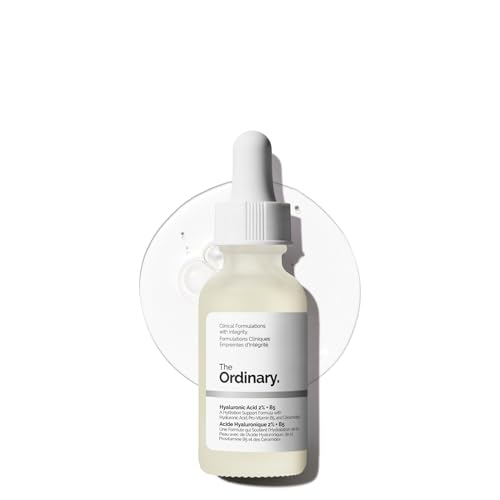
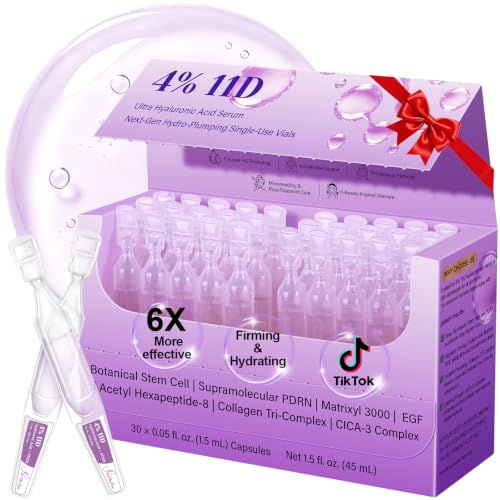
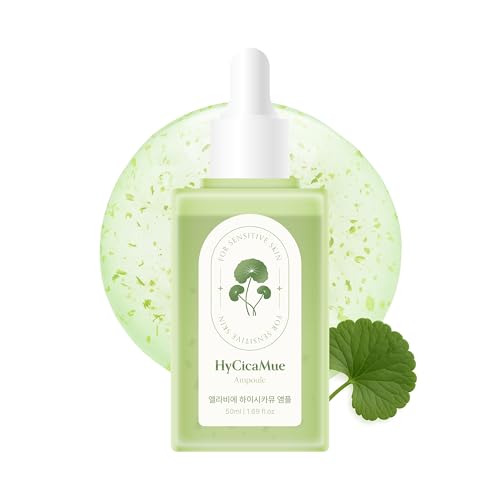
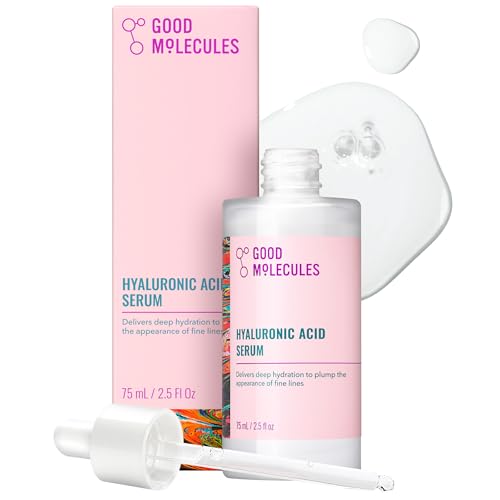
Recommended Non-Comedogenic Hyaluronic Acid Serums


The Core Facts
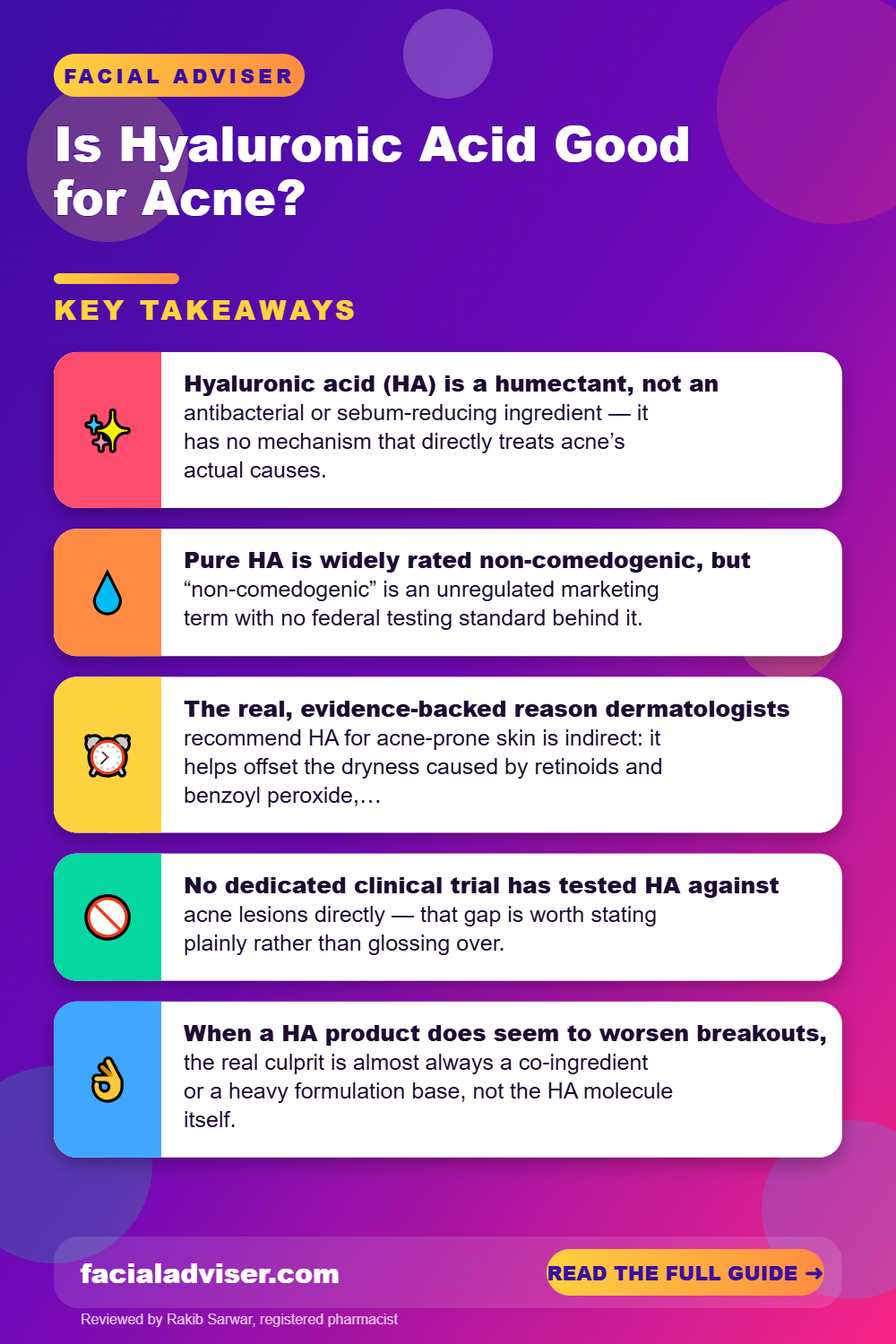
- Hyaluronic acid (HA) is a humectant, not an antibacterial or sebum-reducing ingredient — it has no mechanism that directly treats acne’s actual causes.
- Pure HA is widely rated non-comedogenic, but “non-comedogenic” is an unregulated marketing term with no federal testing standard behind it.
- The real, evidence-backed reason dermatologists recommend HA for acne-prone skin is indirect: it helps offset the dryness caused by retinoids and benzoyl peroxide, which improves how well people stick with treatments that actually work.
- No dedicated clinical trial has tested HA against acne lesions directly — that gap is worth stating plainly rather than glossing over.
- When a HA product does seem to worsen breakouts, the real culprit is almost always a co-ingredient or a heavy formulation base, not the HA molecule itself.
Read By Section
- What Hyaluronic Acid Actually Is
- Why “Good for Acne” Is the Wrong Question to Ask
- Is Hyaluronic Acid Comedogenic?
- The Real Reason Dermatologists Recommend It Anyway
- How HA Compares to Actual Acne Treatments
- What the Evidence Actually Shows
- Do’s and Don’ts for HA on Acne-Prone Skin
- How to Add It to an Acne Routine
- Gel-Cream vs. Occlusive: Which Formula Fits
- When It Can Actually Make Acne Look Worse
- When to See a Dermatologist Instead
- The Honest Limits of What We Know
- Frequently Asked Questions
What Hyaluronic Acid Actually Is
Hyaluronic acid is a glycosaminoglycan — a naturally occurring carbohydrate-based polymer that binds and holds water within skin tissue. It’s already present throughout your body’s connective tissue and skin, and topical HA is added to serums and moisturizers specifically for its humectant action: pulling in and holding onto water molecules. What it is not is an antimicrobial agent, an anti-inflammatory, or something that regulates sebum production. Those are the three biological levers that actually drive acne — bacteria (specifically C. acnes), excess oil production, and follicular inflammation — and HA has no direct action on any of them.
Shopping these picks?
Amazon Prime members get fast, free shipping on eligible items, plus Prime Video, Amazon Music and member deals. New members can start with a free trial.
Start a free Prime trialAged 18 to 24? Prime for Young Adults comes with a longer free trial and a lower price after it.
Affiliate link: we may earn a commission at no extra cost to you.
This matters because “is X good for acne” searches usually assume the ingredient in question does something to the acne itself. HA doesn’t work that way. It’s closer to a supporting-cast ingredient than a lead treatment, and understanding that distinction upfront changes how you should actually use it.
Why “Good for Acne” Is the Wrong Question to Ask
The honest reframe is this: hyaluronic acid doesn’t treat acne, but it can support a routine that does. That’s a meaningfully different claim than “HA helps clear acne,” and the difference matters if you’re deciding whether to spend money on a dedicated HA serum versus a proven acne treatment.
Acne treatment guidance from dermatology sources routinely pairs an active ingredient (a retinoid, benzoyl peroxide, or salicylic acid) with a basic moisturizer and sunscreen — not because the moisturizer treats acne, but because the actual acne treatments are drying and irritating by design, and unmanaged dryness is one of the most common reasons people quit an otherwise effective regimen. HA-based moisturizers fit into that supporting role well because they hydrate without adding pore-clogging oils.
Is Hyaluronic Acid Comedogenic?
Pure hyaluronic acid is widely rated as non-comedogenic on the informal 0-5 comedogenicity scale dermatology references and ingredient databases use — effectively a zero. As a water-binding molecule with no oil content, it doesn’t have an obvious mechanism to clog pores the way a heavy, oil-based ingredient might.
The more useful question isn’t “is HA comedogenic” — it’s “is the finished product comedogenic,” because the HA molecule is rarely sold alone. It’s suspended in a base that includes preservatives, emulsifiers, sometimes silicones or fragrance, and any of those can be the actual problem even when the HA itself is inert.
The Real Reason Dermatologists Recommend It Anyway
The strongest, most defensible case for HA in an acne routine is about adherence, not acne biology directly. Topical retinoids accelerate skin cell turnover and benzoyl peroxide is an oxidizing, keratolytic compound — both are effective specifically because they’re disruptive to the outer skin layer, and both routinely cause dryness, flaking, and irritant contact dermatitis, especially in the first several weeks of use. That irritation is one of the most commonly cited reasons patients stop using an acne treatment before it’s had time to work.
A study looking at ceramide-containing adjunct moisturizers used alongside standard acne treatment found that barrier-supporting skincare improved tolerability and reduced treatment-associated irritation. That study centered ceramides specifically rather than isolating hyaluronic acid, but it illustrates the evidence category HA belongs to: not a treatment on its own, but a barrier-support layer that can make the treatments that do work easier to stay on. Our acne facial guide covers the broader evidence for professional and at-home acne care in more depth, including where in-office extractions and formulated actives fit relative to a basic hydration routine.
Non-adherence isn’t a minor side detail in acne treatment outcomes — it’s frequently the actual reason a proven-effective regimen doesn’t work for a given patient. If a retinoid or benzoyl peroxide routine gets abandoned in week two because of dryness and peeling, the fact that it would have worked at week eight becomes irrelevant. Framed that way, a humectant that measurably improves comfort and tolerability is doing real, if indirect, work toward the acne outcome — just not the work most marketing implies when it says an ingredient is “good for acne.”
How HA Compares to Actual Acne Treatments
Putting hyaluronic acid side by side with the ingredients that actually treat acne makes the mechanism gap concrete rather than abstract.
| Ingredient | Real mechanism | Acts on acne’s causes? |
|---|---|---|
| Hyaluronic acid | Humectant — binds water at the skin surface and upper layers | No — supports barrier only |
| Benzoyl peroxide | Releases free-radical oxygen, kills C. acnes bacteria directly | Yes — antibacterial |
| Salicylic acid | Lipophilic BHA, penetrates into the follicle, dissolves sebum/debris | Yes — targets clogged follicles |
| Topical retinoids | Normalizes keratinocyte turnover, reduces follicular plugging | Yes — prevents comedone formation |
None of this makes HA useless — it just means it occupies a different role in the routine than the ingredients doing the actual clearing work.
What the Evidence Actually Shows
It’s worth being direct about the evidence gap here: there is no dedicated, published randomized controlled trial testing hyaluronic acid against acne lesion counts. That’s a real absence, not a minor footnote, and it’s different from saying HA has been tested and failed — it simply hasn’t been isolated and tested for this specific outcome.
What does exist is a coherent, clinically plausible rationale built from adjacent evidence: barrier-support moisturizers measurably improve tolerability of acne treatments that are proven to work, and HA is one of the more commonly used, low-risk options for that supporting role. The honest framing is that HA’s “acne benefit” is really an adherence benefit one step removed from the treatment itself.
Do’s and Don’ts for HA on Acne-Prone Skin
Do
- Choose a lightweight, gel-based HA serum over a heavy cream if your skin is oily or acne-prone
- Layer HA underneath your acne treatment on damp skin to help offset dryness
- Check the full ingredient list, not just the HA claim, for fragrance or heavy oils
Don’t
- Expect HA alone to clear active breakouts — it isn’t formulated to
- Assume “non-comedogenic” on the label has been independently verified
- Apply HA to bone-dry skin without also sealing in moisture afterward
How to Add It to an Acne Routine
Cleanse first
A gentle, non-stripping cleanser sets up the rest of the routine without adding extra irritation on top of what your acne treatment will cause.Apply HA serum to damp skin
Humectants work best when there’s some surface moisture for them to bind — apply within a minute or two of rinsing, before skin fully dries.Layer your acne treatment
Apply benzoyl peroxide, salicylic acid, or your retinoid per its own instructions — HA underneath doesn’t cancel out an active ingredient’s effect.Seal with a light moisturizer
A thin, non-comedogenic moisturizer on top locks in the HA’s water-binding effect and adds a further buffer against dryness.Patch-test any new product for two weeks
Introduce one new step at a time so that if a breakout follows, you can actually identify which product caused it.
Gel-Cream vs. Occlusive: Which Formula Fits
The formula HA is delivered in matters more for acne-prone skin than the HA itself.
| Formula type | Typical texture | Best fit |
|---|---|---|
| Water-based gel serum | Light, absorbs quickly, no residue | Oily and acne-prone skin |
| Gel-cream hybrid | Slightly richer, still fast-absorbing | Combination or normal skin |
| Heavy occlusive cream | Thick, sits on the surface, slow to absorb | Very dry, non-acne-prone skin only |
Choosing the lighter end of that spectrum reduces the odds that the delivery vehicle — rather than the HA — ends up contributing to congestion.
When It Can Actually Make Acne Look Worse
There’s also a subtler mechanism: applying a thin, low-molecular-weight HA product to already-dry skin without sealing moisture in afterward can, in low-humidity conditions, pull water toward the surface where it evaporates rather than staying put — a paradoxical dehydration effect that can trigger reactive oiliness. It’s a real, if minor, formulation issue rather than proof HA is bad for acne-prone skin generally.
When to See a Dermatologist Instead
If breakouts are persistent, painful, cystic, or leaving lasting marks, that’s a signal to see a board-certified dermatologist rather than continuing to adjust over-the-counter moisturizers on your own. A dermatologist can prescribe treatments with actual proven acne efficacy — oral or topical retinoids, hormonal therapy where relevant, or antibiotics for inflammatory acne — and can help you build a barrier-support routine around whichever active treatment fits your skin.
Worsening acne alongside new or spreading redness, pain, or fever is also worth a same-week appointment rather than a wait-and-see approach, since those can signal a more significant skin infection rather than ordinary acne.
The Honest Limits of What We Know
No isolated trial tests hyaluronic acid against acne outcomes directly, which means every claim in this space — including the adjacent, adherence-based rationale laid out above — is an inference from related evidence rather than a dedicated finding. It’s also worth being honest that skin responds individually: a formulation that’s a non-issue for one acne-prone reader could genuinely aggravate another’s skin, and no ingredient-level generalization substitutes for watching your own skin’s response.
Frequently Asked Questions
Does hyaluronic acid clog pores?
Pure hyaluronic acid is rated non-comedogenic and has no oil content that would clog pores directly, but the finished product’s other ingredients and its overall formula weight can still be a factor for acne-prone skin.
Can I use hyaluronic acid with benzoyl peroxide?
Yes — applying a hyaluronic acid serum before benzoyl peroxide is a common way to offset the dryness benzoyl peroxide causes, and it doesn’t reduce the benzoyl peroxide’s antibacterial effect.
Will hyaluronic acid clear my acne on its own?
No — it has no antibacterial, anti-inflammatory, or sebum-regulating action, so it isn’t formulated or evidenced to clear active breakouts by itself.
Is hyaluronic acid safe for oily skin?
Yes, and a lightweight gel-based HA serum is generally a better fit for oily or acne-prone skin than a heavier cream formula.
Why did my skin break out after I started using a HA serum?
It’s more likely tied to another ingredient in that specific product, a heavy formulation base, or a coincidentally-timed new active ingredient than to the hyaluronic acid molecule itself.
Should I use hyaluronic acid before or after my acne treatment?
Most guidance places a hydrating HA serum before the active acne treatment, applied to slightly damp skin, with a moisturizer layered on top afterward to seal everything in.
Does hyaluronic acid help with acne scars?
It can offer temporary surface plumping that may make texture look smoother, but it doesn’t rebuild collagen or resolve structural acne scarring on its own.
Is there a difference between hyaluronic acid and sodium hyaluronate on labels?
Sodium hyaluronate is the salt form of hyaluronic acid, generally smaller in molecular size and often used in formulas aiming for somewhat deeper penetration, though both function as humectants.
Can hyaluronic acid make oily skin oilier?
Not directly — but a heavy, occlusive HA-containing cream applied to already oily skin could contribute to a greasier feel, which is a formulation issue rather than something inherent to the HA molecule.
How long does it take to see if hyaluronic acid is helping my routine?
Since its role is hydration and barrier support rather than direct acne treatment, most people notice a comfort and tolerability difference within one to two weeks of consistent use alongside their actual acne treatment.

Written by
Registered pharmacist and founder of Facial Adviser. Rakib's pharmacy training covers how skincare actives work and interact; a later course in cosmetology turned that into a focus on facial treatments and skincare products. He plans, researches and edits every guide on the site and checks health claims against sources such as the American Academy of Dermatology, the FDA and the NIH. He is not a dermatologist; see the Editorial Policy and Medical Disclaimer.
About · Editorial policy · How we choose products · Medical disclaimer · Contact
Keep reading: Serums and actives
- 10 Best Facial Serums for Aging Skin (2026): Picks by Concern
- Does Hyaluronic Acid Cause Purging?
- Collagen vs Hyaluronic Acid: What's the Difference?
- Glycolic Acid vs Hyaluronic Acid: Real Differences
- Do Collagen Pills Really Work?
- Does Drinking Collagen Help Your Skin?
- 10 Best Facial Cleansers for Combination Skin (2026): Balanced Picks
- 10 Best Facial Moisturizers for Dry Skin (2026): Rich, Gentle Creams