Skincare for Flights: How to Protect Your Skin on a Plane
Many people step off a plane with tight, dull or dehydrated skin. Cabin air is very dry, often below 20 percent humidity, which is drier than most deserts. Add recycled air, pressure changes, poor sleep and travel stress, and it is no surprise your face looks tired after a long flight.
I am Rakib Sarwar, a registered pharmacist with a cosmetology course. I am not a dermatologist, so I focus on practical, low-risk steps and avoid big claims. This guide is for general information and is not medical advice.
The good news is that you do not need a huge routine. A gentle cleanse, a good moisturizer, sunscreen and plenty of water will cover most of what helps. What matters most is keeping the routine simple and avoiding new products on travel days, because stressed skin can react unexpectedly.
Black Friday is coming: shop the deals with Prime
I wrote this for people who fly occasionally as well as frequent travelers, so the steps scale up or down. A short domestic flight needs very little, while a long overnight route benefits from a few extra steps.
Travel days are stressful enough, so I focus on steps that cost little and take only minutes.
Below you will find why flights dry out skin, what to do before, during and after a flight, what to pack in a carry-on, common mistakes, who should check with a doctor, and seven travel-friendly skincare types people often use.
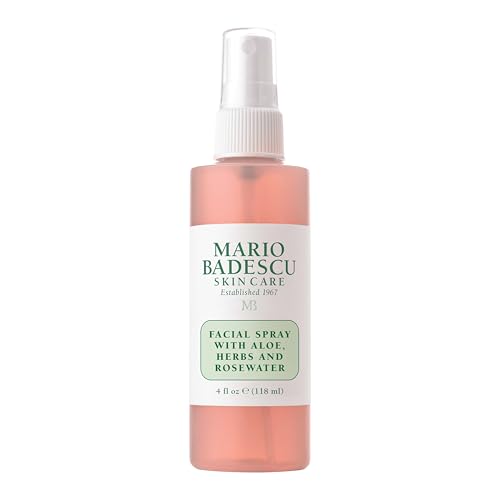
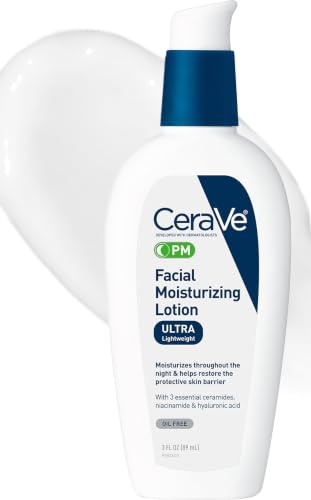
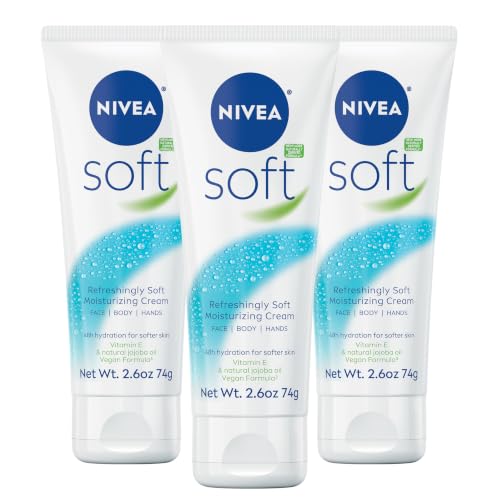
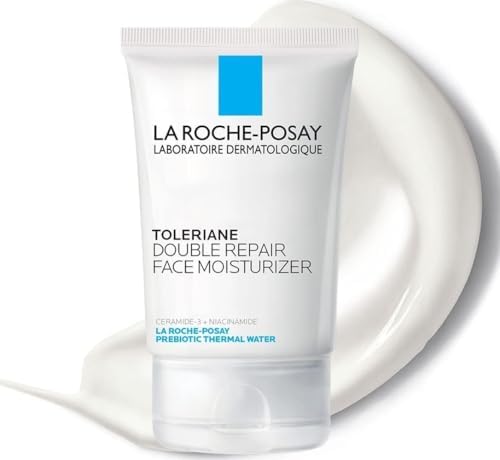
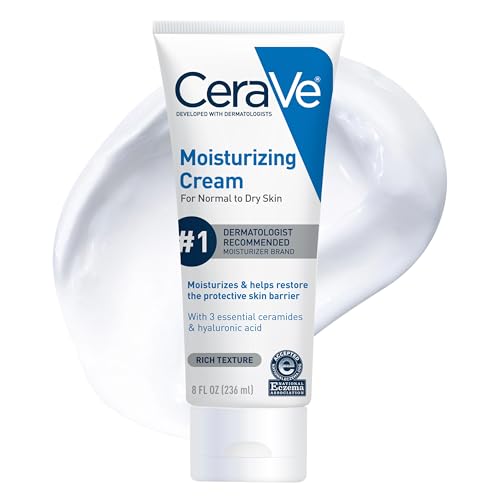
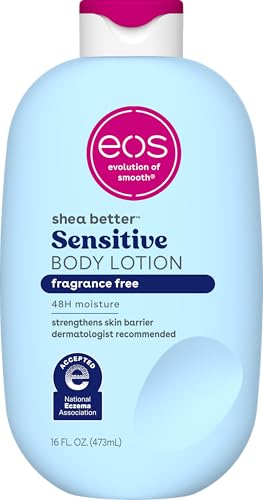
Travel-Friendly Skincare People Often Pack

What This Covers
- Why Flying Dries Out Your Skin
- Before the Flight
- During the Flight
- Sunscreen on a Plane
- A Simple Flight Skincare Routine
- What to Pack in Your Carry-On
- After You Land
- Common Mistakes
- Flying With Sensitive or Troubled Skin
- Who Needs Extra Care
- Honest Limits
- When to See a Professional
- Questions People Ask
- Summing Up
What to Know First
- Cabin air is very dry and can pull water from your skin.
- Start the flight with clean, moisturized skin and little makeup.
- Drink water and limit alcohol and caffeine.
- Apply a rich moisturizer before and during the flight, and a lip balm.
- Sunscreen helps because UV can come through plane windows.
- Use travel-size products within carry-on liquid limits.
- Do not try new products or strong actives on a flight day.
Why Flying Dries Out Your Skin
Cabin humidity is usually far lower than the humidity at home. Low humidity speeds up water loss from the skin surface, which is called transepidermal water loss. Skin can feel tight, rough or flaky, and fine lines can look more obvious.
Other factors add to the problem. Recycled air, air conditioning vents, long hours of sitting and little water intake all contribute. Alcohol and caffeine can make you feel more dehydrated.
Some people also notice more breakouts or irritation after a flight, often from stress, touching the face and sleeping badly.
Pressurized cabins are also set to an altitude equivalent of several thousand feet, which can affect how you feel in general. Dry mouth, dry eyes and a stuffy nose are common, and skin often goes along with them.
If you wear contact lenses, lubricating drops and glasses for long flights can be more comfortable than lenses.
Long flights also disturb your sleep pattern. Sleep is when skin repairs itself, so a night of poor sleep can leave you looking tired no matter how good your routine is.
Before the Flight
Start with a gentle cleanse and a moisturizer you already know. Avoid exfoliating, peels and strong retinoids for a day or two before you fly, since they can leave skin more sensitive.
Drink water in the hours before the flight. Eat a balanced meal and avoid salty snacks and too much alcohol the night before.
Wear little or no makeup, or choose a light, easy-to-remove formula. Heavy foundation can feel uncomfortable in dry air.
Plan a little time at the airport to cleanse and moisturize if you have a layover. Many people find that a quick wash and fresh layer of cream halfway through a long journey makes a big difference to comfort.
If you wear sunscreen to the airport, remember that it usually lasts a few hours. For long journeys, carry a small tube so you can reapply before stepping out at your destination.

During the Flight
The simplest rule is to keep drinking water. Sip regularly rather than waiting until you feel thirsty. Limit alcohol and caffeine, which can add to dehydration.
Reapply a rich moisturizer or a balm to dry areas, especially the cheeks, hands and lips. A hydrating face mist can feel pleasant, but mists alone evaporate quickly, so follow with a moisturizer to lock in the water.
Sheet masks are popular on planes, but they are not necessary. If you use one, choose a simple hydrating mask and follow with a moisturizer. Avoid touching your face with unwashed hands.
| Step | Why | Tip |
|---|---|---|
| Drink water | Replaces lost fluid | Sip regularly |
| Moisturizer | Reduces water loss | Rich cream on cheeks and hands |
| Lip balm | Lips dry quickly | Reapply often |
| Face mist | Feels refreshing | Seal with moisturizer |
| Hand cream | Hands dry from sanitizers | Small tube in carry-on |
Seat choice can matter. A seat away from vents helps if blowing air dries your face, and an aisle seat makes it easier to stand and stretch. Walk around when you can, since movement helps circulation.
A neck pillow and an eye mask can improve rest, which supports your skin. If you use an eye mask, make sure it is clean to avoid irritation.
Sunscreen on a Plane
Window seats receive UV radiation at altitude. Some studies show that UVA can pass through plane windows, so daytime flights are a good reason to wear sunscreen, especially if you sit by a window.
Apply an SPF 30 or higher broad-spectrum sunscreen before boarding. Reapply if you spend long hours in the sun at your destination.
Sunscreen matters even more if you land somewhere sunny. Many travelers are caught out by strong sun on the first day after a long flight, when skin is already dry and sensitive.
A Simple Flight Skincare Routine
Keep it short so you actually use it. This routine works for most skin types.
Cleanse gently before leaving
Use your usual mild cleanser and skip exfoliants.
Apply moisturizer and sunscreen
Moisturize well and add SPF 30 or higher in the daytime.
Drink water on the flight
Sip regularly and limit alcohol.
Re-moisturize midway
Apply a rich cream or balm to dry areas.
Cleanse when you arrive
Wash off the day and apply a fresh layer of moisturizer.
Rest and rehydrate
Drink water and sleep as much as you can.
Pack a small tube of a rich cream or balm. It serves as a face, hand and lip moisturizer in one.
Do not try new actives like retinoids, acids or peels right before or during a flight. Travel can leave skin more reactive.
What to Pack in Your Carry-On
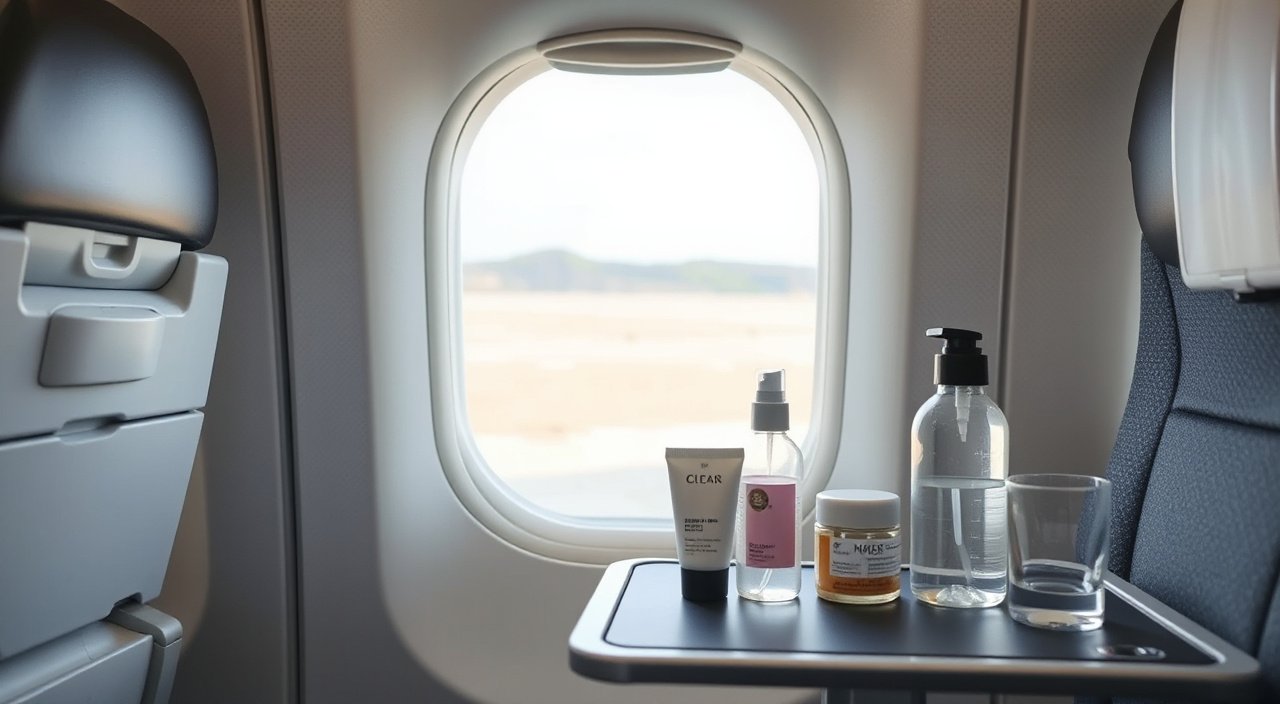
Check airline liquid rules before you pack. In many countries liquids in carry-on bags must be 100 ml or less per container and fit in a clear bag. Solid products and balms are usually easier.
Useful items include a gentle cleansing wipe, a moisturizer, a lip balm, a hand cream and a small sunscreen. Choose fragrance-free products if your skin is sensitive.
| Item | Why | Note |
|---|---|---|
| Moisturizer | Reduces dryness | Travel tube or jar |
| Lip balm | Protects lips | Balm sticks are easy |
| Sunscreen | Daytime flights | Small tube |
| Hand cream | Dry hands | Solid or tube |
| Facial mist | Quick refresh | Optional, follow with moisturizer |
Decant products into small, leak-proof containers if you cannot find travel sizes, and place them in a sealed bag in case pressure changes cause leaks. Keep essentials like lip balm and a small moisturizer in an easy-to-reach pocket so you can use them during the flight.
If you travel often, build a permanent small kit and restock it after each trip so you never have to repack from scratch.
After You Land
Cleanse gently to remove cabin grime and sweat, and moisturize again. If your skin feels tight, apply a thicker cream at night. Give your skin a day or two before returning to strong actives.
Hydrate, rest and get some daylight. Sleep and a normal routine help skin recover faster than any product.
If you changed time zones, adapt your routine to local time as soon as possible. Morning light and meals at local times help your body clock adjust, and your skin will follow.
Common Mistakes
Wearing heavy makeup, skipping water and drinking a lot of alcohol are the most common problems. Another mistake is using many new products at once, which can irritate travel-stressed skin.
Do not rely on mists alone, since water evaporates in dry air. Pair them with a moisturizer. Also avoid touching your face, since airplane surfaces carry germs.
A further mistake is applying a very thick layer of oil without moisturizer underneath. Oils help seal in moisture but do not replace a water-based moisturizer.
Finally, avoid skipping meals and relying on snacks and coffee. What you eat and drink on a trip affects how your skin looks the next day.
Flying With Sensitive or Troubled Skin
If you have eczema, rosacea or acne, keep your usual treatments in your carry-on and use them as prescribed. Do not skip prescribed medicine because you are traveling.
People with rosacea may notice flushing from temperature changes, spicy airline meals and alcohol. Keep your routine gentle and drink water. People with eczema often do well with a rich fragrance-free cream applied several times during a long flight.
If you are prone to breakouts, avoid touching your face and bring gentle cleansing wipes for a quick refresh. Do not pick at spots on a flight, since public and shared surfaces carry germs.
Pregnant travelers should follow their doctor’s advice on flying and on which skin products are suitable.
Who Needs Extra Care
Helps
- People with dry or sensitive skin
- Frequent flyers on long routes
- Anyone who gets tight skin in dry air
- Travelers with eczema who keep their routine simple
- People who want a low-effort routine
Backfires
- People who plan to try new strong actives on the flight
- Anyone with a skin condition who has not asked a doctor
- People allergic to common skincare ingredients
- Those who use heavy fragrance on sensitive skin
- Anyone expecting skincare to prevent jet lag
If you have eczema or another skin condition, keep your usual treatment in your carry-on and ask your doctor about travel.
Honest Limits
Skincare cannot undo the effects of a long flight, poor sleep or dehydration. It can only make your skin more comfortable.
Medicines and liquids over the airline limit may need special handling. Check airline and airport rules before you travel.
This guide is general information and not personal medical advice.
Product listings, prices and ratings change often, so check the current Amazon page before buying.
Everyone reacts differently to flying, and some people notice no change in their skin at all.
Use this guide as a starting point, adjust it to your own skin, and keep whatever works best for you on future trips.
When to See a Professional
See a doctor if you have a rash, swelling, severe itching or signs of infection after travel. Long flights can also raise the risk of blood clots, so seek medical help for leg pain or swelling.
This article is for general information only and is not medical advice. It does not replace a visit to a doctor or pharmacist. I am a registered pharmacist with a cosmetology course, not a dermatologist.
Questions People Ask
Why does my skin get dry on a plane?
Cabin air is very low in humidity, which pulls water from the skin.
Should I wear makeup on a flight?
Less is better. Choose light, easy-to-remove products.
Do face mists work on planes?
They feel refreshing, but water evaporates quickly. Follow with a moisturizer.
Do I need sunscreen on a plane?
Yes, especially by a window on a daytime flight.
Are sheet masks worth it on a plane?
They are optional. A simple hydrating mask followed by moisturizer is fine.
How much water should I drink?
Sip regularly through the flight and limit alcohol and caffeine.
Can I bring skincare in my carry-on?
Yes, within airline liquid limits, usually 100 ml per container.
What should I do after landing?
Cleanse gently, moisturize and rest.
Can flying cause breakouts?
Stress, touching your face and dry air can contribute.
When should I see a doctor?
See a doctor for rashes, swelling or leg pain after travel.
Summing Up
You cannot control cabin air, but you can control how your skin is prepared. Start clean, hydrate, moisturize and wear sunscreen, and keep your routine simple.
If you notice a rash, swelling or other worrying symptoms after travel, see a doctor.

Written by
Registered pharmacist and founder of Facial Adviser. Rakib's pharmacy training covers how skincare actives work and interact; a later course in cosmetology turned that into a focus on facial treatments and skincare products. He plans, researches and edits every guide on the site and checks health claims against sources such as the American Academy of Dermatology, the FDA and the NIH. He is not a dermatologist; see the Editorial Policy and Medical Disclaimer.
About · Editorial policy · How we choose products · Medical disclaimer · Contact
Turn skincare time into me-time with a free audiobook