Do You Need a pH-Balancing Toner? When It Helps, When It Does Not
Toners used to have one job: to restore the skin’s natural acidity after washing with harsh, alkaline bar soap. Today, the shelf is full of toners that claim to balance pH, prep the skin, tighten pores and boost absorption. It is hard to know whether you need one at all, let alone when to use it.
Part of our guide to skincare products. Start with: What Does a Facial Toner Do? The Real Answer
Most people do not need a pH-adjusting toner. Healthy skin surface pH sits around 4.5 to 5.5, and modern gentle cleansers are usually formulated close to that range, so skin recovers quickly on its own. A toner is worth using if you wash with alkaline soap, if you want to add hydrating or soothing ingredients in a light layer, or if you use an exfoliating toner with acids for oily or acne-prone skin. Alcohol-heavy, fragranced toners can do more harm than good.
The skin’s slightly acidic surface, sometimes called the acid mantle, helps keep the barrier strong and supports healthy skin bacteria. Very alkaline products can temporarily raise that pH, which is why old-fashioned soap left skin feeling tight. But the skin buffers itself, and within a few hours the pH usually drifts back to normal.
The American Academy of Dermatology’s face-washing advice focuses on a gentle, alcohol-free cleanser, lukewarm water, patting dry and moisturising. A toner is not part of that basic routine, which tells you it is optional rather than essential for most people.
This guide explains what pH-balancing really means, who might benefit from a toner, how to choose one and how to use it without irritating your skin.
Shopping these picks?
Amazon Prime members get fast, free shipping on eligible items, plus Prime Video, Amazon Music and member deals. New members can start with a free trial.
Start a free Prime trialAged 18 to 24? Prime for Young Adults comes with a longer free trial and a lower price after it.
Affiliate link: we may earn a commission at no extra cost to you.
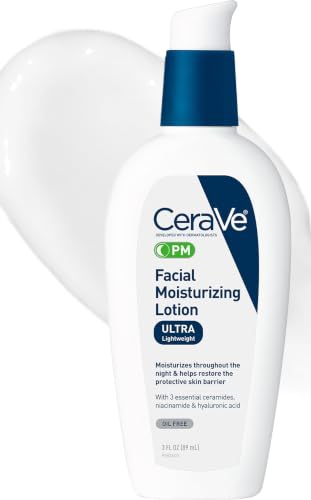
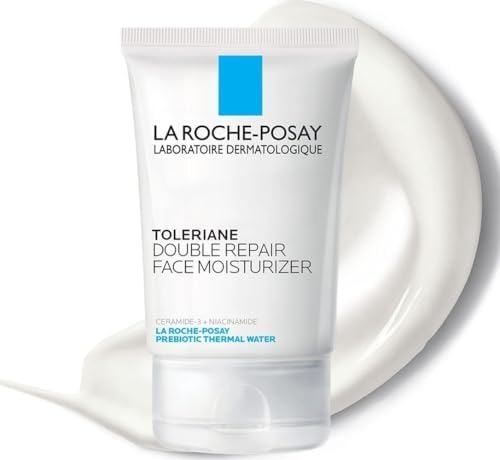
Recommended Gentle Toners and Low-pH Cleansers



In Brief
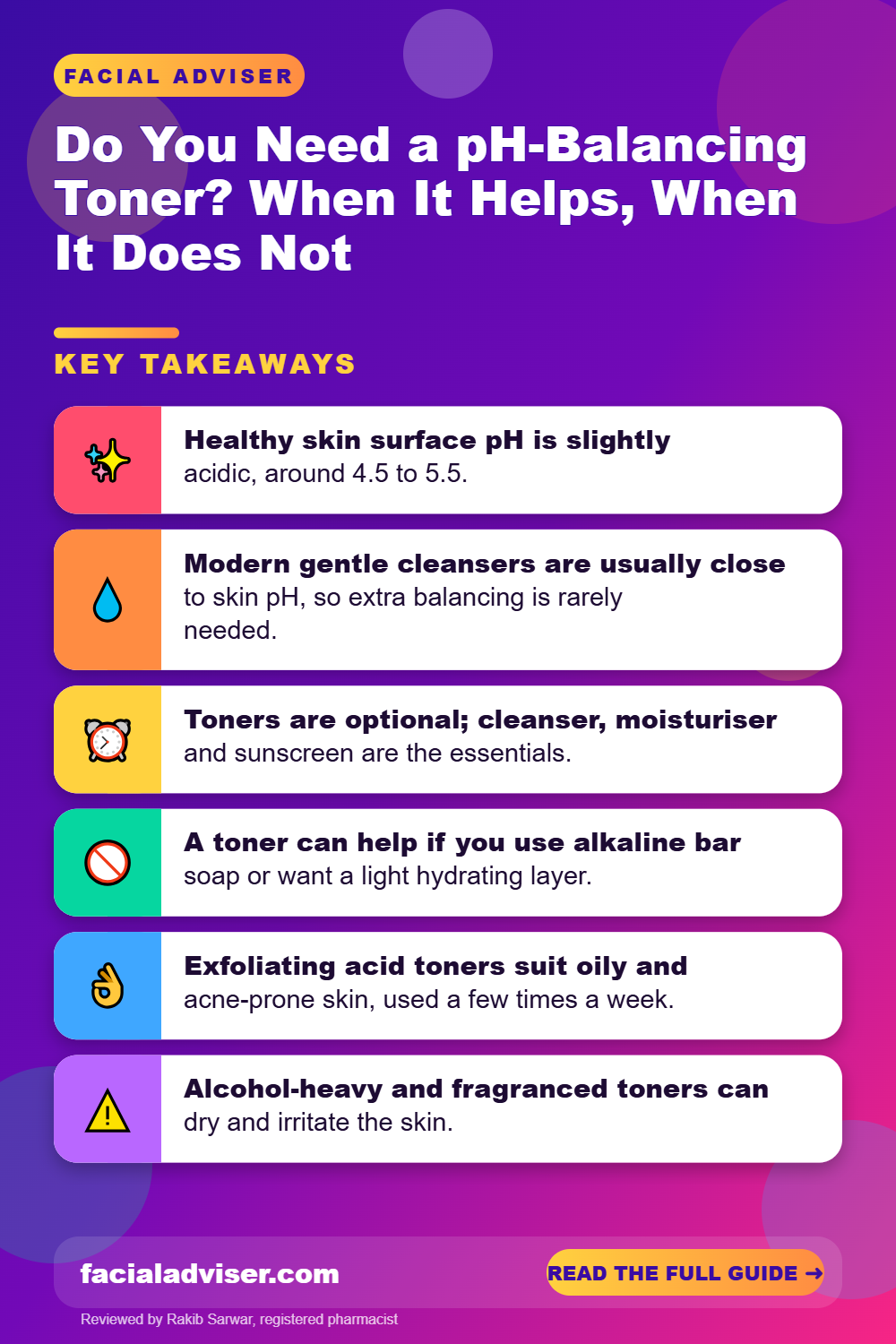
- Healthy skin surface pH is slightly acidic, around 4.5 to 5.5.
- Modern gentle cleansers are usually close to skin pH, so extra balancing is rarely needed.
- Toners are optional; cleanser, moisturiser and sunscreen are the essentials.
- A toner can help if you use alkaline bar soap or want a light hydrating layer.
- Exfoliating acid toners suit oily and acne-prone skin, used a few times a week.
- Alcohol-heavy and fragranced toners can dry and irritate the skin.
- If a toner stings or causes redness, stop using it.
What This Covers
- What Skin pH Is and Why It Matters
- Who Might Benefit From a Toner
- Types of Toner and What They Do
- How to Use a Toner Without Irritating Your Skin
- Toner Ingredients to Be Careful With
- Choosing a Cleanser That Makes Toner Unnecessary
- Exfoliating Toners: Useful, but Easy to Overdo
- Common Toner Claims, Checked
- Toner by Skin Type
- Where Toner Fits in Your Routine
- Honest Limits
- When to See a Dermatologist
- Common Questions
- Final Word
What Skin pH Is and Why It Matters
pH measures how acidic or alkaline something is on a scale of 0 to 14, with 7 being neutral. The outer surface of healthy skin is mildly acidic. This acidity supports the enzymes that build the skin barrier and helps keep the balance of skin bacteria healthy.
| Product or substance | Typical pH | Effect on skin |
|---|---|---|
| Healthy skin surface | About 4.5 to 5.5 | Normal, slightly acidic |
| Traditional bar soap | About 9 to 10 | Can leave skin tight and raise pH briefly |
| Syndet (soap-free) cleansers | Often 5 to 7 | Gentle; close to skin pH |
| Hydrating toners | Often 5 to 6 | Minimal effect on pH |
| Acid exfoliating toners | About 3 to 4 | Exfoliate; can irritate if overused |
| Tap water | Around 7, varies | Neutral; hard water can leave residue |
Values vary by product, so these are typical ranges rather than rules. The key point is that most modern face cleansers are much gentler than the soap bars toners were originally designed to follow.
The skin also has its own buffering system. Sweat, natural oils and substances made by skin cells help return the surface to its usual acidity after washing, typically within a few hours. That is why a single alkaline wash does not cause lasting harm to healthy skin, although repeated use of harsh soap, especially in people with eczema or very dry skin, can keep the barrier under strain.
Who Might Benefit From a Toner
- People who wash with bar soap: a gentle toner can help skin feel less tight afterwards, though switching to a gentle cleanser is a better fix.
- Dry or dehydrated skin: a hydrating toner adds a light layer of humectants such as glycerin or hyaluronic acid before moisturiser.
- Oily or acne-prone skin: a salicylic acid toner can help keep pores clear.
- People in hard-water areas: a toner can remove leftover cleanser or mineral residue.
- Anyone who likes the ritual: if you enjoy it and your skin tolerates it, there is no harm.
If none of these apply, you can skip toner entirely and focus on the essentials: a gentle cleanser, a moisturiser and daily sunscreen.
It is also worth being realistic about what a toner adds. A hydrating toner is essentially a thin moisturising layer; a good moisturiser often does the same job. An exfoliating toner is an active treatment, and should be treated with the same care as any other acid product.
Types of Toner and What They Do
| Type | Main ingredients | Best for | Use |
|---|---|---|---|
| Hydrating toner | Glycerin, hyaluronic acid, panthenol | Dry, normal, sensitive skin | Once or twice daily |
| Soothing toner | Centella, allantoin, niacinamide | Redness-prone skin | Once or twice daily |
| BHA exfoliating toner | Salicylic acid | Oily, acne-prone skin | A few times a week |
| AHA exfoliating toner | Glycolic, lactic acid | Dullness, uneven texture | A few times a week |
| Astringent toner | Alcohol, witch hazel | Rarely recommended | Can dry and irritate |
Our comparison of facial sprays and toners explains how these products differ from face mists.
How to Use a Toner Without Irritating Your Skin
Cleanse first
Wash with a gentle cleanser and pat your skin dry.
Apply a small amount
Pour a few drops into your palms or onto a soft cotton pad.
Press or sweep gently
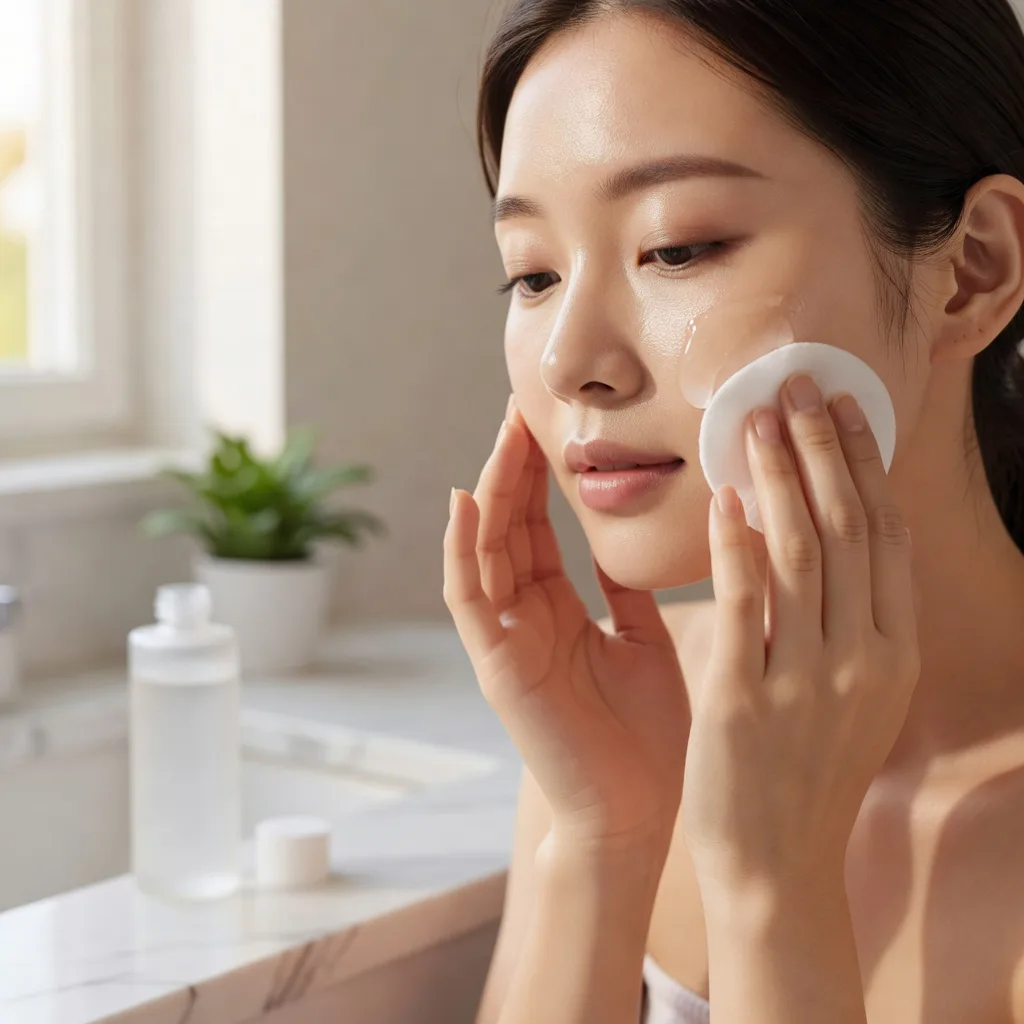
Press into the skin with your hands, or sweep lightly with a pad. Do not rub hard.
Follow with serum or moisturiser
Apply your next step while skin is still slightly damp.
Space out acid toners
Use exfoliating toners a few times a week, not every day at first, and not on the same night as a retinoid.
Watch for irritation
Stop if you notice stinging, redness or peeling.
Applying a hydrating toner with your hands rather than a cotton pad wastes less product and avoids friction on sensitive skin.
Toner Ingredients to Be Careful With
Try This
- Choose alcohol-free formulas
- Look for glycerin, hyaluronic acid, panthenol
- Pick fragrance-free if you are sensitive
- Use acid toners a few times a week
- Patch test new toners
Avoid This
- Use high-alcohol astringents daily
- Choose heavily fragranced toners
- Layer acid toners with retinoids
- Rub hard with cotton pads
- Use toner on broken or irritated skin
Toners containing a lot of alcohol, menthol, essential oils or strong fragrance can strip the skin and trigger irritation, particularly on sensitive or dry skin.
Choosing a Cleanser That Makes Toner Unnecessary
The simplest way to protect skin pH is to use a gentle, soap-free cleanser in the first place. The AAD recommends a gentle, non-abrasive cleanser that does not contain alcohol, lukewarm water and fingertips rather than washcloths (AAD).
Our guide to hydrating versus foaming cleansers can help you pick the right one for your skin type.
Exfoliating Toners: Useful, but Easy to Overdo
Toners with salicylic, glycolic or lactic acid are the only type that genuinely change how the skin behaves over time. They loosen dead skin and help keep pores clear. Their low pH is part of how they work.
Start with a lower-strength product two or three times a week, apply it only where you need it, and follow with moisturiser. Build up slowly over a few weeks if your skin stays comfortable.
Because they are easy to apply daily, it is also easy to overdo them, especially if you use other actives. Our guide on peeling after new products explains the signs that your skin needs a break.
If you use a retinoid at night, keep acid toners for the morning or alternate nights, and do not use both on sensitive areas at the same time.
Common Toner Claims, Checked
- Toners close pores: pores do not open and close; some toners temporarily tighten the skin surface.
- You must use toner to balance pH: healthy skin rebalances itself; gentle cleansers barely disturb it.
- Toner helps serums absorb: slightly damp skin can help spread products, but the effect is small.
- Toner removes leftover dirt: it can remove residue, but a good cleanser should already do this.
None of these make toner harmful, but they explain why it is an optional step rather than a necessary one.
Marketing also leans on terms such as pH-perfect, balancing and prepping, which sound technical but have no agreed definition. A more useful question is simply whether the toner contains anything your skin needs, such as humectants for dryness or salicylic acid for clogged pores, and whether it leaves out ingredients that tend to irritate.
Toner by Skin Type
If you decide a toner fits your routine, match it to your skin rather than to the pH claim on the bottle.
| Skin type | Good toner choice | How often | Skip |
|---|---|---|---|
| Dry | Hydrating toner with glycerin or hyaluronic acid | Once or twice daily | Alcohol and astringents |
| Oily | Light hydrating toner or BHA toner | BHA two to four times a week | Heavy alcohol formulas that trigger rebound oil |
| Combination | Hydrating toner all over; BHA only on the T-zone | As needed | Acid toner on dry cheeks |
| Sensitive | Fragrance-free soothing toner, or none | Once daily at most | Fragrance, essential oils, strong acids |
| Acne-prone | Salicylic acid toner | A few evenings a week | Stacking with other strong actives |
If you have combination skin, our guide to an oily T-zone with dry cheeks shows how to use different products on different zones.
Where Toner Fits in Your Routine
When you use a toner, it goes straight after cleansing and before serums, moisturiser and sunscreen. A simple order looks like this: cleanser, toner, serum if you use one, moisturiser, then sunscreen in the morning.
Thin, watery layers go on first and thicker creams last, which lets each layer spread easily. If you use an essence, it usually sits in the same spot as toner, and you rarely need both. Our guide to the difference between essence and serum explains how these light layers compare.
If your routine already feels long, toner is one of the easiest steps to drop. Fewer products means fewer chances of irritation and makes it simpler to work out what is actually helping.
Honest Limits
Research on how much skin pH affects skin health day to day is still developing, and short-term changes after washing are usually temporary. Claims that a toner will transform your skin by balancing pH are not well supported.
If you enjoy using a toner and your skin tolerates it, it can be a pleasant part of your routine. If not, leaving it out will not harm your skin.
If you are on a budget, spending on a well-formulated moisturiser and a sunscreen you enjoy wearing every day will give you far more benefit than adding a toner. You can always add one later if your skin needs extra hydration or you want a gentle exfoliating step.
When to See a Dermatologist
- Your skin stings, burns or turns red with most products, including gentle ones.
- You have persistent dryness, flaking or itching despite a simple routine.
- Acne is not improving with over-the-counter treatments.
- You suspect an allergy to a skincare ingredient.
This article is for general information and does not replace professional medical advice. See a dermatologist for persistent skin concerns.
Common Questions
What is a pH-balancing toner?
A toner formulated to be slightly acidic, like healthy skin, often used after cleansing.
Do I need a toner after cleansing?
Usually not. Gentle cleansers are close to skin pH, so toner is optional.
What is the normal pH of skin?
The skin surface is slightly acidic, usually around 4.5 to 5.5.
Can toner damage skin?
Alcohol-heavy or fragranced toners can dry and irritate skin, especially sensitive skin.
Should I use toner morning or night?
Hydrating toners can be used either or both; acid toners are usually best a few evenings a week.
Does toner close pores?
No. Pores do not open and close, although some toners briefly tighten the skin surface.
Is a hydrating toner the same as an essence?
They are similar; both are light, watery layers of hydrating ingredients.
Can I use toner with retinol?
Hydrating toners are fine; avoid acid toners on the same night as a retinoid.
Is witch hazel toner good for skin?
It can be drying and irritating for some people, especially in alcohol-based formulas.
Does hard water mean I need a toner?
A gentle toner can remove residue, but a soap-free cleanser and good rinsing matter more.
Final Word
pH-balancing toners were designed for an era of harsh soap. With today’s gentle cleansers, most people’s skin rebalances on its own, and a toner is an optional extra rather than an essential step.
If you do use one, choose an alcohol-free, fragrance-free hydrating toner, or an acid toner a few times a week for oily or acne-prone skin. Stop anything that stings or causes redness, and put your effort into a gentle cleanser, a good moisturiser and daily sunscreen first.

Written by
Registered pharmacist and founder of Facial Adviser. Rakib's pharmacy training covers how skincare actives work and interact; a later course in cosmetology turned that into a focus on facial treatments and skincare products. He plans, researches and edits every guide on the site and checks health claims against sources such as the American Academy of Dermatology, the FDA and the NIH. He is not a dermatologist; see the Editorial Policy and Medical Disclaimer.
About · Editorial policy · How we choose products · Medical disclaimer · Contact
Keep reading: Toners, mists and sunscreen
- Why Does My Toner Sting Sometimes? Causes and What to Do
- Should Men Use Toner? When It Helps and When to Skip It
- Are Facial Sprays Useful? What Face Mists Can and Cannot Do
- What Does a Facial Toner Do? The Real Answer
- Facial Mist vs Toner: Differences, Benefits and Whether to Use Both
- 10 Best Face Masks for Every Skin Type (2026): Clay, Gel and Sheet
- 10 Best Facial Cleansers for Combination Skin (2026): Balanced Picks