Is Alcohol Always Bad in Skincare? Good vs Drying Alcohols
You turn over a moisturiser labelled gentle and see cetearyl alcohol near the top of the ingredient list. Should you put it back? Alcohol has a bad reputation in skincare, and many people avoid anything with the word in its ingredients. But the term covers very different substances.
Part of our guide to skincare routines and ingredients. Start with: Best Skin Care Routine: Simple AM and PM Steps for Every Skin Type
Alcohol is not always bad in skincare. Fatty alcohols such as cetyl, stearyl and cetearyl alcohol are waxy, moisturising ingredients that help creams feel smooth and are generally well tolerated. Simple, volatile alcohols such as ethanol, alcohol denat. and isopropyl alcohol can dry and irritate skin when used in high amounts, especially on dry or sensitive skin. Small amounts in a well-formulated product are usually fine; alcohol-heavy toners and astringents are the main ones to avoid.
The confusion comes from chemistry. In chemistry, an alcohol is any molecule with a particular structure, so the name covers both a quick-evaporating liquid like the alcohol in hand sanitiser and a soft, waxy ingredient used to thicken creams. On a label, both simply appear as alcohols.
The American Academy of Dermatology recommends alcohol-free cleansers for everyday face washing and suggests people with rosacea avoid products containing alcohol. Those recommendations refer to drying, simple alcohols, not the fatty alcohols that help moisturisers work.
This guide explains how to tell the types apart on a label, when drying alcohols are a problem, when they may be acceptable, and how to balance them in a routine.
Shopping these picks?
Amazon Prime members get fast, free shipping on eligible items, plus Prime Video, Amazon Music and member deals. New members can start with a free trial.
Start a free Prime trialAged 18 to 24? Prime for Young Adults comes with a longer free trial and a lower price after it.
Affiliate link: we may earn a commission at no extra cost to you.
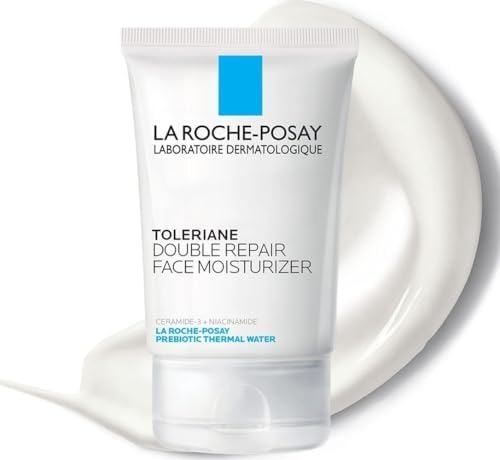
Recommended Alcohol-Free and Gentle Skincare


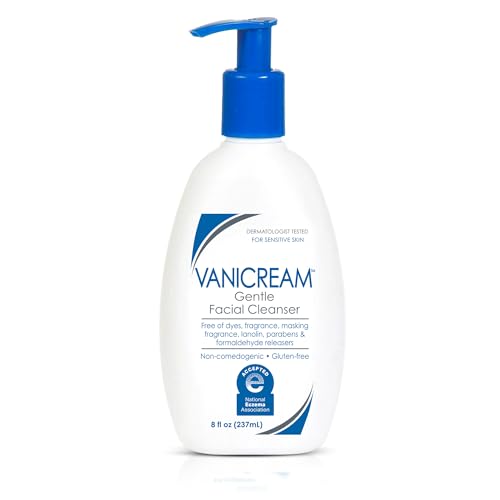

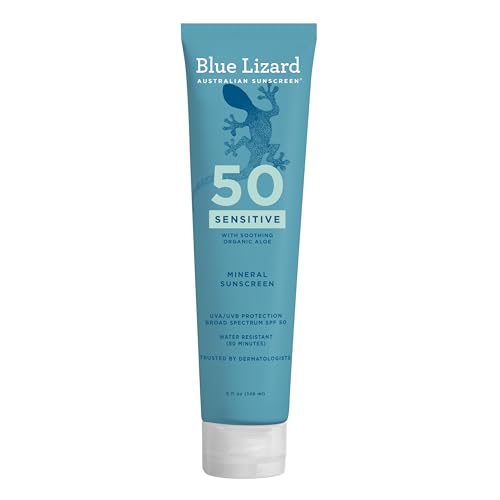
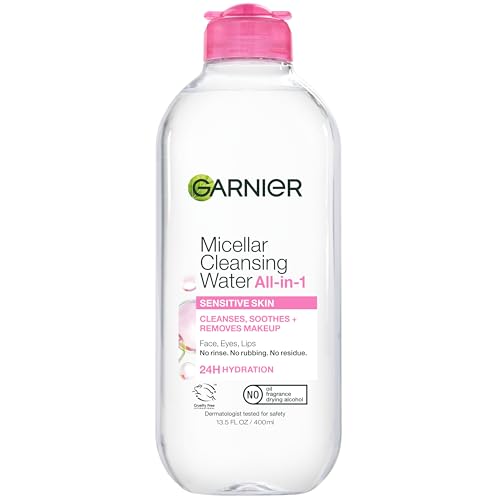
In Brief
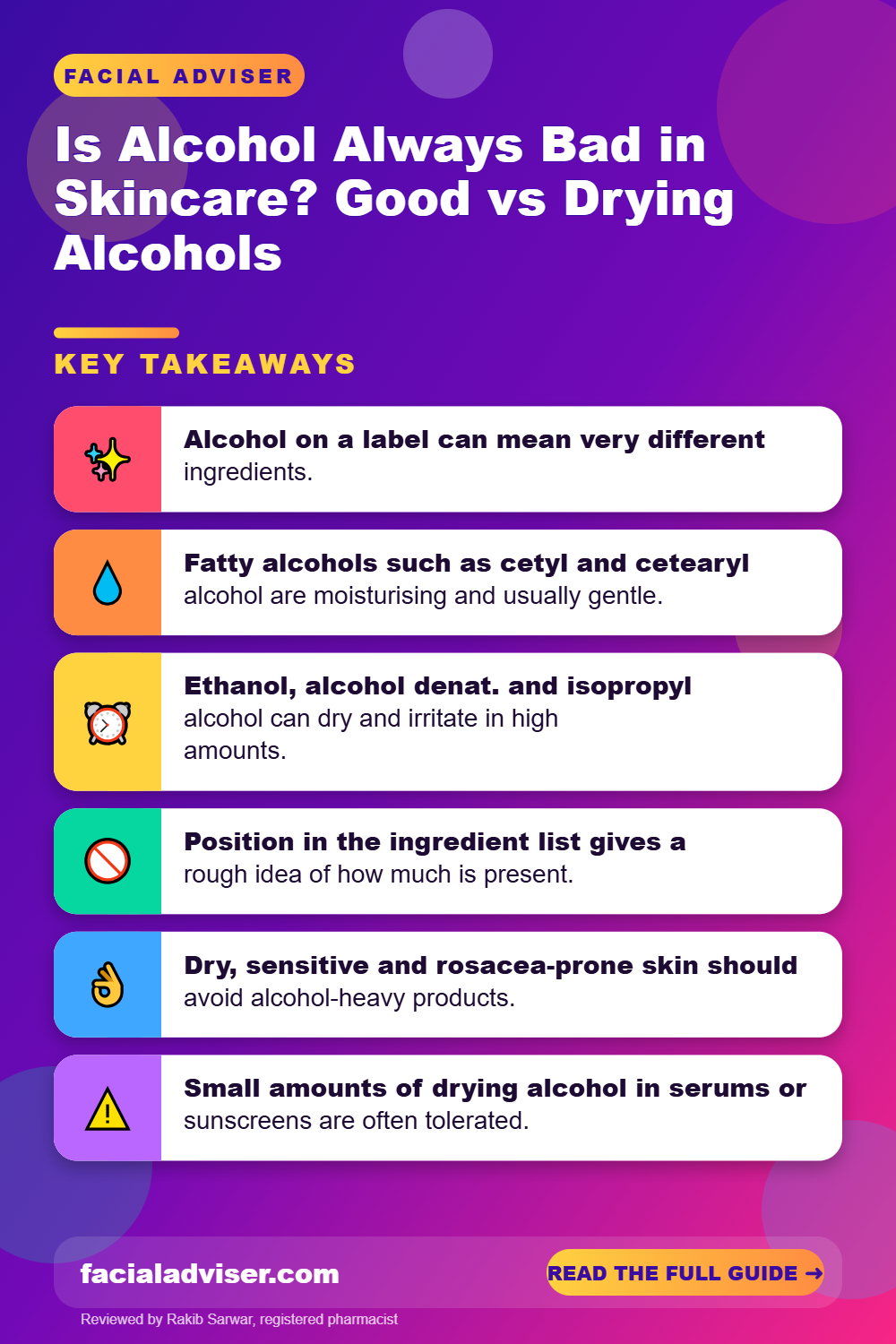
- Alcohol on a label can mean very different ingredients.
- Fatty alcohols such as cetyl and cetearyl alcohol are moisturising and usually gentle.
- Ethanol, alcohol denat. and isopropyl alcohol can dry and irritate in high amounts.
- Position in the ingredient list gives a rough idea of how much is present.
- Dry, sensitive and rosacea-prone skin should avoid alcohol-heavy products.
- Small amounts of drying alcohol in serums or sunscreens are often tolerated.
- Alcohol-free labels usually refer to drying alcohols, not fatty alcohols.
What This Covers
- Types of Alcohol in Skincare
- Why Drying Alcohols Are Used
- How to Check a Product for Drying Alcohol
- Who Should Avoid Drying Alcohols
- When Alcohol May Be Fine
- What Alcohol-Free Really Means
- Toners and Astringents: The Main Culprits
- Alcohol and Your Skin Type
- Spot Treatments, Sanitiser and Other Special Cases
- Balancing Alcohol With Moisture
- Honest Limits
- When to See a Dermatologist
- FAQ
- The Bottom Line
Types of Alcohol in Skincare
| Type | Label names | What it does | Effect on skin |
|---|---|---|---|
| Fatty alcohols | Cetyl, stearyl, cetearyl, behenyl alcohol | Thicken and soften creams, help stabilise formulas | Generally moisturising and gentle |
| Simple alcohols | Alcohol, ethanol, alcohol denat., SD alcohol | Help products dry fast, feel light and penetrate | Can dry and irritate in high amounts |
| Isopropyl alcohol | Isopropyl alcohol | Solvent, antiseptic | Drying; rarely suitable for the face |
| Benzyl alcohol | Benzyl alcohol | Preservative, sometimes fragrance component | Usually fine in small amounts; can irritate some people |
| Glycols | Propylene glycol, butylene glycol | Humectants and solvents | Usually well tolerated |
Glycols are technically alcohols too, but they act mainly as humectants and solvents. Most people tolerate them well, although a small number of people are sensitive to propylene glycol.
A useful shortcut is to learn the handful of fatty alcohol names: cetyl, stearyl, cetearyl, behenyl, myristyl and lauryl alcohol. If alcohol stands alone, or appears as alcohol denat., SD alcohol, ethanol or isopropyl alcohol, it is a simple, potentially drying alcohol.
Why Drying Alcohols Are Used
Simple alcohols are not added to cause harm. They help products feel light and fast-drying, dissolve ingredients that do not mix with water, help some actives penetrate, and give a matte finish on oily skin. That is why they appear in many sunscreens, gel serums, spot treatments and toners.
The problem is dose and skin type. In high concentrations, used every day, they can strip lipids from the outer layer of skin, weaken the barrier and leave skin tight, dry and more reactive.
Alcohol can also increase how much of other ingredients reach deeper layers of the skin. That can be useful for delivering an active, but it also means fragrance or other irritants in the same product may be more likely to cause a reaction in sensitive skin.
A product labelled for oily skin that feels instantly cool and tight on application often contains a lot of simple alcohol. That tight feeling is not the same as clean or balanced skin.
How to Check a Product for Drying Alcohol
Find the ingredient list
Turn the product over and read the full list, not the front label.
Look for simple alcohol names
Search for alcohol, alcohol denat., SD alcohol, ethanol or isopropyl alcohol.
Check the position
If one appears in the first few ingredients, the product likely contains a lot of it.
Ignore fatty alcohols
Cetyl, stearyl, cetearyl and behenyl alcohol are not drying.
Consider the product type
Leave-on toners and astringents matter more than a small amount in a sunscreen.
Judge by how your skin feels
Tightness, stinging or flaking after use are signs to switch.
If you are unsure, apply the product to one side of your face for a week and compare how that side feels after washing. Tightness on the tested side suggests the product is too drying for you.
Who Should Avoid Drying Alcohols
Helps
- Choose alcohol-free toners if you are dry or sensitive
- Pick cream or lotion textures if your skin is dry
- Check sunscreens if your skin stings
- Use fatty-alcohol-based moisturisers freely
- Patch test alcohol-based spot treatments
Backfires
- Use alcohol-heavy astringents daily
- Apply high-alcohol products to broken skin
- Use them on eczema or rosacea flares
- Stack several alcohol-based products
- Assume the tight feeling means skin is clean
The AAD advises people with rosacea to avoid products containing alcohol, along with camphor, fragrance and menthol (AAD). The same caution makes sense for eczema, very dry skin and a damaged skin barrier. Our guide to repairing your skin barrier explains how to calm skin that has become reactive.
When Alcohol May Be Fine
For people with oily skin, a small amount of simple alcohol in a gel moisturiser or sunscreen can help it feel light and dry down quickly without causing problems. In spot treatments applied to small areas, alcohol is often used to help the active ingredient work.
Context matters. An alcohol-based product used once a day on oily skin and followed by a moisturiser is very different from an alcohol toner used twice daily on dry, sensitive skin.
Climate plays a part too. In hot, humid weather, a light alcohol-containing gel can feel refreshing and cause no problems, while the same product in a cold, dry winter may leave skin tight. Adjusting how often you use it with the seasons is a simple way to keep the benefits without the dryness.
What Alcohol-Free Really Means
Products labelled alcohol-free usually mean they do not contain ethanol or other simple, drying alcohols. They may still contain fatty alcohols, which is perfectly normal and not a sign of misleading labelling.
If you are avoiding alcohol for medical, religious or personal reasons, check the full ingredient list and contact the manufacturer if you need certainty about specific ingredients.
Labelling rules vary by country, and alcohol-free is not a tightly defined term everywhere. Reading the ingredient list yourself is always more reliable than a front-of-pack claim.
Some fragrances are dissolved in alcohol. A fragranced product can contain alcohol even if it is not obvious from the front label.
Toners and Astringents: The Main Culprits
Traditional toners and astringents for oily skin often contain a high proportion of alcohol, sometimes with witch hazel and menthol. They leave skin feeling squeaky and cool, but can strip it and trigger more oiliness and irritation over time.
If you like the refreshed feeling of a toner, a splash of cool water or an alcohol-free hydrating toner gives a similar sensation without the drying effect.
Modern hydrating toners are usually alcohol-free and based on humectants such as glycerin. Our guide on whether you need a pH-balancing toner explains when a toner is worth using at all.
Alcohol and Your Skin Type
| Skin type | Simple alcohols | Fatty alcohols |
|---|---|---|
| Oily | Small amounts often fine; avoid alcohol-heavy astringents | Fine |
| Combination | Fine in light products on the T-zone; avoid on dry cheeks | Fine |
| Normal | Usually tolerated in moderation | Fine |
| Dry | Best kept low or avoided | Helpful in creams |
| Sensitive or rosacea-prone | Best avoided | Usually fine |
| Eczema-prone | Best avoided, especially on flares | Usually fine |
If you have combination skin, you may tolerate an alcohol-based gel on the oily T-zone but not on drier cheeks. Our guide to an oily T-zone with dry cheeks covers zone-by-zone care.
Spot Treatments, Sanitiser and Other Special Cases
Some products use alcohol for a specific reason. Spot treatments may contain alcohol to help the active ingredient dry quickly and stay where it is applied. Used on a small area once or twice a day, this is usually fine, although it can leave a small dry patch.
Hand sanitiser is another common source of alcohol on the face, transferred when you touch your skin. It is not meant for facial use, and repeatedly rubbing sanitiser-covered hands on the face can dry and irritate the skin. Letting it dry fully before touching your face helps.
Aftershaves and some fragranced body sprays are also high in alcohol. If you shave, an alcohol-free, fragrance-free aftershave balm is kinder to freshly shaved skin, which is already slightly irritated.
Balancing Alcohol With Moisture
If you like a product that contains some simple alcohol, such as a favourite sunscreen or gel serum, you do not necessarily need to give it up. Pairing it with a good moisturiser, using it once a day rather than twice, and avoiding other drying products in the same routine often keeps the skin comfortable.
Watch the overall load. A single product with a little alcohol is rarely a problem; an alcohol toner, an alcohol-based serum, an alcohol-heavy sunscreen and a harsh cleanser together can add up to a lot of drying for the skin to cope with. If your skin feels tight, review the whole routine rather than blaming one product.
Honest Limits
Research on the long-term effects of small amounts of alcohol in skincare is limited, and some studies suggest that in well-formulated products with moisturising ingredients, alcohol may be less drying than its reputation suggests. Individual tolerance varies widely.
Much of the strong advice online against all alcohol comes from lumping fatty and simple alcohols together, which makes many excellent moisturisers look suspicious when they are not. Equally, some brands downplay the drying effect of high-alcohol formulas. Looking at the specific ingredient, its position on the list and how your own skin responds gives a far more accurate picture than a blanket rule.
The practical approach is to avoid alcohol-heavy products if you have dry, sensitive or reactive skin, and not to worry about fatty alcohols or small amounts of simple alcohol if your skin is comfortable.
When to See a Dermatologist
- Products sting or burn even when they are alcohol-free.
- You have persistent dryness, redness or flaking.
- You suspect an allergy to an ingredient.
- You have rosacea or eczema that is not well controlled.
This article is for general information and does not replace professional medical advice. See a dermatologist for persistent irritation or skin conditions.
FAQ
Is alcohol bad in skincare?
Not always. Fatty alcohols are moisturising; high levels of simple alcohols can be drying.
Is cetearyl alcohol bad for skin?
No. It is a fatty alcohol that helps soften skin and thicken creams, and is usually well tolerated.
What does alcohol denat. mean?
It is denatured ethanol, a simple alcohol that can be drying in high amounts.
Is alcohol in sunscreen bad?
Small amounts are often fine; if your skin stings or feels tight, try an alcohol-free formula.
Should oily skin use alcohol toners?
They can over-strip skin; gentler, alcohol-free options are usually better.
Does alcohol-free mean no alcohol at all?
Usually it means no simple, drying alcohols; fatty alcohols may still be present.
Is benzyl alcohol safe?
It is a common preservative and usually fine, though some people are sensitive to it.
Can alcohol cause breakouts?
It can irritate skin and trigger more oiliness in some people, which may contribute to breakouts.
Is alcohol bad for rosacea?
Yes. The AAD advises people with rosacea to avoid products containing alcohol.
How do I know how much alcohol is in a product?
Look at its position in the ingredient list; near the top suggests a high amount.
The Bottom Line
Alcohol in skincare is not one thing. Fatty alcohols like cetyl and cetearyl alcohol are gentle, moisturising ingredients, while simple alcohols such as alcohol denat. can dry and irritate skin when used in high amounts.
Check the name and position on the label, avoid alcohol-heavy toners and astringents if your skin is dry or sensitive, and judge products by how your skin feels. If your skin stays comfortable, a little alcohol in a well-made product is rarely a problem.

Written by
Registered pharmacist and founder of Facial Adviser. Rakib's pharmacy training covers how skincare actives work and interact; a later course in cosmetology turned that into a focus on facial treatments and skincare products. He plans, researches and edits every guide on the site and checks health claims against sources such as the American Academy of Dermatology, the FDA and the NIH. He is not a dermatologist; see the Editorial Policy and Medical Disclaimer.
About · Editorial policy · How we choose products · Medical disclaimer · Contact
Keep reading: Skincare routine basics
- Best Skin Care Routine: Simple AM and PM Steps for Every Skin Type
- Best Skincare Layering Order for Beginners: Simple AM and PM Routines
- Waterless Skincare: Real Benefits and Marketing Myths
- How to Adjust Your Skincare Routine for Seasonal Changes
- How to Look After Your Skin on Travel Days
- How to Simplify Your Skincare Routine Without Losing Results