How to Repair Your Skin Barrier Fast: A Realistic Plan
Your usual moisturiser suddenly stings. Your skin feels tight within minutes of washing, looks red and shiny at the same time, and even water seems to irritate it. Products you have used for months are now a problem. These are classic signs that the skin barrier, the outer protective layer, has been damaged.
Part of our guide to skincare products. Start with: 10 Best Facial Moisturizers for Dry Skin (2026): Rich, Gentle Creams
To repair a damaged skin barrier quickly, stop all actives such as retinoids, acids, vitamin C and scrubs, and switch to a bare-minimum routine: a gentle fragrance-free cleanser, a moisturiser with ceramides, glycerin or petrolatum applied to damp skin, and a mineral sunscreen. Many people feel noticeably calmer within a few days, but full repair usually takes two to four weeks. Reintroduce actives slowly, one at a time, only once your skin feels comfortable.
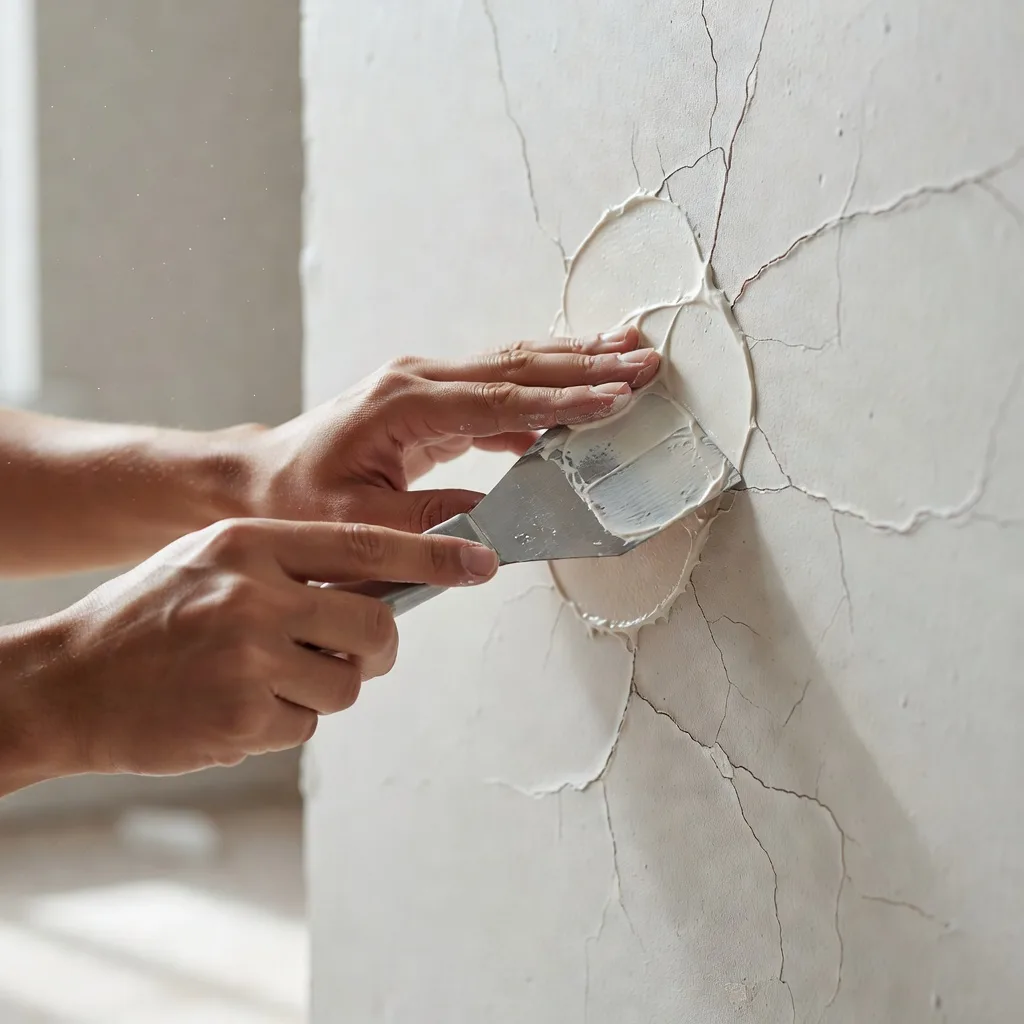
The barrier is often compared to a brick wall. Skin cells are the bricks and a mix of lipids, including ceramides, cholesterol and fatty acids, is the mortar. When that mortar is stripped by over-exfoliation, harsh cleansers, hot water or cold, dry air, water escapes more easily and irritants get in, leading to dryness, stinging and redness.
The American Academy of Dermatology’s advice for dry skin covers much of what a damaged barrier needs: short showers in warm rather than hot water, gentle fragrance-free cleansers, moisturiser applied while skin is still damp, and creams or ointments rather than lighter lotions.
This guide explains how to recognise barrier damage, a day-by-day plan to calm it, the ingredients that help, and how to avoid damaging it again.
Shopping these picks?
Amazon Prime members get fast, free shipping on eligible items, plus Prime Video, Amazon Music and member deals. New members can start with a free trial.
Start a free Prime trialAged 18 to 24? Prime for Young Adults comes with a longer free trial and a lower price after it.
Affiliate link: we may earn a commission at no extra cost to you.
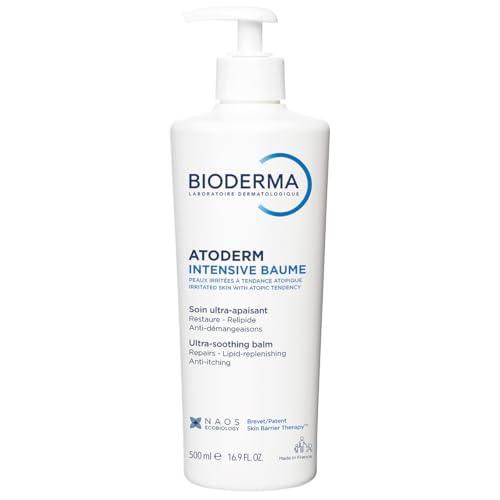
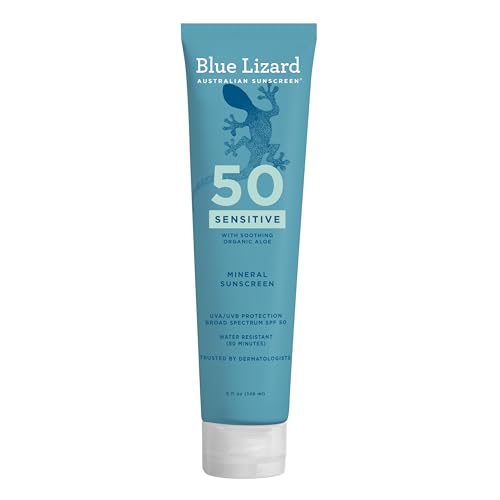
Recommended Products for Barrier Repair

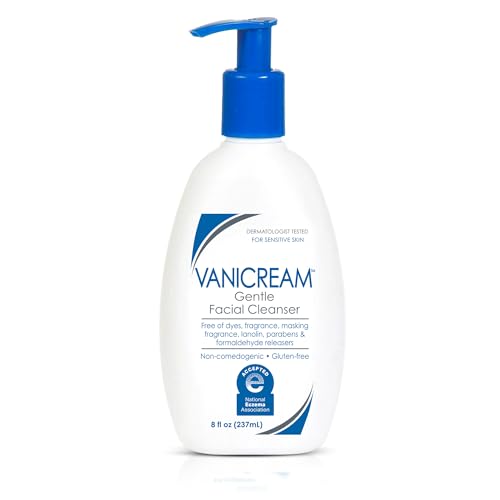
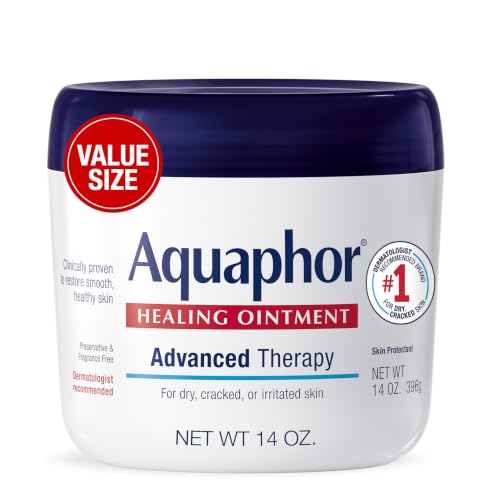
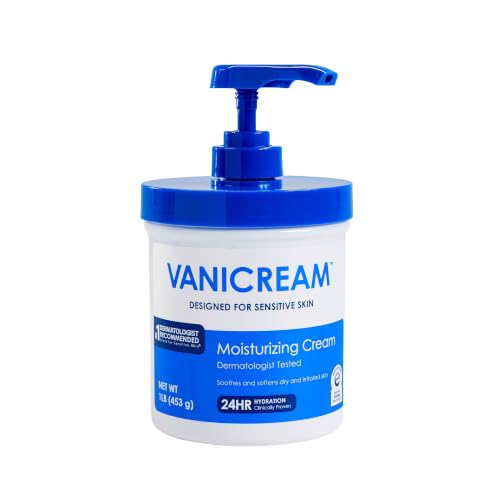
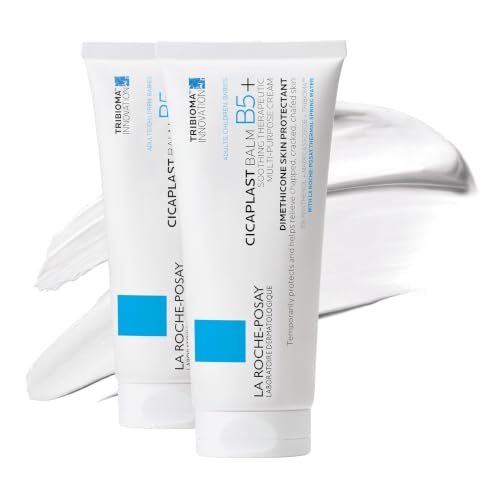
Contents
- Signs Your Skin Barrier Is Damaged
- What Damages the Barrier
- How to Repair a Damaged Skin Barrier
- How Fast Can a Barrier Recover?
- Ingredients That Help the Barrier
- What to Avoid While You Repair
- Is Slugging Helpful?
- Bringing Actives Back Safely
- Keeping Your Barrier Healthy
- Makeup, Shaving and Daily Life During Repair
- Honest Limits
- When to See a Dermatologist
- Questions People Ask
- The Bottom Line
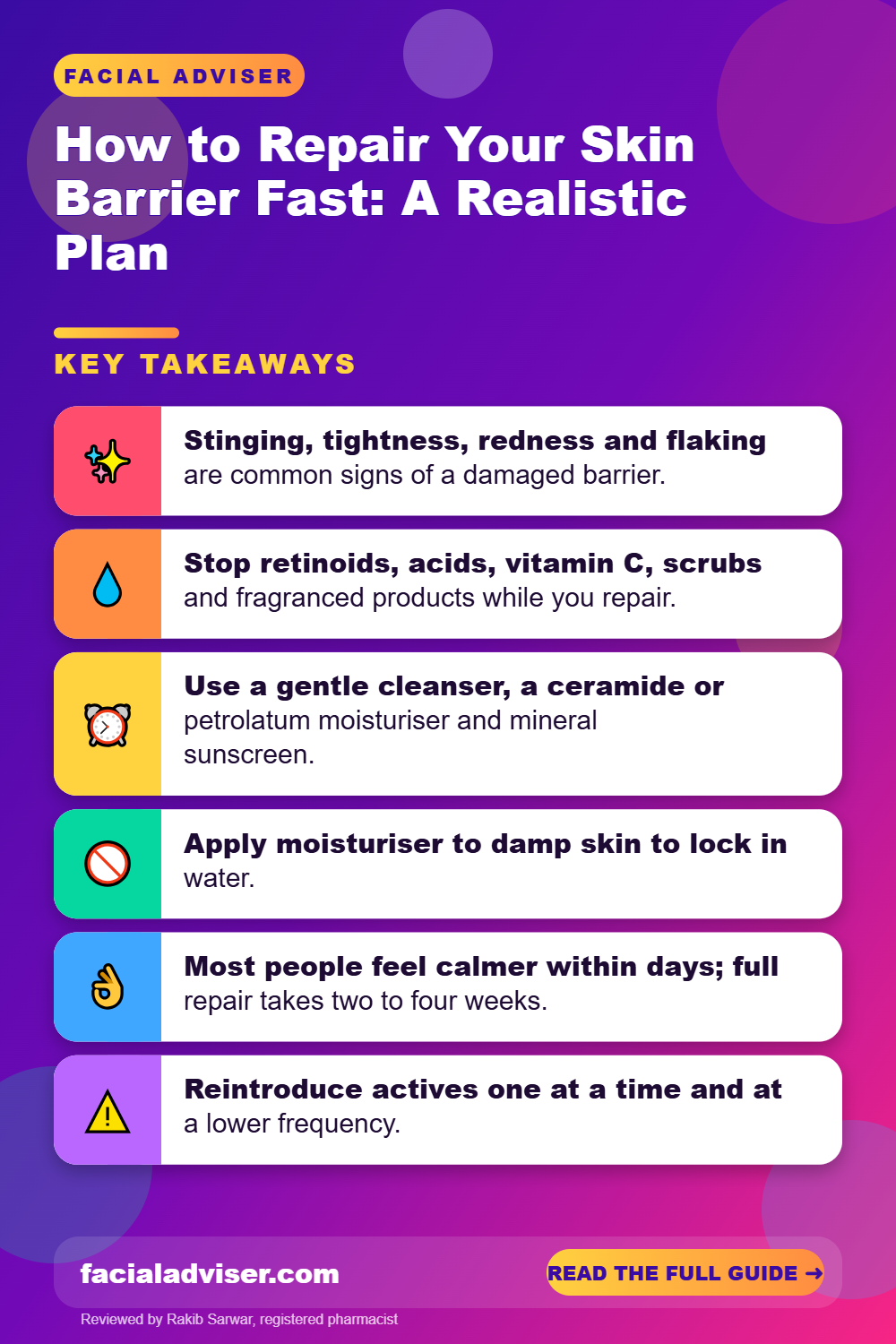
In Brief
- Stinging, tightness, redness and flaking are common signs of a damaged barrier.
- Stop retinoids, acids, vitamin C, scrubs and fragranced products while you repair.
- Use a gentle cleanser, a ceramide or petrolatum moisturiser and mineral sunscreen.
- Apply moisturiser to damp skin to lock in water.
- Most people feel calmer within days; full repair takes two to four weeks.
- Reintroduce actives one at a time and at a lower frequency.
- Persistent problems may be eczema, rosacea or allergy and need a dermatologist.
Signs Your Skin Barrier Is Damaged
| Sign | What it feels or looks like |
|---|---|
| Stinging or burning | Products you normally tolerate suddenly sting |
| Tightness | Skin feels tight soon after washing |
| Redness | Diffuse pinkness or red patches |
| Flaking or rough texture | Dry patches, especially around the nose and mouth |
| Shiny but dry | Skin looks shiny and taut rather than plump |
| New breakouts or bumps | Small bumps as the skin becomes irritated |
These signs often appear after adding a new active, stacking several strong products, a spell of cold weather, or over-cleansing. They can also be early signs of eczema or rosacea, which is worth considering if they keep coming back.
A quick check is to apply a plain, fragrance-free moisturiser you have used before. If even that stings, the barrier is almost certainly compromised. If only your newer, stronger products sting, one of them may be the trigger rather than the barrier as a whole.
What Damages the Barrier
- Over-exfoliation: too many acids, retinoids, scrubs or peels, or using them too often.
- Harsh cleansing: foaming or alcohol-based cleansers, washing too often, or very hot water.
- Weather: cold wind, low humidity and indoor heating.
- Fragrance and irritants: essential oils, alcohol-heavy toners and strong fragrances.
- Friction: rough towels, cleansing brushes, masks and constant touching.
- Underlying conditions: eczema and rosacea involve a weaker barrier.
If your problems began after adding new products, our guide to peeling after new products covers product-related irritation in more detail.
It is common for barrier damage to build up slowly. A routine may feel fine for weeks, then a cold snap, a new cleanser or one extra night of exfoliation tips the skin over the edge. Looking back at what changed in the two or three weeks before symptoms started usually reveals the trigger.
How to Repair a Damaged Skin Barrier
Stop all actives
Pause retinoids, acids, vitamin C, benzoyl peroxide, scrubs, peels and cleansing brushes.
Cleanse gently
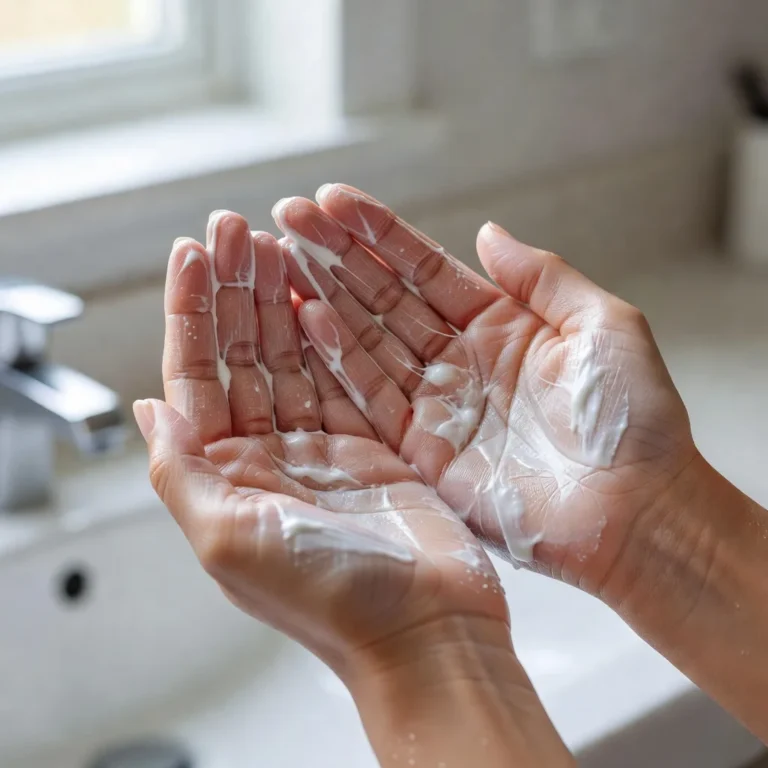
Use a mild, fragrance-free, non-foaming cleanser once or twice a day, or just water in the morning.
Keep water lukewarm
Hot water strips lipids; keep showers short and warm, not hot.
Moisturise on damp skin
Apply a ceramide, glycerin or petrolatum-based moisturiser within a minute or two of washing.
Seal very dry spots
Add a thin layer of ointment or barrier balm on the driest areas at night.
Protect in the morning
Use a mineral sunscreen with zinc oxide or titanium dioxide.
Wait before reintroducing
Only add actives back once your skin has felt comfortable for at least a week.
Keep your repair routine to three products if you can: cleanser, moisturiser and sunscreen. Fewer products means fewer chances of irritation.
How Fast Can a Barrier Recover?
| Timeframe | What usually happens | What to do |
|---|---|---|
| Days 1 to 3 | Stinging starts to ease with a simple routine | Stop actives; moisturise generously |
| Days 4 to 7 | Redness and tightness reduce | Keep the routine unchanged |
| Weeks 2 to 4 | Skin feels comfortable; texture improves | Continue; consider one gentle reintroduction |
| After 4 weeks | Most barrier damage has recovered | Build back slowly |
Fast repair is about stopping the damage and supporting the skin, not about adding lots of products. The skin does the repairing itself when it is given the chance.
It helps to resist the urge to keep checking and trying something new. Every product added during the repair phase is another potential irritant, and switching moisturisers every few days makes it hard to tell whether anything is helping. Choose one simple routine and give it a fair chance.
Ingredients That Help the Barrier
| Ingredient | What it does |
|---|---|
| Ceramides, cholesterol, fatty acids | Replace the lipids in the skin’s mortar |
| Glycerin | Draws water into the skin |
| Hyaluronic acid | Adds hydration; seal it in with a moisturiser |
| Petrolatum | Forms a protective seal that reduces water loss |
| Panthenol | Soothes and supports healing |
| Niacinamide | Supports barrier lipid production; start at lower strengths |
| Colloidal oatmeal | Calms itch and irritation |
The AAD recommends applying moisturiser while the skin is still damp and choosing creams or ointments over lotions for dry skin, with ingredients such as glycerin, hyaluronic acid, petrolatum and shea butter (AAD).
You do not need all of these at once. A single well-formulated moisturiser with ceramides and glycerin, plus an ointment on the driest spots at night, covers most needs. Adding many specialised serums during the repair phase tends to add irritation risk rather than speed.
What to Avoid While You Repair
Helps
- Use a gentle, fragrance-free cleanser
- Moisturise twice a day, or more if needed
- Use lukewarm water
- Wear mineral sunscreen
- Pat dry with a soft towel
Backfires
- Use retinoids, acids or vitamin C
- Scrub, peel or use brushes
- Use hot water or steam
- Try new products while repairing
- Use fragranced or alcohol-heavy products
Do not use steroid creams on the face to calm irritation without medical advice. They can thin the skin and cause perioral dermatitis or rebound redness.
Is Slugging Helpful?
Slugging means applying a thin layer of petroleum jelly or ointment as the last step at night to seal in moisture. For very dry, damaged skin, it can speed up comfort by reducing water loss overnight.
It is not ideal for everyone. People with acne-prone skin or perioral dermatitis may find it causes breakouts. Our guide to slugging in skincare explains who it helps and who should skip it.
If you want to try it, start with just the driest areas, such as around the nose, mouth or on the cheeks, rather than the whole face. Apply a very thin layer over your moisturiser and wash your pillowcase more often while you do it.
Bringing Actives Back Safely
Once your skin has felt comfortable for a week or two, you can start adding treatments back. Go slowly, and start with the product that matters most for your main concern, such as a retinoid for acne or a pigment-fading serum for dark marks.
- Reintroduce one active at a time.
- Start at a lower strength or frequency than before, such as twice a week.
- Apply over moisturiser at first to buffer it.
- Wait at least a week before adding another product.
- Stop if stinging or redness returns.
If you had been using several actives, ask yourself whether you really need all of them. Many people find their skin is healthier with fewer.
Keeping Your Barrier Healthy
Once repaired, a few habits keep the barrier strong: a gentle cleanser, a moisturiser suited to the season, daily sunscreen, and actives used at a frequency your skin tolerates. Adjust your routine for cold, dry weather, and use a humidifier in heated rooms.
Our guide on facial dryness from indoor heating covers winter adjustments, and our article on calming red patches covers flare-ups.
A good rule of thumb is to treat your skin barrier like a budget. Every active, exfoliant and harsh wash spends a little of it, while moisturiser, sunscreen and gentle habits top it up. Keeping the balance positive, rather than adding more treatments whenever you feel like it, is what keeps skin comfortable over the long run.
Makeup, Shaving and Daily Life During Repair
Everyday habits can quietly keep a barrier from healing. A few adjustments help while your skin recovers.
- Keep makeup minimal and choose fragrance-free, non-comedogenic products; skip long-wear formulas that need harsh removers.
- Remove makeup with a gentle cleansing balm or micellar water, then rinse, rather than rubbing with wipes.
- If you shave, use a sharp blade, a gentle shaving gel and skip alcohol-based aftershaves.
- Avoid saunas, steam rooms and hot yoga until your skin settles, as heat and sweat can sting.
- Protect your face from cold wind with a scarf, and use a humidifier in heated or air-conditioned rooms.
Sleep and stress matter too. Barrier repair happens partly overnight, and stress can worsen conditions such as eczema. You do not need to overhaul your life, but getting regular sleep while your skin heals gives it the best chance to recover.
Honest Limits
There is no instant fix for a damaged barrier. Products can make skin feel better quickly, but the underlying repair happens over weeks as new skin cells and lipids are produced.
Be wary of products that promise overnight barrier repair. They may feel soothing, but no cream can rebuild weeks of damage in a single night, and chasing a quick fix with more products is one of the most common ways people prolong the problem.
If your skin never seems to recover, or problems keep returning, there may be an underlying condition such as eczema, rosacea or an allergy that needs a diagnosis rather than another product.
When to See a Dermatologist
- Symptoms have not improved after two to four weeks of a simple routine.
- You have intense itching, swelling, blisters or oozing.
- Red, scaly patches keep returning.
- You react to almost every product, including gentle ones.
- You suspect an allergy to a specific ingredient.
This article is for general information and does not replace professional medical advice. See a dermatologist for persistent or severe skin irritation.
Questions People Ask
How long does it take to repair a skin barrier?
Many people feel better within days, but full repair usually takes two to four weeks.
What are signs of a damaged skin barrier?
Stinging, tightness, redness, flaking and sudden sensitivity to usual products.
What should I stop using if my barrier is damaged?
Retinoids, acids, vitamin C, scrubs, peels, fragranced products and harsh cleansers.
What ingredients repair the skin barrier?
Ceramides, cholesterol, fatty acids, glycerin, petrolatum and panthenol are helpful.
Can I use hyaluronic acid on a damaged barrier?
Yes, but seal it in with a moisturiser so it does not dry out the skin.
Should I wear sunscreen with a damaged barrier?
Yes. A mineral sunscreen is usually best tolerated.
Is Vaseline good for a damaged barrier?
A thin layer can help seal in moisture, especially on very dry areas at night.
Can I wear makeup with a damaged barrier?
Keep makeup minimal and gentle while you repair, and remove it with a mild cleanser.
When can I restart retinol?
Once skin has felt comfortable for a week or two, start slowly at a lower frequency.
Why does everything sting on my face?
Stinging usually means the barrier is compromised and irritants are reaching sensitive nerve endings.
The Bottom Line
A damaged skin barrier needs less, not more. Stopping actives and harsh products, cleansing gently, moisturising damp skin with barrier-friendly ingredients and wearing mineral sunscreen lets the skin repair itself.
Expect to feel calmer within days and to be fully recovered in a few weeks. Bring actives back slowly and one at a time, and see a dermatologist if your skin does not settle or problems keep coming back.

Written by
Registered pharmacist and founder of Facial Adviser. Rakib's pharmacy training covers how skincare actives work and interact; a later course in cosmetology turned that into a focus on facial treatments and skincare products. He plans, researches and edits every guide on the site and checks health claims against sources such as the American Academy of Dermatology, the FDA and the NIH. He is not a dermatologist; see the Editorial Policy and Medical Disclaimer.
About · Editorial policy · How we choose products · Medical disclaimer · Contact
Keep reading: Moisturisers and face oils
- 10 Best Facial Moisturizers for Dry Skin (2026): Rich, Gentle Creams
- Do You Need Moisturiser After a Hydrating Serum?
- Why Does My Moisturiser Feel Sticky? Causes and Fixes
- Night Cream vs Leave-On Treatment: What Is the Difference?
- Do Facial Oils Clog Pores? What Actually Matters
- Which Face Oil Is Best for Combination Skin?
- 10 Best Face Masks for Every Skin Type (2026): Clay, Gel and Sheet
- What Does a Facial Toner Do? The Real Answer