What Is Slugging in Skincare? Who It Helps and Who Should Skip It
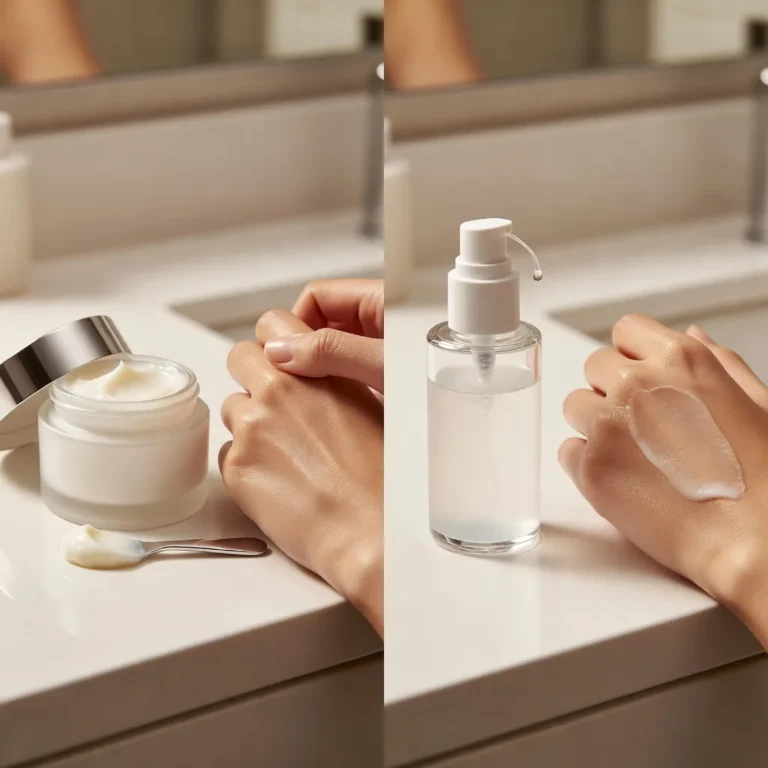
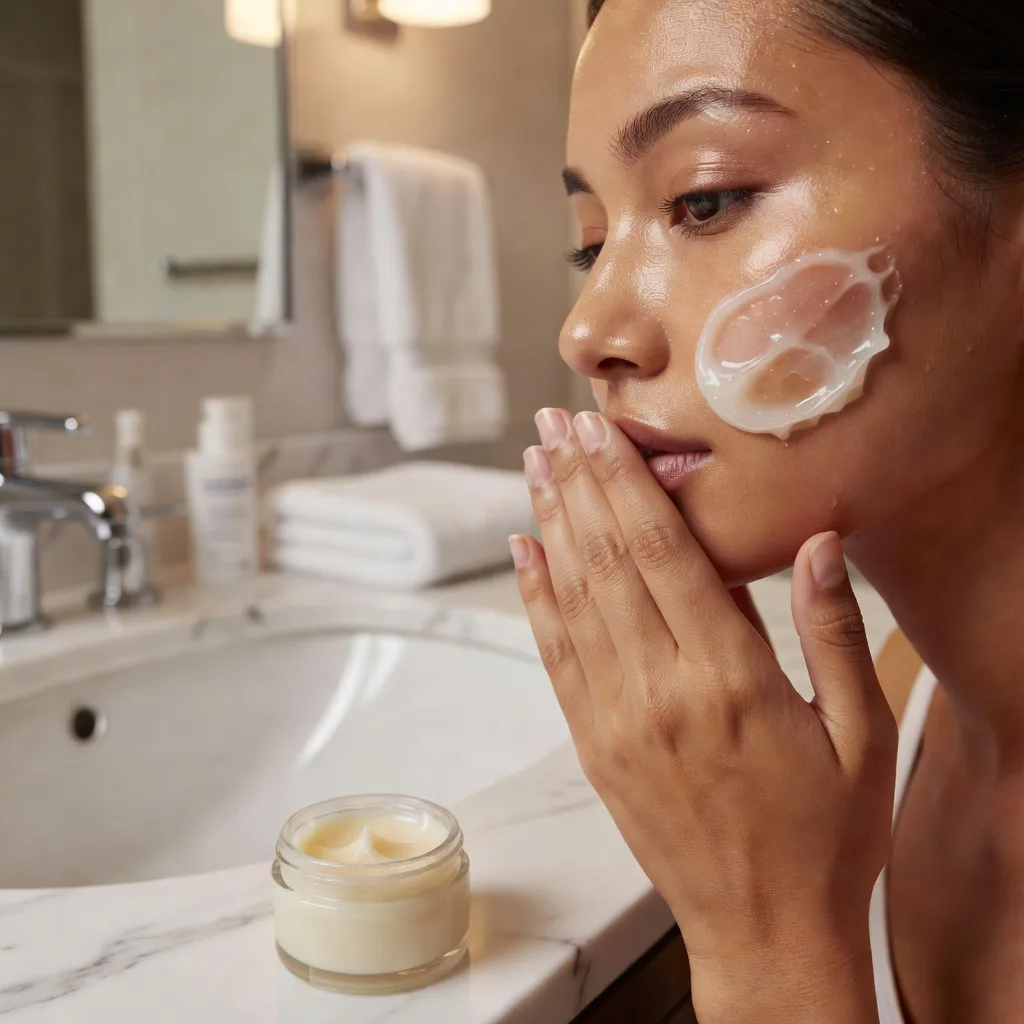
Slugging went viral because it looks almost too simple. You finish your evening routine, smooth a thin layer of petroleum jelly over your face, and wake up with skin that feels soft and plump. The name comes from the glossy, slug-like shine it leaves on your pillow.
Part of our guide to skincare products. Start with: 10 Best Facial Moisturizers for Dry Skin (2026): Rich, Gentle Creams
Slugging does not add moisture to your skin. It stops the moisture you already have from escaping. Petrolatum is an occlusive, which means it forms a film on top of the skin that slows evaporation. Dermatology sources put the reduction in water loss at roughly 98 to 99 percent, which is far more than most creams manage. That is why it works so well for dry, flaky, or irritated skin.
The catch is that a seal works on whatever is underneath it. Water, a gentle moisturizer, and a calm barrier get locked in and do well. So do sweat, sebum, bacteria on unwashed skin, and any strong active you applied earlier. For some people slugging is the fastest barrier repair they will ever try, and for others it is a reliable way to trigger breakouts.
The good news is that you do not have to guess which group you are in. A simple tightness check after cleansing tells you whether your skin actually needs an occlusive, and a short patch trial on one area tells you whether your skin tolerates it before you commit your whole face.
This guide explains how slugging works, who genuinely benefits, who should skip it, how to do it without clogging pores, and the warning signs that mean your skin needs a doctor rather than more petroleum jelly.
Shopping these picks?
Amazon Prime members get fast, free shipping on eligible items, plus Prime Video, Amazon Music and member deals. New members can start with a free trial.
Start a free Prime trialAged 18 to 24? Prime for Young Adults comes with a longer free trial and a lower price after it.
Affiliate link: we may earn a commission at no extra cost to you.
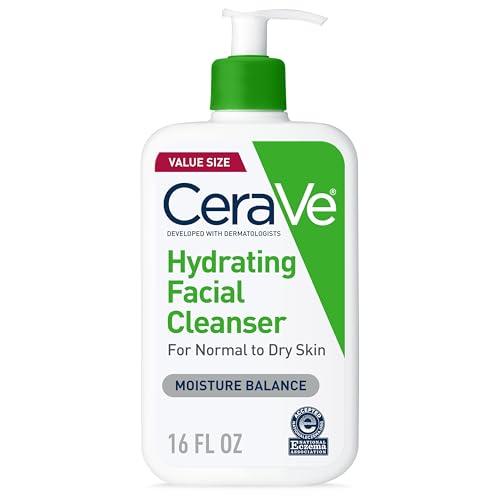
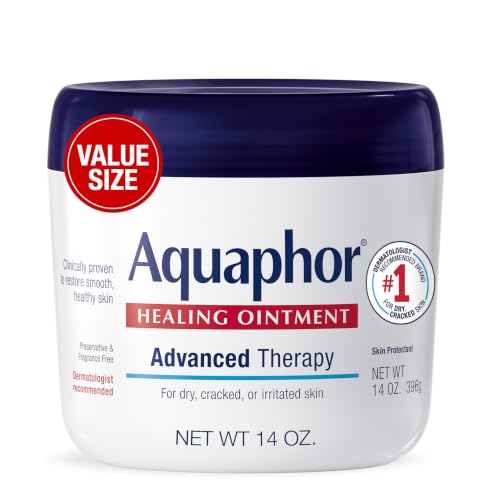
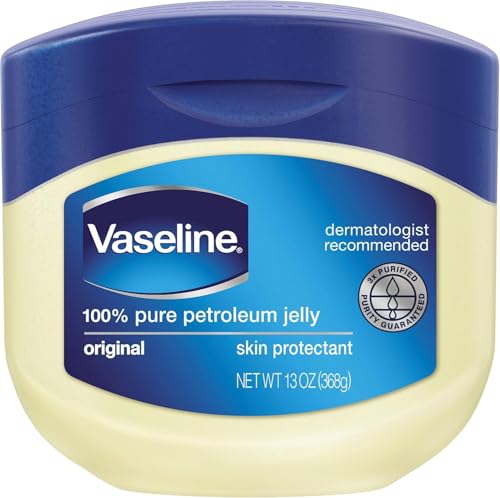
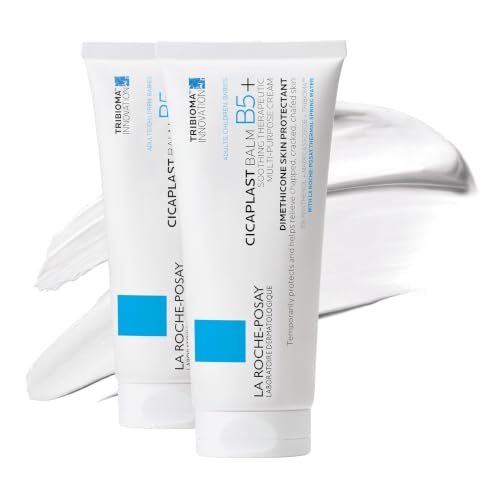
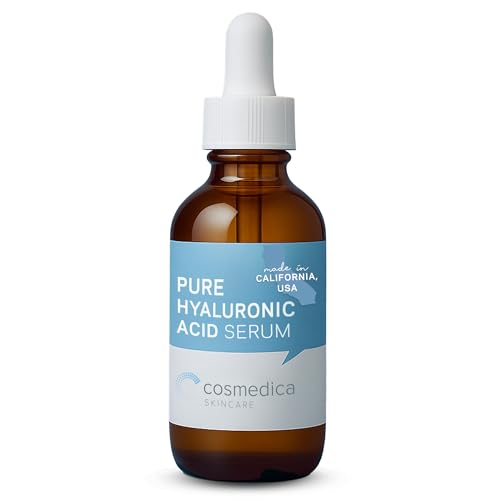
Recommended Products for Slugging


Key Takeaways
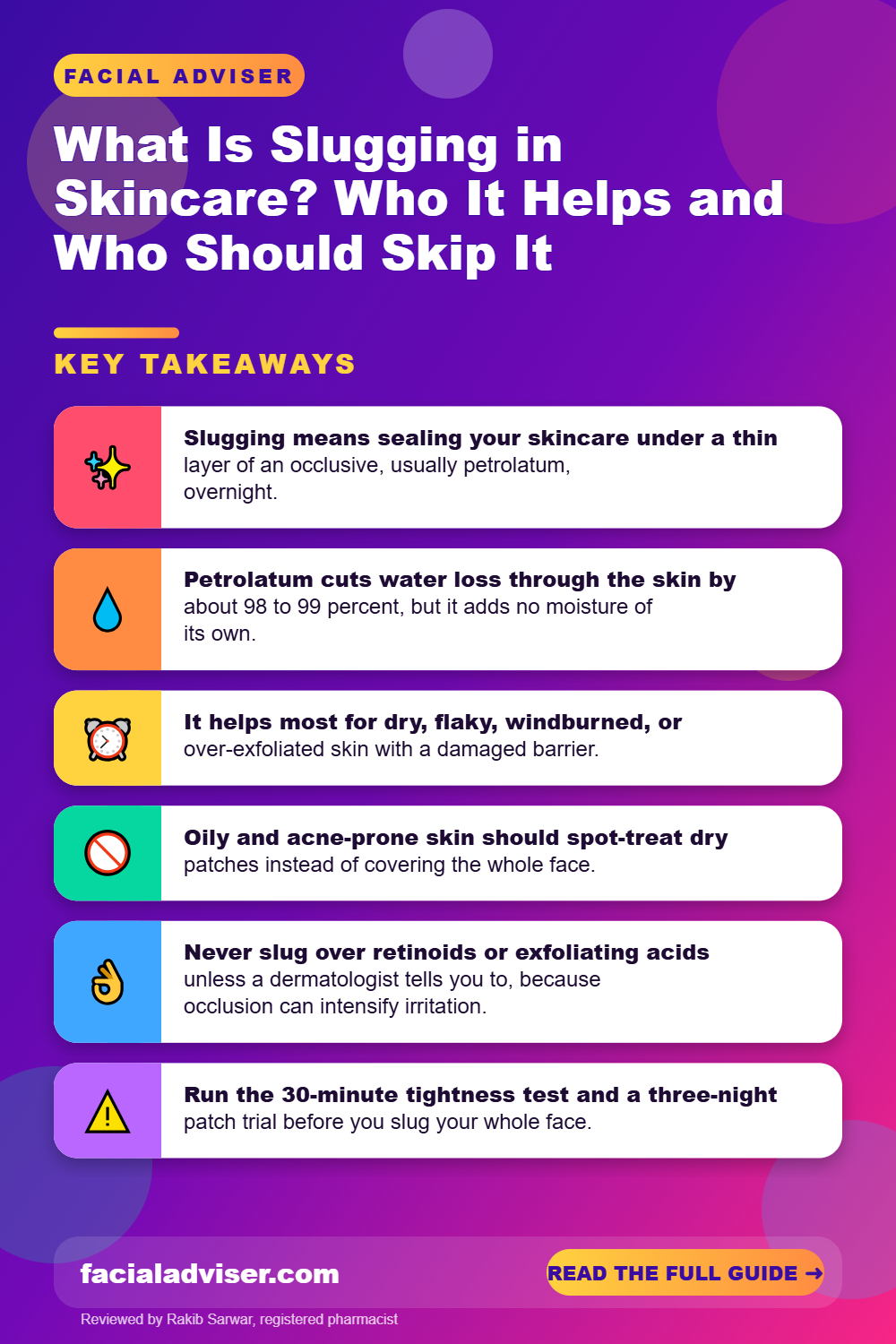
- Slugging means sealing your skincare under a thin layer of an occlusive, usually petrolatum, overnight.
- Petrolatum cuts water loss through the skin by about 98 to 99 percent, but it adds no moisture of its own.
- It helps most for dry, flaky, windburned, or over-exfoliated skin with a damaged barrier.
- Oily and acne-prone skin should spot-treat dry patches instead of covering the whole face.
- Never slug over retinoids or exfoliating acids unless a dermatologist tells you to, because occlusion can intensify irritation.
- Run the 30-minute tightness test and a three-night patch trial before you slug your whole face.
On This Page
- What Slugging Actually Is
- How It Works on Your Skin
- Occlusive, Humectant, or Emollient: Why It Matters
- The 30-Minute Tightness Test
- Who It Helps and Who Should Skip It
- How to Do It Without Clogging Pores
- Slugging vs Other Overnight Options
- What Slugging Cannot Do
- When to See a Dermatologist
- FAQ
- Where This Leaves You
What Slugging Actually Is
Slugging is the final step of a night routine. After cleansing and applying any hydrating products, you cover the face with a thin layer of an occlusive ointment. Plain petroleum jelly is the classic choice, but healing ointments that blend petrolatum with lanolin or glycerin are also common.
The idea is not new. Dermatologists have recommended petrolatum for decades to protect healing wounds, soothe eczema, and prevent chapping. The trend simply moved a well-known skin protectant from the medicine cabinet onto the whole face, and gave it a name that spread on social media.
It is not a treatment for acne, wrinkles, or dark spots. It is a barrier support step. Think of it as a lid on a pot. It keeps what is inside from evaporating, but it does not cook anything by itself.
How It Works on Your Skin
The outer layer of skin, the stratum corneum, is built like a brick wall. Skin cells are the bricks, and a mix of ceramides, cholesterol, and fatty acids is the mortar. When that mortar is depleted by harsh cleansing, cold air, or over-exfoliation, water escapes more easily. Dermatologists measure this as transepidermal water loss. If you are not sure whether your barrier is actually damaged, check the signs of a damaged skin barrier first.
Petrolatum sits on top of that wall and blocks most of the escape route. Because the skin stays hydrated underneath, it has better conditions to rebuild its own lipids. A 2016 study from the Icahn School of Medicine at Mount Sinai, published in the Journal of Allergy and Clinical Immunology, found that petrolatum occlusion switched on genes linked to barrier repair and antimicrobial defense in both healthy volunteers and people with eczema.
That same mechanism explains the downside. Anything trapped under the film stays in closer contact with the skin for longer. That includes irritating actives and the warm, oily environment that some acne bacteria prefer.
Occlusive, Humectant, or Emollient: Why It Matters
Most confusion about slugging comes from treating every moisturizing ingredient as the same thing. They do different jobs, and slugging only works well when they are layered in the right order.
| Type | What it does | Examples | Role in slugging |
|---|---|---|---|
| Humectant | Draws water into the outer skin layer | Glycerin, hyaluronic acid, urea | Goes on first, ideally on damp skin |
| Emollient | Smooths and fills gaps between skin cells | Squalane, ceramides, fatty alcohols | Your normal moisturizer step |
| Occlusive | Forms a film that stops water escaping | Petrolatum, lanolin, dimethicone, mineral oil | The final seal |
Petrolatum on bone-dry skin seals in very little. Petrolatum over a humectant on slightly damp skin seals in the water you just added. That is the difference between a greasy face and a plumper one the next morning.
Order matters: cleanse, apply a hydrating serum or moisturizer while the skin is still slightly damp, wait a few minutes, then press on a pea-sized amount of ointment. A thin film works as well as a thick one.
The 30-Minute Tightness Test
Before you buy anything, find out whether your skin actually needs an occlusive. This check takes half an hour and changes the answer for a lot of people. If you already know your face feels tight right after washing, our guide to facial tightness after washing covers the cleanser side of the problem.
Cleanse and apply nothing
Wash your face with your usual gentle cleanser in the evening and pat dry. Do not apply any serum or moisturizer.
Wait 30 minutes
Go about your evening. Normal skin settles back to comfortable within this time.
Check how it feels
Smile widely and raise your eyebrows. Tightness, pulling, or stinging points to a stressed barrier that is losing water quickly.
Look for flakes and shine
Check your cheeks and around the nose in daylight or bright light. Flaking suggests dryness. Visible oil on the nose, forehead, and chin suggests you already produce plenty of your own seal.
Decide where to slug
Tight and flaky everywhere: full-face slugging may help. Tight only on the cheeks: slug only there. Oily with no tightness: you probably do not need it at all.
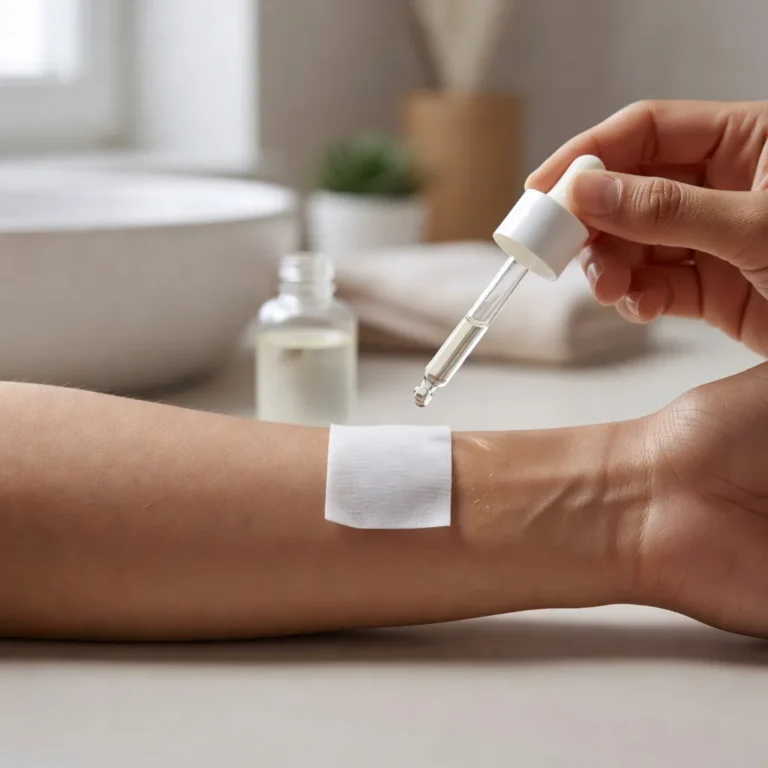
If you pass the tightness test and still want to try slugging, do a patch trial first. Apply your normal routine plus a thin layer of ointment to one area, such as along the jawline, for three nights in a row. If no new bumps appear, you can widen the area gradually.
Who It Helps and Who Should Skip It
Slugging is one of the most skin-type dependent trends out there. The same step that rescues a dry, windburned face can make an oily one worse.
| Skin situation | Slugging? | Why |
|---|---|---|
| Dry or very dry skin | Usually helpful | Reduces overnight water loss and flaking |
| Over-exfoliated or irritated barrier | Helpful short-term | Gives the barrier a protected environment to recover |
| Eczema-prone face | Often helpful, check with your doctor | Petrolatum is a standard eczema recommendation |
| Cold, windy, or dry climates | Helpful seasonally | Offsets harsh environmental drying |
| Oily or combination skin | Spot-treat only | Full-face occlusion can feel heavy and trap sebum |
| Acne-prone skin | Use with caution, spot-treat | A warm, occluded surface can encourage breakouts |
| Perioral dermatitis or rosacea flares | Usually avoid | Heavy occlusives can aggravate both conditions |
| Fungal acne | Avoid | Occlusion can encourage yeast overgrowth |
Dermatology Times points out that petrolatum itself is rated 0 to 1 on the comedogenic scale, meaning the molecule does not block pores on its own. The problem is technique. Slugging over unwashed skin, heavy makeup residue, or pore-clogging products traps those underneath.
How to Do It Without Clogging Pores
If your skin is a good candidate, a careful routine keeps the benefits and limits the risks.
Do
- Start with a thorough but gentle cleanse, especially if you wore sunscreen or makeup.
- Apply a humectant on slightly damp skin, then your usual moisturizer.
- Use a pea-sized amount of ointment, warmed between fingertips and pressed on thinly.
- Change your pillowcase often and tie hair back.
- Try two or three nights a week before going nightly.
- Wash the residue off gently in the morning.
Don’t
- Slug over retinoids, AHAs, BHAs, or benzoyl peroxide unless your doctor advises it.
- Slug over an active breakout or broken, weeping skin.
- Pile on a thick layer. More does not seal better.
- Slug over unwashed skin or leftover makeup.
- Keep slugging nightly if new bumps appear.
- Use heavily fragranced balms as your occlusive.
Actives and occlusion: sealing a retinoid or exfoliating acid under petrolatum can increase how much reaches the skin and how irritated it becomes. If you use actives, keep them for nights when you do not slug, or ask your dermatologist about a supervised approach.
Slugging vs Other Overnight Options
Slugging is not the only way to protect skin overnight. Depending on your skin, a lighter option can give you most of the benefit with less risk.
| Option | Seal strength | Best for | Downside |
|---|---|---|---|
| Petrolatum slugging | Very strong | Very dry or damaged skin | Greasy, can trap sebum |
| Healing ointment with lanolin | Strong | Dry patches, chapped areas | Lanolin sensitivity in some people |
| Barrier cream with ceramides | Moderate | Normal to dry skin, daily use | Less dramatic overnight effect |
| Sleeping mask or gel cream | Light | Combination skin | Minimal occlusion |
| Face oil | Light to moderate | Dry skin that dislikes heavy textures | Some oils can clog pores |
For many combination skin types, a ceramide cream on the whole face plus a dab of ointment on dry patches gives a better balance than full-face slugging.
What Slugging Cannot Do
Slugging has real evidence behind it, but much of the online hype goes further than that evidence.
It will not reverse wrinkles or build collagen. Plumper skin in the morning comes from hydration, and that effect fades during the day. It will not treat acne, clear dark spots, or shrink pores. It does not detox the skin or push other products deeper in any useful way.
The strongest research on petrolatum is about barrier repair and eczema, not cosmetic anti-aging. The Mount Sinai work was small and short, focused on gene expression over 48 hours rather than visible results over months. It supports slugging as a barrier tool. It does not prove the glowing before-and-after claims you see online.
There is also a safety point worth knowing. Cosmetic-grade white petrolatum is highly refined. Concerns about contaminants apply to poorly refined industrial grades, which is why products sold for skin use should state they are pure, white, or USP grade.
If it is not working: give slugging about two weeks. If your skin still feels tight and flaky every day, the problem may be your cleanser, a hidden irritant, or a skin condition that needs diagnosis rather than a thicker seal.
When to See a Dermatologist
Stop slugging and get your skin checked if you notice any of the following:
- Clusters of small red bumps or pustules around the mouth, nose, or eyes, which can signal perioral dermatitis.
- Tiny white bumps that do not go away, which may be milia. Our guide to white bumps around the eyes explains what to do next.
- Itchy, uniform small bumps on the forehead or chest that do not respond to acne care.
- Dry patches that crack, weep, crust, or become painful, which can mean eczema with infection.
- Persistent redness, burning, or visible blood vessels that worsen with heavy products.
- Dryness that stays severe despite a gentle routine for several weeks.
Very dry skin can also be linked to underlying conditions and some medications, including isotretinoin and certain diuretics. A doctor can check whether something beyond skincare is involved.
Medical disclaimer: This article is for general information and is not a substitute for professional medical advice. If you have a diagnosed skin condition, are using prescription treatments, or notice changes you are unsure about, speak with a doctor or dermatologist.
FAQ
What is slugging in skincare?
Slugging is applying a thin layer of an occlusive, usually petrolatum, as the last step of a night routine to reduce water loss from the skin while you sleep.
Does slugging add moisture to the skin?
No. Petrolatum adds no moisture itself. It seals in the water and products already on your skin by cutting water loss by about 98 to 99 percent.
Is slugging good for acne-prone skin?
Usually not on the whole face. Acne-prone skin should spot-treat dry patches only, because a warm, occluded surface over oily skin can encourage breakouts.
Does Vaseline clog pores?
White petrolatum rates 0 to 1 on the comedogenic scale, so it does not block pores by itself, but it can trap sebum and bacteria if applied over unwashed or acne-prone skin.
Can I slug over retinol?
It is not recommended without a dermatologist’s advice, because occlusion can increase how much retinol reaches the skin and how irritated the skin becomes.
How often should I slug?
Start with two or three nights a week. People with very dry skin or a damaged barrier may slug nightly for short periods if no bumps appear.
What is the best product for slugging?
Plain white petrolatum or a petrolatum-based healing ointment works well. Fragrance-free products are the safest choice for sensitive skin.
How do I know if my skin needs slugging?
Cleanse and apply nothing for 30 minutes. If your skin feels tight, stings, or flakes, it is losing water quickly and may benefit from an occlusive.
Can slugging cause milia?
Heavy occlusives are one possible trigger for milia in some people. If small, firm white bumps appear, stop slugging and see a dermatologist if they persist.
Does slugging help wrinkles?
It can make fine lines look softer the next morning by hydrating the skin, but it does not build collagen or reverse wrinkles long-term.
Where This Leaves You
Slugging is a genuinely useful barrier tool dressed up as a trend. A thin layer of petrolatum over hydrated skin cuts water loss dramatically, and for dry, irritated, or over-exfoliated faces it can calm things faster than almost any cream.
It is not for everyone. Oily and acne-prone skin usually does better with spot application, actives should stay out from under the seal, and nothing about it will reverse aging. Run the tightness test, patch trial it for three nights, and let your skin, not the trend, decide how much of your face gets covered.

Written by
Registered pharmacist and founder of Facial Adviser. Rakib's pharmacy training covers how skincare actives work and interact; a later course in cosmetology turned that into a focus on facial treatments and skincare products. He plans, researches and edits every guide on the site and checks health claims against sources such as the American Academy of Dermatology, the FDA and the NIH. He is not a dermatologist; see the Editorial Policy and Medical Disclaimer.
About · Editorial policy · How we choose products · Medical disclaimer · Contact
Keep reading: Moisturisers and face oils
- 10 Best Facial Moisturizers for Dry Skin (2026): Rich, Gentle Creams
- Why Your Skin Feels Greasy After Skincare and How to Fix It
- How to Repair Your Skin Barrier Fast: A Realistic Plan
- Do You Need Moisturiser After a Hydrating Serum?
- Why Does My Moisturiser Feel Sticky? Causes and Fixes
- Night Cream vs Leave-On Treatment: What Is the Difference?
- 10 Best Facial Serums for Aging Skin (2026): Picks by Concern
- 10 Best Face Masks for Every Skin Type (2026): Clay, Gel and Sheet