Why Your Skin Feels Greasy After Skincare and How to Fix It
You finish your routine and, instead of feeling fresh, your face feels slick. An hour later it looks shiny, your hair sticks to your cheeks and makeup slides around. It is tempting to blame your skin for being oily, but very often the routine itself is the cause.
Part of our guide to skincare products. Start with: 10 Best Facial Moisturizers for Dry Skin (2026): Rich, Gentle Creams
A greasy feeling after skincare usually comes from using too much product, choosing textures that are too rich for your skin type, stacking too many layers, or not giving each layer time to absorb. Silicone-heavy primers and some sunscreens can also leave a slick film. Switching to lighter gel or lotion textures, using smaller amounts, cutting unnecessary steps and waiting a minute between layers fixes most cases. Oily skin still needs moisturiser, just a lighter one.
Different textures behave very differently on the skin. Oils, balms and rich creams are designed to sit on the surface and seal in moisture, which is ideal for very dry skin but can feel heavy on normal, combination or oily skin, especially in warm weather.
The American Academy of Dermatology’s advice for oily skin includes choosing products labelled oil-free and non-comedogenic, using a gentle face wash and not skipping moisturiser, since skin that feels stripped can look shinier. That same approach helps anyone whose routine leaves them feeling greasy.
This guide explains why skincare can feel greasy, how to adjust your routine and product choices, and what to do if your skin looks oily all day regardless.
Shopping these picks?
Amazon Prime members get fast, free shipping on eligible items, plus Prime Video, Amazon Music and member deals. New members can start with a free trial.
Start a free Prime trialAged 18 to 24? Prime for Young Adults comes with a longer free trial and a lower price after it.
Affiliate link: we may earn a commission at no extra cost to you.
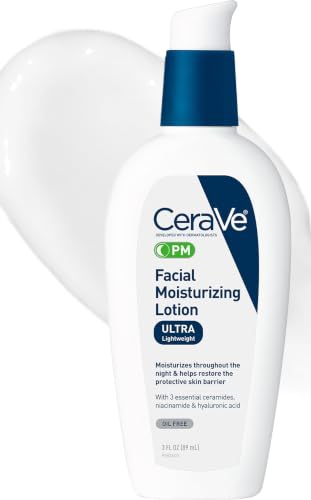
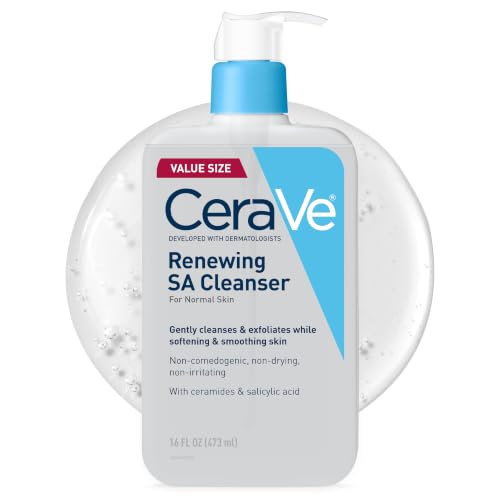
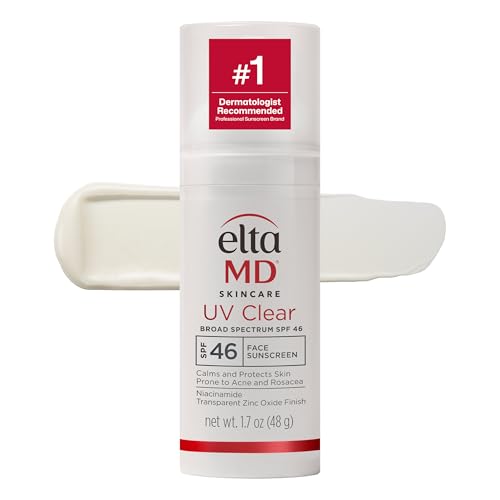
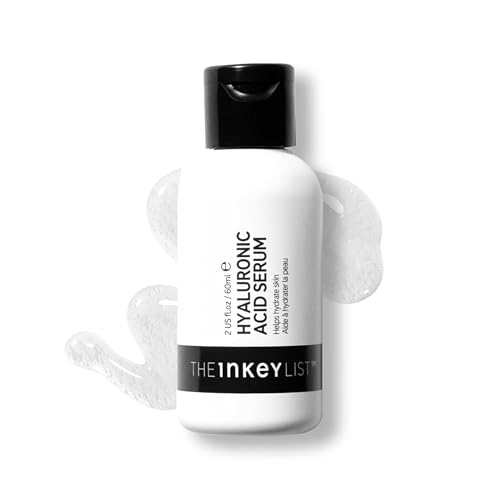
Recommended Lightweight Products for a Non-Greasy Finish



Jump to a Section
- Why Skincare Can Feel Greasy
- How to Get a Lighter Finish From Your Skincare
- Textures From Lightest to Richest
- If Your Skin Is Naturally Oily
- When Sunscreen Is the Greasy Step
- Quick Dos and Don’ts
- Morning vs Night Routines
- Ingredients That Feel Heavy vs Light
- Weather, Seasons and Greasy Skin
- Makeup and the Greasy Feeling
- Honest Limits
- When to See a Dermatologist
- Questions People Ask
- Final Word
What to Know First
- Too much product and too many layers are the most common causes of a greasy finish.
- Gel and lotion textures suit oily and combination skin better than rich creams or oils.
- Waiting a minute between layers helps each one absorb.
- Some sunscreens and silicone primers leave a slick film; lighter formulas help.
- Oily skin still needs moisturiser, but a light, oil-free one.
- Harsh cleansing can make skin feel oilier later in the day.
- Blotting papers remove midday shine without disturbing makeup.
Why Skincare Can Feel Greasy
| Cause | What happens | Quick fix |
|---|---|---|
| Using too much | Excess product sits on the surface | Use a pea to almond-sized amount per layer |
| Textures too rich | Creams and oils do not absorb fully | Switch to gel or lotion textures |
| Too many layers | Each layer adds to the film | Cut to the steps you really need |
| No time between layers | Products mix and pill on the surface | Wait a minute between steps |
| Heavy sunscreen | Some formulas leave a shiny finish | Try a fluid, gel or matte sunscreen |
| Face oils | Oils sit on top of the skin | Use a drop or skip if skin is oily |
| Over-cleansing | Stripped skin produces more oil | Use a gentle cleanser |
Often it is a combination, for example a rich night cream applied generously over a serum and a face oil, all within a couple of minutes.
Another clue is timing. If the greasy feeling appears straight after your routine, the products or amounts are the issue. If your skin feels fine at first but becomes shiny a few hours later, your natural oil production, heat or humidity are more likely to be the cause, and oil-control steps help more than cutting products.
How to Get a Lighter Finish From Your Skincare
Audit your routine
List every product you use and ask whether each one does a job you need.
Use less
Start with a pea-sized amount of moisturiser for the face and add only if your skin still feels tight.
Choose lighter textures
Swap creams and balms for gels, gel-creams or light lotions if you are not very dry.
Layer thin to thick
Apply watery products first and thicker ones last.
Wait between steps
Give each layer about a minute to settle before the next.
Rethink your sunscreen
Pick a fluid or gel sunscreen designed for oily or combination skin.
Press, do not rub
Pat the last layer in gently and blot excess with a tissue.
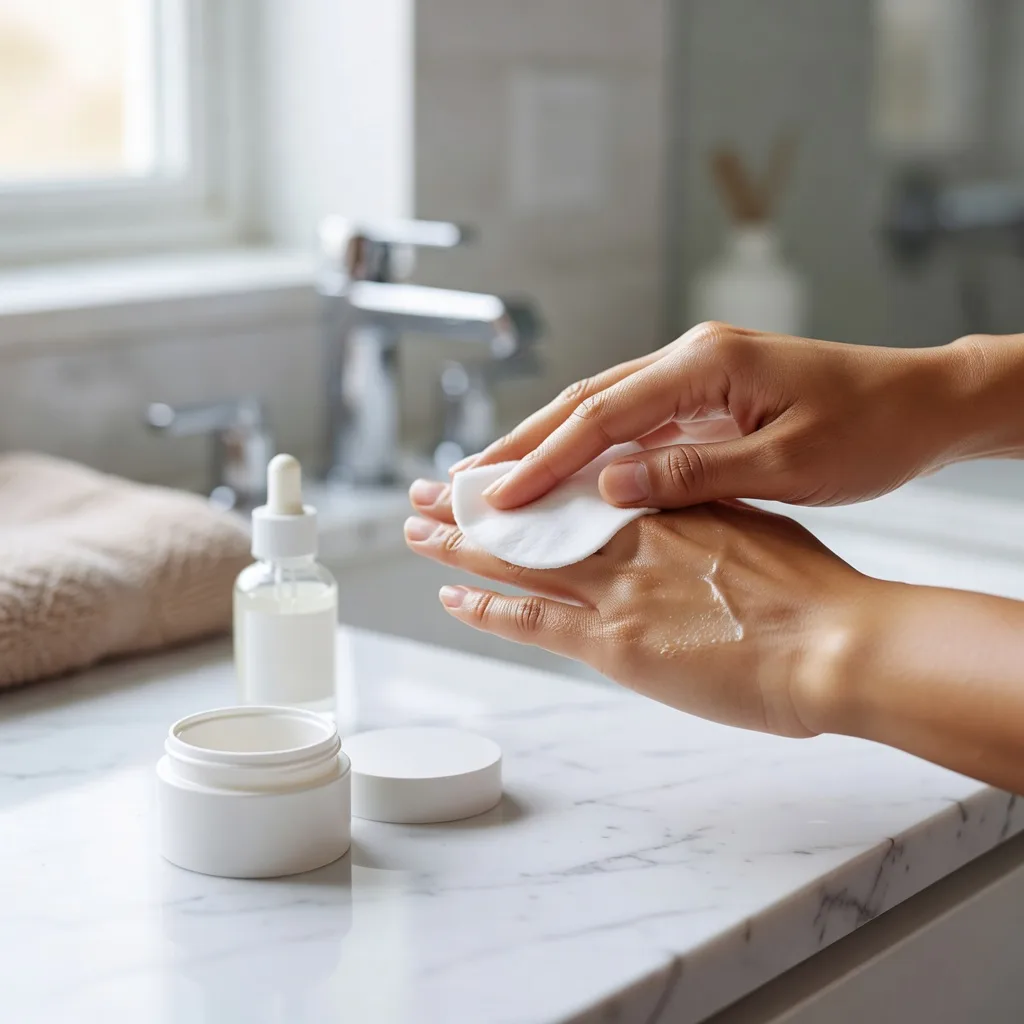
If your face still feels slick ten minutes after moisturising, gently press a clean tissue over it. What comes off is excess product your skin did not need.
Textures From Lightest to Richest
| Texture | Feel | Best for |
|---|---|---|
| Water, essence, toner | Very light, absorbs quickly | All skin types |
| Serum | Light, fast absorbing | All skin types |
| Gel | Light, watery, often oil-free | Oily and combination skin |
| Gel-cream | Light but more cushioning | Normal and combination skin |
| Lotion | Medium, easy to spread | Normal skin |
| Cream | Rich, slower to absorb | Dry skin |
| Balm and oil | Heavy, stays on the surface | Very dry skin or dry patches |
You do not have to use the same texture everywhere. A gel on the T-zone and a richer cream on dry cheeks is a perfectly good approach. Our guide to day cream versus day lotion explains how to choose.
When trying a lighter texture, give it a week or two before deciding. Skin sometimes feels a little less cushioned at first, but if it stays comfortable without tightness or flaking, the lighter product is usually enough.
If Your Skin Is Naturally Oily
Oily skin produces more sebum, so rich products add to what is already there. But skipping moisturiser often backfires: skin can feel tight after washing and look shinier later.
The AAD suggests choosing a gentle face wash and products labelled oil-free and non-comedogenic for oily skin (AAD). Ingredients such as niacinamide and salicylic acid can help manage oil and clogged pores.
It also helps to know that dehydrated skin can be oily at the same time. If your face feels tight after washing but shiny by lunch, it may be lacking water rather than oil. A light, water-based hydrating serum under a gel moisturiser often helps more than stripping away oil, and the shine may settle once the skin is properly hydrated.
Very harsh, stripping cleansers and alcohol toners can make oily skin look greasier later in the day. A gentle, low-foam cleanser is usually better.
When Sunscreen Is the Greasy Step
Sunscreen is often the last and thickest layer, and many people blame it for a greasy finish. Rather than skipping it, try a formula designed for oily or combination skin: fluids, gels and matte finishes are lighter than rich creams. Mineral sunscreens with a matte finish can also suit oily skin, although some leave a slight white cast on deeper skin tones, so tinted versions are worth trying.
Apply your moisturiser, wait a few minutes, then apply sunscreen. On very oily skin, some people find a separate moisturiser unnecessary in the morning if their sunscreen is hydrating enough. Our guide to choosing a sunscreen your skin tolerates covers textures and ingredients.
Quick Dos and Don’ts
Worth Doing
- Use a pea-sized amount of moisturiser
- Choose gel or lotion textures if you are not very dry
- Layer from thinnest to thickest
- Wait between layers
- Blot shine during the day
Skip It
- Apply every product generously
- Add a face oil on top of a rich cream
- Stack several serums at once
- Rub products in hard
- Skip moisturiser to avoid shine
Small changes add up. Cutting one unnecessary layer and halving the amount of moisturiser is often enough to turn a slick finish into a comfortable one within a day or two.
Morning vs Night Routines
Your evening routine can usually be a little richer than your morning one, because you are not wearing makeup or heading out. If you like the feel of a nourishing cream at night but not during the day, use a lighter lotion or gel in the morning and save the richer product for bedtime.
If your skin still feels greasy in the morning after a rich night cream, try a thinner layer or apply it only to drier areas. Some people wake up shiny simply because their night products are more than their skin needs.
Pillowcases matter too. Rich night products transfer onto fabric, and a pillowcase that is not changed often can press old oil and product back onto the face. Changing it once or twice a week is an easy fix.
Ingredients That Feel Heavy vs Light
Reading the first few ingredients on a label gives you a good idea of how a product will feel. Ingredients near the top make up most of the formula.
| Tends to feel heavy | Tends to feel light |
|---|---|
| Petrolatum, mineral oil, lanolin | Water, glycerin, hyaluronic acid |
| Shea butter, cocoa butter | Niacinamide, panthenol |
| Plant oils such as coconut or olive oil | Squalane in small amounts |
| Thick waxes | Light silicones such as dimethicone in small amounts |
| High levels of silicone in primers | Gel-forming ingredients such as carbomer |
Heavy ingredients are not bad. Petrolatum and butters are excellent for very dry skin and damaged barriers. They simply belong in the right place: dry patches, very dry skin, or cold weather, rather than on an already oily T-zone in summer.
Weather, Seasons and Greasy Skin
A routine that feels perfect in winter can feel greasy by early summer. Heat and humidity increase sweating and oil flow, and the air holds more moisture, so the skin needs less help from heavy products.
It is worth having two sets of textures: a lighter gel or lotion for warm, humid months and a richer cream for cold, dry weather or air-conditioned offices. Switching as the seasons change prevents the slow build-up of greasiness that many people notice without realising why.
Travel works the same way. A cream that suits a cold, dry city can feel heavy on a beach holiday, so packing a lighter moisturiser and a gel sunscreen is often a better plan than bringing your whole routine.
Makeup and the Greasy Feeling
Makeup applied over a routine that has not settled tends to slide, separate and look greasy by midday. Waiting five minutes after sunscreen before foundation, using a mattifying primer only on the T-zone and setting shiny areas lightly with powder all help.
If your makeup separates on the nose or looks patchy, our guide on why makeup separates on the nose explains how to fix it.
Avoid layering several silicone-heavy products, such as primer, sunscreen and foundation all containing large amounts of silicone, if you are prone to a slick finish or pilling.
Honest Limits
Some people naturally produce a lot of oil, and no routine will make their skin completely matte all day. The aim is a comfortable, balanced finish rather than skin that never shines. A healthy glow on the cheeks and a little shine on the nose by the end of the day are completely normal.
Oil production also changes with hormones, heat, humidity and stress. Our guide on how hormones affect sebum explains why oiliness can shift over the month and through life.
When to See a Dermatologist
- Your skin is very oily and you also have frequent breakouts.
- Oiliness changed suddenly along with irregular periods or excess hair growth.
- You have greasy, flaky patches that might be seborrheic dermatitis.
- Over-the-counter changes have not helped after a few months.
This article is for general information and does not replace professional medical advice. See a dermatologist for persistent skin concerns.
Questions People Ask
Why does my face feel greasy after moisturiser?
You may be using too much, or a texture that is too rich for your skin type.
Should oily skin skip moisturiser?
No. Use a light, oil-free moisturiser instead; skipping it can make skin look oilier.
How much moisturiser should I use?
Start with a pea-sized amount for the face and add a little more only if needed.
How long should I wait between skincare layers?
About a minute is usually enough for each layer to settle.
Why does my sunscreen feel greasy?
Some formulas are rich or oily; try a fluid, gel or matte sunscreen for oily skin.
Can too many products make skin greasy?
Yes. Every layer adds to the film on your skin.
Is a face oil bad for oily skin?
Not always, but it often adds unnecessary greasiness if you already produce plenty of oil.
What texture is best for oily skin?
Gels and light, oil-free lotions usually feel best.
Why do I look shiny by midday?
Your skin’s natural oil, heat and heavy products can all add shine; blotting papers help.
Can harsh cleansers make skin oilier?
They can leave skin stripped and irritated, which may make it look oilier later.
Final Word
A greasy feeling after skincare usually means your routine is doing more than your skin needs. Too much product, textures that are too rich, too many layers and not enough time between them are the most common causes.
Use less, choose lighter gel or lotion textures, cut steps you do not need, wait between layers and pick a sunscreen made for your skin type. Keep moisturising, even if your skin is oily, just with a lighter product.

Written by
Registered pharmacist and founder of Facial Adviser. Rakib's pharmacy training covers how skincare actives work and interact; a later course in cosmetology turned that into a focus on facial treatments and skincare products. He plans, researches and edits every guide on the site and checks health claims against sources such as the American Academy of Dermatology, the FDA and the NIH. He is not a dermatologist; see the Editorial Policy and Medical Disclaimer.
About · Editorial policy · How we choose products · Medical disclaimer · Contact
Keep reading: Moisturisers and face oils
- 10 Best Facial Moisturizers for Dry Skin (2026): Rich, Gentle Creams
- How to Repair Your Skin Barrier Fast: A Realistic Plan
- Do You Need Moisturiser After a Hydrating Serum?
- Why Does My Moisturiser Feel Sticky? Causes and Fixes
- Night Cream vs Leave-On Treatment: What Is the Difference?
- Do Facial Oils Clog Pores? What Actually Matters
- What Does a Facial Toner Do? The Real Answer
- 10 Best Facial Cleansers for Combination Skin (2026): Balanced Picks