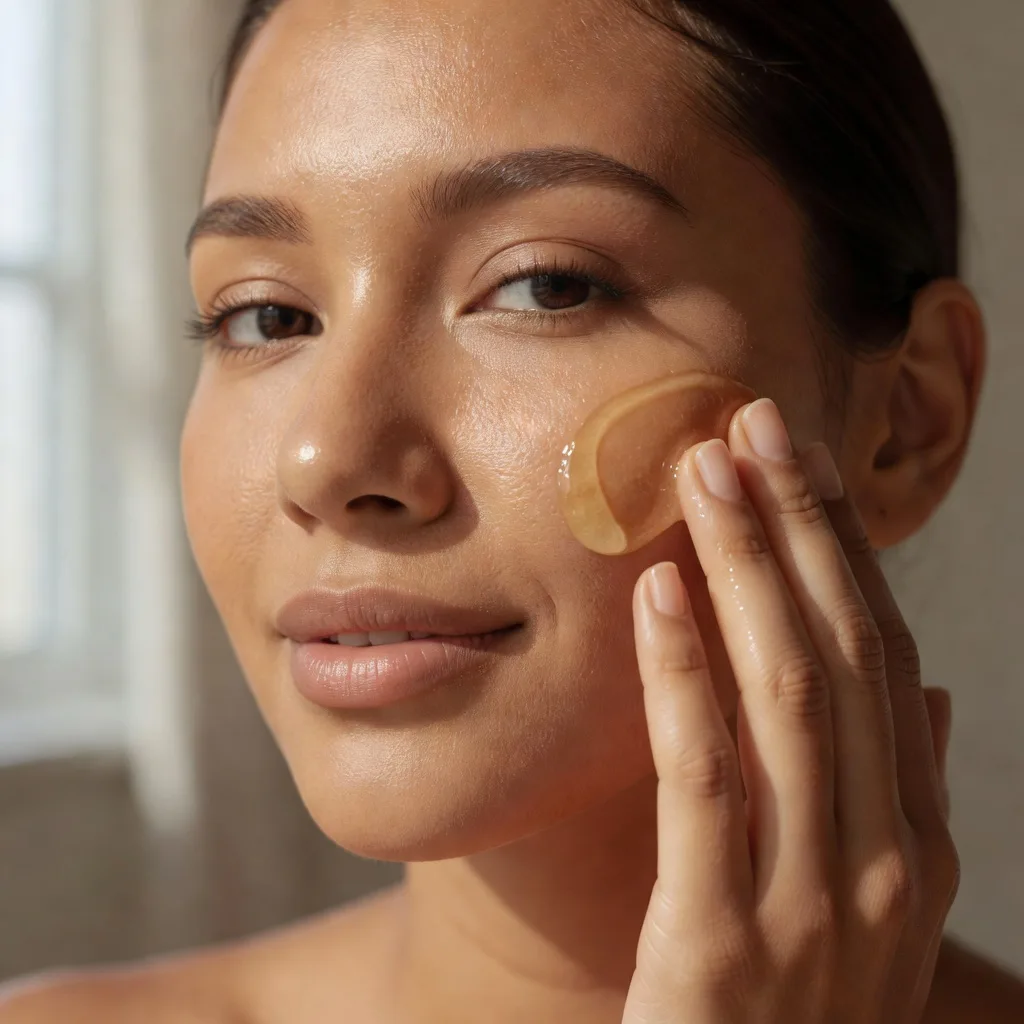
Do Facial Oils Clog Pores? What Actually Matters
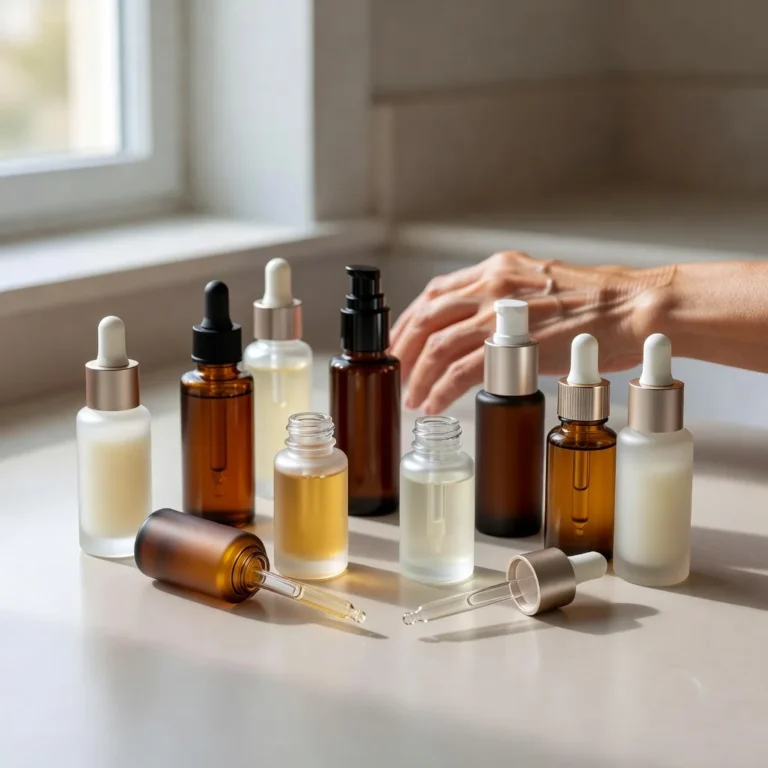
Facial oils have gone from something people with oily skin avoided to a staple of many routines. Yet the worry remains: if your skin already makes plenty of oil and you are prone to breakouts, is putting more oil on it asking for trouble?
Part of our guide to skincare products. Start with: 10 Best Facial Moisturizers for Dry Skin (2026): Rich, Gentle Creams
Facial oils can clog pores, but not all of them do and not for everyone. Whether an oil causes breakouts depends on the oil itself, how much you use, what else is in your routine and, most of all, your own skin. People with acne-prone skin are more likely to react. Lighter oils such as squalane are generally less likely to cause problems than heavy oils such as coconut oil. If you are prone to breakouts, patch test, use a few drops only and stop if new spots appear.
The American Academy of Dermatology advises people with acne to use skincare products labelled non-comedogenic or oil-free, and it notes that some oily products can clog pores. That does not make every oil off-limits, but it does mean acne-prone skin needs more caution.
Comedogenicity ratings for individual oils, which you will often see in charts online, are based on limited and older testing, often on rabbit ears or on the back rather than the face. They are a rough guide at best. How your skin responds matters more than any number.
This guide explains why oils sometimes clog pores, which ones tend to be lighter, how to test an oil safely, and when an oil-free moisturiser is the better choice.
Shopping these picks?
Amazon Prime members get fast, free shipping on eligible items, plus Prime Video, Amazon Music and member deals. New members can start with a free trial.
Start a free Prime trialAged 18 to 24? Prime for Young Adults comes with a longer free trial and a lower price after it.
Affiliate link: we may earn a commission at no extra cost to you.
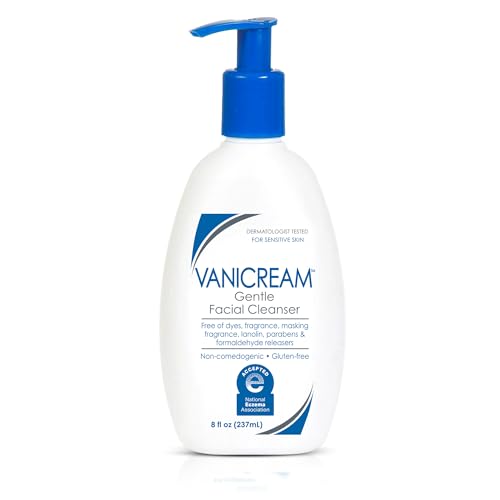
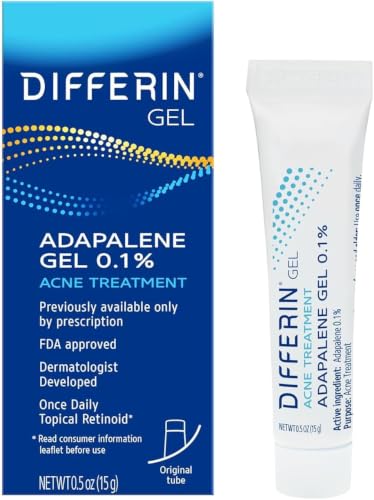
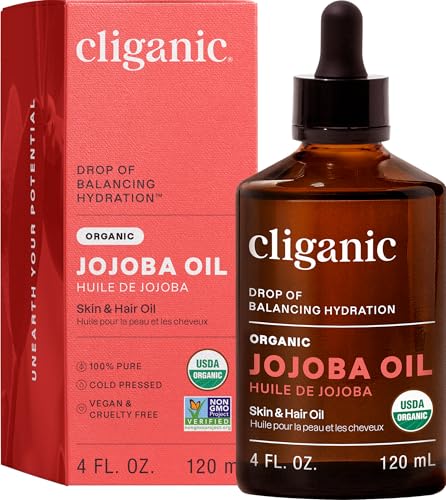
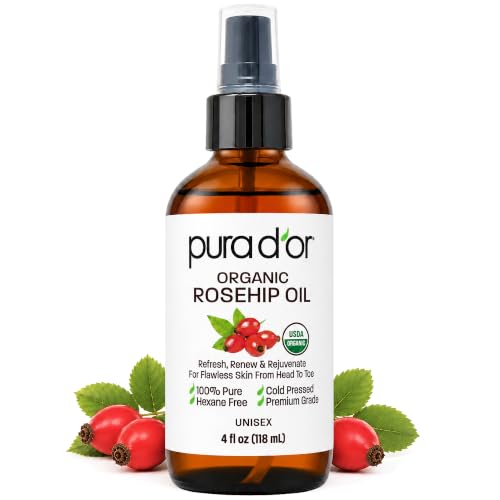
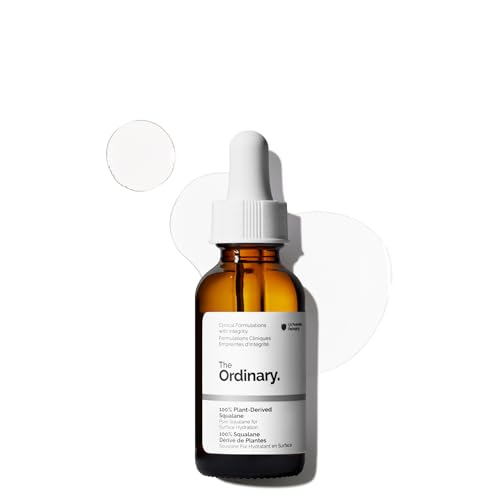
Recommended Lightweight Oils and Oil-Free Alternatives


At a Glance
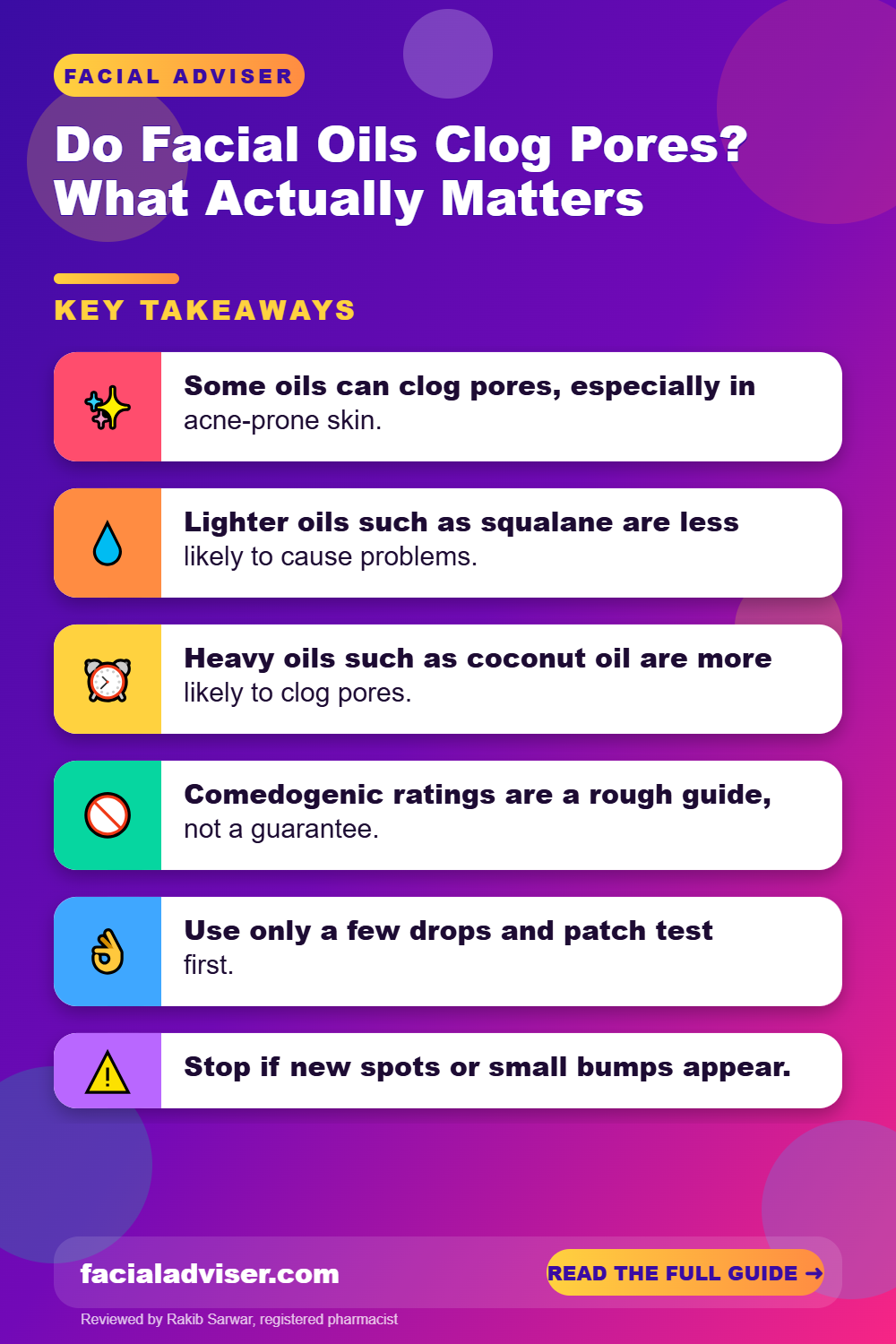
- Some oils can clog pores, especially in acne-prone skin.
- Lighter oils such as squalane are less likely to cause problems.
- Heavy oils such as coconut oil are more likely to clog pores.
- Comedogenic ratings are a rough guide, not a guarantee.
- Use only a few drops and patch test first.
- Stop if new spots or small bumps appear.
- Oily, acne-prone skin may be better off with oil-free moisturisers.
What This Covers
Why Some Oils Clog Pores
Pores become clogged when oil, dead skin cells and sometimes bacteria build up inside the follicle. This forms a comedone, either a whitehead or a blackhead, which can then become an inflamed spot.
Adding a heavy oil to skin that already produces a lot of sebum can make that build-up more likely. Some oils are also rich in fatty acids that may be more likely to encourage comedones, although research on individual oils is limited.
The amount matters as much as the oil. A few drops pressed into the skin is very different from a thick layer left on overnight under a heavy cream.
Your whole routine plays a part too. An oil used after a thorough cleanse and a lightweight serum behaves differently from one layered over heavy sunscreen, makeup and a rich moisturiser. Looking at everything you put on your face gives a better picture than blaming one product.
A single breakout after starting an oil is not always the oil. New products introduced at the same time, stress, hormones and changes in weather can all trigger spots. Change one thing at a time so you can tell what is responsible.
Lighter vs Heavier Oils
Oils vary a great deal in texture and in how likely they are to cause problems. The table below is a general guide based on how these oils are typically described in skincare, not a guarantee for your skin.
| Oil | Texture | General reputation for acne-prone skin |
|---|---|---|
| Squalane | Very light, non-greasy | Usually well tolerated |
| Jojoba | Light, similar feel to sebum | Often well tolerated |
| Rosehip seed | Light, dry-feeling | Often tolerated; can react in some people |
| Grapeseed | Light | Often tolerated |
| Argan | Medium | Mixed; some people break out |
| Marula | Medium | Mixed |
| Olive | Heavier | More likely to cause problems |
| Coconut | Heavy, solid when cool | Often reported to clog pores |
| Cocoa butter | Very heavy | Often reported to clog pores |
Blended facial oils often contain several of these, along with fragrance or essential oils, which can irritate sensitive skin. If you are acne-prone, a single-ingredient oil makes it easier to work out what your skin tolerates.
What About Comedogenic Ratings?
You will often see oils scored from 0 to 5 for how likely they are to clog pores. These scores come largely from older studies that tested pure ingredients at high concentrations, often on animal skin or on the back, where the skin behaves differently from the face.
A finished product also contains other ingredients that change how it behaves, and the concentration of each oil in a blend may be low. That is why a product containing a highly rated ingredient does not always cause breakouts, and a product with only low-rated ingredients sometimes does.
The label non-comedogenic is also not tightly regulated. It suggests the company has considered pore-clogging potential, but testing methods vary. Our guide on how to tell if a product is non-comedogenic explains what the term can and cannot tell you.
In practice, the ratings are most useful as a warning flag. If an oil sits near the top of most lists, such as coconut oil, it makes sense to be cautious with it on acne-prone skin. For oils in the middle, your own skin is a better guide than the number.
Who Should Be Cautious
| Skin type | Facial oil advice | Better alternative if oils cause problems |
|---|---|---|
| Dry | Often beneficial; can soften and reduce water loss | Rich cream with ceramides |
| Normal | Usually fine in small amounts | Light lotion |
| Combination | Use only on dry areas | Gel moisturiser on the T-zone |
| Oily, not acne-prone | Light oils in very small amounts | Oil-free gel moisturiser |
| Oily and acne-prone | Approach with caution or skip | Oil-free, non-comedogenic moisturiser |
| Fungal acne or seborrheic dermatitis | Many oils can make it worse | Ask a dermatologist; squalane may be an exception |
The AAD notes that oily skin still needs moisture and suggests an oil-free moisturiser for people with oily skin. For acne-prone skin, its acne skin care tips recommend products labelled non-comedogenic.
Dry skin is the group most likely to benefit from a facial oil. A few drops pressed over moisturiser can help reduce water loss overnight, especially in cold or dry weather.
If you have combination skin, you do not have to choose one approach for your whole face. Pressing a drop of oil onto dry cheeks while leaving the T-zone with just a light gel moisturiser is a practical compromise.
How to Try a Facial Oil Without Breaking Out
Choose a light, single-ingredient oil
Squalane or jojoba is a sensible first choice for oilier or acne-prone skin.
Patch test
Apply a drop to a small area, such as along the jaw, every night for a week or two.
Watch for new bumps
Look for new blackheads, whiteheads or small bumps in the test area.
Start with two or three drops
Warm them between your fingertips and press them into the skin.
Apply at night
Use the oil as the last step of your evening routine, over moisturiser if you use one.
Cleanse well in the morning
A gentle cleanser removes any residue before you apply sunscreen.
Stop if breakouts increase
If new spots appear, stop the oil and let your skin settle before trying anything else.
Mixing a single drop of oil into your moisturiser is a gentler way to start than applying oil on its own. It also makes it easier to use a very small amount.
Where Oil Fits in Your Routine
Oils are best applied after water-based products, because they form a light seal that slows water loss. Putting an oil under a serum can stop the serum from spreading evenly and make the layers pill.
If you use active treatments such as retinoids or benzoyl peroxide, apply those first on clean skin and add the oil afterwards, or on alternate nights, so the oil does not interfere with how evenly the treatment spreads.
Our comparison of facial oil versus serum explains how the two differ and when you might use both.
If you wear makeup, oils under foundation can cause it to slide or look shiny by midday. Many people save oils for the evening for that reason.
Seasons matter as well. Many people find they can use a facial oil comfortably in winter, when the air is dry and indoor heating pulls moisture from the skin, but that the same oil feels heavy and triggers spots in hot, humid months. Adjusting how often you use an oil, or setting it aside for summer, is a simple way to get the benefits without the breakouts.
Dos and Don’ts
Helps
- Start with a light oil such as squalane or jojoba
- Use two or three drops only
- Patch test for one to two weeks
- Apply oil after water-based products
- Cleanse gently the next morning
Backfires
- Use heavy oils such as coconut on acne-prone skin
- Layer oil under a thick cream and makeup
- Assume a low comedogenic rating means no risk
- Introduce several new products at once
- Keep using an oil that causes new spots
Cleansing Oils Are Different
Cleansing oils and balms contain emulsifiers that turn them milky when mixed with water, so they rinse away. They are designed to remove makeup and sunscreen, not to stay on the skin, and are much less likely to clog pores as long as you rinse thoroughly.
If you are acne-prone and like using a cleansing oil, follow it with a gentle water-based cleanser. Our guide to cleansing oils versus micellar water explains how to use them without leaving residue behind.
Do not use kitchen oils such as coconut or olive oil as a leave-on facial oil if you are prone to breakouts. They are heavier than most cosmetic oils and more likely to cause problems.
Honest Limits
There is surprisingly little good research on how individual facial oils affect acne in real-world use. Most advice, including the general reputations in this article, is based on older lab testing, the chemistry of the oils and dermatologists’ clinical experience rather than large trials.
Skin also varies widely. An oil that suits one person with oily skin may cause breakouts in another. Treat any list of safe oils as a starting point and let your own skin decide.
Finally, oils are optional. Most people can meet their skin’s needs with a well-chosen moisturiser, and if oils keep causing spots, you are not missing out on anything essential by leaving them out.
When to See a Dermatologist
- Your acne is persistent, painful or leaving marks or scars.
- You get clusters of small, itchy, uniform bumps that may be fungal acne.
- You have red, flaky patches around the nose and eyebrows.
- Breakouts continue after removing oils and simplifying your routine.
A dermatologist can work out what type of breakouts you have and recommend treatments and moisturisers that suit your skin.
This article is for general information and does not replace professional medical advice. See a dermatologist for persistent skin concerns.
Questions People Ask
Do facial oils clog pores?
Some can, especially in acne-prone skin, but lighter oils such as squalane are less likely to cause problems.
Which facial oils are least likely to clog pores?
Squalane and jojoba are generally considered lighter options, though individual skin varies.
Is coconut oil bad for acne-prone skin?
It is often reported to clog pores, so people with acne-prone skin are usually advised to avoid it on the face.
Can oily skin use facial oil?
Some people with oily skin tolerate light oils in small amounts, but many do better with oil-free moisturisers.
Are comedogenic ratings accurate?
They are a rough guide from older tests and do not always predict how your skin will react.
How long does it take to know if an oil clogs pores?
Patch test for one to two weeks and watch for new bumps.
Should oil go before or after moisturiser?
Usually after, as the last step of your evening routine.
Do cleansing oils clog pores?
They are designed to rinse off and are less likely to clog pores when rinsed thoroughly.
Can facial oil help dry skin?
Yes. A few drops can help reduce water loss, especially at night.
What should I use instead of oil if I break out?
An oil-free, non-comedogenic moisturiser suits most acne-prone skin.
Summing Up
Facial oils can clog pores, but the risk depends on the oil, the amount and your skin. Lighter oils such as squalane and jojoba are less likely to cause problems than heavy oils such as coconut.
If you are acne-prone, patch test, use a few drops at night and stop if new spots appear. If oils keep causing breakouts, an oil-free, non-comedogenic moisturiser will meet your skin’s needs just as well.

Written by
Registered pharmacist and founder of Facial Adviser. Rakib's pharmacy training covers how skincare actives work and interact; a later course in cosmetology turned that into a focus on facial treatments and skincare products. He plans, researches and edits every guide on the site and checks health claims against sources such as the American Academy of Dermatology, the FDA and the NIH. He is not a dermatologist; see the Editorial Policy and Medical Disclaimer.
About · Editorial policy · How we choose products · Medical disclaimer · Contact
Keep reading: Moisturisers and face oils
- 10 Best Facial Moisturizers for Dry Skin (2026): Rich, Gentle Creams
- Which Face Oil Is Best for Combination Skin?
- 10 Best Indoor Tanning Lotions (2026): Sunless Colour, No Tanning Bed
- Does Shea Butter Remove Dark Spots? Real Answer
- Can You Use Rosehip Oil With Retinol?
- Does Vitamin C Facial Cream Work?
- 10 Best Facial Serums for Aging Skin (2026): Picks by Concern
- 10 Best Face Masks for Every Skin Type (2026): Clay, Gel and Sheet