Morning vs Night Skincare Routine: The Right Order Explained
Morning routine, night routine, AM, PM: skincare advice often assumes you already know which product goes when and in which order. Get it wrong and you may be wearing a retinoid in the sun, putting sunscreen under a heavy cream, or doubling up on products that cancel each other out.
Part of our guide to skincare routines and ingredients. Start with: Best Skin Care Routine: Simple AM and PM Steps for Every Skin Type
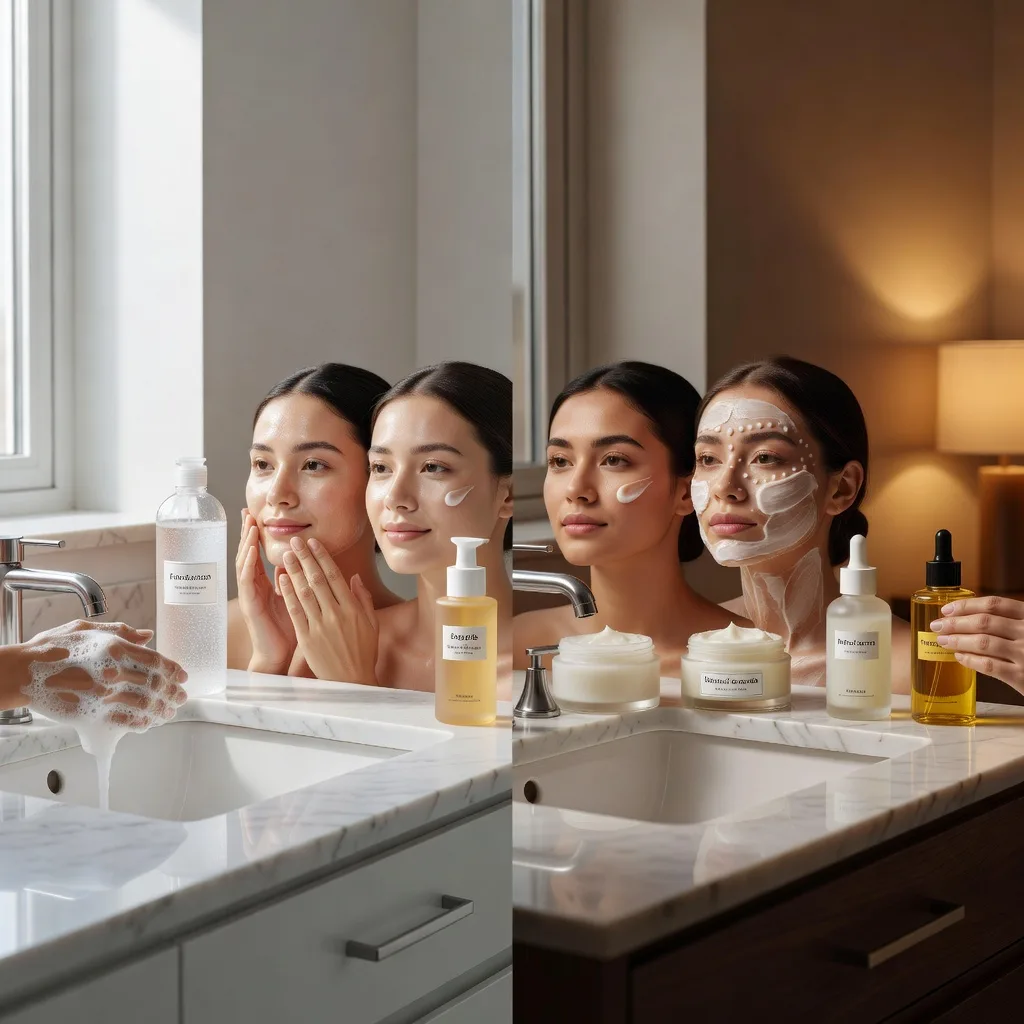
A morning routine is about protection: cleanse gently, add an antioxidant serum such as vitamin C if you use one, moisturise, and finish with broad-spectrum sunscreen as the last step. A night routine is about cleansing and repair: remove sunscreen and makeup, apply treatments such as retinoids or exfoliating acids, and finish with moisturiser. The general rule for order is thinnest to thickest, with sunscreen always last in the morning.
The reason for the split is simple. During the day, skin faces UV light, pollution and makeup, so the focus is on shielding it. Overnight, there is no sun exposure, and many treatments, especially retinoids, work best and cause fewer problems when used at night.
The American Academy of Dermatology notes that sunscreen takes about 15 minutes to work after application and should be reapplied every two hours outdoors, which is why it belongs at the end of the morning routine, applied before you leave the house.
This guide sets out the order for each routine, explains which products belong morning or night, and gives simple routines for different skin types, along with the common mistakes that stop products working as well as they should.
Shopping these picks?
Amazon Prime members get fast, free shipping on eligible items, plus Prime Video, Amazon Music and member deals. New members can start with a free trial.
Start a free Prime trialAged 18 to 24? Prime for Young Adults comes with a longer free trial and a lower price after it.
Affiliate link: we may earn a commission at no extra cost to you.
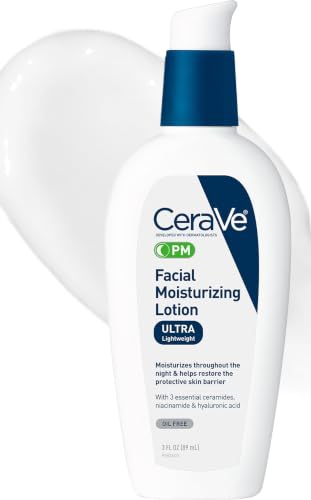
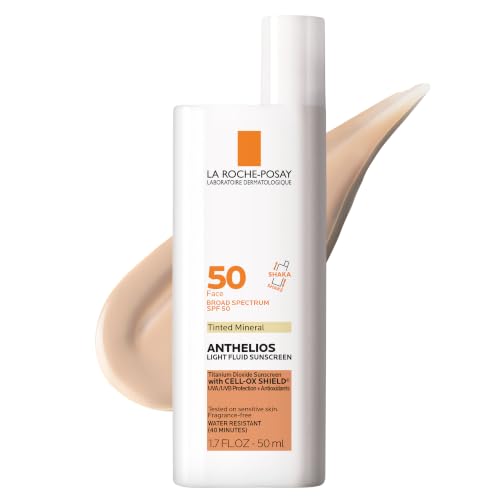
Recommended Products for a Simple Morning and Night Routine
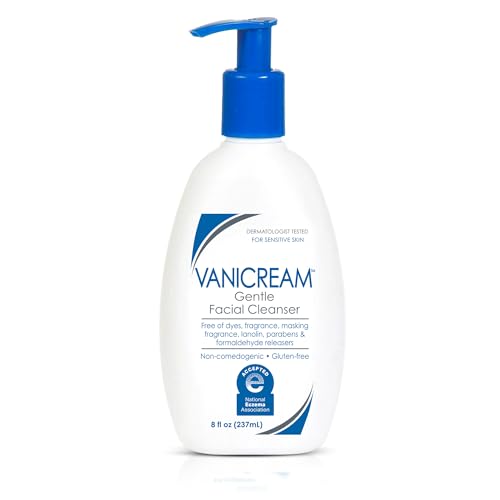

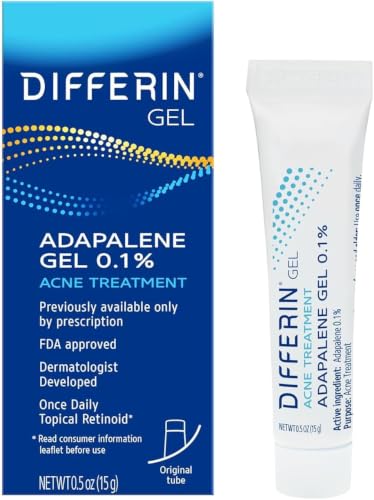
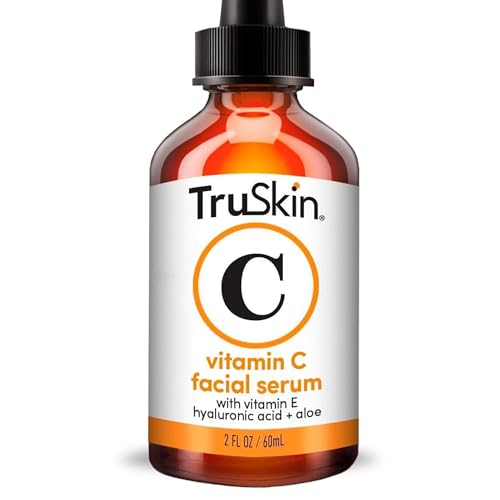
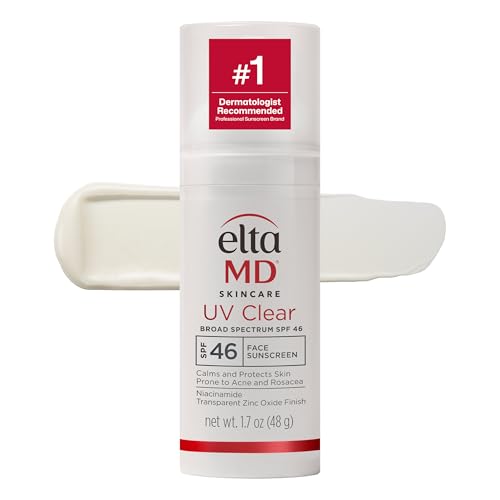
The Short Version
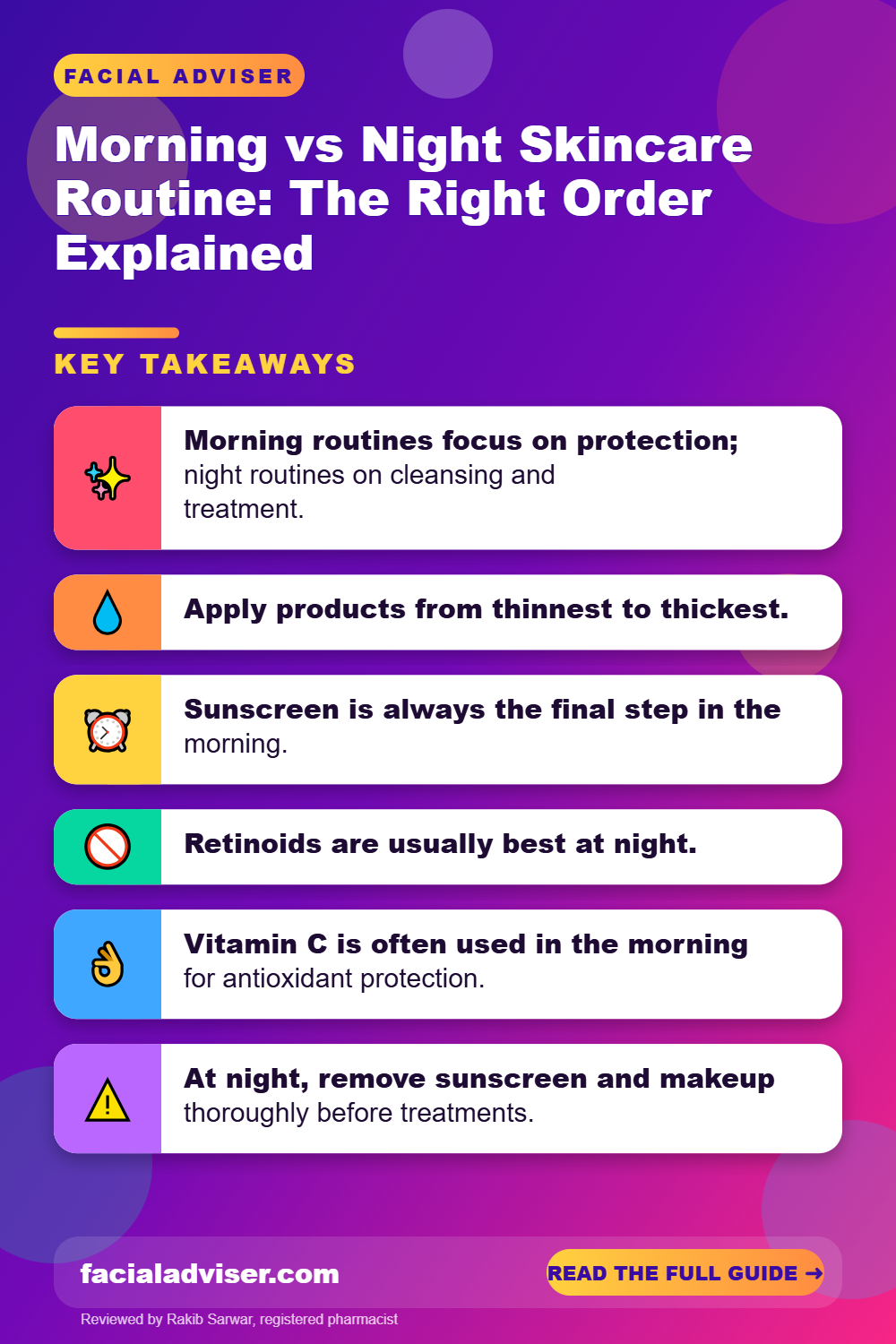
- Morning routines focus on protection; night routines on cleansing and treatment.
- Apply products from thinnest to thickest.
- Sunscreen is always the final step in the morning.
- Retinoids are usually best at night.
- Vitamin C is often used in the morning for antioxidant protection.
- At night, remove sunscreen and makeup thoroughly before treatments.
- A short, consistent routine beats a long, complicated one.
In This Guide
- The Basic Order at a Glance
- What Your Morning Routine Should Do
- What Your Night Routine Should Do
- How to Put Together Your Morning and Night Routines
- Which Products Belong Morning or Night
- Common Routine Mistakes
- Sample Routines by Skin Type
- Layering Without Pilling or Greasiness
- Where Makeup Fits In
- Weekly Extras and Where They Fit
- Honest Limits
- When to See a Dermatologist
- FAQ
- The Takeaway
The Basic Order at a Glance
| Step | Morning | Night |
|---|---|---|
| 1 | Gentle cleanse or water rinse | Remove makeup and sunscreen, then cleanse |
| 2 | Toner or essence (optional) | Toner or essence (optional) |
| 3 | Antioxidant serum, such as vitamin C | Treatment: retinoid or exfoliating acid |
| 4 | Hydrating serum (optional) | Hydrating serum (optional) |
| 5 | Eye cream (optional) | Eye cream (optional) |
| 6 | Moisturiser | Moisturiser or richer night cream |
| 7 | Sunscreen, always last | Occlusive or balm on dry spots (optional) |
Optional steps can be skipped entirely. The essentials are a gentle cleanser, moisturiser and sunscreen in the morning, and cleanser plus moisturiser at night, with a treatment if you need one.
The thinnest-to-thickest rule has one important exception: sunscreen. Even if your sunscreen is thinner than your moisturiser, it still goes on last so nothing dilutes or disturbs the protective film it forms on the skin.
What Your Morning Routine Should Do
In the morning, the goal is to prepare skin for the day and protect it. You do not need a deep cleanse if you cleansed well the night before; a splash of water or a gentle cleanser is enough for many people.
Morning routines also need to be quick enough that you actually do them. If you are often rushed, a three-step routine you use every day will protect your skin far better than a seven-step routine you skip half the time. A moisturising sunscreen can even replace separate moisturiser and sunscreen steps for people with normal or oily skin.
- Cleanse gently: remove overnight oil and any leftover product.
- Antioxidant serum: vitamin C or similar can help neutralise daily environmental damage.
- Moisturise: choose a texture that sits well under sunscreen and makeup.
- Sunscreen: broad-spectrum SPF 30 or higher, applied generously as the last step.
The AAD recommends at least one teaspoon of sunscreen for the face, roughly the length of two fingers, applied about 15 minutes before going outside and reapplied every two hours when outdoors (AAD).
What Your Night Routine Should Do
At night, the priorities are removing everything from the day and giving treatments time to work.
- Remove sunscreen and makeup: micellar water or a cleansing balm first if you wear makeup or water-resistant sunscreen.
- Cleanse: a gentle cleanser to finish.
- Treat: retinoids, exfoliating acids or prescription creams usually go here.
- Moisturise: a slightly richer moisturiser if your skin is dry.
Night is also when you are least likely to be sweating, rubbing your face or wearing makeup, so treatments can stay in place for hours. Applying them to clean, dry skin about 20 minutes after washing can reduce stinging for people who find retinoids irritating.
Retinoids can break down in sunlight and make skin more sensitive, which is one reason they are usually applied at night.
How to Put Together Your Morning and Night Routines
Start with the essentials
Choose a gentle cleanser, a moisturiser and a sunscreen you like wearing.
Pick one main treatment
Decide on your main concern and choose one active, such as a retinoid for acne or aging.
Place actives at the right time
Put vitamin C in the morning and retinoids or acids at night.
Layer thin to thick
Apply watery products first, then serums, then creams.
Wait briefly between layers
Give each layer about a minute, especially before sunscreen and makeup.
Keep it consistent
Use the same routine for at least eight to twelve weeks before changing it.
Write your routine on a sticky note on the bathroom mirror for the first few weeks. It stops you forgetting steps or accidentally using two strong actives on the same night.
Which Products Belong Morning or Night
| Product | Best time | Why |
|---|---|---|
| Sunscreen | Morning | Protects from UV during the day |
| Vitamin C | Usually morning | Antioxidant support against daytime damage |
| Retinoids | Night | Can be less stable in sunlight and increase sun sensitivity |
| AHA and BHA exfoliants | Usually night | Can increase sun sensitivity; less mixing with other actives |
| Benzoyl peroxide | Morning or night | Some prefer morning so it does not meet a retinoid |
| Niacinamide | Either | Gentle and pairs with most products |
| Hydrating serums | Either | Suit any time of day |
| Rich creams and balms | Usually night | Can feel heavy under makeup |
These are guidelines rather than strict rules. Many people use niacinamide or hyaluronic acid twice a day, and some dermatologists advise benzoyl peroxide in the morning and a retinoid at night to avoid applying both at once.
Eye creams follow the same logic as face products: lighter ones before moisturiser, and anything with a retinoid at night. If you use a separate eye product, apply it with your ring finger and keep it away from the lash line.
Common Routine Mistakes
Worth Doing
- Apply sunscreen as the very last step
- Remove sunscreen properly at night
- Use one strong active per night
- Moisturise even if you have oily skin
- Keep the routine short and consistent
Skip It
- Mix a moisturiser into your sunscreen
- Use a retinoid and an acid on the same night
- Skip sunscreen on cloudy days
- Put a heavy cream on top of sunscreen
- Change products every week
Mixing sunscreen with moisturiser or foundation to thin it out can reduce the protection you get. Apply sunscreen as its own layer.
Sample Routines by Skin Type
| Skin type | Morning | Night |
|---|---|---|
| Oily or acne-prone | Gentle cleanser, niacinamide, light gel moisturiser, oil-free sunscreen | Cleanser, adapalene or BHA, light moisturiser |
| Dry | Water rinse or gentle cleanser, hydrating serum, cream, sunscreen | Cleansing balm, gentle cleanser, retinoid a few nights a week, rich cream |
| Sensitive | Water rinse, fragrance-free moisturiser, mineral sunscreen | Gentle cleanser, fragrance-free moisturiser |
| Combination | Gentle cleanser, light moisturiser, sunscreen | Cleanser, BHA on T-zone, moisturiser on dry areas |
These are starting points. Adjust them with the seasons, using a richer moisturiser in cold, dry months and a lighter one in hot, humid weather, and scale back actives if your skin becomes irritated.
If you are not sure which type you are, our guide to an oily T-zone with dry cheeks includes a simple blotting test.
Layering Without Pilling or Greasiness
Too many layers, too much product or too little time between steps can cause pilling, where products roll into little balls, or a greasy finish. Keeping amounts small and waiting a minute between steps usually fixes it.
Formulas matter too. Some water-based and silicone-based products simply do not sit well together. If pilling persists despite small amounts and patience, try swapping one product in the sequence rather than adding another.
Our guides on why skincare feels greasy and whether you need moisturiser after a serum explain how to keep layers light.
Where Makeup Fits In
Makeup always goes on after sunscreen. Give sunscreen a few minutes to settle first, or foundation can slide and pill. If you wear a primer, it goes between sunscreen and foundation.
Reapplying sunscreen over makeup during the day is the tricky part. Options include a sunscreen stick or cushion, a sunscreen powder or a mist, patted on gently. These are convenient but it is easy to apply too little, so use them generously and do not rely on them alone for long periods outdoors.
At night, remove makeup before anything else. A cleansing balm or micellar water breaks down makeup and water-resistant sunscreen, and a gentle cleanser afterwards removes the residue so your treatments can reach the skin.
Weekly Extras and Where They Fit
Some products are not daily steps. Masks, stronger exfoliants and at-home peels are best used once or twice a week, usually in the evening.
| Weekly extra | When | Replace which daily step |
|---|---|---|
| Clay or mud mask | Evening, after cleansing | None; follow with your usual moisturiser |
| Exfoliating acid treatment | Evening | Replaces your retinoid that night |
| Hydrating sheet mask | Evening or morning | Before moisturiser |
| Overnight or sleeping mask | Evening, last step | Can replace moisturiser that night |
The key is to avoid stacking strong products. On nights you use an exfoliating mask or peel, skip your retinoid. Our guide to how often to use face masks explains which types are safe to use regularly.
Honest Limits
There is more flexibility in routine order than social media suggests. What matters most is that sunscreen goes on last in the morning, strong actives are not piled on top of each other, and you use the routine consistently.
Product instructions can also override general rules. Some prescription treatments come with specific directions about timing or order, and those should always take priority over generic advice.
Many people with healthy skin do well with just three products: a cleanser, a moisturiser and a sunscreen. Adding more steps only helps if each one addresses a real need.
If you are building a routine from scratch, start with those three, use them for a month, and only then consider adding a treatment for your main concern. Adding one product at a time also makes it much easier to spot anything that irritates your skin.
When to See a Dermatologist
- You are unsure how to combine prescription treatments with your routine.
- Your skin stings or reddens with most products.
- Acne, pigmentation or dryness is not improving after a few months.
- You want advice on stronger treatments such as prescription retinoids.
This article is for general information and does not replace professional medical advice. Follow your doctor’s instructions for any prescription treatment.
FAQ
What is the correct order for a morning skincare routine?
Cleanser, optional toner, antioxidant serum, moisturiser, then sunscreen last.
What is the correct order for a night routine?
Makeup and sunscreen removal, cleanser, treatment such as retinoid, then moisturiser.
Should I use vitamin C in the morning or at night?
Many people use it in the morning for antioxidant protection, but it can be used either time.
Why should retinol be used at night?
It can break down in sunlight and make skin more sun-sensitive.
Does sunscreen go before or after moisturiser?
After. Sunscreen should be the last skincare step in the morning.
Do I need to cleanse in the morning?
Not always. A water rinse or gentle cleanse is enough for many people if they cleansed well at night.
Can I use the same moisturiser morning and night?
Yes. Some people prefer a richer one at night, but one moisturiser is fine.
How long should I wait between skincare steps?
About a minute is usually enough; wait a little longer before makeup.
Can I use retinol and acids on the same night?
It is better to alternate nights to reduce irritation.
What is the minimum skincare routine?
Cleanser and moisturiser at night, and moisturiser and sunscreen in the morning.
The Takeaway
Think of mornings as protection and nights as cleansing and repair. In the morning, cleanse gently, add an antioxidant if you use one, moisturise and finish with sunscreen. At night, remove the day, apply your main treatment and moisturise.
Layer from thinnest to thickest, keep strong actives apart, and stick with a short routine long enough to see results. Sunscreen last in the morning and retinoids at night are the two rules worth remembering above all.

Written by
Registered pharmacist and founder of Facial Adviser. Rakib's pharmacy training covers how skincare actives work and interact; a later course in cosmetology turned that into a focus on facial treatments and skincare products. He plans, researches and edits every guide on the site and checks health claims against sources such as the American Academy of Dermatology, the FDA and the NIH. He is not a dermatologist; see the Editorial Policy and Medical Disclaimer.
About · Editorial policy · How we choose products · Medical disclaimer · Contact
Keep reading: Skincare routine basics
- Best Skin Care Routine: Simple AM and PM Steps for Every Skin Type
- Is Alcohol Always Bad in Skincare? Good vs Drying Alcohols
- Best Skincare Layering Order for Beginners: Simple AM and PM Routines
- Waterless Skincare: Real Benefits and Marketing Myths
- How to Adjust Your Skincare Routine for Seasonal Changes
- How to Look After Your Skin on Travel Days