Skin Barrier Repair: Signs of Damage, Ceramides and a Simple Routine
If your usual products suddenly sting, your face feels tight an hour after washing and flaky patches keep appearing, the problem may not be a new skin type. It is often a damaged skin barrier, the thin outer layer that keeps moisture in and irritants out. The good news is that the barrier usually repairs itself once you stop hurting it and give it the right support.
Part of our guide to skincare products. Start with: 10 Best Facial Serums for Aging Skin (2026): Picks by Concern
Skin barrier repair means restoring the outer layer of the skin so it holds water and blocks irritants again. A damaged barrier shows up as stinging, tightness, redness, flaking, a rough or shiny-yet-dry texture and sudden sensitivity to products you once tolerated. To repair it, stop the likely causes first, such as over-exfoliating, harsh cleansers and too many actives, then use a simple routine: a gentle cleanser, a moisturiser with ceramides, cholesterol and fatty acids, and daily sunscreen. Most mild damage improves within two to four weeks, while deeper damage can take longer.
In short: remove what is irritating your skin, rebuild it with barrier lipids and a minimal routine, and give it a few weeks.
The American Academy of Dermatology warns that exfoliating too often or too harshly can leave skin red and irritated, and that people with sensitive or reactive skin should be especially gentle.
This guide explains what the skin barrier is, how to spot damage, which ingredients help, a step-by-step repair routine and what to stop doing right away.
Shopping these picks?
Amazon Prime members get fast, free shipping on eligible items, plus Prime Video, Amazon Music and member deals. New members can start with a free trial.
Start a free Prime trialAged 18 to 24? Prime for Young Adults comes with a longer free trial and a lower price after it.
Affiliate link: we may earn a commission at no extra cost to you.
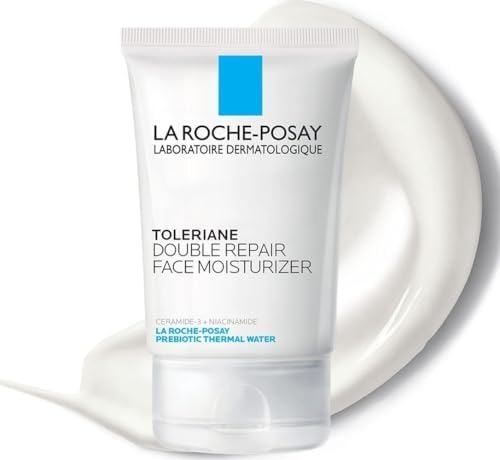
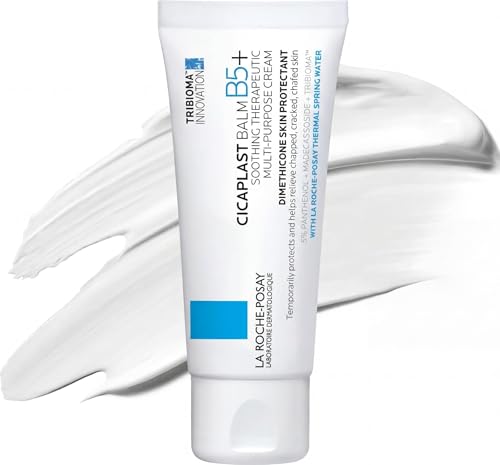
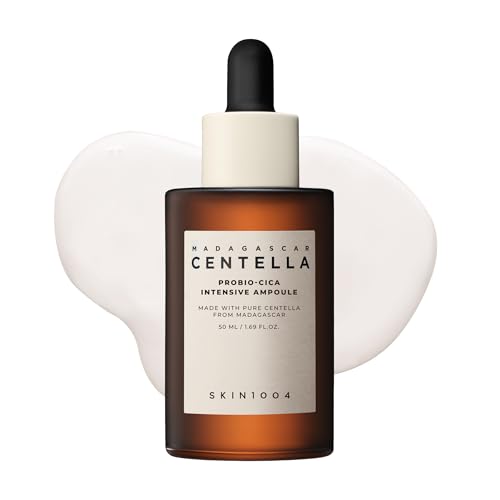
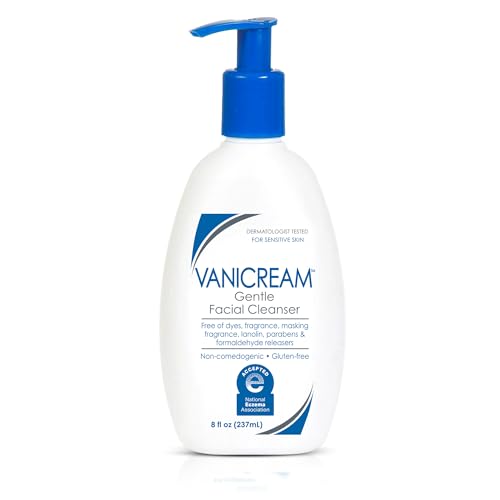
Recommended Barrier Creams, Gentle Cleansers and Serums

On This Page
- What Is the Skin Barrier?
- Signs Your Skin Barrier Is Damaged
- What Damages the Skin Barrier
- Ceramides, Cholesterol and Fatty Acids: Why the Mix Matters
- What to Stop Doing Right Away
- How to Repair Your Skin Barrier Step by Step
- Do You Need a Barrier Serum?
- How Long Does Barrier Repair Take?
- Barrier Repair for Oily, Dry and Sensitive Skin
- Barrier Repair Dos and Don’ts
- Honest Limits
- When to See a Dermatologist
- Frequently Asked Questions
- Where This Leaves You
At a Glance
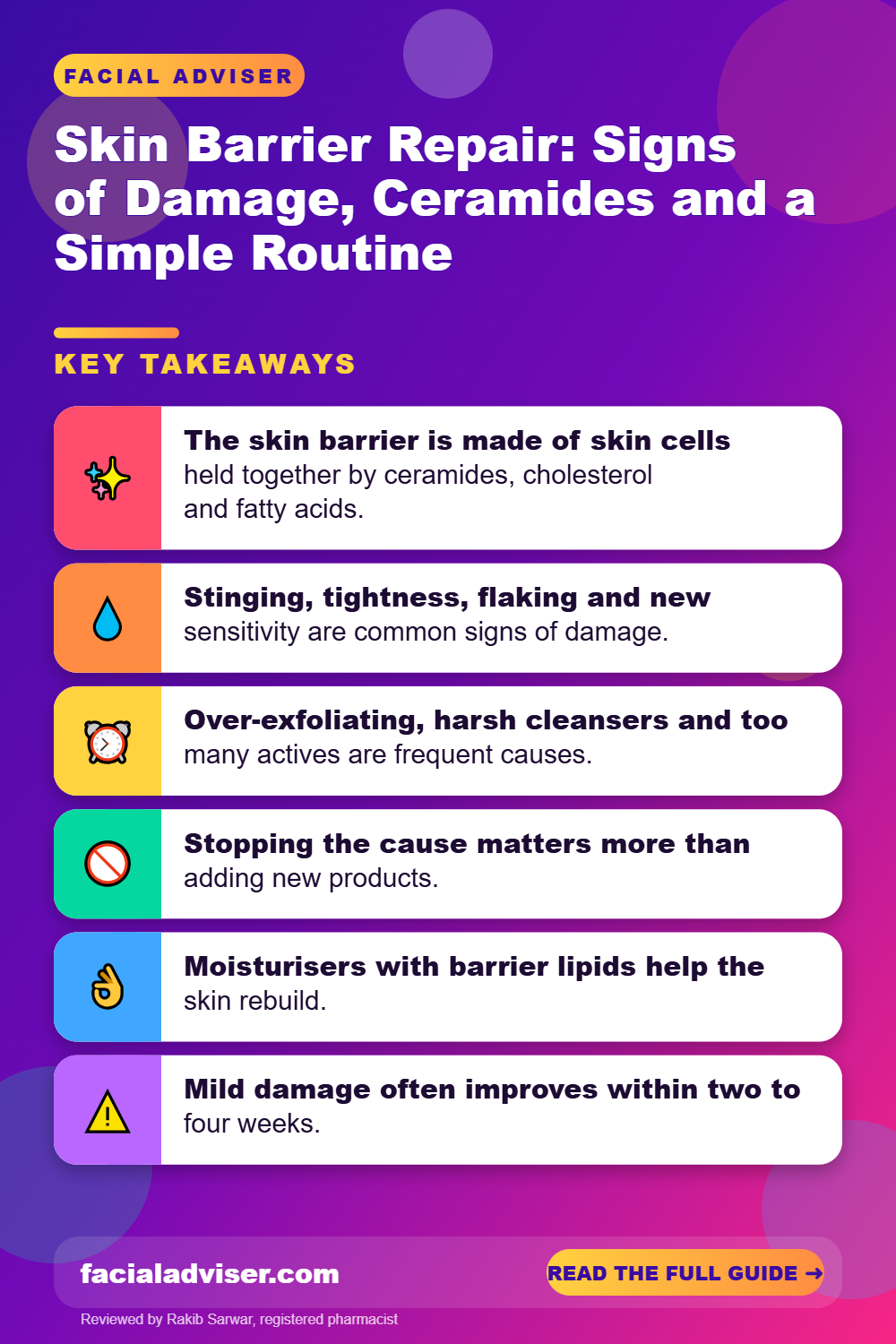
- The skin barrier is made of skin cells held together by ceramides, cholesterol and fatty acids.
- Stinging, tightness, flaking and new sensitivity are common signs of damage.
- Over-exfoliating, harsh cleansers and too many actives are frequent causes.
- Stopping the cause matters more than adding new products.
- Moisturisers with barrier lipids help the skin rebuild.
- Mild damage often improves within two to four weeks.
- Persistent redness, rash or cracking needs a dermatologist.
What Is the Skin Barrier?
The skin barrier sits in the outermost layer of the skin, called the stratum corneum. It is often compared to a brick wall. The bricks are flattened, tough skin cells, and the mortar is a mix of fats that fills the spaces between them. That mortar is made mostly of ceramides, cholesterol and free fatty acids in roughly balanced amounts.
When the wall is intact, water stays in and irritants, allergens and microbes are kept out. When gaps appear, water escapes faster, the skin dries out, and substances that were harmless before can now get in and cause stinging or redness. The barrier also has a slightly acidic surface, sometimes called the acid mantle, which helps keep the right microbes and enzymes working properly.
| Barrier part | What it does | What damages it |
|---|---|---|
| Skin cells | Form the tough outer wall | Scrubbing, over-exfoliating, picking |
| Ceramides | Seal gaps and hold water | Harsh cleansers, age, some skin conditions |
| Cholesterol | Keeps the lipid layer flexible | Stripping cleansers, hot water |
| Fatty acids | Support structure and acidity | High-pH soaps, over-washing |
| Acidic surface | Supports healthy microbes and repair | Alkaline soaps, some wipes |
Signs Your Skin Barrier Is Damaged
Barrier damage can look like several other problems, which is why it is often missed. The clues tend to appear together and get worse when you add more products.
- Stinging or burning when you apply products that used to feel fine.
- Tightness soon after cleansing, even with moisturiser.
- Flaky, rough or patchy areas, often around the nose, mouth or cheeks.
- Redness that comes and goes, or a warm, blotchy look.
- Skin that looks shiny but feels dry and uncomfortable.
- New small bumps or breakouts that do not behave like your usual acne.
- Makeup that clings to dry patches.
Dryness around the mouth is a common early sign, especially in cold weather or with strong toothpaste and lip products. Our guide on patchy dry skin around the mouth looks at that area in more detail.
Some signs of barrier damage overlap with eczema, rosacea, contact allergy and perioral dermatitis. If the problem does not ease after a few weeks of a gentle routine, or it keeps coming back, a dermatologist can tell these apart.
What Damages the Skin Barrier
Most barrier damage comes from routines, not bad luck. The same habits often appear again and again, and they tend to add up.
| Cause | Why it harms the barrier | Better option |
|---|---|---|
| Daily acids or scrubs | Remove cells and lipids faster than they regrow | Exfoliate one to three times a week at most |
| Foaming or high-pH cleansers | Strip barrier fats | Cream, milk or gentle gel cleanser |
| Too many actives at once | Irritation builds up across products | Introduce one active at a time |
| Hot water and long showers | Dissolve protective oils | Lukewarm water, short washes |
| Fragrance and essential oils | Common irritants and allergens | Fragrance-free products |
| Cold, wind, low humidity | Increase water loss | Richer moisturiser in winter |
| Sun exposure | Damages cells and lipids | Daily broad-spectrum sunscreen |
Retinoids and exfoliating acids are useful, but they are also the most common culprits when used too often or too early. The FDA’s page on alpha hydroxy acids notes that these acids can increase sun sensitivity, which is one more reason to use them sparingly and with sunscreen.
Ceramides, Cholesterol and Fatty Acids: Why the Mix Matters
Because the barrier’s mortar is made of three main lipids, moisturisers that supply all three can help the skin rebuild. Research on barrier creams suggests that a balanced mix tends to work better than one lipid on its own, although the exact ideal ratio is still debated.
- Ceramides fill gaps between cells and help hold water in.
- Cholesterol keeps the lipid layers flexible and supports repair.
- Free fatty acids help structure the barrier and keep its surface slightly acidic.
- Humectants such as glycerin and hyaluronic acid pull water into the skin.
- Occlusives such as petrolatum, dimethicone and squalane slow water loss.
- Soothing ingredients such as niacinamide, panthenol and colloidal oatmeal can reduce discomfort.
You do not need all of these in one jar. A fragrance-free moisturiser with ceramides and glycerin, sealed with a thin layer of an occlusive on very dry areas, covers the basics. Niacinamide at low strength is a helpful extra because it can encourage the skin to make more of its own ceramides.
What to Stop Doing Right Away
Repair starts with subtraction. Adding a barrier cream while still using the product that caused the damage is like patching a wall while someone is still hitting it.
- Pause exfoliating acids, scrubs, peel pads and cleansing brushes.
- Pause retinoids and high-strength vitamin C until skin stops stinging.
- Swap foaming or clarifying cleansers for a gentle, low-foam option.
- Stop using toners with alcohol or fragrance.
- Avoid hot water, saunas and steaming the face.
- Stop testing new products until your skin has settled.
- Stop picking, rubbing or scrubbing flaky patches.
Do not try to exfoliate away the flakes of a damaged barrier. Scrubbing or using acids on already irritated skin can cause raw patches, burning and even broken skin. Let the flakes shed on their own as the barrier heals.
How to Repair Your Skin Barrier Step by Step
This routine is deliberately short. Fewer products mean fewer possible irritants and a clearer picture of what your skin likes.
Simplify your routine
Cut back to a gentle cleanser, a barrier moisturiser and sunscreen for at least two weeks.
Cleanse gently
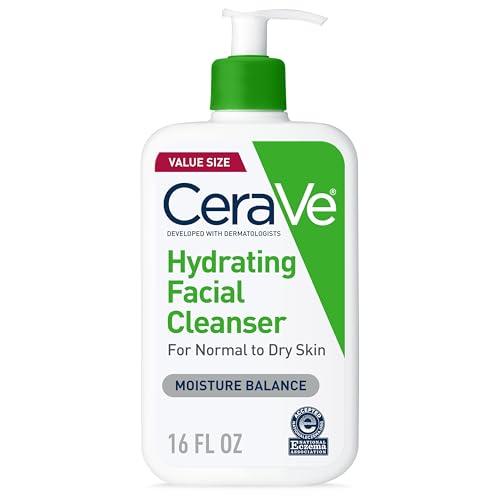
Use lukewarm water and a cream or low-foam cleanser; in the morning, rinsing with water may be enough.
Moisturise on damp skin
Apply a ceramide moisturiser within a minute of patting skin dry to trap water.
Seal very dry spots
At night, dab a thin layer of petrolatum or a balm on flaky or cracked areas.
Protect by day
Use a fragrance-free broad-spectrum sunscreen of SPF 30 or higher every morning.
Wait before adding actives
Once stinging stops, reintroduce one active at a time, starting two or three nights a week.
Track your skin
Note any stinging or redness so you can spot what triggers a setback.
Mineral sunscreens with zinc oxide or titanium dioxide are often better tolerated on irritated skin than some chemical filters. The AAD explains how to apply sunscreen in the right amount.
Do You Need a Barrier Serum?
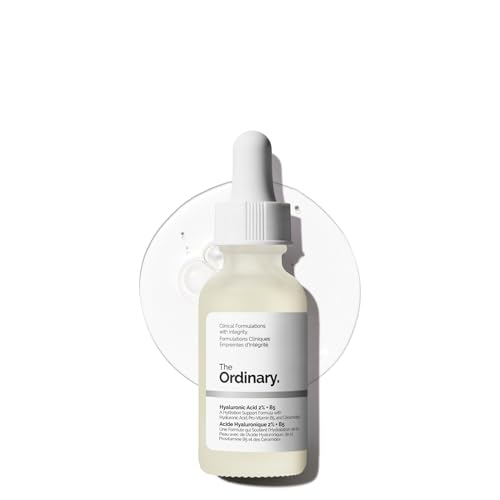
Barrier serums are popular, but they are optional. For most people, a well-made moisturiser does the heavy lifting. A serum can help if your moisturiser is light, your skin is very dry, or you want to add a specific ingredient such as niacinamide or panthenol.
- Choose serums that are fragrance-free and have short ingredient lists.
- Apply to damp skin, then seal with moisturiser.
- Avoid serums that combine barrier claims with acids or retinoids while you are healing.
- Skip the serum entirely if layering causes pilling or stinging.
The order of products still matters, especially once you add actives back in. Our guide on morning vs night skincare routine order explains where each step fits.
How Long Does Barrier Repair Take?
The outer layer of skin renews itself roughly every few weeks, so repair takes time. Mild irritation often calms within days of stopping the cause, and most people notice less stinging and tightness within two to four weeks. Deeper damage, such as months of over-exfoliating, can take six to eight weeks or longer.
Progress is not always steady. A cold snap, a new product or a stressful week can bring symptoms back briefly. If you add actives back too quickly, you may undo several weeks of progress, so go slowly. Our guide on whether skin adapts to skincare products explains why building tolerance gradually works better than pushing through irritation.
Barrier Repair for Oily, Dry and Sensitive Skin
A damaged barrier is not only a dry-skin problem. Oily and acne-prone skin can be dehydrated and irritated at the same time, often because of strong acne products or frequent washing. The principles stay the same, but the texture of your products can change.
- Oily or acne-prone skin: choose a lightweight ceramide gel-cream labelled non-comedogenic and keep occlusives to dry patches only.
- Dry skin: use a richer cream and consider a balm on the cheeks and around the mouth at night.
- Sensitive or reactive skin: pick the shortest fragrance-free ingredient lists you can find and patch test everything.
- Combination skin: use a lighter moisturiser on the T-zone and a richer one on the cheeks.
Whatever your skin type, resist the urge to treat shine with more stripping. Oil and dehydration often exist together, and a calmer barrier usually makes oiliness easier to manage.
Barrier Repair Dos and Don’ts
Try This
- Keep your routine short and fragrance-free
- Moisturise on damp skin
- Use sunscreen every morning
- Reintroduce actives one at a time
- Use lukewarm water
Avoid This
- Scrub off flakes
- Use acids and retinoids while skin stings
- Try several new products at once
- Use hot water or face steaming
- Assume every flare-up needs a new product
Honest Limits
Barrier repair is mostly about stopping damage and letting the skin do its own work. Moisturisers support that process, but no cream rebuilds the barrier instantly, and claims such as repairs in 24 hours usually describe how skin feels, not a structural change. Many barrier products are also tested in small, company-funded studies.
A gentle routine will not cure eczema, rosacea or allergic contact dermatitis, although it can make them easier to manage. If your skin stays red, cracked or itchy despite a simple routine, the cause may be medical and need prescription treatment. It is also worth knowing that some ingredients, including certain fragrances and preservatives, can cause allergies that only a patch test by a dermatologist can confirm.
When to See a Dermatologist
- Redness, itching or flaking does not improve after four weeks of a gentle routine.
- Skin is cracked, weeping, crusted or bleeding.
- You have signs of infection, such as yellow crusts, pus or spreading warmth.
- You suspect an allergy to a product.
- You have known eczema, rosacea or psoriasis that is flaring.
This article is for general information and does not replace professional medical advice. See a board-certified dermatologist for persistent irritation, rashes or skin conditions.
Frequently Asked Questions
How do I know if my skin barrier is damaged?
Stinging, tightness, flaking and new sensitivity are common signs.
How long does it take to repair the skin barrier?
Often two to four weeks for mild damage, longer for severe damage.
What is the fastest way to repair the skin barrier?
Stop the cause and use a gentle cleanser, ceramide moisturiser and sunscreen.
Are ceramides good for barrier repair?
Yes, especially combined with cholesterol and fatty acids.
Should I stop retinol if my barrier is damaged?
Yes, pause it until stinging and flaking settle.
Can I exfoliate a damaged barrier?
No, wait until the skin has healed.
Is petrolatum good for barrier repair?
Yes, a thin layer reduces water loss on dry areas.
Can a damaged barrier cause breakouts?
It can, as irritated skin is more reactive.
Do I need a barrier serum?
Not usually; a good moisturiser is often enough.
Should I wear sunscreen on a damaged barrier?
Yes, a gentle mineral sunscreen is often best tolerated.
Where This Leaves You
Skin barrier repair works best when you remove the cause, keep your routine short and support the skin with ceramides, cholesterol, fatty acids and daily sunscreen.
Give your skin a few weeks, reintroduce actives slowly, and see a dermatologist if redness, cracking or itching persists.

Written by
Registered pharmacist and founder of Facial Adviser. Rakib's pharmacy training covers how skincare actives work and interact; a later course in cosmetology turned that into a focus on facial treatments and skincare products. He plans, researches and edits every guide on the site and checks health claims against sources such as the American Academy of Dermatology, the FDA and the NIH. He is not a dermatologist; see the Editorial Policy and Medical Disclaimer.
About · Editorial policy · How we choose products · Medical disclaimer · Contact
Keep reading: Serums and actives
- 10 Best Facial Serums for Aging Skin (2026): Picks by Concern
- Niacinamide Skin Benefits: Oil, Pores, Redness, Barrier and Dark Spots
- How Hormonal Changes Affect Collagen and What You Can Do
- How to Stimulate Collagen Naturally: What Works and What Does Not
- Sensitive Skin Barrier Damage Signs: Causes, Repair Routine and Timeline
- Essence vs Serum: The Real Difference and Whether You Need Both
- 10 Best Facial Moisturizers for Dry Skin (2026): Rich, Gentle Creams
- 10 Best Face Masks for Every Skin Type (2026): Clay, Gel and Sheet