Patchy Dry Skin Around the Mouth: Causes and How to Heal It
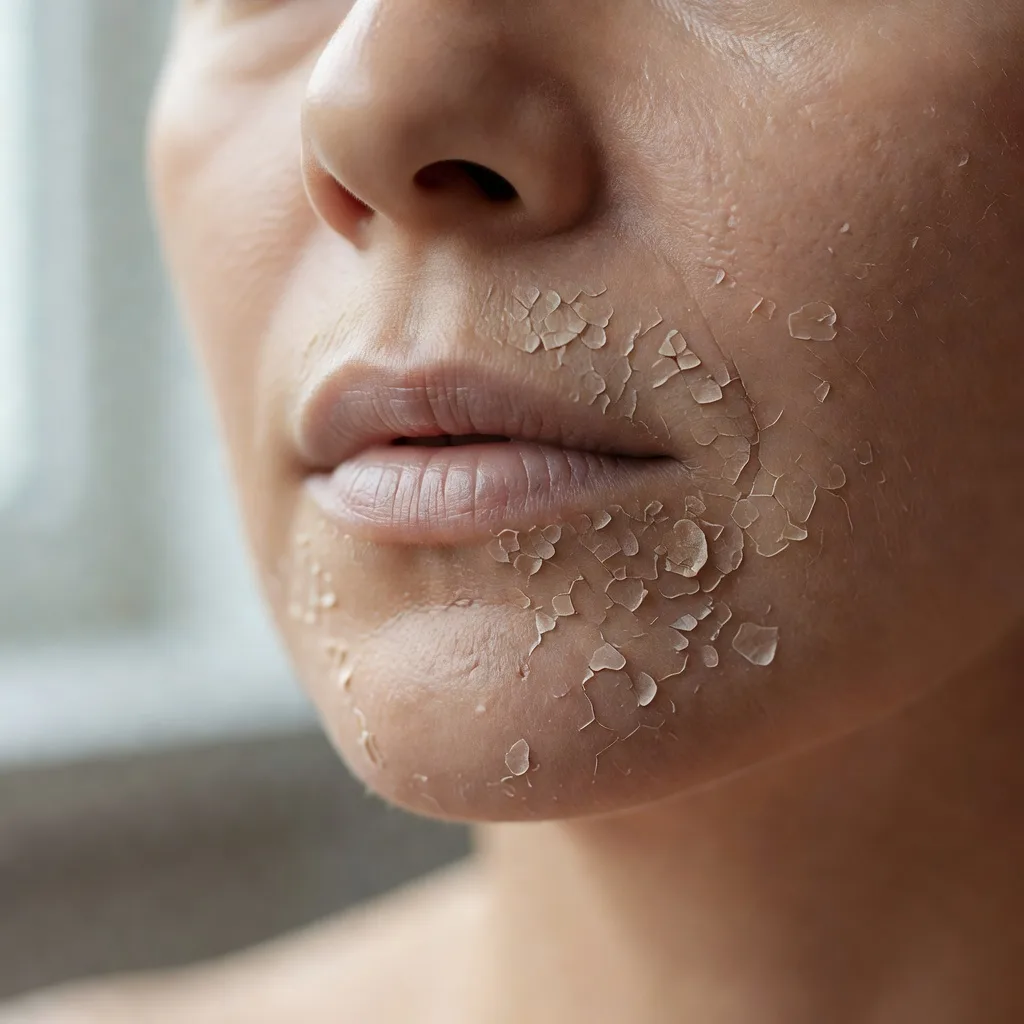
The rest of your face feels fine, but the skin around your mouth is dry, flaky and a little red. It might sting when you eat something salty or acidic, and moisturiser seems to help for an hour before the tightness returns. Sometimes there are tiny bumps mixed in with the flakes.
Part of our guide to skin concerns. Start with: How Can I Make My Pores Less Visible?
Patchy dry skin around the mouth is most often caused by lip licking, drooling at night, irritation from toothpaste, food or skincare, or cold, dry weather. It can also be eczema or perioral dermatitis, a rash of small bumps and flaky skin that is often triggered by steroid creams. Most cases improve with a gentle cleanser, a bland moisturiser, a thick ointment barrier, and stopping lip licking and irritating products. Perioral dermatitis usually needs a doctor.
The skin around the mouth moves constantly, is repeatedly wet and dried by saliva and drinks, and comes into contact with toothpaste, food and lip products many times a day. That makes it one of the easiest places on the face to irritate, and one of the slowest to heal once the barrier breaks down.
The American Academy of Dermatology notes that perioral dermatitis often appears as small red or skin-coloured bumps with dry, flaky skin, and that overuse of corticosteroid creams, including hydrocortisone, is a leading cause. Using a steroid cream on the area can seem to help at first, then make the rash worse.
This guide explains how to tell the common causes apart, a simple routine to heal the area, and when to get help.
Shopping these picks?
Amazon Prime members get fast, free shipping on eligible items, plus Prime Video, Amazon Music and member deals. New members can start with a free trial.
Start a free Prime trialAged 18 to 24? Prime for Young Adults comes with a longer free trial and a lower price after it.
Affiliate link: we may earn a commission at no extra cost to you.
Recommended Products for Dry Skin Around the Mouth

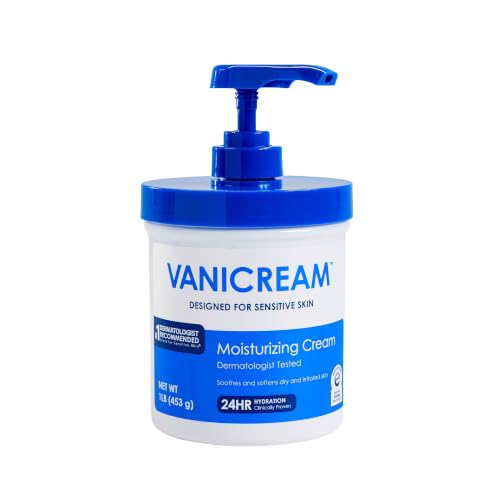
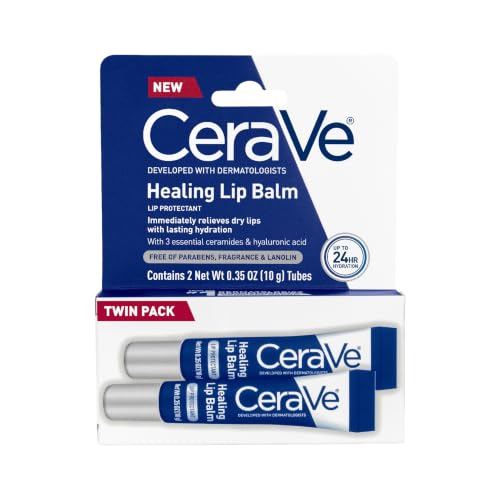
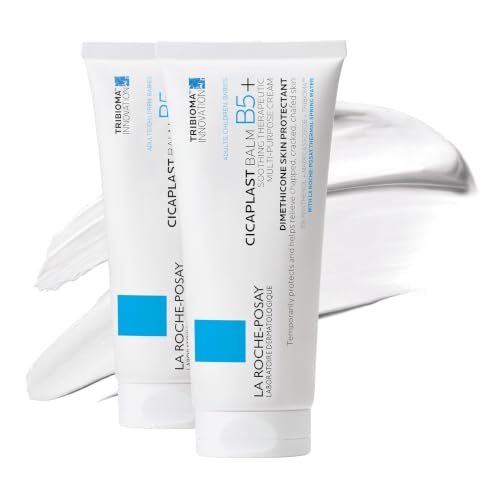
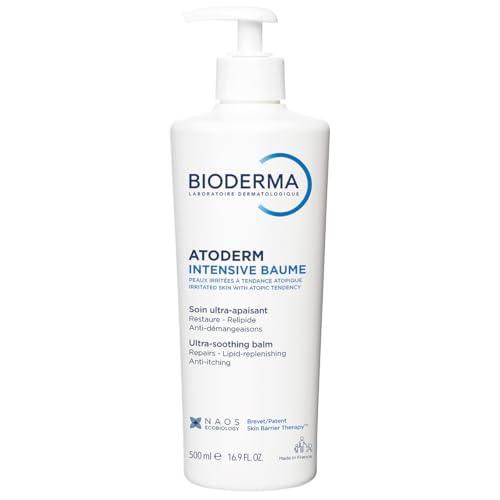
The Short Version
- Lip licking and saliva are among the most common causes of dry skin around the mouth.
- Toothpaste, lip products and acidic foods can irritate the area.
- A thick ointment barrier protects healing skin, especially at night.
- Small bumps with flaky skin around the mouth may be perioral dermatitis.
- Steroid creams can trigger or worsen perioral dermatitis.
- Fragrance-free, simple products heal the area faster than active treatments.
- Patches that do not heal in two to three weeks need a doctor’s review.
On This Page
- What Is Causing It?
- Everyday Habits That Keep It Going
- How to Heal Dry Patches Around the Mouth
- Could It Be Perioral Dermatitis?
- What Helps and What to Avoid
- Cracks at the Corners of the Mouth
- Weather and Seasonal Flares
- How Long Healing Takes
- Makeup and Lip Products While You Heal
- Children, Older Adults and Other Special Cases
- Honest Limits
- When to See a Doctor
- FAQ
- Where This Leaves You
What Is Causing It?
| What you notice | Likely cause | Key clue |
|---|---|---|
| Dry, red ring just around the lips | Lip-licker’s dermatitis | Worse when lips feel dry; habit of licking |
| Flaky patches at the corners of the mouth, with cracks | Angular cheilitis | Sore splits at the corners; can involve yeast or bacteria |
| Small red or skin-coloured bumps with flaking | Perioral dermatitis | Often spares a thin rim at the lip border |
| Itchy, dry, rough patches | Eczema or contact dermatitis | History of eczema, or a new product |
| Greasy flakes extending to the nose folds | Seborrheic dermatitis | Also flaky brows or scalp |
| Dry, tight skin in winter | Weather and low humidity | Improves in warmer months |
The location and the presence or absence of bumps are the biggest clues. Plain dryness without bumps is usually irritation or weather, while bumps suggest perioral dermatitis.
Timing helps too. Dryness that started with a new toothpaste, lip product or face cream points to irritation or allergy. Dryness that appears every winter points to weather. A rash that began after using a steroid cream on the face, even for a short time, points strongly to perioral dermatitis. Writing down when it started and what changed around then makes a doctor’s visit far more useful.
Everyday Habits That Keep It Going
- Licking your lips: saliva contains enzymes that break down skin and evaporates quickly, leaving skin drier.
- Drooling during sleep: a damp pillow against the chin and mouth all night irritates the skin.
- Toothpaste on the skin: foaming agents and flavourings can irritate if left around the mouth.
- Flavoured lip balms: mint, cinnamon and fragrance can sting and encourage licking.
- Acidic or spicy foods: citrus, tomato and chilli residue can burn healing skin.
- Face masks and scarves: trap moisture and rub against the area.
Our guide to skin changes from mask wearing covers friction and moisture problems in more detail.
How to Heal Dry Patches Around the Mouth
Simplify your routine
Use only a gentle, fragrance-free cleanser, a bland moisturiser and an ointment on this area. Stop acids, retinoids and exfoliants around the mouth.
Rinse after brushing
Wipe away toothpaste from the skin with lukewarm water after brushing your teeth.
Moisturise after washing and eating
Reapply a fragrance-free cream after meals and after washing your face.
Seal with ointment at night
Apply a thin layer of petroleum-based ointment around the mouth and on the lips before bed.
Break the licking habit
Keep an unflavoured lip balm with you and apply it whenever you feel the urge to lick.
Protect from the weather
Cover your lower face in cold wind and use a humidifier in dry indoor air.
Give it two to three weeks
Keep the routine consistent; this skin heals slowly.
Apply ointment over the lip border and a little beyond, not just on the lips. The dry ring from lip licking extends onto the surrounding skin.
Could It Be Perioral Dermatitis?
Perioral dermatitis is a common rash that causes clusters of small red or skin-coloured bumps and dry, flaky skin around the mouth, sometimes extending to the nose and eyes. It may itch or burn, or not bother you at all. A thin band of clear skin right next to the lips is a typical feature.
The most important step is to stop any steroid creams on the face, even mild hydrocortisone. The AAD warns that the rash can flare for a short time after stopping, but that going back to the steroid only prolongs the problem (AAD). Heavy creams, some toothpastes and certain cosmetics may also play a part.
Do not treat bumps around the mouth with over-the-counter hydrocortisone. If you suspect perioral dermatitis, see a doctor; it is usually treated with prescription creams or antibiotic tablets and takes weeks to clear.
What Helps and What to Avoid
Helps
- Fragrance-free, bland moisturiser
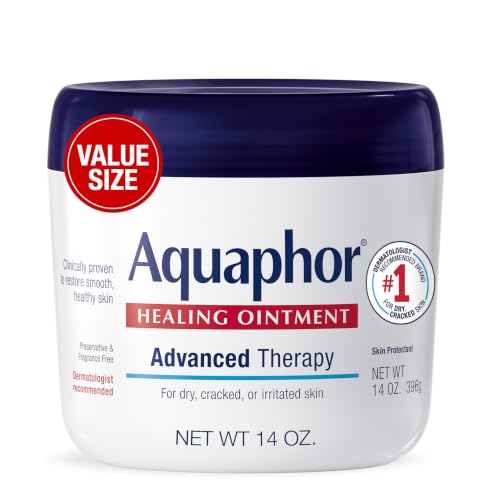
- Petrolatum-based ointment at night
- Unflavoured lip balm
- Lukewarm water
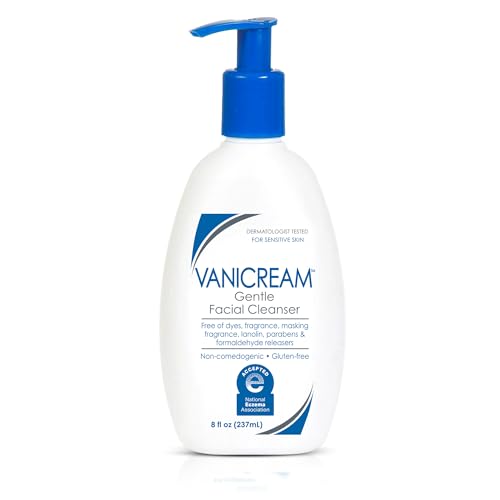
- A gentle, creamy cleanser
Backfires
- Mint, cinnamon or flavoured lip products
- Acids, retinoids and scrubs near the mouth
- Steroid creams unless prescribed
- Hot water or harsh foaming washes
- Rich, oily creams if you have bumps
If you have bumps, choose a lighter, fragrance-free moisturiser rather than a very heavy cream or ointment over the bumpy areas, as heavy occlusion can aggravate perioral dermatitis. Keep ointment to the lips and truly dry, cracked spots.
Cracks at the Corners of the Mouth
Sore, cracked corners of the mouth, called angular cheilitis, often happen when saliva collects in the folds. Loose-fitting dentures, deep folds with age, and lip licking all contribute. Yeast or bacteria can then infect the cracks.
Keeping the corners dry during the day and protected with ointment at night often helps mild cases. If cracks do not heal within a week or two, a doctor may recommend an antifungal or antibiotic cream, and may check for low iron or B vitamin levels.
Weather and Seasonal Flares
Cold air, wind and indoor heating all pull moisture from the skin, and the area around the mouth is often the first to show it. Many people notice the same dry ring every winter. Our guide to calming red, inflamed patches covers winter flares of eczema and seborrheic dermatitis.
Wearing a scarf or snood over the lower face on cold, windy days protects the area, but wash it often, since a damp, dirty fabric rubbing on the chin can undo the benefit.
Starting a richer moisturiser and nightly ointment in autumn, before the weather turns, is often easier than trying to repair cracked skin in mid-winter.
How Long Healing Takes
| Cause | Typical time to improve | What speeds it up |
|---|---|---|
| Lip licking or weather | 1 to 2 weeks | Ointment barrier, stopping the habit |
| Irritation from a product | 1 to 3 weeks | Removing the product, bland care |
| Angular cheilitis | 1 to 2 weeks with treatment | Keeping corners dry; treating infection |
| Eczema | Varies; often recurs | Moisturisers, prescription creams for flares |
| Perioral dermatitis | Several weeks to a few months | Stopping steroids, prescription treatment |
Makeup and Lip Products While You Heal
Lipstick, lip liner and foundation around the mouth tend to settle into flakes and can sting on broken skin. While the area heals, it is best to go bare around the mouth or keep products to a minimum.
- Choose a plain, unflavoured and fragrance-free lip balm or ointment instead of tinted or plumping lip products.
- Avoid long-wear and matte lipsticks, which are often drying and need harsh removers.
- Skip foundation and powder on the dry ring around the lips; they cling to flakes and can irritate.
- If you need colour, apply a sheer tinted balm to the centre of the lips only.
- Remove makeup with a gentle, fragrance-free cleanser rather than wipes or oil-heavy removers.
Once the skin has healed, reintroduce lip products one at a time. Plumping glosses with cinnamon, menthol or capsicum are a common cause of irritation around the lips and are worth avoiding if you are prone to this problem.
Children, Older Adults and Other Special Cases
Children often get a dry, red ring around the mouth from lip licking, thumb sucking or dribbling, especially in winter. A thick layer of plain ointment after meals and at bedtime usually clears it within a couple of weeks. If a child has bumps or the rash spreads to the nose and eyes, a doctor should take a look, as perioral dermatitis can also occur in children.
Older adults are more prone to cracks at the corners of the mouth because the folds deepen with age and dentures may no longer fit well. A dentist can check denture fit, and a doctor can look for infection or nutritional causes if cracks keep returning.
People who use inhaled steroids through a mask or nebuliser can also develop perioral dermatitis. Rinsing and wiping the face after each use helps, and a doctor can advise on the best approach.
Honest Limits
Home care works well for dryness from habits, weather and irritation. It does not reliably clear perioral dermatitis, infected cracks or eczema that keeps flaring, all of which usually need prescription treatment.
If you have tried a simple routine for two to three weeks without improvement, it is better to get a diagnosis than to keep switching products, which can make the area more sensitive.
When to See a Doctor
- Small bumps around the mouth, nose or eyes, especially after using a steroid cream.
- Cracks at the corners of the mouth that do not heal in a week or two.
- Oozing, crusting, yellow crusts or blisters.
- Itchy patches that keep coming back.
- Dryness that does not improve after two to three weeks of gentle care.
This article is for general information and does not replace professional medical advice. See a doctor or dermatologist for persistent rashes around the mouth.
FAQ
Why is the skin around my mouth so dry?
Common causes are lip licking, saliva, cold weather, toothpaste and irritating lip or skin products.
What is lip-licker’s dermatitis?
It is a dry, red ring around the lips caused by repeated licking, which dries and irritates the skin.
How do I know if it is perioral dermatitis?
Look for small red or skin-coloured bumps with dry, flaky skin, often sparing a thin rim right next to the lips.
Can hydrocortisone help dry skin around the mouth?
It is best avoided without medical advice, as steroid creams can trigger or worsen perioral dermatitis.
Can toothpaste cause a rash around the mouth?
Yes. Some ingredients in toothpaste can irritate the skin, so rinse any residue off after brushing.
Is Vaseline good for dry skin around the mouth?
A thin layer of petroleum jelly is helpful for dry, cracked skin and lips, especially at night.
How long does it take to heal?
Simple dryness often improves in one to two weeks; perioral dermatitis can take several weeks or longer.
What causes cracks at the corners of the mouth?
Saliva pooling in the folds, lip licking and sometimes yeast or bacterial infection.
Should I exfoliate the flaky skin?
No. Exfoliating irritated skin around the mouth usually makes it worse.
When should I see a doctor?
If you have bumps, cracks that will not heal, oozing, or no improvement after two to three weeks.
Where This Leaves You
Patchy dry skin around the mouth is usually the result of constant moisture and friction from saliva, food, toothpaste and weather. Breaking the licking habit, rinsing away toothpaste, using bland products and sealing with ointment at night heal most cases.
Bumps with flaking, especially after steroid cream use, point to perioral dermatitis, and sore cracks at the corners may be infected. Both are best checked by a doctor, as they rarely clear with home care alone.

Written by
Registered pharmacist and founder of Facial Adviser. Rakib's pharmacy training covers how skincare actives work and interact; a later course in cosmetology turned that into a focus on facial treatments and skincare products. He plans, researches and edits every guide on the site and checks health claims against sources such as the American Academy of Dermatology, the FDA and the NIH. He is not a dermatologist; see the Editorial Policy and Medical Disclaimer.
About · Editorial policy · How we choose products · Medical disclaimer · Contact
Keep reading: Pores and texture
- How Can I Make My Pores Less Visible?
- What Causes Open Pores on the Nose? Oil, Genes, Age and What Helps
- Dry, Flaky Skin on the Nose: Causes and How to Treat It
- Does Cold Water Close Pores? Myth or Fact, Explained
- Is Pore Minimizing Good for Oily Skin?
- How Do Koreans Reduce Pore Size?
- Are Facials Good for Acne?
- How to Calm Inflamed Red Patches on Your Face