What Services Does a Spa Offer?
What services does a spa offer, and does the answer actually change depending on whether you’re standing in a day spa or a medical spa?
Part of our guide to facial treatments. Start with: What Is a Spa Facial?
A standard day spa offers facials, massage, body treatments, nail services, and hair removal under cosmetology licensing, while a medical spa adds physician-supervised procedures like Botox, fillers, and laser treatments on top of that same base menu. “Medical spa” has no single federal legal definition, so that added layer’s actual scope and required physician involvement varies meaningfully by state rather than following one national standard.
Knowing which category a given service falls into matters directly for your safety, since injectables and lasers performed without proper licensing carry real medical risk regardless of how relaxing the surroundings feel.
This guide breaks down exactly what’s offered at each type of spa, what’s never legally included at a standard day spa, and how to verify a provider’s services are properly licensed before you book anything involving a needle or a laser.
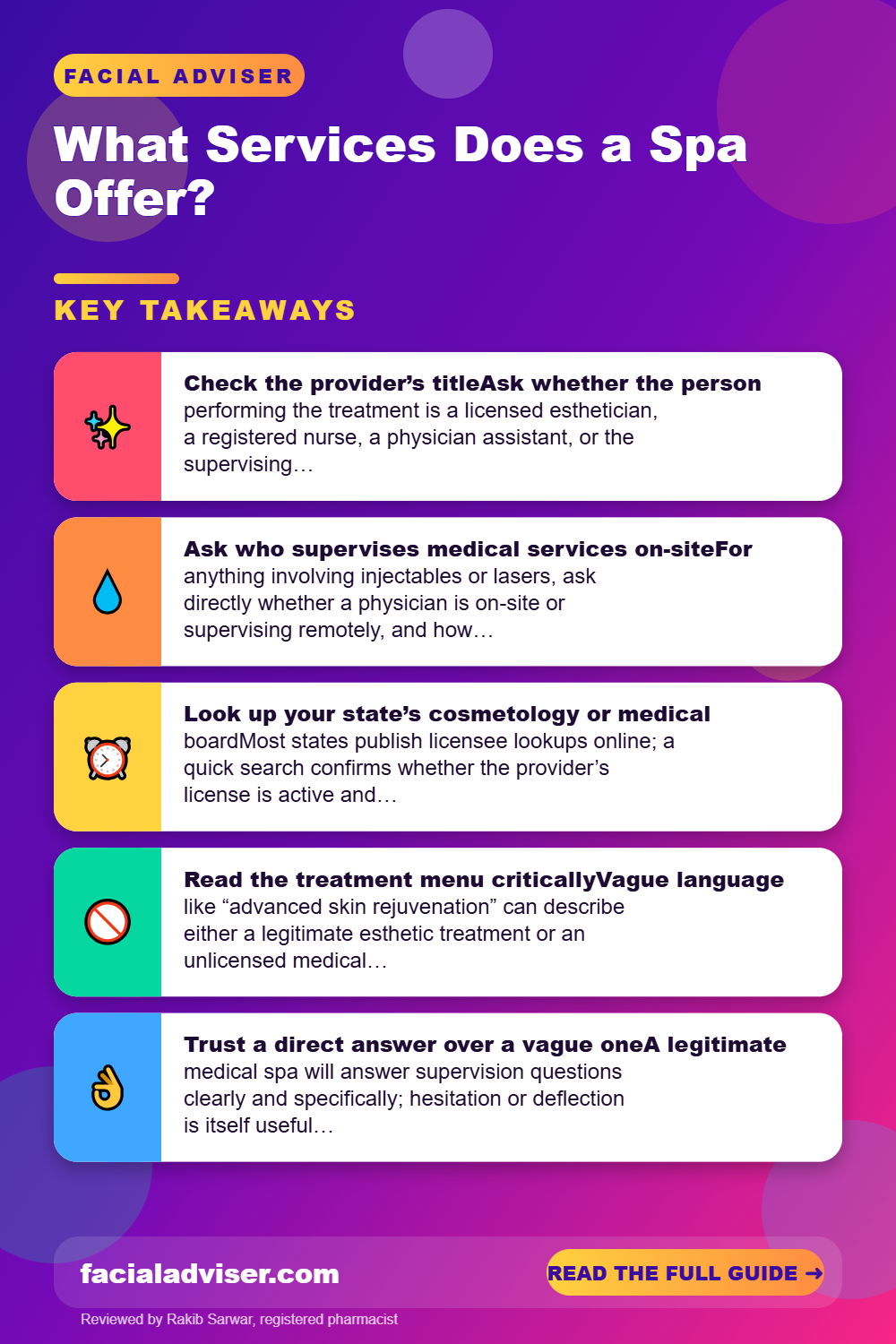
Recommended At-Home Products to Extend Spa Treatment Results


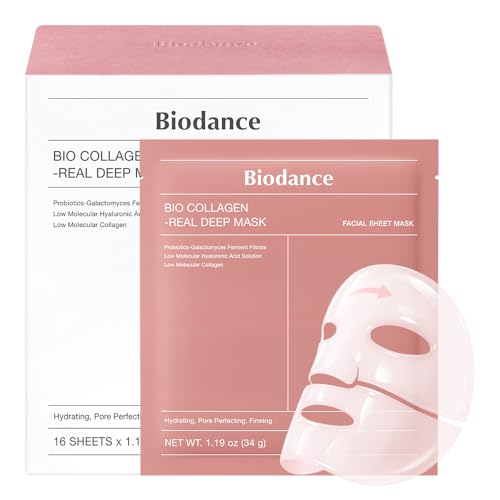



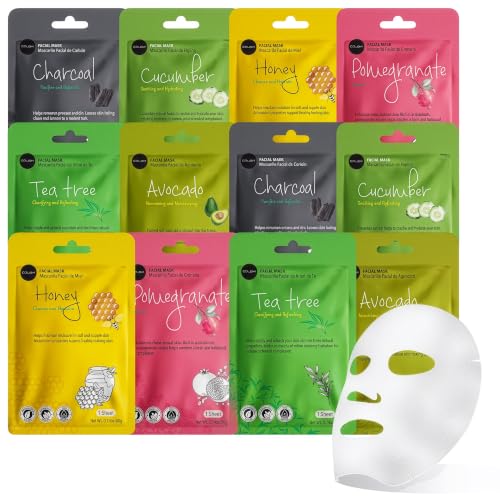
Key Facts
- “Day spa” and “medical spa” are not interchangeable marketing labels — they sit on opposite sides of a real regulatory line, and which side a service falls on depends on state cosmetology and medical-board law, not on how a business brands itself.
- “Medical spa” has no single federal legal definition or FDA standard. It’s a marketing term whose actual scope varies meaningfully by state, so a “medi-spa” isn’t automatically more rigorously regulated than a day spa down the street.
- Injectables, laser treatments, and deep resurfacing legally require physician oversight everywhere in the US; a licensed esthetician performing them at any spa, medical-branded or not, is a compliance red flag, not a feature.
Jump To
- What “Spa Services” Actually Means
- Day Spa vs. Medical Spa: The Real Distinction
- Core Services at Almost Every Day Spa
- What Medical Spas Add
- Spa Types Side by Side
- What’s Never Included at a Standard Day Spa
- How to Verify a Spa’s Services Are Properly Licensed
- How to Read a Spa Menu Without Getting Confused
- What Spa Services Typically Cost
- Booking Smart
- Red Flags at a “Medical Spa”
- When You Need a Physician’s Office, Not a Spa
- Frequently Asked Questions
- The Bottom Line
What “Spa Services” Actually Means
“Spa services” is a broad umbrella covering everything from a basic spa facial to physician-administered Botox, and the term alone tells you almost nothing about who’s licensed to perform what. The useful distinction isn’t “spa” versus “not spa” — it’s which regulatory category a given business and its staff fall under, since that determines both what they’re legally allowed to offer and what training stands behind it.
Shopping these picks?
Amazon Prime members get fast, free shipping on eligible items, plus Prime Video, Amazon Music and member deals. New members can start with a free trial.
Start a free Prime trialAged 18 to 24? Prime for Young Adults comes with a longer free trial and a lower price after it.
Affiliate link: we may earn a commission at no extra cost to you.
This matters more than it might seem, because the word “spa” itself carries no legal weight in most states — almost any business can use it in their name. What actually determines what a given location can legally do to your skin is the licensing held by the specific person performing the service, plus whatever medical oversight structure (if any) that business has in place. Two storefronts sitting next door to each other, both calling themselves spas, can have completely different legal ceilings on what they’re allowed to offer.
Day Spa vs. Medical Spa: The Real Distinction
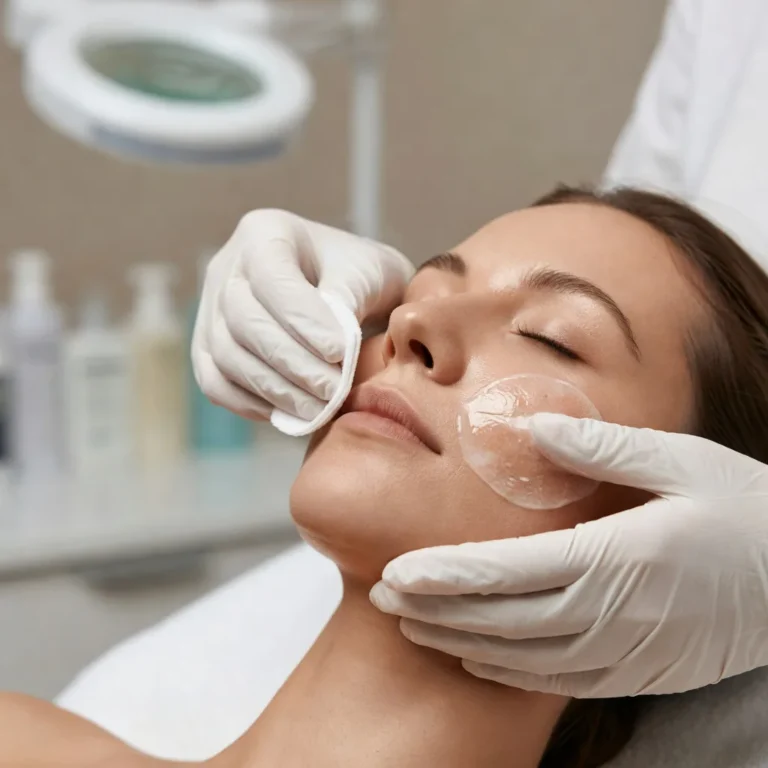
A day spa operates under cosmetology and esthetics licensing. Its staff can perform facials, skin cleansing, hair removal, light chemical peels, and similar services, but nothing that crosses into medical practice. A medical spa layers spa-style service delivery on top of physician-overseen procedures — injectables, laser treatments, deeper resurfacing — and the physician-supervision requirements for that layer vary meaningfully from state to state.
Core Services at Almost Every Day Spa
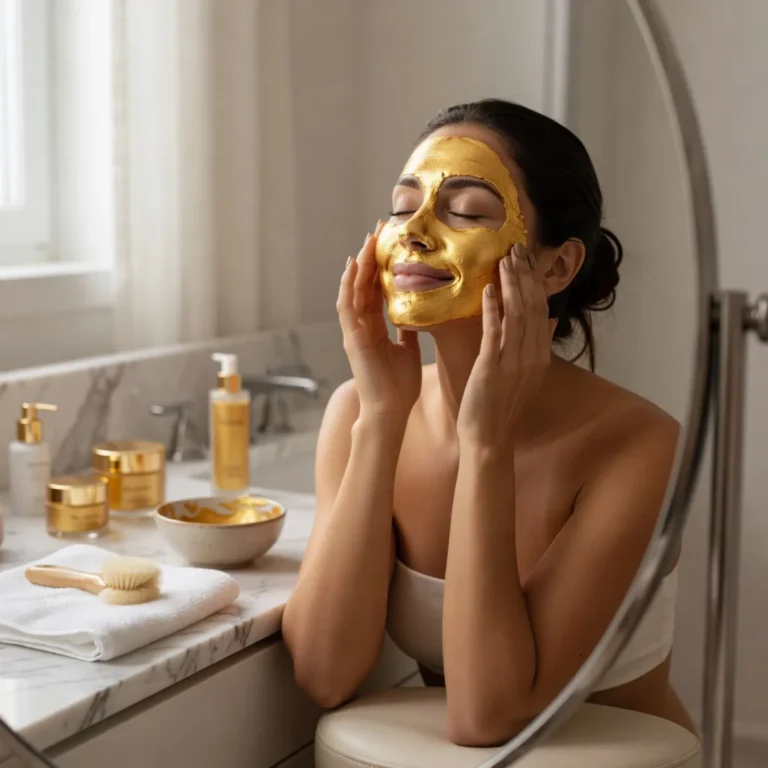
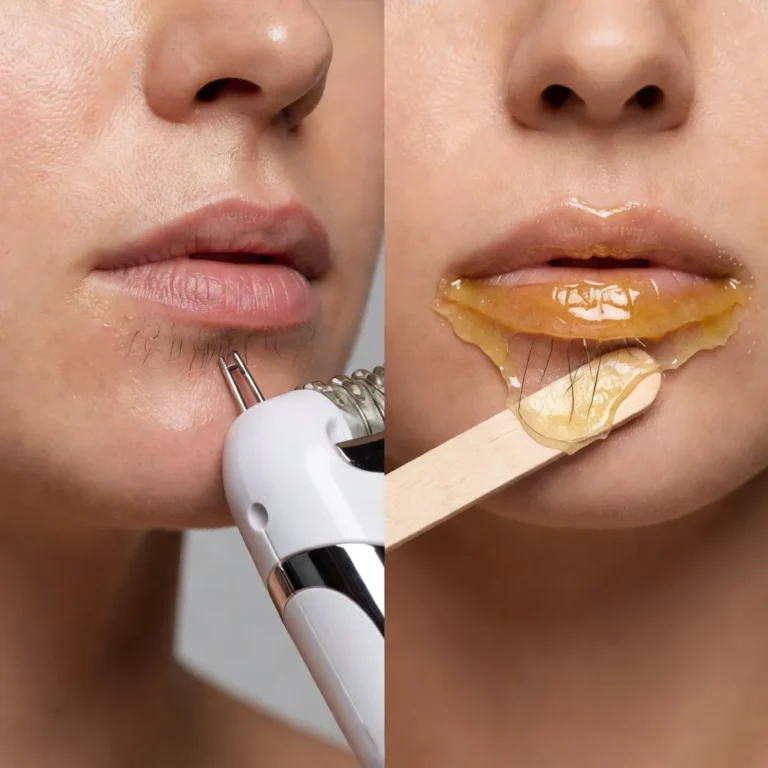
Regardless of location, most day spas offer some combination of facials, therapeutic massage, body treatments like wraps and scrubs, nail services, hair removal (waxing, threading, or sugaring), and access to amenities such as a sauna, steam room, or whirlpool. None of this requires physician supervision, and it’s the service category licensed estheticians and cosmetologists are trained and permitted to deliver on their own.
What Medical Spas Add
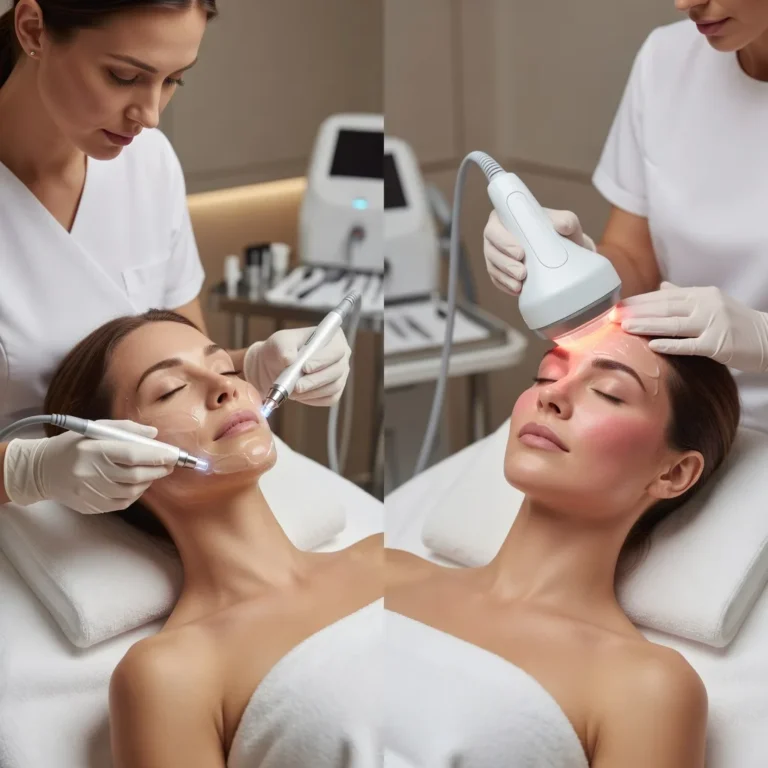
On top of the standard day-spa menu, a medical spa may offer Botox and dermal filler injections, laser hair removal, laser skin resurfacing, medium-to-deep chemical peels, and sometimes prescription-strength product dispensing. These services legally require physician involvement, though the exact degree — an on-site physician performing the procedure directly, versus a physician supervising a licensed nurse or physician assistant remotely — differs by state. California, Texas, and Massachusetts, for example, each set meaningfully different supervision requirements for the same category of procedure.
Spa Types Side by Side
| Feature | Day Spa | Medical Spa |
|---|---|---|
| Governing license | Cosmetology / esthetics board | Esthetics + medical-board oversight |
| Facials, massage, waxing | Yes | Usually yes, alongside medical services |
| Botox / fillers | Not legally permitted | Yes, with required physician involvement |
| Laser treatments | Not legally permitted | Yes, with required physician involvement |
| Overnight lodging | No | No (destination spas are the exception) |
| Regulatory clarity | Well established nationally | Varies significantly by state |
What’s Never Included at a Standard Day Spa
Across every state’s cosmetology framework, a standard day spa — one without a physician-supervised medical layer — cannot legally offer surgical procedures, prescription dispensing, Botox or filler injections, or laser treatments of any kind. If a business calling itself a day spa offers any of these, that’s a licensing problem worth asking about directly before booking.
How to Verify a Spa’s Services Are Properly Licensed
Check the provider’s title
Ask whether the person performing the treatment is a licensed esthetician, a registered nurse, a physician assistant, or the supervising physician, since each has a different legal scope of practice.
Ask who supervises medical services on-site
For anything involving injectables or lasers, ask directly whether a physician is on-site or supervising remotely, and how that supervision works in your state.
Look up your state’s cosmetology or medical board
Most states publish licensee lookups online; a quick search confirms whether the provider’s license is active and matches the service being offered.
Read the treatment menu critically
Vague language like “advanced skin rejuvenation” can describe either a legitimate esthetic treatment or an unlicensed medical procedure — ask for the specific technique and product being used.
Trust a direct answer over a vague one
A legitimate medical spa will answer supervision questions clearly and specifically; hesitation or deflection is itself useful information.
How to Read a Spa Menu Without Getting Confused
Spa menus mix service categories freely, so a single page might list a basic facial next to microdermabrasion next to Botox without distinguishing which require a physician’s involvement. Reading a menu well means mentally sorting each line item into “esthetic” or “medical” before assuming price alone signals which category you’re looking at — a higher price doesn’t necessarily mean more oversight, just a more involved service.
A practical shortcut: anything involving a needle, a laser, or a prescription-strength ingredient belongs in the medical category and should come with a clear answer about physician supervision when you ask. Anything involving cleansing, massage, waxing, or a cosmetic-grade exfoliant generally sits comfortably within standard esthetics licensing. Services that sit in between — certain resurfacing treatments, for instance — are exactly where it’s worth asking a direct question rather than assuming based on the menu description alone.
What Spa Services Typically Cost
| Service Category | Typical Price Range |
|---|---|
| Standard facial or massage (day spa) | $55 – $175 |
| Body treatment (wrap, scrub) | $75 – $200 |
| Superficial chemical peel (esthetician-permitted) | $75 – $200 |
| Botox / filler (physician-supervised) | $200 – $800+ depending on area treated |
| Laser hair removal session | $150 – $500 depending on area and sessions needed |
These ranges reflect commercial cost-aggregator and industry-blog data rather than a single authoritative source — no government or trade-association dataset tracks spa pricing nationally, so treat these as directional rather than precise.
Booking Smart
Do
- Ask who will actually be performing any medical-adjacent service before you book
- Check your state cosmetology or medical board’s license lookup if anything feels unclear
- Treat “medical spa” as a description to investigate, not a guarantee of safety
Don’t
- Assume every provider at a “medi-spa” is a physician
- Book injectables or laser treatments without confirming physician involvement
- Take a business’s own marketing language as a substitute for checking licensing
Red Flags at a “Medical Spa”
When You Need a Physician’s Office, Not a Spa
This distinction trips people up specifically because medical spas blur the line on purpose — that’s part of their appeal, combining a relaxing spa environment with genuinely medical procedures. But relaxing surroundings don’t change what a service legally requires. If a concern needs diagnosis, ongoing monitoring, or a discussion of underlying causes rather than a single cosmetic treatment, a dermatologist’s office remains the right starting point regardless of how spa-like a medical spa’s waiting room looks.
Frequently Asked Questions
What’s the difference between a day spa and a medical spa?
A day spa offers esthetic services like facials and massage under cosmetology licensing; a medical spa adds physician-overseen procedures like Botox, fillers, and lasers on top of that.
Can any spa perform Botox or fillers?
No. These are medical procedures that legally require physician involvement, regardless of how the business brands itself.
What is a “medi-spa” exactly?
It’s a marketing term, not a regulated legal category. Its actual scope of services depends entirely on state law and how that specific business is structured.
Are estheticians allowed to do chemical peels?
Licensed estheticians can typically perform light, superficial peels; medium and deep peels generally require physician supervision, with exact rules varying by state.
What’s the difference between a day spa and a destination spa?
A day spa offers services with no overnight stay; a destination spa combines spa services with lodging, typically over a multi-day visit.
Is laser hair removal available at a regular spa?
Not at a standard day spa. Laser treatments require physician-level oversight and are only legally offered at a properly licensed medical spa.
How do I know if a spa’s medical services are properly supervised?
Ask directly who supervises the procedure and check your state’s cosmetology or medical board licensee lookup if the answer is unclear.
What services are illegal for a standard day spa to offer?
Surgical procedures, prescription dispensing, injectables, and laser treatments all fall outside standard cosmetology licensing.
Does “medical spa” mean it’s safer than a day spa?
Not automatically. Since the term isn’t federally regulated, safety depends on that specific business’s actual licensing and supervision, not the label alone.
What should I ask before booking a medical spa treatment?
Ask who performs the procedure, who supervises it, and whether that person’s license is active and appropriate for the specific service.
The Bottom Line
“Spa services” spans a huge range, from a relaxing facial to a physician-administered injectable, and the label a business uses tells you less than you’d think. The real question is always who’s licensed to perform a given service and who’s supervising it — and that’s worth two minutes of direct questions before you book anything beyond a standard facial or massage.

Written by
Registered pharmacist and founder of Facial Adviser. Rakib's pharmacy training covers how skincare actives work and interact; a later course in cosmetology turned that into a focus on facial treatments and skincare products. He plans, researches and edits every guide on the site and checks health claims against sources such as the American Academy of Dermatology, the FDA and the NIH. He is not a dermatologist; see the Editorial Policy and Medical Disclaimer.
About · Editorial policy · How we choose products · Medical disclaimer · Contact
Keep reading: Spa and brand-name facials