What Is Skoah?
What is Skoah, and is it a genuine, established spa brand or just another wellness-industry name that sounds more substantial than it actually is?
Part of our guide to facial treatments. Start with: What Is a Spa Facial?
Skoah is a real, multi-decade North American facial franchise, founded in 2001 in Vancouver by Chris Scott and Andrea Mundie, built around a deliberately casual atmosphere and a membership-driven business model where an in-house product line reportedly accounts for roughly half of a location’s revenue. That retail-integrated structure shows up consistently in independent customer reviews describing a structured product-sales walkthrough after the facial itself.
No safety incident, lawsuit, or regulatory action tied to skoah specifically was found during research for this guide, though at least one documented employee review raises real, location-specific labor concerns worth knowing about.
This guide covers the brand’s founding story, its actual business model, what a typical visit involves, and what customer and employee reviews genuinely say, so you know what to expect before booking.
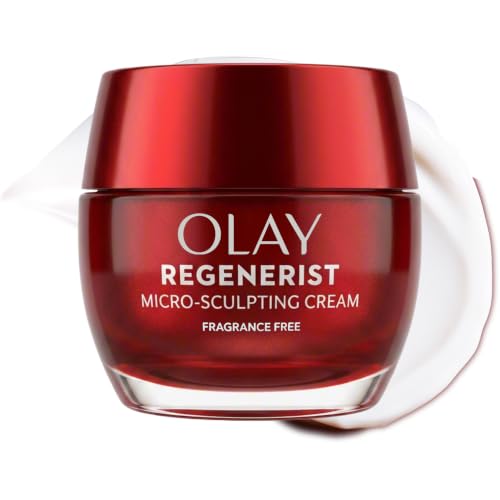
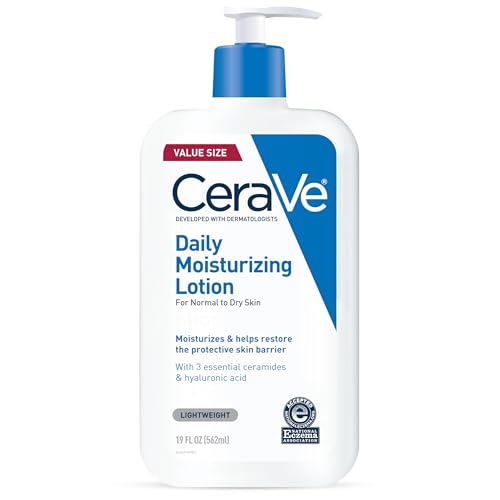
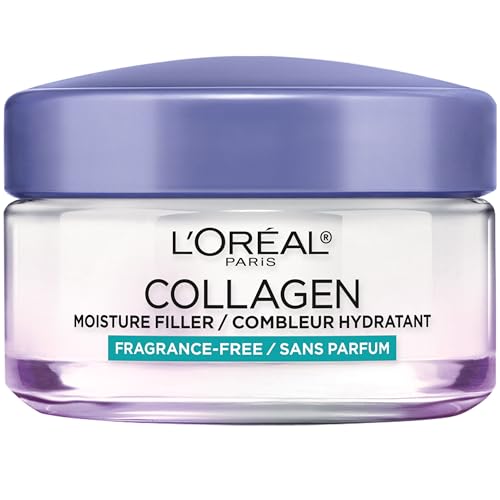
Recommended At-Home Products to Extend Facial Results



The Essentials
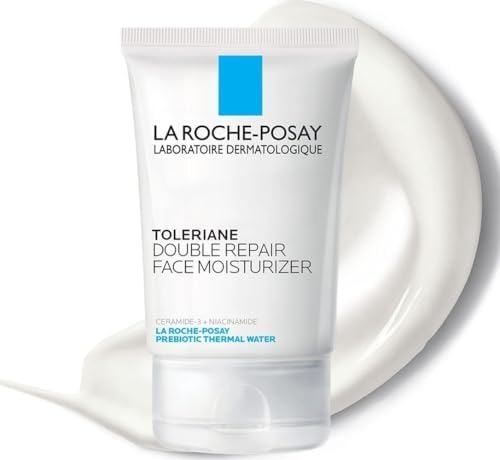
- Skoah is a real, multi-decade North American facial franchise founded in 2001 in Vancouver, built around a deliberately casual, no-pretension positioning against traditional day spas.
- It pivoted to a facials-only concept in 2003 and launched an in-house product line the same year, which reportedly accounts for roughly half of a location’s revenue.
- Its membership-based, “skin care trainer” business model creates a real, structural incentive toward retail product sales, reflected in a consistent pattern across independent customer reviews.
- No safety incident, lawsuit, or regulatory action tied to skoah specifically was found — the documented concerns are about labor practices and sales pressure at individual franchise locations, not treatment safety.
What We Cover
- What Skoah Actually Is
- The Founding Story
- The 2003 Pivot to Facials-Only
- The Business Model, Honestly
- Growth and Franchising Timeline
- What a Skoah Visit Actually Involves
- What Customer Reviews Actually Say
- A Franchise-Level Labor Complaint, Documented
- Skoah vs. a Traditional Day Spa
- What It Costs
- Do This, Not That
- When a Membership Facial Isn’t the Right Fit
- Frequently Asked Questions
- The Bottom Line
What Skoah Actually Is
Skoah is a real, long-running North American facial franchise, not a generic marketing term or a single boutique — a genuinely useful distinction to establish upfront given how many named treatments turn out to be inconsistently used across the industry. It positions itself specifically against traditional, formal day spas, built around a deliberately casual atmosphere and a membership-driven, retail-integrated business model.
Shopping these picks?
Amazon Prime members get fast, free shipping on eligible items, plus Prime Video, Amazon Music and member deals. New members can start with a free trial.
Start a free Prime trialAged 18 to 24? Prime for Young Adults comes with a longer free trial and a lower price after it.
Affiliate link: we may earn a commission at no extra cost to you.
The Founding Story
Skoah was founded in 2001 in Vancouver’s Yaletown neighborhood by Chris Scott and Andrea Mundie. The brand’s original tagline captured its positioning directly: “No whale music, no bubbling cherubs, no pretentious attitude” — a deliberate rejection of the formal, ritualized day-spa experience common at the time in favor of something more approachable and results-focused.
The 2003 Pivot to Facials-Only
Two years after founding, skoah narrowed its focus specifically to facials, a decision reportedly inspired by observing single-service nail-bar business models elsewhere — the idea that a focused, single-category service could scale more predictably than a full-menu spa. The same year, skoah launched its own in-house product line, developed with a hired chemist rather than reselling existing skincare brands.
The Business Model, Honestly
Skoah runs on a membership-based revenue model designed to encourage recurring monthly visits, with treatments branded around the language of “personal training for your skin” and estheticians referred to as “skin care trainers.” Combined with the roughly 50-percent-of-revenue figure tied to in-house retail product sales, this is a business genuinely structured around repeat visits and product sales, not simply a place to get an occasional relaxing treatment — worth knowing before you book, since it shapes what the actual appointment experience tends to include.
| Business model element | What it means in practice |
|---|---|
| Membership structure | Designed to encourage recurring monthly visits rather than one-off appointments |
| In-house product line (~50% of revenue) | Retail sales are a core part of the business, not an incidental add-on |
| “Skin care trainer” branding | Positions the esthetician relationship as ongoing coaching, reinforcing the membership model |
Growth and Franchising Timeline
Skoah grew from 3 locations to 17 by 2017, spread across Vancouver, Boston, Calgary, and Seattle, with a Toronto location planned. Formal franchising launched in July 2016, and the brand has worked with more than one external franchise-development partner over time — a growth-equity firm called Franworth for U.S. expansion, alongside an earlier or parallel partnership with a separate group called REP’M Group. Founder interviews have described an aspirational goal of reaching 250 stores within five years of a particular growth push, though no source confirms that scale was actually reached — a distinction worth being upfront about rather than repeating an unverified projection as an achieved fact.
Working with more than one franchise-development partner over the brand’s history is itself a useful detail for anyone evaluating skoah as a franchise opportunity rather than just a customer: it suggests the earlier growth partnership didn’t achieve whatever scale the brand was aiming for, prompting a second arrangement rather than a single, uninterrupted expansion story. That’s a normal part of franchise-industry life, but it’s worth knowing rather than assuming the brand’s growth has been perfectly linear since 2001.
What a Skoah Visit Actually Involves
Skin consultation
A “skin care trainer” assesses your skin and discusses goals before the facial begins.
Customized facial treatment
The treatment itself follows a standard facial structure, customized using skoah’s in-house product line.
Product recommendation and sales walkthrough
A guided walkthrough of recommended take-home products typically follows the treatment, consistent with the brand’s retail-integrated model.
Membership discussion
New clients are often introduced to the membership program as a way to continue regular visits at a discounted recurring rate.
What Customer Reviews Actually Say
Customer reviews on independent platforms show a consistent pattern across multiple, unrelated skoah locations: the facial treatment itself is generally described positively, but it’s routinely followed by a structured, in-person product sales pitch — one reviewer specifically described being “led through the product display” with technicians waiting nearby, an experience described as awkward. This isn’t a one-off complaint from a single dissatisfied customer; it shows up as a repeated pattern across different locations, consistent with the business-model fact that roughly half of location revenue comes from retail sales.
It’s worth being fair about what this pattern does and doesn’t mean. A retail push after a treatment isn’t unique to skoah — many spas and salons that sell their own product lines follow a similar sequence, and it doesn’t necessarily indicate poor treatment quality. What makes the skoah pattern notable is how consistently it’s described across geographically distant, independently owned franchise locations, which suggests it’s a deliberate, trained sales script rather than an individual location’s initiative.
A Franchise-Level Labor Complaint, Documented
Separately from the customer-facing sales-pressure pattern, at least one detailed employee review on a job-review platform, from a Burnaby, British Columbia location, describes low pay for “skin care trainer” staff, inconsistent scheduling with hours cut unpredictably, a specific claim of an illegal sick-pay deduction, and locations being run day-to-day by very junior staff due to absentee franchise ownership. This is a franchise-level, location-specific complaint rather than necessarily representative of every skoah location — franchise businesses vary considerably from one owner-operator to the next — but it’s a real, sourced concern worth flagging honestly rather than omitting.
Skoah vs. a Traditional Day Spa
| Skoah | Traditional day spa | |
|---|---|---|
| Service scope | Facials-only, focused menu | Broader menu: facials, massage, body treatments, nails |
| Revenue model | Membership-driven, ~50% from in-house retail | Varies widely, typically less retail-dependent |
| Atmosphere | Deliberately casual, “no pretentious attitude” | Often formal, ritualized experience |
What It Costs
Individual facial pricing and membership rates vary by location and specific franchise ownership, since pricing isn’t centrally standardized the way a corporate-owned chain’s might be. As with the treatment experience itself, expect the specific numbers to be presented alongside a membership option designed to lower the per-visit cost in exchange for a recurring monthly commitment. Readers weighing whether the “skin care trainer” model is worth the membership commitment may also find it useful to compare skoah’s licensing structure against this site’s guide to what a facialist actually is, since skoah’s estheticians are licensed under the same state cosmetology framework regardless of the brand’s own internal job title.
Do This, Not That
Do
- Go in expecting a product-sales walkthrough as part of the normal visit structure
- Ask about membership terms and cancellation policy before committing
- Evaluate the specific location’s reviews, since franchise experience varies
Don’t
- Expect a purely relaxation-focused experience with no retail component
- Assume every location is run identically, given the franchise ownership structure
- Feel obligated to purchase recommended products during the walkthrough
When a Membership Facial Isn’t the Right Fit
Anyone dealing with a diagnosed skin condition — active cystic acne, rosacea, or persistent pigmentation — is better served starting with a dermatologist than a membership-based cosmetic facial chain, since skoah’s treatments, like any spa facial, are a cosmetic maintenance service rather than a medical treatment. A membership commitment also isn’t the right fit for someone who wants only an occasional facial without ongoing retail or scheduling commitments, or for someone uncomfortable navigating a structured product-sales conversation as a regular part of each visit.
Frequently Asked Questions
What is Skoah?
Skoah is a facials-only spa franchise founded in 2001 in Vancouver, built around a casual atmosphere, an in-house product line, and a membership-based business model.
Who founded Skoah?
Chris Scott and Andrea Mundie founded it in Vancouver’s Yaletown neighborhood in 2001.
Does Skoah sell its own skincare products?
Yes, an in-house product line launched in 2003 reportedly accounts for roughly half of a typical location’s revenue.
Is Skoah a membership-only service?
Non-members can typically book individual appointments, but the business model is built around encouraging recurring membership visits.
Do customers report high-pressure sales at Skoah?
Independent reviews across multiple locations describe a consistent pattern of a structured product-sales walkthrough following the facial treatment.
Has Skoah had any safety incidents?
No regulatory action, lawsuit, or documented safety incident tied to Skoah specifically was found during research for this guide.
How many Skoah locations exist?
The brand grew from 3 to 17 locations by 2017 and has continued franchising since, with documented locations in cities including Seattle, Boston, and Houston.
When did Skoah start franchising?
Formal franchising launched in July 2016, following partnerships with external franchise-growth firms.
Is Skoah the same experience at every location?
Not necessarily. As a franchise, individual locations vary by ownership, and at least one documented employee review describes significant issues at a specific location.
Is Skoah a good fit for someone with a diagnosed skin condition?
No. A dermatologist should be the first stop for diagnosed conditions like active cystic acne or rosacea, since Skoah’s facials are a cosmetic, not medical, service.
The Bottom Line
Skoah is a real, established facial franchise with a genuine multi-decade founding story, not a fad or single-location boutique — but its business model is explicitly built around membership retention and in-house retail sales, a structure reflected consistently in customer reviews describing a sales walkthrough after treatment. No safety controversy was found tied to the brand, but at least one documented franchise-level labor complaint is worth knowing about, and as with any franchise, the specific location matters more than the brand name alone. Going in with realistic expectations about the retail component, and treating the membership pitch as a genuine choice rather than an obligation, is the most useful takeaway for a first-time visitor weighing whether to book.

Written by
Registered pharmacist and founder of Facial Adviser. Rakib's pharmacy training covers how skincare actives work and interact; a later course in cosmetology turned that into a focus on facial treatments and skincare products. He plans, researches and edits every guide on the site and checks health claims against sources such as the American Academy of Dermatology, the FDA and the NIH. He is not a dermatologist; see the Editorial Policy and Medical Disclaimer.
About · Editorial policy · How we choose products · Medical disclaimer · Contact
Keep reading: Spa and brand-name facials
- What Is a Spa Facial?
- What Is a Perk Facial?
- Dermalogica vs Clarity Facial: Which Suits Acne, Congestion and Dull Skin?
- European Facial vs Basic Facial: Is There Really a Difference?
- Oxygen Facial at Home: Does It Actually Work?
- Sensiglow Facial Treatment: What It Actually Is
- Is Hydrafacial a Gimmick? What Evidence Shows
- Ultimate Guide Microdermabrasion: What to Know