What Is a Facialist? The Real Answer
What is a facialist, legally speaking? The honest answer is that “facialist” isn’t a licensing category in any US state at all — it’s a popular marketing term layered on top of the real, regulated title: esthetician.
Part of our guide to facials: what to expect. Start with: How Often Should You Get a Professional Facial? A Guide by Skin Type and Goal
Training-hour requirements for an esthetics license vary roughly fourfold by state, from about 250 hours to 1,000 hours, and estheticians are licensed under cosmetology boards, not medical boards — a real legal distinction that limits what they can legally perform. Anything crossing into medical-grade treatment generally requires a physician, NP, or PA’s involvement.
Every state maintains a free, public license-lookup tool, and using it before you book is the single most concrete step you can take to verify who you’re actually seeing.
This guide covers exactly what training a license requires, where the real scope-of-practice line sits, and how to check credentials in under a minute.
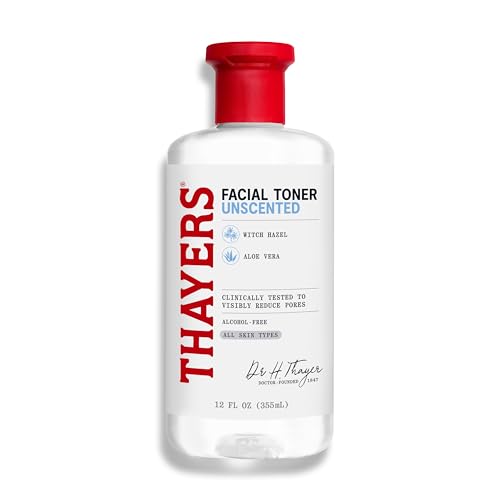
Recommended At-Home Products a Facialist Might Suggest




“Facialist” Isn’t a Licensing Category
“Facialist” is a popular, marketing-friendly word — you’ll see it on spa menus and social media bios constantly — but it isn’t a legal or licensing term in any US state. The actual regulated professional title is “esthetician” (sometimes spelled “aesthetician”), and every state that licenses this profession does so under that name, through a cosmetology or barbering board, not a “facialist” category. Understanding that distinction is the first step to actually verifying who you’re booking with.
Shopping these picks?
Amazon Prime members get fast, free shipping on eligible items, plus Prime Video, Amazon Music and member deals. New members can start with a free trial.
Start a free Prime trialAged 18 to 24? Prime for Young Adults comes with a longer free trial and a lower price after it.
Affiliate link: we may earn a commission at no extra cost to you.
The Short Version
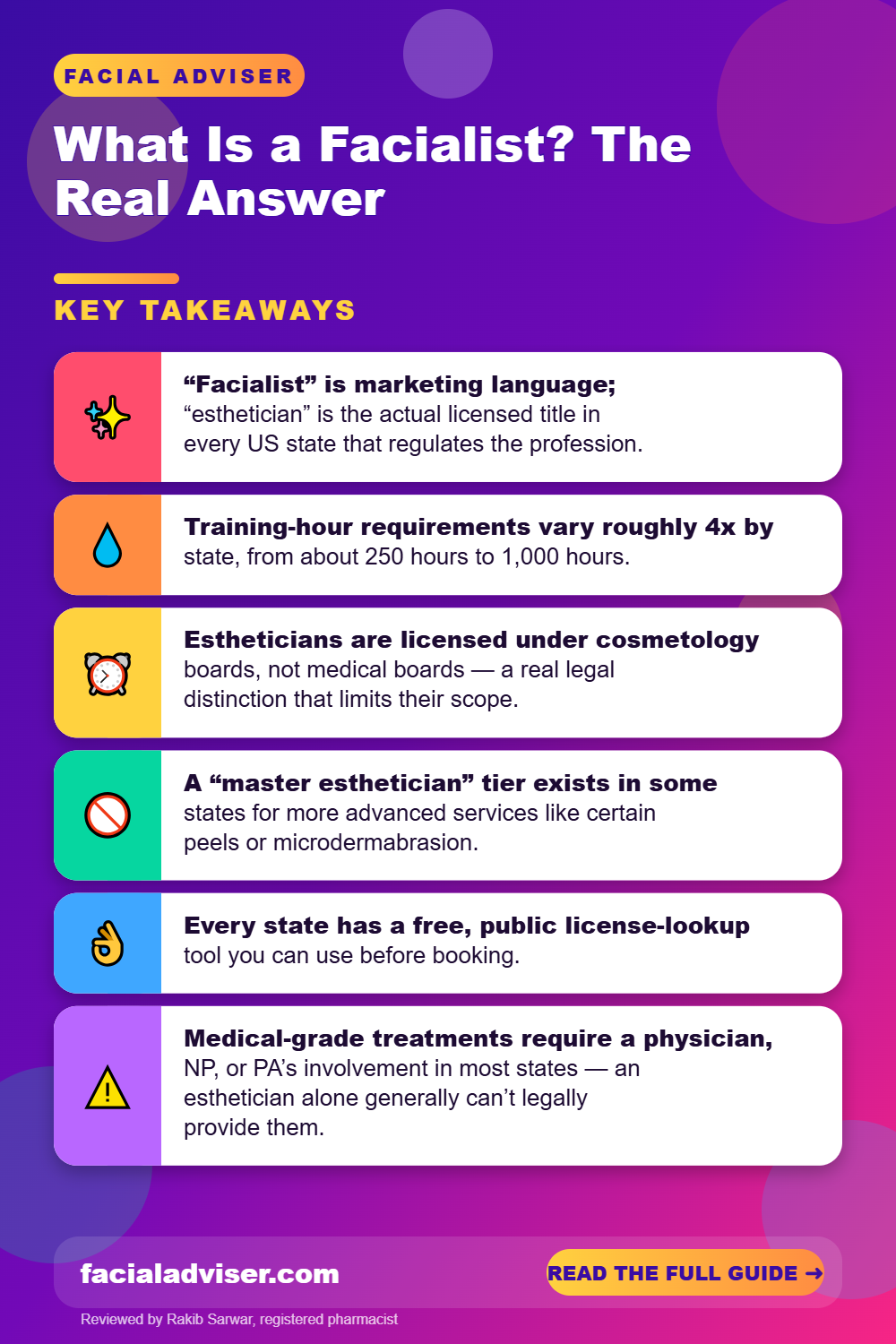
- “Facialist” is marketing language; “esthetician” is the actual licensed title in every US state that regulates the profession.
- Training-hour requirements vary roughly 4x by state, from about 250 hours to 1,000 hours.
- Estheticians are licensed under cosmetology boards, not medical boards — a real legal distinction that limits their scope.
- A “master esthetician” tier exists in some states for more advanced services like certain peels or microdermabrasion.
- Every state has a free, public license-lookup tool you can use before booking.
- Medical-grade treatments require a physician, NP, or PA’s involvement in most states — an esthetician alone generally can’t legally provide them.
What’s Covered
- “Facialist” Isn’t a Licensing Category
- How Much Training Does It Actually Take?
- The Master Esthetician Tier
- Scope of Practice: Esthetician vs. Medical Provider
- The Real Provider Hierarchy
- How to Verify a License Before Booking
- Med Spas: Who’s Actually Supervising?
- Step by Step: Vetting a Provider
- What a Facialist Can Reasonably Offer
- Red Flags to Watch For
- When You Actually Need a Dermatologist
- A One-Minute License Check
- Where This Gets Genuinely Confusing
- What Esthetics School Actually Covers
- Other Titles You’ll Encounter
- Frequently Asked Questions
How Much Training Does It Actually Take?
Training-hour requirements for an esthetics license vary dramatically by US state — from roughly 250 hours in some jurisdictions up to 1,000 hours in states like Alabama, Georgia, and Kansas, with many states clustering closer to 600 hours. Pennsylvania and Alaska sit on the lower end domestically. That’s roughly a fourfold difference depending purely on where you live, which is a genuinely underused fact — the same job title can mean a very different amount of training in different states.
| State (example) | Approx. required hours |
|---|---|
| Alabama, Georgia, Kansas | ~1,000 |
| Many states (common cluster) | ~600 |
| Alaska | ~350 |
| Pennsylvania | ~300 |
The Master Esthetician Tier
Some states offer an additional “master esthetician” license — an advanced tier requiring more training hours, sometimes specifically required to legally perform services like certain chemical peels or microdermabrasion. This is a real, underused nuance: a basic esthetician license that’s perfectly valid in one state may not authorize the exact service a neighboring state requires the master tier for. If a specific treatment matters to you, it’s worth asking directly which license level your provider holds, not just assuming “esthetician” covers everything.
Scope of Practice: Esthetician vs. Medical Provider
This is where the real regulatory teeth are. Estheticians are licensed under cosmetology boards, not medical boards, and per industry guidance from the American Med Spa Association, are legally treated as “unlicensed personnel” from a medical-practice standpoint. That means anything crossing into actual medical treatment — prescription-strength chemical peels, laser procedures, or anything adjacent to injectables — legally requires delegation or supervision from a physician, nurse practitioner, or physician assistant, with the exact line varying by state law.
The Real Provider Hierarchy
From broadest to most limited legal authority: a physician (typically the medical director where required) has the widest scope; a nurse practitioner or physician assistant has moderate authority, with supervision requirements that vary sharply by state (some grant independent practice, others require physician collaboration); a registered nurse requires delegation to perform most procedures; an LPN/LVN is more restricted still; and an esthetician or cosmetologist has the most limited, cosmetic-only scope of the group.
| Provider type | Licensing board | General scope |
|---|---|---|
| Physician (dermatologist) | State medical board | Broadest — diagnosis, prescriptions, medical procedures |
| NP / PA | State medical/nursing board | Moderate, supervision varies by state |
| Registered nurse | State nursing board | Requires physician delegation for most procedures |
| Esthetician / facialist | State cosmetology board | Most limited — cosmetic-only services |
How to Verify a License Before Booking
Every US state maintains a free, public, online license-lookup tool through its cosmetology or barbering board. Searching “[your state] cosmetology board license lookup” or “[your state] esthetician license verification” will get you there, and these tools typically let you confirm a license is current and see whether any disciplinary actions are on file — a specific, actionable step most articles skip in favor of vague “check credentials” advice.
Med Spas: Who’s Actually Supervising?
If you’re booking a medical-grade treatment at a med spa specifically, it’s legitimate to ask who the medical director is — a licensed physician is legally required to be affiliated with med spas performing medical procedures in most states — and to verify that person’s license through the state medical board rather than the cosmetology board.
Step by Step: Vetting a Provider
Identify the actual title
Ask whether the person is a licensed esthetician, master esthetician, RN, NP, PA, or physician — “facialist” alone tells you nothing legally.Look up the license
Use your state’s cosmetology (or medical) board lookup tool to confirm the license is active and check for disciplinary history.Ask about the specific service
Confirm the provider’s license tier actually covers the specific treatment you want, especially for peels or microdermabrasion.Identify medical oversight if relevant
For any medical-grade service at a med spa, ask who the supervising physician or medical director is.
What a Facialist Can Reasonably Offer
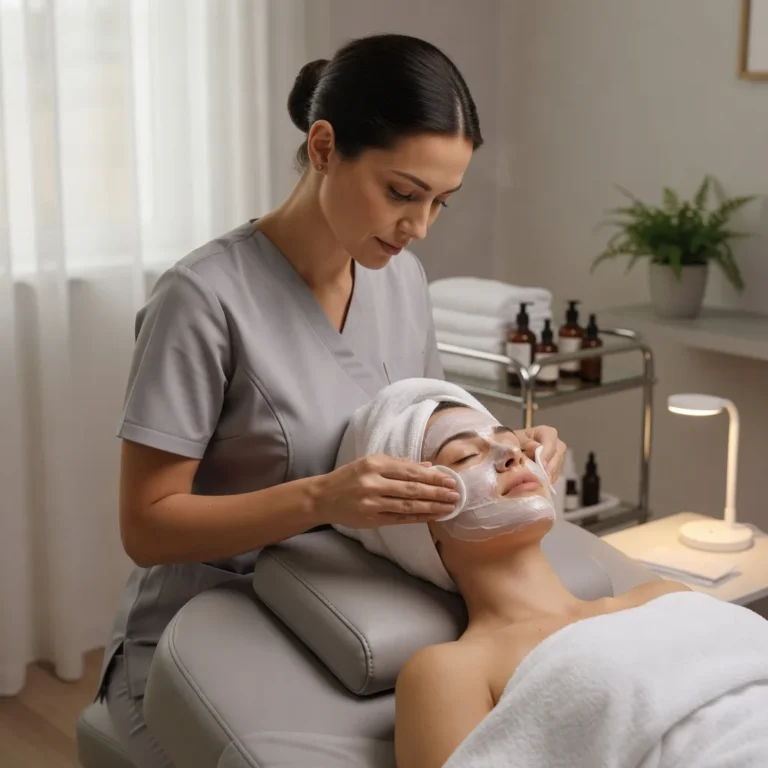
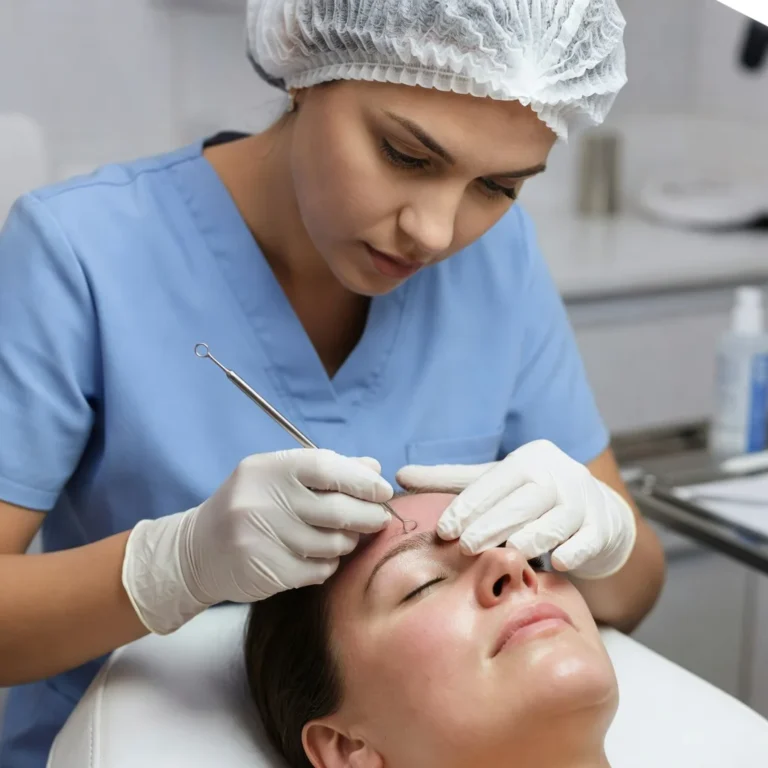
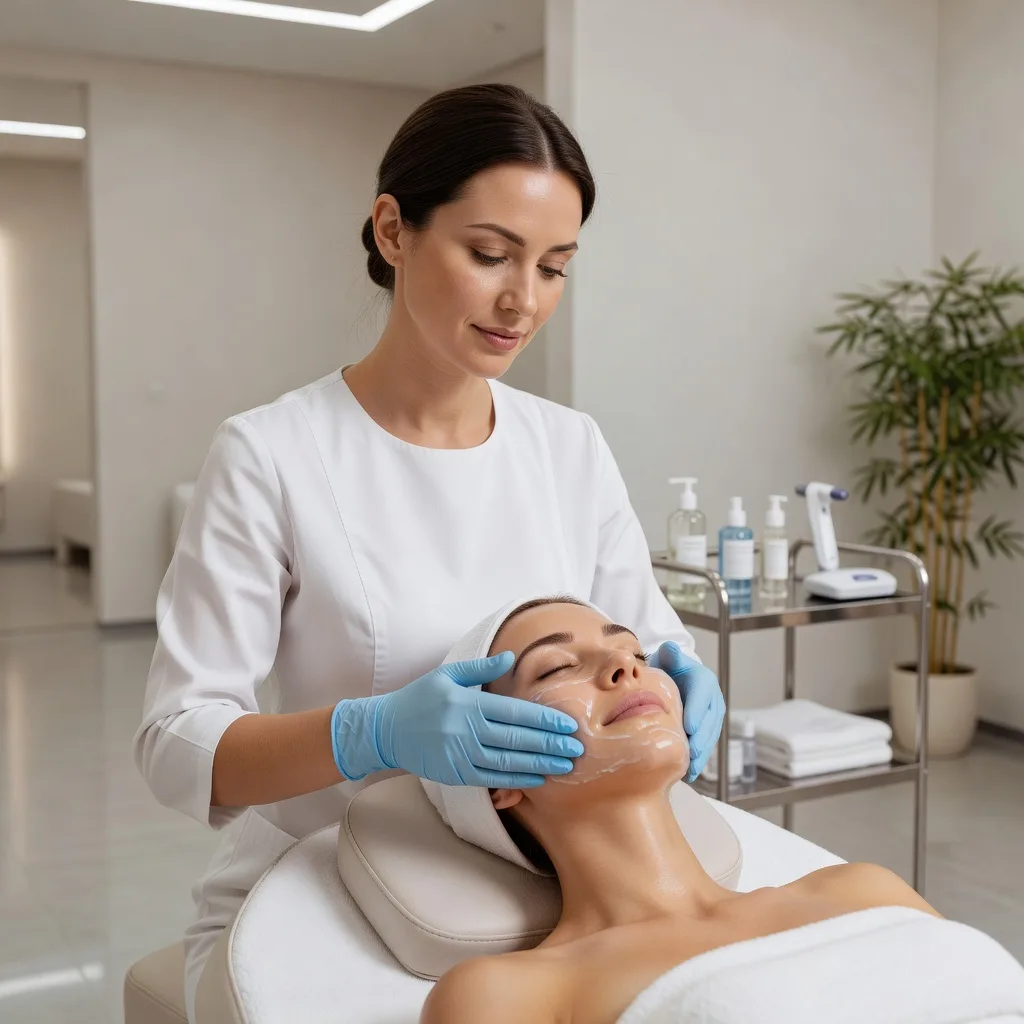
A licensed esthetician can reasonably offer cleansing facials, extractions, superficial exfoliation (within their state’s defined limits), massage, mask treatments, and product recommendations for general skincare. This is genuinely valuable, skilled work — the point of this article isn’t to diminish it, but to be precise about where it legally ends.
Do
- Ask directly what license the person holds and verify it online
- Confirm which license tier a specific service actually requires in your state
- Ask who the medical director is at any med spa offering medical-grade treatments
Don’t
- Assume “facialist” implies any specific legal credential
- Assume a service legal in one state is automatically legal everywhere
- Let an unsupervised esthetician perform anything that should require physician/NP/PA delegation
Red Flags to Watch For
Be cautious if a provider is vague or evasive about their actual license type, offers medical-grade services (prescription peels, laser, injectable-adjacent procedures) without any visible physician affiliation, or a med spa can’t or won’t name its medical director when asked directly.
When You Actually Need a Dermatologist
See a board-certified dermatologist rather than an esthetician for diagnosing a rash or lesion, treating persistent or cystic acne, evaluating a new or changing mole, or any medical-grade procedure like prescription-strength peels, laser resurfacing, or injectables. A facialist’s cosmetic-only scope means they legally cannot, and shouldn’t try to, substitute for that evaluation.
A One-Minute License Check
Before your appointment, search your state’s cosmetology board license-lookup site, type in the provider’s name, and confirm: is the license listed as active? Is there any disciplinary history? Does the listed license type (esthetician vs. master esthetician) match what you’re booking for? This takes under a minute and is the single most concrete thing you can do to verify who you’re actually seeing.
Where This Gets Genuinely Confusing
Be honest about the limits of this guidance: because licensing rules genuinely differ by state, a specific answer (“can an esthetician legally do X”) can only be answered by checking your own state’s board directly — a national article like this one can describe the general pattern but can’t substitute for your state’s specific rule. When in doubt, the license-lookup tool and a direct question to the provider are more reliable than any general guide, including this one.
What Esthetics School Actually Covers
Esthetics training programs typically cover skin anatomy and physiology, sanitation and infection control, basic facial techniques and extractions, product ingredient knowledge, makeup application, hair removal (waxing), and — depending on the state — introductory chemical peel theory. It’s a genuinely broad curriculum for a cosmetic-scope license, and it’s worth distinguishing this real, substantive training from the implication sometimes made online that “esthetician” is a low-bar or informal title. State-mandated hour requirements exist precisely because regulators consider the training meaningful enough to require a minimum threshold before licensure, even though — as covered above — that threshold itself varies considerably from state to state.
Other Titles You’ll Encounter
Beyond “esthetician” and “facialist,” you’ll also see “skin therapist,” “beauty therapist,” and “clinical esthetician” used in marketing — none of these carry independent legal weight beyond the underlying esthetician license in the state where the person is practicing. A title added to a business card or social media bio doesn’t change the legal scope of what that person can actually perform; the license itself, and its state-specific tier, is what determines that.
Frequently Asked Questions
Is “facialist” a real professional license?
No. It’s a marketing term. The actual licensed title in every regulating US state is “esthetician.”
How long does it take to become licensed?
Anywhere from about 250 to 1,000 training hours depending on the state — a roughly fourfold difference.
Can an esthetician perform chemical peels?
Sometimes, depending on the state and the strength of the peel — some states require a master esthetician license or restrict stronger peels to medical settings.
What’s the difference between an esthetician and a dermatologist?
A dermatologist is a licensed physician who can diagnose and medically treat skin disease; an esthetician is licensed under a cosmetology board for cosmetic-only services and legally cannot diagnose or medically treat conditions.
How do I check if my provider’s license is real?
Search your state’s cosmetology board license-lookup tool online and enter their name — it’s free and public.
What is a master esthetician?
An advanced license tier available in some states, requiring more training hours, sometimes required for services like certain peels or microdermabrasion.
Can an esthetician work independently, or do they need supervision?
Basic cosmetic services generally don’t require medical supervision; anything crossing into medical-grade treatment typically requires delegation from a physician, NP, or PA depending on the state.
Who is the “medical director” at a med spa?
A licensed physician legally required to be affiliated with med spas performing medical procedures in most states — you can verify this person through the state medical board.
Are licensing requirements the same in every state?
No — they vary substantially, from training hours to whether a master tier exists, so always check your own state’s specific rules.
When should I see a dermatologist instead of a facialist?
For diagnosing rashes or lesions, treating persistent acne, evaluating new or changing moles, or any medical-grade procedure — these fall outside an esthetician’s legal scope.

Written by
Registered pharmacist and founder of Facial Adviser. Rakib's pharmacy training covers how skincare actives work and interact; a later course in cosmetology turned that into a focus on facial treatments and skincare products. He plans, researches and edits every guide on the site and checks health claims against sources such as the American Academy of Dermatology, the FDA and the NIH. He is not a dermatologist; see the Editorial Policy and Medical Disclaimer.
About · Editorial policy · How we choose products · Medical disclaimer · Contact
Keep reading: Facials: what to expect