Dermapen Facial: What the Real Evidence Shows
A Dermapen facial is a specific brand of motorized microneedling pen, and understanding what it actually is matters more than usual right now, given a real regulatory alert affecting a related category of device.
Part of our guide to facials: what to expect. Start with: How Often Should You Get a Professional Facial? A Guide by Skin Type and Goal
Dermapen-brand devices are typically mechanical microneedling pens without radiofrequency energy, a meaningfully different, generally lower-risk category than the RF microneedling devices named in the FDA’s October 2025 safety alert on burns, scarring, and fat loss. The strongest clinical evidence supports microneedling specifically for atrophic acne scars, especially combined with treatments like PRP or chemical peels.
At-home microneedling carries meaningfully higher real-world risk than professional treatment, mainly from non-sterile technique and uncontrolled depth.
This guide covers the real evidence for microneedling, the critical mechanical-versus-RF distinction, and who should modify or skip it.
Recommended At-Home Microneedling Tools and Serums


What a Dermapen Facial Actually Is
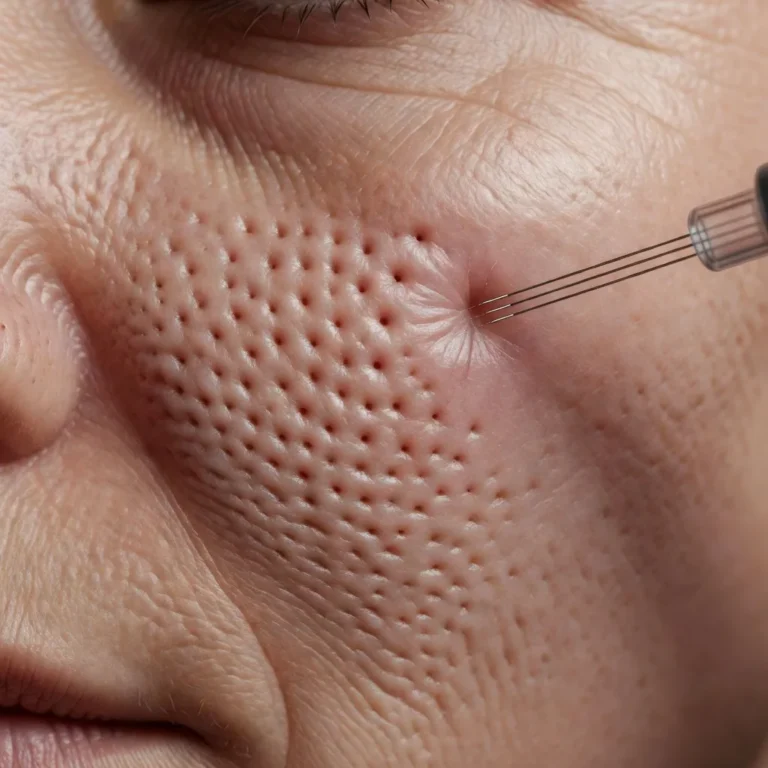
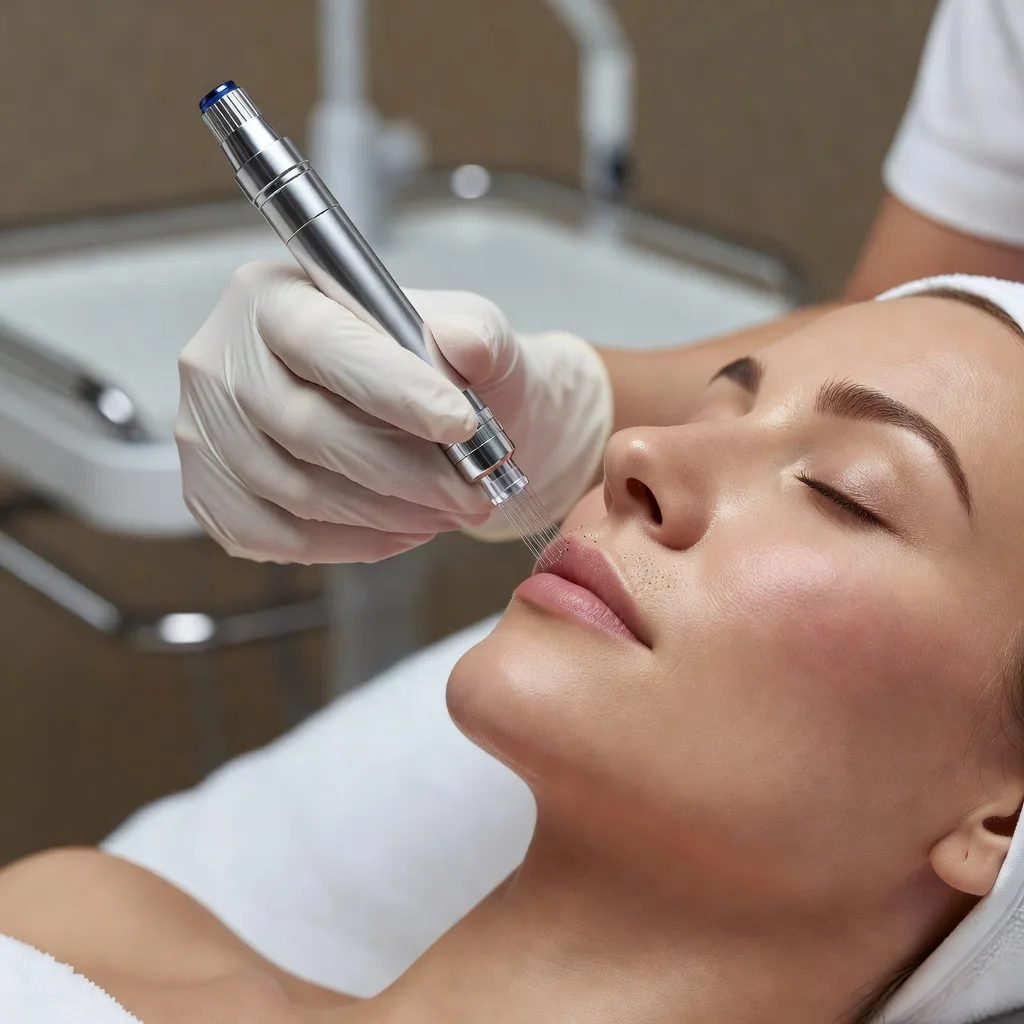
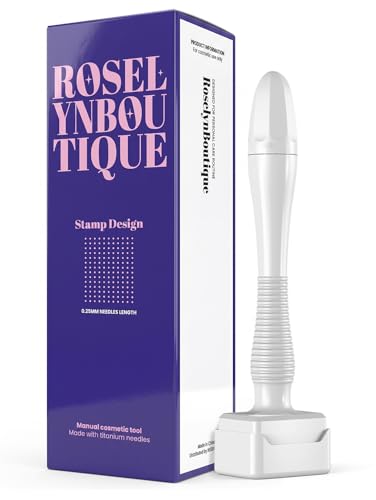
“Dermapen” is a specific brand name for a motorized microneedling pen, not a generic catch-all term. The device drives a cluster of fine needles rapidly in and out of the skin, creating controlled micro-punctures that trigger a genuine wound-healing cascade: platelet release, growth-factor signaling, and new collagen and elastin production. This is the same underlying mechanism behind microneedling generally, “collagen induction therapy,” and derma-rollers more broadly, differing mainly in needle-delivery method and how precisely the depth can be controlled.
Shopping these picks?
Amazon Prime members get fast, free shipping on eligible items, plus Prime Video, Amazon Music and member deals. New members can start with a free trial.
Start a free Prime trialAged 18 to 24? Prime for Young Adults comes with a longer free trial and a lower price after it.
Affiliate link: we may earn a commission at no extra cost to you.
Key Points
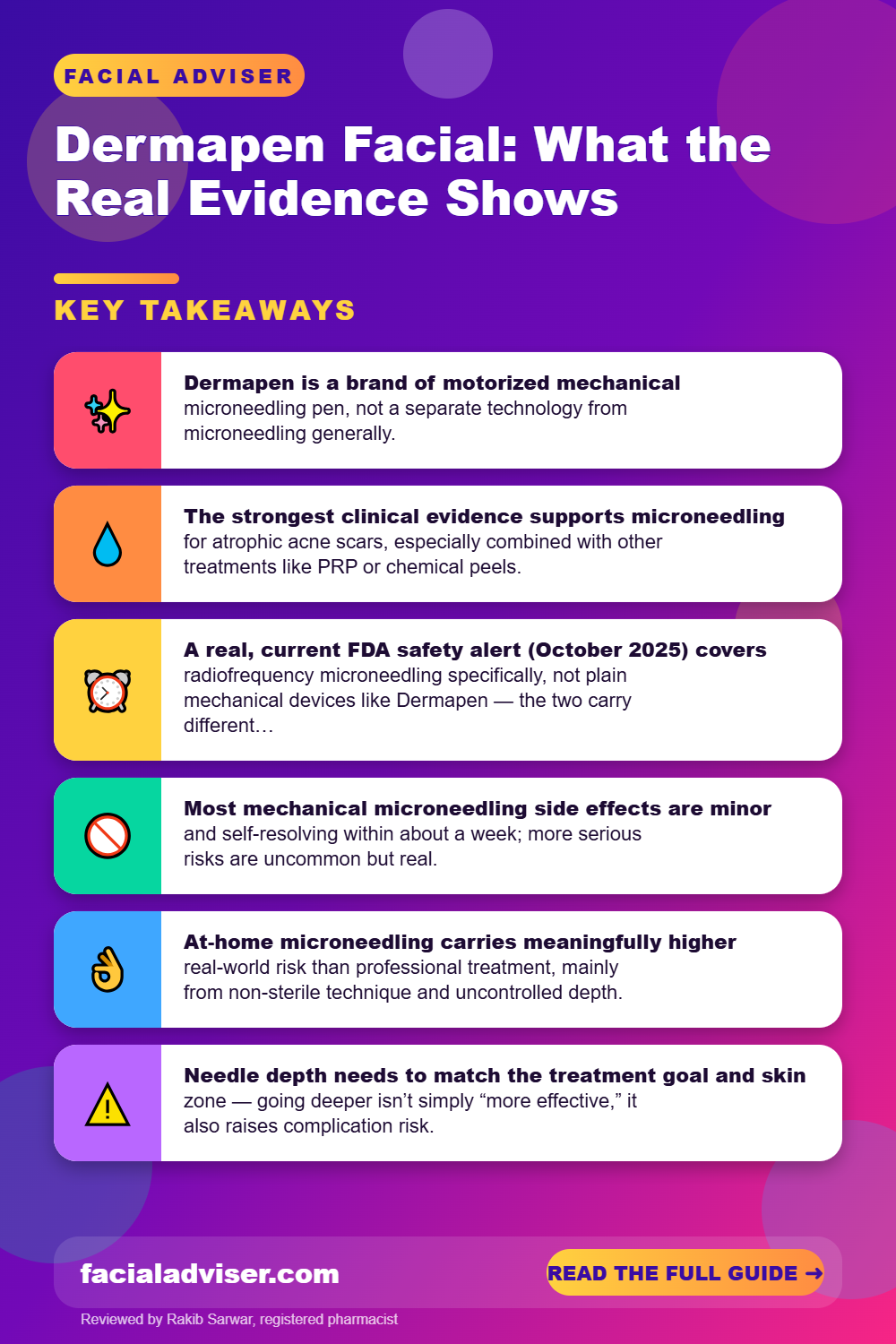
- Dermapen is a brand of motorized mechanical microneedling pen, not a separate technology from microneedling generally.
- The strongest clinical evidence supports microneedling for atrophic acne scars, especially combined with other treatments like PRP or chemical peels.
- A real, current FDA safety alert (October 2025) covers radiofrequency microneedling specifically, not plain mechanical devices like Dermapen — the two carry different risk profiles. For a cost/benefit look at pairing it with a complementary treatment, see our guide to microneedling with PRP.
- Most mechanical microneedling side effects are minor and self-resolving within about a week; more serious risks are uncommon but real.
- At-home microneedling carries meaningfully higher real-world risk than professional treatment, mainly from non-sterile technique and uncontrolled depth.
- Needle depth needs to match the treatment goal and skin zone — going deeper isn’t simply “more effective,” it also raises complication risk.
What’s Covered
- What a Dermapen Facial Actually Is
- The Real Evidence for Microneedling
- Mechanical vs. Radiofrequency Microneedling: A Critical Distinction
- Safety Data for Professional Mechanical Microneedling
- Why At-Home Microneedling Carries More Real Risk
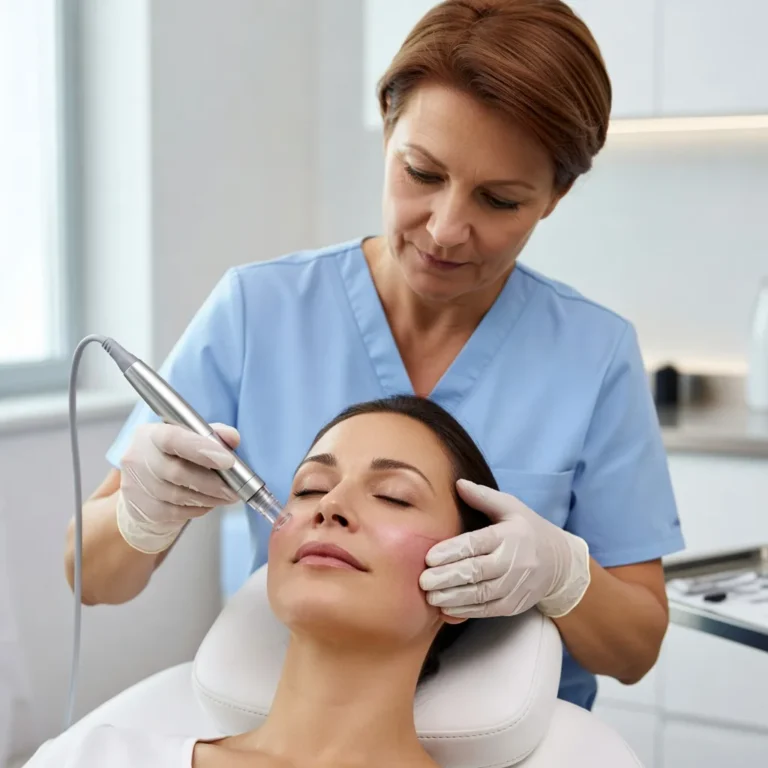
- What a Typical Session Looks Like
- Who Tends to Benefit Most
- Who Should Modify or Skip It
- When to See a Dermatologist Instead
- A One-Minute Check Before Booking
- Where the Evidence Runs Out
- Frequently Asked Questions
The Real Evidence for Microneedling
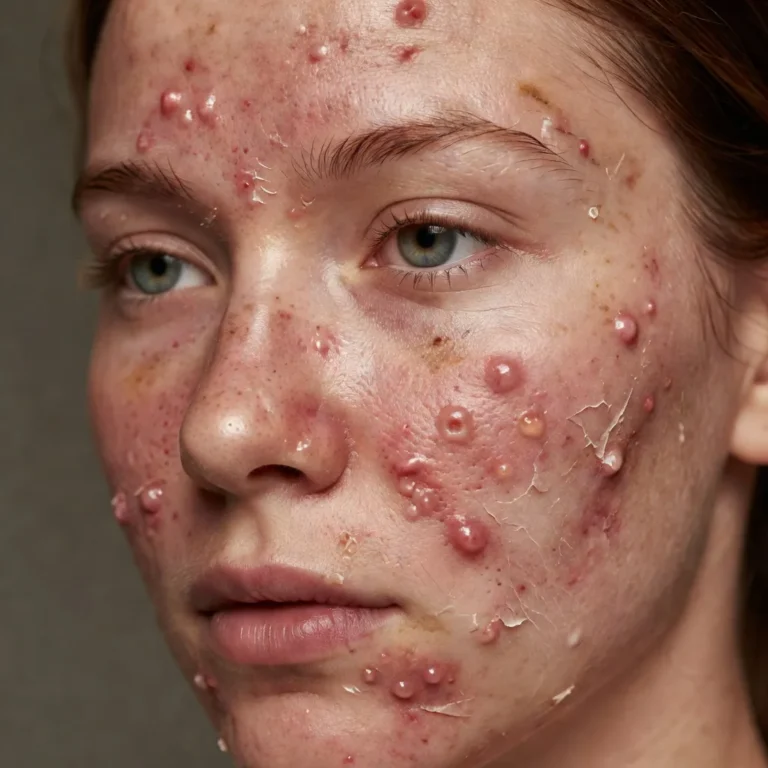
Microneedling’s best-established use is for atrophic acne scarring. A systematic review and meta-analysis of randomized controlled trials found microneedling monotherapy produces measurable, though moderate, improvement in atrophic acne scars compared with no treatment, performing comparably to other established scar treatments rather than clearly outperforming them. A broader literature review covering 2020 through 2024 concludes microneedling remains a viable, evidence-supported option, especially when combined with other modalities like PRP, chemical peels, or radiofrequency, rather than used as a stand-alone gold standard. A separate 2024 systematic review found combining chemical peeling with microneedling generally outperforms either treatment alone for acne scarring. A broader network meta-analysis comparing microneedling and its various combination protocols across multiple randomized controlled trials further supports it as a reasonably effective, comparatively low-risk option overall — one that is generally most effective when paired with a complementary treatment rather than used as a stand-alone approach.
Evidence for the broader “anti-aging” and general skin-rejuvenation claims often attached to Dermapen marketing is considerably weaker and more mixed than the acne-scar evidence specifically. Meaningful collagen remodeling takes multiple sessions spaced weeks apart and continues building over months — it is not a one-and-done treatment, despite how some spa marketing frames it.
| Indication | Evidence strength | Note |
|---|---|---|
| Atrophic acne scars | Real, replicated RCT evidence | Most effective combined with PRP, peels, or radiofrequency |
| General anti-aging / “rejuvenation” | Weaker, more mixed | Smaller, lower-quality evidence base than the acne-scar indication |
Mechanical vs. Radiofrequency Microneedling: A Critical Distinction
This distinction matters more right now than it usually would. In October 2025, the FDA issued a safety alert about serious complications specifically tied to radiofrequency (RF) microneedling devices — thermal burns ranging from superficial to deep dermal, sometimes requiring wound care or surgery; hypertrophic or atrophic scarring; subcutaneous fat loss around the eyes and cheeks causing visible contour irregularities; and nerve injury from excess needle depth or energy in sensitive facial zones. Dermatologists have linked these largely to device misuse, inexperienced operators, excessive passes without adequate cooling, or aggressive settings on thin-skinned areas.
Dermapen-brand and similar devices are typically mechanical microneedling pens without RF energy — a meaningfully different, generally lower-risk category than the RF devices named in that alert. Conflating the two would either unfairly scare people off a comparatively low-risk treatment, or, worse, fail to warn someone shopping under the broad “microneedling” umbrella that some devices sold under that same term carry a more serious risk profile.
| Feature | Mechanical microneedling (e.g., Dermapen) | Radiofrequency microneedling |
|---|---|---|
| How it works | Fine needles create controlled micro-punctures only | Needles also deliver RF energy into the dermis for added heating |
| October 2025 FDA safety alert | Not the subject of the alert | Directly named — burns, scarring, fat loss, nerve injury |
| Typical risk profile | Lower; mostly minor, self-resolving effects | Higher when misused; thermal injury is device-specific |
Safety Data for Professional Mechanical Microneedling
A 2021 systematic review of 85 studies on mechanical microneedling safety found it fundamentally safe overall. Most adverse events — redness, swelling, pain, transient post-inflammatory hyperpigmentation, dryness or flaking, mild lymph node swelling, and irritant dermatitis — are minor and self-resolving within about a week. More serious but less common effects include persistent hyperpigmentation, “tram-track” scarring, and granulomatous reactions. Higher-risk groups include people with active skin infections, darker skin tones (higher risk of post-inflammatory hyperpigmentation), metal allergies, and anyone combining the treatment with non-approved topical or intradermal products.
Why At-Home Microneedling Carries More Real Risk
At-home microneedling with rollers or pens purchased for personal use is a genuinely distinct, higher-real-world-risk scenario than professional treatment. Consumer press and dermatologists consistently warn about non-sterile technique, uncontrolled needle depth, and a real risk of infection or scarring when the procedure is done outside a clinical setting. A professional using a properly maintained, sterilized device with controlled depth settings is working under meaningfully different conditions than an at-home user guessing at pressure and depth on their own face. Consumer coverage of at-home microneedling devices has repeatedly raised the same concerns: without medical-grade sterilization between uses, without training on how deep is too deep for a given area of the face, and without a professional there to stop if something looks wrong, the margin for error at home is considerably narrower than it looks in a five-minute product demo video.
What a Typical Session Looks Like
Cleanse and numb
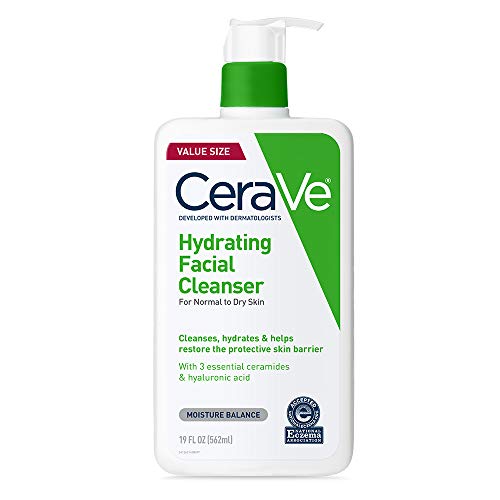
Skin is cleansed and a topical numbing cream is typically applied for 20-30 minutes before treatment.Microneedling pass
The provider moves the motorized pen across the treatment area in controlled passes, adjusting needle depth by zone.Serum application
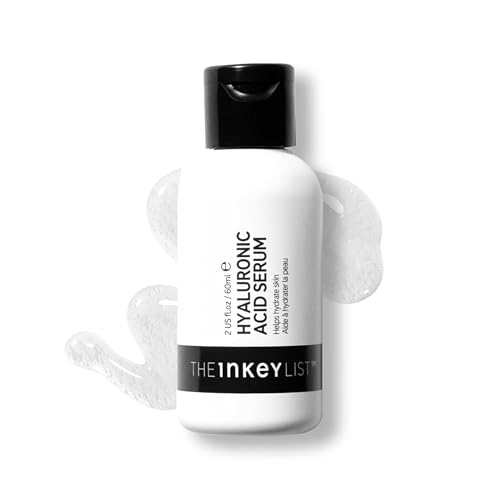
A soothing or active serum (often hyaluronic acid or growth-factor serum) is applied immediately after, when the skin’s temporary micro-channels are most receptive.Aftercare
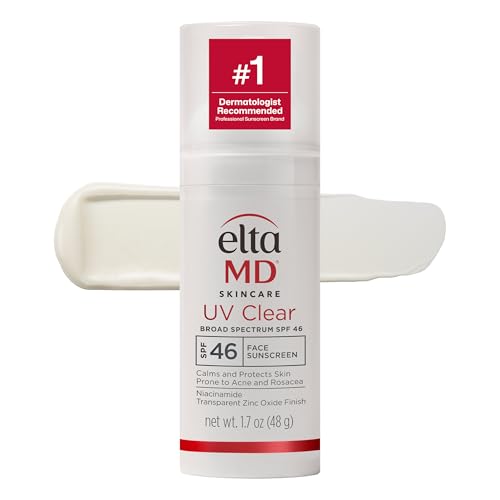
Sunscreen and a gentle, fragrance-free moisturizer are applied, with actives like retinoids typically paused for several days afterward.
Who Tends to Benefit Most
People with atrophic acne scarring are the clearest evidence-backed fit for microneedling, particularly when combined with a complementary treatment like PRP or a chemical peel under professional guidance. It’s a reasonable, comparatively low-risk option among more invasive scar treatments, though results build gradually across multiple sessions rather than appearing after one visit.
Do
- Ask directly whether the device is mechanical or radiofrequency-based
- Choose a professional setting with a properly sterilized, motorized device
- Expect results to build gradually across multiple spaced sessions
Don’t
- Assume deeper needle penetration always means better results
- Use an at-home device without understanding the added infection/scarring risk
- Expect visible “anti-aging” transformation from the general-rejuvenation claims alone
Who Should Modify or Skip It
Anyone with an active skin infection, active cystic acne in the treatment area, a known metal allergy, or a history of keloid scarring should discuss modified approaches or alternatives with a provider before booking. Darker skin tones carry a real, higher risk of post-inflammatory hyperpigmentation and may benefit from a more conservative depth/frequency approach.
When to See a Dermatologist Instead
A Dermapen facial is a cosmetic and scar-revision treatment best performed by a trained professional in the first place. See a board-certified dermatologist directly if you have significant acne scarring you’re considering treating, persistent redness or hyperpigmentation that doesn’t resolve within a couple of weeks after treatment, or any sign of infection at the treatment site.
A One-Minute Check Before Booking
Before your appointment, ask: is the device mechanical or radiofrequency-based? Does the provider use a single-use, sterile needle cartridge per client? Do you have an active skin infection, active cystic acne in the treatment area, or a history of keloid scarring? A “yes” to any of those last two is worth discussing directly with the provider before proceeding.
Where the Evidence Runs Out
Be precise about what’s actually established: microneedling has real, replicated evidence for atrophic acne scarring, particularly in combination with other treatments. The broader “rejuvenation” and general anti-aging claims attached to many Dermapen facials rest on a considerably thinner evidence base. The October 2025 FDA safety alert applies specifically to radiofrequency microneedling devices, a meaningfully different category from the plain mechanical pens this article focuses on — don’t let concern about one apply automatically to the other. It’s also worth being upfront that some of the underlying research still has open questions: exact effect sizes from individual meta-analyses vary by methodology, and device classification details can differ by specific product, so treating any single number as the final word on “how much” microneedling helps is less accurate than treating the overall direction of the evidence — real, moderate, combination-dependent benefit for scarring specifically — as the honest takeaway.
Frequently Asked Questions
Is Dermapen the same as microneedling?
Yes — Dermapen is a specific brand of motorized mechanical microneedling pen, part of the broader microneedling category.
Does microneedling actually work for acne scars?
Real RCT evidence supports moderate improvement in atrophic acne scars, especially when combined with treatments like PRP or chemical peels.
Is Dermapen the same as radiofrequency microneedling?
No — Dermapen is typically a mechanical device without RF energy, a different and generally lower-risk category than RF microneedling.
Is at-home microneedling safe?
It carries meaningfully more real-world risk than professional treatment, mainly from non-sterile technique and uncontrolled needle depth.
How many sessions of microneedling are needed?
Meaningful collagen remodeling takes multiple sessions spaced weeks apart, continuing to build over months rather than appearing after one visit.
What are the common side effects of microneedling?
Redness, swelling, mild pain, and temporary flaking are common and typically resolve within about a week.
Who should avoid microneedling?
Anyone with an active skin infection, active cystic acne in the treatment area, a metal allergy, or a history of keloid scarring should discuss it with a provider first.
Does deeper needle penetration mean better results?
Not automatically — depth needs to match the treatment goal, since going deeper raises complication risk alongside potential benefit.
Is microneedling good for wrinkles, not just scars?
The evidence for general anti-aging and rejuvenation claims is weaker and more mixed than the well-established acne-scar evidence.
Is a Dermapen facial worth getting?
For atrophic acne scarring specifically, it’s a reasonable, evidence-backed option; for general rejuvenation claims, expectations should stay modest.

Written by
Registered pharmacist and founder of Facial Adviser. Rakib's pharmacy training covers how skincare actives work and interact; a later course in cosmetology turned that into a focus on facial treatments and skincare products. He plans, researches and edits every guide on the site and checks health claims against sources such as the American Academy of Dermatology, the FDA and the NIH. He is not a dermatologist; see the Editorial Policy and Medical Disclaimer.
About · Editorial policy · How we choose products · Medical disclaimer · Contact
Keep reading: Facials: what to expect