What Should I Expect From My First Facial?
What should I expect from my first facial, beyond the usual rundown of cleanse, steam, and mask?
Part of our guide to facials: what to expect. Start with: How Often Should You Get a Professional Facial? A Guide by Skin Type and Goal
The real differentiator of a competent first appointment is the disclosure conversation that should happen before any product touches your face — isotretinoin or retinoid use, pregnancy, cold sores, and diagnosed skin conditions all change what’s actually safe to do that day. An expert consensus review has also walked back the old blanket rule of waiting six months after isotretinoin for every procedure, though it keeps that wait for full-face ablative resurfacing specifically.
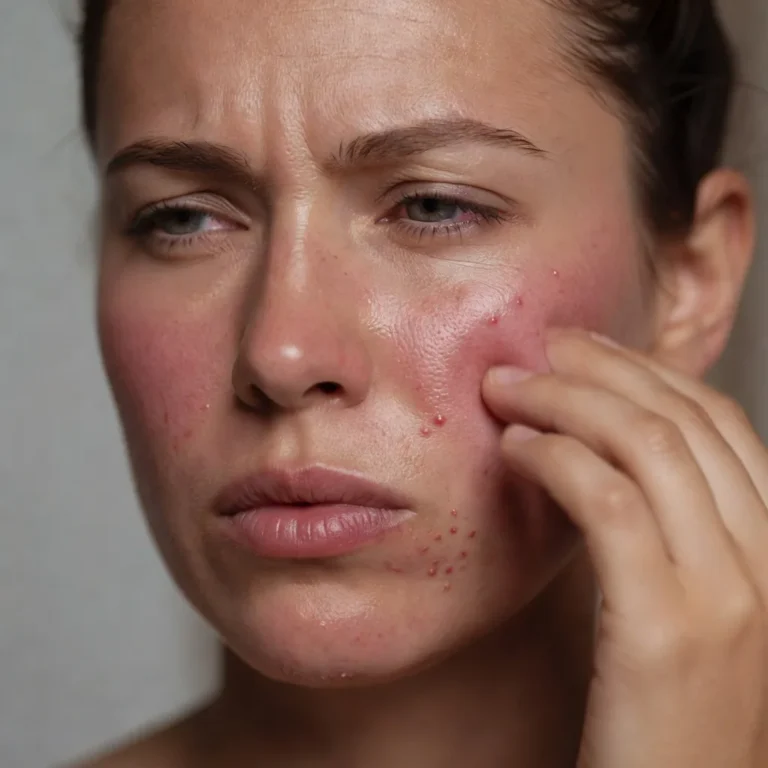
Transient redness, mild swelling, and pinpoint bleeding at extraction sites are documented, normal, self-limited side effects — not signs of a bad treatment.
This guide covers what to actually disclose, what to expect step by step, and when redness afterward means a dermatologist visit instead of another spa appointment.
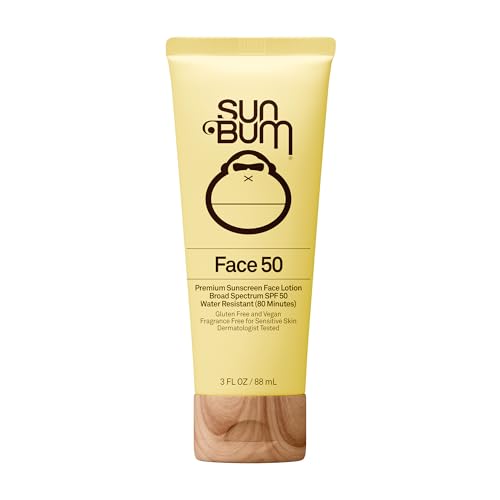
Recommended Products to Bring to Your First Facial



Before You Book
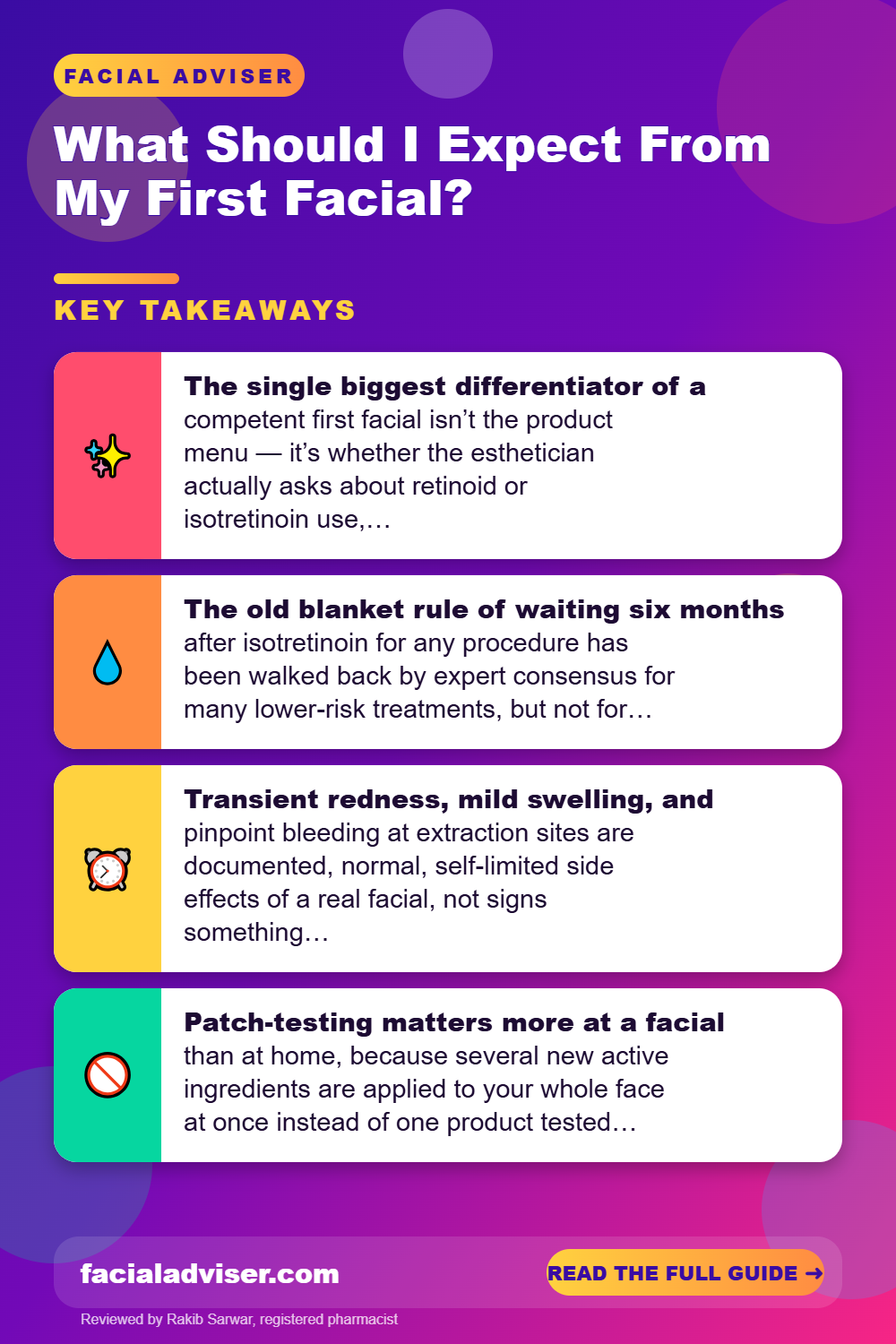
- The single biggest differentiator of a competent first facial isn’t the product menu — it’s whether the esthetician actually asks about retinoid or isotretinoin use, pregnancy, cold sores, and diagnosed skin conditions before touching your face.
- The old blanket rule of waiting six months after isotretinoin for any procedure has been walked back by expert consensus for many lower-risk treatments, but not for full-face ablative resurfacing or mechanical dermabrasion, and it doesn’t explicitly address basic manual extraction.
- Transient redness, mild swelling, and pinpoint bleeding at extraction sites are documented, normal, self-limited side effects of a real facial, not signs something went wrong.
- Patch-testing matters more at a facial than at home, because several new active ingredients are applied to your whole face at once instead of one product tested gradually.
What’s Ahead
- What “First Facial” Should Actually Mean
- The Consultation Comes Before Any Product
- What You Should Actually Disclose
- Retinoids and Isotretinoin: The Timing Question, Honestly
- Why the Old “Wait Six Months” Rule Got Walked Back
- Old Blanket Rule vs. Current Evidence on Procedure Timing
- Pregnancy, Cold Sores, and Diagnosed Skin Conditions
- Why Patch-Testing Matters More Here Than at Home
- What Actually Happens During the Appointment
- Expected Sensation vs. a Sign Something’s Wrong
- Redness, Swelling, and Pinpoint Bleeding Are Normal
- Do This, Not That
- Preparing For and Getting Through Your First Facial
- What This Article Can’t Tell You
- Frequently Asked Questions
What “First Facial” Should Actually Mean
Most articles answering “what should I expect from my first facial” walk through the spa steps: cleanse, steam, extract, mask, moisturize, done. Those steps matter, but they’re not where the real risk or the real reassurance lives. The genuinely useful answer centers on the conversation that should happen before any of that — the disclosure conversation about medications, skin conditions, and history that changes what’s safe to do to your specific face that day.
Shopping these picks?
Amazon Prime members get fast, free shipping on eligible items, plus Prime Video, Amazon Music and member deals. New members can start with a free trial.
Start a free Prime trialAged 18 to 24? Prime for Young Adults comes with a longer free trial and a lower price after it.
Affiliate link: we may earn a commission at no extra cost to you.
The Consultation Comes Before Any Product
A reputable first-time appointment should include a documented conversation about your skin type and concerns before any product touches your face. This isn’t a formality. It’s the point where an esthetician decides whether to use a gentler cleanser, skip an active ingredient, or adjust extraction technique for your skin specifically. If a provider skips straight from “hello” to applying product with no questions asked, that absence of a conversation is a legitimate red flag about the provider, not something to shrug off as efficient service.
What You Should Actually Disclose
The items with genuine clinical relevance go beyond “I have sensitive skin.” Active retinoid or isotretinoin use, recent chemical peels or laser treatments, known product allergies, pregnancy, active cold sores, and diagnosed skin conditions like rosacea, eczema, or active inflammatory acne should all come up before treatment starts. Each one can change either which products get used or how extraction and steam are approached, and each one is the kind of detail a rushed or inexperienced provider might not think to ask about unprompted.
Retinoids and Isotretinoin: The Timing Question, Honestly
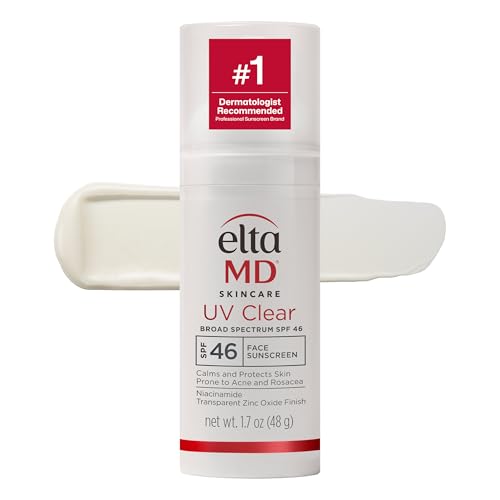
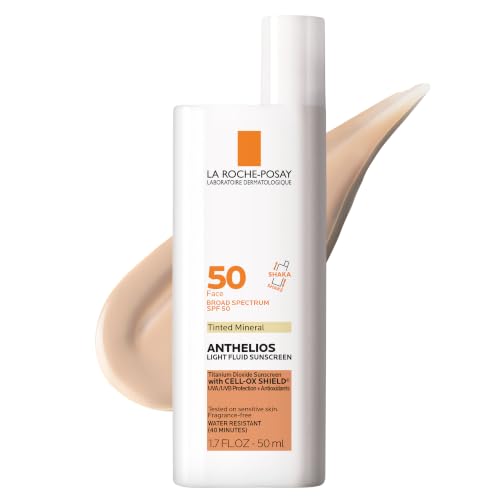
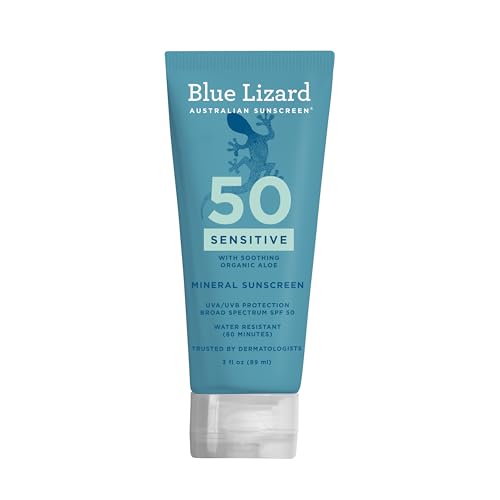
Isotretinoin thins and sensitizes skin substantially during treatment. The American Academy of Dermatology explicitly prohibits waxing during isotretinoin treatment and for six months afterward, citing a real risk of permanent scarring from waxing on skin in that condition. A typical course runs four to five months under the iPLEDGE monitoring program, with monthly dermatologist visits and a significant increase in photosensitivity that makes broad-spectrum SPF 30 or higher a genuine requirement, not a suggestion.
Why the Old “Wait Six Months” Rule Got Walked Back
For years, the standard advice was to wait a flat six months after finishing isotretinoin before any cosmetic procedure. An expert consensus review from the American Society for Dermatologic Surgery, examining 36 peer-reviewed articles, challenged that blanket rule. It found little evidence to support delaying superficial chemical peels, vascular lasers, hair-removal lasers, or nonablative fractional devices, describing the likelihood of harm from these as low to very low, with most historically reported harms coming from older case reports rather than controlled data.
Old Blanket Rule vs. Current Evidence on Procedure Timing
| Procedure category | Old blanket rule | Current expert-consensus view |
|---|---|---|
| Superficial chemical peels | Wait 6 months | Little evidence supports delaying; risk described as low to very low |
| Vascular and hair-removal lasers | Wait 6 months | Same — little evidence supports the old delay |
| Nonablative fractional devices | Wait 6 months | Same — little evidence supports the old delay |
| Full-face ablative resurfacing / mechanical dermabrasion | Wait 6 months | Traditional wait still recommended |
| Basic manual extraction (a standard facial) | Not explicitly addressed | Not explicitly ruled on; disclosure and caution still warranted |
Notice the last row honestly: the expert consensus doesn’t explicitly rule on basic manual extraction or standard facials at all. The reasonable, honest position is that isotretinoin and retinoid use should still be disclosed regardless, since the skin is drier and more fragile and carries a higher bruising or tearing risk from manual manipulation, even though the old blanket “wait six months for everything” rule has been walked back for many lower-risk procedures.
Pregnancy, Cold Sores, and Diagnosed Skin Conditions
Isotretinoin isn’t the only disclosure item that matters. Retinoids and higher-strength salicylic acid are typically avoided or dose-limited during pregnancy. Active cold sores are a real concern because steam and extraction near an active herpes simplex lesion risks spreading the virus to other areas of the face. Diagnosed conditions like rosacea, eczema, or active inflammatory acne should change both which products get used and how extraction is approached, since inflamed or fragile skin tolerates aggressive manipulation poorly regardless of the underlying cause.
Why Patch-Testing Matters More Here Than at Home
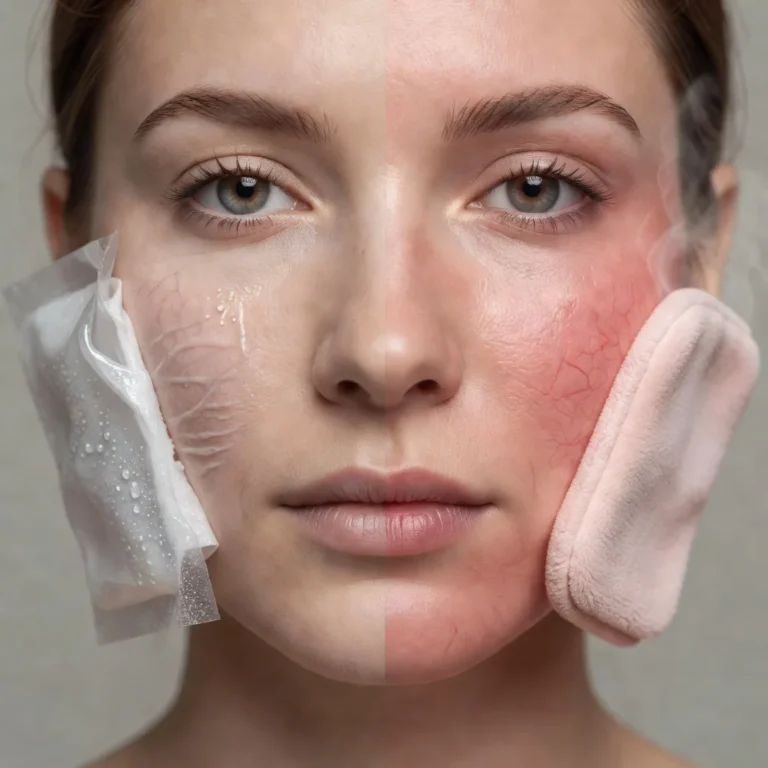
Standard consumer dermatology advice for trying a new product at home is to apply it to the inner forearm or behind the ear, wait 24 to 48 hours, and check for redness, itching, or bumps before using it on your face. A facial compounds that risk because several new active ingredients typically get applied to your whole face in a single session, rather than one product introduced gradually and monitored on its own. If you have known sensitivities, mentioning them during the consultation is a reasonable substitute for a true patch test in a single-visit setting.
What Actually Happens During the Appointment
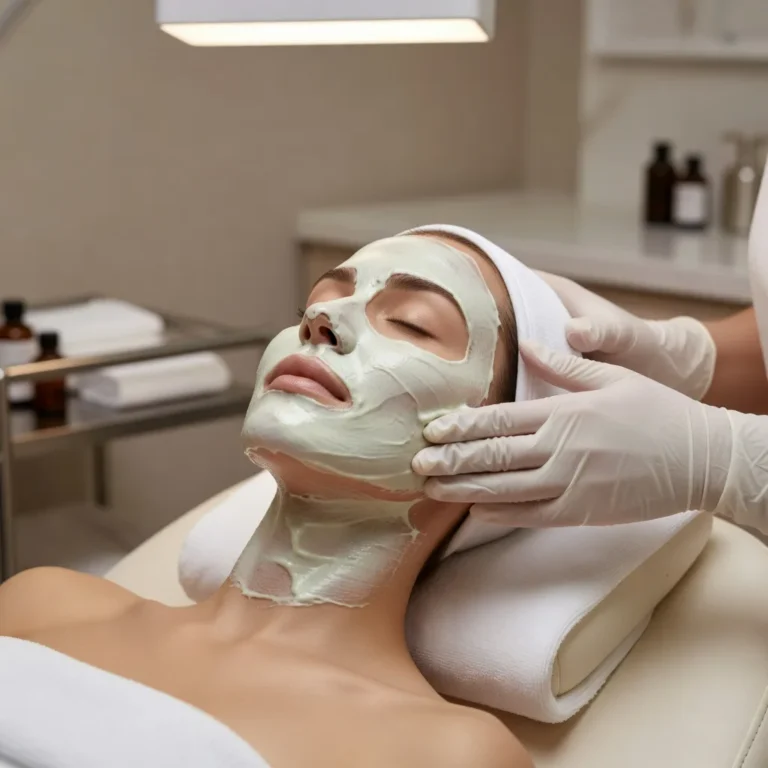
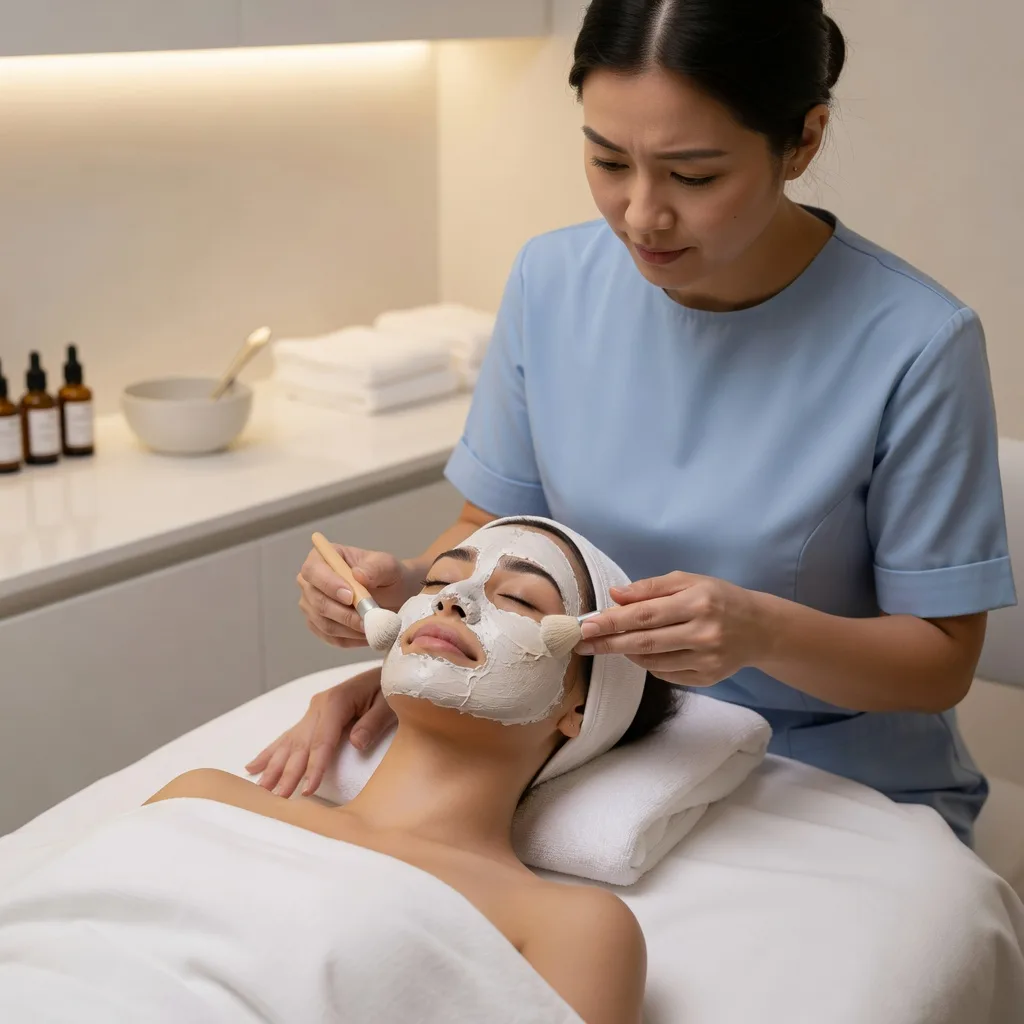
After the consultation, a typical first facial moves through cleansing, skin analysis, steam to soften sebum and keratin inside follicles, manual extraction of any comedones that are ready to come out, and then a mask and moisturizer suited to your skin type. The exact order and which steps get included can vary by provider and by what your skin actually needs that day — a good esthetician adjusts the plan to the consultation findings rather than running every client through an identical fixed sequence regardless of skin condition.
Expected Sensation vs. a Sign Something’s Wrong
| What you feel or see | Expected and normal | Possible sign of a problem |
|---|---|---|
| Mild warmth during steam | Yes | — |
| Brief stinging during extraction | Yes, transient | Sharp, escalating pain |
| Localized pinpoint bleeding at an extraction site | Yes, normal and self-limited | Heavy or spreading bleeding |
| Redness lasting a few hours to about a day | Yes | Redness worsening or not improving past 24–48 hours |
| Increasing warmth, pus, or spreading redness afterward | No | Yes — possible infection, see a dermatologist |
Redness, Swelling, and Pinpoint Bleeding Are Normal
A randomized controlled trial of manual acne-lesion extraction documented the expected side-effect profile directly: transient erythema, edema, and localized pinpoint bleeding at the extraction site, typically fading within hours to about a day. These aren’t signs of a bad treatment or a rough esthetician — they’re the documented, normal result of manually decompressing a follicle. A good provider should mention this up front rather than letting a first-timer discover it and worry unnecessarily.
Do This, Not That
Do
- Disclose isotretinoin, retinoid use, pregnancy, cold sores, and diagnosed skin conditions before treatment starts.
- Expect a real consultation about your skin type and concerns before any product touches your face.
- Expect mild, self-limited redness or pinpoint bleeding at extraction sites as a normal outcome.
Don’t
- Don’t assume “instant glow, zero downside” — documented normal side effects include transient redness and mild swelling.
- Don’t skip mentioning a skin condition because it seems unrelated to a routine facial.
- Don’t wait past 24–48 hours of worsening redness or signs of infection before seeing a dermatologist.
Preparing For and Getting Through Your First Facial
Write down your disclosure list before you go
Medications including retinoids or isotretinoin, pregnancy status, cold sore history, and any diagnosed skin conditions.
Confirm the consultation actually happens
A real conversation about your skin type and concerns should come before any product touches your face.
Ask what’s being applied and why
A provider comfortable explaining their product and technique choices is a good sign of genuine expertise.
Expect, don’t fear, mild normal side effects
Transient redness, warmth, and pinpoint bleeding at extraction sites are documented and self-limited.
Watch the 24–48 hour window afterward
Redness that worsens or signs of infection past that window warrant a dermatologist visit, not a follow-up spa appointment.
What This Article Can’t Tell You
This guide can’t tell you whether a specific provider is qualified, or whether your specific skin condition makes a facial inadvisable right now — those need a direct conversation with your provider and, for anything involving isotretinoin, retinoids, or a diagnosed skin condition, your dermatologist. What it can tell you honestly is which disclosure items carry real clinical weight and which side effects are documented and normal, so you can ask better questions and set realistic expectations going in.
Frequently Asked Questions
What should I expect from my first facial?
A consultation about your skin and concerns, followed by cleansing, steam, extraction if needed, and a mask and moisturizer, plus mild normal side effects like transient redness or pinpoint bleeding.
Is it normal to bleed a little during extraction?
Yes. Localized pinpoint bleeding at an extraction site is a documented, normal, self-limited side effect that typically fades within hours to about a day.
Do I need to disclose isotretinoin use before a facial?
Yes. It thins and sensitizes skin, raising bruising and tearing risk from manual manipulation, and it should be disclosed regardless of how the timing evidence for other procedures has evolved.
Is the six-month wait after isotretinoin still required for everything?
No. Expert consensus found little evidence to support delaying many lower-risk procedures, but kept the traditional wait for full-face ablative resurfacing and mechanical dermabrasion.
Should I mention pregnancy before a facial?
Yes. Retinoids and higher-strength salicylic acid are typically avoided or dose-limited during pregnancy, which can change product choice.
What if I have an active cold sore?
Disclose it. Steam and extraction near an active lesion risk spreading the virus to other areas of the face.
How long should redness last after a first facial?
Typically hours to about a day. Redness that hasn’t improved within 24 to 48 hours warrants a dermatologist visit.
What are signs of infection after extraction?
Increasing pain, warmth, pus, or spreading redness — these call for a dermatologist, not another spa appointment.
Why does a consultation matter so much for a first facial?
It’s where a provider decides which products and techniques are safe for your specific skin, and its absence is a genuine red flag about a provider.
Is a facial supposed to feel completely painless?
Mostly comfortable, with brief transient stinging possible during extraction. Sharp or escalating pain is not expected and should be flagged during the appointment.

Written by
Registered pharmacist and founder of Facial Adviser. Rakib's pharmacy training covers how skincare actives work and interact; a later course in cosmetology turned that into a focus on facial treatments and skincare products. He plans, researches and edits every guide on the site and checks health claims against sources such as the American Academy of Dermatology, the FDA and the NIH. He is not a dermatologist; see the Editorial Policy and Medical Disclaimer.
About · Editorial policy · How we choose products · Medical disclaimer · Contact
Keep reading: Facials: what to expect
- How Often Should You Get a Professional Facial? A Guide by Skin Type and Goal
- How Should I Prepare for a Facial? A Simple Before-Appointment Checklist
- What Products Are Used in a Facial?
- Is a Facial Harmful? Real Risks, Who Should Avoid Them and How to Stay Safe
- What Should You Not Do After a Facial? Mistakes That Undo the Results
- How Long Does It Take for Facial Extractions to Heal?