How Long Does It Take for Facial Extractions to Heal?
How long does it take for facial extractions to heal, and does that timeline change depending on your skin tone or how aggressive the extraction was?
Part of our guide to facials: what to expect. Start with: How Often Should You Get a Professional Facial? A Guide by Skin Type and Goal
Ordinary redness and minor swelling from a well-performed extraction usually settle within 24 to 48 hours, but the deeper marks left behind — post-inflammatory hyperpigmentation or erythema — can take anywhere from a few weeks to several months to fully fade, and that timeline runs longer on darker skin tones. Poor technique, meaning repeated pressure on a spot that isn’t ready, is the single biggest driver of longer, more visible healing.
At-home extraction adds its own variables, since sterilization and trained pressure control are harder to replicate outside a professional setting, and inexperienced technique tends to repeat the exact mistake that slows healing the most.
This guide breaks down the realistic healing timeline hour by hour and week by week, what actually slows it down, and the aftercare habits that measurably shorten it.
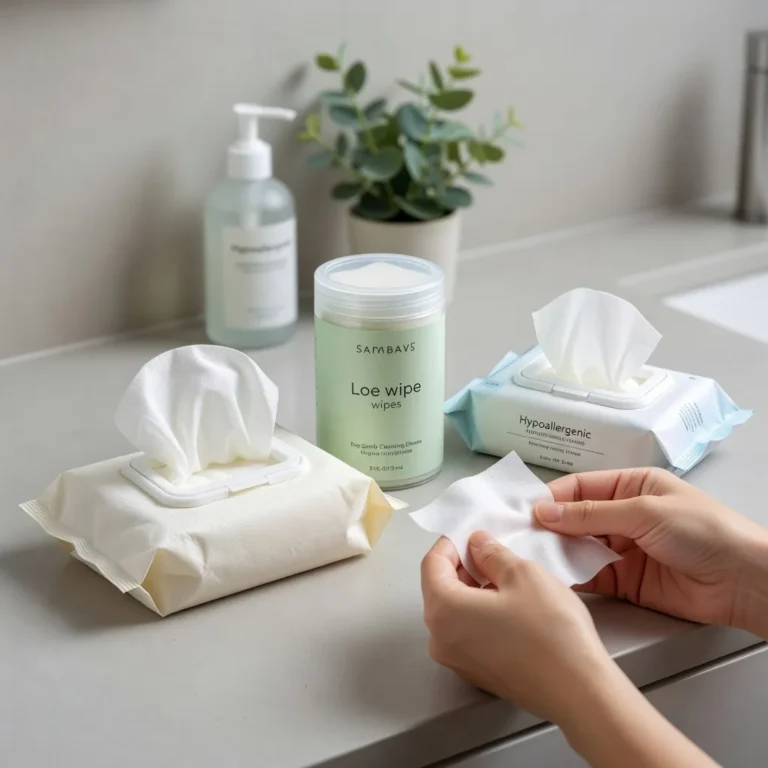
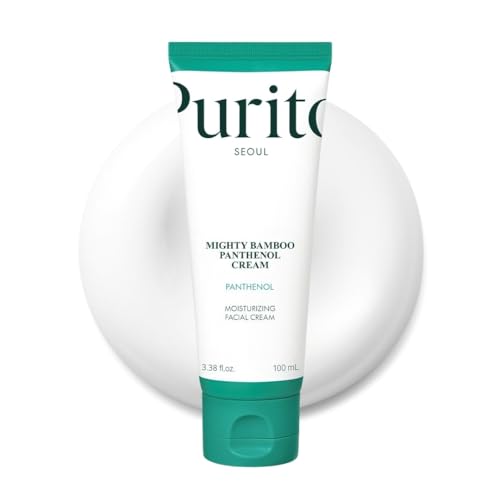
Recommended Soothing Skincare for Post-Extraction Skin
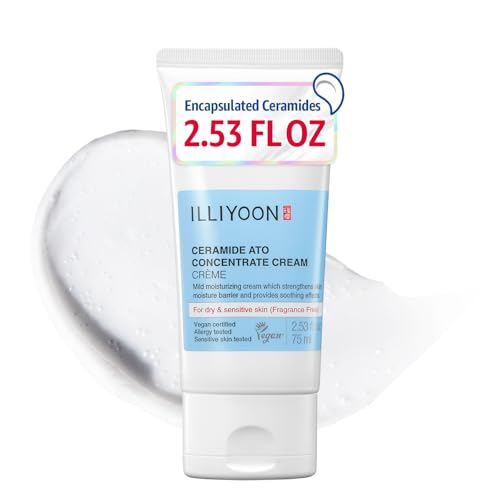
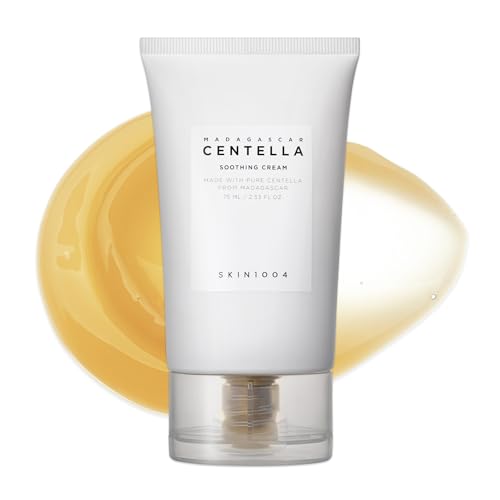
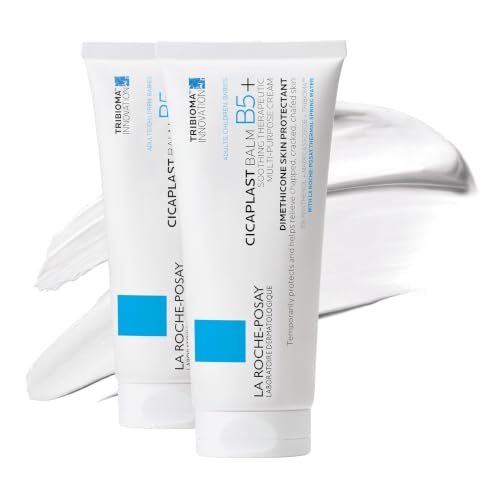


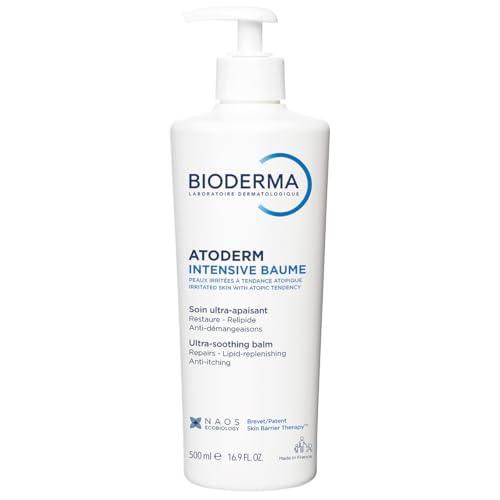
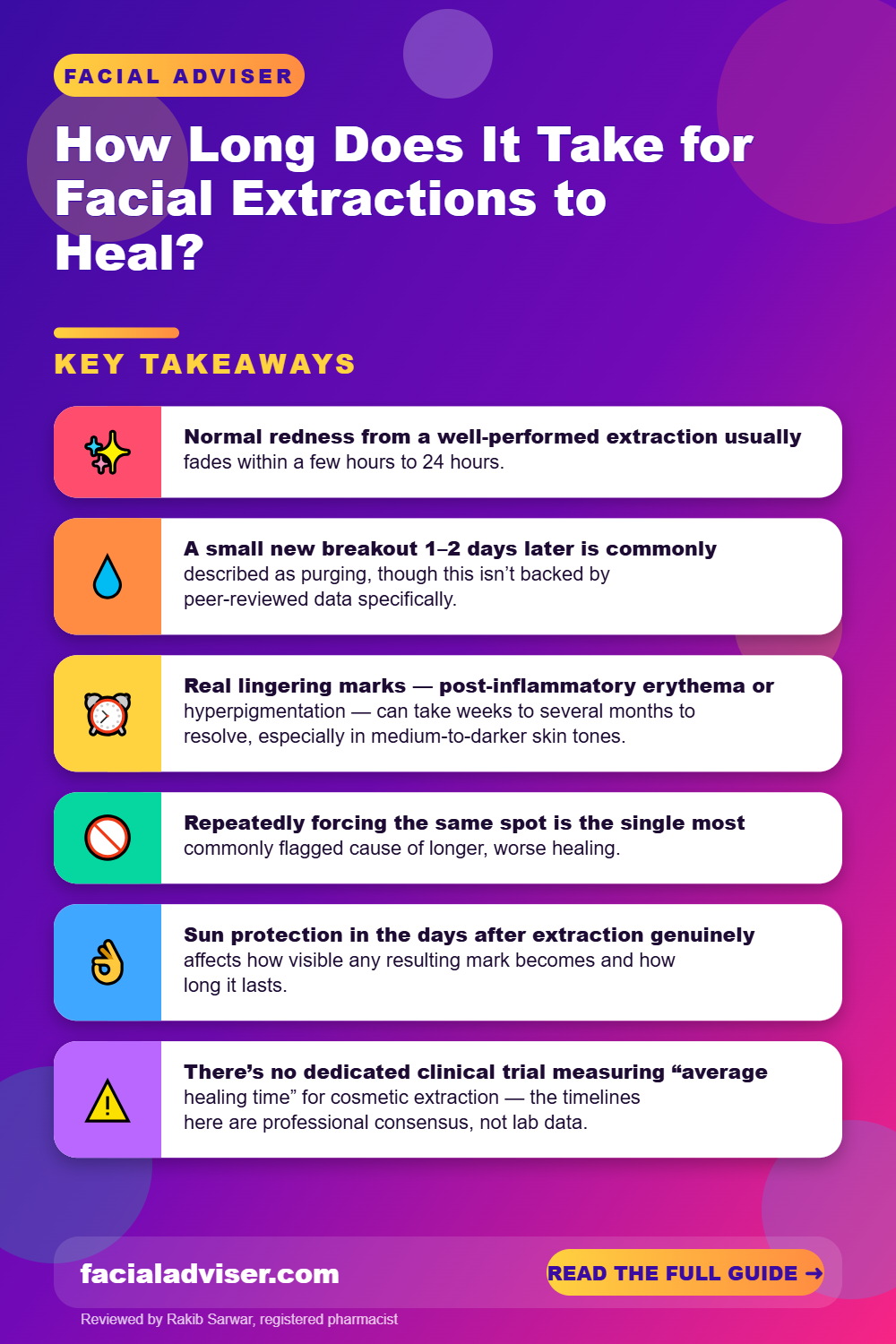
Fast Facts
- Normal redness from a well-performed extraction usually fades within a few hours to 24 hours.
- A small new breakout 1–2 days later is commonly described as purging, though this isn’t backed by peer-reviewed data specifically.
- Real lingering marks — post-inflammatory erythema or hyperpigmentation — can take weeks to several months to resolve, especially in medium-to-darker skin tones.
- Repeatedly forcing the same spot is the single most commonly flagged cause of longer, worse healing.
- Sun protection in the days after extraction genuinely affects how visible any resulting mark becomes and how long it lasts.
- There’s no dedicated clinical trial measuring “average healing time” for cosmetic extraction — the timelines here are professional consensus, not lab data.
- A mark that hasn’t faded after 2–3 months is a reasonable point to check in with a dermatologist rather than assume it’s permanent.
What This Guide Covers
- The Realistic Healing Timeline
- Redness vs. Real Marks: Two Different Things
- What Actually Affects Healing Time
- Healing Time by Skin Tone and Technique
- Normal vs. Red Flag, Side by Side
- The 48-Hour Check
- Aftercare That Actually Speeds Healing
- Do This, Not That
- What the Evidence Actually Supports
- When to Stop Waiting and See a Dermatologist
- Does At-Home Extraction Heal Differently?
- Frequently Asked Questions
- The Bottom Line
The Realistic Healing Timeline
Most descriptions of extraction healing follow a similar arc: initial redness that’s visible right after the appointment, a settling period over the following day, and then either a clean resolution or, for more aggressively worked spots, a longer tail of pink or brown marking.
Shopping these picks?
Amazon Prime members get fast, free shipping on eligible items, plus Prime Video, Amazon Music and member deals. New members can start with a free trial.
Start a free Prime trialAged 18 to 24? Prime for Young Adults comes with a longer free trial and a lower price after it.
Affiliate link: we may earn a commission at no extra cost to you.
For a well-performed extraction on a non-inflamed comedone, redness typically fades within a few hours, and rarely lasts past 24 to 48 hours depending on individual skin sensitivity. A small new pimple or two appearing within the first couple of days afterward is commonly described in trade sources as purging — plausible mechanistically, since manipulation plus richer aftercare products can trigger minor follicular disruption, though this specific claim comes from professional consensus rather than a peer-reviewed trial.
Redness vs. Real Marks: Two Different Things
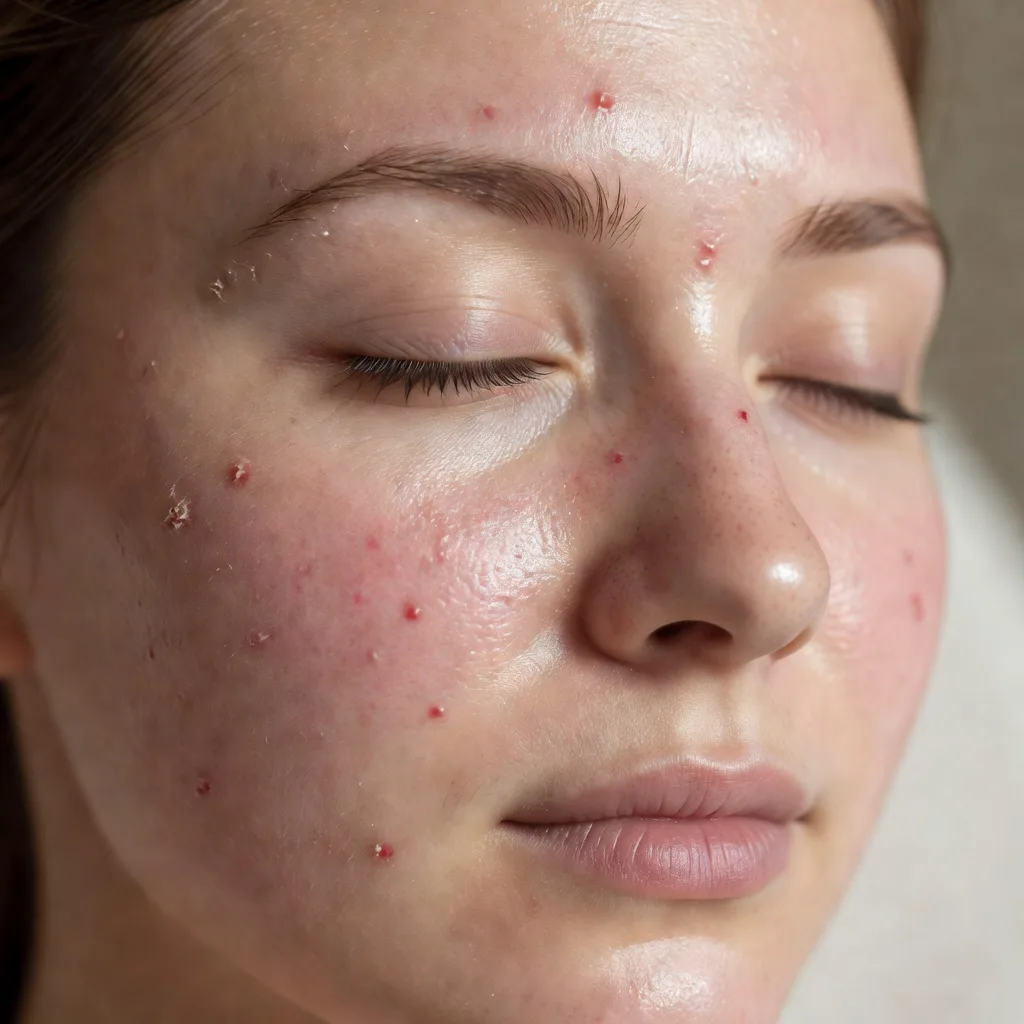
It helps to separate two things that get lumped together as “healing.” Ordinary post-extraction redness is a short-lived vascular response — it fades on its own within a day or two. Post-inflammatory erythema (persistent pink or red marking) and post-inflammatory hyperpigmentation (persistent brown or dark marking) are a different, longer process, and they’re well documented in the acne dermatology literature generally, not just for extraction specifically.
Post-inflammatory hyperpigmentation in particular is known to persist considerably longer in medium-to-darker skin tones (Fitzpatrick IV–VI) — sometimes six to twelve months or more — because more melanin is available to respond to any inflammatory trigger. This is a real, well-supported point that most extraction-healing content skips over.
What Actually Affects Healing Time
| Factor | Effect on healing |
|---|---|
| Repeated force on the same pore | Longer redness, higher scarring risk |
| Extracting an already-inflamed lesion | More tissue trauma, longer visible healing |
| Darker skin tone (Fitzpatrick IV–VI) | Longer-lasting hyperpigmentation risk |
| Sun exposure during healing | Worsens and prolongs any resulting mark |
| Gentle, single-pass technique | Fastest, cleanest resolution |
Healing Time by Skin Tone and Technique
| Scenario | Typical redness | Risk of lasting mark |
|---|---|---|
| Light skin, gentle single-pass extraction | A few hours | Low |
| Light skin, repeated force on a stubborn spot | Days | Moderate |
| Darker skin, gentle single-pass extraction | A few hours to a day | Moderate (hyperpigmentation risk) |
| Darker skin, repeated force or inflamed-lesion extraction | Days to weeks | Higher, longer-lasting |
Normal vs. Red Flag, Side by Side
The 48-Hour Check
A genuinely useful self-check: at the 48-hour mark after an extraction, look at whether redness is fading, staying flat, or getting worse. Fading or flat redness with no new warmth or swelling is consistent with normal healing. Redness that’s visibly increasing, accompanied by warmth, tenderness that’s growing rather than shrinking, or any pus, is a sign the area may be infected rather than simply recovering, and it’s a reasonable point to call a dermatologist rather than wait it out further.
Aftercare That Actually Speeds Healing
Skip actives for 24–48 hours
Hold off on retinoids, AHA/BHA, and vitamin C on freshly extracted skin.
Cleanse gently
A fragrance-free, non-stripping cleanser, no scrubbing over extracted areas.
Hold off on heavy makeup
Give freshly opened pores at least a day before covering them.
Apply broad-spectrum SPF daily
UV exposure is one of the clearest, best-supported ways to worsen and prolong post-inflammatory marks.
Avoid picking at anything that scabs
Let any small scab resolve on its own rather than disturbing it.
Do This, Not That
Do
- Wear SPF daily while any mark is settling
- Give it a few weeks before judging whether a mark is truly lasting
- Check in with a dermatologist if a mark hasn’t faded after 2–3 months
Don’t
- Assume redness lasting more than 48 hours is automatically normal
- Layer active ingredients onto freshly extracted skin right away
- Pick at scabs or re-touch a spot that’s already been worked on
What the Evidence Actually Supports
It’s worth being direct about where this information actually comes from. There is no dedicated clinical trial measuring average healing time after cosmetic facial extraction — this is a cosmetic procedure that hasn’t been the subject of its own dedicated research, and the timeline estimates above come from professional trade and consumer sources rather than peer-reviewed studies.
What is well-studied, separately, is the underlying mechanism: post-inflammatory erythema and post-inflammatory hyperpigmentation are both documented conditions in the acne dermatology literature, including the longer persistence of hyperpigmentation in darker skin tones. Borrowing that established science to explain why some extraction marks last longer than others is reasonable; treating the specific day-counts as clinically proven would not be.
When to Stop Waiting and See a Dermatologist
A hardened lump or nodule developing at an extraction site, redness or warmth that’s increasing rather than settling several days out, or any mark that hasn’t faded after two to three months are all reasonable reasons to see a dermatologist rather than continue waiting. A dermatologist has real options for a stubborn mark — azelaic acid, tranexamic acid, and in-office treatments among them — that a spa follow-up visit can’t offer.
This article is educational and isn’t a substitute for individualized medical care. If healing looks abnormal, is getting worse rather than better, or you have a diagnosed skin condition, check with a dermatologist directly.
Does At-Home Extraction Heal Differently?
At-home comedone extractor tools carry a genuinely different healing profile than a professional appointment, mostly because of two things a spa setting controls that a bathroom mirror doesn’t: proper sterilization between uses and consistent, trained pressure. A metal extractor tool that isn’t disinfected between uses, or between different spots on your own face, can introduce bacteria into freshly opened skin in a way a properly sterilized professional tool doesn’t.
Inexperienced technique at home also tends toward exactly the pattern flagged earlier as the biggest driver of poor healing — repeated pressure on a stubborn spot rather than knowing when to stop. If you do use an at-home tool, disinfecting it with isopropyl alcohol before each use and stopping after one or two gentle attempts per spot meaningfully reduces the healing risk compared to pushing through resistance.
Aftercare habits matter just as much as the extraction technique itself, whether it happened at home or in a professional setting. Touching the area with unwashed hands, applying heavy makeup over freshly extracted spots, or skipping daily sunscreen on healing skin all slow recovery and raise the odds of visible marks lingering longer than they otherwise would. A gentle, fragrance-free moisturizer and consistent SPF for the following week or two is a simple habit that measurably shortens how long the redness and marks stick around.
Frequently Asked Questions
How long does redness last after facial extractions?
Typically a few hours to 24–48 hours for a well-performed extraction on a non-inflamed comedone.
Is it normal to break out a day or two after extractions?
A small new breakout is commonly reported and often described as purging, though this specific claim rests on professional consensus rather than controlled research.
Why do dark marks last longer for some people?
Post-inflammatory hyperpigmentation persists longer in medium-to-darker skin tones because more melanin is available to respond to inflammation — a well-documented dermatological pattern, not specific to extraction.
What’s the difference between normal redness and a red flag?
Redness that fades within a day or two is normal. Redness that’s increasing, along with warmth, pus, or spreading tenderness, points to possible infection and should be checked by a professional.
Does sunscreen actually matter for healing?
Yes. UV exposure is a well-supported way to worsen and prolong post-inflammatory marks, making daily SPF one of the most concretely useful things you can do during healing.
Can a mark from extraction be permanent?
Most fade within weeks to a few months. A mark that hasn’t faded after two to three months is worth a dermatologist visit rather than assuming it’s permanent, since real treatment options exist.
Why did one spot heal fine and another leave a mark?
Technique matters here — a spot that was forced repeatedly or was already inflamed before extraction tends to heal slower and leave more visible marking than a spot handled with a single gentle pass.
Is there real research on extraction healing time?
Not a dedicated clinical trial. The timelines here come from professional and trade-source consensus, though the underlying skin mechanisms (post-inflammatory erythema and hyperpigmentation) are well studied separately.
Should I avoid makeup after extractions?
Giving freshly extracted skin at least a day before applying makeup is a reasonable, low-risk precaution most professional sources agree on.
When should I see a dermatologist instead of waiting?
If redness or warmth is increasing days later, if a hard lump forms, or if a mark hasn’t faded after two to three months.
The Bottom Line
Ordinary redness after a well-performed facial extraction typically resolves within a day or two. What takes longer — and what most extraction-healing advice glosses over — is real post-inflammatory marking, which can persist for weeks to months and lasts longest in darker skin tones and after more aggressive technique.
None of the specific healing-time numbers here come from a dedicated clinical trial, and it’s worth knowing that upfront rather than treating them as settled fact. What is solid is the underlying mechanism and the practical response to it: gentle technique reduces marking risk in the first place, daily SPF measurably limits how visible and how long any resulting mark becomes, and a mark that hasn’t faded after a couple of months is worth a real dermatology visit rather than more patience.

Written by
Registered pharmacist and founder of Facial Adviser. Rakib's pharmacy training covers how skincare actives work and interact; a later course in cosmetology turned that into a focus on facial treatments and skincare products. He plans, researches and edits every guide on the site and checks health claims against sources such as the American Academy of Dermatology, the FDA and the NIH. He is not a dermatologist; see the Editorial Policy and Medical Disclaimer.
About · Editorial policy · How we choose products · Medical disclaimer · Contact
Keep reading: Facials: what to expect