Do They Remove Blackheads During a Facial?
Do they remove blackheads during a facial, or is that something you have to specifically request rather than assume comes standard?
Part of our guide to skin concerns. Start with: Are Facials Good for Acne?
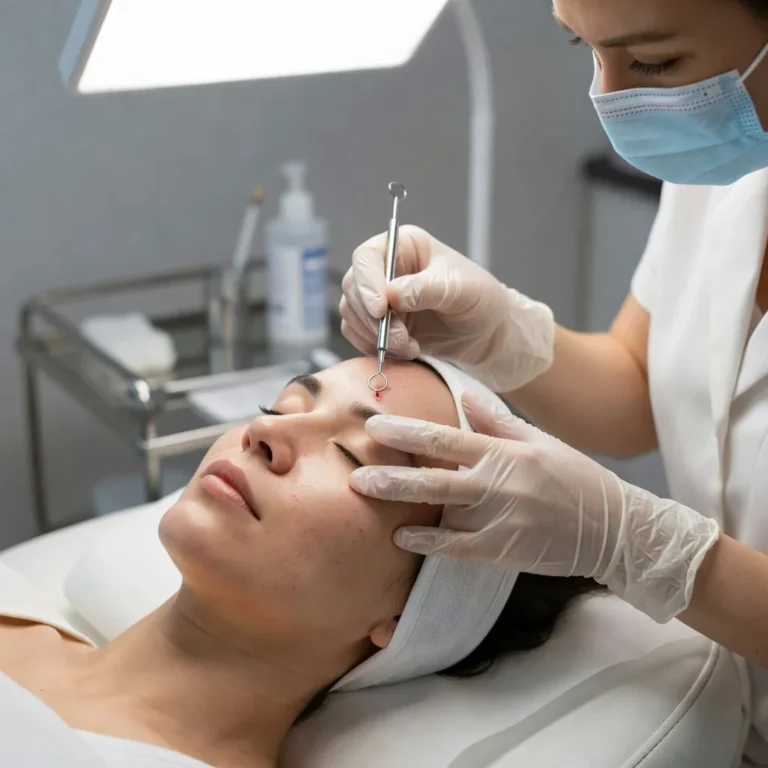
Most standard facials do include manual extraction of blackheads and other visible congestion, typically after a steaming step softens the plug, but not every facial type includes this step, and some express or express-lift facials skip it entirely. Whether it’s included usually depends on the specific service you book, not a universal industry standard.
Technique matters just as much as whether extraction happens at all — done well it clears congestion with minimal trauma, and done poorly it can bruise, tear skin, or push bacteria deeper.
This guide covers which facial types include extraction, what the evidence says about its actual effectiveness, and how to tell good technique from aggressive technique before it causes damage.
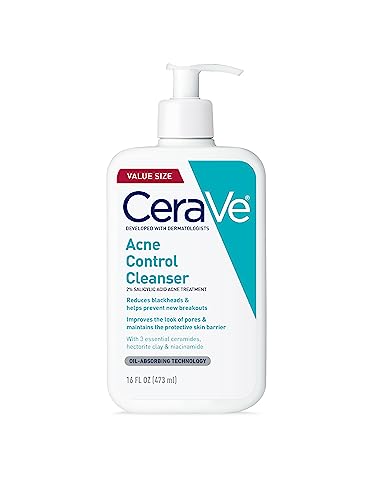
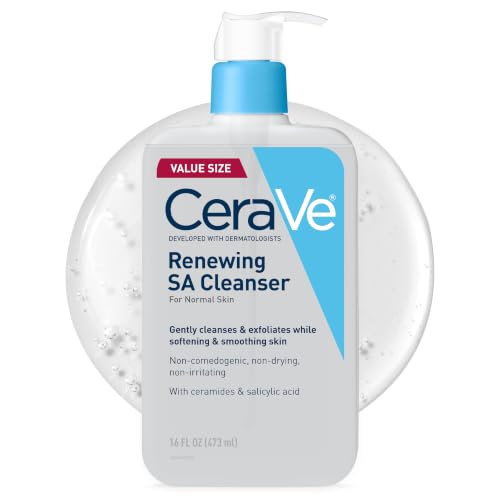
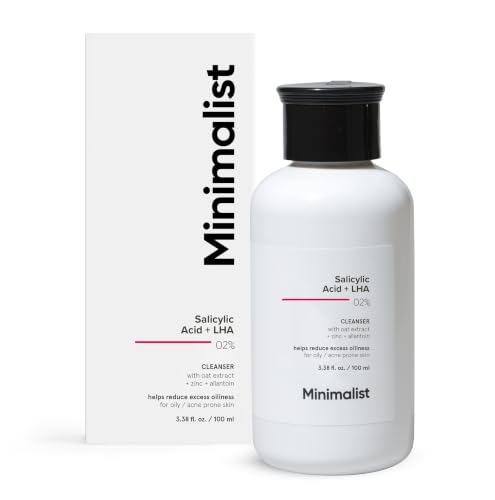
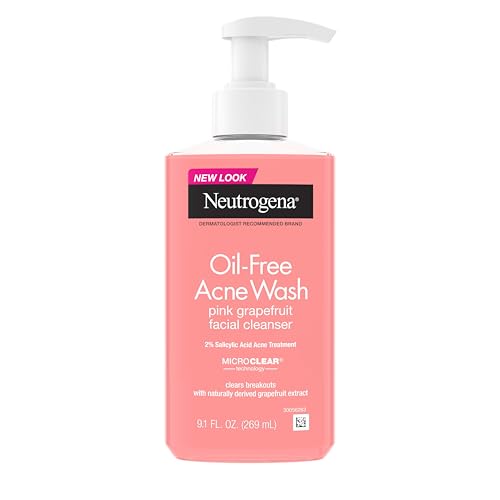
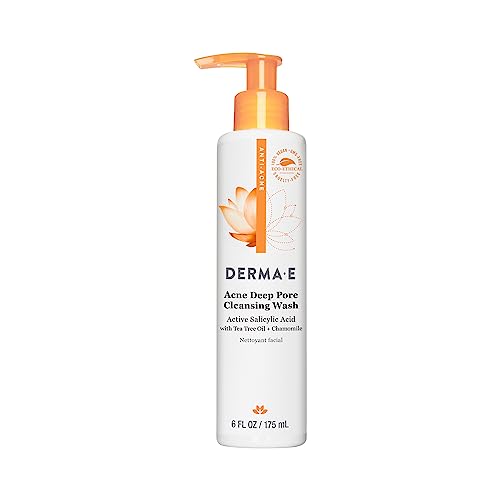
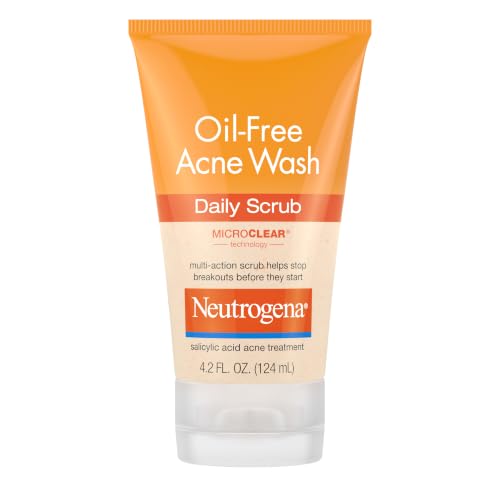
Recommended Gentle Exfoliating Cleansers for Congested Pores

Quick Answer
- Yes — but only some facials include it, and only some blackheads are safe to remove that way.
- Extraction targets open comedones (blackheads) and closed comedones (whiteheads) — not inflamed pimples, cysts, or nodules.
- A basic “relaxation” facial often skips extraction entirely or does a token pass; ask before booking if you specifically want it.
- The one 1964 controlled study on this found extraction reduced future blackhead recurrence — but worsened already-inflamed lesions in the same patients.
- Blackheads typically refill within 2–6 weeks because extraction removes material, not the sebum production or plugged-follicle mechanism that caused it.
- Dermatologists still use extraction in specific, narrow cases — including alongside isotretinoin for stubborn macrocomedones.
- A quick self-check (see below) tells you which of your own spots are extraction-safe and which need a dermatologist instead.
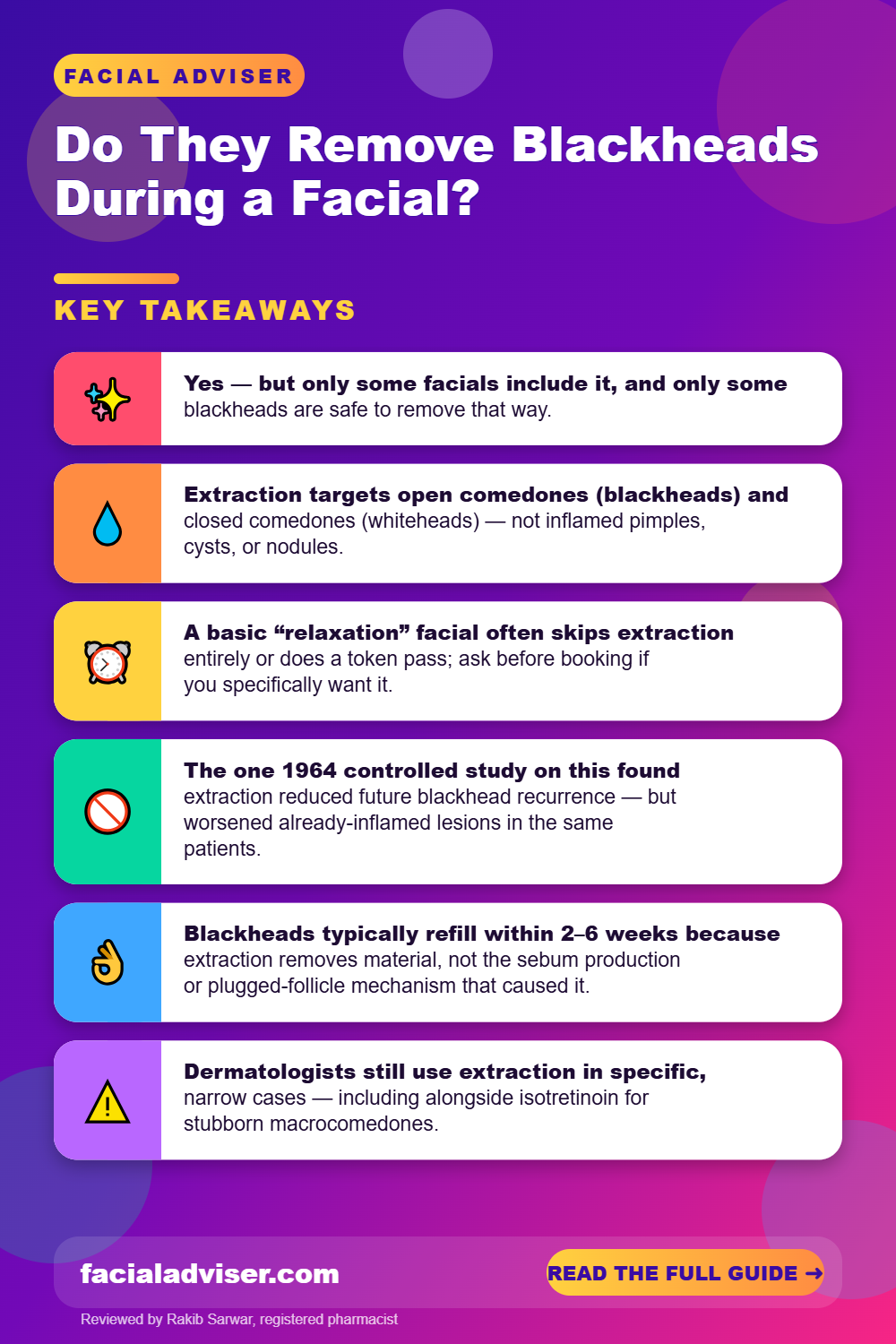
Table of Contents
- What Extraction Actually Is
- Why “Facial” Doesn’t Always Mean Extraction
- Which Facial Types Actually Include It
- Extraction vs. Popping a Pimple
- What the Research Actually Shows
- Which Comedones Are Safe to Extract
- A 30-Second Test Before Anyone Touches Your Skin
- What a Proper Extraction Session Looks Like
- Do This, Not That
- Why Blackheads Come Back So Fast
- When Extraction Belongs to a Dermatologist, Not a Spa
- Frequently Asked Questions
- The Bottom Line
What Extraction Actually Is
“Extraction” is the manual or tool-assisted removal of the contents of a clogged pore. There are two distinct comedone types, and the difference matters more than most facial menus let on.
Shopping these picks?
Amazon Prime members get fast, free shipping on eligible items, plus Prime Video, Amazon Music and member deals. New members can start with a free trial.
Start a free Prime trialAged 18 to 24? Prime for Young Adults comes with a longer free trial and a lower price after it.
Affiliate link: we may earn a commission at no extra cost to you.
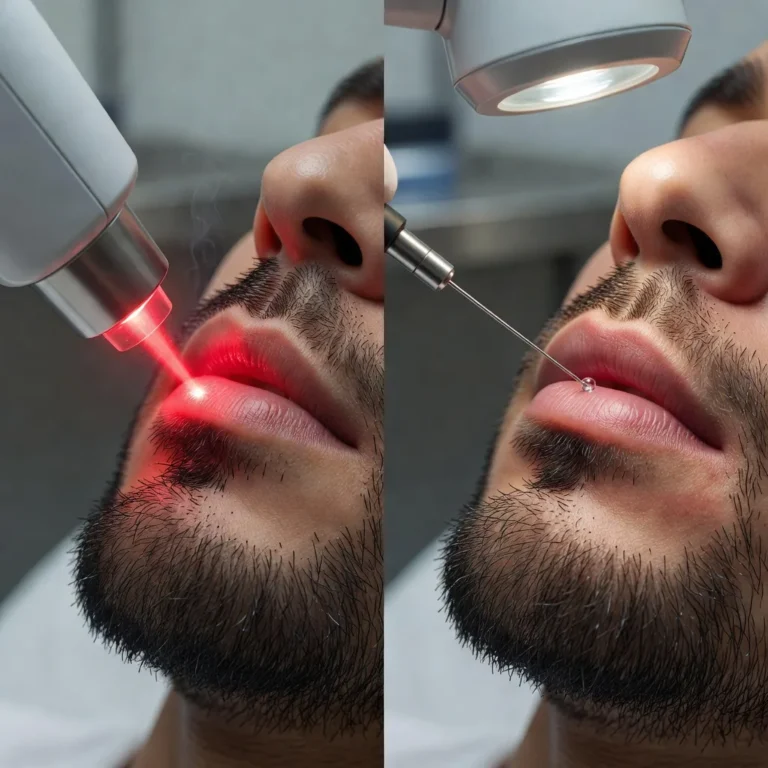
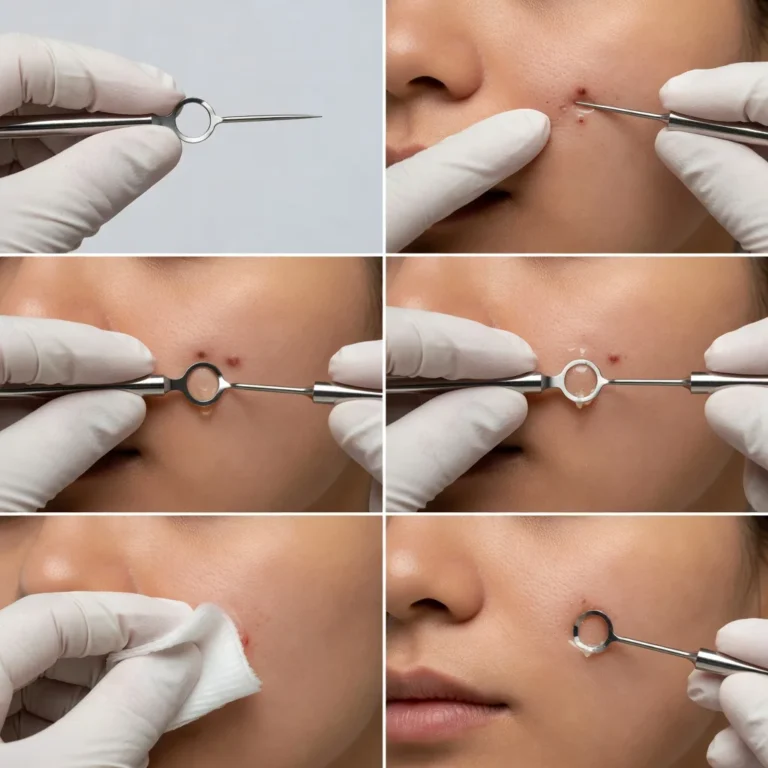
An open comedone — a blackhead — sits open to air. The trapped sebum and keratin plug oxidizes on contact with oxygen, which is why it turns dark. That color is oxidized melanin and lipid material, not trapped dirt, a distinction worth knowing since it changes what actually gets a blackhead out: air exposure, not a deeper scrub. A closed comedone — a whitehead — is sealed by a thin layer of skin over the top, which is why it usually needs a small lancet or fine needle to nick the surface before the contents can be expressed at all.
That needle detail matters for who can legally do it. In most US states, anything that penetrates below the outermost skin layer falls outside a licensed esthetician’s scope of practice, which is why whitehead extraction sometimes gets handled differently — or skipped — at a day spa compared to a dermatology office.
Why “Facial” Doesn’t Always Mean Extraction
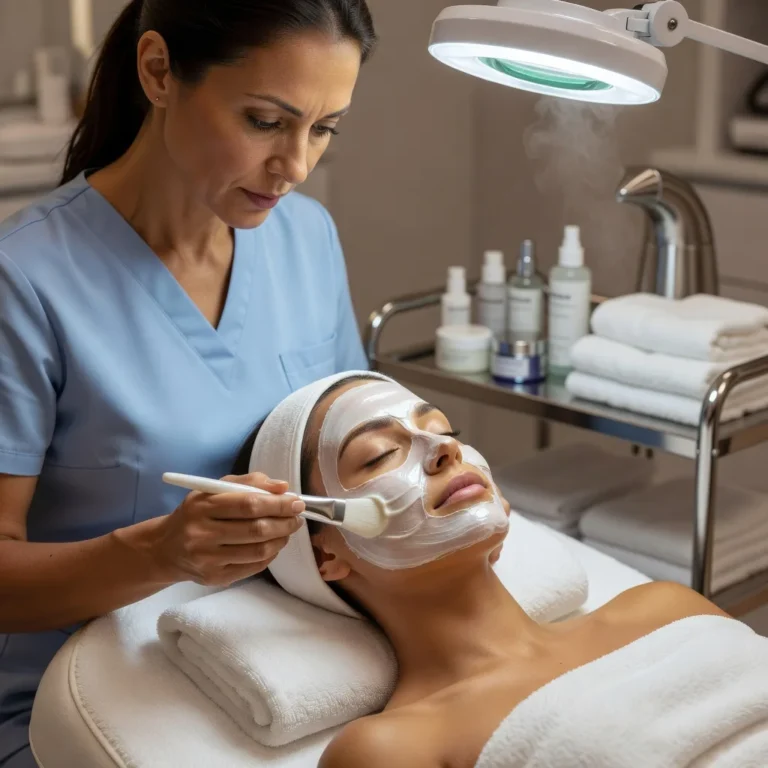
This is the most practically useful thing in this entire article: booking “a facial” does not guarantee extraction happens at all. Basic spa-menu facials built around relaxation — often labeled “European facial” or a generic 50-minute signature treatment — are frequently massage- and mask-focused, with extraction either skipped entirely or reduced to a brief, token pass near the end.
If removing blackheads is actually why you’re booking, extraction needs to be an explicit, named part of the service — not an assumption. The single most useful question to ask before you book: “Does this facial include extractions, and will you do them under a magnifying lamp?” Estheticians who do this regularly won’t hesitate to answer specifically.
Which Facial Types Actually Include It
Menus vary by spa, but the pattern below holds broadly across the industry.
| Facial type | Extraction included? | What to expect instead |
|---|---|---|
| Basic/relaxation (“European”) facial | Rarely, or minimal | Massage, mask, mostly passive dwell time |
| Deep-cleansing / acne facial | Yes, as a core step | Steam, active extraction pass, calming mask after |
| Extraction-only express appointment | Yes, that’s the whole service | 20–30 minutes, no massage or mask steps |
| Med-spa/dermatology-office facial | Usually, plus more tools | Extraction plus device-based options (microdermabrasion, LED) |
Extraction vs. Popping a Pimple
These get treated as the same thing in casual conversation, and they are not. Comedone extraction is intended only for non-inflamed lesions — blackheads and whiteheads with no surrounding redness or swelling. “Popping a pimple” usually means an inflamed papule, pustule, or cyst, where the follicle wall is already compromised by inflammation.
Rupturing that inflamed follicle wall can push bacterial and inflammatory material deeper into the dermis rather than out of the skin — the opposite of the intended effect. This is exactly why dermatology sources consistently discourage manual extraction of inflamed, red, or painful lesions, and why any cyst or nodule should never be handled with the same technique used on a blackhead.
What the Research Actually Shows
The evidence base here is thinner than the confident tone of most skincare content suggests, and it’s worth being honest about that rather than papering over it.
The most-cited controlled study is old: a 1964 JAMA study (Lowney et al.) examined extraction of non-inflamed whiteheads on the forehead. It found extraction reduced the number of future inflamed lesions and lowered comedone recurrence — but the same study found it worsened patients’ already-inflamed cystic lesions when applied there too, reinforcing that extraction is comedone-specific, not a general acne treatment.
A 2011 piece in the International Journal of Cosmetic Science proposed timing extraction around the menstrual cycle for premenstrual flares — a theoretical, expert-opinion discussion rather than a randomized trial, and it should be read as such. On the narrower, more clinical end, a published case-based “clinical pearl” describes dermatologists extracting macrocomedones — larger, treatment-resistant comedones over roughly 1mm — during isotretinoin therapy, with no residual scarring reported. That’s a real, if narrow, use case that counters the older assumption that any mechanical skin procedure is risky during isotretinoin treatment.
Which Comedones Are Safe to Extract
| Lesion type | Safe for cosmetic extraction? | Right approach |
|---|---|---|
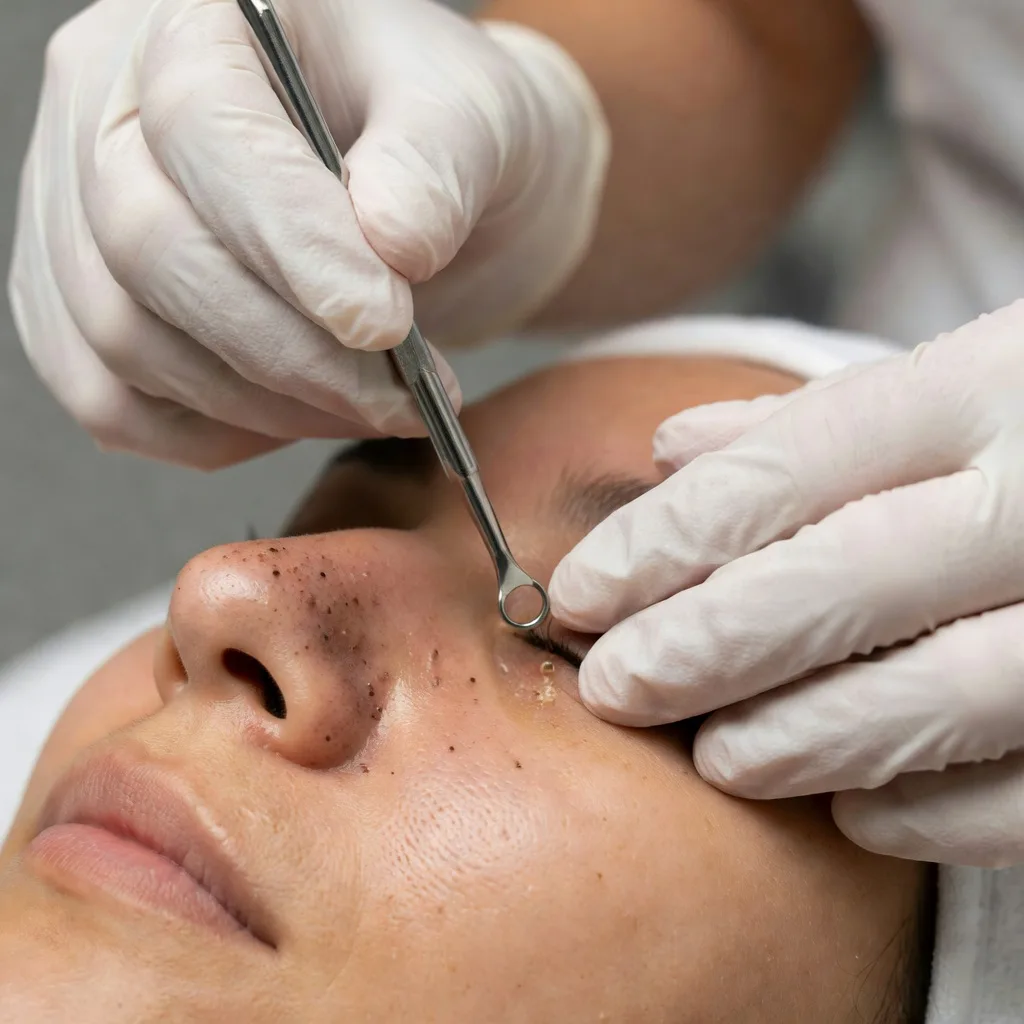
| Blackhead (open comedone) | Yes | Gentle bilateral pressure, loop extractor, no lancet needed |
| Whitehead (closed comedone) | Yes, with prep | Softening first, then careful expression; may need a lancet |
| Inflamed papule/pustule | No | Leave alone; topical acne treatment, not manual extraction |
| Cyst or nodule | No | Dermatologist evaluation, not spa or at-home handling |
A 30-Second Test Before Anyone Touches Your Skin
Before an esthetician (or you) works on any specific spot, there’s a fast, genuinely useful check: gently press two fingers on either side of the spot without squeezing hard. If the surrounding skin is red, warm to the touch, or the pressure itself causes real pain rather than mild pressure, that lesion is inflamed and is not a good candidate for extraction that day — regardless of whether a visible whitehead or plug is present.
This lines up directly with the clinical distinction dermatology sources draw: extraction is appropriate for calm, non-inflamed comedones, not for anything actively inflamed. It’s a genuinely useful filter to apply spot-by-spot rather than assuming an entire face is either all fair game or all off-limits.
What a Proper Extraction Session Looks Like
Cleanse
Removing surface oil and makeup so the esthetician can actually see what they’re working with.
Steam or enzyme softening
Warm steam or an enzyme solution softens the sebum/keratin plug so it releases with less pressure.
Spot-check for inflammation
Each candidate lesion gets assessed — not just the visibly clogged ones.
Extraction under magnification
Gloved, gauze-wrapped fingers or a metal loop extractor, done under a magnifying lamp so technique stays precise.
Move on from resistant spots
A comedone that won’t release with reasonable pressure gets left alone, not forced.
Antiseptic or high-frequency current
Calms freshly extracted areas and reduces bacterial load.
Soothing mask and SPF guidance
Settles the skin and sets expectations for the next 24–48 hours.
Do This, Not That
Do
- Ask specifically whether extraction is part of the facial you’re booking
- Request magnification and proper glove/gauze technique
- Expect extraction only on calm, non-inflamed spots
Don’t
- Assume every “facial” includes real extraction
- Let anyone repeatedly force a spot that won’t release
- Treat extraction as a fix for active, inflamed acne
Why Blackheads Come Back So Fast
Extraction removes what’s already in the pore. It does nothing to the two things that actually caused it — ongoing sebum production and the follicle’s tendency to retain and plug with keratin. Because both of those processes keep running after the appointment ends, the same pore can visibly refill within roughly two to six weeks. That’s not a sign the extraction “didn’t work” — it’s the expected, honest limit of what a single mechanical removal can do against an ongoing biological process.
When Extraction Belongs to a Dermatologist, Not a Spa
Estheticians are well-suited to routine blackhead and whitehead extraction. A dermatologist becomes the right call for anything involving inflamed cystic or nodular acne, macrocomedones that keep recurring despite ordinary care (particularly for patients on isotretinoin, where extraction technique has real, published precedent), or any lesion that looks different from your usual breakouts — unusually painful, rapidly growing, or accompanied by fever or spreading redness.
This article is educational and does not replace individualized medical advice. If you have a diagnosed skin condition, are on isotretinoin or another prescription acne treatment, or notice a lesion that looks unusual for you, check with a dermatologist before assuming any cosmetic extraction is appropriate.
Frequently Asked Questions
Do all facials include blackhead extraction?
No. Basic relaxation-style facials often skip it entirely or do only a brief pass. Extraction should be an explicit, named part of the service — ask before you book if it matters to you.
Does extraction hurt?
A well-performed extraction on a non-inflamed comedone typically feels like brief pressure or a pinch, not sharp pain. Sharp pain or repeated force on the same spot is a sign of technique, not a necessary part of the process.
Is extraction the same as popping a pimple?
No. Extraction targets non-inflamed blackheads and whiteheads. Popping an inflamed pimple ruptures an already-compromised follicle wall and can push bacterial material deeper into the skin.
How long until blackheads come back after extraction?
Commonly within two to six weeks, since extraction removes existing material but doesn’t change ongoing sebum production or follicle plugging.
Can an esthetician extract a cyst or nodule?
No, and they shouldn’t try. Cystic and nodular acne is inflamed, deep tissue that belongs with a dermatologist, not manual extraction.
Is there real scientific evidence that extraction works?
A small amount, and it’s dated. A 1964 controlled study found extraction reduced future non-inflamed comedone recurrence, but the same study found it worsened already-inflamed lesions — extraction has a narrow, specific role, not a broad one.
Why does one spot hurt more than another during extraction?
Older, more compacted, oxidized plugs generally need more pressure to release than freshly formed ones, which can make some spots feel more uncomfortable without anything being wrong.
Do dermatologists ever do extractions?
Yes, in specific cases, including for stubborn macrocomedones during isotretinoin treatment, with published case reports describing the practice as safe in that narrow context.
What should I ask before booking a facial for blackheads specifically?
Ask directly whether extraction is included, whether it’s done under magnification, and whether the esthetician checks each spot for inflammation before working on it.
Can I safely extract blackheads myself at home?
Gentle extraction of clearly non-inflamed, well-softened blackheads with clean tools is lower-risk than forcing whiteheads or inflamed spots, but professional extraction under magnification with proper hygiene carries less risk of scarring or infection.
The Bottom Line
Facial extraction genuinely does what it claims for the narrow category it’s built for — non-inflamed blackheads and whiteheads — but it isn’t automatically included in every facial, and it isn’t a treatment for active, inflamed acne. The honest expectation is temporary: pores clear now and can refill within weeks, because extraction addresses the visible plug, not the ongoing oil production and follicle behavior behind it.
If extraction is the actual reason you’re booking, say so explicitly, ask about magnification and technique, and expect any competent esthetician to leave inflamed spots alone rather than force them. That single distinction — inflamed versus not — matters more to your skin’s outcome than which spa chair you’re sitting in.

Written by
Registered pharmacist and founder of Facial Adviser. Rakib's pharmacy training covers how skincare actives work and interact; a later course in cosmetology turned that into a focus on facial treatments and skincare products. He plans, researches and edits every guide on the site and checks health claims against sources such as the American Academy of Dermatology, the FDA and the NIH. He is not a dermatologist; see the Editorial Policy and Medical Disclaimer.
About · Editorial policy · How we choose products · Medical disclaimer · Contact
Keep reading: Acne and breakouts
- Are Facials Good for Acne?
- Do Estheticians Pop Pimples?
- Can an Esthetician Clear Acne?
- Would a Facial Get Rid of Blackheads? What It Can and Cannot Do
- Pimple Scars That Won't Fade: What Actually Works
- How to Treat Small Milia Around Eyes Safely Without Picking or Scarring
- How to Calm Inflamed Red Patches on Your Face
- How Can I Make My Pores Less Visible?