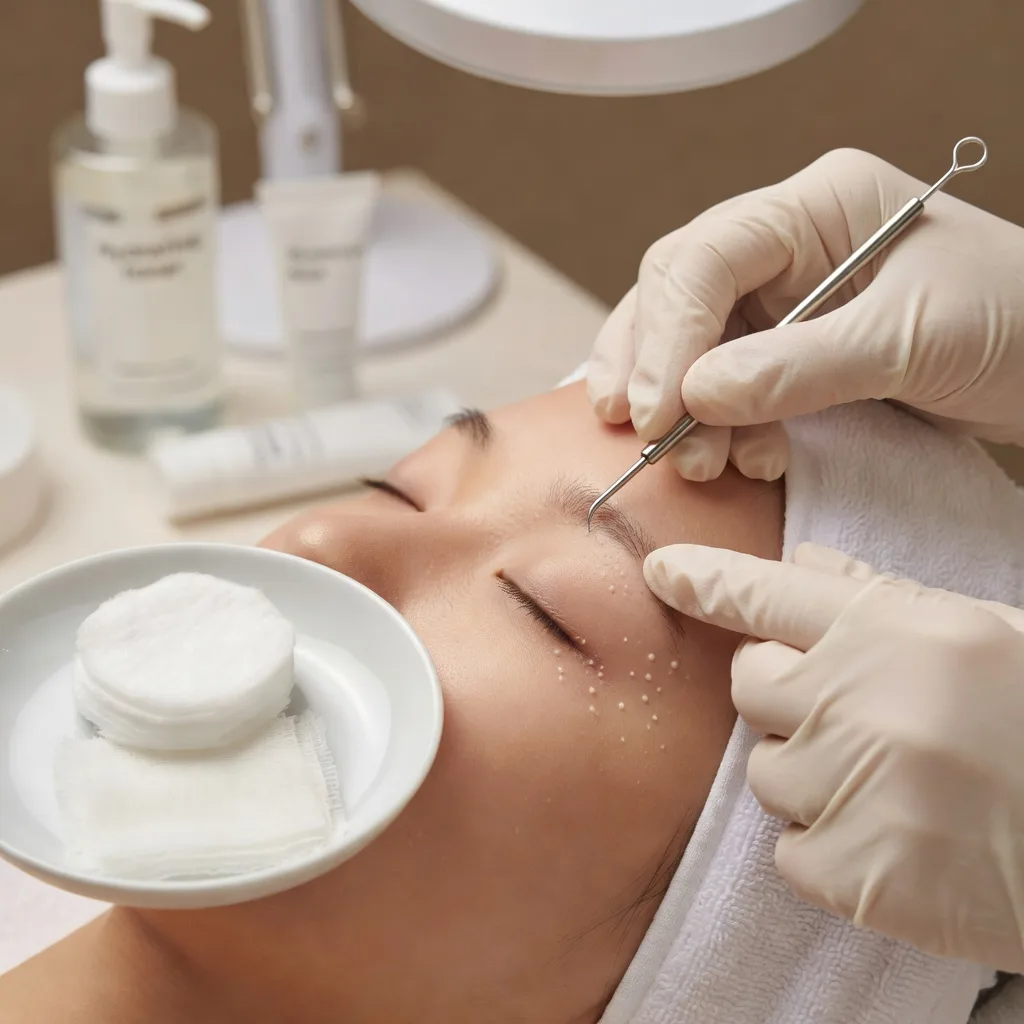
How to Treat Small Milia Around Eyes Safely Without Picking or Scarring
Milia are the tiny, hard, white or yellowish bumps that often sit on the eyelids, under the eyes or along the upper cheeks. They look like whiteheads, but squeezing does nothing, and they can stay put for months. Because the skin around the eyes is so thin, how you treat them matters as much as whether you treat them.
Part of our guide to skin concerns. Start with: Are Facials Good for Acne?
To treat small milia around the eyes, leave them alone rather than picking, keep the area clean with a gentle cleanser, switch to lighter non-comedogenic eye products and wear sunscreen. Milia are small cysts filled with keratin, a skin protein, trapped just under the surface, so they cannot be squeezed out like a pimple. Many milia clear on their own over weeks to months as skin renews. Gentle, occasional exfoliation and carefully introduced retinoids can help, but the eye area is delicate. For persistent or bothersome milia, a dermatologist can remove them quickly with a sterile needle or blade.
In short: be patient, go gentle and let a professional do any extraction.
The American Academy of Dermatology advises gentle skin care and warns that over-exfoliating can cause redness, irritation and breakouts, which is especially relevant to the thin skin near the eyes.
This guide explains what milia are, how to tell them from other bumps, why they form around the eyes, what you can safely do at home and when to book professional removal.
Shopping these picks?
Amazon Prime members get fast, free shipping on eligible items, plus Prime Video, Amazon Music and member deals. New members can start with a free trial.
Start a free Prime trialAged 18 to 24? Prime for Young Adults comes with a longer free trial and a lower price after it.
Affiliate link: we may earn a commission at no extra cost to you.
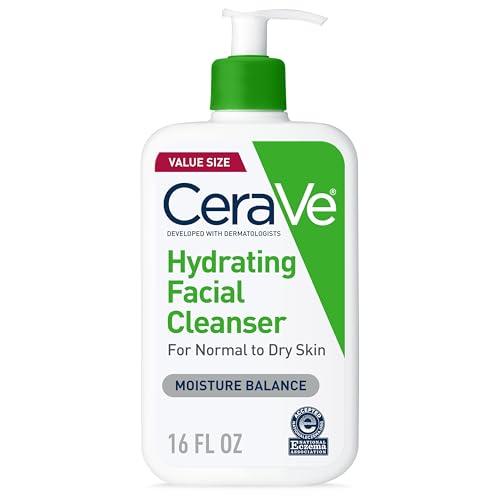
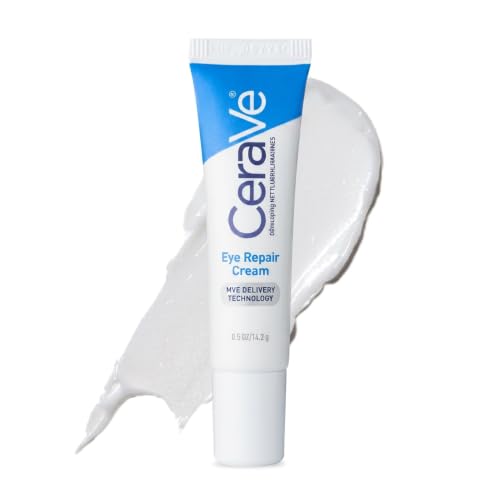
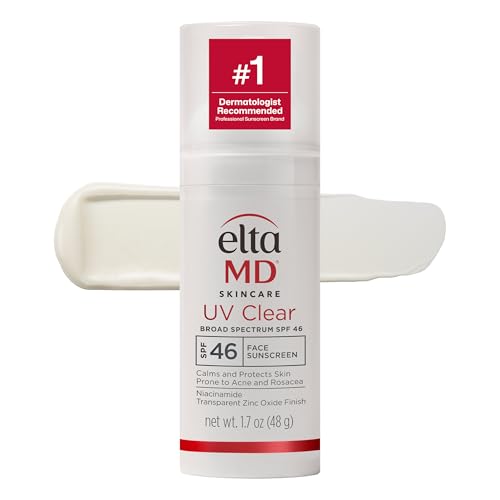
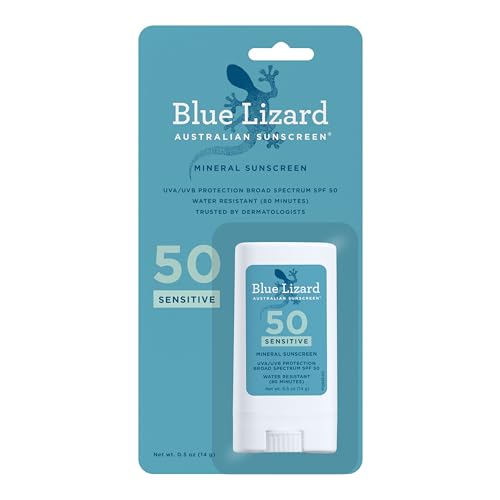
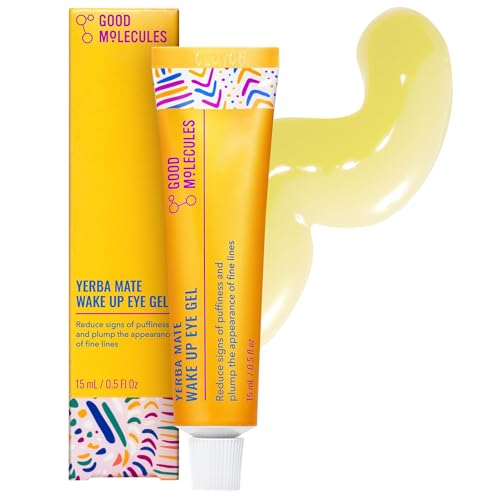
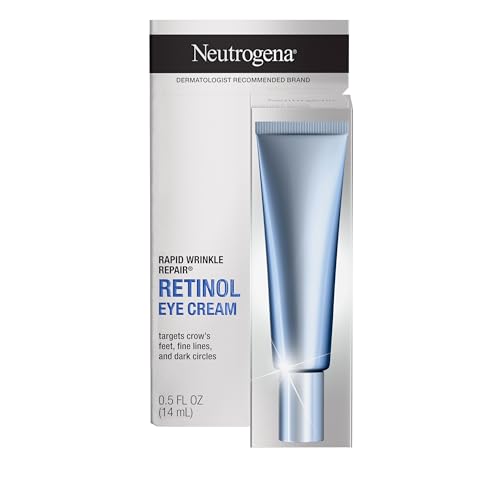
Recommended Gentle Products for Milia-Prone Eyes

What to Know First
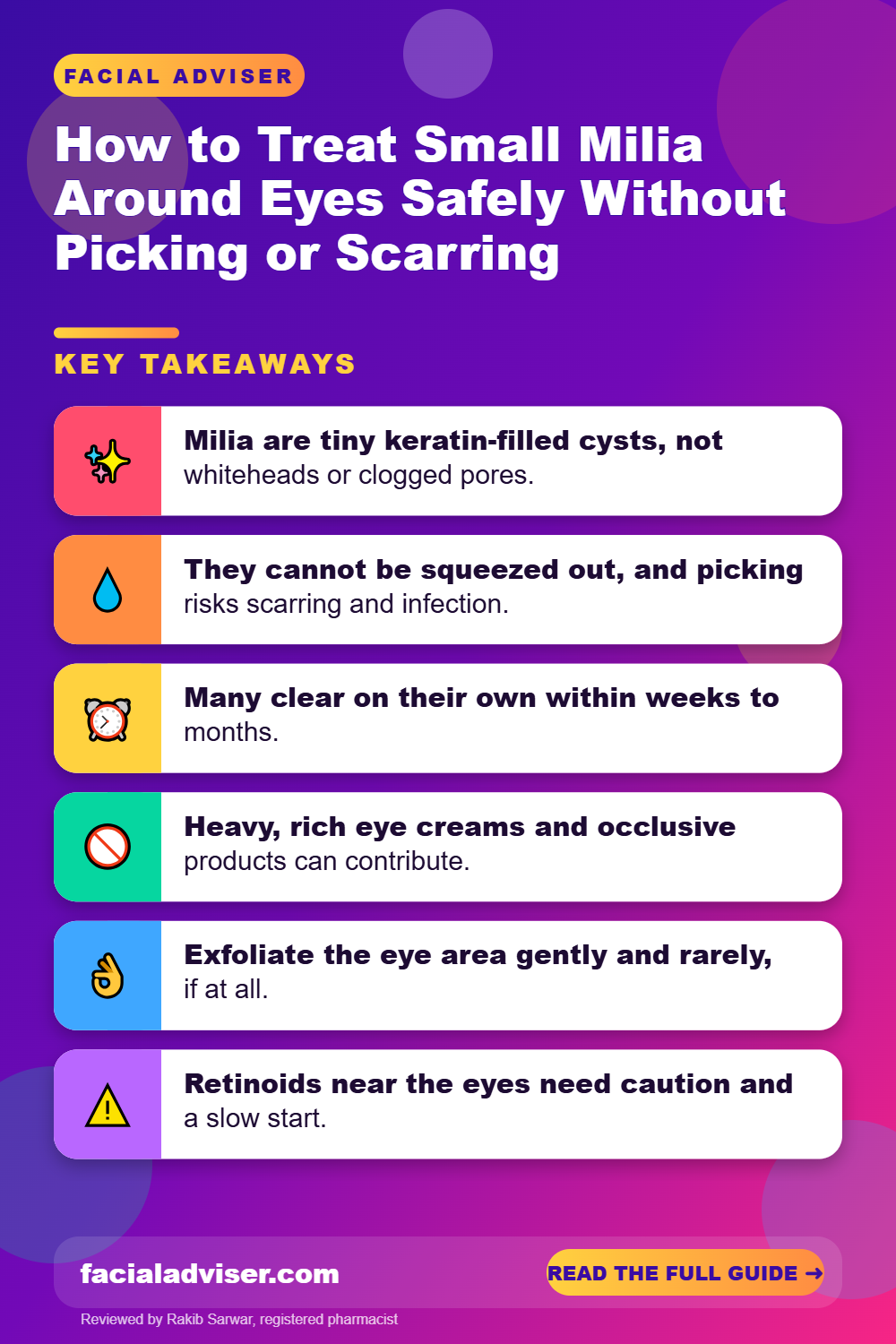
- Milia are tiny keratin-filled cysts, not whiteheads or clogged pores.
- They cannot be squeezed out, and picking risks scarring and infection.
- Many clear on their own within weeks to months.
- Heavy, rich eye creams and occlusive products can contribute.
- Exfoliate the eye area gently and rarely, if at all.
- Retinoids near the eyes need caution and a slow start.
- A dermatologist can extract milia safely in minutes.
In This Guide
- What Are Milia and Why Do They Form Around the Eyes?
- Milia vs Whiteheads vs Other Eye Bumps
- Why You Should Never Pick or Squeeze Milia
- Choosing Eye-Area Products That Will Not Make Milia Worse
- Gentle Exfoliation: What Is Safe Near the Eyes
- Retinoids for Milia: Helpful but Use With Caution
- How to Care for Milia Around the Eyes at Home
- Professional Extraction and Other Treatments
- Can You Prevent Milia From Coming Back?
- Dos and Don’ts for Milia Around the Eyes
- Honest Limits
- When to See a Dermatologist
- Common Questions
- Summing Up
What Are Milia and Why Do They Form Around the Eyes?
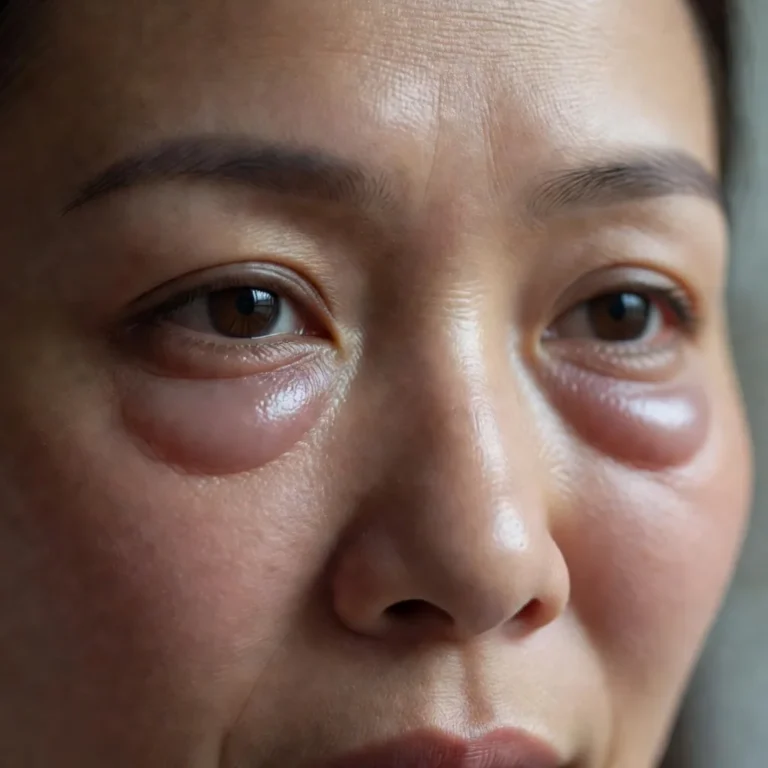
Milia are small cysts that form when keratin, the protein that makes up the outer layer of skin, becomes trapped beneath the surface instead of shedding. Each bump is usually one to two millimetres across, firm to the touch and white or pale yellow. They are not infected and are not caused by poor hygiene.
The eye area is a common site because the skin there is thin, and because many people apply rich creams, heavy concealers and occlusive balms around the eyes. When dead skin cannot shed normally, it can become trapped and form a cyst. Sun damage, which thickens and roughens the outer skin over time, may also play a role.
- Primary milia form on their own and are common in adults and newborns.
- Secondary milia appear after skin damage, such as burns, blistering, some rashes or aggressive treatments.
- Long-term use of thick, occlusive products may contribute in some people.
- Some people are simply more prone and see them return repeatedly.
Milia vs Whiteheads vs Other Eye Bumps
Several bumps can appear around the eyes, and they need different care. This table covers the common look-alikes.
| Bump | Look and feel | Can you squeeze it? | Usual approach |
|---|---|---|---|
| Milia | Hard, pearly white, no redness, no opening | No | Wait, gentle care, professional extraction |
| Whitehead | Soft, may be red, part of acne | Should not, but it can pop | Acne care, avoid picking |
| Syringoma | Skin-coloured or yellowish, soft, often in clusters under eyes | No | Dermatologist treatment |
| Xanthelasma | Flat, yellow patches on eyelids | No | See a doctor; can relate to cholesterol |
| Stye | Red, painful lump on eyelid edge | No | Warm compresses; see a doctor if severe |
If the bumps are clustered, yellow and flat, or grow quickly, they may not be milia at all. Syringomas and xanthelasma look similar at a glance but need a doctor’s diagnosis and different treatment.
Why You Should Never Pick or Squeeze Milia
Because milia look like whiteheads, the urge to squeeze them is strong. The trouble is that milia sit under a thin layer of intact skin with no opening, so pressing only bruises and tears the surrounding tissue. Near the eyes, that can mean broken capillaries, lasting marks, infection or a small scar.
Never use needles, pins, blades or extractor tools on milia near your eyes at home. A slip can injure the eyelid or the eye itself, and non-sterile tools can cause infection. Leave extraction to a dermatologist or trained professional.
Picking also tends to leave a dark mark, particularly in medium to deep skin tones, that can last far longer than the milium itself would have. If you find yourself touching the bumps often, it can help to keep nails short, avoid close-up magnifying mirrors and remind yourself that most milia will clear with time. Covering them lightly with a non-comedogenic concealer is a better option than trying to remove them yourself.
Choosing Eye-Area Products That Will Not Make Milia Worse
A simple product swap is often the most useful change you can make. Heavy eye balms, thick concealers and rich night creams can trap skin cells in some people, especially if they are applied thickly every night.
- Choose a lightweight eye gel or cream labelled non-comedogenic.
- Use a pea-sized amount for both eyes and pat it on lightly.
- Avoid thick balms and pure oils directly on the milia-prone area.
- Remove eye makeup fully every night, without harsh rubbing.
- Try a lighter, non-comedogenic moisturiser for the rest of the face as well.
Removing long-wear or waterproof makeup can mean a lot of rubbing, which irritates thin skin. Our guide on how to remove waterproof makeup gently covers kinder methods.
Gentle Exfoliation: What Is Safe Near the Eyes
Exfoliation helps skin shed normally, which can make it less likely for keratin to become trapped. The eye area, however, is thinner and more reactive than the rest of the face, so the rules are stricter.
| Method | Near the eyes? | Notes |
|---|---|---|
| Physical scrubs | No | Too abrasive for thin eyelid skin |
| Cleansing brushes | No | Friction can irritate and cause redness |
| Mild AHA products (lactic acid) | Only on the cheekbone area, not eyelids | Start once or twice a week |
| Strong acid peels at home | No | Risk of burns and eye injury |
| Eye products with low-strength actives | Sometimes | Choose formulas made for the eye area and patch test |
The FDA notes that alpha hydroxy acids can increase sun sensitivity, so any acid use calls for daily sunscreen. The AAD guide to exfoliating safely at home also recommends being gentle and stopping if skin becomes red or irritated. If your skin is reactive, our guide on how often to exfoliate sensitive skin can help you set a sensible schedule.
Retinoids for Milia: Helpful but Use With Caution
Retinoids speed up skin cell turnover, and dermatologists sometimes recommend them for milia that keep coming back. However, the eye area is prone to dryness, peeling and stinging, and retinoids can migrate into the eyes if applied too close.
- Choose a low-strength retinol product designed for the eye area.
- Start two nights a week and increase slowly if your skin tolerates it.
- Apply on the orbital bone, not on the eyelid or lash line.
- Stop if you notice stinging, redness or watery eyes.
- Use sunscreen daily, as retinoids increase sun sensitivity.
Prescription retinoids are stronger and should be used near the eyes only with a doctor’s guidance. Avoid retinoids if you are pregnant or breastfeeding unless your doctor approves. Our guide on how to transition to retinol smoothly explains how to start without irritation.
How to Care for Milia Around the Eyes at Home
This routine focuses on letting milia clear naturally while avoiding anything that could make them worse or injure the skin.
Stop picking
Leave the bumps alone and keep hands away from the eye area.
Cleanse gently
Use a mild, fragrance-free cleanser with lukewarm water morning and night.
Lighten your eye products
Switch to a lightweight, non-comedogenic eye cream and moisturiser.
Protect from the sun
Apply a mineral sunscreen around the eyes, avoiding the lash line.
Consider a slow retinoid
If milia persist, add a gentle retinol eye cream two nights a week.
Reassess after two to three months
Book a dermatologist if the milia remain or bother you.
Mineral sunscreens based on zinc oxide or titanium dioxide tend to sting the eyes less than some chemical filters. A sunscreen stick makes it easier to apply around the orbital bone without getting product in your eyes.
Professional Extraction and Other Treatments
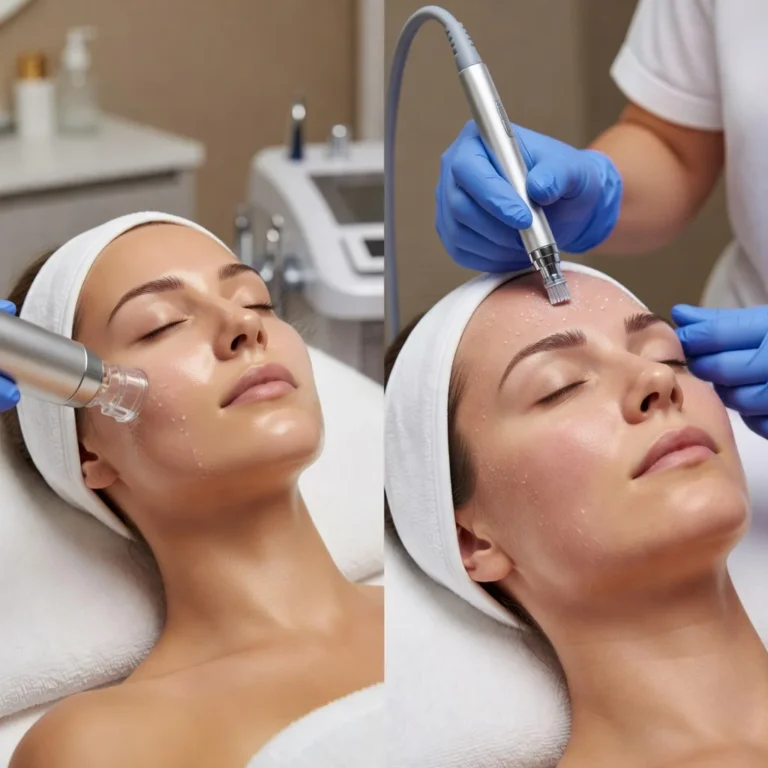
For milia that do not clear or that you want gone quickly, professional removal is usually simple. A dermatologist cleans the skin, makes a tiny opening with a sterile needle or blade and gently presses the keratin out. It typically takes minutes and leaves little or no mark when done correctly. The area may look slightly pink for a day or two, and you should avoid makeup on the treated spots until they settle.
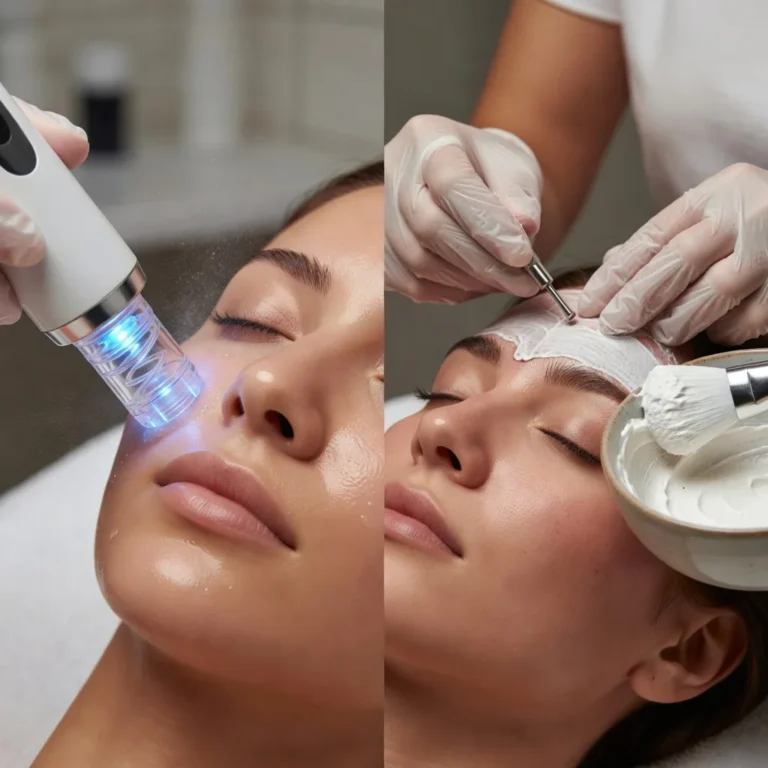
For many or recurring milia, dermatologists may also suggest prescription retinoids, chemical peels, cryotherapy or laser treatment. The AAD explains that chemical peels are performed at different depths and need careful aftercare, so they should be done by a qualified professional rather than at home.
Can You Prevent Milia From Coming Back?
You cannot always prevent milia, especially if you are naturally prone to them, but a few habits lower the odds. Most of them come down to letting skin shed normally and not overloading the eye area with rich products.
- Keep eye creams light and use only a small amount.
- Remove all makeup every night with a gentle remover.
- Wear sunscreen daily, since sun damage can thicken the outer skin.
- Avoid picking or rubbing, which can cause secondary milia.
- If you use a retinoid on the face, keep a gentle, steady routine rather than stopping and starting.
If new milia keep appearing despite these changes, it is worth asking a dermatologist whether a prescription retinoid or occasional professional extraction makes sense for you. Some people find that simply switching to a lighter night cream is enough to reduce new bumps within a couple of months.
Dos and Don’ts for Milia Around the Eyes
Try This
- Be patient; many milia clear on their own
- Use gentle, fragrance-free products
- Choose lightweight non-comedogenic eye creams
- Wear sunscreen around the eyes daily
- See a dermatologist for extraction
Avoid This
- Squeeze, pick or use a needle at home
- Scrub the eye area
- Apply thick balms or oils on the bumps
- Use strong acids on the eyelids
- Put retinoids on the lash line
Honest Limits
No eye cream or serum can dissolve an existing milium overnight. At best, gentle care and retinoids help skin shed normally and may reduce new milia over time. Products marketed as milia removers usually rely on the same acids and retinoids covered above, often at low strengths. That does not make them useless, but it does mean you should judge them by their ingredients and gentleness rather than by bold claims on the box.
Some people are simply prone to milia, and they return even with a careful routine. In those cases, occasional professional extraction is a practical, safe option rather than a sign that your routine has failed.
When to See a Dermatologist
- The bumps have lasted more than a few months.
- They are spreading, clustering or changing in appearance.
- You are unsure whether they are milia, syringomas or xanthelasma.
- The area is red, painful, swollen or oozing.
- Milia appeared after a burn, rash or skin treatment.
This article is for general information and does not replace professional medical advice. See a board-certified dermatologist or eye doctor for any bump near the eye that is painful, changing or affects your vision.
Common Questions
Will milia around the eyes go away on their own?
Many do within weeks to months, but some last longer.
Can I pop milia under my eyes?
No, they have no opening and picking risks scarring and infection.
Does eye cream cause milia?
Heavy, occlusive eye creams may contribute in some people.
Is retinol safe for milia near the eyes?
A gentle eye-specific retinol can help, but start slowly and avoid the lash line.
Can I exfoliate milia on my eyelids?
Avoid scrubs and acids on the eyelids; use gentle care instead.
How do dermatologists remove milia?
Usually with a sterile needle or blade and gentle pressure.
Does removing milia leave a scar?
Professional extraction rarely leaves a mark; picking at home often does.
Are milia a sign of poor hygiene?
No, they are caused by trapped keratin, not dirt.
Can sunscreen cause milia?
Rich formulas may in some people; a lightweight mineral sunscreen is usually fine.
Are milia contagious?
No, milia are not contagious.
Summing Up
Small milia around the eyes are harmless keratin cysts that often clear on their own, and the safest home treatment is patience, gentle cleansing, lighter products and daily sunscreen.
Do not pick or use tools near your eyes. If milia persist or bother you, a dermatologist can remove them quickly and safely.

Written by
Registered pharmacist and founder of Facial Adviser. Rakib's pharmacy training covers how skincare actives work and interact; a later course in cosmetology turned that into a focus on facial treatments and skincare products. He plans, researches and edits every guide on the site and checks health claims against sources such as the American Academy of Dermatology, the FDA and the NIH. He is not a dermatologist; see the Editorial Policy and Medical Disclaimer.
About · Editorial policy · How we choose products · Medical disclaimer · Contact
Keep reading: Acne and breakouts
- Why Do I Get Acne on My Temples? The Real Causes and How to Fix Them
- Tiny Pimples on the Jawline and Chin: Causes and Treatment
- Does Accutane Work for Body Acne?
- Are Facials Good for Acne?
- Do They Remove Blackheads During a Facial?
- How Can I Make My Pores Less Visible?
- How to Calm Inflamed Red Patches on Your Face