
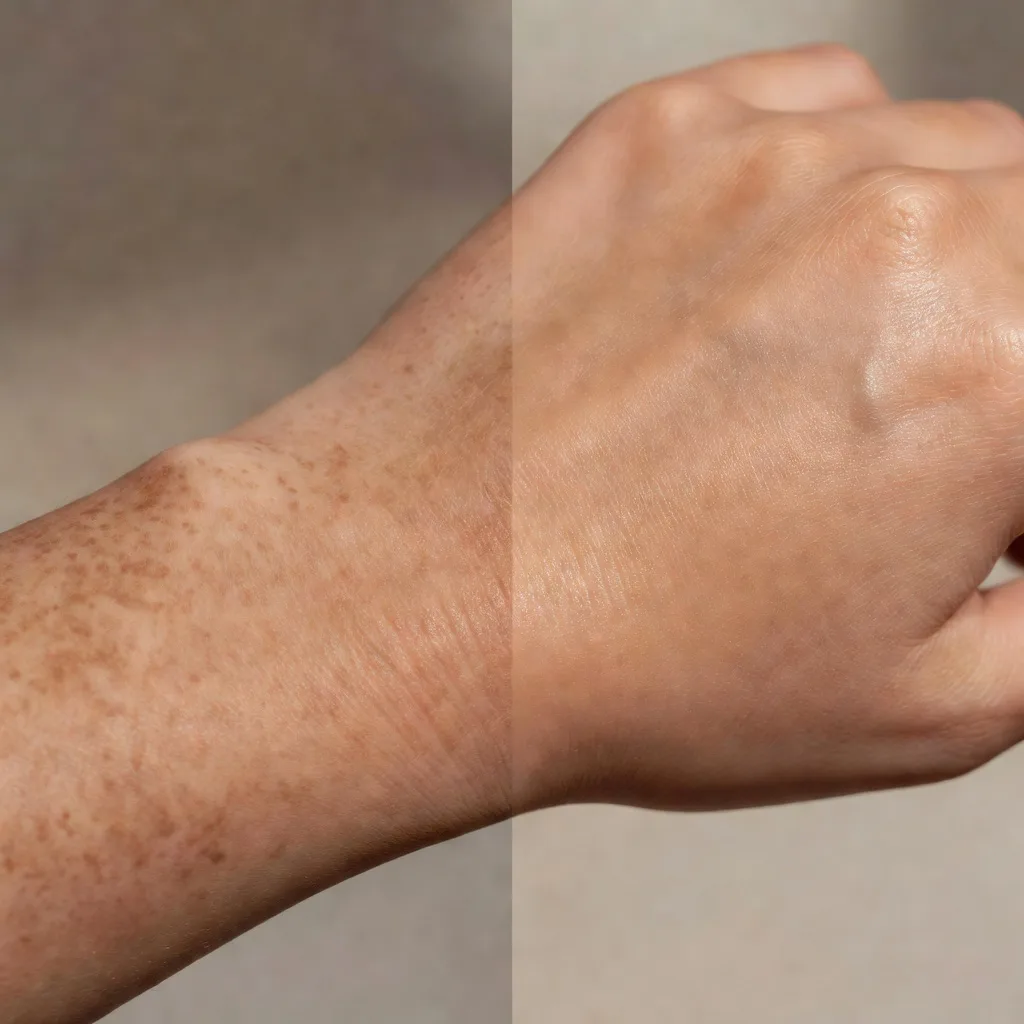
Uneven Tone After Sun Exposure: Tan, Sunspots or Melasma and How to Fade It
A day at the beach, a summer of gardening or years of walking to work without sunscreen can all leave the face looking patchy. Some areas look darker, some freckles multiply, and the cheeks or forehead can take on a blotchy, mottled look that makeup never quite hides.
Part of our guide to skincare products. Start with: What Does a Facial Toner Do? The Real Answer
Uneven tone after sun exposure usually comes from one of three things: a fading tan, sunspots (also called solar lentigines or age spots) or melasma. A tan fades on its own over weeks as skin renews. Sunspots are flat, well-defined brown marks that build up after repeated exposure and do not fade by themselves. Melasma is larger, blotchy brown or grey-brown patches, often on the cheeks, forehead and upper lip, triggered by sun, heat and hormones. Daily broad-spectrum sunscreen is the foundation for all three, and ingredients such as vitamin C, niacinamide, azelaic acid and retinoids can gradually soften the colour over months.
In short: protect first, then treat slowly, and see a dermatologist for any spot that changes, bleeds or looks different from the rest.
The American Academy of Dermatology recommends a broad-spectrum sunscreen of SPF 30 or higher for daily use, and the FDA notes that broad-spectrum products help protect against both UVA and UVB rays. Without that protection, even the best brightening serum is working against fresh pigment every day.
This guide explains how to tell the three causes apart, which ingredients have reasonable evidence, how long results take and when a doctor should look at your skin.
Shopping these picks?
Amazon Prime members get fast, free shipping on eligible items, plus Prime Video, Amazon Music and member deals. New members can start with a free trial.
Start a free Prime trialAged 18 to 24? Prime for Young Adults comes with a longer free trial and a lower price after it.
Affiliate link: we may earn a commission at no extra cost to you.
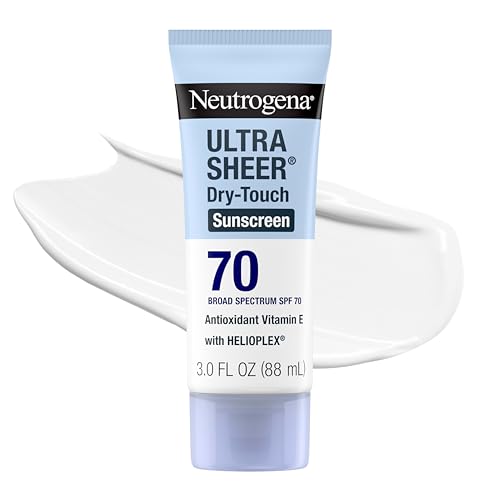
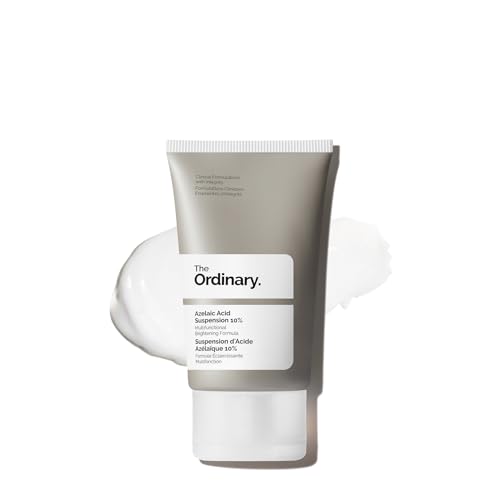
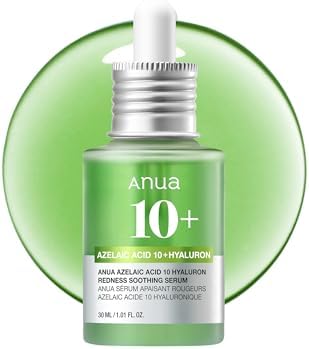
Recommended Sunscreens and Brightening Serums
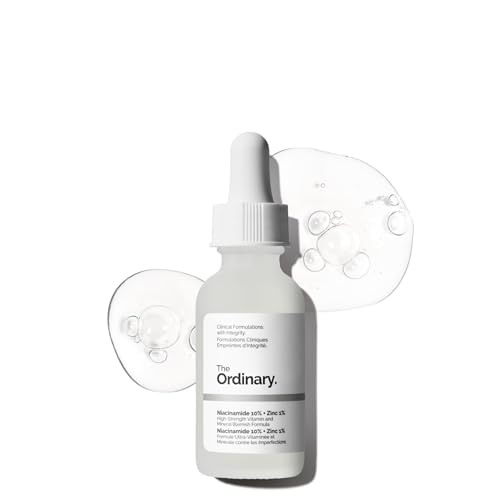
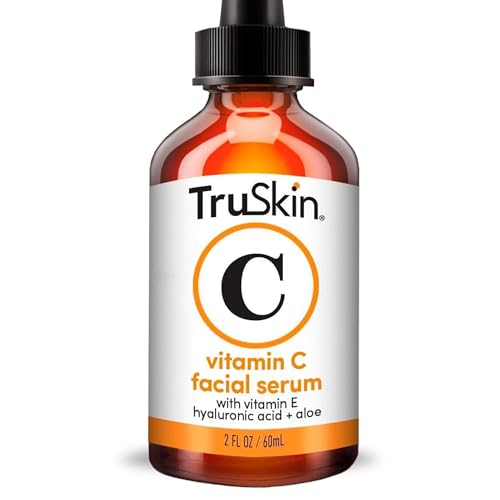
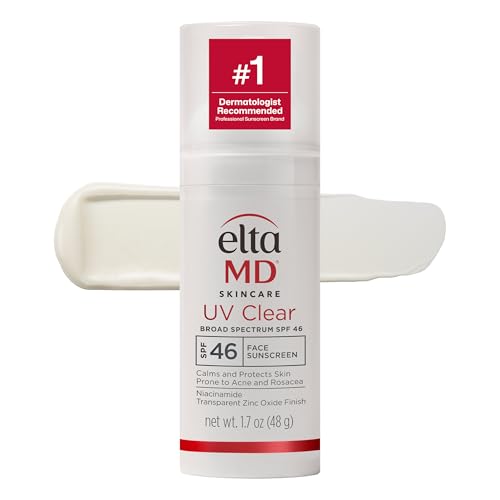

The Short Version
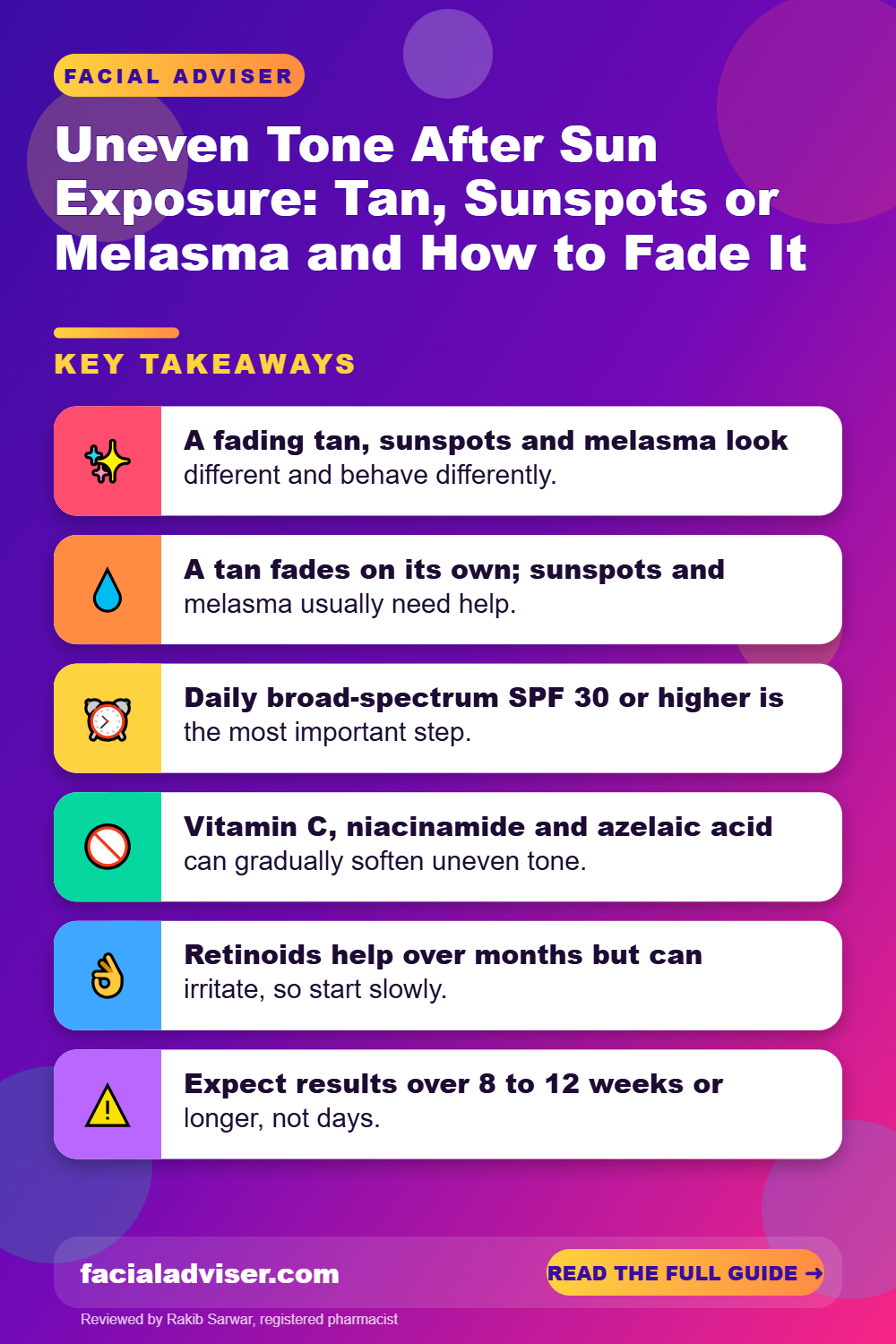
- A fading tan, sunspots and melasma look different and behave differently.
- A tan fades on its own; sunspots and melasma usually need help.
- Daily broad-spectrum SPF 30 or higher is the most important step.
- Vitamin C, niacinamide and azelaic acid can gradually soften uneven tone.
- Retinoids help over months but can irritate, so start slowly.
- Expect results over 8 to 12 weeks or longer, not days.
- Any new, changing or unusual spot needs a dermatologist’s check.
Jump to a Section
- Why Sun Exposure Leaves Skin Uneven
- Tan vs Sunspots vs Melasma: How to Tell Them Apart
- Sunscreen: The Step That Makes Everything Else Work
- Ingredients That Can Help Even Out Tone
- Retinoids for Sun Damage: Useful but Slow
- How to Even Out Sun-Induced Uneven Tone
- How Long Does It Take to Fade?
- Professional Treatments to Discuss
- Dos and Don’ts for Sun-Related Uneven Tone
- Honest Limits
- When to See a Dermatologist
- FAQ
- Summing Up
Why Sun Exposure Leaves Skin Uneven
Ultraviolet light tells pigment cells called melanocytes to produce more melanin. In the short term this is a defence response: the extra pigment absorbs some UV and gives you a tan. The problem is that melanocytes do not respond evenly. Some areas produce far more pigment than others, and after years of exposure certain clusters stay switched on.
That is why sun damage rarely looks like a smooth, even darkening. Instead it shows up as freckles that multiply, flat brown spots on the cheeks and temples, darker patches along the forehead and a general blotchiness. Visible light and heat can also worsen some types of pigmentation, especially melasma, which is one reason tinted sunscreens are often suggested for it.
- UVB mainly causes burning and short-term tanning.
- UVA penetrates deeper, contributes to long-term pigment and ageing, and passes through window glass.
- Visible light may worsen melasma in some people, particularly those with medium to deep skin tones.
- Inflammation from burns, acne or harsh products can leave extra dark marks on top of sun damage.
Anyone can develop sun-related uneven tone, but some people see it sooner. Fair skin tends to freckle and develop sunspots, while medium to deep skin tones are more prone to melasma and to dark marks after irritation. Hormonal changes, including pregnancy and some contraceptives, can make melasma more likely, and people who spend long hours outdoors or drive a lot often notice more pigment on the side of the face nearest the window. Knowing your pattern helps you choose the gentlest effective routine.
Tan vs Sunspots vs Melasma: How to Tell Them Apart
These three causes often overlap, but their typical features differ. Use this table as a rough guide, and remember that only a clinician can diagnose a spot with confidence.
| Feature | Fading tan | Sunspots | Melasma |
|---|---|---|---|
| Look | Even darkening with tan lines | Flat, well-defined brown spots | Blotchy brown or grey-brown patches |
| Common areas | Anywhere exposed | Cheeks, temples, nose, hands | Cheeks, forehead, upper lip, nose bridge |
| Pattern | Follows clothing and sun exposure | Scattered, one or many | Often symmetrical on both sides |
| Main triggers | Recent sun | Years of cumulative sun | Sun, heat, visible light, hormones |
| Fades on its own? | Yes, over weeks | Usually not | Rarely; often returns |
| Typical approach | Sunscreen and patience | Sunscreen, brighteners, in-office treatments | Strict sun protection, gentle brighteners, medical care |
Melasma is easily worsened by aggressive treatments, heat and irritation. If you suspect melasma, keep your routine gentle and ask a dermatologist before trying peels, lasers or strong acids.
Sunscreen: The Step That Makes Everything Else Work
Brightening ingredients fade existing pigment slowly, but a single unprotected afternoon can make new pigment faster than any serum removes it. That is why sunscreen is not an optional add-on for uneven tone; it is the treatment that allows the others to work.
- Choose broad spectrum and SPF 30 or higher, as the AAD recommends.
- Use enough: roughly a generous layer covering the whole face, ears and neck.
- Reapply every two hours outdoors, and after swimming or sweating.
- Wear it on cloudy days and near windows, since UVA passes through cloud and glass.
- Add a wide-brimmed hat and shade during the strongest midday sun.
For melasma and stubborn spots, many dermatologists suggest a tinted mineral sunscreen. The tint comes from iron oxides, which can help block visible light that plain sunscreens let through. The AAD guide on how to apply sunscreen explains how much to use and when to reapply.
Ingredients That Can Help Even Out Tone
Several over-the-counter ingredients have reasonable evidence for softening sun-related pigmentation. None is a quick fix, and results depend on consistency, strength and sun protection.
| Ingredient | How it helps | Best for | Watch out for |
|---|---|---|---|
| Vitamin C (ascorbic acid) | Antioxidant; can reduce melanin production | Dullness, mild spots, daytime protection boost | Stinging, oxidises when exposed to air and light |
| Niacinamide | Reduces transfer of pigment to skin cells; supports the barrier | Sensitive skin, redness, mild uneven tone | Rare flushing at high strengths |
| Azelaic acid | Slows pigment production; calms inflammation | Melasma-prone and acne-prone skin | Mild itching or tingling at first |
| Retinoids (retinol, adapalene, tretinoin) | Speed cell turnover so pigmented cells shed faster | Sunspots, texture, overall photoageing | Dryness, peeling, sun sensitivity |
| Gentle AHAs (lactic, glycolic) | Loosen dead cells to reveal brighter skin | Dull, rough surface | Irritation, increased sun sensitivity |
Vitamin C is usually used in the morning under sunscreen, where its antioxidant action supports sun protection. If you are unsure where it fits with acids, our guide on layering acids before or after vitamin C covers the order. Niacinamide is one of the easiest brighteners for sensitive skin; see our guide to niacinamide and its skin benefits for more detail.
Retinoids for Sun Damage: Useful but Slow
Retinoids are among the best-studied topical ingredients for photoageing, including sunspots and rough texture. Prescription tretinoin has the strongest evidence, while over-the-counter retinol and adapalene are gentler options.
The catch is irritation. Redness and peeling can themselves trigger dark marks, especially in darker skin tones, so the goal is steady use without inflammation. Start two or three nights a week, use a pea-sized amount for the whole face and moisturise afterwards. Retinoids also make skin more sensitive to the sun, which makes daily sunscreen even more important.
Do not use retinoids if you are pregnant, trying to conceive or breastfeeding unless your doctor approves. Avoid combining a new retinoid with strong acids or scrubs in the same routine, as this often leads to irritation that makes pigmentation worse.
How to Even Out Sun-Induced Uneven Tone
This simple routine suits most people with mild to moderate sun-related unevenness. Introduce one new active at a time so you can tell what your skin tolerates.
Stop the damage
Apply broad-spectrum SPF 30 or higher every morning and reapply outdoors.
Cleanse gently
Use a mild, non-stripping cleanser morning and night.
Add a morning brightener
Apply vitamin C or niacinamide before moisturiser and sunscreen.
Add an evening treatment
Use azelaic acid or a retinoid at night, starting two or three times a week.
Moisturise
Support the barrier to reduce irritation from actives.
Be patient and track progress
Take photos in the same light every four weeks and stay consistent for at least three months.
Photos taken in the same window light every month are far more reliable than the mirror. Pigment fades so gradually that most people underestimate their progress day to day.
How Long Does It Take to Fade?
A fading tan typically evens out over several weeks as skin naturally sheds its outer cells. Sunspots and melasma are much slower. With consistent sun protection and a brightener, many people notice a softer, more even look over two to three months, but deeper or older spots may change little without in-office treatment.
Melasma in particular tends to improve and relapse. Heat, summer, hormonal changes and missed sunscreen can bring patches back even after a good response, so most people need a long-term maintenance routine rather than a one-off course.
- Tan: weeks, with sunscreen to avoid adding more.
- Mild sunspots: often softer after 8 to 12 weeks of consistent care.
- Deeper sunspots: may need professional treatment.
- Melasma: slow, variable and prone to returning.
Professional Treatments to Discuss
If home care has not helped after a few months, a dermatologist can offer stronger options. Prescription creams, chemical peels, laser and light treatments and cryotherapy for individual spots are all used, but the right choice depends on your diagnosis and skin tone.
The AAD’s overview of chemical peels explains that peels can treat sun damage and uneven skin tone, and that results depend on peel depth and aftercare. Some treatments carry a higher risk of darkening in medium to deep skin tones, so choose a provider experienced with your skin type.
Dos and Don’ts for Sun-Related Uneven Tone
Worth Doing
- Wear broad-spectrum SPF 30 or higher every day
- Choose a tinted mineral sunscreen if you have melasma
- Introduce one active at a time
- Moisturise to keep irritation low
- Check new or changing spots with a doctor
Skip It
- Scrub or pick at dark spots
- Stack several strong actives at once
- Rely on makeup SPF alone
- Use bleaching creams bought from unregulated sellers
- Expect results in a week
Honest Limits
Topical products can soften sun-induced uneven tone, but they rarely erase well-established sunspots completely, and melasma has no permanent cure. Marketing that promises to remove all dark spots in days is not realistic.
Home remedies such as lemon juice, baking soda or undiluted essential oils are more likely to irritate skin and deepen pigment than to fade it. Some imported lightening creams have also been found to contain mercury or unlabelled steroids, which can cause serious harm, so avoid products that do not list their ingredients clearly.
When to See a Dermatologist
Most sun-related unevenness is harmless, but skin cancer can look like a simple dark spot. Get checked promptly if you notice any of the following.
- A spot that is new, growing or changing in colour, size or shape.
- A mark with uneven borders, several colours or a diameter larger than a pencil eraser.
- A spot that bleeds, itches, crusts or does not heal.
- Patches that spread quickly or appear alongside other symptoms.
- Pigmentation that has not improved after three months of consistent care.
This article is for general information and does not replace professional medical advice. See a board-certified dermatologist for diagnosis and treatment of pigmentation and for any spot that changes or worries you.
FAQ
Will uneven tone from the sun go away on its own?
A tan fades on its own over weeks, but sunspots and melasma usually need sunscreen and treatment.
What is the fastest way to even out sun-damaged skin?
Daily sunscreen plus a brightener such as vitamin C, niacinamide or azelaic acid; in-office treatments are faster for stubborn spots.
Can vitamin C fade sunspots?
It can soften mild spots gradually, especially with daily sunscreen.
Is niacinamide good for sun-related uneven tone?
Yes, it is a gentle option that can reduce the look of uneven tone over time.
Is azelaic acid safe for melasma?
It is commonly used for melasma and is generally well tolerated; ask a doctor if you are pregnant.
Do retinoids help with sun damage?
Yes, they can improve spots and texture over months, but start slowly.
How can I tell melasma from sunspots?
Melasma is usually blotchy and symmetrical; sunspots are smaller and well defined.
Does tinted sunscreen help with melasma?
Tinted mineral sunscreens also help block visible light, which may worsen melasma.
Can I use lemon juice on dark spots?
No, it can irritate skin and may darken pigmentation further.
Should I worry about a new dark spot?
Have any new or changing spot checked by a dermatologist.
Summing Up
Uneven tone after sun exposure is usually a fading tan, sunspots or melasma, and all three start with the same step: daily broad-spectrum sunscreen of SPF 30 or higher.
Add one gentle brightener at a time, give it at least three months, and let a dermatologist check any spot that is new, changing or stubborn. If you want to hide patches while you treat them, our guide to makeup tips for uneven skin tone can help.

Written by
Registered pharmacist and founder of Facial Adviser. Rakib's pharmacy training covers how skincare actives work and interact; a later course in cosmetology turned that into a focus on facial treatments and skincare products. He plans, researches and edits every guide on the site and checks health claims against sources such as the American Academy of Dermatology, the FDA and the NIH. He is not a dermatologist; see the Editorial Policy and Medical Disclaimer.
About · Editorial policy · How we choose products · Medical disclaimer · Contact
Keep reading: Toners, mists and sunscreen
- What Does a Facial Toner Do? The Real Answer
- Rough, Bumpy Forehead After Sunscreen? Causes and Fixes
- Do You Need a pH-Balancing Toner? When It Helps, When It Does Not
- Why Does My Toner Sting Sometimes? Causes and What to Do
- Should Men Use Toner? When It Helps and When to Skip It
- Are Facial Sprays Useful? What Face Mists Can and Cannot Do
- 10 Best Face Masks for Every Skin Type (2026): Clay, Gel and Sheet
- 10 Best Facial Cleansers for Combination Skin (2026): Balanced Picks



2 Comments