

Why Do I Still Have Crow’s Feet After Botox?
Crow’s feet after Botox that hasn’t faded is more common than most injectors let on. You got Botox for your crow’s feet, waited the two weeks everyone tells you to wait, and looked in the mirror expecting smooth skin at the corners of your eyes. It’s still there. Before you assume the injector under-dosed you or the treatment “doesn’t work” on your face, it helps to understand what Botox is actually doing at the muscle level, and what it was never going to touch in the first place.
Part of our guide to facial treatments. Start with: What Is the Best Anti-Aging Facial Treatment? Options Compared by Goal
Botox blocks the nerve signal that tells your orbicularis oculi muscle to contract. Less contraction means less folding of the skin above it, which is what shows up as a crow’s foot when you smile. That mechanism only affects wrinkles caused by muscle movement. It does nothing for a line caused by collagen loss or thinning skin, because those aren’t muscle problems.
Here’s the part most people never get told before treatment: a wrinkle that’s still visible when your face is completely relaxed is a different problem than one that only appears when you smile, and no realistic number of additional units will fix the first kind. This is exactly why so many people past their mid-30s feel like Botox “stopped working” around the same time their skin started showing more sun damage. The muscle-driven part probably did respond. The static part underneath needed something else entirely.
This guide walks through a 60-second test you can run right now to tell which one you’re dealing with, the exact FDA-approved dose for crow’s feet, how the five approved neurotoxin brands actually differ, and the specific red flags that mean it’s time to call your injector rather than wait it out.
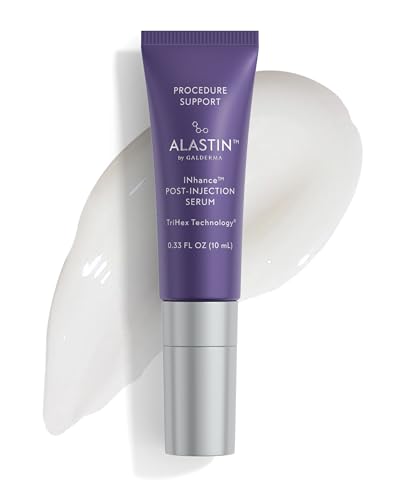
Recommended Products for Supporting Results Between Sessions
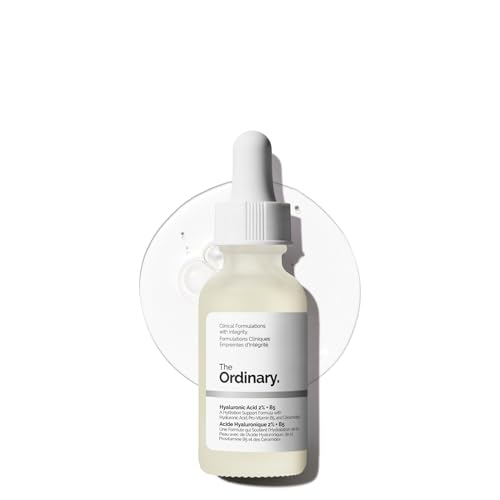
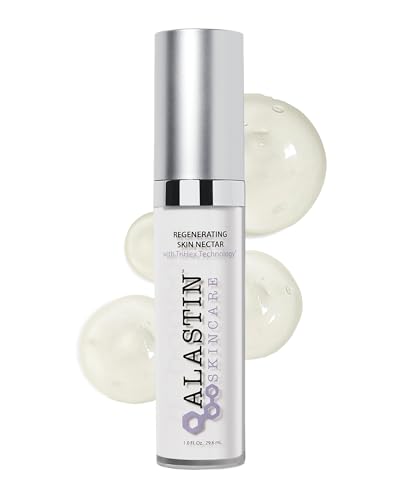
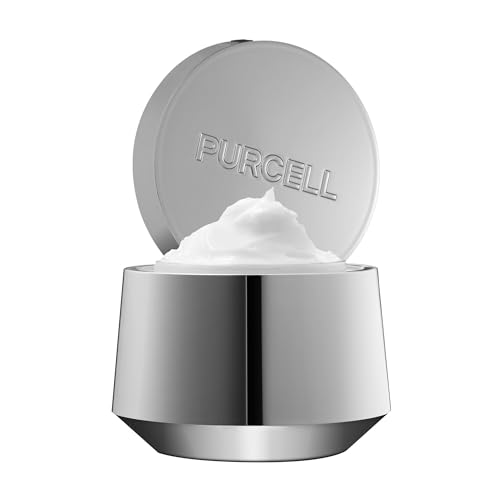
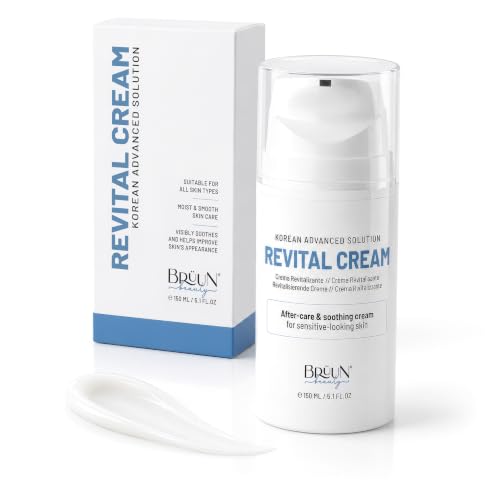
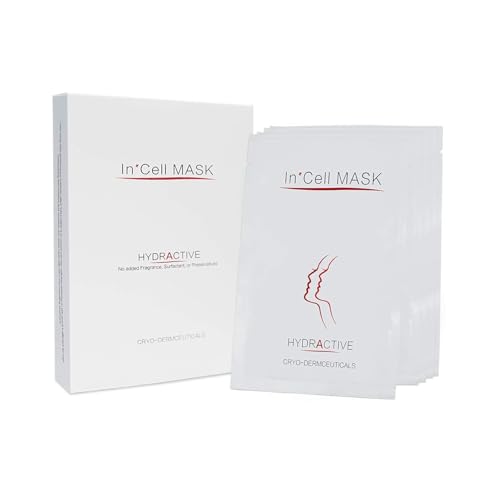

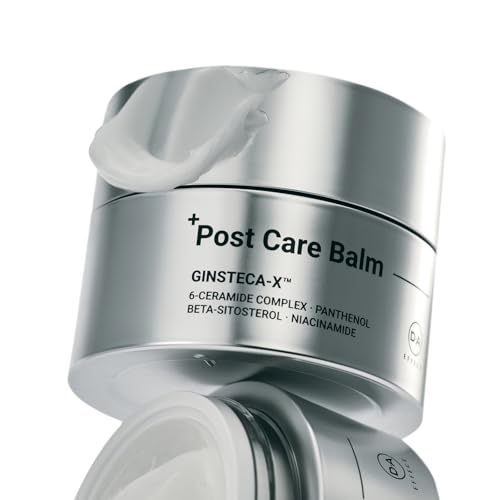
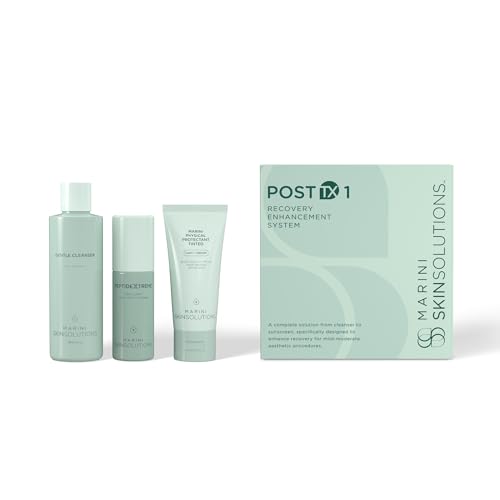
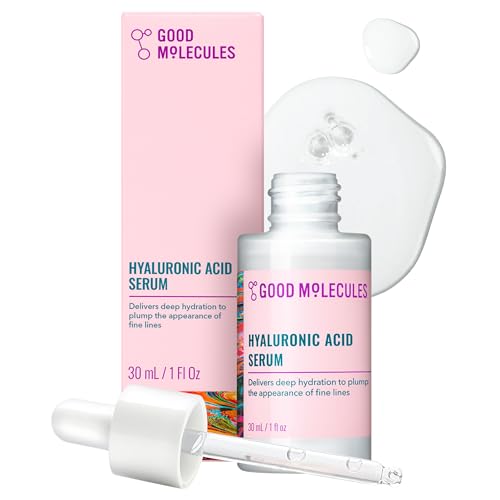
Shopping these picks?
Amazon Prime members get fast, free shipping on eligible items, plus Prime Video, Amazon Music and member deals. New members can start with a free trial.
Start a free Prime trialAged 18 to 24? Prime for Young Adults comes with a longer free trial and a lower price after it.
Affiliate link: we may earn a commission at no extra cost to you.
Key Takeaways
- Botox relaxes the muscle that causes a wrinkle to fold when you move. It does not fill, tighten, or resurface skin, so a line that’s visible when your face is completely still is a different problem than a line that only shows up when you smile.
- The FDA-approved dose for lateral canthal lines (crow’s feet) is 24 units total, split 12 units per side across three injection points, using onabotulinumtoxinA (Botox Cosmetic).
- A 60-second mirror test tells you whether you have a dynamic wrinkle (responds well to neurotoxin) or a static, etched-in wrinkle (needs a filler, laser, or skin-quality treatment alongside it).
- Under-dosing, injecting the wrong depth, and strong orbicularis oculi muscles that need more product are the three most common reasons results feel incomplete.
- Five neurotoxins are FDA-approved for cosmetic use in the US: Botox, Dysport, Xeomin, Jeuveau, and Daxxify. They differ mainly in onset speed and how long they last, not in whether they “work.”
- Sun exposure and lost collagen keep making static crow’s feet worse underneath any Botox treatment, so sunscreen is doing more long-term work than the injections are.
- Persistent asymmetry, drooping eyelid, or vision changes after treatment are not “give it more time” symptoms. They’re a reason to call the injector’s office.
Table of Contents
- Why Crow’s Feet Come Back After Botox: How the Toxin Actually Works
- The 60-Second Test: Are Your Crow’s Feet Dynamic or Static?
- Dynamic vs. Static Wrinkles: Why This Distinction Changes Your Treatment
- The FDA-Approved Dose, and Why “More Units” Isn’t Always the Fix
- Botox, Dysport, Xeomin, Jeuveau, and Daxxify Compared
- Do This, Not That: Getting More From Your Treatment
- Your Crow’s Feet Treatment Timeline, Step by Step
- What Botox Can’t Fix
- When It’s More Than Botox: Red Flags and Doctor Visits
- Frequently Asked Questions
- The Bottom Line
Why Crow’s Feet Come Back After Botox: How the Toxin Actually Works
Seeing crow’s feet after Botox usually comes down to one of a few specific causes, not a failed treatment. OnabotulinumtoxinA, sold under the brand name Botox, blocks the release of acetylcholine at the nerve-muscle junction. Without that chemical signal, the orbicularis oculi muscle around your eye stops contracting as hard when you smile or squint. Less contraction means less folding of the skin above it, which is what shows up as a crow’s foot.
That mechanism only works on lines caused by muscle movement. If a wrinkle is caused by something other than muscle contraction, blocking the muscle won’t erase it. Two other processes contribute to crow’s feet independently of muscle activity: collagen and elastin loss from UV exposure, and the simple thinning of skin that happens with age. Botox has no effect on either one.
This is also why “the muscles have not been completely paralyzed” is only part of the story. The orbicularis oculi is a sheet-like muscle with fibers that fan out in different directions, and the strength of contraction varies a lot between people. Someone with a strong, expressive squint may need more units or a slightly different injection pattern than someone with weaker muscle tone in that area, even though both are getting “the same treatment for crow’s feet.”
The 60-Second Test: Are Your Crow’s Feet Dynamic or Static?
Do this in front of a mirror, in good light, right now:
Relax your face completely. Neutral expression, no smiling, no squinting. Look at the outer corner of your eye.
- Lines are invisible or very faint at rest, but appear when you smile: these are dynamic wrinkles. They’re caused by muscle movement, which means a properly dosed neurotoxin should meaningfully reduce them.
- Lines are still visible when your face is completely relaxed: these are static wrinkles, etched into the skin itself. Botox can still soften them somewhat by reducing repeated folding, but it will not erase a line that’s already there when the muscle isn’t moving.
This is the same distinction dermatologists use to set expectations before treatment, and it’s the fastest way to tell whether “the Botox didn’t work” actually means the injector under-treated a dynamic line, or you’re looking at a static line that needed a different tool from the start.
Dynamic vs. Static Wrinkles: Why This Distinction Changes Your Treatment
| Wrinkle type | What causes it | Does Botox help? | What actually helps |
|---|---|---|---|
| Dynamic (only visible when moving) | Repeated muscle contraction over years | Yes, this is what Botox is designed for | Correctly dosed neurotoxin, re-treated every 3–4 months |
| Static (visible at rest) | Collagen and elastin breakdown, usually from UV exposure, plus skin thinning with age | Only marginally, by reducing further folding | Daily sunscreen, retinoids, filler, or a resurfacing laser |
| Mixed (both at once, most common past your mid-30s) | Years of muscle movement on top of sun-damaged skin | Partial improvement only | Neurotoxin for the dynamic component, filler or laser for the static component |
Most people past their mid-30s who say Botox “isn’t working anymore” are dealing with the mixed category. The neurotoxin is still doing its job on the dynamic component. It’s the static component underneath that’s become more visible over time, and no amount of additional Botox units will touch it.
The FDA-Approved Dose, and Why “More Units” Isn’t Always the Fix
The FDA prescribing information for Botox Cosmetic specifies a clear protocol for lateral canthal lines: 4 units per injection site, 3 sites per side, for a total of 24 units (12 units per side). That’s the labeled standard most injectors start from, though some adjust within a reasonable range for muscle strength and anatomy.
Note: Going noticeably above the labeled dose doesn’t reliably fix incomplete results and raises the odds of side effects like eyelid heaviness or an asymmetric smile. If a treatment isn’t working, the more common fixes are adjusting injection placement, waiting the full two weeks for peak effect before judging results, or addressing the static component separately, not simply adding units.
Full effect typically takes up to two weeks to appear, even though you may notice initial softening within 3 to 5 days. Judging results at day 4 is one of the most common reasons people think their treatment failed when it was actually still developing.
Botox, Dysport, Xeomin, Jeuveau, and Daxxify Compared
| Brand | Active ingredient | Typical onset | Typical duration | Notable difference |
|---|---|---|---|---|
| Botox Cosmetic | OnabotulinumtoxinA | 3–5 days | 3–4 months | Longest track record and the reference point most dosing studies use |
| Dysport | AbobotulinumtoxinA | 2–3 days | 3–4 months | Often described as faster onset and a slightly wider spread per unit |
| Xeomin | IncobotulinumtoxinA | 3–5 days | 3–4 months | No accessory proteins in the formulation, marketed on that basis |
| Jeuveau | PrabotulinumtoxinA | 2–3 days | 3–4 months | Manufacturing process purpose-built for cosmetic use only |
| Daxxify | DaxibotulinumtoxinA | 2–4 days | Up to 6 months in some studies | Peptide-stabilized formulation associated with longer duration |
All five are FDA-approved neurotoxins for cosmetic use in the US and work through the same mechanism described above. None of them will do anything for a static wrinkle. The choice between them is mostly about onset speed, longevity, and what your injector is most experienced with, not about which one is more likely to “actually work” on crow’s feet.
Tip: When comparing brands, ask which one your injector uses most often for the eye area specifically. Consistent technique with a familiar product tends to matter more for this delicate area than which brand you pick.
Do This, Not That: Getting More From Your Treatment
Do
- Wait the full two weeks before judging results
- Tell your injector if you have unusually strong or expressive eye muscles
- Wear sunscreen daily to slow the static component that Botox can’t touch
- Ask specifically whether your lines are dynamic, static, or mixed before treatment
- Book your next session before the effect fully wears off if you want continuous results
Don’t
- Rub or massage the treated area for 24 hours after injection
- Assume more units automatically means better results
- Expect a static, at-rest wrinkle to disappear from neurotoxin alone
- Judge the outcome before day 10–14
- Skip mentioning previous “it didn’t work” experiences to a new injector
Your Crow’s Feet Treatment Timeline, Step by Step
Consultation and the dynamic/static check
A qualified injector examines your lines at rest and in motion, essentially performing a more thorough version of the mirror test above, and discusses realistic expectations for your specific pattern.
Injection
Using a fine needle, small amounts of neurotoxin go into three points along the lateral orbicularis oculi on each side, close to the FDA-labeled 4-units-per-site protocol.
Days 1–3
No visible change yet. Avoid rubbing the area, strenuous exercise, and lying flat for several hours.
Days 3–5
Early softening usually becomes noticeable as the toxin starts blocking nerve signals to the muscle.
Day 14
Full effect is established. This is the earliest point where it’s fair to judge whether the treatment worked as intended.
Month 3–4
Muscle activity gradually returns and lines begin reappearing during expression as the effect wears off.
Re-treatment window
Most people schedule their next session as effect fades, typically every 3 to 4 months, sooner with Daxxify in some cases.
What Botox Can’t Fix
Botox cannot rebuild lost collagen, tighten loose skin, or remove a wrinkle that’s already carved into the skin at rest. It also can’t do anything about volume loss in the under-eye or cheek area, which changes how shadows fall around the eyes and can make crow’s feet look more pronounced even when the muscle-driven component is well controlled.
Evidence for neurotoxin as a long-term “prevention” strategy for wrinkles that haven’t formed yet is genuinely mixed. Some smaller studies suggest early, consistent use may slow the deepening of dynamic lines over years, but this isn’t settled the way its short-term efficacy on existing dynamic lines is. If your main concern is static, sun-damage-driven crow’s feet, a topical retinoid, daily broad-spectrum sunscreen, an approach to reversing uneven tone from sun exposure, or a skin-tightening device aimed at the static component will do more than adding another round of neurotoxin.
When It’s More Than Botox: Red Flags and Doctor Visits
Warning: Contact your injector’s office promptly if you notice a drooping eyelid, uneven smile, difficulty closing one eye, blurred or double vision, or spreading weakness beyond the treated area. These are not “wait it out” symptoms.
Mild bruising, redness, and temporary swelling at injection sites are common and expected. Persistent asymmetry past the two-week mark, or any sign the effect has spread to muscles you weren’t trying to treat, is a reason to follow up rather than assume it will resolve on its own.
Frequently Asked Questions
Why do I still have crow’s feet after getting Botox?
Either the lines are static (visible at rest, caused by sun damage and skin thinning rather than muscle movement), or the dynamic component was under-dosed, injected at the wrong depth, or hasn’t reached its full two-week effect yet.
How many units of Botox are used for crow’s feet?
The FDA-labeled dose is 24 units total for both sides, 4 units at each of 3 injection points per side, using Botox Cosmetic. Other neurotoxin brands use different unit conversions for a comparable effect.
How long does it take for Botox to work on crow’s feet?
Initial softening often appears within 3 to 5 days, but the full effect isn’t established until around day 14. Judge results only after that point.
Can Botox make crow’s feet worse?
Botox itself doesn’t create new wrinkles. If lines look more noticeable after treatment, it’s usually because the treated dynamic lines softened while an untreated static component or nearby volume loss became comparatively more visible, not because the injection caused new damage.
Is it normal to still see lines when I smile after Botox?
Some residual movement is expected and often intentional, since injectors typically aim to preserve natural expression rather than fully freeze the area. If the lines look essentially unchanged from before treatment, that points to under-dosing or a static component rather than a normal outcome.
Does Botox prevent new crow’s feet from forming?
Evidence is mixed. Some research suggests consistent early use may slow the deepening of dynamic lines, but this isn’t as well established as its effect on existing dynamic wrinkles, and it does nothing to prevent the sun-damage-driven static component.
What’s the difference between Botox, Dysport, Xeomin, Jeuveau, and Daxxify for crow’s feet?
All five are FDA-approved botulinum toxin type A products that work the same way. They differ mainly in onset speed and how long the effect lasts, with Daxxify’s peptide-stabilized formula associated with longer duration in some studies.
Should I get filler instead of Botox for crow’s feet?
They address different problems. Botox treats the muscle-driven, dynamic component. Filler adds volume and can soften static lines and hollowing nearby. Many people with mixed dynamic and static crow’s feet get better overall results combining both rather than choosing one.
Why does my injector recommend fewer units than I expected?
Conservative dosing at your first session lets the injector see how your specific muscles respond before adjusting. Going in with high units immediately raises the risk of an unnatural, overly frozen look or asymmetry.
When should I see a doctor instead of waiting out the results?
See your injector’s office promptly for eyelid drooping, uneven smile, trouble closing one eye, vision changes, or any weakness spreading beyond the treated area. These need evaluation, not patience.
The Bottom Line
If your crow’s feet are still visible after Botox, the mirror test above will tell you more in sixty seconds than another round of speculation will. Lines that vanish at rest and only appear when you move are dynamic, and a properly dosed, correctly placed injection at the FDA-labeled 24 units should visibly soften them by the two-week mark. Lines that are still there when your face is completely still are static, carved in by sun exposure and thinning skin, and no realistic amount of neurotoxin will erase them.
Most people past their mid-30s are dealing with some mix of both, which is exactly why “I got Botox and it didn’t work” is so often only half true. The dynamic part probably did respond. The static part needed sunscreen, a retinoid, filler, or a resurfacing treatment from the start, and no injector can talk their way around that with a syringe alone.

Written by
Registered pharmacist and founder of Facial Adviser. Rakib's pharmacy training covers how skincare actives work and interact; a later course in cosmetology turned that into a focus on facial treatments and skincare products. He plans, researches and edits every guide on the site and checks health claims against sources such as the American Academy of Dermatology, the FDA and the NIH. He is not a dermatologist; see the Editorial Policy and Medical Disclaimer.
About · Editorial policy · How we choose products · Medical disclaimer · Contact
Keep reading: Anti-aging facials and treatments
- What Is the Best Anti-Aging Facial Treatment? Options Compared by Goal
- Cryo Facial: What the Cold Actually Does
- How Long After Botox Can You Get a Facial?
- Acupuncture Facial: What the Evidence Shows
- Mesotherapy Facial: What the Evidence Shows
- Anti-Aging Facial: What the Evidence Shows
- What Is a Spa Facial?
- Fruit Facial at Home: Does It Actually Work?



One Comment