Mesotherapy Facial: What the Evidence Shows
A mesotherapy facial involves injecting small amounts of vitamins, enzymes, or other compounds into the skin, and the evidence behind it is thinner than most marketing suggests.
Part of our guide to facial treatments. Start with: What Is the Best Anti-Aging Facial Treatment? Options Compared by Goal
The Indian Association of Dermatologists’ own position paper states plainly that acceptable scientific evidence for mesotherapy’s effectiveness and safety is lacking, and the FDA has never approved mesotherapy as a treatment method. A documented 2009 outbreak of mycobacterial infection, traced to a device rinsed with contaminated tap water, sickened 16 patients at a single clinic.
In 2010 the FDA also sent warning letters to six medical spas specifically for false fat-dissolving claims tied to this treatment category.
This guide covers the real regulatory status, the documented infection risk, and the specific questions worth asking before booking.
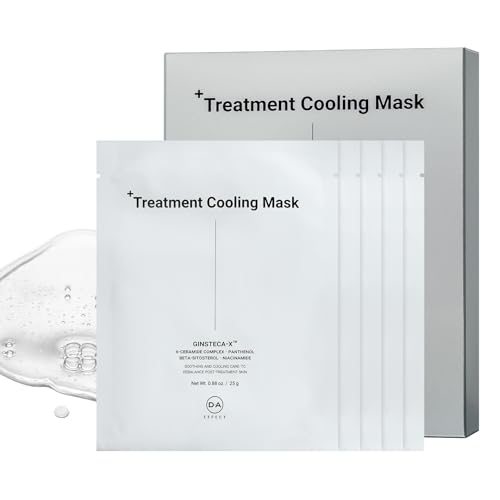
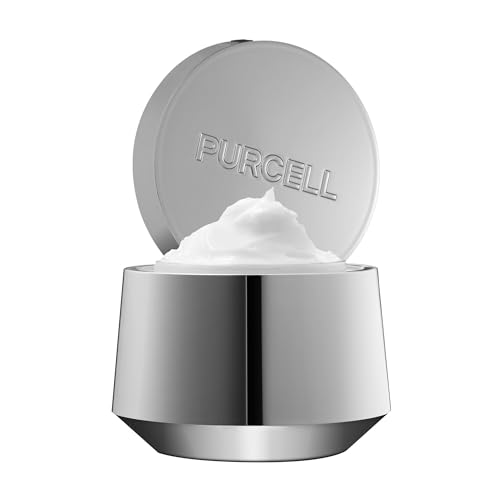
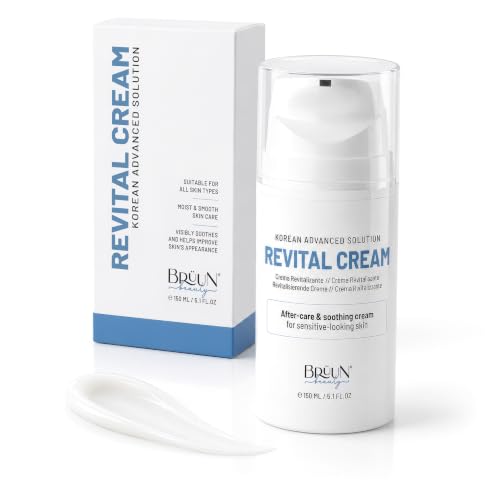
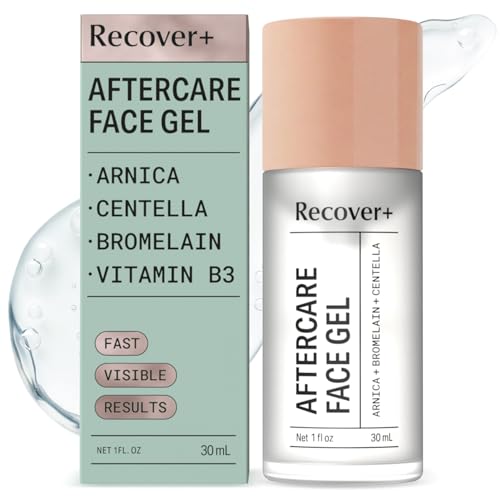
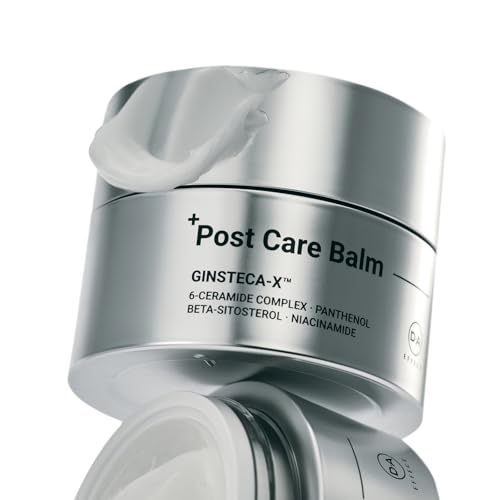
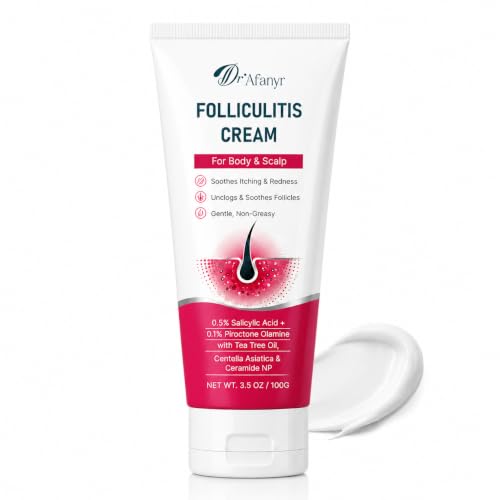
Recommended Products for Post-Treatment Skin Care

What Mesotherapy Actually Is
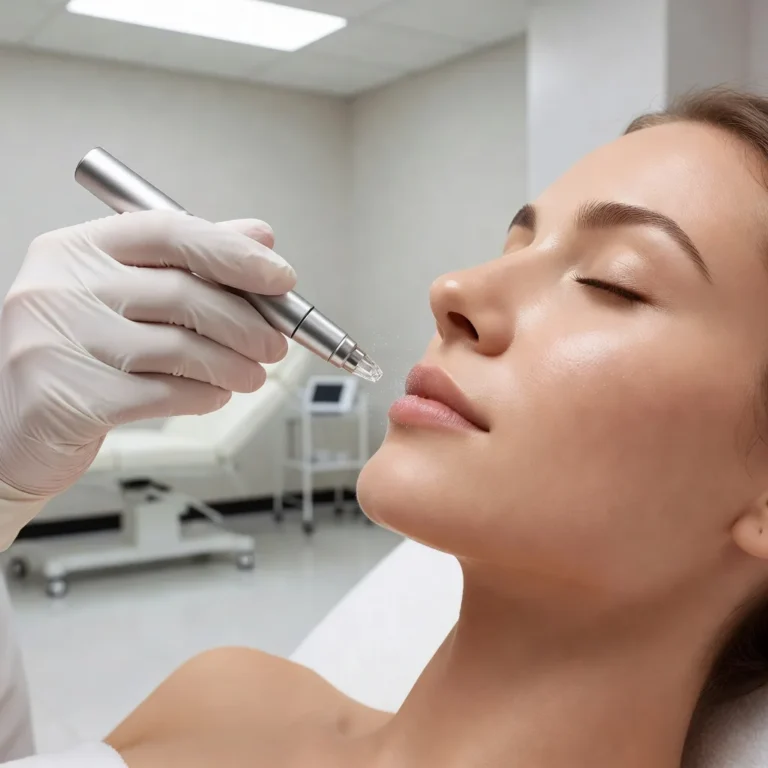
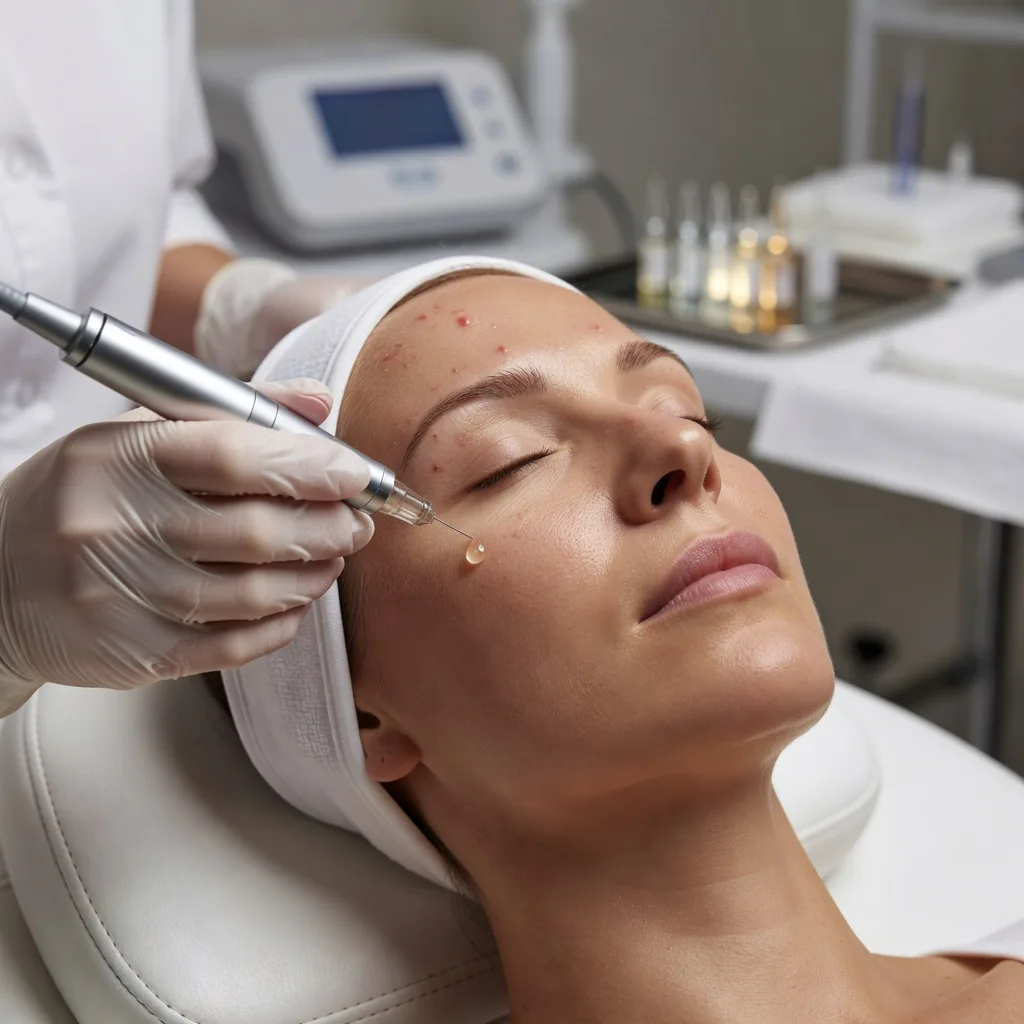
Mesotherapy involves injecting small amounts of vitamins, enzymes, hyaluronic acid, or other compounds directly into the mesoderm — the middle layer of skin — through a series of shallow micro-injections, typically delivered with a specialized multi-needle device. It originated in France in the 1950s with Dr. Michel Pistor, and remains more institutionally established there and in Brazil and other parts of Latin America than in the United States, where it exists in a genuine regulatory gray zone.
Shopping these picks?
Amazon Prime members get fast, free shipping on eligible items, plus Prime Video, Amazon Music and member deals. New members can start with a free trial.
Start a free Prime trialAged 18 to 24? Prime for Young Adults comes with a longer free trial and a lower price after it.
Affiliate link: we may earn a commission at no extra cost to you.
Bottom Line Up Front
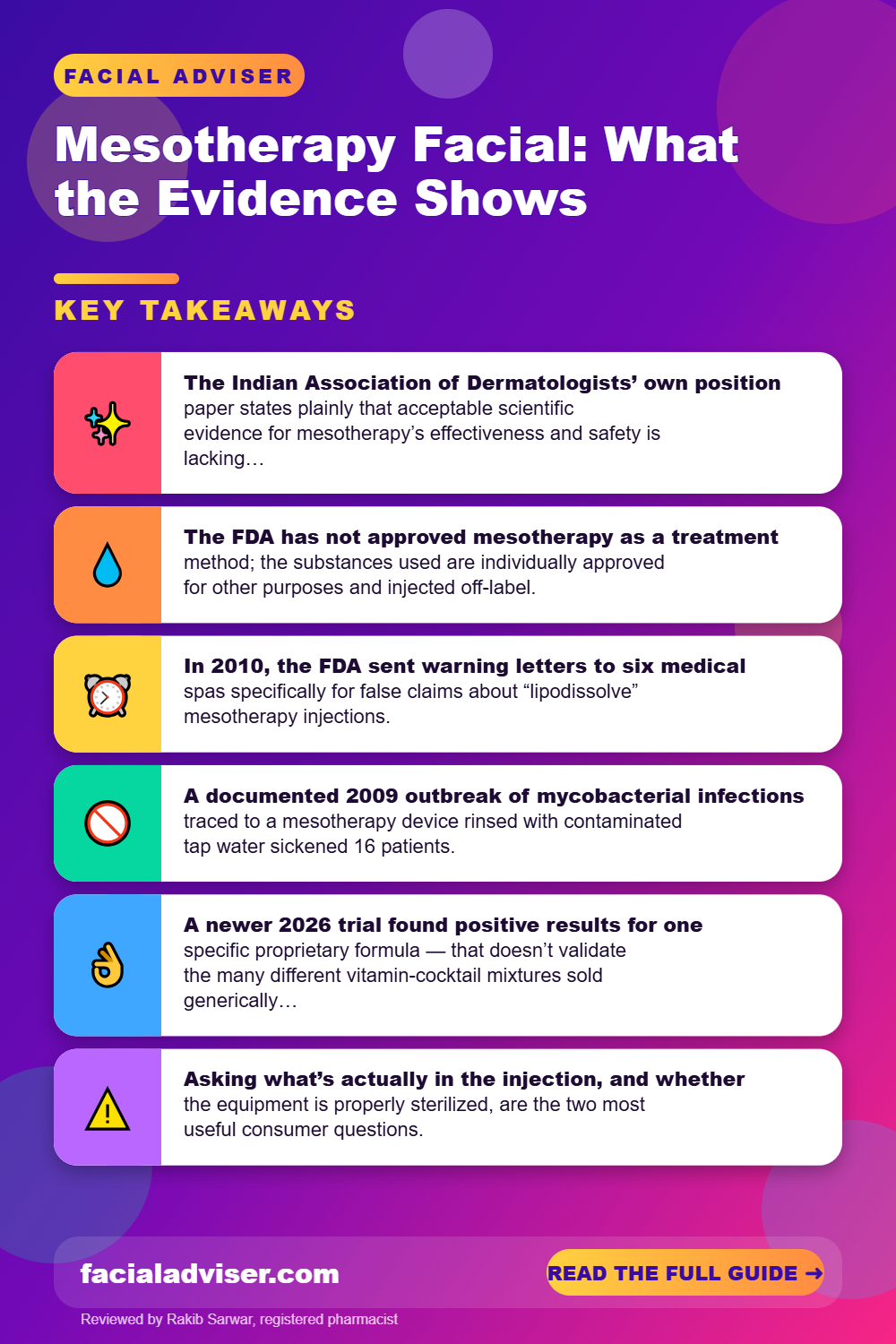
- The Indian Association of Dermatologists’ own position paper states plainly that acceptable scientific evidence for mesotherapy’s effectiveness and safety is lacking across most applications.
- The FDA has not approved mesotherapy as a treatment method; the substances used are individually approved for other purposes and injected off-label.
- In 2010, the FDA sent warning letters to six medical spas specifically for false claims about “lipodissolve” mesotherapy injections.
- A documented 2009 outbreak of mycobacterial infections traced to a mesotherapy device rinsed with contaminated tap water sickened 16 patients.
- A newer 2026 trial found positive results for one specific proprietary formula — that doesn’t validate the many different vitamin-cocktail mixtures sold generically as “mesotherapy.”
- Asking what’s actually in the injection, and whether the equipment is properly sterilized, are the two most useful consumer questions.
Table of Contents
- What Mesotherapy Actually Is
- What the Evidence Actually Shows
- FDA Regulatory Status: A Real Gray Zone
- The 2010 FDA Lipodissolve Warning
- The Real Infection Outbreaks
- France and Brazil vs. the U.S.
- Mesotherapy vs. Kybella vs. Surgical Options
- What a Typical Session Involves
- Who Tends to Seek This Treatment
- Who Should Be Cautious
- When to See a Physician Instead
- A One-Minute Screening Check
- Where the Evidence Runs Out
- Frequently Asked Questions
What the Evidence Actually Shows
The strongest single evidence review here is the Indian Association of Dermatologists’ own position paper on mesotherapy, and its conclusion is direct: acceptable scientific evidence for the treatment’s effectiveness and safety is lacking. For cellulite specifically, the paper states plainly that acceptable evidence for effectiveness and safety is lacking. For body contouring, a cited randomized trial found no significant loss of thigh girth compared to control. For facial rejuvenation specifically, the literature is genuinely split: one study found no significant clinical or histological changes, while another suggested a possible benefit requiring further investigation. The paper’s own conclusion is that mesotherapy remains controversial at present, and the association does not recommend routine use, calling instead for well-designed controlled studies before wider clinical adoption. Singapore’s aesthetic-procedure guidelines classify mesotherapy as a “List B procedure” — explicitly low or very low evidence, grouped with other unestablished treatments.
A more recent 2026 multicenter randomized controlled trial did find positive results — but it tested one specific proprietary sodium hyaluronate composite solution, not mesotherapy as a broad category. That result is real and worth knowing, but it shouldn’t be generalized to the many different vitamin-and-enzyme cocktails marketed generically as “mesotherapy,” since they’re chemically distinct formulations with entirely separate evidence bases.
FDA Regulatory Status: A Real Gray Zone
The FDA has not approved mesotherapy as a treatment method. Individual compounds used in mesotherapy cocktails — vitamins, enzymes, hyaluronic acid, phosphatidylcholine, lidocaine — may be individually FDA-approved substances, but typically for entirely different indications, meaning their use in an injected mesotherapy cocktail is off-label and compounded, not FDA-reviewed as a combined product or procedure. There’s one narrow exception worth knowing precisely: Kybella (deoxycholic acid) holds specific FDA approval, granted in 2015, for submental fat only. The American Society of Plastic Surgeons explicitly cautions physicians against using deoxycholic acid off-label for other, non-submental applications, despite that one approval existing.
The 2010 FDA Lipodissolve Warning
On April 7, 2010, the FDA sent warning letters to six medical spas specifically for false and misleading claims about “lipodissolve” mesotherapy injections — claims like “it dissolves fat” and “it melts it away” with “no side effects.” The FDA’s own statement is precise and worth quoting directly: there is no FDA-approved injectable product that is phosphatidylcholine. The agency said plainly it had no good data that the treatment is safe or effective, and warned of underreported risks including injection-site pain, subcutaneous knots, and permanent scarring. This is a specific, citable regulatory action most mesotherapy marketing simply doesn’t mention.
The Real Infection Outbreaks
Mycobacterial infection outbreaks linked to mesotherapy are documented in peer-reviewed literature, not isolated anecdotes. A 2009 report in the Journal of Clinical Microbiology described an outbreak of Mycobacterium chelonae (with some co-infection by a related species) at a general-practice clinic near Paris: 16 cases over an eight-month period, an attack rate of over 15%. Affected patients, mostly women with an average age of 33, developed anywhere from 1 to 120 subcutaneous abscesses, mainly on the hips, thighs, and abdomen, with a median incubation period of 9 days. The root cause was identified precisely: the clinic’s automatic mesotherapy injection device was rinsed between patients with nonsterile tap water, found to be contaminated with thousands of colony-forming units of the bacteria per liter. The outbreak stopped once the practice was discontinued. This is not an isolated event — similar peer-reviewed outbreak and case reports exist for other mycobacterial species from separate clinics in different countries, establishing a real, recurring pattern tied specifically to non-sterile equipment handling.
| Documented risk | Real supporting evidence |
|---|---|
| Mycobacterial subcutaneous infection | Multiple peer-reviewed outbreak reports across different countries and clinics |
| Permanent scarring | Named explicitly in the FDA’s 2010 warning-letter action |
| Liver toxicity, nerve demyelination | Reported specifically from phosphatidylcholine exposure |
| HIV/hepatitis transmission | Risk flagged for shared or reused needles and multi-dose vials |
France and Brazil vs. the U.S.
Mesotherapy has a longer institutional history in France, where it originated, and in Brazil and other parts of Latin America, where it’s practiced with more established training pathways and clinical tradition. In the United States, by contrast, it exists in a genuine regulatory gray zone: practiced by both physicians and non-physicians in medical spas, using compounded or off-label substances, without a dedicated FDA framework covering the procedure itself. This asymmetry — an established tradition abroad against an unregulated gray zone at home — is worth understanding plainly rather than assuming U.S. practice carries the same oversight as its country of origin.
Mesotherapy vs. Kybella vs. Surgical Options
When the goal is fat reduction specifically, it’s worth knowing exactly where mesotherapy sits relative to its alternatives. Kybella is the only FDA-approved injectable in this space, and even then only for submental (under-the-chin) fat — not the flanks, thighs, or abdomen many generic “fat-dissolving mesotherapy” ads target. For a more thorough breakdown of how injectable and surgical fat-reduction options actually compare on evidence and downtime, a comparison of facial liposuction and buccal fat extraction covers the surgical side of that spectrum, and a look at whether liposuction is a good option for the face covers the same question from the surgical-candidacy angle.
| Option | FDA status | What the evidence shows |
|---|---|---|
| Generic “fat-dissolving” mesotherapy | Not FDA-approved as a treatment method | No good data on safety or effectiveness, per the FDA’s own 2010 statement |
| Kybella (deoxycholic acid) | FDA-approved, submental fat only | Approved based on trial data specific to that one indication |
| Surgical liposuction | Established surgical procedure | Longer track record, but carries its own distinct surgical risks |
What a Typical Session Involves
Consultation
The practitioner discusses goals and, ideally, discloses exactly what substances will be injected.Skin preparation
The treatment area is cleansed and, in some protocols, a topical numbing agent is applied.Micro-injections
A series of shallow injections are delivered across the treatment area using a specialized multi-needle device or individual syringes.Aftercare
Mild redness or swelling at injection sites is common and typically resolves within a day or two.
Who Tends to Seek This Treatment
People looking for a less invasive alternative to surgical procedures, and who are comfortable with the still-developing and largely unestablished evidence base, are the typical candidates. Given the honest evidence gaps described above, it’s realistic to approach mesotherapy as an unproven-but-not-disproven treatment rather than either a scientifically validated procedure or an outright scam.
Do
- Ask exactly what substances are being injected and whether they’re being used off-label
- Confirm the provider’s sterilization protocol for injection equipment
- Set realistic expectations given the largely unestablished evidence base
Don’t
- Assume “mesotherapy” refers to one standardized, evidence-backed formulation
- Assume a provider abroad follows the same regulatory oversight as one in the U.S.
- Ignore new lumps, prolonged redness, or signs of infection at injection sites
Who Should Be Cautious
Anyone with a bleeding disorder, a known allergy to any of the specific injected compounds, or an active skin infection in the treatment area should discuss mesotherapy with a physician first rather than proceeding at a medical spa. Given the documented liver-toxicity and nerve-demyelination reports linked to phosphatidylcholine specifically, anyone considering a fat-dissolving mesotherapy cocktail should ask directly whether that ingredient is included.
When to See a Physician Instead
This is a medical procedure with real, documented infection and toxicity risks, not a purely cosmetic spa service. See a physician promptly if you develop new lumps, nodules, spreading redness, fever, or any sign of infection following a mesotherapy session — these are the specific complications the documented outbreak literature describes.
A One-Minute Screening Check
Before booking, ask: what exact substances will be injected, and is each one FDA-approved for this specific use? How is the injection equipment sterilized between patients? Is the provider a licensed physician, and can they discuss the evidence base honestly rather than promising guaranteed results? Hesitation or vague answers to any of these are a real reason to seek a different provider.
Where the Evidence Runs Out
Be precise about what’s actually established: no large, independent, multi-formulation trial confirms mesotherapy as reliably effective for fat reduction or general facial rejuvenation across the many different cocktails marketed under that name. The FDA has not approved the treatment method itself, and the one recent favorable trial applies to a specific proprietary solution, not the category broadly. The honest summary is a treatment with a long practice history, a documented regulatory gray zone in the U.S., and real, if not universal, infection risk tied specifically to equipment sterilization.
Frequently Asked Questions
Is mesotherapy FDA-approved?
No — the FDA has not approved mesotherapy as a treatment method; individual injected substances are approved for other, different uses.
Does mesotherapy actually reduce fat?
A cited controlled trial found no significant loss of thigh girth compared to control, though one narrow FDA-approved substance, Kybella, is approved specifically for submental fat.
Is mesotherapy safe?
Documented outbreaks of mycobacterial infection have been traced specifically to non-sterile equipment handling, making provider hygiene a genuine safety concern.
Why did the FDA warn medical spas about lipodissolve?
In 2010, the FDA warned six medical spas for false claims about fat-dissolving injections, stating plainly there was no FDA-approved phosphatidylcholine injectable product.
Does mesotherapy work for facial rejuvenation?
The literature is genuinely split — one study found no significant changes, another suggested possible benefit requiring further study.
Is mesotherapy more accepted outside the U.S.?
Yes — it has a longer institutional history and more established training pathways in France and Brazil than in the U.S., where it remains a regulatory gray zone.
What caused the documented mesotherapy infection outbreak?
A device rinsed between patients with contaminated tap water instead of proper sterilization, not the injected substance itself.
Can mesotherapy cause permanent side effects?
Permanent scarring has been named explicitly in FDA warning-letter action, and liver toxicity or nerve effects have been reported from specific ingredients like phosphatidylcholine.
Should I ask what’s in my mesotherapy injection?
Yes — this is the single most useful question, since mesotherapy is a delivery method, not one standardized formulation.
Is a newer, more favorable mesotherapy study proof the treatment works generally?
No — a 2026 favorable trial tested one specific proprietary solution, which shouldn’t be generalized to the many different cocktails sold generically as mesotherapy.

Written by
Registered pharmacist and founder of Facial Adviser. Rakib's pharmacy training covers how skincare actives work and interact; a later course in cosmetology turned that into a focus on facial treatments and skincare products. He plans, researches and edits every guide on the site and checks health claims against sources such as the American Academy of Dermatology, the FDA and the NIH. He is not a dermatologist; see the Editorial Policy and Medical Disclaimer.
About · Editorial policy · How we choose products · Medical disclaimer · Contact
Keep reading: Anti-aging facials and treatments
- What Is the Best Anti-Aging Facial Treatment? Options Compared by Goal
- Anti-Aging Facial: What the Evidence Shows
- Facial Harmonization: What It Actually Is
- Facial Fat Grafting Cost: What You'll Really Pay
- How Long Does Facial Fat Grafting Last?
- Facial Fat Transfer vs Fillers: Longevity, Predictability, and Who Each Suits
- Fruit Facial at Home: Does It Actually Work?
- Facial Types: A Guide to 11 Popular Facials and How to Choose One