How to Boost Facial Circulation Naturally (and What Actually Works)
A healthy flush after a brisk walk, the pink glow after a warm bath, the grey look that creeps in after a long week indoors: the amount of blood flowing through your facial skin has a lot to do with how alive your face looks.
Part of our guide to lifestyle and skin. Start with: How Diet Impacts the Skin Microbiome: What the Science Actually Shows
The most reliable natural ways to boost facial circulation are regular aerobic exercise, gentle facial massage, brief warmth, not smoking and a diet rich in plant foods. Exercise and warmth increase blood flow immediately; a small study found a facial roller raised cheek blood flow for over ten minutes and improved vessel responsiveness after five weeks. Most effects are temporary, so consistency matters more than intensity.
Better circulation brings oxygen and nutrients to skin cells and carries waste away. That is part of why fit, well-rested non-smokers often have skin that looks brighter. But it is only one piece of skin health, and some popular circulation hacks, from ice baths to upside-down yoga for glow, are more hype than help.
It is also worth separating a healthy, temporary flush from persistent redness. If your face flushes easily and stays red, or you see visible broken vessels, you may be dealing with rosacea, and pushing more blood to the face can make that worse.
This guide covers what drives facial blood flow, the methods with evidence behind them, a simple daily routine, what to avoid, and when facial redness or paleness is a sign to see a doctor.
Shopping these picks?
Amazon Prime members get fast, free shipping on eligible items, plus Prime Video, Amazon Music and member deals. New members can start with a free trial.
Start a free Prime trialAged 18 to 24? Prime for Young Adults comes with a longer free trial and a lower price after it.
Affiliate link: we may earn a commission at no extra cost to you.
Recommended Tools for Better Facial Circulation




At a Glance
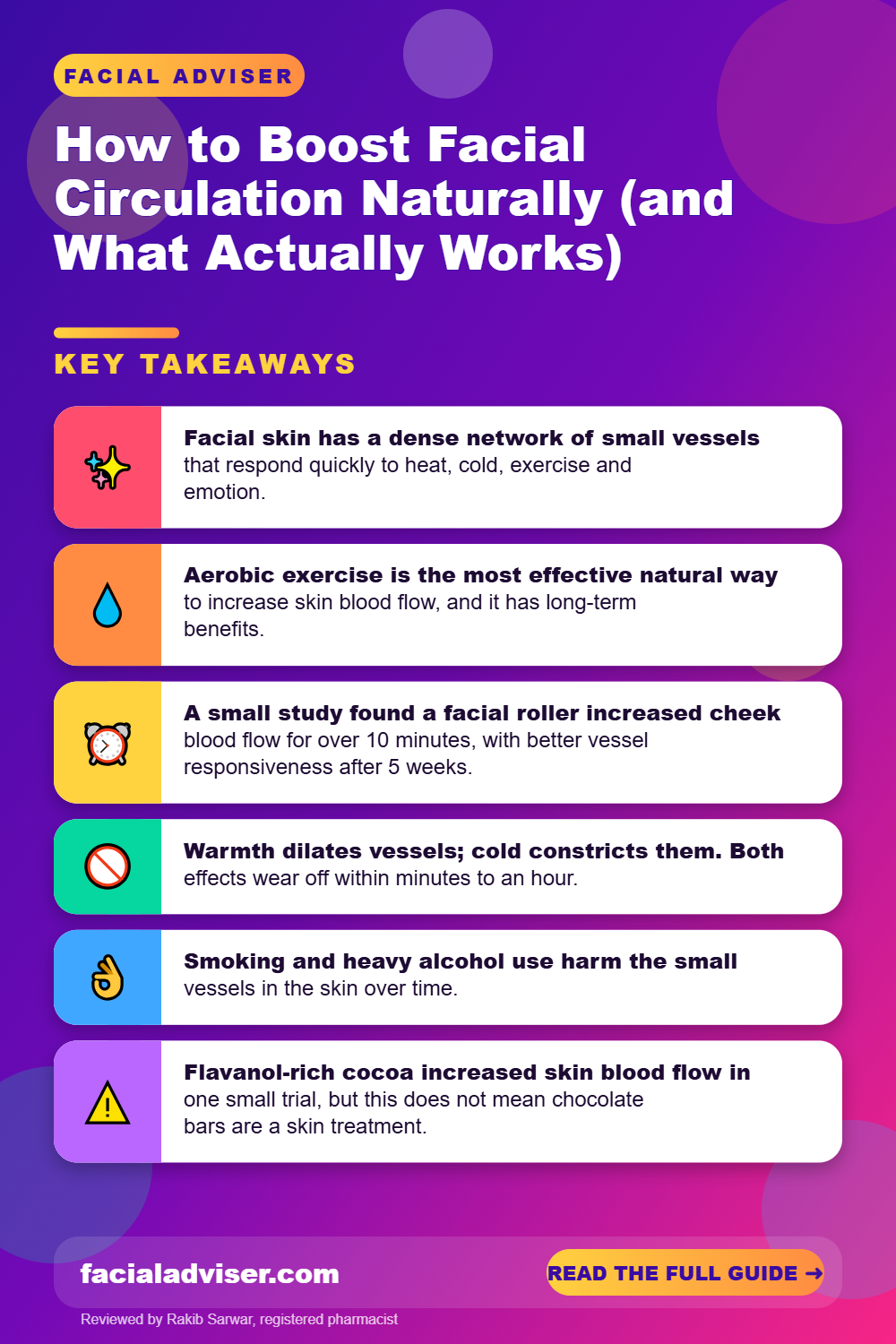
- Facial skin has a dense network of small vessels that respond quickly to heat, cold, exercise and emotion.
- Aerobic exercise is the most effective natural way to increase skin blood flow, and it has long-term benefits.
- A small study found a facial roller increased cheek blood flow for over 10 minutes, with better vessel responsiveness after 5 weeks.
- Warmth dilates vessels; cold constricts them. Both effects wear off within minutes to an hour.
- Smoking and heavy alcohol use harm the small vessels in the skin over time.
- Flavanol-rich cocoa increased skin blood flow in one small trial, but this does not mean chocolate bars are a skin treatment.
- People with rosacea should avoid methods that cause strong flushing.
Contents
- Why Facial Circulation Matters
- Exercise: The Most Powerful Option
- Facial Massage and Rollers
- Warmth and Cold
- Diet and Circulation
- Sleep, Stress and Sitting Still
- Is Your Facial Circulation Worth Working On?
- How to Boost Facial Circulation Naturally
- Dos and Don’ts
- Honest Limits
- When to See a Doctor
- FAQ
- Summing Up
Why Facial Circulation Matters
The face has one of the richest blood supplies in the body. Tiny arterioles and capillaries sit close to the surface, which is why the face flushes so easily and why changes in blood flow are so visible.
Blood flow delivers oxygen, glucose, amino acids and vitamins to skin cells and removes waste. It also carries immune cells and helps with healing. When flow is reduced, for example in smokers, skin tends to look duller and heals more slowly.
| Factor | Effect on facial blood flow | How long it lasts |
|---|---|---|
| Aerobic exercise | Increases | During and for a while after; long-term vessel health improves |
| Warmth (shower, compress) | Increases | Minutes |
| Facial massage | Increases locally | Around 10 minutes or more |
| Cold | Decreases, then may rebound | Minutes |
| Smoking | Decreases | Minutes per cigarette; long-term vessel damage |
| Stress | Can increase (flushing) or decrease (pallor) | Variable |
| Alcohol | Increases (flushing) | Hours; long-term can worsen redness |
Exercise: The Most Powerful Option
When you exercise, your body sends more blood to the skin to release heat. That is the flush you see after a run or a spin class. Over time, regular exercise also improves the health of the lining of blood vessels, helping them widen and narrow more efficiently.
There is no need for extreme workouts. Brisk walking, cycling, swimming or dancing that raises your heart rate for 20 to 30 minutes most days is enough. Exercise also improves sleep and lowers stress, both of which affect how your skin looks.
Wash your face or at least rinse with lukewarm water after sweaty workouts, and use sunscreen if you exercise outdoors. More blood flow plus sun exposure can mean more redness for sensitive skin.
Facial Massage and Rollers
Researchers at the Tokyo Institute of Technology looked at the effect of a facial massage roller on skin blood flow. Five minutes of rolling increased blood flow in the massaged cheek by roughly 25% for more than ten minutes. After five weeks of daily use, the massaged cheek showed a better blood vessel response to heat stimulation, suggesting improved vessel function (Miyaji et al., 2018).
The study was small, and better blood flow does not automatically translate into visibly better skin. Still, it is one of the few pieces of direct evidence that facial massage does something measurable.
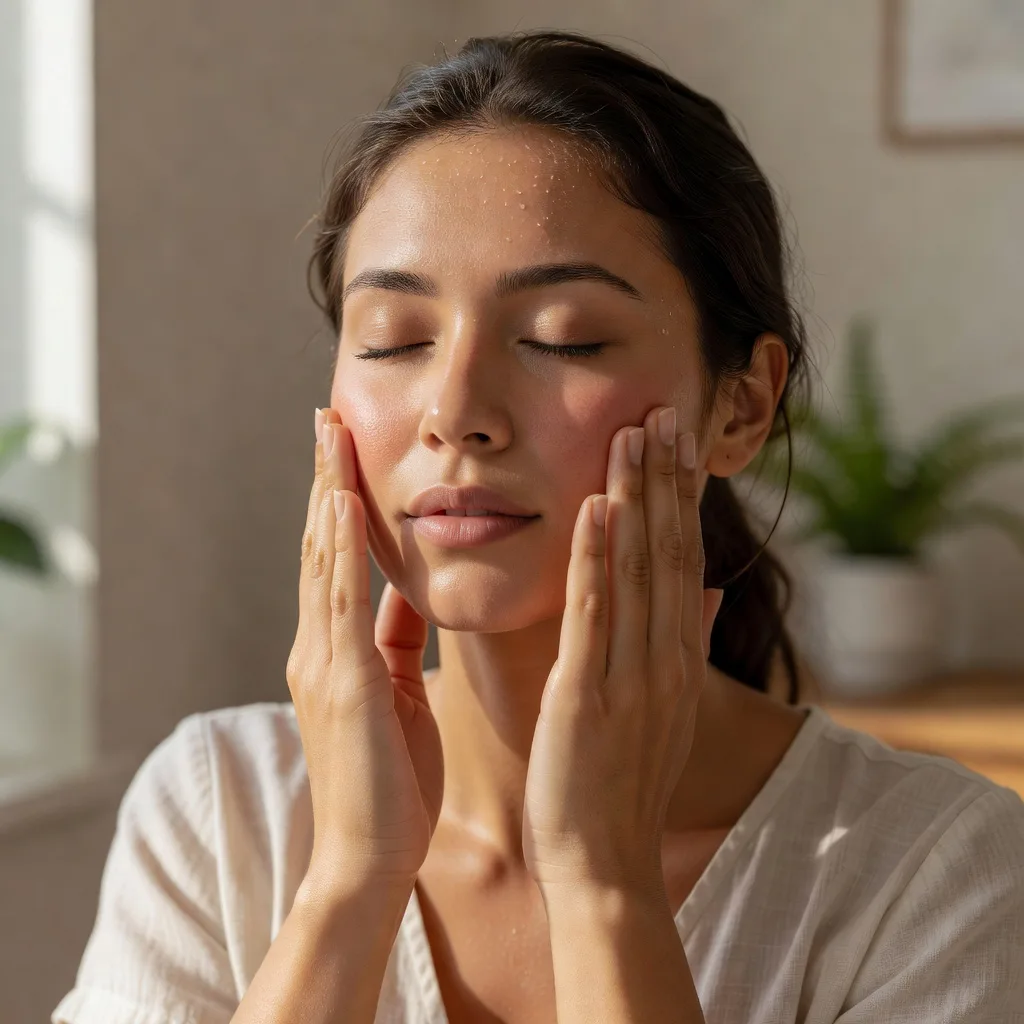
Fingertips work too. Use a few drops of oil or moisturiser, light pressure and upward and outward strokes. Our guide on facial massage and lymph flow covers technique in detail, and we compare tools in facial roller vs gua sha.
Warmth and Cold
Heat widens blood vessels; cold narrows them. A warm compress or a warm shower brings a quick flush of colour. Cold does the opposite at first, although some people see a rebound flush as skin rewarms.
Alternating warm and cool water is sometimes promoted as ‘vascular exercise’ for the face. It is harmless for most people and can feel invigorating, but there is little evidence that it improves circulation in the long run. For more on cooling, see our guide to cold therapy for skin.
Avoid very hot water, saunas or steam on the face if you have rosacea or visible broken capillaries. Intense heat is one of the most common triggers of flushing and can make redness more persistent.
Diet and Circulation
Diet affects blood vessel health throughout the body, including the skin. Diets rich in vegetables, fruit, whole grains, nuts, oily fish and olive oil are associated with better vascular health.
Cocoa flavanols have attracted interest. In a 12-week study of 24 women, drinking a high-flavanol cocoa beverage daily increased blood flow in the skin and reduced sensitivity to UV-induced redness compared with a low-flavanol drink (Heinrich et al., 2006). The drink was specially prepared; ordinary chocolate bars contain far less flavanol and plenty of sugar.
Staying hydrated, limiting alcohol and eating enough protein and vitamin C round out the picture. Iron matters too: iron-deficiency anaemia reduces the oxygen your blood carries and is a common cause of a pale complexion, particularly in women with heavy periods, so a pale face with tiredness is worth a blood test rather than a new skincare routine.
Sleep, Stress and Sitting Still
Everyday habits shape facial blood flow more than any single treatment. Short or broken sleep is linked to a paler, more tired-looking face, and people consistently rate sleep-deprived faces as looking less healthy. Part of that is fluid and puffiness, but reduced skin blood flow and a greyer tone play a role too.
Stress acts on blood vessels through hormones such as adrenaline and cortisol. In the short term, some people flush while others go pale. Over longer periods, chronic stress affects sleep, eating and exercise habits, which all feed back into how the skin looks.
Sitting for long hours is another quiet factor. Circulation throughout the body slows when you are inactive, and the face is no exception. Standing up, walking around and stretching for a few minutes every hour gives a small, repeated boost that adds up across a working day.
| Habit | Quick change | Why it helps |
|---|---|---|
| Long hours at a desk | Stand and move for 3 to 5 minutes every hour | Keeps circulation moving |
| Short sleep | Protect a consistent 7 to 9 hour window | Better tone and less puffiness |
| Chronic stress | Walks, breathing exercises, time outdoors | Steadier vessel responses and better sleep |
| Heavy alcohol use | Keep within recommended limits | Less flushing and long-term redness |
Is Your Facial Circulation Worth Working On?
- Your skin often looks pale, grey or dull, especially after long days indoors.
- You exercise rarely or sit for most of the day.
- You smoke or vape.
- Small cuts or blemishes on your face heal slowly.
- You do not have rosacea, persistent redness or visible broken vessels.
If most of these apply, the routine below is likely to help. If you already flush easily or have rosacea, focus on calming the skin rather than increasing blood flow.
How to Boost Facial Circulation Naturally
Move most days
Aim for 20 to 30 minutes of activity that makes you slightly out of breath.
Massage for five minutes
Use a roller or fingertips with a little oil, working upward and outward, once a day.
Use warmth briefly
Hold a warm, damp cloth to the face for a minute before cleansing if your skin is not sensitive.
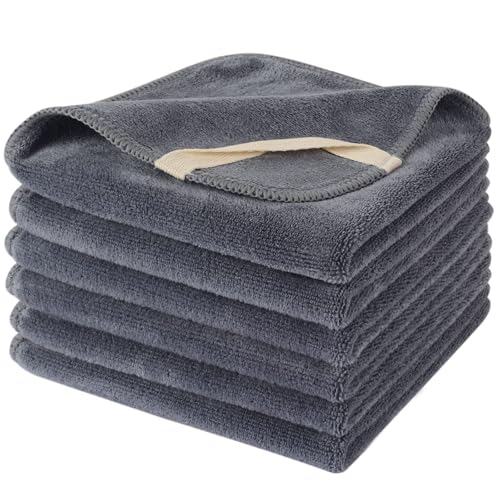
Cleanse gently
A soft cloth or konjac sponge provides light stimulation without harsh scrubbing.
Eat for your vessels
Fill half your plate with vegetables and fruit, and include oily fish, nuts and olive oil.
Stop smoking
This is the single most effective change for long-term skin circulation.
Consistency matters more than intensity. A few minutes of daily massage and regular exercise will do more than an occasional intense facial treatment.
Dos and Don’ts
Do
- Exercise regularly
- Massage gently with oil or moisturiser
- Protect skin from sun during outdoor workouts
- Keep alcohol moderate
- Adapt your routine if you have rosacea
Don’t
- Scrub hard to ‘get blood flowing’
- Use very hot water or steam on sensitive skin
- Hang upside down for a glow; any flush is brief
- Smoke, even occasionally
- Assume redness always means healthy circulation
Honest Limits
Most circulation boosts are temporary. The glow after exercise or massage fades within minutes to an hour. The long-term gains come from healthier blood vessels, which take weeks to months of regular habits to build.
Better blood flow alone will not erase wrinkles, fade dark spots or treat acne. It supports skin health; it does not replace sunscreen, retinoids or proper treatment for skin conditions.
Beware of products claiming to ‘boost microcirculation’ through tingling or warming ingredients such as menthol, capsaicin or cinnamon. These can cause irritation and redness that looks like a glow but is really a reaction.
When to See a Doctor
Changes in facial colour can sometimes point to a medical issue. See a doctor if you notice:
- Persistent facial redness, flushing or visible blood vessels, which may be rosacea
- Unusual paleness along with tiredness or breathlessness, which can suggest anaemia
- Blue or grey lips or face, which needs urgent attention
- Fingers or toes that turn white or blue in the cold, a sign of Raynaud’s phenomenon
- Sudden facial flushing with sweating, palpitations or diarrhoea
This article is for general information and is not a substitute for medical advice. If you have a heart or circulation condition, check with your doctor before starting a new exercise routine.
FAQ
What is the best way to increase blood flow to the face?
Regular aerobic exercise is the most effective natural method, followed by gentle facial massage.
Do facial rollers improve circulation?
A small study found rollers increased cheek blood flow for over 10 minutes and improved vessel responsiveness after 5 weeks of daily use.
Does hanging upside down improve facial circulation?
It briefly sends blood to the face, but the effect is short-lived and not proven to benefit skin.
Is hot or cold water better for facial circulation?
Warm water increases blood flow temporarily. Cold narrows vessels. Lukewarm is best for daily cleansing.
Can diet improve facial circulation?
A diet rich in plants, oily fish and olive oil supports vascular health. Cocoa flavanols showed benefits in one small study.
Does poor circulation cause dull skin?
Reduced blood flow can contribute to a dull or grey look, especially in smokers or people who are very inactive.
How long does the glow from exercise last?
The immediate flush fades within an hour, but regular exercise supports healthier skin over time.
Is facial circulation boosting safe with rosacea?
Methods that cause strong flushing, such as heat and vigorous exercise in hot conditions, can worsen rosacea. Gentle approaches are better.
Do warming face masks boost circulation?
They may cause a temporary flush, but warming ingredients can also irritate the skin.
Can stress affect facial blood flow?
Yes. Stress can cause flushing in some people and pallor in others.
Summing Up
Facial circulation responds quickly to what you do: exercise, massage and warmth all increase blood flow, while cold, smoking and stress can reduce it. The best-supported natural approach is simple, regular aerobic exercise, backed by a few minutes of gentle facial massage and a diet rich in plant foods.
Keep expectations realistic. The visible flush is temporary, and the long-term benefit comes from healthier blood vessels built up over months. Stop smoking if you smoke, protect your skin from the sun, and if your face is often red rather than dull, talk to a doctor about rosacea before trying to boost blood flow further.

Written by
Registered pharmacist and founder of Facial Adviser. Rakib's pharmacy training covers how skincare actives work and interact; a later course in cosmetology turned that into a focus on facial treatments and skincare products. He plans, researches and edits every guide on the site and checks health claims against sources such as the American Academy of Dermatology, the FDA and the NIH. He is not a dermatologist; see the Editorial Policy and Medical Disclaimer.
About · Editorial policy · How we choose products · Medical disclaimer · Contact
Keep reading: Diet, sleep, stress and skin
- How Diet Impacts the Skin Microbiome: What the Science Actually Shows
- Can Dehydration Cause Dark Circles? What the Link Really Is
- Does Sugar Age Your Face? Glycation, Blood Sugar and Skin
- Magnesium Deficiency and Skin: What Is Known and What Is Hype
- How Indoor Air Quality Affects Skin Health: Dryness, Pollutants and What Helps
- Your Skin Has a Body Clock: How Circadian Rhythm Shapes Skin Repair