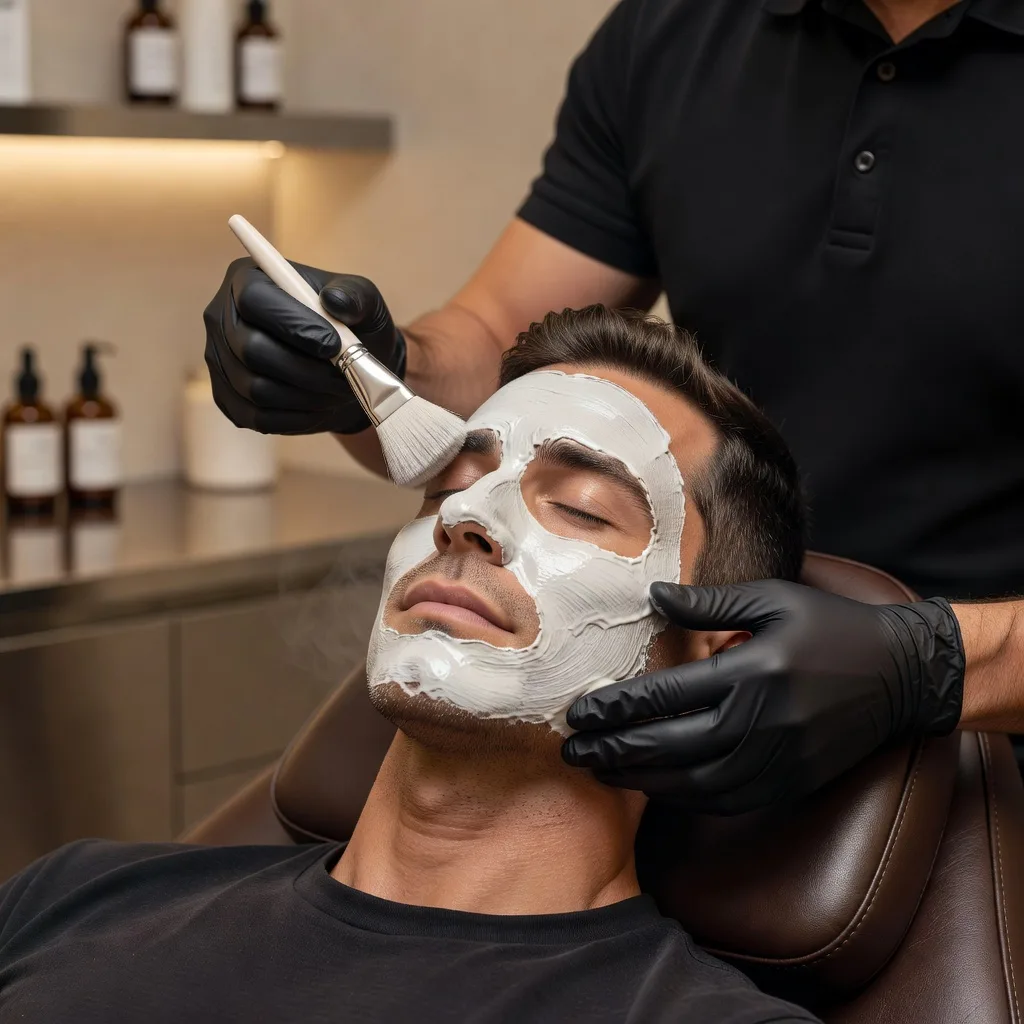
What Does a Men’s Facial Do?
What does a men’s facial do differently from a standard facial, and is there real physiology behind marketing it as its own category?
Part of our guide to facial treatments. Start with: What Is a Spa Facial?
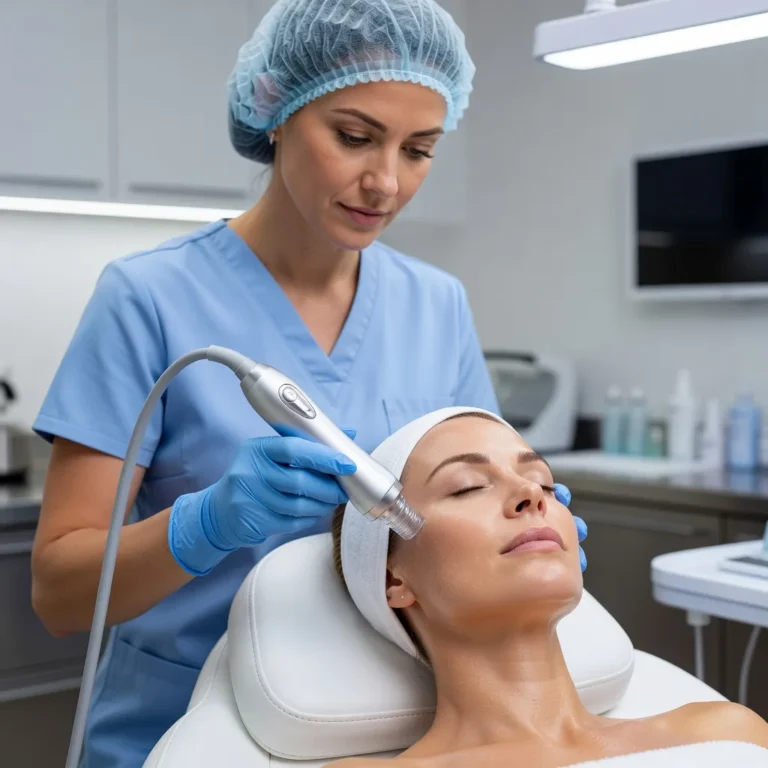
A men’s facial follows the same core structure as a standard facial — cleansing, exfoliation, steam, extraction, massage, and a mask — but adjusts technique and product choice for men’s thicker skin, larger pores, and shaving-related irritation, rather than treating a genuinely higher oil output, which research shows doesn’t actually exist. The most common marketing claim, that men produce more sebum, isn’t supported by the sebum studies themselves — output is essentially equal between sexes, and the oilier appearance comes from coarser texture and larger pores instead.
The real differences that do hold up — thicker skin, denser collagen, and chronic micro-trauma from shaving — support genuine, if modest, technique adjustments rather than a wholesale different treatment category.
This guide breaks down what’s physiologically real about men’s skin, what’s marketing myth, exactly what a men’s facial protocol changes compared to a standard one, and how to choose between the two treatments if your spa happens to offer both options on the menu.
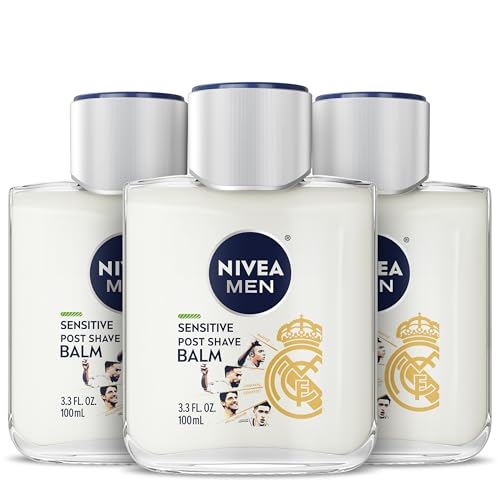
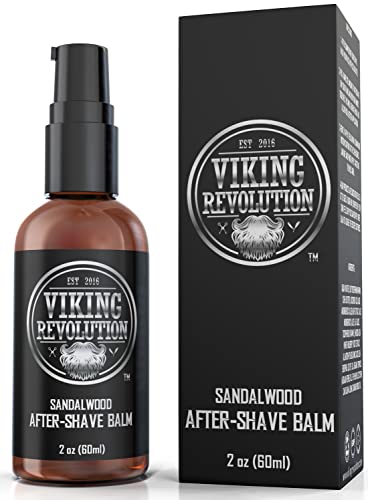
Recommended Post-Shave Products to Pair With a Men’s Facial


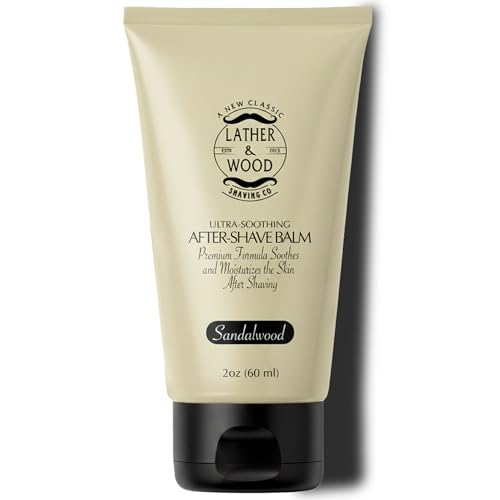
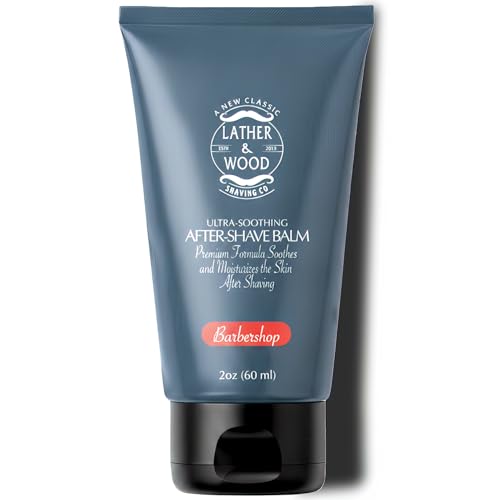
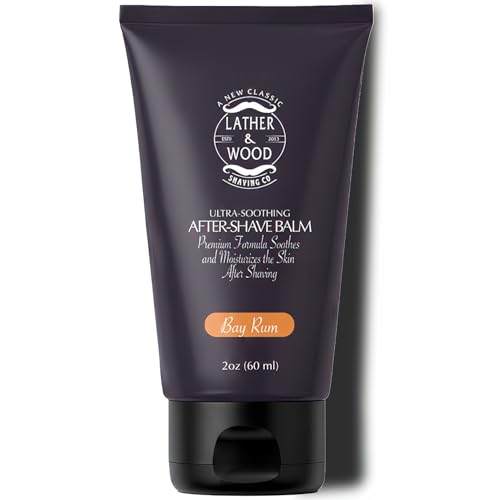
Key Facts
- Men’s skin is genuinely thicker (about 20-25%) with denser, more stable collagen — but the popular “men produce more oil” claim is not supported by the two most-cited sebum studies in the dermatology literature.
- What actually distinguishes a men’s facial in practice is technique adapted to shaving-related irritation and ingrown hairs, not a fundamentally different treatment category.
- No published clinical trial has directly compared outcomes of a dedicated “men’s facial protocol” against a standard facial on male skin.
Jump To
- Is Men’s Skin Actually Different?
- The Oilier-Skin Myth, Corrected
- Pore Size and Product Penetration
- Shaving, Micro-Trauma, and Barrier Disruption
- When Ingrown Hair Becomes a Real Problem
- What a Men’s Facial Actually Includes
- Men’s Facial vs. Standard Facial, Side by Side
- Do Men Genuinely Need Different Products?
- How Often Should Men Get a Facial?
- Cost: Men’s Facial vs. Standard Facial
- Before Your First Men’s Facial
- At-Home Maintenance Between Appointments
- When to See a Dermatologist Instead
- Frequently Asked Questions
- The Bottom Line
Is Men’s Skin Actually Different?
Some of the physiological claims behind “men’s facials” hold up, and one of the most repeated does not. The clearest evidence comes from a 2018 review in the International Journal of Women’s Dermatology (Rahrovan et al.), which found men’s skin runs roughly 20 to 25 percent thicker than women’s, with higher and more stable collagen density. Women’s collagen tends to decline sharply after menopause, which is the real physiological basis for the often-repeated (and somewhat reductive) comparison that female skin can look meaningfully older than male skin of the same chronological age.
Shopping these picks?
Amazon Prime members get fast, free shipping on eligible items, plus Prime Video, Amazon Music and member deals. New members can start with a free trial.
Start a free Prime trialAged 18 to 24? Prime for Young Adults comes with a longer free trial and a lower price after it.
Affiliate link: we may earn a commission at no extra cost to you.
Men also have denser terminal hair follicles across the entire face, not just the beard area, and a thicker stratum corneum — the outermost barrier layer — which affects how well topical products penetrate. None of this means men’s skin needs an entirely different treatment category. It means a handful of specific adjustments are worth making, covered below.
The Oilier-Skin Myth, Corrected
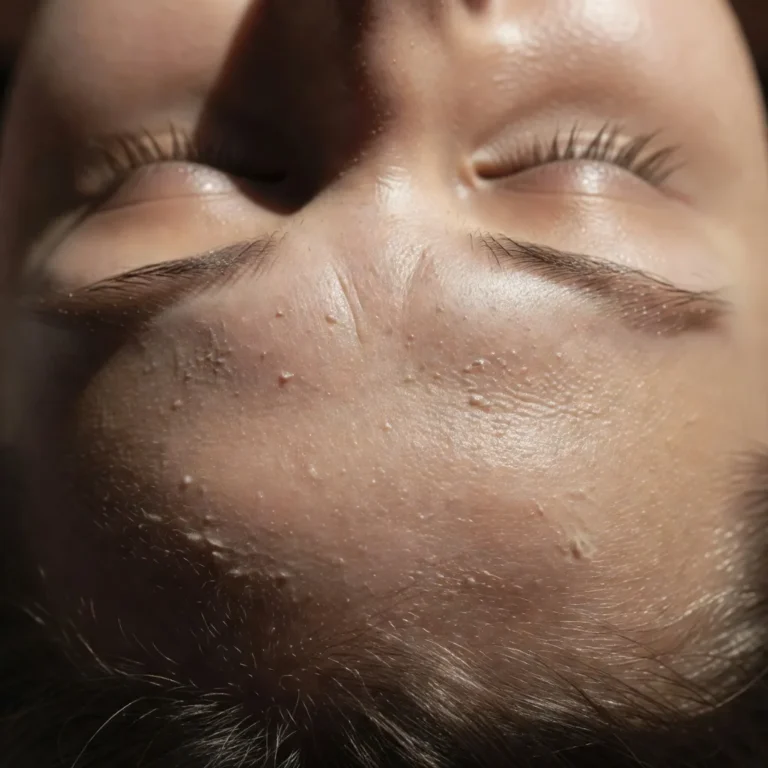
What differs is perception, not output. Men have fewer but larger pores and coarser surface texture, which makes oiliness more visually obvious even when the underlying gland activity is the same. That distinction matters for how a facial is marketed: a men’s facial that promises to “control excess male oil production” is selling a mechanism that the primary sebum research doesn’t actually support.
Pore Size and Product Penetration
Because men’s pores are larger and the stratum corneum is thicker, product penetration behaves somewhat differently. This is inferred from general barrier-thickness data rather than a dedicated clinical trial on facial-specific formulations, so it should be read as a reasonable mechanistic explanation, not a proven outcome difference. In practice, it means higher-percentage actives like retinoids or acids are sometimes better tolerated on male skin during a facial, though a licensed esthetician should still confirm sensitivity before applying anything new.
Shaving, Micro-Trauma, and Barrier Disruption
The most consistent, genuinely different input into a men’s facial isn’t sebum or collagen — it’s shaving. Frequent shaving, especially against the grain or with a dull blade, causes repeated micro-trauma to the skin’s surface and temporarily disrupts the barrier. A facial performed shortly after shaving may need gentler exfoliation and extraction pressure than the same service on unshaved, non-irritated skin, since the skin is already in a mildly compromised state.
When Ingrown Hair Becomes a Real Problem
A trained esthetician performing a men’s facial should be able to visually distinguish a simple clogged pore from an inflamed ingrown hair and adjust technique accordingly. This is one of the few places where a men’s facial genuinely earns its name, rather than being a repackaged standard service.
What a Men’s Facial Actually Includes
Strip away the marketing language and a typical men’s facial follows the same core sequence as any standard facial, with adjustments layered on top:
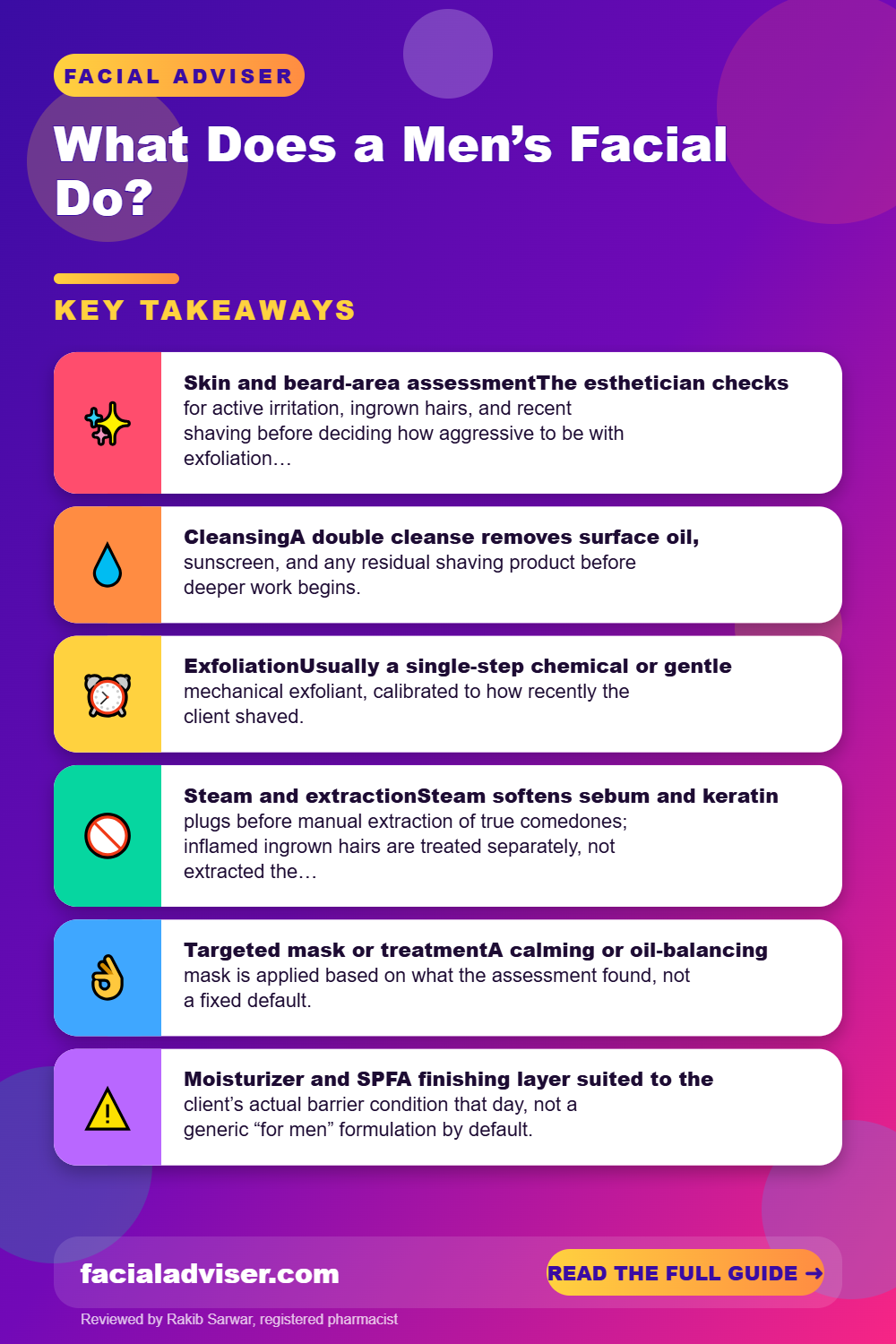
Skin and beard-area assessment
The esthetician checks for active irritation, ingrown hairs, and recent shaving before deciding how aggressive to be with exfoliation and extraction.
Cleansing
A double cleanse removes surface oil, sunscreen, and any residual shaving product before deeper work begins.
Exfoliation
Usually a single-step chemical or gentle mechanical exfoliant, calibrated to how recently the client shaved.
Steam and extraction
Steam softens sebum and keratin plugs before manual extraction of true comedones; inflamed ingrown hairs are treated separately, not extracted the same way.
Targeted mask or treatment
A calming or oil-balancing mask is applied based on what the assessment found, not a fixed default.
Moisturizer and SPF
A finishing layer suited to the client’s actual barrier condition that day, not a generic “for men” formulation by default.
Men’s Facial vs. Standard Facial, Side by Side
| Element | Men’s Facial (Typical) | Standard Facial (Typical) |
|---|---|---|
| Core sequence | Same cleanse-exfoliate-steam-extract-mask-moisturize structure | Same core sequence |
| Shaving-area handling | Extraction pressure and exfoliation adjusted around recent shaving | No shaving-specific adjustment needed |
| Ingrown hair screening | Explicit check for pseudofolliculitis barbae before extraction | Not a routine screening step |
| Product fragrance/packaging | Often marketed as “for men” — mostly positioning, not different actives | Marketed broadly |
| Underlying skin biology addressed | Thicker skin, larger pores accounted for informally | Calibrated to individual skin type regardless of sex |
Do Men Genuinely Need Different Products?
Mostly not, in terms of active ingredients. The real driver of “men’s” product lines is formulation positioning — fragrance profile, packaging, and marketing language — more than a documented need for different actives. A retinoid, vitamin C serum, or niacinamide product works the same way regardless of the buyer’s sex; skin type, sensitivity, and specific concern should drive product choice, not a gendered label on the bottle.
How Often Should Men Get a Facial?
There’s no dedicated clinical guideline specific to men on this point, and general facial-frequency guidance applies: most people do well with a full facial roughly every four weeks, adjusted for how aggressive the treatment is and how the skin responds. Someone shaving daily and prone to ingrown hairs may benefit from checking in with an esthetician slightly more often specifically to manage that issue, not because male skin needs facials more often in general.
Cost: Men’s Facial vs. Standard Facial
| Service Tier | Typical Price Range |
|---|---|
| Basic/classic facial (general) | $35 – $100 |
| Men’s custom facial | $115 – $170 |
| General men’s facial range (all tiers) | $35 – $300 |
| General standard facial range (all tiers) | $55 – $350 |
These ranges overlap heavily. There’s no consistent evidence that men’s facials carry a meaningful category-wide premium or discount — price is driven far more by provider credentials, location, and treatment tier than by the client’s sex.
Before Your First Men’s Facial
Do
- Mention how recently you shaved, and with what method
- Flag any recurring ingrown hairs or razor bumps upfront
- Ask the esthetician to explain their extraction approach for your specific skin
Don’t
- Shave immediately before your appointment if you can avoid it
- Assume a “for men” product line is automatically the right formulation for your skin type
- Let extraction continue on a spot that’s clearly inflamed rather than a simple clogged pore
At-Home Maintenance Between Appointments
Gentle daily cleansing, a fragrance-free moisturizer suited to actual skin type, and daily SPF matter more for long-term skin condition than any single facial appointment. A facial supports a routine; it doesn’t replace one.
When to See a Dermatologist Instead
Persistent, painful ingrown hairs that don’t improve with technique changes, cystic or nodular acne, or any lesion that’s changing in size, shape, or color are reasons to see a dermatologist rather than relying on a spa facial. Estheticians are trained and licensed for cosmetic skin care, not for diagnosing or treating underlying dermatologic conditions.
Frequently Asked Questions
Is a men’s facial actually different from a regular facial?
The core sequence is the same. The genuine differences are technique adjustments around shaving-related irritation and ingrown hair screening, not a different set of active ingredients or a fundamentally different service.
Do men really produce more oil than women?
No. The most-cited sebum studies found production is essentially equal between sexes; men’s skin can look oilier due to larger pores and coarser texture, not higher gland output.
Should I shave before or after a facial?
Most estheticians prefer you don’t shave immediately beforehand, since freshly shaved skin is more irritated and sensitive to extraction and exfoliation.
Can a facial help with razor bumps?
A trained esthetician can improve the appearance of mild irritation and advise on technique, but persistent pseudofolliculitis barbae often needs a dermatologist’s input, especially if it’s scarring.
Are men’s skincare products necessary?
Not for the active ingredients themselves. Choose products based on skin type and concern rather than gendered packaging.
How long does a men’s facial take?
Typically 45 to 60 minutes, similar to a standard full facial, depending on how much extraction and assessment is needed.
Is it normal for skin to look red after a men’s facial?
Mild, temporary redness from extraction or exfoliation is common and usually settles within a day. Redness that’s worsening or spreading is worth a follow-up call to the provider.
Does a men’s facial help with beard-area acne specifically?
It can help distinguish true acne from ingrown-hair irritation and treat each appropriately, which is more useful than treating every bump the same way.
Is there clinical research specifically on men’s facial protocols?
No dedicated clinical trial comparing a men’s facial protocol to a standard facial on male skin has been published; the evidence base is general skin-physiology comparison research, not a study of the service itself.
How often should men get a professional facial?
Roughly every four weeks works for most people, the same general guidance used for facials regardless of sex, adjusted for skin condition and treatment intensity.
The Bottom Line
A men’s facial is a legitimate, useful service when it adapts extraction technique and screening to shaving-related irritation and ingrown hairs — but as a broader concept of “different skin needing a fundamentally different treatment,” it’s mostly menu segmentation layered onto a standard facial. The real physiological differences (skin thickness, collagen stability, pore size) are genuine; they just don’t require reinventing the service, only adjusting it.

Written by
Registered pharmacist and founder of Facial Adviser. Rakib's pharmacy training covers how skincare actives work and interact; a later course in cosmetology turned that into a focus on facial treatments and skincare products. He plans, researches and edits every guide on the site and checks health claims against sources such as the American Academy of Dermatology, the FDA and the NIH. He is not a dermatologist; see the Editorial Policy and Medical Disclaimer.
About · Editorial policy · How we choose products · Medical disclaimer · Contact
Keep reading: Spa and brand-name facials
- What Is a Spa Facial?
- What Is an Express Facial?
- What Services Does a Spa Offer?
- What's a Dermalogica Facial?
- What Is a Male Facial? Steps, Benefits and What to Expect
- What Is a Microzone Facial?
- Ultimate Guide Microdermabrasion: What to Know
- Facial vs Chemical Peel: Differences, Results and Which to Choose