What Is an Express Facial?
What is an express facial, exactly, and does cutting the appointment down to 15 or 30 minutes actually deliver a meaningfully different service?
Part of our guide to facial treatments. Start with: What Is a Spa Facial?
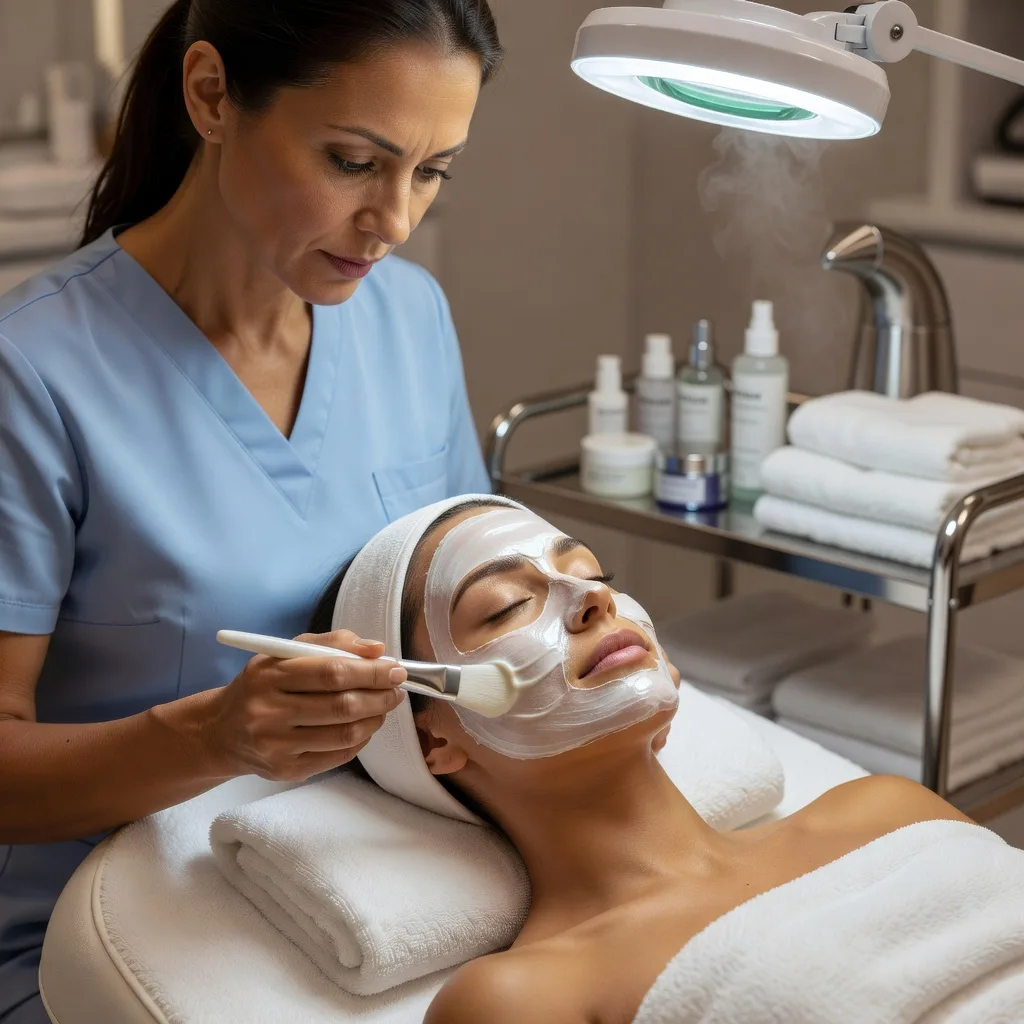
An express facial is a genuine, consistently defined shorter treatment — typically 15 to 30 minutes — that keeps cleansing, a single exfoliation step, and a mask, while cutting steam, meaningful extraction, and a full massage sequence. That’s a real structural trade-off, not marketing spin: steam needs several minutes of dwell time before extraction is safe and effective, so a shortened appointment structurally can’t include the deep-cleaning work a full facial does.
Estheticians generally treat it as a maintenance service between full facials rather than a replacement for one, which shapes who actually gets the most value from booking it.
This guide covers exactly what’s kept, what’s cut, who it fits best, and how to use it without expecting results it was never built to deliver.
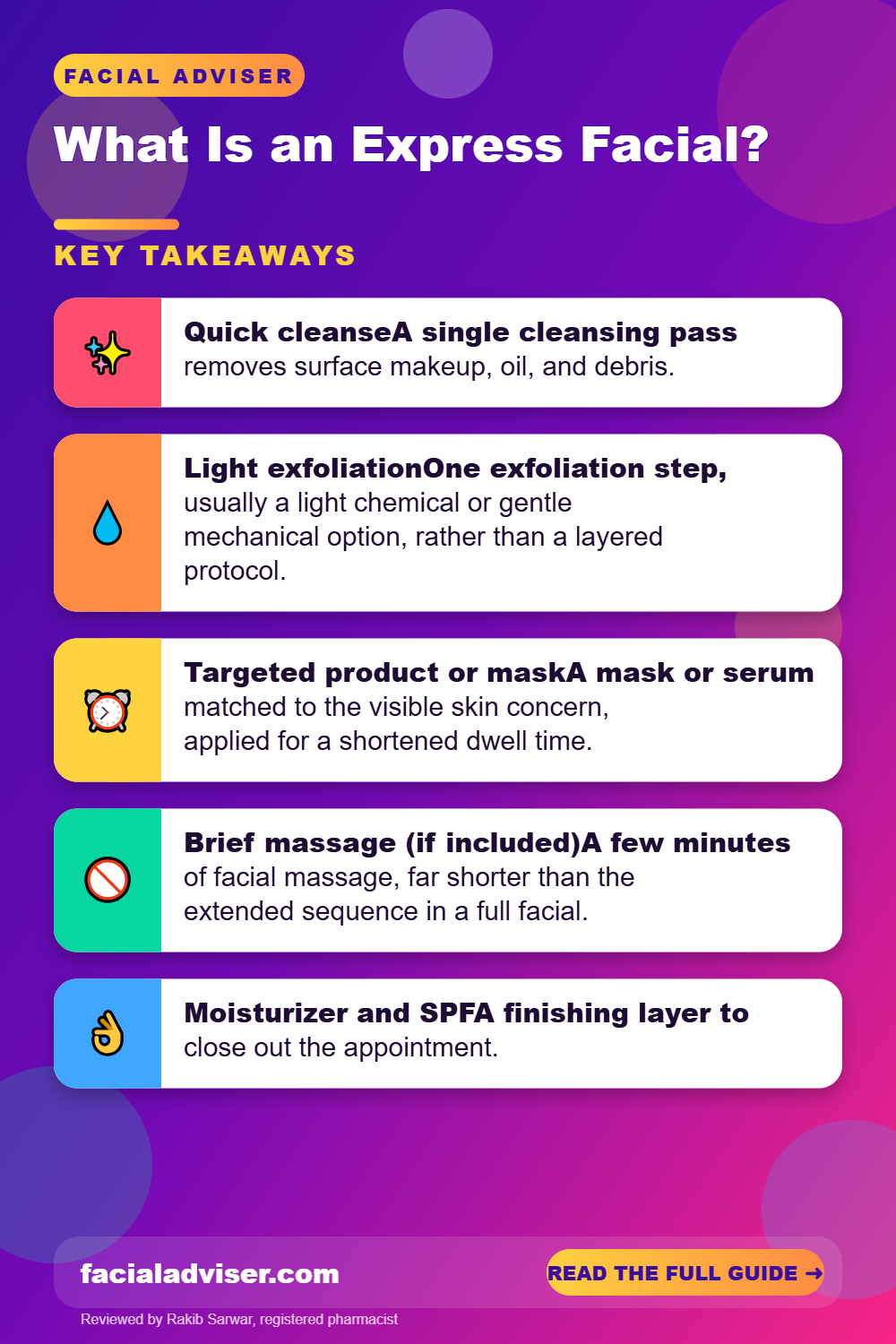
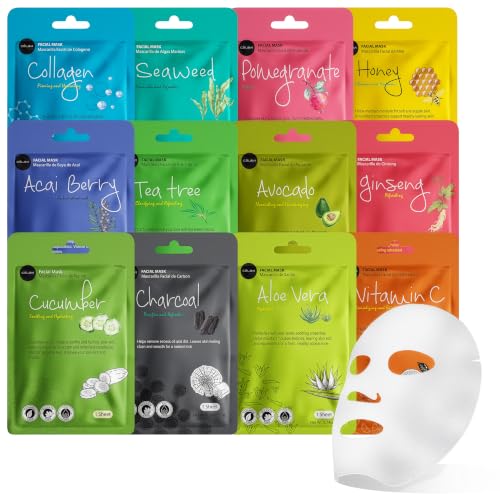
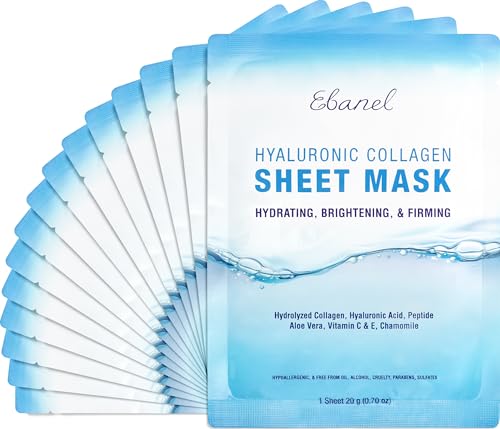
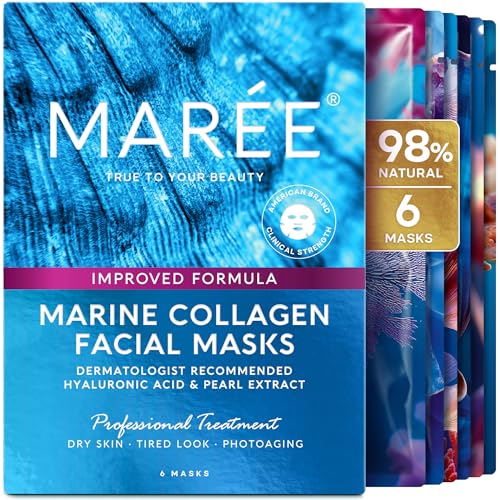
Recommended Quick-Refresh Products for Between Facial Appointments



The Short Answer
- An express facial typically runs 15 to 30 minutes and keeps cleansing, light exfoliation, and a mask, while cutting steam, extraction, and full massage.
- Skipping steam isn’t a minor omission — steam needs several minutes of dwell time to soften follicular plugs before extraction is safe and effective, so a shortened facial structurally can’t include meaningful extraction.
- Estheticians generally recommend express facials as maintenance between full facials, not as a replacement for them.
What’s Covered
- What Counts as an Express Facial
- What’s Kept
- What’s Cut, and Why It Matters
- The Steam-Extraction Problem
- A Typical Express Facial Sequence
- Express vs. Full Facial, Side by Side
- Who It’s Actually Right For
- Who Should Skip It
- How Often to Book One
- What It Costs
- Getting the Most Out of 30 Minutes
- Using It Before an Event
- When a Facial Isn’t the Right Tool at All
- Frequently Asked Questions
- The Bottom Line
What Counts as an Express Facial
An express facial is a genuine, consistently defined service category across the spa industry, not a euphemism for a rushed or inferior treatment. It typically runs 15 to 30 minutes, with 30 being the most common length, compared with 60 to 90 minutes for a standard full spa facial. Licensed estheticians describe it fairly consistently: a compressed version of the core facial sequence, with specific, predictable steps removed rather than everything simply done faster.
Shopping these picks?
Amazon Prime members get fast, free shipping on eligible items, plus Prime Video, Amazon Music and member deals. New members can start with a free trial.
Start a free Prime trialAged 18 to 24? Prime for Young Adults comes with a longer free trial and a lower price after it.
Affiliate link: we may earn a commission at no extra cost to you.
The category exists because spas noticed a real gap in demand: not everyone booking a facial wants or has time for a 60- to 90-minute appointment, but plenty of people still want the texture and glow benefit that comes from professional cleansing and exfoliation. Rather than watering down every step of a full facial equally, most providers settled on the same solution independently — keep the steps that deliver visible results quickly, and cut the steps that need real time to do properly. That’s why express-facial menus across different spas tend to describe a similar structure rather than each inventing their own shortened version.
What’s Kept
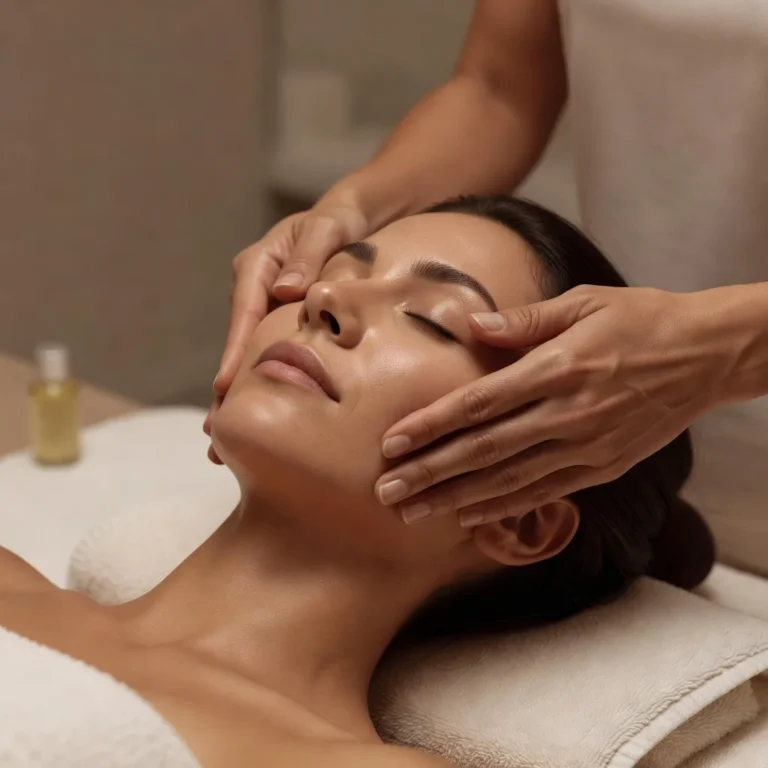
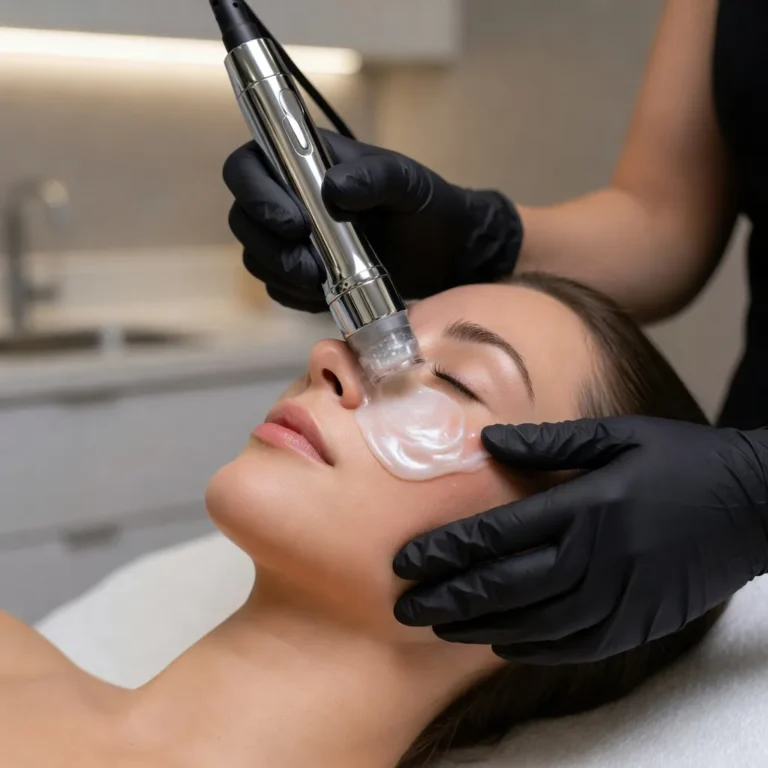
Across spa menus and professional descriptions, the kept steps are consistent: cleansing, a single-step exfoliation (rather than a layered approach), application of a mask or targeted serum, and sometimes a brief massage limited to a few minutes. These steps deliver real, if narrower, benefits — improved texture and a visible glow from exfoliation and product application.
What makes these particular steps the ones worth keeping is that each delivers a visible result in a short window. Cleansing and a single exfoliation step can noticeably improve texture in minutes, and a well-matched mask or serum can add a real glow, even without the multi-step layering a full facial uses. The steps that get cut, by contrast, are the ones that need sustained time to work — which is exactly why they don’t survive the shorter format.
What’s Cut, and Why It Matters
This isn’t marketing spin softened into a shorter appointment — it’s a real structural trade-off. Multiple licensed-esthetician sources are explicit that an express facial is a maintenance service between full facials, not a substitute for one, precisely because of what gets cut.
The Steam-Extraction Problem
This is worth understanding before booking: if your goal is clearing congested pores, an express facial is the wrong tool for that specific job, regardless of how it’s marketed.
A Typical Express Facial Sequence
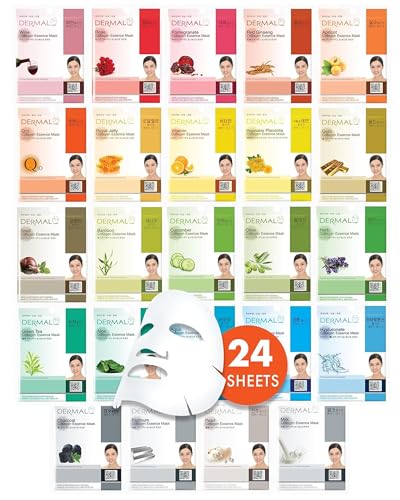
Quick cleanse
A single cleansing pass removes surface makeup, oil, and debris.
Light exfoliation
One exfoliation step, usually a light chemical or gentle mechanical option, rather than a layered protocol.
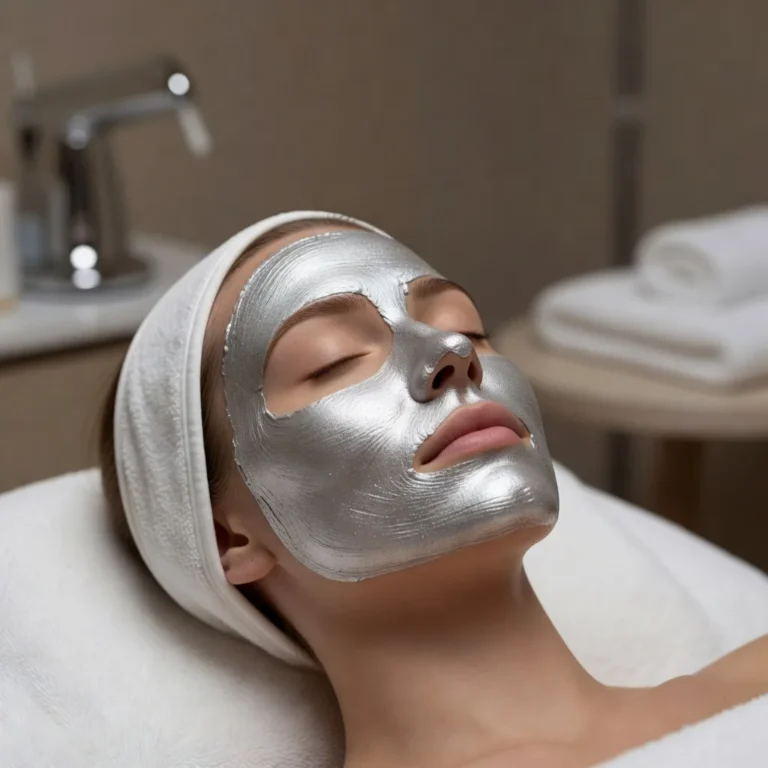
Targeted product or mask
A mask or serum matched to the visible skin concern, applied for a shortened dwell time.
Brief massage (if included)
A few minutes of facial massage, far shorter than the extended sequence in a full facial.
Moisturizer and SPF
A finishing layer to close out the appointment.
Express vs. Full Facial, Side by Side
| Element | Express Facial | Full Facial |
|---|---|---|
| Duration | 15 – 30 minutes | 60 – 90 minutes |
| Skin analysis | Minimal or none | Thorough, drives treatment choices |
| Steaming | Usually skipped | Standard step before extraction |
| Extraction | Minimal or none | Full extraction pass as needed |
| Massage | Brief, if included at all | Full facial, neck, and décolletage sequence |
| Mask | Single, shortened application | Often layered or customized multi-step |
Who It’s Actually Right For
An express facial suits people with normal, non-congested skin doing routine maintenance between fuller treatments, anyone short on time who still wants the texture and glow benefit of exfoliation and product application, or someone wanting a quick refresh before an event where deep extraction isn’t the goal. It’s also a reasonable low-commitment way to try a new spa or esthetician before booking a longer, pricier appointment, since it gives you a feel for their approach without a full time investment.
Who Should Skip It
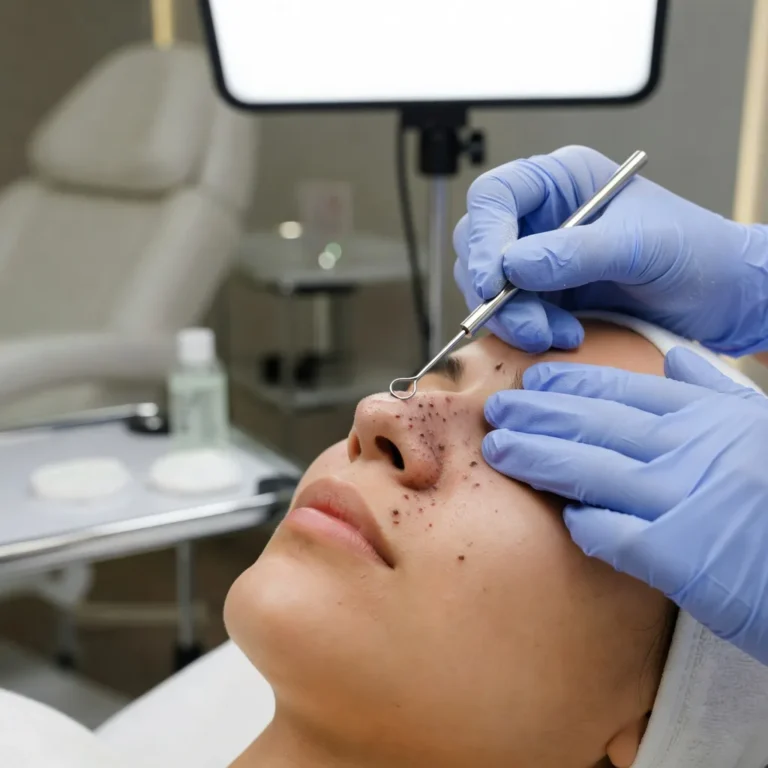
Anyone with active congestion, visible blackheads, or inflammatory acne is better served by a full facial, since the express version has no real capacity for the steam-and-extraction work that actually addresses those concerns — someone dealing with regular breakouts may get more value from a facial built around a full extraction protocol instead. First-time clients who haven’t had a proper skin assessment are also a poor fit, since an express appointment has no built-in time for that analysis. If you’re unsure which category fits your skin, that uncertainty itself is a sign you need the longer appointment, not the shorter one, at least for your first visit with a new provider.
How Often to Book One
Professional consensus, drawn from licensed-esthetician guidance rather than a formal clinical protocol, suggests roughly an express facial every two weeks paired with a full facial monthly for people actively maintaining a treatment plan. There’s no peer-reviewed or standardized industry-body data measuring outcomes of this specific cadence — it reflects practice pattern, not a controlled study. In practice, the right frequency depends heavily on your skin’s own maintenance needs: someone with naturally balanced, low-maintenance skin might stretch that interval out, while someone managing visible texture or dullness between fuller treatments might lean on the shorter cadence more consistently.
What It Costs
| Service | Typical Price Range |
|---|---|
| Express facial (15–30 min) | $35 – $75, depending on provider and location |
| Standard full facial (60–90 min) | $55 – $350, most commonly $110 – $175 |
The lower price of an express facial roughly tracks the reduced scope, though exact pricing varies by provider tier and geography just as much as with a full-length service. Some spas price express facials as a genuine standalone service, while others treat them primarily as an add-on to a manicure, pedicure, or massage booking — worth asking about directly, since a bundled add-on price can sometimes undercut the standalone rate.
It’s also worth checking whether a listed “express” price already includes tax and gratuity or not, since spa pricing conventions vary by region in ways that can make two seemingly similar listed prices actually differ once you’re at checkout.
Getting the Most Out of 30 Minutes
Do
- Book it as a between-facial maintenance step, not a replacement for your full appointment
- Tell the esthetician your single top concern so they can focus the limited time
- Arrive with a clean face to save time for the actual treatment
Don’t
- Expect deep pore-clearing results from a 20-minute session
- Use it as your only skin-care appointment if you have active congestion
- Assume “express” means a lesser version of every single step — it means specific steps were removed
Using It Before an Event
Timing matters more than most people assume here. Booking an express facial the morning of a big event is generally safe precisely because so little is being done to the skin — there’s minimal risk of visible redness, reaction, or purging. But that same low-intervention quality means it can’t fix a skin issue that’s already visible; it can only add a temporary glow on top of whatever your skin is already doing.
When a Facial Isn’t the Right Tool at All
Neither an express nor a full facial addresses cystic acne, diagnosed skin conditions, or lesions that are changing in appearance. Those situations call for a dermatologist, not a spa appointment of any length. An esthetician performing either service is trained to recognize when a concern is outside their scope and should refer you onward rather than attempting to treat it — if yours doesn’t, that’s worth noting for future bookings.
Frequently Asked Questions
How long does an express facial actually take?
Most run 15 to 30 minutes, with 30 minutes being the most common length across spa menus.
Does an express facial include extraction?
Usually minimal or none, since there isn’t enough time for the steam dwell period extraction typically needs to be safe and effective.
Is an express facial as effective as a full facial?
It delivers real but narrower benefits from exfoliation and product application; it doesn’t replicate the deep-cleaning or massage benefits a full facial provides.
Can I get an express facial every week?
You can, but professional guidance generally suggests pairing it with a full facial monthly rather than relying on express appointments alone.
Is an express facial good before a big event?
It’s a reasonable same-week refresh option since it carries low redness risk, though it doesn’t replace a properly timed full facial in the week or two beforehand.
Why is an express facial cheaper?
The price roughly tracks the reduced time and scope of the service, since several higher-effort steps are removed.
Will an express facial help with blackheads?
Not meaningfully, since it typically skips the steam-and-extraction sequence that actually clears congested pores.
What should I ask for in an express facial?
Tell the esthetician your single biggest concern so the shortened time is spent on what matters most to you, rather than a generic default sequence.
Is there research comparing express and full facial outcomes?
No peer-reviewed or standardized industry data compares outcomes between the two; the guidance here reflects professional practice consensus, not clinical measurement.
Can an express facial replace my full facial appointment?
Not really, since it structurally cuts steps like extraction and full massage that a full facial includes. It works best as a supplement, not a substitute.
The Bottom Line
An express facial is a real, useful maintenance service, not a scaled-down scam — but it trades away steam, extraction, and full massage for speed, and those trade-offs matter for anyone with active congestion or a first-time skin concern. Treat it as a supplement to a full facial, not a replacement, and you’ll get a fair result for the shorter time and lower price.

Written by
Registered pharmacist and founder of Facial Adviser. Rakib's pharmacy training covers how skincare actives work and interact; a later course in cosmetology turned that into a focus on facial treatments and skincare products. He plans, researches and edits every guide on the site and checks health claims against sources such as the American Academy of Dermatology, the FDA and the NIH. He is not a dermatologist; see the Editorial Policy and Medical Disclaimer.
About · Editorial policy · How we choose products · Medical disclaimer · Contact
Keep reading: Spa and brand-name facials
- What Is a Spa Facial?
- What Services Does a Spa Offer?
- What's a Dermalogica Facial?
- What Is a Male Facial? Steps, Benefits and What to Expect
- What Is a Microzone Facial?
- What Is a Cool Beam Facial?
- What Is the Best Anti-Aging Facial Treatment? Options Compared by Goal
- Fruit Facial at Home: Does It Actually Work?