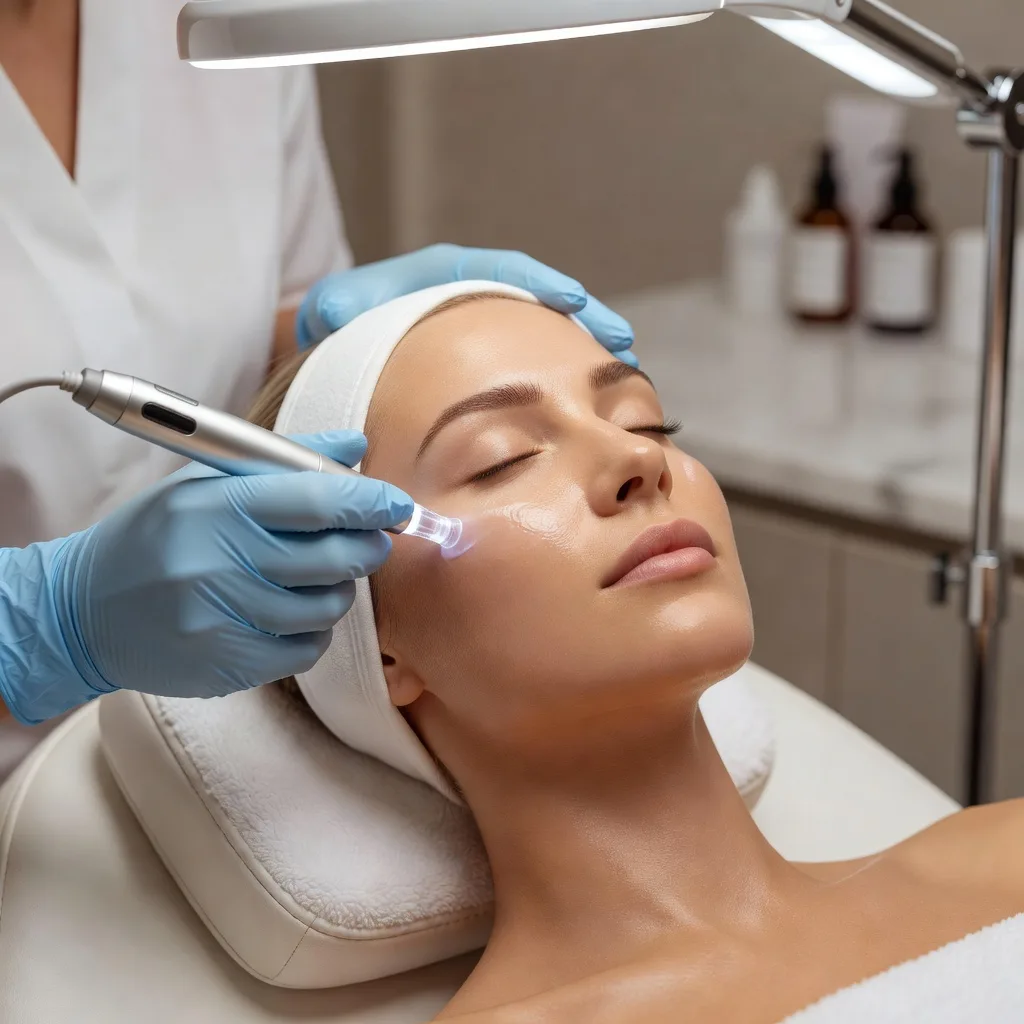
What Is a Microzone Facial?
What is a Microzone facial, and does the branded-sounding name actually correspond to something real or just clever spa marketing?
Part of our guide to facial treatments. Start with: What Is a Spa Facial?
It’s a genuine, single-source Dermalogica service format — a short, roughly 20-minute facial focused entirely on one skin concern, sold exclusively through licensed Dermalogica-affiliated salons and spas, rather than a generic industry term used inconsistently by unrelated providers. Unlike several other branded facial names this site has investigated, MicroZone converges cleanly on one real trademark holder across every source located.
There’s no dedicated clinical trial for MicroZone itself, and that’s expected rather than a red flag: it’s a menu-format innovation built around timing and scope, not a novel technology or active ingredient with its own mechanism to test.
This guide covers exactly what a MicroZone session involves, who it’s actually designed for, how it compares to a full Dermalogica facial, and what real limits come with trading comprehensiveness for speed.
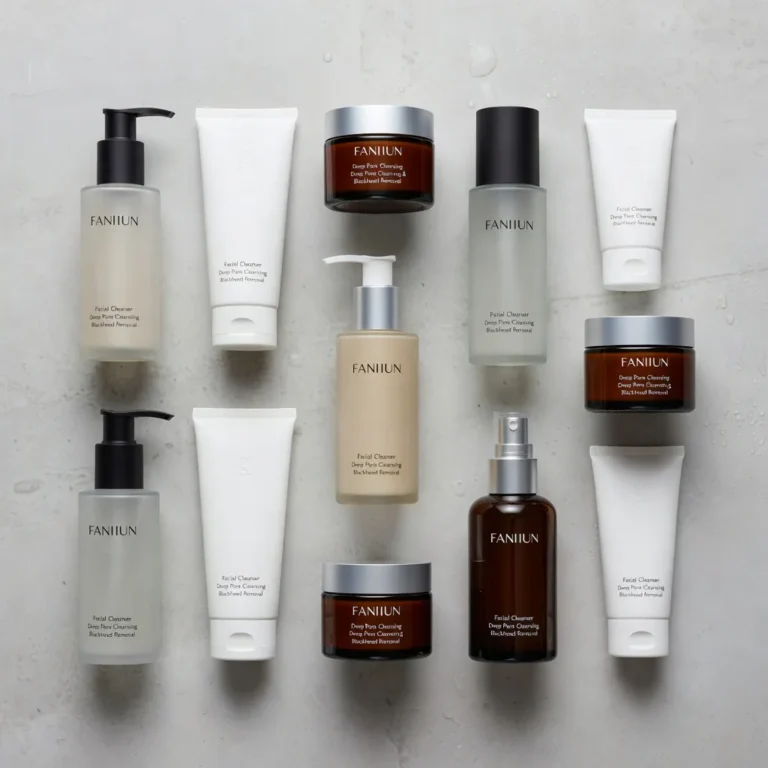
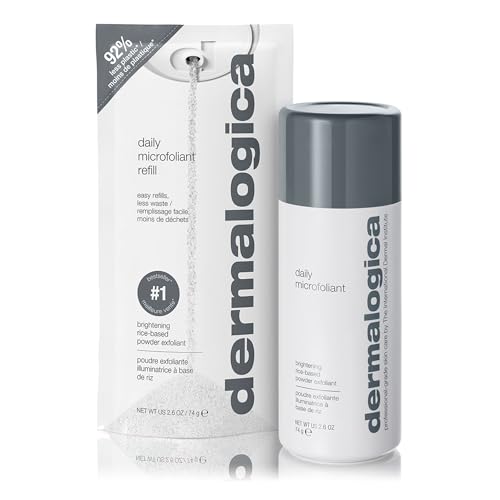
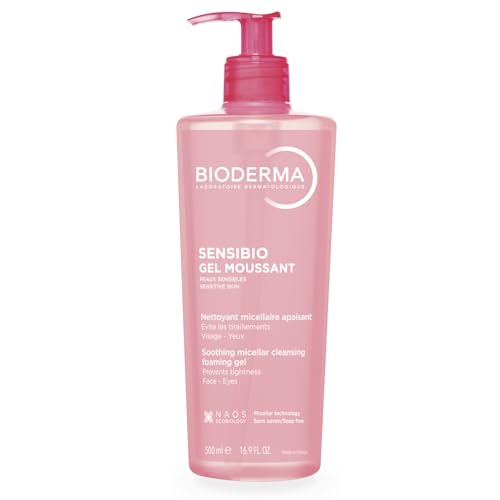
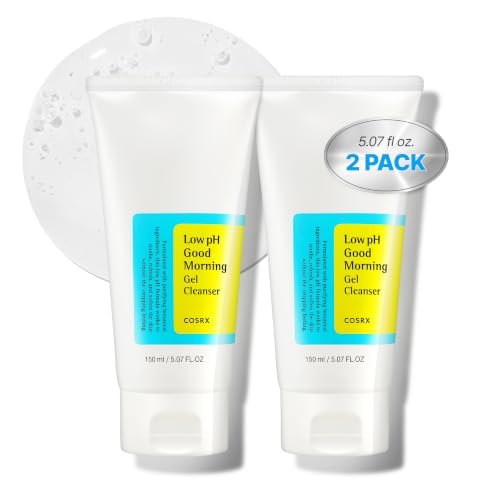
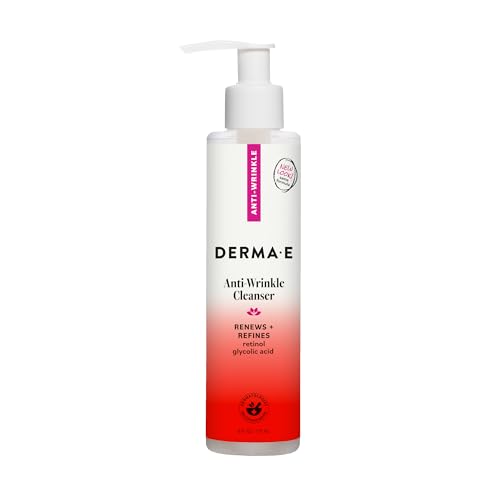
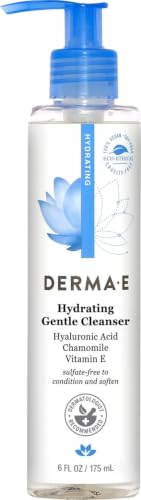
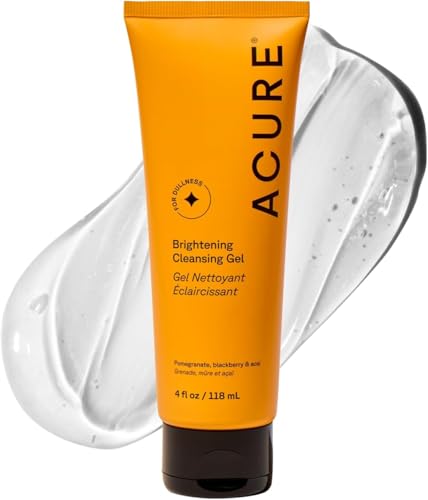
Recommended Products for Targeted At-Home Care

The Quick Version
- MicroZone is a real, trademarked, single-source concept — it’s Dermalogica’s own service format, sold exclusively through licensed Dermalogica-affiliated salons and spas, not a generic industry term.
- It’s a short, roughly 20-minute facial focused on exactly one skin concern — congestion, dehydration, dullness, fine lines, or breakouts — rather than a full multi-step traditional facial.
- There’s no dedicated clinical trial for “MicroZone” as a named protocol, because it’s a menu-format innovation, not a novel technology or active ingredient with its own mechanism to test.
- Any real benefit comes from whichever underlying technique is used during the session — extraction, exfoliation, or a specific Dermalogica active — and should be evaluated on that basis, not on the branded name alone.
Section Guide
- What a MicroZone Facial Actually Is
- Where the Name Comes From
- Why It’s Short and Single-Concern
- Face Mapping and the Concern-Selection Step
- What the Evidence Actually Covers
- MicroZone vs. a Full Facial vs. a Device Treatment
- Who It’s Actually Designed For
- What Happens During a Session
- What It Costs
- What It Won’t Do
- Do This, Not That
- When a Facial Isn’t the Right Tool
- Frequently Asked Questions
- The Bottom Line
What a MicroZone Facial Actually Is
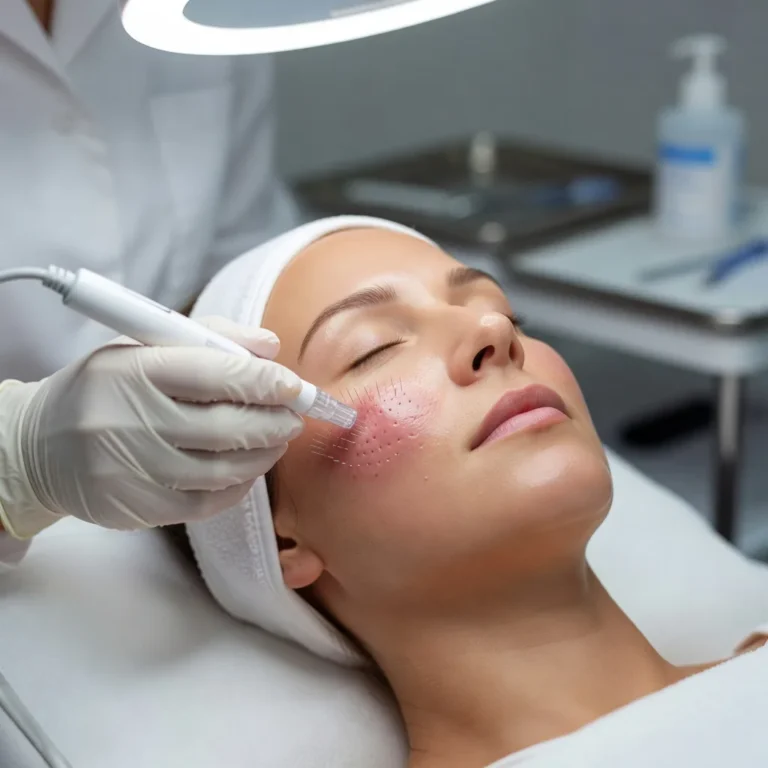
A MicroZone facial is a short, highly targeted service built entirely around Dermalogica’s professional skincare line, offered through salons and spas licensed to carry that brand. Unlike a standard 45- to 60-minute facial that works through cleansing, exfoliation, extraction, a mask, and moisturizing in sequence, a MicroZone session spends its entire roughly 20-minute window on a single, specific skin concern the client has identified in advance.
Shopping these picks?
Amazon Prime members get fast, free shipping on eligible items, plus Prime Video, Amazon Music and member deals. New members can start with a free trial.
Start a free Prime trialAged 18 to 24? Prime for Young Adults comes with a longer free trial and a lower price after it.
Affiliate link: we may earn a commission at no extra cost to you.
The name itself is consistent across every source located for this article — every non-generic reference to “MicroZone” or “Microzone” traces back to Dermalogica, appearing across licensed Dermalogica-affiliated businesses. That’s a genuinely useful finding worth stating plainly: unlike several other named facials this site has investigated, where the same term turned out to mean different things at different providers, MicroZone converges cleanly on one real, single trademark holder.
Where the Name Comes From
Dermalogica built the MicroZone concept as a service-menu innovation, not a new device or ingredient category. The reported inspiration came from single-service nail-bar business models — quick, focused, in-and-out appointments — applied to skincare instead. Rather than inventing a new technology, Dermalogica repackaged its existing double-cleanse methodology and professional product line into a shorter, single-purpose format that could fit into a lunch break.
Why It’s Short and Single-Concern
The defining structural feature of a MicroZone session is that it deliberately narrows its scope. Instead of a generic routine addressing everything at once, the esthetician and client agree on one specific target — clogged pores, dehydrated patches, dullness, fine lines around the eyes, or an active breakout — and the full 20 minutes goes toward that single concern. This is a genuinely different value proposition from a traditional facial: speed and focus, rather than comprehensiveness.
Face Mapping and the Concern-Selection Step
Before the targeted work begins, most MicroZone sessions start with a brief skin consultation, sometimes referred to as face mapping, where the esthetician assesses the skin and helps the client settle on which single concern to prioritize for that visit. This consultation step is where a lot of the session’s actual value sits, since it determines which product line and technique get used for the remaining time — a client who mis-identifies their own priority concern won’t get the full benefit of the format.
What the Evidence Actually Covers
No dedicated clinical trial literature exists for “MicroZone” as a named protocol, and that’s expected rather than suspicious: it’s a service-format and menu innovation — a shorter, single-concern session — not a novel technology, device, or active ingredient with a mechanism that would be tested in a trial on its own. The honest, useful framing for readers is that MicroZone itself isn’t a testable clinical claim; whatever benefit a session delivers comes from whichever underlying technique gets used within that 20-minute window, and the evidence quality for that technique is whatever the evidence quality already is for manual extraction, mechanical exfoliation, or the specific Dermalogica active ingredient applied.
This is a genuinely useful distinction for readers comparing branded facial names generally: a treatment format built around timing and scope, like MicroZone, is a fundamentally different kind of claim than a treatment built around a specific device or ingredient with its own testable mechanism, like a laser wavelength or an active compound. Judging MicroZone by asking “does the science support this format” is the wrong question, since a 20-minute single-concern session isn’t a hypothesis that needs a trial — the right question is whether the specific technique used within that session, whatever it happens to be that day, is itself well supported.
| What’s being evaluated | Evidence status |
|---|---|
| “MicroZone” as a named protocol | No dedicated trial exists; it’s a service format, not a testable technology |
| Manual extraction (if used during a session) | Effective for surface-level comedones when performed correctly; risk of scarring with forced/aggressive technique |
| Mechanical exfoliation (if used during a session) | Real, well-documented short-term texture and glow improvement |
| Specific Dermalogica active applied | Varies by ingredient; should be evaluated on its own merits, not the MicroZone name |
MicroZone vs. a Full Facial vs. a Device Treatment
| MicroZone | Full traditional facial | Medical-grade device treatment | |
|---|---|---|---|
| Duration | ~20 minutes | 45-60 minutes | Varies, often 30-60 minutes |
| Scope | One targeted concern | Full multi-step routine | Specific device-driven mechanism (e.g. microdermabrasion, HydraFacial) |
| Evidence basis | Whatever technique is used within the session | Whatever techniques are bundled | Device-specific published evidence often exists |
| Best for | Quick maintenance between full facials | Comprehensive routine, relaxation | A specific, well-defined clinical goal |
Who It’s Actually Designed For
MicroZone is marketed explicitly as an accessible entry point — for people on a lunch break, teenagers or newer clients easing into professional skincare, and budget-conscious clients who want a targeted result without committing to a full facial’s time or price. It’s a reasonable fit for someone who already knows their one main skin concern and wants a fast, focused visit rather than a full relaxation-oriented experience. Because it’s built entirely on Dermalogica’s own product ecosystem, readers curious about the brand’s other signature treatment format can compare it against this site’s guide to the full Dermalogica ProSkin 60 facial to see how the two formats differ in scope and depth.
What Happens During a Session
Quick consultation
The esthetician assesses the skin and helps confirm the single concern to prioritize for the visit.
Double cleanse
Dermalogica’s signature double-cleanse method removes makeup, oil, and surface debris before targeted work begins.
Targeted treatment
The remaining time focuses entirely on the chosen concern — extraction for congestion, a hydrating mask for dehydration, or a brightening step for dullness, for example.
Finish and protect
A short finishing step, often including SPF, closes out the session given the compressed timeframe.
What It Costs
Because it’s a shorter, single-purpose service, MicroZone sessions typically cost less than a full facial at the same Dermalogica-affiliated location — commonly in the range of a standard express service rather than a premium full-treatment price point. Exact pricing varies by location and which specific concern is being targeted, since some target areas require more product or technique than others.
What It Won’t Do
Because the format trades comprehensiveness for speed, a single MicroZone session shouldn’t be expected to deliver the kind of dramatic, durable transformation that some marketing language implies. It’s a short, single-concern, single-session service; whatever cosmetic benefit it provides — hydration, temporary reduction in visible congestion, a brief glow — is realistically short-term, consistent with what any single short facial session can deliver, not a substitute for an ongoing skincare routine or a longer, more comprehensive treatment plan.
It also won’t address concerns that fall outside its standard target list. A session built around dehydration or dullness isn’t the right format for diagnosing or treating a persistent inflammatory condition, and pushing a single 20-minute appointment to cover several unrelated concerns at once tends to produce a shallower result on each than focusing on one would have delivered. Readers with more than one significant concern are generally better served by a full facial or a dedicated consultation that can actually triage between competing priorities.
Do This, Not That
Do
- Identify your single priority concern honestly before booking
- Use the consultation step to confirm which technique fits that concern best
- Treat it as a maintenance option between full facials, not a replacement for one
Don’t
- Expect a 20-minute session to match a full facial’s comprehensive results
- Assume the branded name alone tells you which technique will actually be used
- Book it as a first-time treatment if you have multiple, competing skin concerns to address
When a Facial Isn’t the Right Tool
If the underlying concern is a diagnosed skin condition — active cystic acne, rosacea flares, or persistent pigmentation that hasn’t responded to over-the-counter care — a dermatologist visit is a more appropriate starting point than any spa-based facial, targeted or otherwise. A MicroZone session is a cosmetic maintenance service, not a substitute for medical evaluation of a condition that isn’t improving on its own.
Frequently Asked Questions
What is a MicroZone facial?
It’s Dermalogica’s short, roughly 20-minute facial format that focuses entirely on one specific skin concern rather than a full multi-step routine.
Is MicroZone a real trademarked treatment or generic marketing language?
It’s a real, consistent Dermalogica service format, sold only through licensed Dermalogica-affiliated salons and spas, not a generic term used differently by unrelated providers.
How long does a MicroZone facial take?
Roughly 20 minutes, much shorter than a traditional 45- to 60-minute facial.
Is there clinical trial evidence for MicroZone specifically?
No. It’s a service-menu format rather than a novel technology, so any real evidence applies to whichever underlying technique is used during a given session.
Can I only address one concern per session?
Yes, that’s the defining structure of the format — the entire session is built around one selected concern rather than a comprehensive routine.
Who is MicroZone best suited for?
People with one clear priority concern who want a fast, focused, lower-cost session, often as a maintenance option between full facials.
Does MicroZone replace a full facial?
No. It’s explicitly positioned as a quick maintenance or between-facials service, not a comprehensive replacement.
What products are used during a MicroZone session?
Dermalogica’s professional product line, applied according to whichever concern was selected during the brief consultation.
How much does a MicroZone facial cost?
Typically less than a full facial at the same location, closer to a standard express-service price point, though it varies by location.
Should I see a dermatologist instead for a diagnosed skin condition?
Yes. A MicroZone facial is a cosmetic maintenance service, not a substitute for medical evaluation of conditions like active cystic acne or rosacea flares.
The Bottom Line
MicroZone is exactly what it says: a real, Dermalogica-trademarked, short, single-concern facial format, not a generic marketing phrase used inconsistently across the industry. It’s a smart menu innovation rather than a clinical breakthrough — there’s no dedicated trial behind the name itself, because there doesn’t need to be one; whatever benefit it delivers depends on the specific technique used during that 20-minute window, and it’s best understood and booked as a quick, targeted maintenance option rather than a comprehensive treatment.

Written by
Registered pharmacist and founder of Facial Adviser. Rakib's pharmacy training covers how skincare actives work and interact; a later course in cosmetology turned that into a focus on facial treatments and skincare products. He plans, researches and edits every guide on the site and checks health claims against sources such as the American Academy of Dermatology, the FDA and the NIH. He is not a dermatologist; see the Editorial Policy and Medical Disclaimer.
About · Editorial policy · How we choose products · Medical disclaimer · Contact
Keep reading: Spa and brand-name facials
- What Is a Spa Facial?
- What Is a Cool Beam Facial?
- What Is Skoah?
- What Is a Perk Facial?
- Dermalogica vs Clarity Facial: Which Suits Acne, Congestion and Dull Skin?
- European Facial vs Basic Facial: Is There Really a Difference?
- What Is the Best Anti-Aging Facial Treatment? Options Compared by Goal
- Fruit Facial at Home: Does It Actually Work?