Do Dermatologists Recommend Microdermabrasion?
Do dermatologists recommend microdermabrasion, or is this one of the many spa treatments dermatology just quietly tolerates rather than genuinely endorses?
Part of our guide to facial treatments. Start with: Ultimate Guide Microdermabrasion: What to Know
Yes, with real limits attached. The American Academy of Dermatology’s own guidance describes microdermabrasion as a legitimate option for dull complexion, uneven texture, and post-acne marks, but explicitly states that salon and spa versions of the procedure carry higher risk of side effects than the same treatment performed by a dermatologist. That’s the clearest, most citable divergence between medical guidance and spa marketing for this particular treatment.
The evidence behind the recommendation is real but modest, built on a handful of specific clinical studies documenting measurable, if gradual, improvement in skin texture and tone across a multi-session course.
This guide covers exactly what the AAD’s guidance says, the clinical evidence behind it, where microdermabrasion falls short of deeper resurfacing options, and the specific contraindications worth knowing before you book.
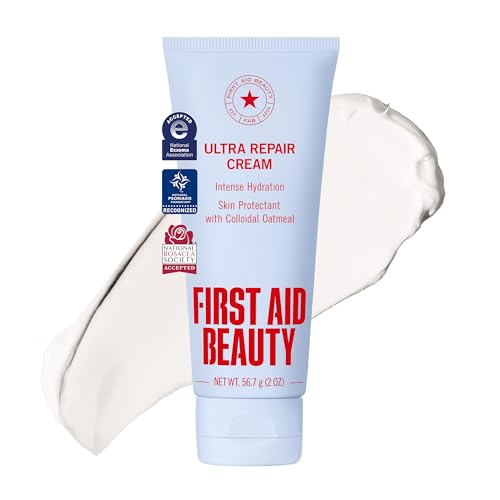
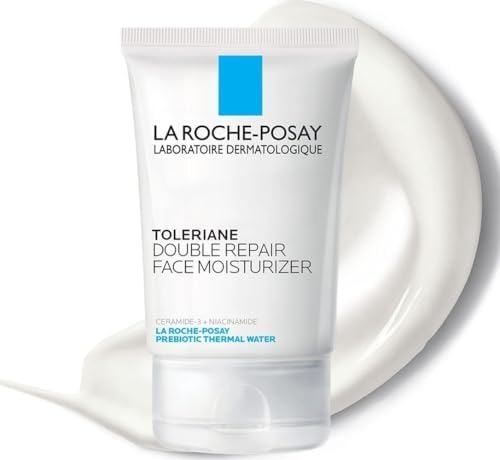
Recommended At-Home Microdermabrasion Tools and Aftercare


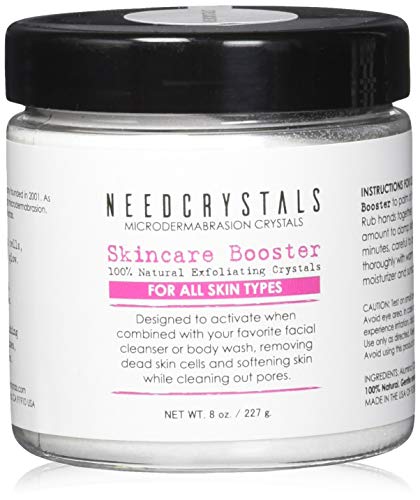
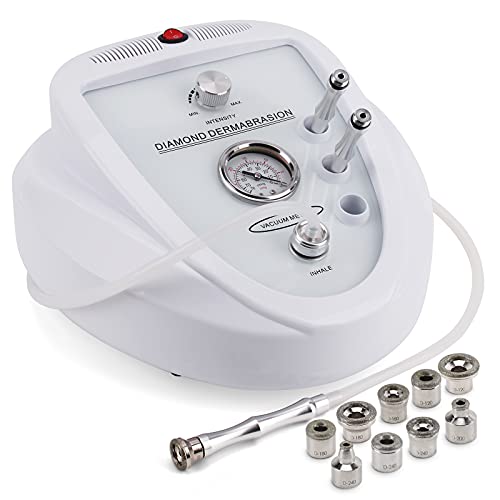
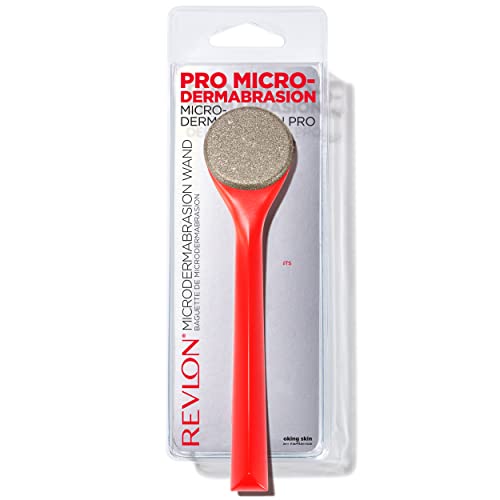
What Dermatologists Actually Say
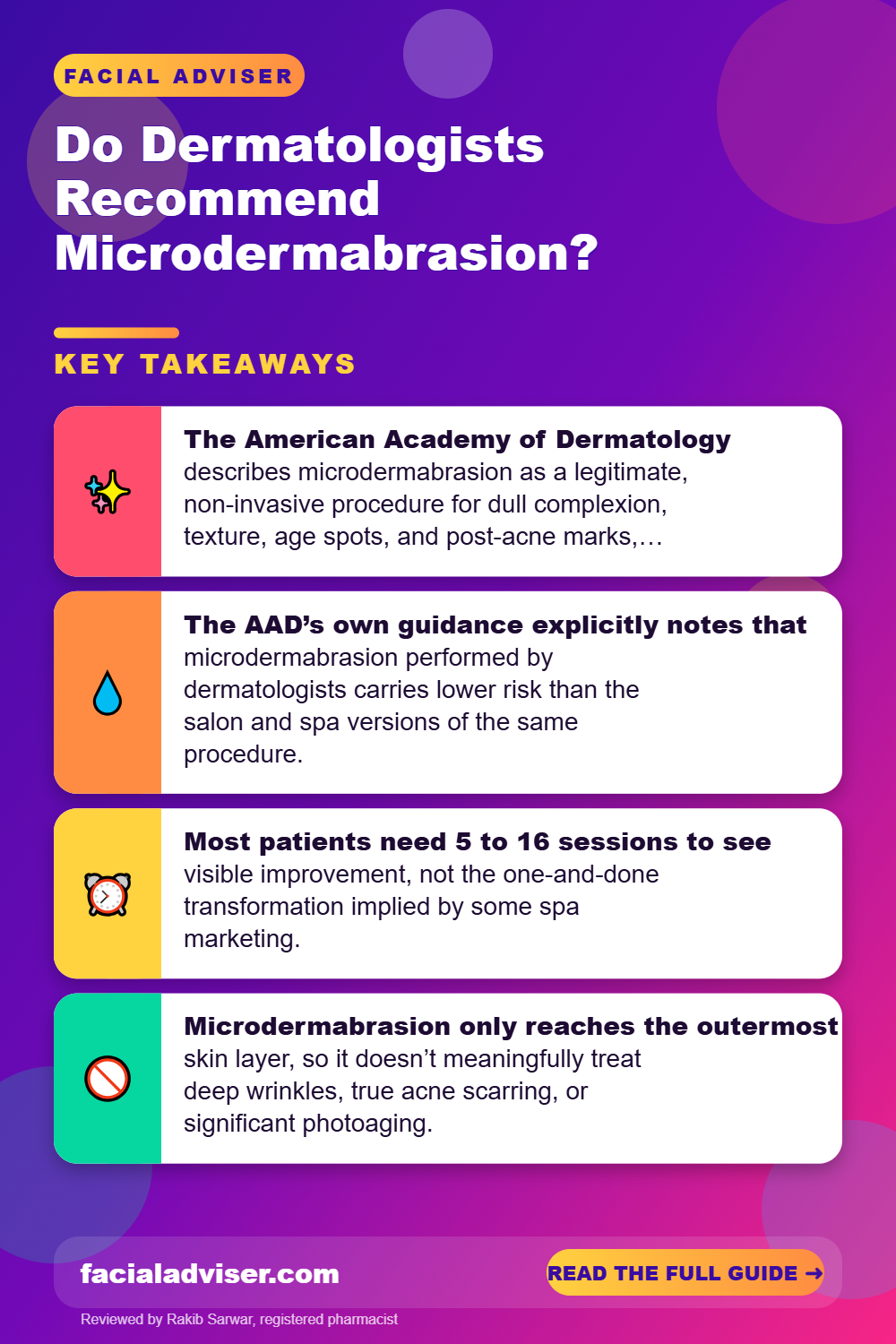
- The American Academy of Dermatology describes microdermabrasion as a legitimate, non-invasive procedure for dull complexion, texture, age spots, and post-acne marks, but calls it a cosmetic procedure that isn’t covered by insurance.
- The AAD’s own guidance explicitly notes that microdermabrasion performed by dermatologists carries lower risk than the salon and spa versions of the same procedure.
- Most patients need 5 to 16 sessions to see visible improvement, not the one-and-done transformation implied by some spa marketing.
- Microdermabrasion only reaches the outermost skin layer, so it doesn’t meaningfully treat deep wrinkles, true acne scarring, or significant photoaging.
Navigate This Guide
- The AAD’s Actual Position
- How It Works, Mechanistically
- The Clinical Evidence Behind the Recommendation
- A Second, Underused Use: Drug Delivery
- Where Dermatologists and Spa Marketing Diverge
- Microdermabrasion vs. Chemical Peels vs. Microneedling
- Who Shouldn’t Get It
- The Isotretinoin Question
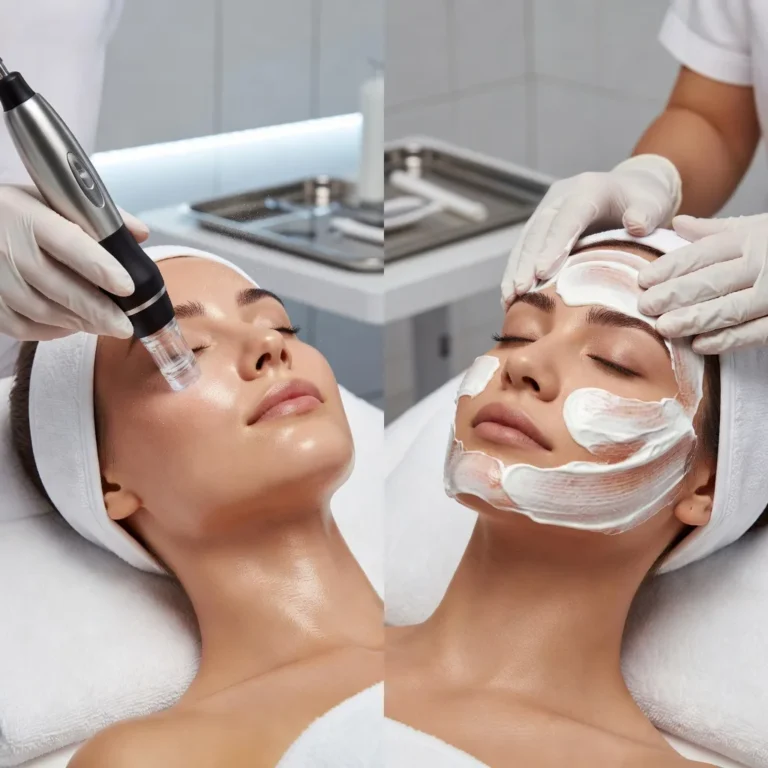
- What a Session Actually Involves
- How Many Sessions You Actually Need
- Do This, Not That
- When to See a Dermatologist First
- Frequently Asked Questions
- The Bottom Line
The AAD’s Actual Position
The American Academy of Dermatology’s own overview of microdermabrasion describes it as a legitimate, non-invasive exfoliating procedure that can improve a dull or uneven complexion, refine texture, fade age spots, soften post-acne dark marks, and reduce the appearance of melasma. It can also enhance how well certain topical anti-aging and bleaching products penetrate the skin afterward. That’s a real, specific endorsement — but it comes with a plain caveat worth repeating: the AAD classifies this as a cosmetic procedure, not a medical one, and states directly that it isn’t covered by insurance. For readers new to the treatment generally, this site’s microdermabrasion facial guide covers what a session actually involves and what the broader evidence shows.
Shopping these picks?
Amazon Prime members get fast, free shipping on eligible items, plus Prime Video, Amazon Music and member deals. New members can start with a free trial.
Start a free Prime trialAged 18 to 24? Prime for Young Adults comes with a longer free trial and a lower price after it.
Affiliate link: we may earn a commission at no extra cost to you.
That distinction matters for how readers should weigh the recommendation. Dermatologists aren’t saying microdermabrasion treats a medical condition the way a prescription retinoid or an antibiotic does; they’re saying it’s a reasonable, low-risk cosmetic option for specific, modest goals, delivered under conditions that a spa menu board doesn’t always spell out.
How It Works, Mechanistically
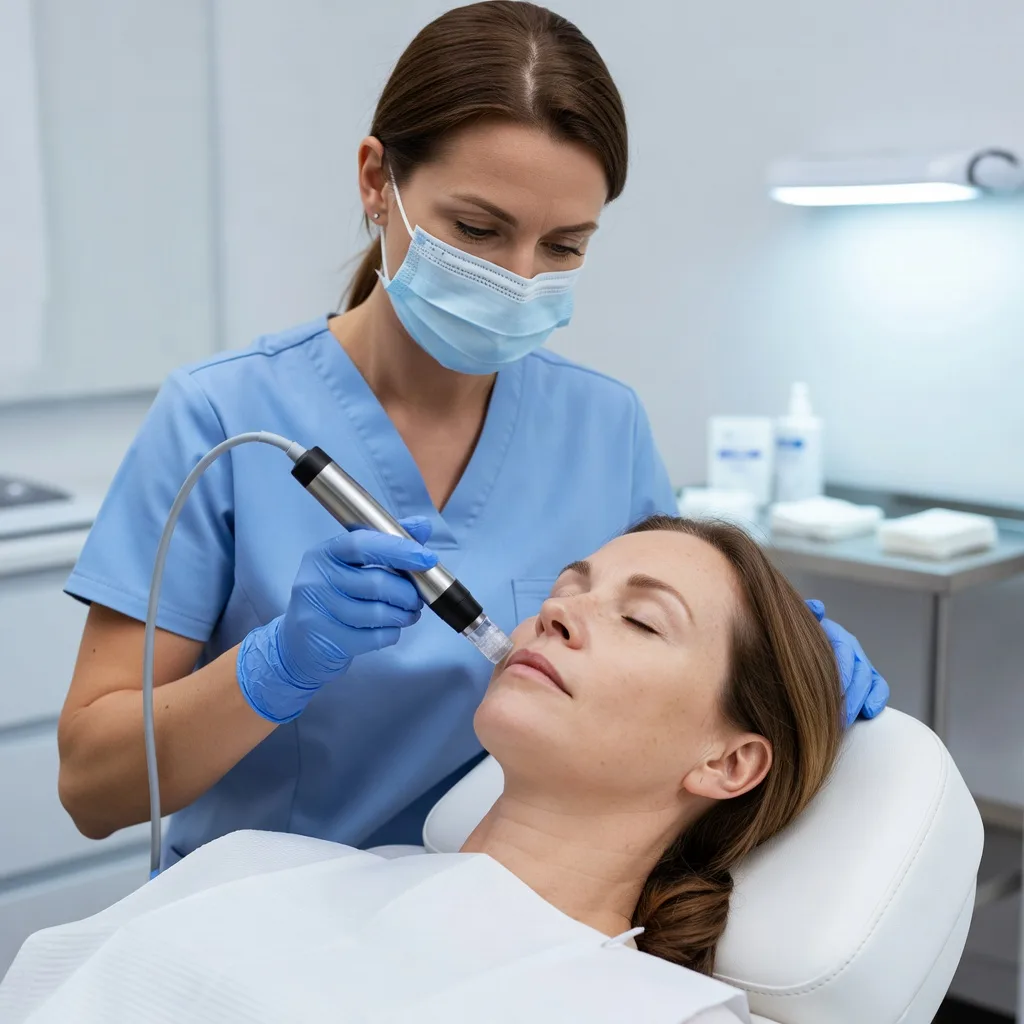
A peer-reviewed clinical reference chapter on microdermabrasion describes the mechanism plainly: a handheld device abrades the outermost layer of skin, the stratum corneum, using either fine crystals or a diamond-coated tip, while a vacuum simultaneously suctions away the loosened skin cells and any crystal residue. That controlled, superficial injury triggers a real wound-healing cascade — melanosome redistribution that can even out pigment, a flattening of the rete ridges at the skin’s surface, and a modest increase in dermal collagen density over a course of treatments.
The Clinical Evidence Behind the Recommendation
The AAD’s confidence in this procedure isn’t just tradition — there’s a real, if modest, body of clinical literature behind it. A 2016 histometric study by El-Domyati and colleagues documented measurable improvements in skin glow, softness, texture, and pore visibility across a course of treatments. Earlier work by Andrews and colleagues in 2011 examined how to optimize the parameters of stratum corneum removal for consistent results. A frequently cited formal evidence synthesis, Karimipour and colleagues’ “Microdermabrasion: An Evidence-Based Review,” published in Plastic and Reconstructive Surgery in January 2010, pulled together the molecular and wound-healing changes documented across the available studies at that point.
| Study | What it found |
|---|---|
| El-Domyati et al., 2016 | Measurable improvement in glow, softness, texture, and pore visibility over a treatment course |
| Andrews et al., 2011 | Optimization of stratum corneum removal parameters for consistent outcomes |
| Karimipour et al., 2010, Plastic and Reconstructive Surgery | Evidence-based synthesis of molecular and wound-healing changes across available studies |
A Second, Underused Use: Drug Delivery
One of the more genuinely useful, less-marketed applications of microdermabrasion is as a transdermal drug-delivery enhancer. By temporarily disrupting the stratum corneum’s barrier function, the procedure has been studied experimentally to improve skin penetration of insulin, vitamin C, topical lidocaine, and 5-fluorouracil. This is real evidence, but it’s evidence about delivering other treatments more effectively through weakened skin, not a standalone anti-aging or resurfacing claim in its own right — an important distinction the marketing rarely draws.
Where Dermatologists and Spa Marketing Diverge
The single most important line in the AAD’s own guidance for this article’s purpose is this: microdermabrasion is described as safe “when performed by dermatologists,” with an explicit caveat that salon and spa versions of the same procedure carry a higher risk of side effects. That’s not a subtle distinction — it’s the AAD drawing a direct line between the medical-office version of a treatment and the spa version of the identical technology, and saying they aren’t equivalent in practice, even though the underlying device and mechanism are the same.
This divergence usually comes down to training, sterilization protocol, and pressure/suction calibration, not the device itself. A dermatologist’s office is more likely to properly screen for contraindications before treatment, adjust intensity to the individual’s skin, and recognize an adverse reaction early. A walk-in spa appointment doesn’t always include that same screening step.
Microdermabrasion vs. Chemical Peels vs. Microneedling
Because microdermabrasion only affects the very outermost skin layer, dermatology-practice comparison guidance consistently positions it as the mildest option in the broader resurfacing hierarchy — appropriate for superficial texture and tone concerns, not for scarring or deep lines. Medium and deep chemical peels reach further into the epidermis and sometimes the upper dermis. Microneedling and laser resurfacing go deeper still and carry real evidence for acne scarring that microdermabrasion doesn’t share. This site’s own ultimate guide to microdermabrasion covers the full range of crystal, diamond-tip, and hydro systems in more depth for readers weighing which specific delivery method to choose.
| Treatment | Depth of effect | Best suited for |
|---|---|---|
| Microdermabrasion | Outermost layer only (stratum corneum) | Dull texture, superficial tone, mild pore visibility |
| Chemical peel (medium/deep) | Epidermis to upper dermis | Pigmentation, moderate texture irregularities |
| Microneedling / laser resurfacing | Dermis, stimulating deeper collagen remodeling | Acne scarring, deeper wrinkles, significant photoaging |
Who Shouldn’t Get It
The clinical literature is specific about real contraindications, not vague caution. Absolute contraindications include active herpes simplex, active varicella-zoster, and active impetigo — any live infection that abrasion could spread or worsen. Relative contraindications, meaning situations that call for extra caution rather than an outright no, include rosacea, visible telangiectasias (broken capillaries), and a personal history of keloid scarring. People with a known allergy to aluminum-oxide crystals should ask specifically for a diamond-tip or crystal-free device instead.
The Isotretinoin Question
Anyone who has taken isotretinoin (commonly known by former brand names like Accutane) within the past six months faces an elevated scarring risk from microdermabrasion, per AAD guidance, and should consult a dermatologist before scheduling any session. This mirrors a caution that shows up repeatedly across resurfacing and exfoliating procedures generally, since isotretinoin measurably thins and sensitizes the skin during and shortly after treatment.
What a Session Actually Involves
Skin assessment
The provider checks for active infection, changing moles, rosacea flares, or recent isotretinoin use before proceeding.
Cleansing
Skin is cleansed to remove makeup, oil, and surface debris before the device makes contact.
Abrasion pass
A crystal or diamond-tip handpiece passes over the skin, mechanically removing the outermost stratum corneum layer.
Vacuum extraction
Simultaneous suction removes the loosened skin cells and any crystal residue from the treated area.
Calming and protection
A soothing serum or moisturizer is applied, followed by sunscreen, since freshly treated skin is more sun-sensitive.
How Many Sessions You Actually Need
The AAD states that most patients need somewhere between 5 and 16 sessions, spaced from weekly to monthly, before visible improvement becomes apparent — a much longer commitment than the single-session “instant glow” framing common in spa marketing. Because the treated skin turns over and continues aging regardless of treatment, results are also not permanent; maintenance sessions are typically needed to sustain any visible improvement over time.
Do This, Not That
Do
- Disclose isotretinoin use within the past six months before booking
- Ask whether any mole or lesion being treated has changed, grown, or bled recently
- Commit to a realistic multi-session course rather than expecting a single-visit transformation
Don’t
- Expect it to treat deep wrinkles, real acne scarring, or significant photoaging
- Proceed with an active herpes, varicella-zoster, or impetigo outbreak
- Assume every spa’s session is calibrated and screened the same way a dermatologist’s office would be
When to See a Dermatologist First
Anyone with a changing or bleeding mole, active rosacea, a history of keloid scarring, or recent isotretinoin use should have a dermatologist evaluate them before microdermabrasion rather than booking a spa session directly. The same goes for anyone whose real goal is treating acne scarring or deep wrinkles, since microdermabrasion’s evidence base simply doesn’t extend that deep — a dermatologist can point toward a treatment actually suited to that specific concern instead.
Frequently Asked Questions
Do dermatologists actually recommend microdermabrasion?
Yes, for specific cosmetic goals like dull texture, uneven tone, and post-acne marks, but the AAD frames it as a cosmetic option with real limits, not a medical treatment for deeper skin concerns.
Is spa microdermabrasion as safe as a dermatologist’s version?
The AAD’s own guidance states that salon and spa versions carry higher risk of side effects than microdermabrasion performed by dermatologists.
How many sessions does it take to see results?
Most patients need 5 to 16 sessions, spaced weekly to monthly, according to AAD guidance.
Can microdermabrasion treat acne scars?
No. It only reaches the outermost skin layer and does not meaningfully treat true acne scarring, which sits deeper in the dermis.
Who should avoid microdermabrasion?
People with active herpes, varicella-zoster, or impetigo should avoid it entirely, and those with a changing or bleeding mole should be evaluated for skin cancer first.
Does recent isotretinoin use matter?
Yes. Isotretinoin use within the past six months raises scarring risk, and a dermatologist should be consulted first.
Can microdermabrasion help other treatments work better?
Yes. It’s been studied as a way to improve skin penetration of topical treatments like vitamin C, lidocaine, and 5-fluorouracil, though this is a delivery benefit, not a standalone anti-aging claim.
Is microdermabrasion covered by insurance?
No. The AAD classifies it as a cosmetic procedure, which insurance does not cover.
How does it compare to a chemical peel?
Microdermabrasion is milder, affecting only the outermost skin layer, while medium and deep chemical peels reach further into the epidermis and upper dermis.
Are results permanent?
No. Skin continues to age and turn over regardless of treatment, so maintenance sessions are typically needed to sustain visible improvement.
The Bottom Line
Dermatologists do recommend microdermabrasion, but with real limits attached: it’s a cosmetic procedure for superficial texture and tone concerns, not a treatment for deep wrinkles or true acne scarring, and it requires a multi-session course rather than a single visit. The clearest, most citable divergence from spa marketing is the AAD’s own statement that the salon and spa version of this procedure carries more risk than the same treatment performed in a dermatologist’s office — a distinction worth weighing before choosing where to book.

Written by
Registered pharmacist and founder of Facial Adviser. Rakib's pharmacy training covers how skincare actives work and interact; a later course in cosmetology turned that into a focus on facial treatments and skincare products. He plans, researches and edits every guide on the site and checks health claims against sources such as the American Academy of Dermatology, the FDA and the NIH. He is not a dermatologist; see the Editorial Policy and Medical Disclaimer.
About · Editorial policy · How we choose products · Medical disclaimer · Contact
Keep reading: Microdermabrasion and diamond peel
- Ultimate Guide Microdermabrasion: What to Know
- Can Diamond Peel Remove Scars? Real Answer
- How Many Sessions of Diamond Peel Is Needed?
- Microderm Infusion vs Facial: Differences, Results and Which One to Book
- Microdermabrasion vs Facial: Which Treatment Does Your Skin Need?
- European Facial vs Microdermabrasion: Which Treatment Is Right for Your Skin?
- What Is a Spa Facial?
- Fruit Facial at Home: Does It Actually Work?