Sinuses and Facial Pressure: Why It Happens and How to Ease It
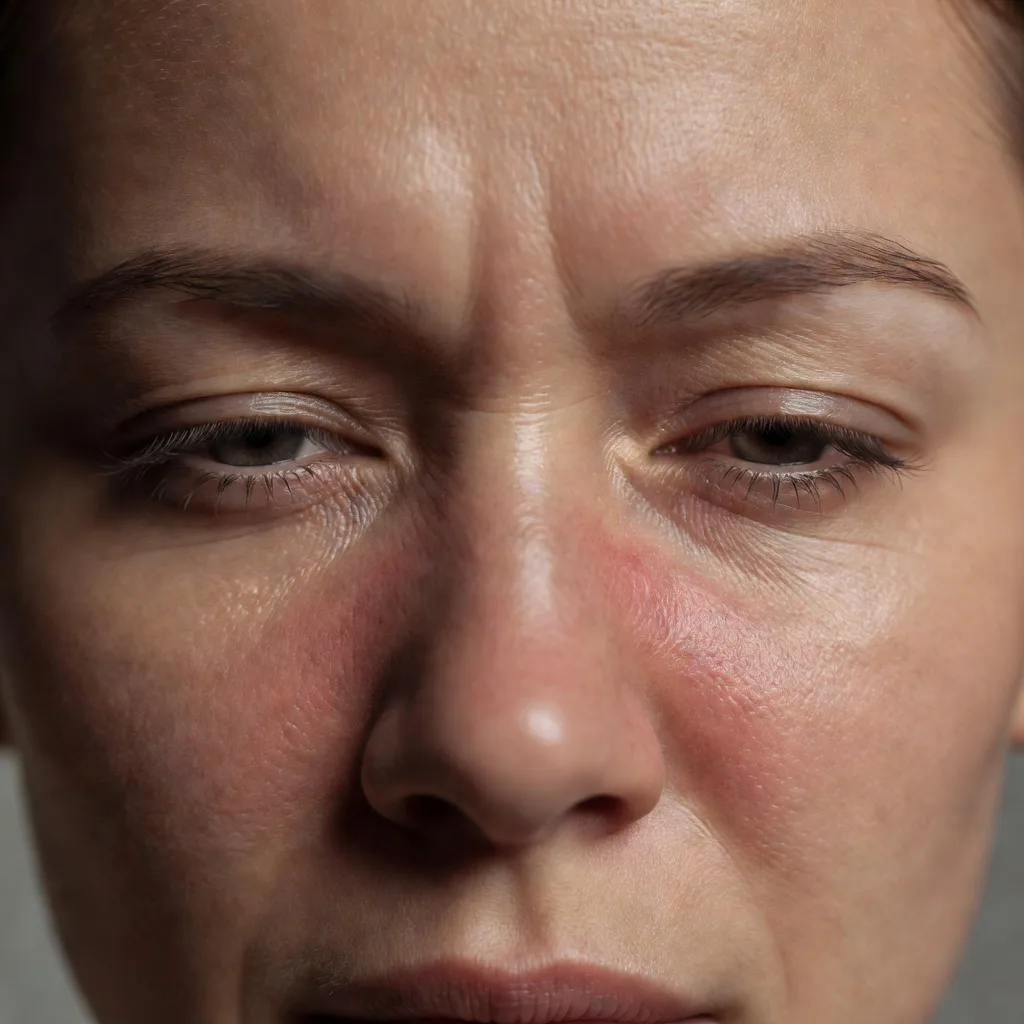
That heavy, full feeling behind your cheekbones, across your forehead or at the bridge of your nose is one of the most common reasons people blame their sinuses. It often gets worse when you bend forward, it can make your upper teeth ache, and it tends to arrive alongside a stuffy nose.
Part of our guide to lifestyle and skin. Start with: How Diet Impacts the Skin Microbiome: What the Science Actually Shows
Sinus facial pressure happens when the lining of the sinuses swells and the small openings that let them drain become blocked, usually because of a cold, allergies or, less often, a bacterial infection. Mucus and air get trapped, and the pressure is felt over the cheeks, forehead and between the eyes. Most cases clear within 7 to 10 days with saline rinses, steam, rest and time.
The catch is that not every ache in the face is a sinus problem. Migraine, tension headaches and dental issues can all feel remarkably similar, and one well-known study found that most people who believed they had sinus headaches actually met the criteria for migraine.
Getting that distinction right matters, because the fixes are different, and treating the wrong problem can keep you uncomfortable for weeks. Decongestants and rinses do little for migraine, while migraine treatment does nothing for a blocked sinus.
This guide covers where the sinuses are and why they hurt, how to tell sinus pressure from its lookalikes, the home measures with the best support, what to avoid, and the warning signs that mean you should see a doctor quickly.
Shopping these picks?
Amazon Prime members get fast, free shipping on eligible items, plus Prime Video, Amazon Music and member deals. New members can start with a free trial.
Start a free Prime trialAged 18 to 24? Prime for Young Adults comes with a longer free trial and a lower price after it.
Affiliate link: we may earn a commission at no extra cost to you.
Recommended Products for Sinus Pressure Relief


Key Takeaways
- Facial pressure from sinuses comes from swollen lining and blocked drainage, not from the sinuses themselves being ‘full’ of infection in most cases.
- Colds and allergies are the usual triggers; bacterial sinusitis is less common.
- Pressure with a blocked nose and discoloured mucus points to sinuses; throbbing pain with light sensitivity and nausea points to migraine.
- Saline rinses are among the best-supported home measures, but only use distilled, sterile or boiled water.
- Most sinus symptoms improve within 10 days without antibiotics.
- Decongestant nasal sprays should not be used for more than a few days in a row.
- Swelling around the eye, vision changes, a stiff neck or confusion need urgent care.
In This Guide
- Where Your Sinuses Are and Why They Cause Pressure
- What Sets It Off
- Is It Your Sinuses, a Migraine or Your Teeth?
- What Actually Eases Sinus Pressure
- A Simple Daily Routine While Symptoms Last
- Dos and Don’ts
- Honest Limits: What Home Care Cannot Do
- What Sinus Trouble Does to How Your Face Looks
- Red Flags: When to See a Doctor
- Questions People Ask
- The Bottom Line
Where Your Sinuses Are and Why They Cause Pressure
You have four pairs of sinuses, air-filled spaces in the bones of the face and skull. Each one is lined with a thin layer of tissue that makes mucus, which normally drains through small openings into the nose.
| Sinus | Location | Where you feel pressure |
|---|---|---|
| Maxillary | Inside the cheekbones | Cheeks, upper teeth, under the eyes |
| Frontal | Above the eyebrows | Forehead, worse when bending forward |
| Ethmoid | Between the eyes | Bridge of the nose, inner corners of the eyes |
| Sphenoid | Deep behind the nose | Behind the eyes, top or back of the head |
When that lining becomes inflamed, it swells. The drainage openings are only a few millimetres wide, so it does not take much swelling to close them. Mucus builds up, the pressure inside the sinus changes, and nerves in the surrounding bone register it as a dull, heavy ache.
That is why sinus pressure often gets worse when you lie down, lean forward or fly, and why it can ease briefly after a hot shower or a good nose-blow.
What Sets It Off
The CDC notes that viruses cause most sinus infections, though bacteria are responsible for some (CDC). But infection is not the only route to a blocked sinus.
- Common cold: the most frequent cause of short-term sinus pressure.
- Allergies: pollen, dust mites, pet dander and mould make the nasal lining swell. Our guide to how seasonal allergies affect facial skin covers the visible side of this.
- Bacterial sinusitis: sometimes follows a cold, especially when symptoms drag on or worsen after improving.
- Structural issues: a deviated septum or nasal polyps can make blockages more frequent.
- Dry air and irritants: smoke, strong fumes and very dry indoor air thicken mucus and irritate the lining.
- Dental problems: an infected upper back tooth can spread into the maxillary sinus.
Is It Your Sinuses, a Migraine or Your Teeth?
This is the most useful thing to work out before you treat anything. A study published in Archives of Internal Medicine looked at nearly 3,000 people with self-diagnosed or doctor-diagnosed ‘sinus headache’ and found that 88% actually met the criteria for migraine (Schreiber et al., 2004).
| Feature | Sinus pressure | Migraine | Dental pain |
|---|---|---|---|
| Nasal congestion | Almost always | Sometimes, mild | No |
| Thick, discoloured mucus | Often | No | No |
| Throbbing pain | Uncommon | Typical | Can be |
| Light or sound sensitivity | No | Common | No |
| Nausea | Rare | Common | No |
| Reduced sense of smell | Common | No | No |
| Pain when chewing or tapping a tooth | Sometimes | No | Typical |
| Fever | Possible | No | Possible with abscess |
| Pattern | Follows a cold or allergy flare | Recurring episodes lasting hours to days | Constant or triggered by hot, cold or sweet |
If your ‘sinus headaches’ keep coming back without much congestion, a doctor’s assessment for migraine is worth considering. If one upper tooth is tender, see a dentist.
What Actually Eases Sinus Pressure
Saline nasal irrigation
Rinsing the nose with salt water thins mucus and washes out irritants. A Cochrane review found some benefit from daily, large-volume saline irrigation for people with chronic rhinosinusitis, though the authors rated the evidence as limited (Chong et al., Cochrane 2016). Squeeze bottles and neti pots both work; the key is the water.
Never use tap water straight from the faucet for nasal rinsing. The FDA advises distilled or sterile water, or tap water boiled for 3 to 5 minutes and cooled to lukewarm (FDA). Rare but serious infections have been linked to untreated tap water.
Steam and humidity
Breathing warm, moist air from a shower or a bowl of hot water can loosen mucus and feel soothing, though the effect is short-lived. A humidifier helps in very dry rooms; keep it clean to avoid spraying mould into the air.
Warm compresses
A warm, damp cloth or a heat compress over the cheeks and forehead can relax the area and ease the ache for a while.
Rest, fluids and head elevation
Sleeping with your head slightly raised helps sinuses drain overnight. Staying hydrated keeps mucus thinner.
Over-the-counter medicines
Pain relievers such as paracetamol or ibuprofen help the ache. Steroid nasal sprays can reduce swelling, particularly when allergies are involved. Decongestant tablets or sprays open the nose quickly but have limits, covered below. Check with a pharmacist if you have high blood pressure, heart problems or take other medicines.
A Simple Daily Routine While Symptoms Last
Rinse morning and evening
Use a saline rinse with distilled, sterile or boiled-and-cooled water, leaning over the sink with your mouth open.
Add steam
Take a warm shower or breathe steam from a bowl for five to ten minutes, keeping your face a safe distance from hot water.
Apply warmth
Hold a warm compress over the cheeks and forehead for a few minutes.
Drink steadily
Keep fluids up through the day to help thin mucus.
Sleep propped up
Use an extra pillow so your head is above your chest.
Track the days
Note when symptoms started. If they pass 10 days without improving, or get worse after improving, book an appointment.
Clean your rinse bottle or neti pot after every use and let it air dry. A dirty device can reintroduce germs.
Dos and Don’ts
Do
- Use distilled, sterile or boiled water for rinsing
- Blow your nose gently, one side at a time
- Keep your bedroom air comfortably humid
- Give a viral sinus infection time to settle
- See a doctor if symptoms persist or worsen
Don’t
- Use decongestant sprays for more than 3 days in a row
- Demand antibiotics for a cold
- Share rinse devices
- Ignore swelling or redness around the eye
- Assume every facial headache is your sinuses
Honest Limits: What Home Care Cannot Do
Home measures ease symptoms; they do not cure structural problems. If a deviated septum or nasal polyps are behind repeated blockages, rinses and steam will help only partially, and an ear, nose and throat specialist may be needed.
Antibiotics are not a shortcut either. Because most sinus infections are viral, antibiotics usually make no difference and bring side effects of their own. Clinical guidelines generally reserve them for symptoms that last beyond 10 days, severe symptoms, or those that worsen after an initial improvement.
Decongestant nasal sprays deserve a clear note. Used for more than a few days, they can cause rebound congestion, where the nose becomes more blocked each time the spray wears off. It is easy to get stuck in that loop.
It also helps to know roughly what to expect. Pressure from a cold usually peaks within the first three to five days and then eases gradually. Allergy-driven pressure tends to track your exposure, so it may come and go with the pollen count, a dusty room or time around pets. Pressure that sits in exactly the same spot for weeks, especially on one side only, is less typical of a simple cold and deserves a closer look.
Finally, remember that comfort measures overlap with each other. Many people get the most relief by stacking them, for example a rinse followed by a warm shower and then a compress, rather than relying on any single step. None of these carry much risk when done correctly, so it is reasonable to experiment and keep whatever helps you most.
Facial pressure that returns often, lasts 12 weeks or more, or comes with a lost sense of smell may be chronic rhinosinusitis, which is managed differently and is worth a proper assessment.
What Sinus Trouble Does to How Your Face Looks
Congestion affects more than comfort. Blocked drainage can leave the under-eye area puffy and slightly darker, sometimes called allergic shiners, because the small veins around the eyes and nose become congested. Frequent nose-blowing also chafes the skin around the nostrils, leaving it red, flaky or cracked.
A thin layer of plain petroleum jelly or a bland barrier balm around the nostrils protects that skin. Soft, lotion-free tissues are less abrasive. Puffiness and shadowing usually fade once the congestion clears.
Red Flags: When to See a Doctor
The CDC advises seeing a healthcare provider for severe headache or facial pain, symptoms that worsen after improving, symptoms lasting more than 10 days without improvement, fever lasting longer than 3 to 4 days, or multiple sinus infections in the past year.
Seek urgent or emergency care for any of the following, as they can signal an infection spreading beyond the sinuses:
- Swelling, redness or pain around one eye
- Double vision, blurred vision or difficulty moving the eye
- A severe headache with a stiff neck
- Confusion, unusual drowsiness or a very high fever
- Swelling of the forehead
- Symptoms in someone with a weakened immune system
This article is for general information only and is not medical advice. If you are unsure what is causing facial pain or pressure, or if symptoms are severe, persistent or unusual, speak to a doctor or pharmacist.
Questions People Ask
How long does sinus pressure usually last?
Pressure from a cold typically improves within 7 to 10 days. Symptoms beyond 10 days without improvement warrant a check-up.
Can sinus pressure make my teeth hurt?
Yes. The maxillary sinuses sit just above the upper back teeth, so pressure there can feel like toothache. If one tooth is especially sore to tap, see a dentist.
Is it a sinus infection or a migraine?
Sinus pressure usually comes with congestion, thick mucus and reduced smell. Migraine is more often throbbing, with light sensitivity and nausea.
Do I need antibiotics for sinus pressure?
Usually not. Most cases are viral and settle on their own. A doctor may prescribe antibiotics if symptoms are severe, prolonged or worsening.
Is a neti pot safe?
Yes, when used with distilled, sterile or properly boiled and cooled water and cleaned after each use.
Why is sinus pressure worse when I bend over?
Bending forward shifts fluid and changes pressure in the frontal and maxillary sinuses, which intensifies the ache.
Can allergies cause facial pressure without an infection?
Yes. Allergic swelling of the nasal lining can block drainage and cause pressure even with no infection.
Does flying make sinus pressure worse?
It can. Cabin pressure changes are harder to equalise when sinus openings are swollen.
Should I use heat or cold on sinus pressure?
Most people find warmth more soothing because it helps loosen mucus. Cold may help if the area feels hot and inflamed.
When is facial pressure an emergency?
If it comes with eye swelling, vision changes, a stiff neck, confusion or a very high fever, seek urgent care.
The Bottom Line
Facial pressure from your sinuses is usually a short-term nuisance caused by swelling that blocks drainage after a cold or an allergy flare. Saline rinses with safe water, steam, warmth, fluids and a raised pillow are the best-supported ways to ease it while your body clears the problem.
Before treating it as a sinus issue, check that it really is one, because migraine and dental pain are frequent impostors. See a doctor if symptoms pass 10 days, worsen after improving or keep coming back, and seek urgent care for any swelling or vision changes around the eye.

Written by
Registered pharmacist and founder of Facial Adviser. Rakib's pharmacy training covers how skincare actives work and interact; a later course in cosmetology turned that into a focus on facial treatments and skincare products. He plans, researches and edits every guide on the site and checks health claims against sources such as the American Academy of Dermatology, the FDA and the NIH. He is not a dermatologist; see the Editorial Policy and Medical Disclaimer.
About · Editorial policy · How we choose products · Medical disclaimer · Contact
Keep reading: Diet, sleep, stress and skin
- How Diet Impacts the Skin Microbiome: What the Science Actually Shows
- Can Your Sleep Position Cause Wrinkles? What the Research Shows
- Thyroid Disorders and Facial Puffiness: Signs, Causes and Next Steps
- What Dehydration Does to Your Skin, Layer by Layer
- How Smoking Affects the Tiny Blood Vessels in Your Face
- Does Air Pollution Age Your Face? What Studies Show