Thyroid Disorders and Facial Puffiness: Signs, Causes and Next Steps
Most facial puffiness has an ordinary explanation: a salty dinner, a short night, allergies or a good cry. It comes on in the morning and fades by lunchtime. But when a puffy face becomes the norm, lasting all day and building over months, it is worth thinking about your thyroid.
Part of our guide to lifestyle and skin. Start with: How Diet Impacts the Skin Microbiome: What the Science Actually Shows
An underactive thyroid (hypothyroidism) can make the face look swollen and puffy, especially around the eyes, because low thyroid hormone lets certain water-attracting substances build up in the skin. An overactive thyroid caused by Graves’ disease can trigger thyroid eye disease, which causes puffy, red eyelids and bulging eyes. Both need a blood test and medical treatment; skincare alone will not fix them.
Thyroid problems are common. The US National Institute of Diabetes and Digestive and Kidney Diseases estimates that nearly 5 in 100 Americans aged 12 and over have hypothyroidism, and it is more likely in women and people over 60. Because it develops slowly, many people put the early signs down to stress, ageing or being busy.
Puffiness is rarely the only clue. It usually travels with other changes such as tiredness, feeling cold, dry skin, weight gain or thinning hair, and in thyroid eye disease with gritty, sore or bulging eyes.
This guide explains how thyroid problems change the face, how to tell thyroid puffiness from everyday swelling, the tests involved, what to expect once treatment starts, and how to care for your skin in the meantime.
Shopping these picks?
Amazon Prime members get fast, free shipping on eligible items, plus Prime Video, Amazon Music and member deals. New members can start with a free trial.
Start a free Prime trialAged 18 to 24? Prime for Young Adults comes with a longer free trial and a lower price after it.
Affiliate link: we may earn a commission at no extra cost to you.
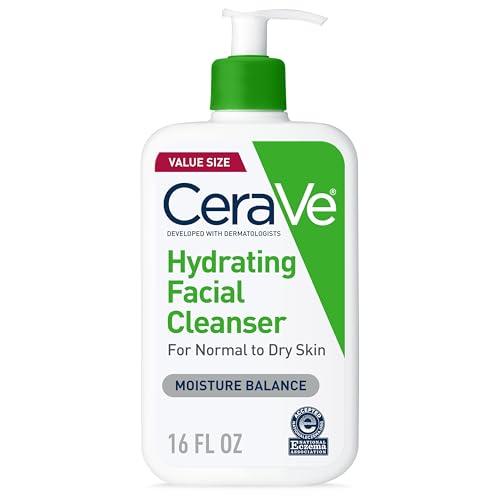
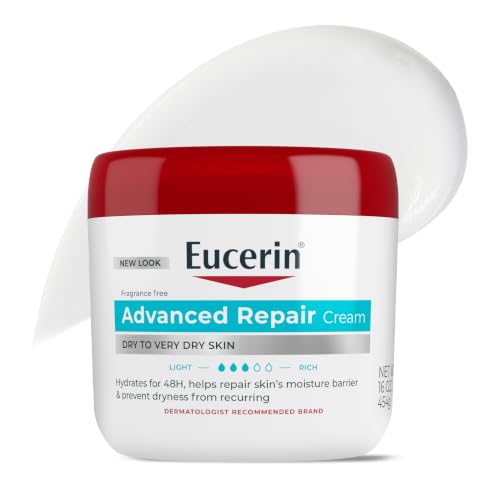
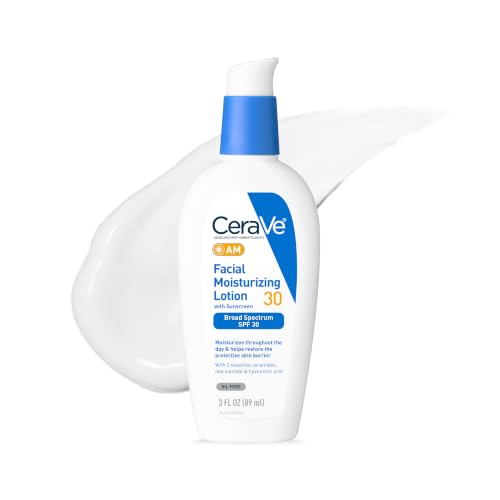
Recommended Products for Dry, Puffy Skin During Thyroid Treatment




Quick Answer
- Hypothyroidism can cause a puffy face, puffy eyelids and swollen features that last all day.
- The swelling comes from substances building up in the skin, not simply from water retention.
- Thyroid eye disease, usually linked to Graves’ disease, causes puffy, red eyelids and bulging eyes.
- Thyroid puffiness usually comes with other symptoms such as fatigue, cold intolerance or dry skin.
- A blood test measuring TSH and free T4 is the only way to confirm a thyroid problem.
- Facial puffiness from hypothyroidism usually improves gradually once hormone levels are corrected.
- Smoking raises the risk of thyroid eye disease and can make it worse.
Contents
- Why an Underactive Thyroid Makes the Face Puffy
- Thyroid Eye Disease: A Different Kind of Puffiness
- Thyroid Puffiness vs Everyday Puffiness
- A Simple Symptom Checklist
- How Thyroid Problems Are Diagnosed
- What Happens to Puffiness Once Treatment Starts
- Looking After Your Skin in the Meantime
- Dos and Don’ts
- Other Causes of a Persistently Puffy Face
- When to See a Doctor
- Frequently Asked Questions
- Where This Leaves You
Why an Underactive Thyroid Makes the Face Puffy
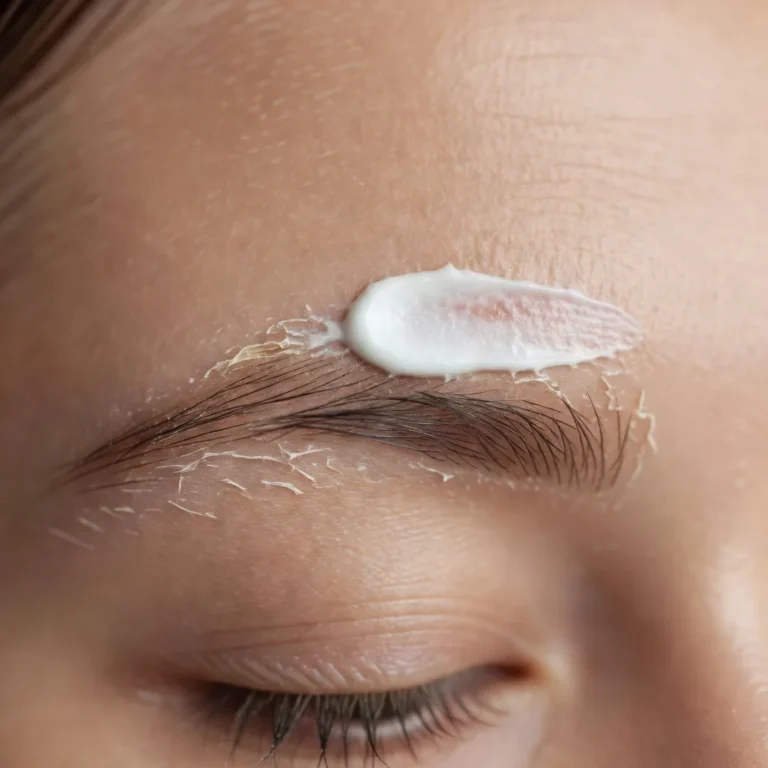
Thyroid hormone helps regulate the turnover of many substances in the body, including a group of sugar-protein molecules called glycosaminoglycans that sit in the skin. When thyroid hormone is low, these build up in the deeper layers of the skin. They attract and hold water, making the tissue look swollen and feel firm and doughy rather than soft.
This is different from the fluid puffiness you get after a salty meal. It tends to be present all day, affects the eyelids, lips and sometimes the tongue, and does not respond much to cold compresses or massage. In severe, long-standing hypothyroidism the pattern is called myxoedema, although most people with an underactive thyroid have much milder changes.
Mayo Clinic lists a puffy face among the symptoms of hypothyroidism, alongside fatigue, feeling cold, constipation, dry skin, weight gain, muscle weakness and thinning hair (Mayo Clinic).
| Facial change | Why it happens |
|---|---|
| Puffy face and eyelids | Water-binding substances build up in the skin |
| Dry, rough skin | Reduced sweat and oil production |
| Pale or slightly yellowish tone | Slower circulation and carotene build-up |
| Thinning outer eyebrows | Slower hair growth cycle |
| Coarse, brittle hair | Reduced hair turnover |
| Swollen tongue or hoarse voice | Tissue build-up in the mouth and throat |
Thyroid Eye Disease: A Different Kind of Puffiness
Thyroid eye disease is an autoimmune condition in which the tissues and muscles around the eyes become inflamed and swollen. It is most often linked to Graves’ disease, the most common cause of an overactive thyroid, but it can also occur with normal or low thyroid levels.
The American Thyroid Association describes symptoms including puffy or red eyelids, bulging eyes, a gritty feeling, eye pain, dryness and double vision (American Thyroid Association). It also notes that exposure to cigarette smoke, even second-hand, makes the condition more likely and more severe.
Who is most at risk
Thyroid eye disease is more common in women, in people with Graves’ disease, and in smokers. It often appears around the same time as the overactive thyroid is diagnosed, but it can come before or years after. Radioactive iodine treatment for Graves’ disease can occasionally worsen active eye disease, so eye specialists and thyroid doctors often plan treatment together.
Because the swelling sits behind and around the eyes, the eyelids can look puffy even when the rest of the face is not. Some people notice that their eyes look more ‘staring’ in photos, or that their upper lids have retracted slightly so more of the white of the eye shows.
Sudden vision changes, double vision, severe eye pain or being unable to close your eyes fully needs urgent assessment by a doctor or eye specialist.
Thyroid Puffiness vs Everyday Puffiness
| Feature | Everyday puffiness | Hypothyroid puffiness | Thyroid eye disease |
|---|---|---|---|
| Timing | Worst on waking, eases by midday | Present all day, slowly worsens | Can come on over weeks, may fluctuate |
| Feel | Soft, fluid | Firm, doughy | Swollen, may feel tight or sore |
| Location | Under the eyes, cheeks | Eyelids, whole face, lips | Eyelids and around the eyes |
| Other signs | Salty food, alcohol, poor sleep, allergies | Fatigue, cold intolerance, dry skin, weight gain | Bulging, redness, grittiness, double vision |
| Responds to cold or massage | Yes, temporarily | Little | Little |
A Simple Symptom Checklist
None of these confirm a thyroid problem, but if several apply alongside a puffy face, ask your doctor about testing.
- Your face looks puffy all day, not just in the morning, and has done for weeks or months
- You feel tired even after a full night’s sleep
- You feel cold when others do not
- Your skin has become noticeably drier or rougher
- You have gained weight without eating more
- Your hair is thinner or more brittle, or the outer thirds of your eyebrows have thinned
- You have a family history of thyroid disease or another autoimmune condition
- Your eyes feel gritty, look more prominent or you have had double vision
How Thyroid Problems Are Diagnosed
A blood test is the only way to know for sure. The first test is usually thyroid-stimulating hormone (TSH), made by the pituitary gland. When the thyroid is underactive, TSH usually rises as the body tries to push the thyroid harder. Free T4, the main thyroid hormone, is often checked too. Doctors may also test for thyroid antibodies, which point to an autoimmune cause such as Hashimoto’s thyroiditis or Graves’ disease.
The American Thyroid Association notes that hypothyroidism is usually treated with a daily thyroid hormone tablet, levothyroxine, with the dose adjusted based on follow-up blood tests (American Thyroid Association).
Some supplements, particularly biotin, can interfere with thyroid blood tests. Tell your doctor about everything you take, and ask whether to pause supplements before the test.
What Happens to Puffiness Once Treatment Starts
For hypothyroidism, facial puffiness usually improves once thyroid hormone levels return to normal, but it is gradual. Energy and cold tolerance often improve first; skin and facial changes can take several months as the built-up substances are cleared.
Thyroid eye disease is managed differently. Treatment depends on how active and severe it is and may include lubricating eye drops, selenium supplements in mild cases, steroids, newer targeted medicines or, later, surgery. Eyelid puffiness may settle as inflammation calms, but some changes can persist and may need specialist care.
Getting the dose right takes time. If puffiness and other symptoms persist after several months on treatment, mention it at follow-up rather than adjusting anything yourself.
Keeping a simple photo diary can help here. Taking a picture in the same light every few weeks makes gradual change easier to see, and it gives your doctor a clearer picture than memory alone when you discuss how treatment is going.
Looking After Your Skin in the Meantime
Skincare will not treat a thyroid problem, but it can make you more comfortable while treatment takes effect, especially if dryness is part of the picture.
Switch to a gentle cleanser
Use a creamy, fragrance-free cleanser and lukewarm water to avoid stripping already-dry skin.
Moisturise on damp skin
Apply a rich cream straight after washing to lock in water. Ingredients such as ceramides, glycerin and urea help.
Cool puffy eyelids
A chilled gel mask for a few minutes can make eyelids more comfortable, even if it will not remove thyroid-related swelling.
Protect your lips
Use a plain balm through the day, as lips often dry out too.
Wear sunscreen daily
Protecting skin from sun damage matters even more when it is dry and slow to renew.
Keep follow-up appointments
Recheck blood tests as advised so your dose can be adjusted.
If you have thyroid eye disease, wraparound sunglasses and preservative-free lubricating drops can ease grittiness and light sensitivity. Ask your eye specialist before using any eye cream close to the lashes.
Dos and Don’ts
Helps
- Ask for a thyroid test if puffiness lasts all day with other symptoms
- Take thyroid medication consistently, as prescribed
- Moisturise generously if your skin is dry
- Stop smoking and avoid second-hand smoke
- Report eye changes promptly
Backfires
- Assume every puffy face is a thyroid problem
- Take thyroid supplements or ‘thyroid support’ products without advice
- Change your medication dose yourself
- Rely on de-puffing tools to treat thyroid swelling
- Ignore double vision or eye pain
Other Causes of a Persistently Puffy Face
It is also worth remembering that an underactive thyroid and ordinary puffiness can overlap. Someone with mild hypothyroidism will still wake up puffier after a salty dinner or a poor night’s sleep, and treating the thyroid will not change that everyday pattern. The aim of treatment is to remove the extra, all-day swelling on top.
Thyroid disease is only one possibility. A doctor will also consider:
- Kidney problems, which can cause swelling around the eyes, often with swollen ankles or foamy urine
- Long-term steroid use or Cushing’s syndrome, which can cause a rounder, fuller face
- Allergies and chronic sinus problems
- Certain medications, including some blood pressure drugs and hormonal treatments
- Heavy alcohol use
- Poor sleep or sleep apnoea
This is why testing matters. The pattern of symptoms, not the puffiness alone, points to the cause.
When to See a Doctor
Book an appointment if facial puffiness has lasted more than a few weeks, is getting worse, or comes with other symptoms from the checklist above. Seek urgent care if you have:
- Sudden swelling of the face, lips or tongue, or difficulty breathing
- Double vision, sudden vision loss or severe eye pain
- Extreme drowsiness, confusion or feeling very cold with a slow heart rate, which can signal severe hypothyroidism
- A rapidly growing lump in the neck or difficulty swallowing
This article is for general information only and is not a substitute for medical advice, diagnosis or treatment. If you think you may have a thyroid problem, speak to your doctor about testing.
Frequently Asked Questions
Can hypothyroidism cause a puffy face?
Yes. Low thyroid hormone lets water-binding substances build up in the skin, which can make the face and eyelids look swollen.
What does thyroid face puffiness look like?
It often looks like a full, swollen face with puffy eyelids that stays all day and feels firm rather than soft.
Does thyroid puffiness go away with treatment?
It usually improves gradually once hormone levels are normal, often over several months.
Can an overactive thyroid cause puffy eyes?
Yes, through thyroid eye disease, which is most often linked to Graves’ disease.
Which blood test checks for thyroid problems?
TSH is usually the first test, often with free T4. Antibody tests may be added.
Can thyroid problems cause weight gain in the face?
Hypothyroidism can cause modest weight gain and fluid-related swelling, which may make the face look fuller.
Will de-puffing eye creams help thyroid eyelid swelling?
They may help comfort and appearance slightly, but they do not treat the cause.
Does smoking affect thyroid eye disease?
Yes. Smoking increases the risk and severity of thyroid eye disease and can reduce how well treatment works.
How long does it take for the face to change after starting levothyroxine?
It varies, but many people notice gradual change over two to six months once their dose is right.
Should I take iodine supplements for a puffy face?
No, not without medical advice. Too much iodine can worsen some thyroid conditions.
Where This Leaves You
A puffy face that lingers all day, builds up over months and comes with tiredness, dryness, feeling cold or weight gain can be a sign of an underactive thyroid. Puffy, red eyelids with bulging or gritty eyes can point to thyroid eye disease. In both cases the answer is a blood test and medical treatment, not another de-puffing product.
The encouraging part is that thyroid problems are common, easy to test for and usually very treatable. Once hormone levels are corrected, facial puffiness tends to ease gradually. Until then, gentle, moisturising skincare can keep you comfortable, and any change in your vision needs prompt attention.

Written by
Registered pharmacist and founder of Facial Adviser. Rakib's pharmacy training covers how skincare actives work and interact; a later course in cosmetology turned that into a focus on facial treatments and skincare products. He plans, researches and edits every guide on the site and checks health claims against sources such as the American Academy of Dermatology, the FDA and the NIH. He is not a dermatologist; see the Editorial Policy and Medical Disclaimer.
About · Editorial policy · How we choose products · Medical disclaimer · Contact
Keep reading: Diet, sleep, stress and skin
- How Diet Impacts the Skin Microbiome: What the Science Actually Shows
- What Dehydration Does to Your Skin, Layer by Layer
- How Smoking Affects the Tiny Blood Vessels in Your Face
- Does Air Pollution Age Your Face? What Studies Show
- Can Your Mouth Affect Your Face? Oral Health and Facial Inflammation
- Does Omega-3 Give You Glowing Skin? What the Evidence Says