Does Air Pollution Age Your Face? What Studies Show
Sun damage has long been accepted as the main outside cause of skin ageing. Over the past fifteen years, researchers have added another suspect to the list: the air we breathe, particularly in busy cities.
Part of our guide to lifestyle and skin. Start with: How Diet Impacts the Skin Microbiome: What the Science Actually Shows
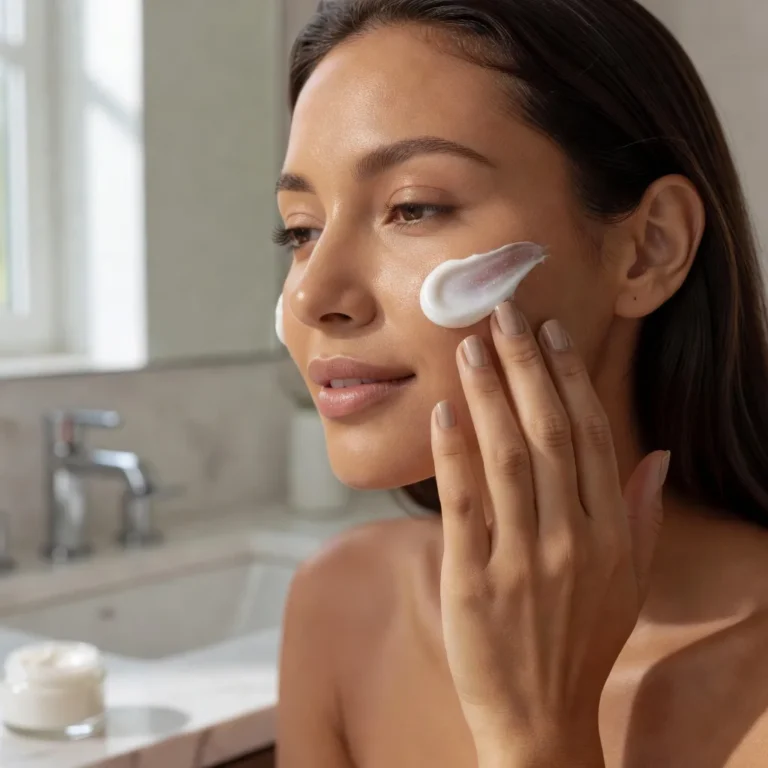
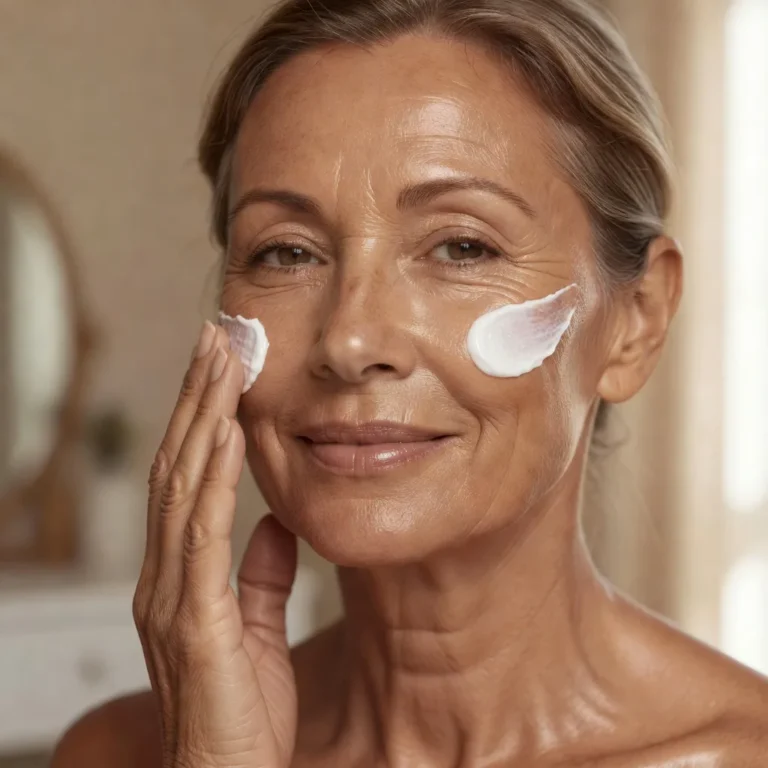
Air pollution, especially fine particles from traffic and soot and gases such as nitrogen dioxide, is linked to more pigment spots and somewhat deeper wrinkles on the face. Pollutants are thought to generate oxidative stress and inflammation in the skin and to switch on pathways that increase pigment. You cannot avoid outdoor air, but thorough evening cleansing, daily sunscreen, antioxidants and a healthy barrier reduce the damage.
The first large study to show this looked at 400 older women in Germany and found that those living with more traffic-related particle pollution had around 20% more pigment spots on their foreheads and cheeks. Later studies in China have found similar patterns, particularly for dark spots.
The research is still developing, and most of it shows associations rather than proof. People who live near busy roads may differ in other ways too. But the findings are consistent enough that dermatologists now talk about pollution as part of the skin’s ‘exposome’, the sum of outside influences that shape how it ages.
This guide explains which pollutants matter, how they affect the skin, what the evidence does and does not show, and a practical routine for protecting your face if you live or work somewhere with poor air quality.
Shopping these picks?
Amazon Prime members get fast, free shipping on eligible items, plus Prime Video, Amazon Music and member deals. New members can start with a free trial.
Start a free Prime trialAged 18 to 24? Prime for Young Adults comes with a longer free trial and a lower price after it.
Affiliate link: we may earn a commission at no extra cost to you.
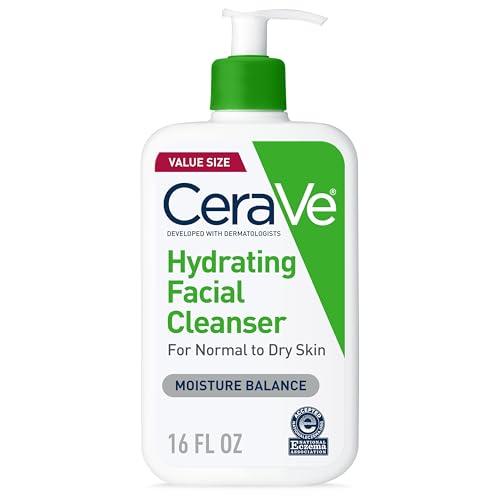
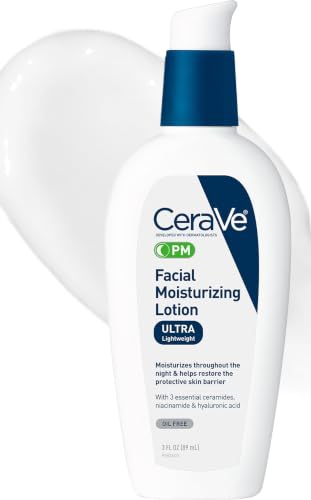
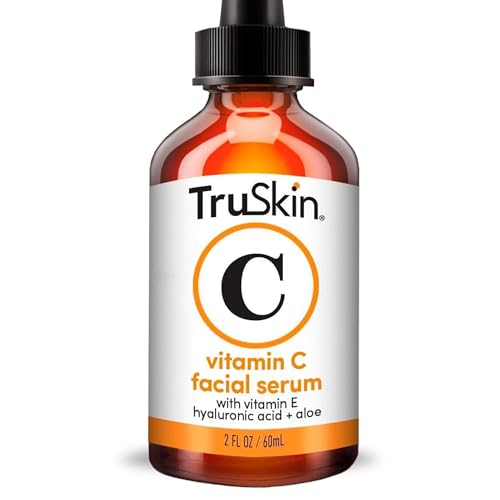
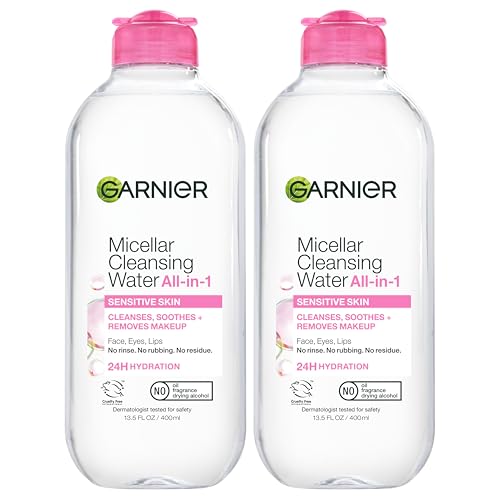
Recommended Products for City Skin and Pollution Protection



The Short Version
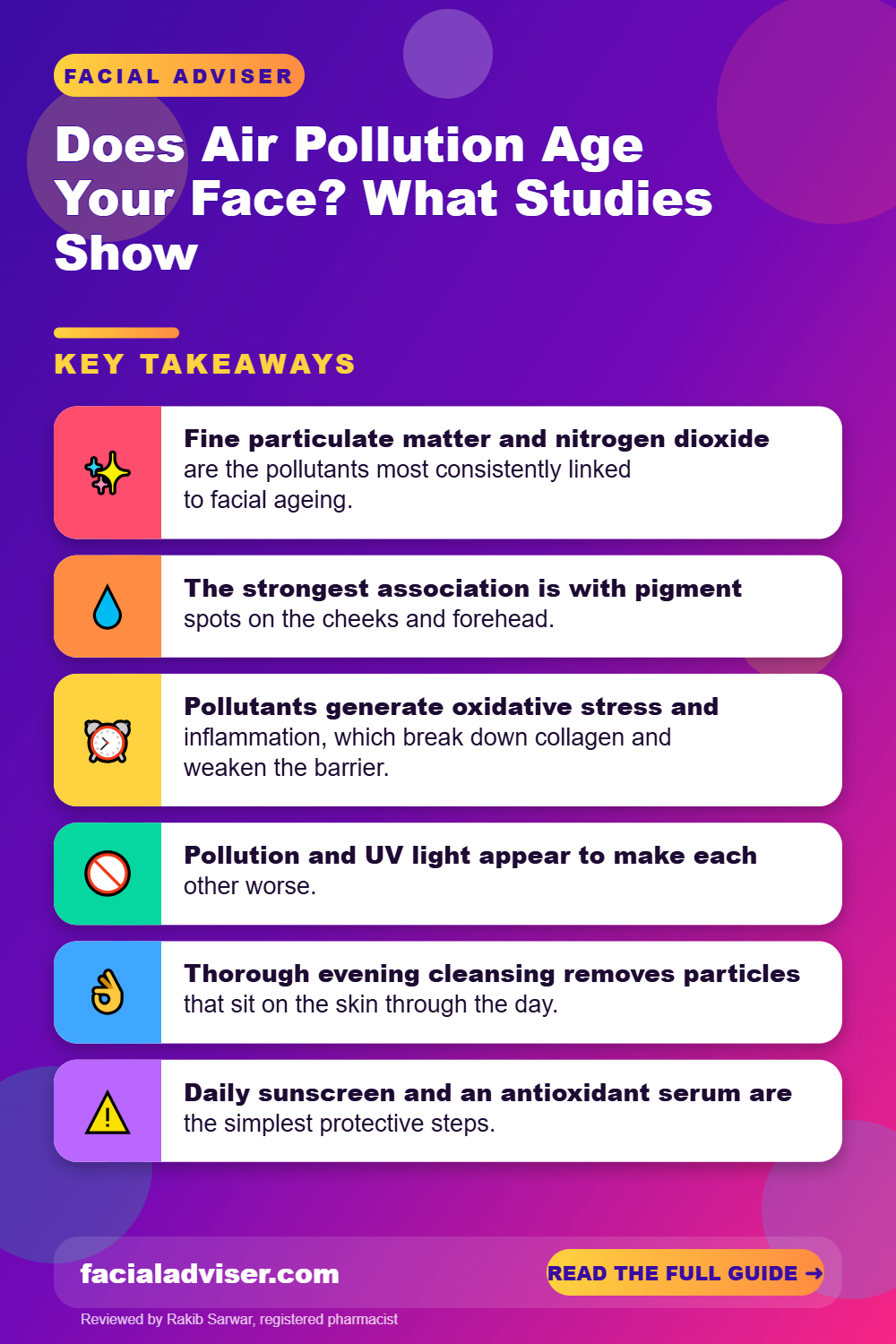
- Fine particulate matter and nitrogen dioxide are the pollutants most consistently linked to facial ageing.
- The strongest association is with pigment spots on the cheeks and forehead.
- Pollutants generate oxidative stress and inflammation, which break down collagen and weaken the barrier.
- Pollution and UV light appear to make each other worse.
- Thorough evening cleansing removes particles that sit on the skin through the day.
- Daily sunscreen and an antioxidant serum are the simplest protective steps.
- Indoor pollution, including cigarette smoke and poorly vented cooking, counts too.
Contents
- Which Pollutants Affect the Skin
- How Pollution Damages Skin
- What the Studies Actually Show
- Pollution and Sunlight: A Bad Combination
- Beyond Ageing: Pollution and Skin Conditions
- Adjusting the Routine to Your Skin Type
- How Exposed Is Your Skin?
- How to Protect Your Skin From Pollution
- Dos and Don’ts
- Honest Limits: What Anti-Pollution Products Can and Cannot Do
- When to See a Dermatologist
- Frequently Asked Questions
- Final Word
Which Pollutants Affect the Skin
| Pollutant | Main sources | Linked skin effects |
|---|---|---|
| Fine particulate matter (PM2.5, PM10) | Traffic, industry, wood burning | Pigment spots, wrinkles, inflammation |
| Soot and traffic particles | Diesel exhaust, busy roads | Pigment spots on forehead and cheeks |
| Nitrogen dioxide (NO2) | Vehicle exhaust, gas cooking | Dark spots, particularly on the cheeks |
| Ground-level ozone | Formed when sunlight reacts with exhaust | Depletes skin antioxidants, barrier stress |
| Polycyclic aromatic hydrocarbons (PAHs) | Carried on soot and smoke particles | Can activate pigment-producing pathways |
| Cigarette smoke | Active and second-hand smoking | Wrinkles, dullness, slower healing |
Many of these travel together, so it is hard to pin effects on any single pollutant. Particles are especially relevant because other chemicals, such as PAHs, stick to their surfaces and are carried onto the skin.
How Pollution Damages Skin
The leading theory centres on oxidative stress. Pollutants generate reactive oxygen species, unstable molecules that damage fats, proteins and DNA in skin cells. The skin has its own antioxidant defences, including vitamins C and E, but heavy exposure can use them up.
Oxidative stress in turn triggers inflammation. Inflammatory signals increase the activity of enzymes that break down collagen and can stimulate pigment cells. Over time this shows up as uneven tone, dark spots and loss of firmness.
Some chemicals carried on particles also switch on a receptor in skin cells called the aryl hydrocarbon receptor, which appears to increase pigment production independently of sunlight. This may explain why pigment spots are the most consistent finding.
Finally, pollutants can weaken the barrier itself. When the outer layer is damaged, more water escapes and more irritants get in, which creates a cycle of dryness, sensitivity and inflammation that makes skin look tired and uneven.
A review in the Journal of the European Academy of Dermatology and Venereology summarised these pathways and highlighted links between air pollution and ageing as well as inflammatory skin conditions such as eczema and acne (Mancebo and Wang, review).
What the Studies Actually Show
The landmark study followed 400 women aged 70 to 80 in Germany. Researchers estimated each woman’s exposure to traffic particles and soot based on where she lived. Higher exposure was associated with about 20% more pigment spots on the forehead and cheeks, and slightly more pronounced nasolabial folds (Vierkotter et al., 2010).
Later work in German and Chinese women linked nitrogen dioxide exposure to more dark spots on the cheeks, suggesting the effect is not limited to one population.
Researchers have also looked beyond outdoor air. Studies in parts of China where people cook over solid fuels such as coal or wood found that women exposed to indoor cooking smoke had more wrinkles and fine lines on the face, suggesting indoor air counts as much as the street outside.
These are observational studies. They show that pollution and ageing signs occur together, not that one definitely causes the other, although laboratory studies support a plausible mechanism.
Pollution and Sunlight: A Bad Combination
Pollution does not act alone. Ozone is formed when sunlight reacts with vehicle emissions, and some pollutants become more harmful when exposed to UV light. Both UV and pollution generate oxidative stress, so exposure to both adds to the load on the skin’s defences.
That is why sunscreen is the backbone of any anti-pollution routine. Protecting against UV reduces one of the two major stresses, leaving the skin better able to cope with the other.
Visible light, especially the blue-violet end of the spectrum, can also deepen pigmentation in people with medium to dark skin tones. Ordinary chemical sunscreens do little against visible light, but tinted mineral sunscreens containing iron oxides do block some of it. If dark spots are your main concern and you live in a polluted city, a tinted formula is worth considering.
Beyond Ageing: Pollution and Skin Conditions
Ageing is not the only concern. Poor air quality has been linked to flares of several common skin conditions, probably because pollutants irritate the barrier and fuel inflammation.
- Eczema (atopic dermatitis): several studies have reported more flares and itching on high-pollution days, especially in children.
- Acne: particles and oxidised skin oils may contribute to clogged pores and inflammation, although the evidence is still limited.
- Rosacea and sensitive skin: people with reactive skin often report more stinging and redness in heavily polluted environments.
- Pigmentation disorders: melasma and sun spots may be harder to control when pollution adds to UV exposure.
If you have one of these conditions, protecting the barrier with a gentle routine becomes even more important, and it is worth mentioning your environment to your dermatologist.
Adjusting the Routine to Your Skin Type
| Skin type | Evening cleanse | Morning protection | Watch out for |
|---|---|---|---|
| Oily or acne-prone | Micellar water or gel cleanser | Lightweight antioxidant serum, oil-free sunscreen | Heavy balms that feel greasy; over-cleansing |
| Dry | Cleansing balm, then creamy cleanser | Vitamin C serum, richer moisturiser, sunscreen | Foaming washes that strip the barrier |
| Sensitive or rosacea-prone | Single gentle cream cleanser | Fragrance-free moisturiser, mineral sunscreen | Strong acids and high-strength vitamin C |
| Combination | Gentle gel or micellar water | Antioxidant serum, light lotion, sunscreen | Using different products on different zones if it helps |
How Exposed Is Your Skin?
- Do you live or work close to a busy road or in a dense city centre?
- Do you commute on foot, by bike or on a scooter through heavy traffic?
- Does a cotton pad come away grey when you cleanse in the evening?
- Do you use a gas stove without an extractor fan, or burn wood indoors?
- Do you smoke or live with someone who does?
- Are you noticing more dark spots on your cheeks despite using sunscreen?
The more you answer yes, the more worthwhile the protective habits below become. Local air-quality apps can also show you when levels are high.
How to Protect Your Skin From Pollution
Apply sunscreen every morning
Use a broad-spectrum SPF 30 or higher. Tinted mineral formulas with iron oxides also help protect against visible light, which can worsen pigmentation.
Add an antioxidant serum
Vitamin C, often combined with vitamin E and ferulic acid, can help top up the skin’s antioxidant defences. Apply before sunscreen.
Cleanse thoroughly at night
Remove sunscreen, makeup and the day’s particles. A cleansing balm or micellar water followed by a gentle cleanser works well if you wear heavy products.
Moisturise to support the barrier
A healthy barrier is harder for pollutants to penetrate. Ceramides, niacinamide and glycerin help.
Improve indoor air
Ventilate while cooking, use an extractor fan, avoid smoking indoors and consider a HEPA air purifier in the bedroom.
Limit peak exposure when you can
Choose quieter streets for walking or cycling and avoid exercising next to heavy traffic.
Over-cleansing is counterproductive. Once in the evening is usually enough; scrubbing twice or using harsh foaming washes can damage the barrier you are trying to protect.
Dos and Don’ts
Helps
- Wear sunscreen daily, even on cloudy city days
- Double cleanse in the evening if you wear heavy makeup or sunscreen
- Use an antioxidant serum in the morning
- Keep your barrier healthy with a good moisturiser
- Check air-quality forecasts on high-pollution days
Backfires
- Scrub your face to ‘detox’ it
- Rely on products labelled anti-pollution without sunscreen
- Sleep in makeup
- Smoke or allow smoking indoors
- Assume indoor air is automatically clean
Honest Limits: What Anti-Pollution Products Can and Cannot Do
Many products now carry anti-pollution claims, from mists to serums to cleansers. There is no standard definition of what that means, and most claims are based on laboratory tests rather than long-term studies in people. A well-formulated antioxidant serum and a good sunscreen do much of what these products promise.
No skincare can fully block the effects of breathing polluted air, since some pollutants reach the skin from within via the bloodstream. Topical care reduces the surface load; policy changes, cleaner transport and personal choices about where and how you travel matter too.
Genetics, sun exposure and smoking remain bigger drivers of how your face ages. For more on smoking specifically, see how smoking affects the blood vessels in your face. And if pollution leaves your skin tight and dull, our guide to what dehydration does to your skin covers barrier repair in more detail.
Facial mists and wipes do not replace proper cleansing. Wipes in particular can leave residue and irritate skin when used every day.
When to See a Dermatologist
Pollution-related changes are usually gradual and cosmetic, but some skin changes need a professional look:
- A dark spot that is growing, changing shape or colour, bleeding or itching
- New patches of pigmentation that are spreading quickly
- Eczema, acne or rosacea that flares whenever air quality is poor
- Persistent redness, stinging or burning that does not settle with gentle care
- Any sore that does not heal within a few weeks
This article is for general information and does not replace professional medical advice. See a dermatologist about any changing spot or skin condition that concerns you.
Frequently Asked Questions
Does air pollution really cause wrinkles?
Studies link higher pollution exposure to more pigment spots and slightly deeper lines, but they show association rather than definite cause.
Which pollution is worst for skin?
Fine particles from traffic and soot, and nitrogen dioxide, have the most consistent links to skin ageing.
Can sunscreen protect against pollution?
It protects against UV, which amplifies pollution damage. Tinted mineral formulas also form a physical layer on the skin.
Do anti-pollution skincare products work?
Evidence is mostly from lab tests. Antioxidant serums and sunscreen are the best-supported options.
Should I double cleanse if I live in a city?
It can help if you wear sunscreen or makeup, as long as both steps are gentle.
Does indoor air pollution affect skin?
Yes. Cigarette smoke, gas cooking and poor ventilation can all contribute.
Can pollution cause acne?
Some studies link pollution to acne flares, possibly through inflammation and barrier stress.
Is vitamin C serum good for pollution protection?
Vitamin C is an antioxidant that can help counter oxidative stress, especially alongside sunscreen.
Do air purifiers help skin?
They reduce indoor particles, which may help, but there is little direct evidence on skin outcomes.
Are dark spots from pollution permanent?
They can fade with sun protection and brightening treatments, though some persist and need professional treatment.
Final Word
Air pollution, particularly traffic particles and nitrogen dioxide, is now firmly on the list of things linked to facial ageing, most clearly through extra pigment spots. The likely culprit is oxidative stress and inflammation, made worse when pollution and sunlight act together.
You cannot filter the air you walk through, but you can lower the load on your skin. Wear sunscreen every day, add an antioxidant serum, cleanse gently but thoroughly at night, keep your barrier healthy and improve the air indoors where you can. If a dark spot starts changing, see a dermatologist rather than reaching for another product.

Written by
Registered pharmacist and founder of Facial Adviser. Rakib's pharmacy training covers how skincare actives work and interact; a later course in cosmetology turned that into a focus on facial treatments and skincare products. He plans, researches and edits every guide on the site and checks health claims against sources such as the American Academy of Dermatology, the FDA and the NIH. He is not a dermatologist; see the Editorial Policy and Medical Disclaimer.
About · Editorial policy · How we choose products · Medical disclaimer · Contact
Keep reading: Diet, sleep, stress and skin
- How Diet Impacts the Skin Microbiome: What the Science Actually Shows
- Can Your Mouth Affect Your Face? Oral Health and Facial Inflammation
- Does Omega-3 Give You Glowing Skin? What the Evidence Says
- How to Boost Facial Circulation Naturally (and What Actually Works)
- Can Dehydration Cause Dark Circles? What the Link Really Is
- Does Sugar Age Your Face? Glycation, Blood Sugar and Skin