Honey Facial: What the Real Evidence Shows
A honey facial draws on real, documented antimicrobial chemistry, though the strongest evidence applies to a very different situation than a spa treatment on healthy skin.
Part of our guide to facial treatments. Start with: Fruit Facial at Home: Does It Actually Work?
A Cochrane review of 26 trials found honey dressings healed burns roughly 4 to 5 days faster than conventional dressings, but that evidence comes from medical wound care, not a cosmetic mask on intact facial skin. Manuka honey’s UMF and MGO ratings measure real, lab-tested antibacterial potency, not a proven cosmetic result from a single facial.
Bee and pollen allergies carry a genuine topical reaction risk worth taking seriously before a first-time application.
This guide covers what the Cochrane review actually found, what the Manuka rating systems really measure, and who should modify or skip a honey facial.
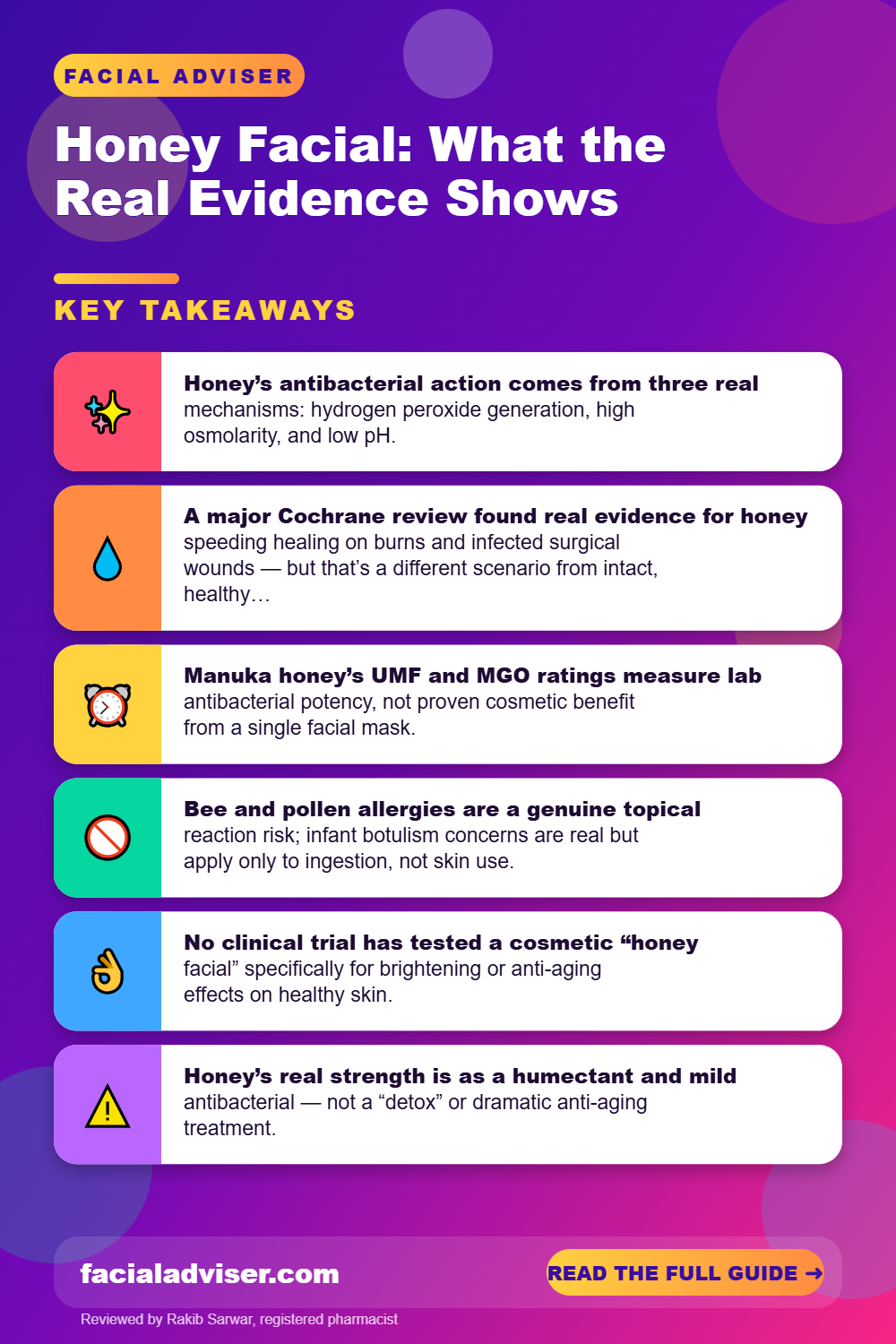
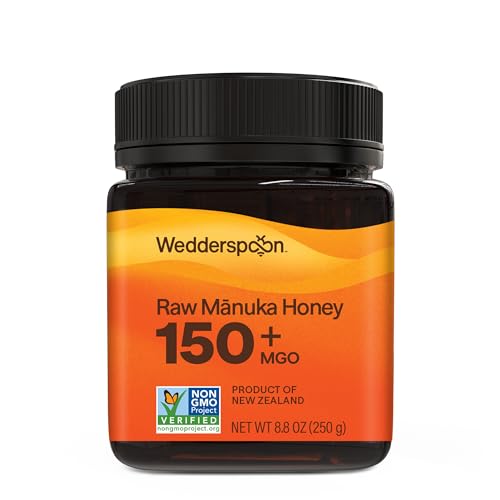
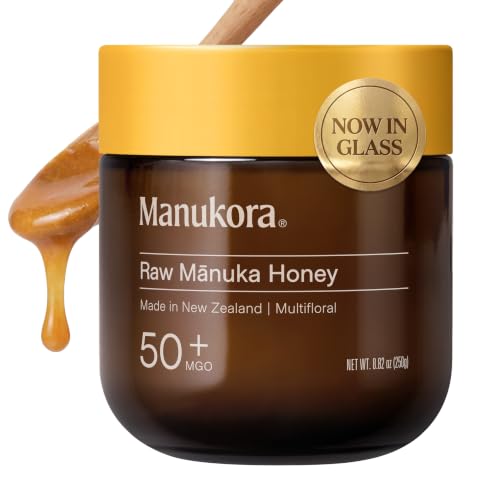
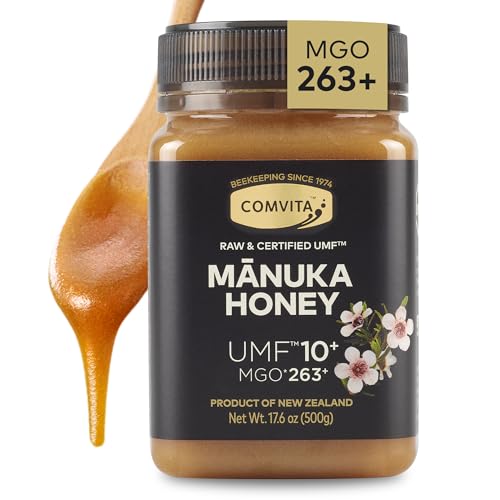
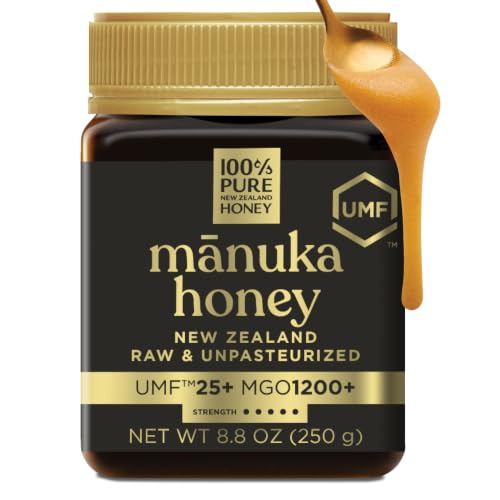
Recommended Raw Honey and Manuka Products


The Real Antimicrobial Chemistry Behind Honey
Honey’s reputation as a skin-care ingredient isn’t pure folklore — it has genuine, well-documented antimicrobial chemistry behind it. Bees add the enzyme glucose oxidase to nectar, and when honey is diluted by moisture, that enzyme converts glucose, water, and oxygen into gluconic acid and hydrogen peroxide, producing a slow, low-level antiseptic effect. Honey’s high sugar content (roughly 80%) also draws water out of bacterial cells through osmosis, and its naturally low pH, typically around 3.2 to 4.5, is inhospitable to many pathogens. This is real biochemistry, not marketing — but as this guide covers, the strength of that evidence applies most clearly to a very different use case than a single spa facial.
Shopping these picks?
Amazon Prime members get fast, free shipping on eligible items, plus Prime Video, Amazon Music and member deals. New members can start with a free trial.
Start a free Prime trialAged 18 to 24? Prime for Young Adults comes with a longer free trial and a lower price after it.
Affiliate link: we may earn a commission at no extra cost to you.
What You Need to Know
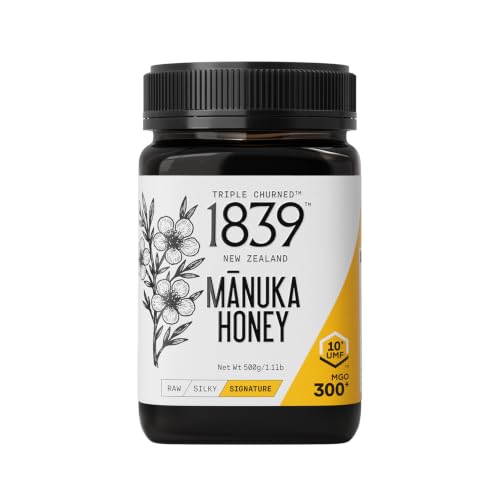
- Honey’s antibacterial action comes from three real mechanisms: hydrogen peroxide generation, high osmolarity, and low pH.
- A major Cochrane review found real evidence for honey speeding healing on burns and infected surgical wounds — but that’s a different scenario from intact, healthy facial skin.
- Manuka honey’s UMF and MGO ratings measure lab antibacterial potency, not proven cosmetic benefit from a single facial mask.
- Bee and pollen allergies are a genuine topical reaction risk; infant botulism concerns are real but apply only to ingestion, not skin use.
- No clinical trial has tested a cosmetic “honey facial” specifically for brightening or anti-aging effects on healthy skin.
- Honey’s real strength is as a humectant and mild antibacterial — not a “detox” or dramatic anti-aging treatment.
Skip To
- The Real Antimicrobial Chemistry Behind Honey
- What the Cochrane Review Actually Found
- Manuka’s UMF/MGO Rating: What’s Validated
- The “Brightens and Clears Skin” Claim
- Why Raw or Minimally Processed Honey Matters
- Allergy and Safety Considerations
- What a Typical Honey Facial Involves
- Mask, Cleanser, or Spot Treatment: Does the Format Matter
- Who Tends to Benefit Most
- Who Should Modify or Skip It
- When to See a Dermatologist Instead
- A One-Minute Check Before Applying Honey
- Where the Evidence Runs Out
- Frequently Asked Questions
What the Cochrane Review Actually Found
The strongest clinical evidence for honey comes from a Cochrane review pooling 26 randomized controlled trials and roughly 3,011 participants across various wound types. The most solid finding was for partial-thickness burns, where honey dressings healed wounds roughly 4 to 5 days faster than conventional dressings across two trials. Honey also outperformed antiseptic-and-gauze treatment in one moderate-quality trial on infected post-surgical wounds. For venous leg ulcers, diabetic foot ulcers, and other wound types, the evidence was too mixed in quality to draw firm conclusions, and Cochrane’s own stated conclusion is that it’s difficult to generalize honey’s effects across such varied wound populations and comparison treatments.
The honest gap to understand: this is evidence for honey used as a medical dressing on open wounds and burns, a completely different physiological situation from a honey mask applied to intact, healthy facial skin. There is essentially no rigorous clinical trial evidence that a single cosmetic honey facial produces measurable anti-aging or skin-clearing effects on skin that isn’t wounded.
Manuka’s UMF/MGO Rating: What’s Validated
Manuka honey’s distinctive non-peroxide antibacterial activity was traced to methylglyoxal (MGO), a compound formed from naturally occurring DHA in manuka flower nectar — real, published biochemistry research confirmed this and correlated MGO concentration with measurable in-vitro antibacterial strength. UMF (Unique Manuka Factor) and MGO ratings are two different grading systems, both run by industry bodies rather than independent government regulators, that attempt to quantify that antibacterial potency.
| UMF rating | Approximate MGO equivalent | What it actually measures |
|---|---|---|
| UMF 10+ | MGO 260+ | Lab-measured antibacterial potency |
| UMF 15+ | MGO 500+ | Lab-measured antibacterial potency |
| UMF 20+ | MGO 830+ | Lab-measured antibacterial potency |
What’s real: MGO concentration genuinely correlates with antibacterial activity measured in lab assays. What’s marketing overreach: a high MGO or UMF number tells you about that lab-tested antibacterial strength, not that a facial made with that honey will detox, brighten, or de-age your skin.
The “Brightens and Clears Skin” Claim
| Claim | Evidence status |
|---|---|
| Antibacterial action on skin surface | Real, well-documented mechanism |
| Speeds healing of open wounds/burns | Supported by Cochrane-reviewed RCTs |
| Brightens skin tone from a single facial | Plausible in-vitro tyrosinase-inhibition data only, no human trial |
| Clears acne from a single facial application | No dedicated RCT found testing this specific claim |
Some in-vitro research has found tyrosinase-inhibiting compounds in certain honey types, which is a plausible mechanism for mild brightening — but that’s lab and enzyme-assay evidence, not a human clinical trial showing a honey facial visibly brightens skin. Honey’s antibacterial action could plausibly help with acne-causing surface bacteria, but no randomized trial has specifically tested a honey facial, as opposed to a formulated leave-on honey-based product, for acne.
Why Raw or Minimally Processed Honey Matters
The type of honey used genuinely affects how much of its antibacterial chemistry survives into the jar. Glucose oxidase, the enzyme responsible for honey’s steady hydrogen peroxide generation, is heat-sensitive — standard commercial pasteurization, which heats honey to stop crystallization and kill yeast for shelf stability, can meaningfully reduce enzyme activity compared with raw, unheated honey. That doesn’t mean pasteurized honey has zero antibacterial action, since the osmotic and low-pH mechanisms are less heat-dependent, but it does mean raw or minimally processed honey is a reasonable, evidence-consistent choice if the antibacterial mechanism specifically is what you’re after. Storage conditions matter too: honey kept in a cool, dark place retains its properties longer than honey exposed to repeated heat or direct sunlight, since both can accelerate enzyme breakdown over time.
Allergy and Safety Considerations
People with bee or pollen allergies, including known bee-sting allergy, can experience genuine topical contact reactions to honey, since honey can carry allergenic proteins traceable to both bee-derived and plant-pollen sources. This is worth taking seriously before a first-time honey facial, particularly for anyone with a known pollen allergy history. If you’re new to trying honey topically, this guide to patch testing skincare properly covers how to do it correctly, and if your skin has felt more reactive than usual lately, these signs of a damaged skin barrier are worth checking before adding a new topical ingredient.
What a Typical Honey Facial Involves
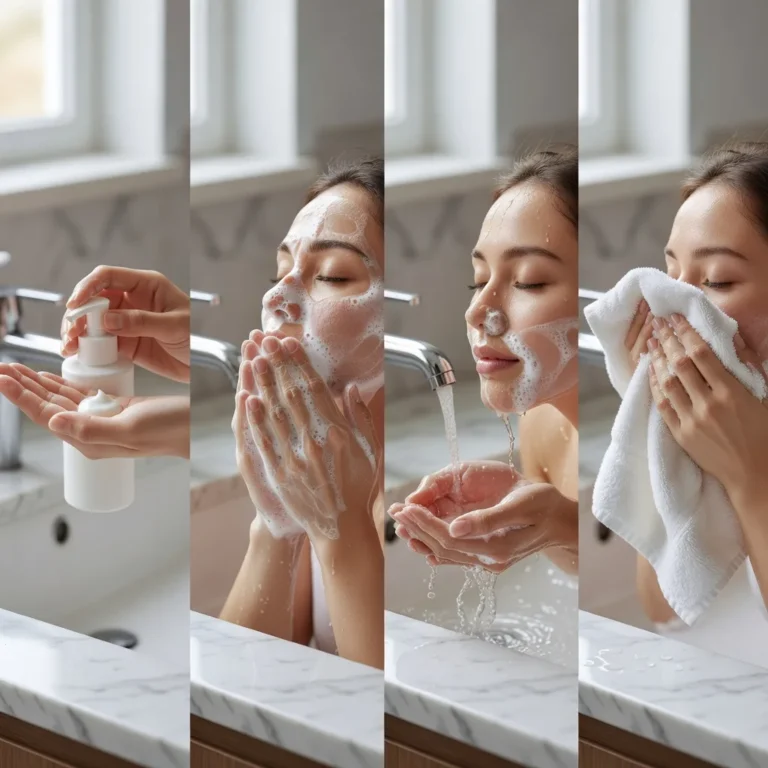
Cleanse
Skin is cleansed to remove makeup and surface oil before the honey is applied.Apply
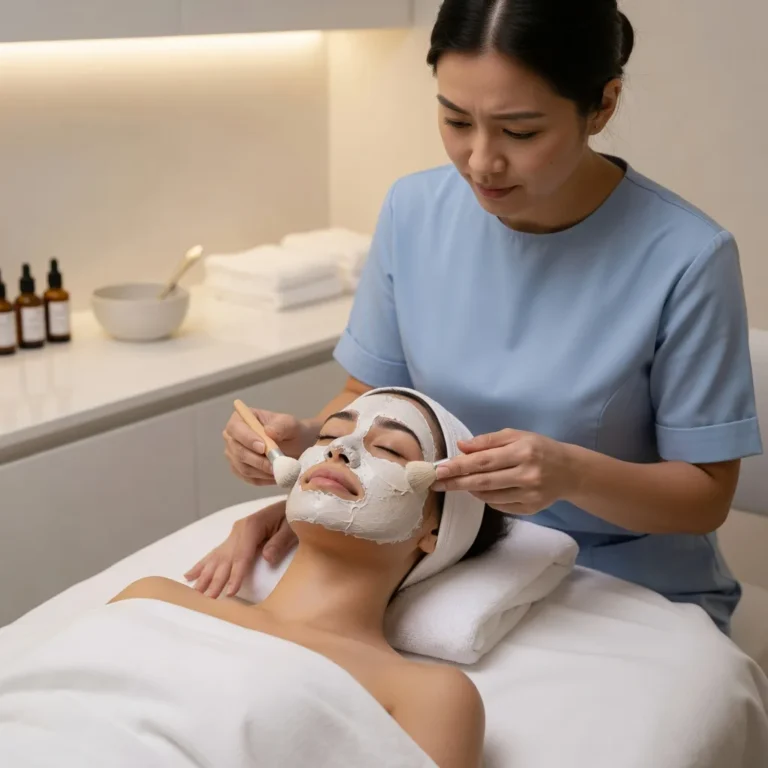
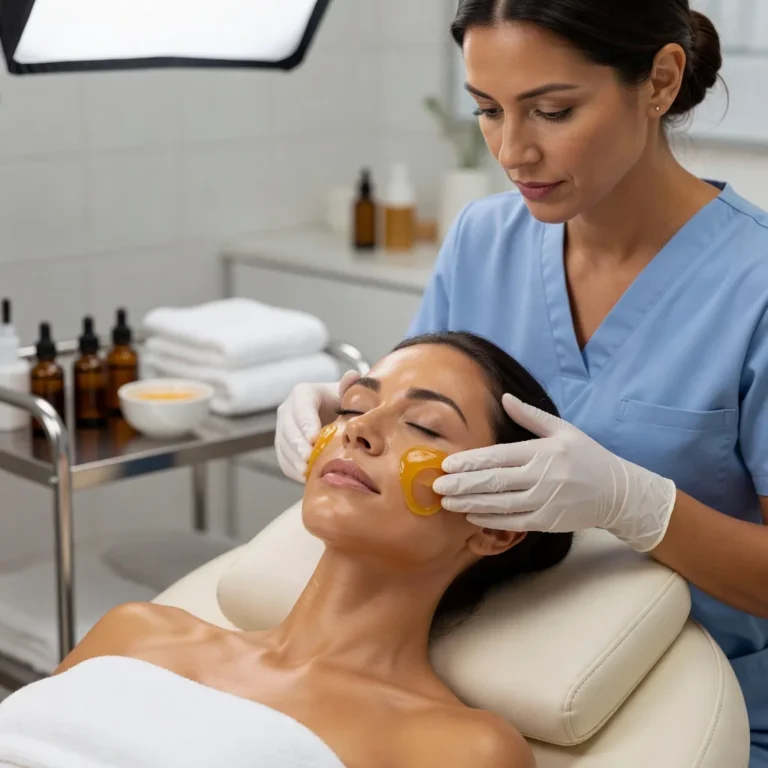
A thin, even layer of honey, sometimes raw or Manuka-specific, is spread across the face.Rest
The honey is left on for roughly 10 to 20 minutes to allow its humectant and mild antibacterial properties time to act.Rinse and moisturize
Warm water removes the honey, followed by a standard moisturizer to lock in hydration.
Mask, Cleanser, or Spot Treatment: Does the Format Matter
Honey shows up in several different product formats, and the evidence discussed above applies unevenly across them. A rinse-off mask, left on for 10 to 20 minutes, gives honey’s enzymes and low pH the longest uninterrupted contact time with skin, which is the closest a cosmetic product gets to the conditions in wound-care research, even though it’s still a different application entirely. A honey-based cleanser, by contrast, is rinsed away within seconds to a minute, meaningfully limiting how much contact time the antibacterial mechanisms actually get before being washed off. Spot treatments, where a small amount of raw honey is dabbed directly on a blemish and left overnight, extend contact time the furthest of any format, though this specific use also lacks dedicated clinical trial evidence. None of these formats has been directly compared against the others in a controlled study, so the honest position is that longer contact time is mechanistically more favorable, not that any one format has been proven superior.
Who Tends to Benefit Most
People without bee or pollen allergies who want a genuinely gentle, humectant-rich mask with real, if modest, antibacterial properties are a reasonable fit. It’s best approached as a pleasant hydrating treatment with a real biochemical basis, not as a substitute for evidence-backed acne or anti-aging treatments with stronger human trial data behind them.
Do
- Patch test if you have any history of bee-sting or pollen allergy
- Choose raw or minimally processed honey if you want the most intact enzymatic activity
- Treat a Manuka UMF/MGO rating as a potency indicator, not a cosmetic-result guarantee
Don’t
- Expect a single honey facial to replicate the wound-healing results from Cochrane-reviewed clinical trials
- Assume “honey clears acne” is backed by a dedicated clinical trial — it isn’t yet
- Apply honey to broken or actively infected skin without checking with a professional first
Who Should Modify or Skip It
Anyone with a diagnosed bee-sting allergy, a significant pollen allergy history, or a known sensitivity to propolis or other bee products should skip a honey facial entirely or get clear guidance from an allergist first, since the allergy risk here is genuine rather than theoretical. People with active acne cysts, open wounds, or broken facial skin should also hold off — not because honey is unsafe for wounds in a clinical setting, but because an unsterile cosmetic honey product applied outside a controlled medical context isn’t the same as the sterile, medical-grade honey dressings used in the Cochrane-reviewed trials. Diabetics managing blood sugar closely don’t need to avoid a honey facial for glucose-related reasons, since topical application doesn’t meaningfully affect blood sugar the way ingestion would, but it’s a reasonable question to raise with a provider if any broader skin-healing concerns are involved.
When to See a Dermatologist Instead
A honey facial is a cosmetic maintenance treatment, not a substitute for medical evaluation. See a board-certified dermatologist if you have a skin condition that hasn’t responded to standard care, a wound that isn’t healing normally, or any reaction after honey application that includes swelling, hives, or difficulty breathing, which would warrant urgent medical attention rather than a dermatology appointment.
A One-Minute Check Before Applying Honey
Before your first honey facial, ask: do you have a known bee-sting or significant pollen allergy? Have you patch-tested this specific honey product on your inner arm in the last 24 hours? Is your skin free of open cuts, active infection, or significant irritation? A “no” to the patch test, or a “yes” to a known allergy without testing first, is worth addressing before a full facial application.
Where the Evidence Runs Out
Be precise about what’s actually established: honey’s antimicrobial chemistry is real, and the Cochrane wound-healing evidence is genuinely strong for specific wound types like burns. What isn’t established is any of that translating into measurable brightening, anti-aging, or acne-clearing benefit from a single cosmetic facial on healthy, intact skin — that gap between wound-care evidence and cosmetic marketing claims is the most important thing to understand before booking.
Frequently Asked Questions
Does honey actually have antibacterial properties?
Yes — hydrogen peroxide generation, high sugar osmolarity, and low pH all contribute to real, documented antimicrobial activity.
Does a honey facial heal skin the way honey heals wounds?
Not necessarily — the strongest evidence is for honey on open wounds and burns, a different situation from intact facial skin.
What does a Manuka honey’s UMF or MGO rating actually mean?
It measures lab-tested antibacterial potency, not a guaranteed cosmetic result from a facial.
Can honey trigger an allergic reaction on skin?
Yes — people with bee-sting or pollen allergies can experience genuine topical contact reactions.
Is it true babies shouldn’t have honey?
Yes, but that warning is specifically about ingestion and infant botulism risk — it doesn’t apply to topical skin use at any age.
Does honey clear acne?
Its antibacterial action could plausibly help, but no dedicated clinical trial has tested a honey facial specifically for acne.
Does honey brighten skin tone?
Some in-vitro research suggests a plausible mechanism, but there’s no human trial confirming visible brightening from a facial.
Should I use raw honey or processed honey for a facial?
Raw or minimally processed honey retains more of its natural enzymatic activity, though both types carry the same basic allergy considerations.
How long should I leave honey on my face?
Roughly 10 to 20 minutes is standard, giving the humectant and antibacterial properties time to act without over-drying skin.
Is a honey facial worth trying?
It’s a genuinely gentle, evidence-backed humectant with real antibacterial chemistry — reasonable as a hydrating treatment, just not a proven substitute for clinically-tested acne or anti-aging treatments.

Written by
Registered pharmacist and founder of Facial Adviser. Rakib's pharmacy training covers how skincare actives work and interact; a later course in cosmetology turned that into a focus on facial treatments and skincare products. He plans, researches and edits every guide on the site and checks health claims against sources such as the American Academy of Dermatology, the FDA and the NIH. He is not a dermatologist; see the Editorial Policy and Medical Disclaimer.
About · Editorial policy · How we choose products · Medical disclaimer · Contact
Keep reading: DIY and ingredient facials
- Fruit Facial at Home: Does It Actually Work?
- Charcoal Facial: What the Evidence Actually Shows
- Green Tea Facial: Benefits and Side Effects
- Silver Facial: What the Real Evidence Shows
- What Are Home Remedies to Minimize Large Pores?
- How Much Does Paraffin Wax Treatment Cost?
- Facial Types: A Guide to 11 Popular Facials and How to Choose One
- Microneedling Facial: Real Results, Explained