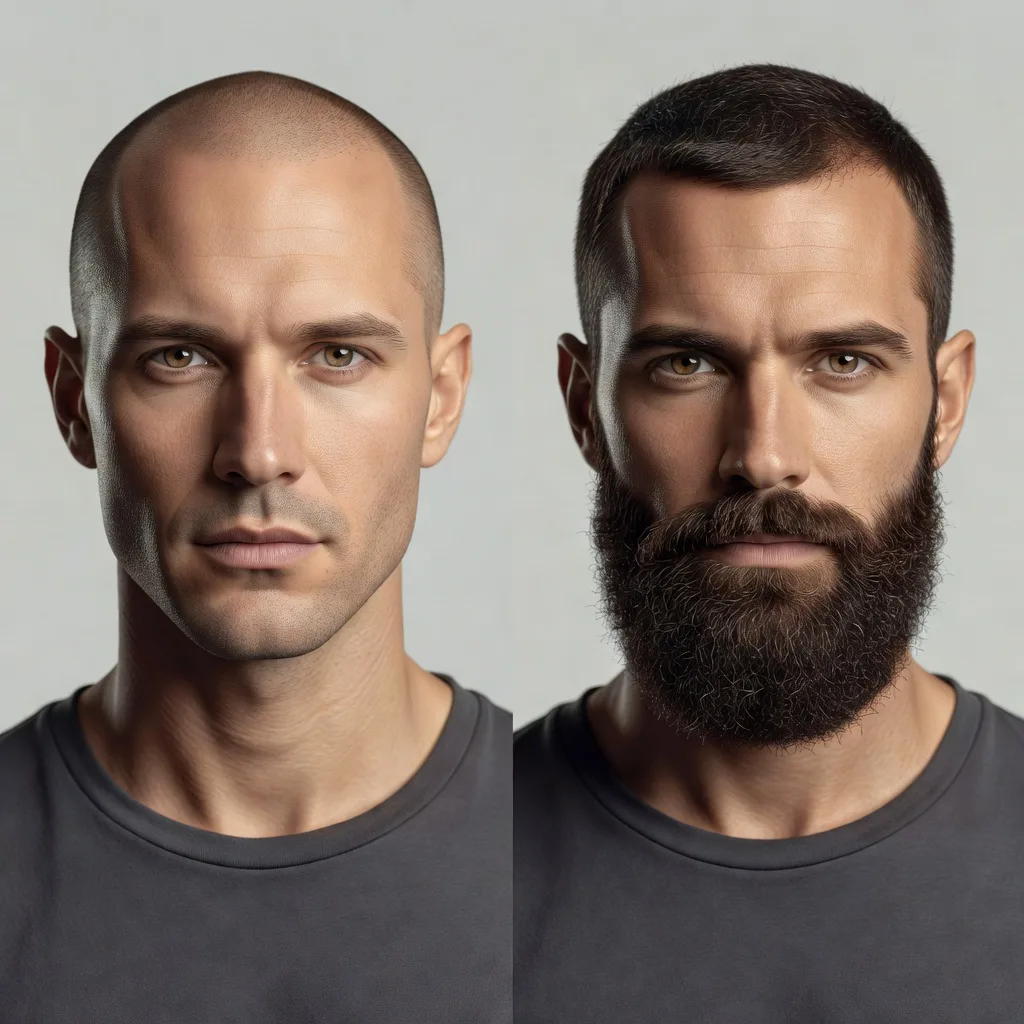
Beard vs Clean-Shaven: What Facial Hair Does for Your Skin and Look
Beard or no beard is usually framed as a style choice, and it is. But it is also a skin decision. Facial hair changes how much sun reaches your face, how often you deal with razor bumps, how your skin handles oil and flakes, and how much time you spend on grooming every week.
Part of our guide to at-home facial devices. Start with: 10 Best Products for Women's Facial Hair Removal (2026): Gentle Picks
Neither option is healthier for everyone. A beard can reduce sun exposure and end shaving irritation, while a clean shave makes it easier to manage acne, apply treatments, and keep the skin underneath clear. Which one wins depends largely on your skin type, your hair type, and how much upkeep you are willing to do.
For some men, the decision is almost made for them. Pseudofolliculitis barbae, the painful razor bumps caused by curly hairs growing back into the skin, affects an estimated 45 to 85 percent of men of African descent who shave regularly. For many of them, growing some facial hair is the simplest and most effective treatment.
Research also cuts through a few popular myths. Beards are not automatically dirty, and one hospital study found clean-shaven staff were more likely to carry certain bacteria on their faces than bearded colleagues. At the same time, a beard does not replace sunscreen, since protection varies widely with length and density.
This guide compares facial hair and a clean shave from a skin perspective, gives you a simple two-week test to see what suits you, covers how to care for skin under a beard, and explains when bumps, flakes, or patchy growth need a doctor.
Shopping these picks?
Amazon Prime members get fast, free shipping on eligible items, plus Prime Video, Amazon Music and member deals. New members can start with a free trial.
Start a free Prime trialAged 18 to 24? Prime for Young Adults comes with a longer free trial and a lower price after it.
Affiliate link: we may earn a commission at no extra cost to you.
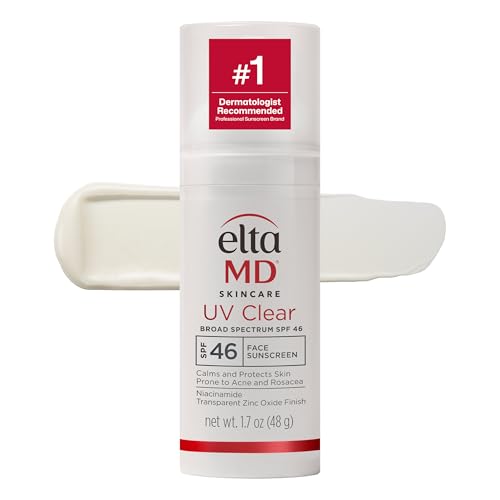
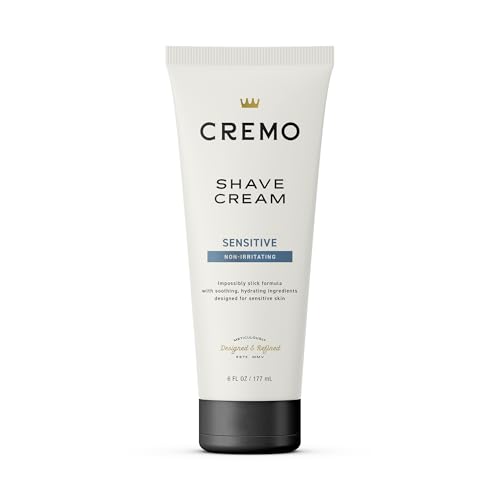
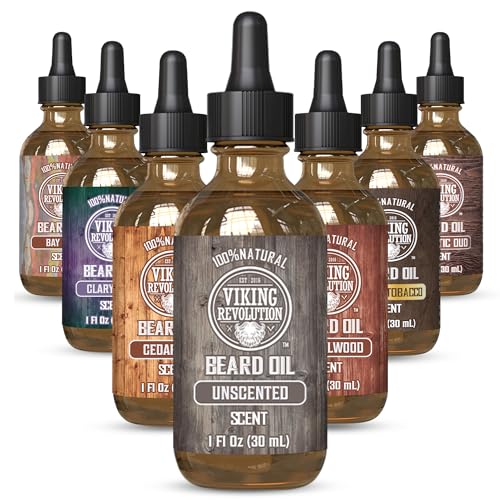
Recommended Grooming Products for Beards and Clean Shaves



In This Guide
- The Case for Facial Hair
- The Case for a Clean Shave
- Facial Hair vs No Facial Hair at a Glance
- The Two-Week Beard Trial
- Does a Beard Protect Against the Sun?
- Razor Bumps and Ingrown Hairs
- Are Beards Unhygienic?
- Caring for Skin Under a Beard
- What Research Says About Looks
- What a Beard Cannot Fix
- When to See a Doctor
- Your Questions, Answered
- Final Word
In Brief
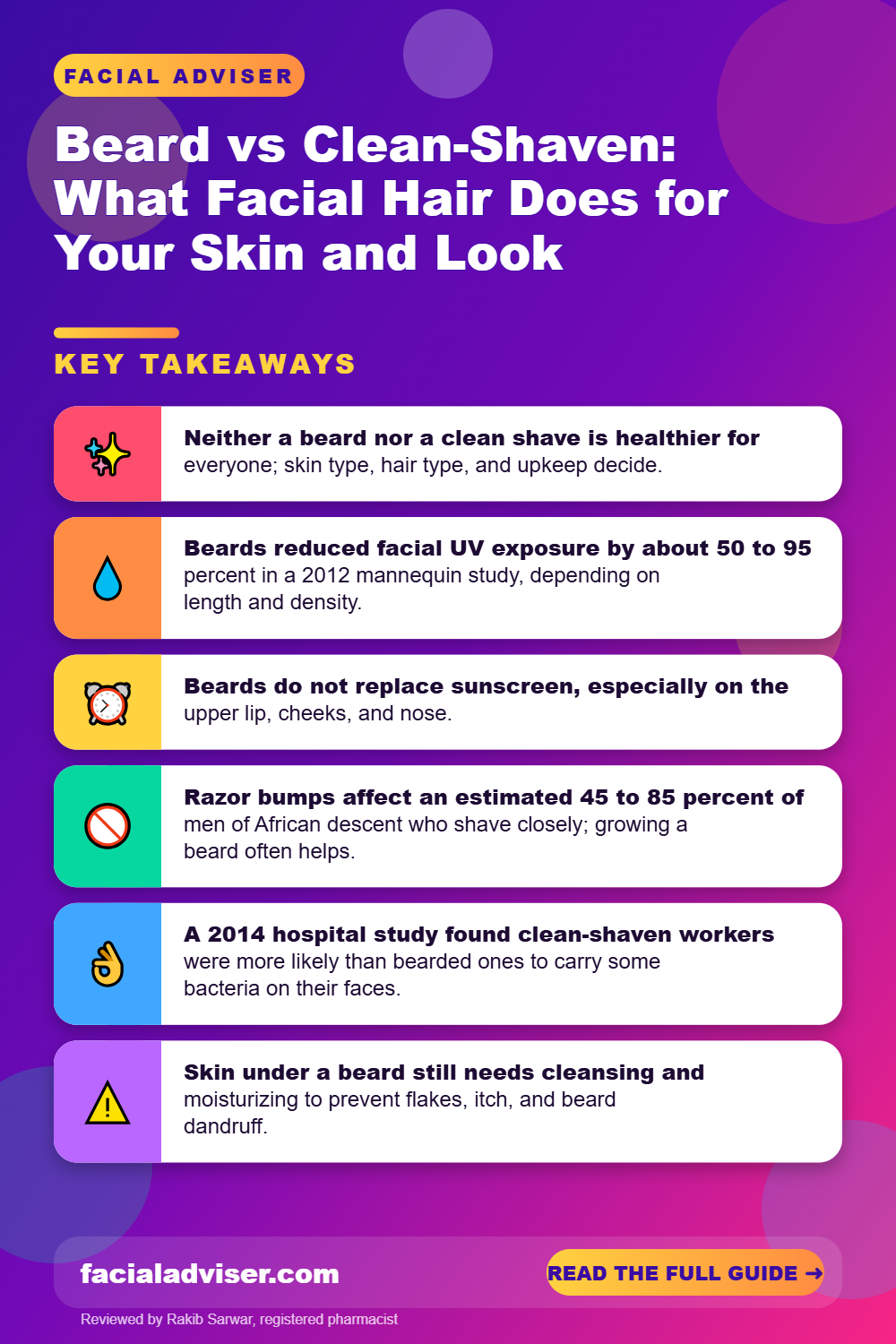
- Neither a beard nor a clean shave is healthier for everyone; skin type, hair type, and upkeep decide.
- Beards reduced facial UV exposure by about 50 to 95 percent in a 2012 mannequin study, depending on length and density.
- Beards do not replace sunscreen, especially on the upper lip, cheeks, and nose.
- Razor bumps affect an estimated 45 to 85 percent of men of African descent who shave closely; growing a beard often helps.
- A 2014 hospital study found clean-shaven workers were more likely than bearded ones to carry some bacteria on their faces.
- Skin under a beard still needs cleansing and moisturizing to prevent flakes, itch, and beard dandruff.
- Painful bumps, patchy hair loss, or persistent flaking may need a dermatologist.
The Case for Facial Hair
For many men, the biggest skin benefit of a beard is simply not shaving. Every close shave removes a thin layer of skin along with the hair, and repeated shaving can cause redness, nicks, dryness, and ingrown hairs. Letting facial hair grow removes that daily source of irritation.
Facial hair also offers some physical protection. It can reduce sun exposure on the areas it covers, act as a partial barrier against wind and cold, and help hide scars or uneven skin tone if that matters to you.
There are practical benefits too. Many men find a trimmed beard takes less daily time than shaving, and it can change the look of the face without any procedure, making a round face look more defined or balancing a strong nose.
The Case for a Clean Shave
A clean-shaven face is easier to treat. Acne medications, retinoids, sunscreen, and moisturizers go directly onto the skin rather than being caught in hair. If you have acne, rosacea, or seborrheic dermatitis on the lower face, a clean shave can make treatment simpler and more effective.
Shaving also makes it easy to spot changes in the skin, such as new moles, rough patches, or sun damage, which can be hidden under a beard.
Some jobs require a clean shave, particularly where tight-fitting respirator masks must seal against the skin. Facial hair under the seal can make those masks less effective, which is why many healthcare and industrial workplaces have shaving policies for certain roles.
Facial Hair vs No Facial Hair at a Glance
| Factor | Beard or stubble | Clean-shaven |
|---|---|---|
| Sun protection | Partial, varies by density | None from hair |
| Razor bumps | Much less likely | More likely, especially with curly hair |
| Treating acne or rashes | Harder to reach skin | Easier to apply treatments |
| Daily time | Less shaving, some trimming and oil | Frequent shaving |
| Beard dandruff and itch | Possible without care | Not an issue |
| Respirator mask fit | Can prevent a proper seal | Proper seal possible |
| Spotting skin changes | Harder under hair | Easy |
Stubble and short beards sit in between. They avoid a close shave but keep the skin more accessible, which is why many dermatologists suggest a short trimmed beard for men with frequent razor bumps.
The Two-Week Beard Trial
If you are unsure, the best test is to try it. Two weeks is long enough to get past the itchiest stage and see how your skin responds.
Photograph your skin on day one
Take clear photos of your cheeks, jaw, and neck in daylight after shaving, so you can compare razor bumps, redness, and dryness later.
Stop shaving and trim only the neckline
Let the beard grow on your cheeks and jaw. Keep the neck below the jaw tidy with a trimmer, not a close shave.
Cleanse and moisturize the skin daily
Wash with a gentle cleanser, rinse well, and use a light moisturizer or beard oil to reduce itch as hairs grow.
Track how your skin feels
At day seven and day fourteen, note itching, bumps, flakes, and redness. Compare them with your day-one photos.
Decide with evidence
If razor bumps and irritation have clearly improved and itching has settled, facial hair may suit your skin. If you have new flakes, acne, or rash, a clean shave or a very short trim may be better.
The first week is often the itchiest as blunt hair tips curl against the skin. Beard oil and gentle cleansing usually help it settle by the second week.
Does a Beard Protect Against the Sun?
Partly. A 2012 study by Parisi and colleagues at the University of Southern Queensland, published in Radiation Protection Dosimetry, measured UV exposure on mannequin heads with and without facial hair over a year. Beards provided an ultraviolet protection factor of about 2 to 21, reducing UV exposure by roughly 50 to 95 percent in the covered areas.
The protection depended on beard length, density, the angle of the sun, and the part of the face. Longer, denser beards protected more, while short stubble offered little. The upper lip and other thin areas still received significant exposure.
A beard is not sunscreen. Apply a broad-spectrum SPF 30 or higher to exposed skin every day, including the cheeks, nose, forehead, ears, and any thin patches in your beard.
Razor Bumps and Ingrown Hairs
Pseudofolliculitis barbae happens when a shaved hair curls back and grows into the skin, causing red or dark bumps, itching, and sometimes pustules or scarring. It is most common in men with tightly curled hair, and a 2013 review in American Family Physician cited rates of 45 to 85 percent among men of African descent.
The review noted that stopping hair removal is the only way to fully resolve the condition, which is why growing a beard is often the most effective option. If that is not possible, it recommends not shaving too closely, leaving hair at about 0.5 to 3 mm, using clippers or a single-blade razor, and shaving with the grain.
If you want long-term reduction instead of a beard, laser hair removal is an option for some men. Our guide to laser vs electrolysis for facial hair compares the two methods.
Are Beards Unhygienic?
Headlines about beards being dirtier than dog fur get a lot of attention, but the research is more nuanced. A 2014 study by Wakeman and colleagues in the Journal of Hospital Infection swabbed the faces of hospital staff and found that clean-shaven workers were actually more likely to carry some bacteria, including Staphylococcus aureus, than bearded workers.
One theory is that shaving causes tiny cuts and abrasions that give bacteria a place to settle. Either way, the study does not suggest beards are dirty. What matters most is how well you keep your face and beard clean.
Clean the beard, not just the skin. Food, oil, and dead skin can collect in facial hair. Wash your beard daily or every other day with a gentle cleanser and rinse thoroughly.
Caring for Skin Under a Beard
The skin under a beard still needs care. Without it, many men develop beard dandruff, which is often seborrheic dermatitis, a common condition linked to oil and yeast on the skin.
Try This
- Wash your beard and skin with a gentle cleanser.
- Rinse thoroughly so no product is left in the hair.
- Use a light, fragrance-free moisturizer or beard oil on the skin.
- Brush or comb daily to lift flakes and trapped debris.
- Trim regularly to keep hair healthy and even.
Avoid This
- Scrub hard or use harsh soaps on the beard.
- Leave heavy oils sitting on acne-prone skin.
- Ignore flakes that keep coming back.
- Pick at ingrown hairs with tweezers.
- Share trimmers or razors.
If you are choosing a moisturizer for the skin under your beard, our guide to facial moisturizer vs body lotion explains what to look for.
What Research Says About Looks
Attractiveness studies have produced mixed findings, and results often depend on culture, trends, and individual preference. Some research has found that heavy stubble is often rated highly for attractiveness, while full beards are more often associated with maturity, dominance, and older age.
The practical takeaway is that facial hair changes how you are perceived, but not in a single predictable way. Your face shape, hair density, and how well the beard is kept usually matter more than whether you have one.
What a Beard Cannot Fix
Growing a beard will not cure acne, stop your skin from aging, or treat underlying skin conditions. It can hide some issues, but it can also make others harder to see and treat.
| Claim | Reality |
|---|---|
| A beard replaces sunscreen | Protection is partial and uneven |
| Beards are dirtier than shaved faces | Research does not support this when beards are kept clean |
| Shaving makes beards grow thicker | Shaving does not change hair thickness or growth |
| Beard oil makes hair grow faster | Oil softens hair and skin but does not speed growth |
| A beard stops acne | It can hide breakouts but does not treat them |
If you are curious about the shaving side, our guide to waxing vs shaving facial hair explains why shaving does not make hair grow back thicker.
When to See a Doctor
See a dermatologist or doctor if you notice:
- Painful bumps, pustules, or dark spots that keep returning after shaving.
- Raised, firm scars or keloids along the jaw or neck.
- Round patches where beard hair suddenly falls out, which may be alopecia areata.
- Persistent flaking, redness, or itching under the beard despite washing.
- Painful, swollen, or pus-filled areas that may be infected.
- A sore, rough patch, or mole under the beard that changes or does not heal.
Medical disclaimer: This article is for general information and is not a substitute for professional medical advice. See a healthcare provider about persistent skin problems or changes in facial hair.
Your Questions, Answered
Is it healthier to have a beard or be clean-shaven?
Neither is healthier for everyone. Beards can reduce shaving irritation and some sun exposure, while shaving makes treating skin conditions easier.
Do beards protect against sun damage?
Partly. A 2012 mannequin study found reductions of about 50 to 95 percent in covered areas, but sunscreen is still needed.
Are beards full of bacteria?
Not when kept clean. A 2014 hospital study found clean-shaven workers were more likely to carry some bacteria than bearded ones.
Does growing a beard help razor bumps?
Yes. Stopping close shaving is the most effective way to resolve razor bumps for most men.
Why does my face itch when growing a beard?
New hair tips can curl against the skin. Gentle cleansing and beard oil usually help, and itching often settles within two weeks.
What causes beard dandruff?
Often seborrheic dermatitis. Regular washing helps, and anti-dandruff cleansers or a dermatologist visit may be needed.
Can I get acne under a beard?
Yes. Oil and product buildup can trigger breakouts. Keep the skin clean and avoid heavy oils if you are acne-prone.
Do I need sunscreen with a beard?
Yes, on all exposed skin and on thin areas of the beard.
Does shaving make facial hair thicker?
No. Studies have shown shaving does not change hair thickness or growth rate.
When should I see a doctor about my beard?
If you have recurring painful bumps, scarring, patchy hair loss, or flaking and redness that does not improve.
Final Word
Facial hair and a clean shave each have real skin trade-offs. A beard can end shaving irritation and razor bumps and provide some sun protection, while a clean shave makes it easier to treat acne and rashes and to spot skin changes. Neither is automatically healthier or more hygienic.
If you are unsure, try the two-week beard trial and let your skin decide. Whatever you choose, keep the skin clean and moisturized, wear sunscreen on exposed areas, and see a dermatologist for bumps, flakes, or hair loss that will not settle.

Written by
Registered pharmacist and founder of Facial Adviser. Rakib's pharmacy training covers how skincare actives work and interact; a later course in cosmetology turned that into a focus on facial treatments and skincare products. He plans, researches and edits every guide on the site and checks health claims against sources such as the American Academy of Dermatology, the FDA and the NIH. He is not a dermatologist; see the Editorial Policy and Medical Disclaimer.
About · Editorial policy · How we choose products · Medical disclaimer · Contact
Keep reading: Facial hair removal
- 10 Best Products for Women's Facial Hair Removal (2026): Gentle Picks
- Laser vs Electrolysis for Facial Hair: Which Works for Your Hair and Skin
- Epilator vs Waxing for Facial Hair: Pain, Results, and Skin Safety
- Facial Razor vs Normal Razor: Can You Use a Regular Razor on Your Face?
- 10 Best IPL Hair Removal Systems (2026): Smoother Skin at Home
- 10 Best IPL Hair Removal Devices for Sensitive Skin (2026): Gentle Picks
- 10 Best Gua Sha Facial Tools (2026): Stone and Steel Picks Compared
- 10 Best Facial Tools (2026): LED, Cleansing, Gua Sha and More