Trimming vs Shaving Facial Hair: Which Is Better for Your Skin?
Whether you keep a short beard, like a clean-shaven look or switch between the two, the way you remove or shorten facial hair affects your skin as much as your appearance. Trimming and shaving both have loyal fans, and each comes with trade-offs in smoothness, time, irritation and ingrown hairs.
Part of our guide to at-home facial devices. Start with: 10 Best Products for Women's Facial Hair Removal (2026): Gentle Picks
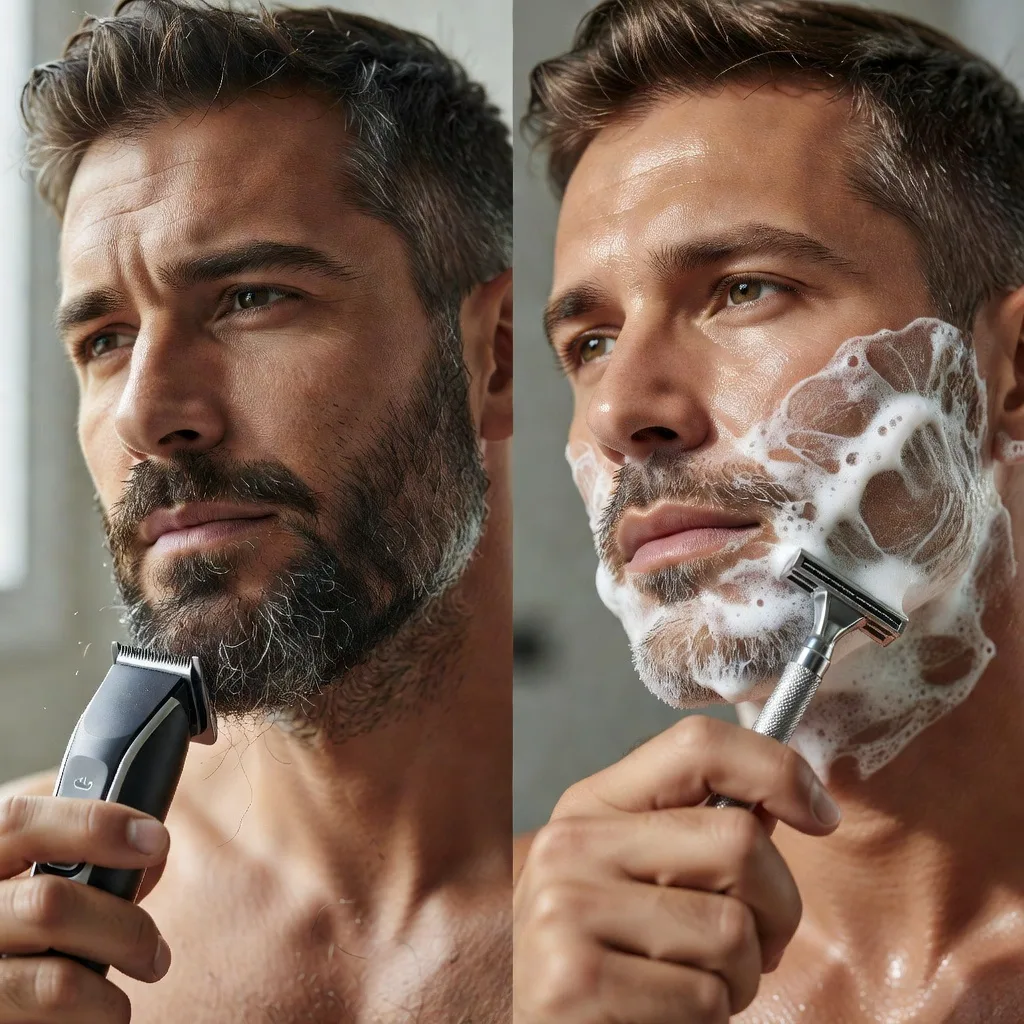
Trimming cuts facial hair to a set length above the skin with clippers or an electric trimmer, so it rarely irritates the skin and is the better choice if you get razor bumps, ingrown hairs or razor burn. Shaving cuts hair at or just below the skin surface with a blade or foil shaver, giving the smoothest finish but a higher risk of irritation, nicks and ingrown hairs, especially with curly hair. Many people get the best of both by trimming most days and shaving occasionally, or by using an electric shaver or a trimmer with a very short guard.
Neither method changes how thick or fast your hair grows, and both can be done safely at home with the right technique and clean tools. The right choice depends on the look you want, your hair type and how your skin reacts.
The American Academy of Dermatology advises softening hair with water before shaving, using a shaving cream or gel, shaving in the direction the hair grows and replacing blades regularly. Those steps make a big difference for anyone who prefers a close shave.
This guide compares trimming and shaving, explains which suits different skin and hair types, how to reduce irritation with each and when razor bumps need a dermatologist.
Shopping these picks?
Amazon Prime members get fast, free shipping on eligible items, plus Prime Video, Amazon Music and member deals. New members can start with a free trial.
Start a free Prime trialAged 18 to 24? Prime for Young Adults comes with a longer free trial and a lower price after it.
Affiliate link: we may earn a commission at no extra cost to you.
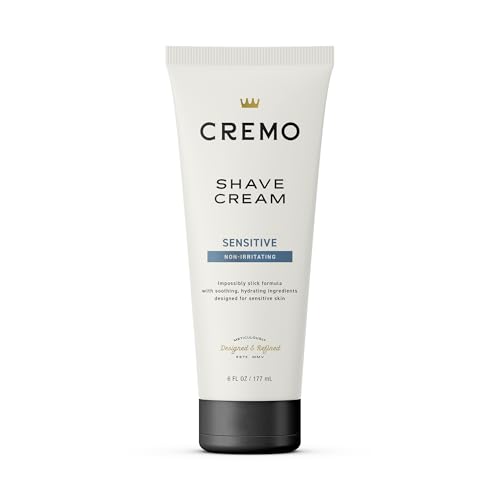
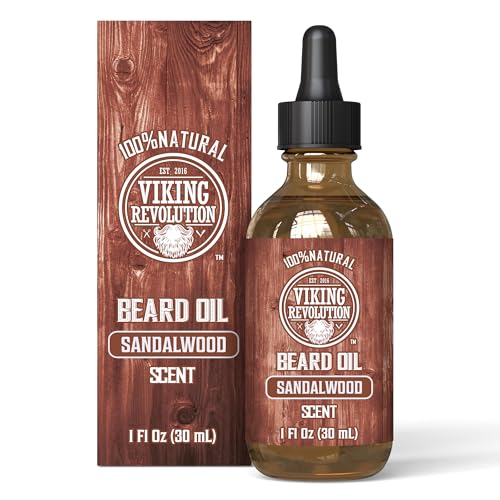
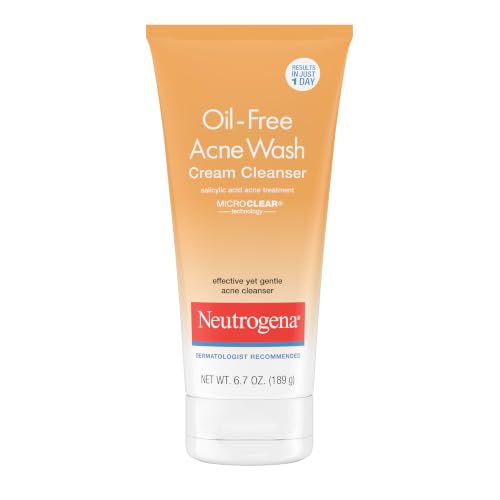
Recommended Products for Trimming and Shaving


In This Guide
- Trimming vs Shaving at a Glance
- Trimming: Pros and Cons
- Shaving: Pros and Cons
- Razor Bumps and Ingrown Hairs
- How to Trim or Shave Facial Hair With Less Irritation
- Which Is Better for Your Skin Type?
- Does Shaving Make Hair Grow Back Thicker?
- Aftercare for Both Methods
- Choosing the Right Tool
- Dos and Don’ts
- Honest Limits
- When to See a Dermatologist
- Common Questions
- The Takeaway
What to Know First
- Trimming leaves some length and rarely irritates skin.
- Shaving gives a smoother finish but more irritation risk.
- Curly hair is more prone to razor bumps after shaving.
- Neither method makes hair grow back thicker.
- Shave with the grain on softened, lubricated skin.
- Replace blades regularly and keep tools clean.
- See a dermatologist for persistent razor bumps.
Trimming vs Shaving at a Glance
Here is how the two methods compare on the points that matter most for skin and appearance.
| Feature | Trimming | Shaving |
|---|---|---|
| How it works | Cuts hair above the skin to a set length | Cuts hair at or just below the surface |
| Finish | Stubble or short beard | Smooth, clean-shaven |
| Irritation risk | Low | Moderate to high, depending on technique |
| Ingrown hairs and razor bumps | Rare | More common, especially with curly hair |
| Nicks and cuts | Very rare | Possible with blades |
| How often | Every few days to weekly | Daily or every few days |
| Best for | Sensitive skin, beards, stubble | Clean-shaven look, formal occasions |
If you like the look of stubble or a short beard, trimming is almost always gentler. If you need a smooth finish, shaving is the only way to get it, but technique matters a lot. Our guide on beard versus clean-shaven looks at the style and skin trade-offs in more detail.
Trimming: Pros and Cons
Trimmers and clippers cut hair using two blades that move against each other, with guards that set the length. Because the blades do not touch the skin directly, they rarely cause irritation.
- Pro: very low risk of razor bumps, ingrown hairs and nicks.
- Pro: quick, and easy to do without water.
- Pro: good for shaping beards and keeping stubble even.
- Con: does not give a truly smooth finish.
- Con: short stubble can still feel scratchy to others.
Trimming with no guard or the shortest guard gives a close stubble that looks almost clean-shaven from a distance but still leaves hair above the skin. For many people with sensitive skin or curly hair, this is the best compromise. Trimming also makes it easy to experiment with different lengths, from light stubble to a fuller beard, without committing to daily shaving. When trimming, work against the grain for a more even length on a short beard, and with the grain around the neckline for a softer edge.
Shaving: Pros and Cons
Shaving uses a blade or electric foil or rotary shaver to cut hair at or near the skin surface. Blade razors cut closest, while electric shavers are slightly less close but gentler for many people. Electric shavers also work best on dry skin, which some people find more convenient.
- Pro: smoothest finish and a clean look.
- Pro: removes all visible hair, including patchy areas.
- Con: higher risk of razor burn, nicks and ingrown hairs.
- Con: stubble returns within a day or two.
- Con: requires more time, water and products.
Multi-blade razors can cut hair slightly below the skin surface, which gives a very close shave but can increase the risk of hairs curling back into the skin. People prone to ingrown hairs often do better with a single-blade razor, an electric shaver or a trimmer. Our guide on facial razors versus normal razors explains how razor design affects the skin.
Razor Bumps and Ingrown Hairs
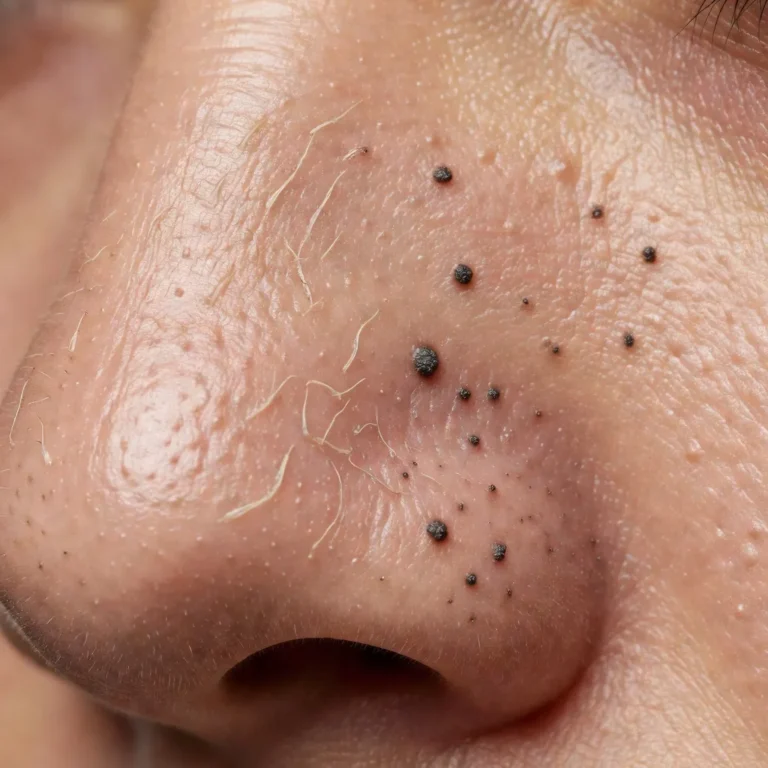
Razor bumps, known medically as pseudofolliculitis barbae, happen when shaved hairs curl back and grow into the skin, causing red or dark bumps that can be itchy or painful. They are especially common in people with tightly curled hair. They most often appear on the neck and jawline, where hair tends to grow at sharper angles.
Trimming, which leaves hair above the surface, is one of the simplest ways to prevent razor bumps. If you prefer to shave, shaving with the grain, using a sharp blade, avoiding stretching the skin and not going over the same area repeatedly all help.
Do not dig out ingrown hairs with tweezers or needles. It can cause infection, dark marks and scarring. Gentle exfoliation and letting hair grow out usually help them release.
Salicylic acid or glycolic acid products can help prevent ingrown hairs by keeping the skin surface smooth. Use them on non-shaving days or in the evening, not straight after a shave, when skin is more sensitive. If bumps are frequent, painful or leave dark marks, a dermatologist can recommend treatments, including prescription creams or laser hair removal.
How to Trim or Shave Facial Hair With Less Irritation
Start clean
Wash your face with lukewarm water and a gentle cleanser.
Choose your method
Trim for stubble or a beard; shave for a smooth finish.
Soften the hair
For shaving, wet the skin for a few minutes or shave after a shower.
Use lubrication
Apply a shaving cream or gel for blade shaving.
Go with the grain
Trim or shave in the direction hair grows, using light pressure.
Rinse and soothe
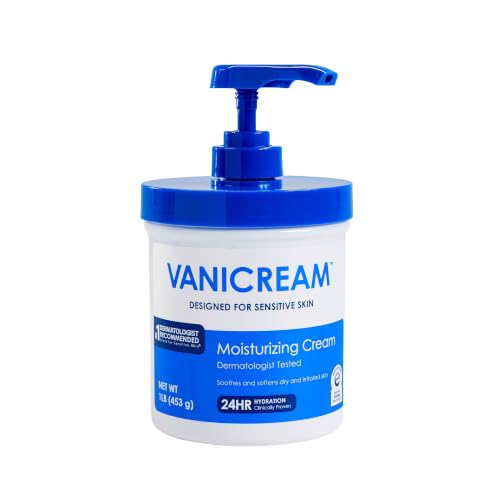
Rinse with cool water and apply a fragrance-free balm or moisturiser.
Clean your tools
Rinse blades, let them dry and replace them regularly.
Map your hair growth before shaving. Let stubble grow for a day, then run your fingers over it to feel which direction each area grows. Hair on the neck often grows in different directions from the cheeks.
The American Academy of Dermatology explains how to shave with less irritation, including wetting the skin first, shaving in the direction of hair growth, rinsing after each stroke and replacing blades after five to seven uses.
Which Is Better for Your Skin Type?
Your skin and hair type are often the deciding factor.
- Sensitive skin: trimming or an electric shaver is usually gentler.
- Acne-prone skin: trim or use an electric shaver, and avoid shaving over inflamed spots.
- Curly or coarse hair: trimming reduces razor bumps and ingrown hairs.
- Dry skin: moisturise after either method; avoid alcohol-based aftershaves.
- Oily skin: either method is fine; cleanse before shaving to reduce clogged pores.
If you have acne, shaving over active spots can nick them and spread bacteria, and can leave marks that last longer than the original spots. Trimming or using an electric shaver lightly around breakouts is usually kinder to the skin.
Beards need care too. Wash your beard and the skin underneath, and use a light beard oil or moisturiser to prevent dryness and itching as hair grows.
Does Shaving Make Hair Grow Back Thicker?
No. Shaving cuts hair at the surface and does not change the hair follicle, so it cannot change how thick, dark or fast hair grows. Shaved hair can feel coarser as it grows back because it has a blunt tip rather than a tapered one, but this is temporary.
The same is true for trimming. Neither method affects future growth. Changes in facial hair over time are usually due to age, hormones or genetics, not to how you remove or shorten it. Our guide on waxing versus shaving facial hair compares other hair removal methods.
Aftercare for Both Methods
Good aftercare reduces redness, itching and dryness whether you trim or shave.
- Rinse with cool or lukewarm water to remove hair and product.
- Apply a fragrance-free, alcohol-free balm or moisturiser.
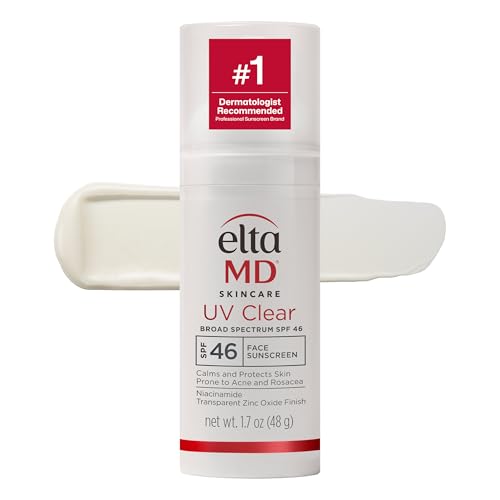
- Use sunscreen on freshly shaved skin, which can be more sensitive.
- Avoid scrubs and strong acids straight after shaving.
- Keep trimmer blades clean and oiled as recommended.
If you get razor burn, give your skin a break by trimming for a few days instead of shaving. Cool compresses can ease stinging, and a thin layer of a bland ointment helps on very sore patches. Avoid products with menthol, alcohol or strong fragrance until the skin has settled. A plain, bland moisturiser helps the skin recover.
Choosing the Right Tool
The tool you use changes how close the cut is and how much your skin reacts.
| Tool | Closeness | Irritation risk | Best for |
|---|---|---|---|
| Beard trimmer with guard | Leaves set length | Very low | Beards, stubble, sensitive skin |
| Trimmer without guard | Very short stubble | Low | Near-shaven look without bumps |
| Electric foil shaver | Close | Low to moderate | Daily shaving on sensitive skin |
| Rotary electric shaver | Fairly close | Low to moderate | Contours of jaw and neck |
| Single-blade or safety razor | Very close | Moderate | People prone to ingrown hairs who want a smooth shave |
| Multi-blade cartridge razor | Closest | Moderate to high | Smooth finish on straight hair |
Many people find that an electric shaver or a trimmer used without a guard is a good middle ground: close enough to look neat, but gentle enough to avoid most bumps. If you use a blade, keep it sharp, since a dull blade drags and needs more passes.
Keep tools clean and dry between uses. Shaking out trimmer hair, rinsing razors well and storing them outside the shower reduces bacteria and helps blades last longer.
Dos and Don’ts
Good Habits
- Trim if you get razor bumps
- Soften hair before shaving
- Shave with the grain
- Replace blades regularly
- Moisturise afterwards
Common Mistakes
- Shave dry skin with a blade
- Press hard or stretch the skin
- Go over the same area many times
- Dig out ingrown hairs
- Use alcohol-heavy aftershaves on irritated skin
Honest Limits
There is no single best method for everyone. Some people shave daily with no problems, while others get bumps no matter how carefully they shave. Hair type and genetics play a large role, and your skin may react differently in winter, when it is drier, than in summer.
If shaving always causes bumps or dark marks despite good technique, it may simply not suit your skin, and trimming or longer-term options such as laser hair removal may be better.
When to See a Dermatologist
- You have frequent, painful razor bumps or ingrown hairs.
- Bumps leave dark marks or scars.
- You notice pus, spreading redness or signs of infection.
- You want to discuss laser hair removal or prescription treatments.
This article is for general information and does not replace professional medical advice. See a dermatologist for persistent razor bumps, infection or scarring.
Common Questions
Is trimming better than shaving for your skin?
Usually, because it leaves hair above the skin and rarely irritates.
Does shaving cause ingrown hairs?
It can, especially with curly hair and multi-blade razors.
Is an electric shaver better than a razor?
It is gentler for many people but gives a slightly less close shave.
Does shaving make facial hair thicker?
No, it only feels coarser as it grows back.
How often should I trim my beard?
Every few days to weekly, depending on the look you want.
Should I shave with or against the grain?
With the grain to reduce irritation.
How often should I replace razor blades?
About every five to seven shaves.
How do I stop razor bumps?
Trim instead, or shave with the grain using a sharp blade.
Can I shave with acne?
Shave gently around spots or use a trimmer or electric shaver.
What should I put on after shaving?
A fragrance-free, alcohol-free balm or moisturiser.
The Takeaway
Trimming leaves some length and is much gentler on the skin, making it the better choice for sensitive skin, curly hair and anyone prone to razor bumps. Shaving gives the smoothest finish but carries more risk of irritation and ingrown hairs.
Whichever you choose, soften the hair, work with the grain, keep tools clean and moisturise afterwards. See a dermatologist if razor bumps are frequent or leave marks.

Written by
Registered pharmacist and founder of Facial Adviser. Rakib's pharmacy training covers how skincare actives work and interact; a later course in cosmetology turned that into a focus on facial treatments and skincare products. He plans, researches and edits every guide on the site and checks health claims against sources such as the American Academy of Dermatology, the FDA and the NIH. He is not a dermatologist; see the Editorial Policy and Medical Disclaimer.
About · Editorial policy · How we choose products · Medical disclaimer · Contact
Keep reading: Facial hair removal
- 10 Best Products for Women's Facial Hair Removal (2026): Gentle Picks
- Peach Fuzz vs Facial Hair: How to Tell the Difference and What to Do
- Facial Waxing vs Dermaplaning: Which Is Better for Facial Hair and Smooth Skin?
- Microdermabrasion vs Dermaplaning: Differences, Results and Which to Choose
- Normal Facial Hair in Women vs PCOS: The Signs That Point to Hormones
- Waxing vs Shaving Facial Hair: Which Is Better for Your Skin?
- 10 Best Facial Tools (2026): LED, Cleansing, Gua Sha and More
- 10 Best LED Light Therapy Masks (2026): Clearer Skin, Softer Lines