Facial Razor vs Normal Razor: Can You Use a Regular Razor on Your Face?
Pick up a slim pink facial razor and a chunky five-blade body razor and they barely look related. Yet both do the same basic thing: cut hair at the surface of the skin. So is the facial version just marketing, or does it actually make a difference on your face?
Part of our guide to at-home facial devices. Start with: 10 Best Products for Women's Facial Hair Removal (2026): Gentle Picks
A facial razor usually has a single, short, straight blade on a thin handle, designed for fine hair and small, curved areas. A normal razor usually has several blades in a pivoting cartridge, designed to cut thicker hair quickly over larger areas. The right choice depends mostly on your hair, not your gender.
For fine peach fuzz, stray hairs, and shaping around the brows, a single-blade facial razor gives more control and less drag. For a full beard or thick stubble, a multi-blade razor or electric shaver is faster and more practical. Using the wrong tool is where most irritation, nicks, and razor bumps come from.
You can use a regular razor on your face, but it is not always the gentlest option. Multi-blade razors cut hair slightly below the skin surface, which gives a closer shave but can make ingrown hairs more likely in people with curly or coarse hair.
This guide explains how the two razor types differ, helps you choose with a quick check, walks through safe technique for each, and clears up the myths about facial shaving making hair grow back thicker.
Shopping these picks?
Amazon Prime members get fast, free shipping on eligible items, plus Prime Video, Amazon Music and member deals. New members can start with a free trial.
Start a free Prime trialAged 18 to 24? Prime for Young Adults comes with a longer free trial and a lower price after it.
Affiliate link: we may earn a commission at no extra cost to you.
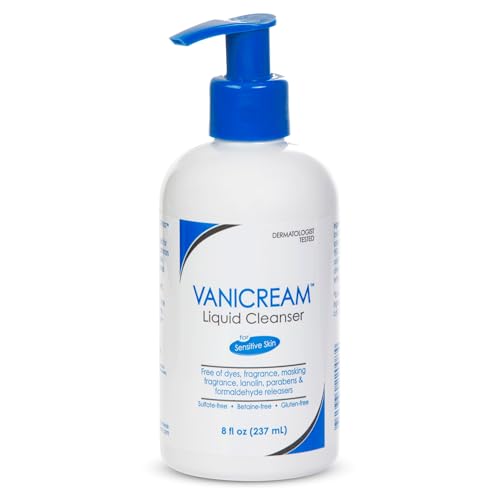
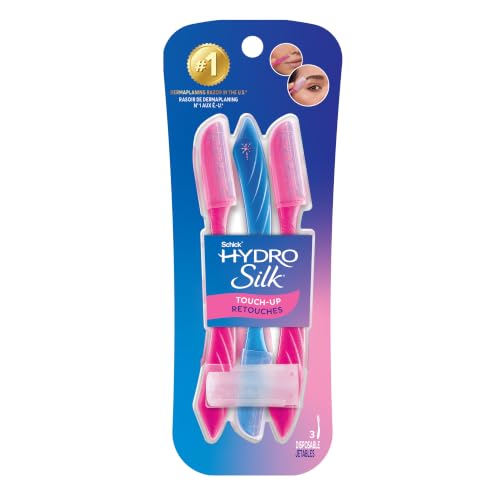
Recommended Facial Razors and Shaving Essentials





At a Glance
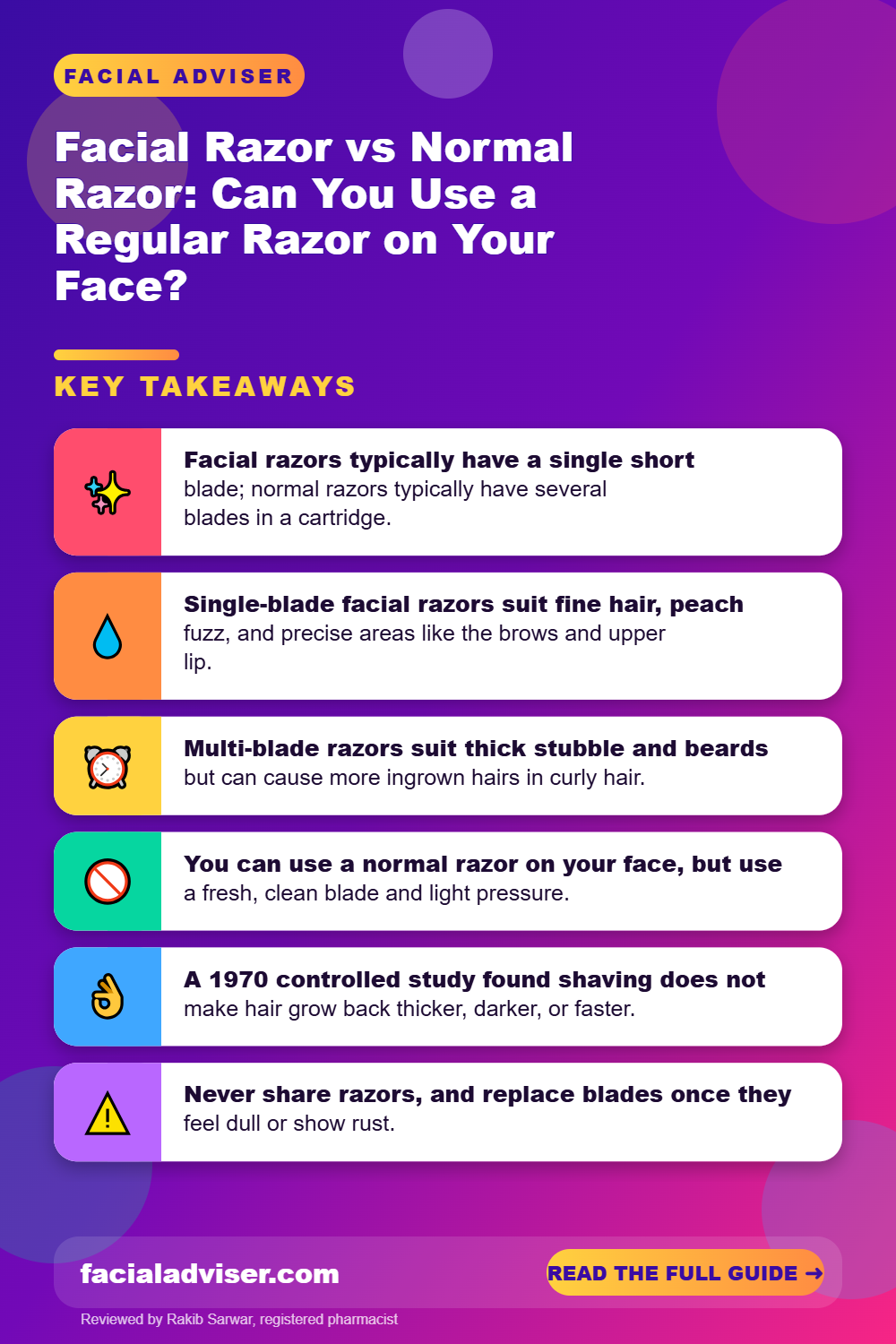
- Facial razors typically have a single short blade; normal razors typically have several blades in a cartridge.
- Single-blade facial razors suit fine hair, peach fuzz, and precise areas like the brows and upper lip.
- Multi-blade razors suit thick stubble and beards but can cause more ingrown hairs in curly hair.
- You can use a normal razor on your face, but use a fresh, clean blade and light pressure.
- A 1970 controlled study found shaving does not make hair grow back thicker, darker, or faster.
- Never share razors, and replace blades once they feel dull or show rust.
- Recurring painful bumps after shaving may be pseudofolliculitis barbae and may need a doctor.
Contents
- How the Two Razors Are Designed
- Facial Razor vs Normal Razor at a Glance
- A Quick Check: Which Razor Do You Need?
- How to Shave Your Face Safely
- Facial Razors and Dermaplaning
- Does Shaving Your Face Make Hair Grow Back Thicker?
- Razor Bumps and Ingrown Hairs
- Caring for Your Razor
- What a Razor Cannot Do
- When to See a Doctor
- Frequently Asked Questions
- Where This Leaves You
How the Two Razors Are Designed
Facial razors
Most facial razors, sometimes called dermaplaning razors or eyebrow razors, have one short, straight blade, often with tiny safety guards or microguards along the edge. The small head lets you reach the upper lip, chin, and brow area precisely, and the single blade glides over fine hair with minimal pull. Many are disposable or come in multi-packs.
Normal razors
Standard cartridge razors have three to five blades in a pivoting head, with a lubricating strip. The first blade lifts and cuts the hair, and following blades cut it again slightly lower. This produces a very close shave on thick hair, which is why they are popular for beards, legs, and underarms.
Electric shavers are another option. They cut hair above the skin through a guard, which makes them less close but usually gentler for sensitive and bump-prone skin.
Facial Razor vs Normal Razor at a Glance
| Feature | Facial razor | Normal razor |
|---|---|---|
| Blades | Usually one short blade | Usually three to five blades |
| Best hair type | Fine hair, peach fuzz, stray hairs | Thick stubble, beards |
| Precision | High, good for brows and lip | Lower on small curved areas |
| Closeness | Cuts at the surface | Cuts slightly below the surface |
| Ingrown hair risk | Lower for most people | Higher in curly or coarse hair |
| Removes dead skin | Yes, when used at an angle for dermaplaning | Not intended to |
| Use with or without gel | Often on dry or lightly oiled skin | Best with shave gel or cream |
Neither razor is gendered in how it works. Many men use single-blade or safety razors to reduce razor bumps, and many women use multi-blade razors for coarse chin hairs.
A Quick Check: Which Razor Do You Need?
Run through these questions before you buy or shave.
Look at your hair
Soft, light, fine hair on the cheeks, forehead, or upper lip suits a facial razor. Dark, thick, fast-growing stubble suits a multi-blade or electric shaver.
Check your history of bumps
If you often get red or dark bumps after shaving, especially with curly hair, choose a single-blade razor or an electric shaver and avoid very close shaves.
Think about the area
For brows, small patches, or the edge of the hairline, a facial razor gives precision. For the full beard area, a normal razor or electric shaver is faster.
Consider your skin
If you use retinoids or have sensitive skin, a light, single-blade pass with a gel or oil is usually gentler than multiple passes with a cartridge razor.
Try it on a small area
Shave a small patch near the jawline and wait a day. If there is no redness, bumps, or stinging, you can use the same razor on the rest of the area.
If you mainly want smoother skin and makeup that sits better, a facial razor used for dermaplaning once every two to four weeks is usually enough.
How to Shave Your Face Safely
Good technique matters more than which razor you choose. Start with clean skin and a fresh blade.
Helps
- Cleanse your face and pat dry, or apply a thin shave gel.
- Hold the skin taut and use short, light strokes.
- Shave in the direction of hair growth.
- Rinse the blade often to clear hair and product.
- Finish with a fragrance-free moisturizer or aloe gel.
Backfires
- Press hard or go over the same area repeatedly.
- Use a dull, nicked, or rusty blade.
- Shave over pimples, cold sores, or broken skin.
- Share razors with anyone.
- Apply acids, retinoids, or fragranced toners right after.
For a facial razor, hold it at a low angle, about 30 to 45 degrees, and make short downward strokes. For a normal razor, use a shave gel or cream and let it sit for a minute to soften the hair before shaving.
Keep brows for last and go slowly. It is easy to take off more than you meant. Brush brows up first and trim only stray hairs outside your natural shape.
Facial Razors and Dermaplaning
Many facial razors are sold as dermaplaning tools. Dermaplaning means holding the blade at an angle and making short strokes to remove both fine hair and a thin layer of dead skin from the surface. Professionals use a surgical scalpel; home versions use a guarded razor that is much less sharp.
People like dermaplaning because skin can feel smoother and makeup often glides on more evenly afterward. The effect is mainly on the surface and lasts until the hair and dead cells build up again, usually within a few weeks.
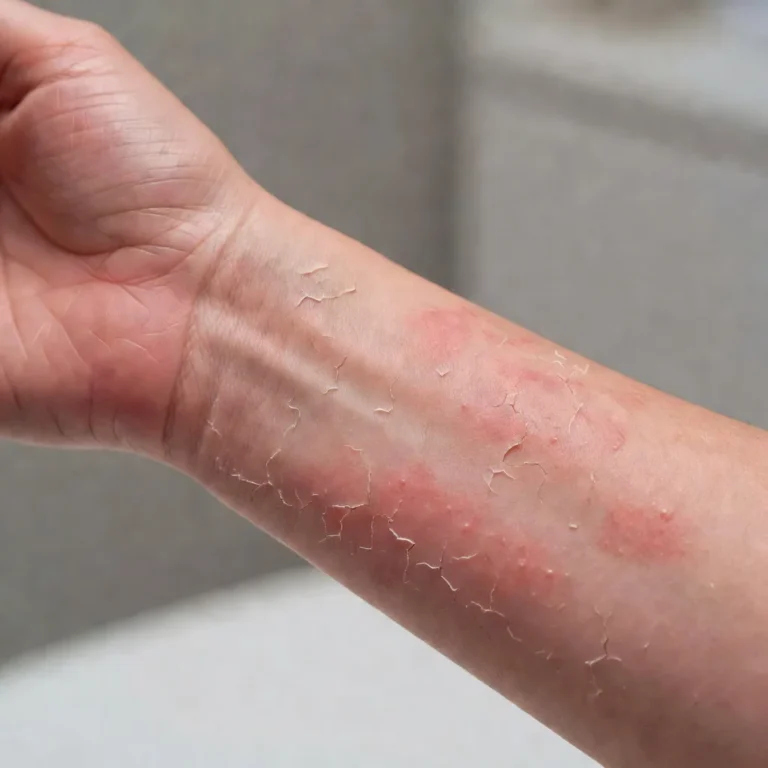
It is not suitable for everyone. Skip it if you have active acne, since the blade can nick pimples and spread bacteria, and be cautious if you have very sensitive skin, rosacea, or use prescription retinoids. Because it removes some dead skin, follow with a gentle moisturizer and be strict with sunscreen for a few days.
Does Shaving Your Face Make Hair Grow Back Thicker?
No. A 1970 study by Lynfield and Macwilliams in the Journal of Investigative Dermatology compared shaved and unshaved skin and found shaving did not change hair growth rate, thickness, or the number of hairs. Earlier research by Mildred Trotter in 1928 reached the same conclusion.
Hair can feel coarser as it grows back because a shaved hair has a blunt tip instead of a naturally tapered one. It may look darker briefly as it emerges, but it is the same hair.
If you are comparing shaving with other methods, our guide to waxing vs shaving facial hair explains how long each lasts and which irritates less.
Razor Bumps and Ingrown Hairs
Razor bumps, or pseudofolliculitis barbae, happen when shaved hairs curl back into the skin. They are most common in people with tightly curled hair, and a 2013 review in American Family Physician cited rates of 45 to 85 percent among men of African descent.
That review recommended avoiding very close shaves, leaving hair at about 0.5 to 3 mm, using single-blade razors or clippers, and shaving with the grain. For some men, growing facial hair is the most effective solution. Our guide to facial hair vs no facial hair covers that choice.
Do not dig out ingrown hairs with tweezers or needles. This can cause infection, scarring, and dark marks. Gentle exfoliation and time usually help them release.
Caring for Your Razor
A dirty or dull razor is one of the biggest causes of irritation and infection. Rinse the blade well after each use, shake off excess water, and let it dry upright in a dry place rather than a damp shower.
Replace disposable facial razors after a few uses or as soon as they feel like they are tugging. Replace cartridge blades every five to ten shaves, or sooner if you shave thick hair daily. If you see rust or nicks on the edge, throw it away.
Store razors out of reach of children, and dispose of used blades safely, ideally in a small container designed for blades.
What a Razor Cannot Do
Shaving only removes hair at the surface, so results last a day or two for stubble and a few days to a week for fine facial hair. No razor reduces hair growth over time.
| Belief | Reality |
|---|---|
| Facial razors are just marketing | Single blades and small heads do help with fine hair and precision |
| More blades are always better | More blades cut closer but can raise ingrown hair risk |
| Shaving causes thicker regrowth | Studies show no change in thickness or growth |
| You must use shave gel with a facial razor | Many are used on dry or lightly oiled skin |
| Dermaplaning shrinks pores | It removes surface hair and dead skin but does not change pore size |
If you want longer-lasting results, our guide to epilator vs waxing for facial hair compares root removal options.
When to See a Doctor
See a doctor or dermatologist if you notice:
- Painful bumps, pustules, or dark spots that return after every shave.
- Raised, firm scars or keloids along the jaw or neck.
- Signs of infection, such as spreading redness, warmth, swelling, or pus.
- Sudden or heavy new facial hair growth, especially in women.
- A mole or spot that bleeds easily when shaved or changes shape or color.
- Persistent itching or rash after using a shave product.
Medical disclaimer: This article is for general information and is not a substitute for professional medical advice. Talk to a healthcare provider about persistent skin problems or unusual hair growth.
Frequently Asked Questions
Can I use a normal razor on my face?
Yes, but use a fresh blade, a shave gel, and light pressure. For fine hair or small areas, a facial razor is usually easier.
What makes a facial razor different?
It usually has a single short blade on a slim handle, designed for fine hair and precise areas.
Is a facial razor good for men?
Yes, for shaping, edges, and fine hair. For a full beard, a multi-blade razor or electric shaver is usually faster.
Does dermaplaning make hair grow back thicker?
No. Shaving does not change hair thickness or growth rate.
How often should I use a facial razor?
For fine facial hair or dermaplaning, every two to four weeks is common.
Should I use shaving cream with a facial razor?
Many people use them on dry or lightly oiled skin. Use a gel if you are shaving thicker hair.
Why do I get bumps after shaving my face?
Often from shaving too closely, against the grain, with a dull blade, or with curly hair that curls back into the skin.
Is a single-blade razor better for razor bumps?
Often yes. Single blades cut at the surface, which can reduce ingrown hairs.
How often should I replace my razor?
Replace facial razors after a few uses and cartridge blades every five to ten shaves, or when dull.
Can I shave my face if I use retinol?
Yes, gently. Skip shaving on nights your skin feels irritated and avoid applying retinol right after.
Where This Leaves You
A facial razor and a normal razor both cut hair at the surface, but they suit different jobs. Single-blade facial razors give precision and gentle results on fine hair and small areas, while multi-blade razors cut thick stubble quickly but can raise the risk of ingrown hairs in curly or coarse hair.
Choose based on your hair type and bump history, use a fresh, clean blade with light pressure and the grain, and remember that shaving does not make hair grow back thicker. See a doctor if bumps, scars, or sudden hair growth become a problem.

Written by
Registered pharmacist and founder of Facial Adviser. Rakib's pharmacy training covers how skincare actives work and interact; a later course in cosmetology turned that into a focus on facial treatments and skincare products. He plans, researches and edits every guide on the site and checks health claims against sources such as the American Academy of Dermatology, the FDA and the NIH. He is not a dermatologist; see the Editorial Policy and Medical Disclaimer.
About · Editorial policy · How we choose products · Medical disclaimer · Contact
Keep reading: Facial hair removal
- 10 Best Products for Women's Facial Hair Removal (2026): Gentle Picks
- 10 Best IPL Hair Removal Systems (2026): Smoother Skin at Home
- 10 Best IPL Hair Removal Devices for Sensitive Skin (2026): Gentle Picks
- 10 Best Eyebrow Razors (2026): Clean, Precise Brow Shaping
- 10 Best Facial Razors for Women (2026): Smooth, Fuzz-Free Skin at Home
- 10 Best Mirrors for Plucking Facial Hair (2026): See Every Fine Hair
- 10 Best Gua Sha Facial Tools (2026): Stone and Steel Picks Compared
- 10 Best Facial Tools (2026): LED, Cleansing, Gua Sha and More