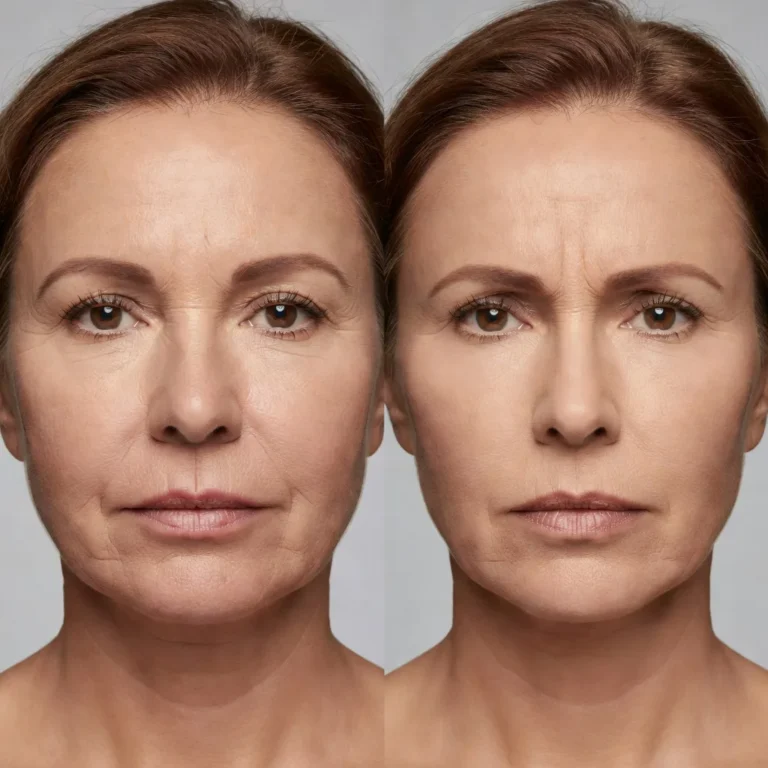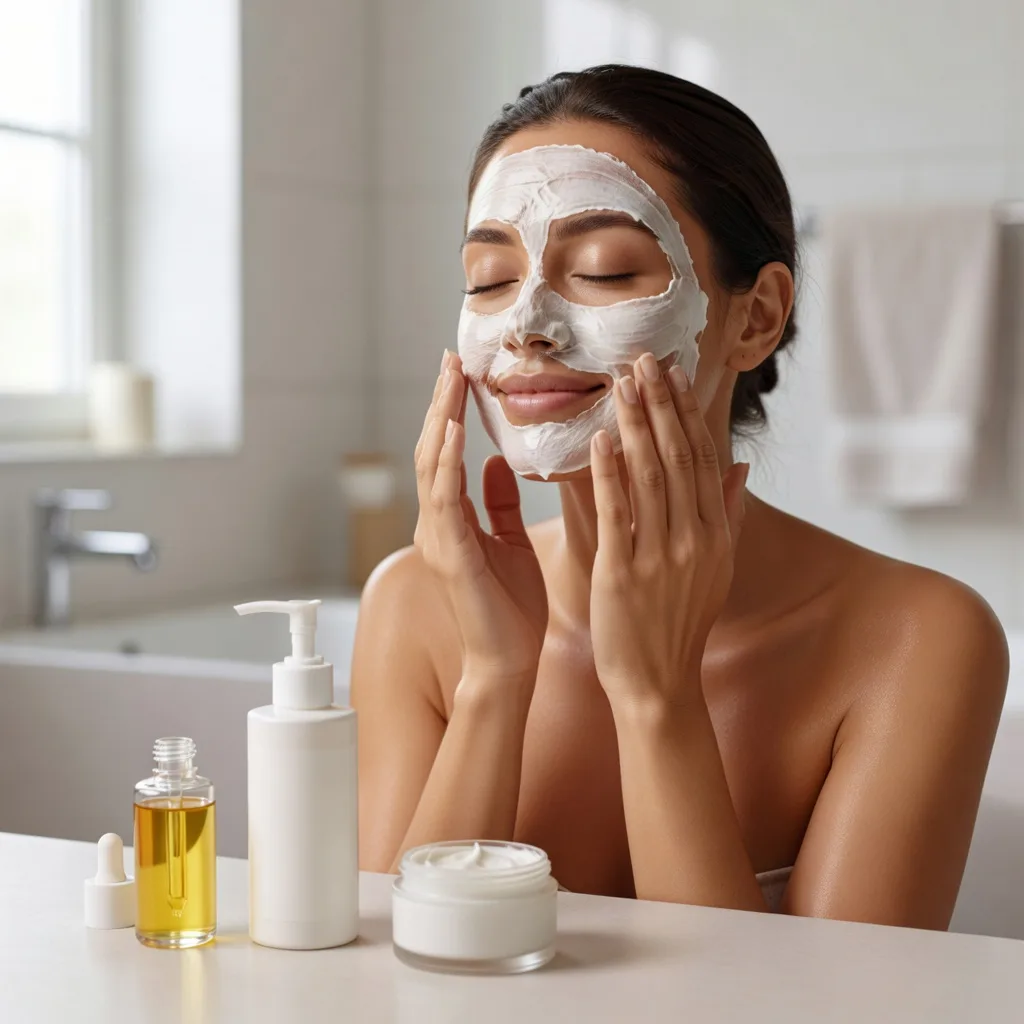
Best Facial Skincare Tips: Evidence-Based Habits Dermatologists Recommend
There is no shortage of skincare advice online, but much of it is trend-driven, contradictory or built around selling products. The habits that make the biggest difference to how your face looks and feels are surprisingly simple, and most of them cost little or nothing.
Part of our guide to skincare routines and ingredients. Start with: Best Skin Care Routine: Simple AM and PM Steps for Every Skin Type
The best facial skincare tips are the ones backed by dermatologists: wear a broad-spectrum sunscreen of SPF 30 or higher every day, wash your face gently with lukewarm water and a mild cleanser, moisturise to support your skin barrier, and never pick or squeeze spots. Patch test new products before using them all over, introduce a retinoid slowly at night for smoother texture over time, and use products suited to your skin type. Everyday habits matter too, including enough sleep, not smoking and managing stress. Skip harsh scrubs, overloaded routines and viral hacks that promise overnight results.
In short: protect from sun, cleanse gently, moisturise, leave spots alone and keep your routine simple.
The American Academy of Dermatology lists daily sunscreen, gentle washing without scrubbing, choosing products for your skin type and not smoking among the habits dermatologists themselves rely on.
Below you will find each tip explained, why it works, how to apply it in daily life and which popular habits are better left out, plus clear signs that it is time to see a dermatologist. None of it needs an expensive or complicated routine to work.
Shopping these picks?
Amazon Prime members get fast, free shipping on eligible items, plus Prime Video, Amazon Music and member deals. New members can start with a free trial.
Start a free Prime trialAged 18 to 24? Prime for Young Adults comes with a longer free trial and a lower price after it.
Affiliate link: we may earn a commission at no extra cost to you.
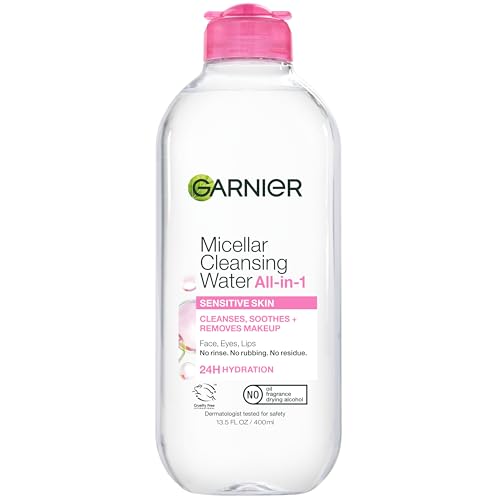
Recommended Facial Skincare Basics on Amazon




Contents
- Tip 1: Wear Sunscreen Every Day
- Tip 2: Cleanse Gently, Not Harshly
- Tip 3: Moisturise to Protect Your Skin Barrier
- Tip 4: Leave Spots Alone
- Tip 5: Patch Test and Introduce Products Slowly
- Tip 6: Consider a Retinoid at Night
- Tip 7: Support Your Skin With Everyday Habits
- Tip 8: Choose Products for Your Skin Type
- Popular Habits to Skip
- How to Put These Skincare Tips Into Practice
- Honest Limits
- When to See a Dermatologist
- Questions People Ask
- Final Word
Key Takeaways
- Daily broad-spectrum sunscreen is the most important tip for healthy skin.
- Wash gently with lukewarm water; scrubbing irritates skin.
- Moisturise to support the skin barrier, even if you are oily.
- Do not pick or squeeze spots.
- Patch test new products and add them one at a time.
- A retinoid at night is one of the best-studied anti-aging steps.
- Sleep, not smoking and stress management support your skin.
Tip 1: Wear Sunscreen Every Day
Sun exposure causes most of the visible aging people worry about, including wrinkles, brown spots, uneven tone and loss of firmness, and it raises the risk of skin cancer. Daily sunscreen is the single habit with the biggest long-term payoff.
- Choose broad spectrum, SPF 30 or higher, and water resistant if you will sweat or swim.
- Apply to face, ears, neck and any other exposed skin every morning.
- Use enough to cover evenly; most people apply too little.
- Reapply at least every two hours outdoors and after swimming or sweating.
- Wear it on cloudy days and near windows, since UVA passes through clouds and glass.
The AAD explains how much to use and when to reapply in its guide on how to apply sunscreen. Pair sunscreen with shade and a wide-brimmed hat on strong-sun days. If you dislike the feel of sunscreen, try a different texture, such as a fluid, gel or tinted mineral formula, because the best sunscreen is the one you will actually wear every day.
Tip 2: Cleanse Gently, Not Harshly
Cleansing removes oil, sweat, sunscreen, makeup and pollution, but harsh cleansing strips the skin and can trigger dryness, redness and even more oil.
- Wash in the evening and after heavy sweating; a morning rinse may be enough for dry skin.
- Use lukewarm water rather than hot.
- Massage cleanser in with your fingertips for about a minute, then rinse.
- Pat dry with a clean towel instead of rubbing.
- Choose a mild, fragrance-free cleanser if your skin is sensitive.
If your face feels tight, squeaky or itchy after washing, your cleanser may be too strong. Our guide on how to tell if a cleanser is too harsh lists the signs and gentler alternatives.
Tip 3: Moisturise to Protect Your Skin Barrier
The outer layer of skin acts as a barrier that holds water in and keeps irritants out. A moisturiser supports that barrier, which helps skin look smoother and react less to other products.
- Apply moisturiser right after cleansing, while skin is still slightly damp.
- Look for ingredients such as ceramides, glycerin and hyaluronic acid.
- Oily skin still benefits from a light, oil-free or gel moisturiser.
- Use a richer cream in cold, dry weather or with indoor heating.
- Choose fragrance-free if you have sensitive or reactive skin.
If your skin is already stinging, flaking or red, our guide on how to repair your moisture barrier fast explains how to pare back and let it recover.
Tip 4: Leave Spots Alone
Squeezing a pimple pushes bacteria and inflammation deeper, increases redness and swelling and raises the risk of dark marks and scars that can last far longer than the spot itself.
- Use a spot treatment with benzoyl peroxide or salicylic acid instead of squeezing.
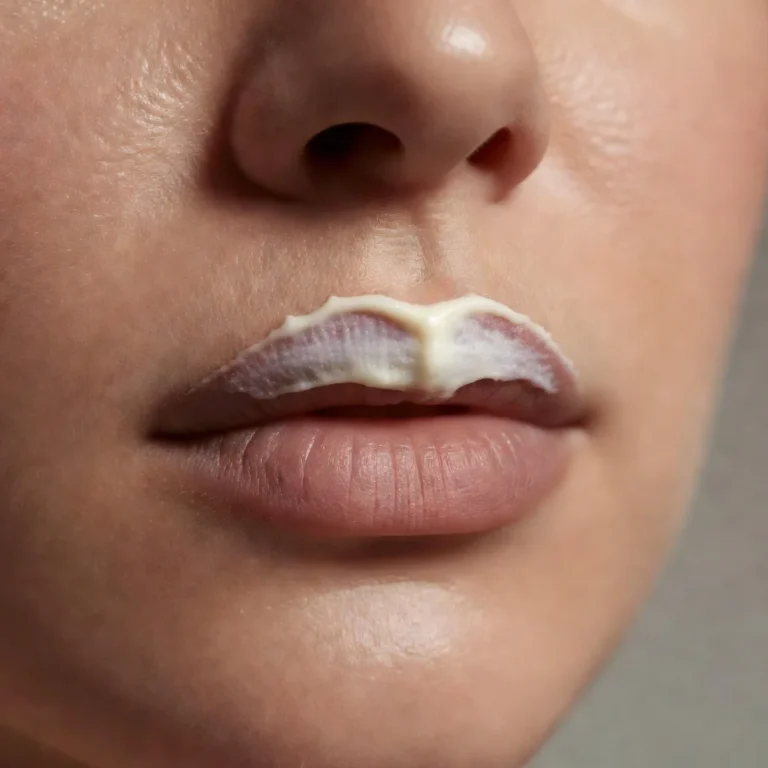
- Try a hydrocolloid patch to stop you touching a spot.
- Keep hands, phones and hair products away from breakout areas.
- Wash pillowcases and face towels regularly.
- See a dermatologist for painful, deep or frequent breakouts.
The AAD’s acne skin care tips advise against popping, picking or squeezing spots and recommend gentle, non-comedogenic products instead.
Tip 5: Patch Test and Introduce Products Slowly
New products are the most common cause of sudden redness, itching or breakouts. Testing first and adding one product at a time makes it easy to spot the culprit.
- Apply a small amount near your jaw or behind your ear once or twice a day for several days.
- Watch for redness, itching, swelling or bumps.
- Add only one new product every two weeks or so.
- Stop and rinse off anything that burns or causes a rash.
- Keep a note of what you added and when.
A patch test lowers the risk of a reaction but does not rule one out. Some allergies develop only after repeated use, so stop any product that starts causing problems, even one you have used for months.
Tip 6: Consider a Retinoid at Night
Retinoids, which include over-the-counter retinol and adapalene as well as prescription options, are among the most studied skincare ingredients. They can help with fine lines, uneven texture and acne over time.
- Start two or three nights a week with a pea-sized amount for the whole face.
- Apply to dry skin after cleansing, then moisturise.
- Increase frequency slowly if your skin stays comfortable.
- Expect some dryness or flaking in the first weeks.
- Always wear sunscreen the next day.
Retinoids, including many over-the-counter retinol products, are generally not recommended during pregnancy or while trying to conceive. Speak to your doctor first, and stop using retinoids if you develop significant burning, swelling or peeling.
Tip 7: Support Your Skin With Everyday Habits
Skin reflects overall health. A few lifestyle habits have a real effect on how your face looks, and none of them require a product.
| Habit | How it helps skin | Simple step |
|---|---|---|
| Enough sleep | Skin repairs overnight; poor sleep can leave skin dull and puffy | Aim for a regular bedtime |
| Not smoking | Smoking speeds up skin aging and slows healing | Seek support to quit |
| Managing stress | Stress can trigger flares of acne, eczema and rosacea | Build in short daily breaks |
| Balanced diet | Supports overall skin health | Plenty of vegetables, fruit and whole foods |
| Staying active | Supports circulation and overall health | Wash or rinse after sweating |
| Removing makeup at night | Reduces clogged pores and irritation | Keep a gentle remover by the bed |
Our guide on how sleep deprivation causes dull skin explains what happens to your skin after short nights. Sleeping on a clean pillowcase and removing makeup before bed are small extras that also help, especially if you are prone to breakouts.
Tip 8: Choose Products for Your Skin Type
A product that works well for a friend can be wrong for you. Matching textures and ingredients to your skin type avoids many common problems.
| Skin type | Look for | Go easy on |
|---|---|---|
| Oily | Gel cleansers, oil-free moisturisers, salicylic acid | Heavy oils and rich creams |
| Dry | Cream cleansers, ceramides, richer moisturisers | Foaming cleansers, alcohol-heavy toners |
| Combination | Gentle cleansers, lighter moisturiser on oily zones | Treating the whole face the same way |
| Sensitive | Fragrance-free, short ingredient lists, mineral sunscreen | Fragrance, strong acids, scrubs |
| Acne-prone | Non-comedogenic, oil-free labels, adapalene | Thick occlusive products on breakout areas |
Reading the label helps: terms such as fragrance-free and non-comedogenic are more useful than vague claims like natural or clean. Skin type can shift with seasons, hormones and age, so check in with your skin every few months rather than sticking with the same products forever.
Popular Habits to Skip
Some widely shared tips do more harm than good, or simply do not work as promised.
- Scrubbing with gritty scrubs or rough cloths, which can irritate and inflame skin.
- Using lemon juice, toothpaste or baking soda on the face.
- Layering many strong actives at once.
- Switching products every week before any can work.
- Tanning, indoors or outdoors, for a healthy glow.
- Relying on makeup SPF as your only sunscreen.
If you want a tanned look, the AAD suggests self-tanner as a safer alternative to tanning, and its list of skin care tips dermatologists use also warns that scrubbing irritates skin and can worsen existing skin conditions. Viral hacks tend to spread because they look dramatic on camera, not because they have been tested on real skin over time.
Do
- Wear sunscreen daily
- Wash gently with lukewarm water
- Moisturise morning and night
- Patch test new products
- Sleep with a clean face
Don’t
- Pick or squeeze spots
- Scrub your face
- Use kitchen ingredients on skin
- Stack many strong actives
- Tan for a healthy glow
How to Put These Skincare Tips Into Practice
Turning tips into habits is easier with a simple, repeatable routine.
Start with sunscreen
Place it next to your toothbrush so it becomes part of your morning.
Simplify your cleanser
Switch to a mild cleanser and lukewarm water.
Add a moisturiser
Use it morning and night, adjusting richness to the season.
Stop touching spots
Use a patch or spot treatment instead of squeezing.
Introduce one active
Add a retinoid at night, slowly, after patch testing.
Protect your sleep
Aim for a regular bedtime and wash off makeup before bed.
Review in three months
Keep what helps, drop what does not and adjust for your skin.
Change one habit at a time. When you add several new steps at once, it is hard to tell which one helped and which one caused a problem.
Honest Limits
These tips keep skin healthy and can gradually improve texture, tone and mild breakouts, but they cannot undo years of sun damage, deep wrinkles or severe acne on their own. Results also take weeks to months, and genetics play a large part in how skin ages and how prone it is to acne, redness or dark marks.
Some advice is also less certain than it sounds. The links between specific foods and skin are still being studied, drinking extra water has not been shown to hydrate the skin surface in a meaningful way, and no cream can replace the effect of avoiding sun damage in the first place. Expensive products and long routines are not required to follow any of these tips well.
When to See a Dermatologist
See a board-certified dermatologist if you have painful or scarring acne, redness that does not settle, patches that itch or flake despite moisturiser, or dark spots that do not fade. The AAD also recommends checking your skin regularly and having any new, changing, itching or bleeding spot examined promptly.
- Acne that is deep, painful or leaves marks.
- Persistent redness, flushing or stinging.
- Itchy, scaly or cracked patches.
- A mole or spot that is new, changing or bleeding.
This article is for general information and does not replace professional medical advice. See a board-certified dermatologist for skin conditions, persistent irritation or any changing spot.
Questions People Ask
What is the most important skincare tip?
Wear broad-spectrum sunscreen of SPF 30 or higher every day.
How often should I wash my face?
Once or twice a day, and after heavy sweating.
Should oily skin use moisturiser?
Yes, a light, oil-free moisturiser supports the barrier.
Is it bad to pop pimples?
Yes, it can cause infection, dark marks and scars.
How do I patch test skincare?
Apply a little near the jaw for several days and watch for a reaction.
When should I start using retinol?
Many people start in their twenties or thirties; start slowly.
Does sleep really affect skin?
Yes, poor sleep can leave skin dull and puffy.
Are face scrubs bad for skin?
Gritty scrubs can irritate; gentler options are usually better.
Do I need sunscreen indoors?
Yes, if you sit near windows, since UVA passes through glass.
Are expensive products better?
Not necessarily; consistency and suitable ingredients matter more.
Final Word
The best facial skincare tips are simple and well supported: daily sunscreen, gentle cleansing, regular moisturising, leaving spots alone, patch testing new products and adding a retinoid slowly at night.
Support those habits with good sleep, not smoking and stress management, skip harsh scrubs and viral hacks, and see a dermatologist when a problem persists or a spot changes.

Written by
Registered pharmacist and founder of Facial Adviser. Rakib's pharmacy training covers how skincare actives work and interact; a later course in cosmetology turned that into a focus on facial treatments and skincare products. He plans, researches and edits every guide on the site and checks health claims against sources such as the American Academy of Dermatology, the FDA and the NIH. He is not a dermatologist; see the Editorial Policy and Medical Disclaimer.
About · Editorial policy · How we choose products · Medical disclaimer · Contact
Keep reading: Skincare routine basics
- Best Skin Care Routine: Simple AM and PM Steps for Every Skin Type
- Why Professional Skin Care Is Important
- Best Facial Routine Skincare Kit for Men: What to Look For and How to Use It
- Is Mineral Water Good for Your Skin? What the Evidence Says
- Best Way to Patch Test Skincare: Where, How Long and What Reactions Mean